

What do you think?

I manoscritti non bruciano. Michail Bulgakov: una vita in lettere a diari
In his own lifetime, Russian novelist and playwright Mikhail Bulgakov was scarcely published. A quarter of a century after his death, his novel, "The Master and the Margarita", has become a worldwide bestseller. In this book, J.A.E. Curtis presents a chronicle of Bulgakov's life. She is the only Westerner to have been granted access to either his or his wife's diaries which record the nightmarish precariousness of life during the Stalinist purges. She combines this with extracts from letters to and from Bulgakov and with her own commentary. She also includes letters to Stalin, in which Bulgalov pleads to be allowed to emigrate; letters to his siblings; intimate notes to his second and third wives; and letters to and from other writers such as Gorky and Zamyatin.
345 pages, Hardcover
First published December 31, 1991
About the author
Mikhail Bulgakov
769 books8,338 followersMikhail Afanasyevich Bulgakov (Russian: Михаил Булгаков) was a Russian writer, medical doctor, and playwright. His novel
The Master and Margarita
, published posthumously, has been called one of the masterpieces of the 20th century.
He also wrote the novel The White Guard and the plays Ivan Vasilievich, Flight (also called The Run ), and The Days of the Turbins . He wrote mostly about the horrors of the Russian Civil War and about the fate of Russian intellectuals and officers of the Tsarist Army caught up in revolution and Civil War.
Some of his works ( Flight , all his works between the years 1922 and 1926, and others) were banned by the Soviet government, and personally by Joseph Stalin, after it was decided by them that they "glorified emigration and White generals". On the other hand, Stalin loved The Days of the Turbins (also called The Turbin Brothers ) very much and reportedly saw it at least 15 times.
He also wrote the novel The White Guard and the plays Ivan Vasilievich, Flight (also called The Run ), and The Days of the Turbins . He wrote mostly about the horrors of the Russian Civil War and about the fate of Russian intellectuals and officers of the Tsarist Army caught up in revolution and Civil War.
Some of his works ( Flight , all his works between the years 1922 and 1926, and others) were banned by the Soviet government, and personally by Joseph Stalin, after it was decided by them that they "glorified emigration and White generals". On the other hand, Stalin loved The Days of the Turbins (also called The Turbin Brothers ) very much and reportedly saw it at least 15 times.
Ratings & Reviews
Friends & Following
Create a free account to discover what your friends think of this book!
Community Reviews
Displaying 1 - 30 of 32 reviews

March 23, 2015
Mikhail Bulgakov is now widely acknowledged as one of the greatest writers of the Soviet period, but due to the rigid censorship of the regime, didn’t live to see his best works published or performed. Because Bulgakov was adept at reworking his material in different forms — novels, plays and short stories — and because different versions of his work were published at different times, reading his work becomes a kind of literary treasure hunt.
J.A.E. Curtis, Professor of Russian Literature at Oxford, is an invaluable guide on the treasure trail. In Manuscripts Don’t Burn, she draws together 11 years of research to chronicle Bulgakov’s life through letters and diaries. The book was first published in 1991 on the centenary of Bulgakov’s birth, and only one to two years after sections of his diaries were released from the KGB archives. The last two chapters include excerpts from the diaries of Bulgakov’s third wife, Yelena Sergeyevna, which provide a first-hand account of the day-to-day existence of writers and artists during the Stalinist purges.
The title “Manuscripts Don’t Burn” is a line from Bulgakov’s masterpiece, The Master and Margarita. It is both prophetic, because his best works were published posthumously, and ironic, given his predilection for burning material he considered sub-standard. As he wrote to a friend in 1932, “The stove long ago became my favourite editor.”
The early chapters provide an insight into Bulgakov’s fierce ambition:
“I am frightened by the fact that I am thirty two, by the years I have squandered on medicine… I can’t believe that the voice that keeps troubling me at the moment is anything but prophetic. It must be. There is nothing else for me to be. I can be only one thing — a writer.”
Incidentally, it appears that Bulgakov wrote the short stories published as A Young Doctor's Notebook — based on the years he felt he had “squandered on medicine”, when he ran, almost single-handed, a hospital in a very poor rural area — to demonstrate the work he had done for the proletariat as a way of deflecting the criticism he attracted for wearing that symbol of the bourgeoisie, a monocle. The monocle, of course, reappeared as a motif in The Master and Margarita.
Suspicion and professional jealousies continued to plague Bulgakov’s life and career. Understandably, he started to become paranoid after the secret police raided his flat in 1926, confiscating his personal diaries and the manuscript of Heart of a Dog.
Manuscripts Don’t Burn includes a series of extraordinary letters Mikhail Bulgakov wrote to Stalin, begging to be permitted to leave the USSR. I couldn’t help holding my breath as Bulgakov detailed, for page after page, the despair and frustration he felt over the banning of his plays, despite their popularity; the misappropriation of his work outside the Soviet Union; the increasingly savage reviews of his work; and the continued denial of his requests to travel overseas. Bulgakov seemed to have forgotten exactly who he was writing to! He was probably saved from arrest by the fact that Stalin was a fan of Bulgakov’s play, The Days of the Turbins, the theatrical adaptation of his first novel, White Guard.
The desire to travel abroad became an obsession for Bulgakov. In May 1934, Yelena Sergeyevna described the cruel cat-and-mouse game of seeing “two red passports” lying on the desk of a government official, and being advised that the couple could collect them the following day:
“M.A. kept repeating exultantly, ‘So that means I am not a captive! It means I will see the world!... M.A. held my arm tightly to his side and was laughing and thinking up the first chapter of the book he would bring back from his travels: Am I really not a prisoner?’”
On 10 April 1937, Yelena Sergeyevna noted simply, “Misha will never see Europe.”
During the Great Terror, Yelena Sergeyevna’s diaries make increasingly frequent references to friends, acquaintances, neighbours, and former colleagues being arrested, or sent into internal exile (Siberia), being sentenced to be shot, committing suicide, and the chilling euphemism, “has fallen seriously ill and won’t be coming back”. She also makes wry references to no less than three well-known informers who persist in dropping in uninvited.
In February 1936, Yelena Sergeyevna wrote, “Misha’s destiny is clear to me: he will be alone and persecuted until the end of his days.” Only two weeks later, three of Bulgakov’s plays were cancelled.
In 1937, the rumours intensified. I felt a sense of horror on reading about the discussions between Stalin and Molotov in the “Government box” at the opera about which of Bulgakov’s plays should be permitted to be staged — discussions which always made their way back to the Bulgakovs.
Yelena Sergeyevna’s diaries also provide some glimpses into the real-life inspirations for her husband’s work. In April 1935, she described a ball thrown by the American Ambassador in Moscow:
“There were people dancing in a hall with columns, floodlights shining down from the gallery, and behind a net which separated off the orchestra there were live pheasants and other birds. We had supper at separate tables in an enormous dining room with live bear-cubs in one corner, kid goats, and cockerels in cages.”
Fans of The Master and Margarita will note the similarities between this event and Satan’s ball in the novel.
The theatre director Konstantin Stanislavsky also became an unwitting subject. As Yelena Sergeyevna wrote in her diary in April 1935:
“Rehearsals of Moliére are continuing at Stanislavsky’s house in Leontyevsky Street, driving Misha to exasperation. Instead of rehearsing the scenes of the play, he occupies the actors in pedagogic exercises and tells them all sorts of irrelevant things which do nothing to make the play progress. Misha has been persuading me that no ‘method’ and no efforts are going to make a bad actor to act well.”
Bulgakov later satirised these episodes in A Dead Man's Memoir: A Theatrical Novel.
But the cumulative effect of censorship weighed heavily on Bulgakov towards the end of his life. In October 1937, he wrote:
“Over the last seven years I have created sixteen works in different genres, and they have all perished. This is an impossible situation, and in our home everything looks utterly hopeless and sombre.”
But during this period, even while his health was failing, Bulgakov was working in secret on his great novel, The Master and Margarita. In June 1938, he wrote a poignant letter to Yelena Sergeyevna, who was on holiday to restore her own health:
“In front of me lie 327 typed pages (about twenty-two chapters). If I remain in good health, the typing will soon be finished…‘And what will come of it?’ you ask. I don’t know. In all probability you will put it away in the writing desk or in the cupboard where the corpses of my plays lie, and from time to time you will remember. However, we cannot know our future…
Oh dear, Ku, you can’t see from a distance what this last sunset novel has done to your husband at the end of his dreadful life in literature.”
Mikhail Bulgakov died less than two years later, on 10 March 1940 of the same kidney disease which had killed his own father. He was 49. In a sad postscript, Yelena Sergeyevna wrote to Bulgakov’s brother Nikolay, in Paris, “As a doctor, he knew everything that would happen to him.”
Mikhail Bulgakov wrote that we cannot know our future. But of course, we know how his story ends. The Master and Margarita was published a quarter of a century later, and now lives on as one of the best novels of the 20th Century.
I enjoyed Manuscripts Don’t Burn for the insights it gave into the complex and multi-layered work of Mikhail Bulgakov; it has made me want to read more of Bulgakov, and to re-read my favourites with a new understanding.
****
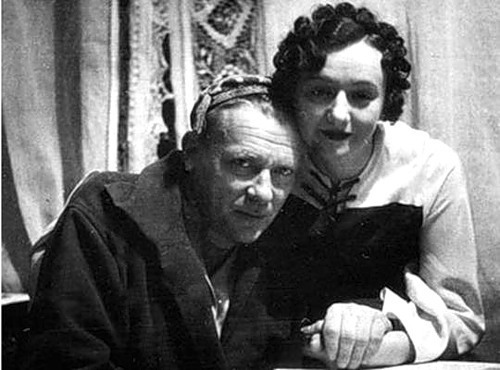
Manuscripts Don’t Burn includes some black and white photos. I have included the one of Bulgakov and Yelena Sergeyevna below, to illustrate the stark difference between the handsome, urbane 35 year-old on the book cover, and his appearance towards the end of his life. As Yelena Sergeyevna wrote in September 1938, “Misha blames himself for everything, but I find this painful; I know perfectly well that it is others who have ruined him.”

November 28, 2017
دست نوشتهها نمیسوزد، کتابی است برمبنای یادداشتهای روزانه بولگاکف تا سال ۱۹۲۵، نامه ها او از ۱۹۲۰ تا ۱۳۴۰ و همچنین یادداشتهای روزانه همسر سوم بولگاکف از سال ۱۹۳۳ تا ۱۹۴۰؛ این یادداشتها در سال ۱۹۹۰ جمع آوری شدند و به صورت گزینشی در این کتاب چاپ شدند، همینطور از این نکته نباید غافل شد که بولگاکف برخی از یادداشتهای شخصی و روزانه خود را سوزانده است و همچنین بسیاری از نامههای او توسط حکومت شوروی ضبط شده که این مسئله باعث شده تا کتاب از آنچه که هست ناقصتر باشد، بجز این نکته، عامل دیگری که باعث از بین رفتن کیفیت کتاب میشود، توضیحات گردآورنده در آغاز هر فصل است که موجب شده تا هیچ چیز تازه ای در فصل ها برای خواندن نباشد
کتاب از آن جهت که شناخت بی واسطهای از زندگی یکی از بزرگترین نویسندگان شوروی میدهد با ارزش است، نامهنگاریهای بولگاکف با آدمهای مشهوری چون استانیسلاوسکی، استالین، مایرهولت، پوپوف و گورکی به شناخت جامعه روسیه بین انقلاب اکتبر و آغاز جنگ جهانی کمک زیادی میکند، یکی از مهم ترین بخشهای کتاب یادداشتهای ییلینا همسر سوم بولگاکف در بین سالهای ۱۹۳۷ تا ۱۹۳۹ است که به طور غیر مستقیم پرده از
دورهی وحشت استالین برمیدارد.
بطور کلی این کتاب به خواننده کمک میکند تا میخاییل بولگاکف پدید آورنده ی مرشد و مارگاریتا، دل سگ، گاردسفید را بخوبی بشناسد و ترسها، آرزوها، سختی ها و غمهای او را از نزدیک حس کند
کتاب از آن جهت که شناخت بی واسطهای از زندگی یکی از بزرگترین نویسندگان شوروی میدهد با ارزش است، نامهنگاریهای بولگاکف با آدمهای مشهوری چون استانیسلاوسکی، استالین، مایرهولت، پوپوف و گورکی به شناخت جامعه روسیه بین انقلاب اکتبر و آغاز جنگ جهانی کمک زیادی میکند، یکی از مهم ترین بخشهای کتاب یادداشتهای ییلینا همسر سوم بولگاکف در بین سالهای ۱۹۳۷ تا ۱۹۳۹ است که به طور غیر مستقیم پرده از
دورهی وحشت استالین برمیدارد.
بطور کلی این کتاب به خواننده کمک میکند تا میخاییل بولگاکف پدید آورنده ی مرشد و مارگاریتا، دل سگ، گاردسفید را بخوبی بشناسد و ترسها، آرزوها، سختی ها و غمهای او را از نزدیک حس کند
January 19, 2020
۱۰ مارس ۱۹۴۰
٣٩: ١۶ میشا مرد.
کتاب دست نوشته ها نمی سوزند ۶فصل است.فصل های کتاب،یادداشت ها و نامه های بولگاکف و همسرش ییلنا را در بازه های زمانی چهار-پنج ساله تقسیم کرده است و از نکات مثبتش برای من این بود که ابتدای هر فصل و پیش از شروع خواندن نامه ها ،پیش گفتاری در رابطه با آن بازه زمانی داده شده.
طبق مقدمه همین کتاب برای دانستن شرح جامعی از زندگی بولگاکف بهتره به کتاب زندگینامه میخائیل بولگاکف از بانو چوداکووا،زندگی نامه نویسان بولگاکف همچون آ.کالین رایت،الندا پروفر،لسلی میلن مراجعه کنیم.
تو این کتاب از کتاب های زیادی اسم برده شده که ای کاش مترجم عزیز در آخر کتاب تو صفحه ای جدا بار دیگر اسامی همه کتاب ها و نویسنده هاشو یاد آوری می کرد.
در حقیقت این محمد رسول اف بود که این کتاب به من معرفی کرد آن هم بواسطه فیلمش که به همین اسمه و موضوعش هم همچین بی ربط نیست.
اگر روزی سراغ این کتاب رفتید کتاب نامه های اکبر رادی به کوشش همسرش هم بخونید.
و در پایان جا داره بگم لعنت فراوان به تو استالین روانی خودشیفته!😒😒😒
آهااااااان یه چیز دیگه😁اخر کتاب درباره اسامی روسی هم توضیحاتی داده .
اسامی روسی از سه جزء تشکیل شده:۱.نام کوچک،۲.نام پدری،۳.نام خانوادگی.نام پدری شکلی داردکه همیشه از نام پدر ریشه گرفته.برای مثال نام کوچک پدر بولگاکف،آفاناسی بود،بولگاکف و برادرهایش نام پدری آفاناسییویچ(به معنای پسر آفاناسی) را داشتند،درحالیکه نام پدری خواهرهایش آفاناسییونا(به معنای دختر آفاناسی)بود.
نام خانوادگی بعضی وقتها شکل مذکر دارد و بعضی وقت ها شکل مونث:
برای مثال،پوپوف و پوپوا.زنان ازدواج کرده یا نام خانوادگی شوهرانشان را برای خود انتخاب می کنند یا نام خانوادگی خودشان را حفظ می کنند،یا در مواردی از هر دو.
مشخصه دیگر اسامی روسی،اشکال مصغر و کوتاه شده نام های کوچک است که غالبا به جای اسم کامل فرد استفاده می شود و رواج زیادی در روسیه دارد.
میخائیل آفاناسییویچ بولگاکف:ماک،ماکا،میشا،میشچنکا.
٣٩: ١۶ میشا مرد.
کتاب دست نوشته ها نمی سوزند ۶فصل است.فصل های کتاب،یادداشت ها و نامه های بولگاکف و همسرش ییلنا را در بازه های زمانی چهار-پنج ساله تقسیم کرده است و از نکات مثبتش برای من این بود که ابتدای هر فصل و پیش از شروع خواندن نامه ها ،پیش گفتاری در رابطه با آن بازه زمانی داده شده.
طبق مقدمه همین کتاب برای دانستن شرح جامعی از زندگی بولگاکف بهتره به کتاب زندگینامه میخائیل بولگاکف از بانو چوداکووا،زندگی نامه نویسان بولگاکف همچون آ.کالین رایت،الندا پروفر،لسلی میلن مراجعه کنیم.
تو این کتاب از کتاب های زیادی اسم برده شده که ای کاش مترجم عزیز در آخر کتاب تو صفحه ای جدا بار دیگر اسامی همه کتاب ها و نویسنده هاشو یاد آوری می کرد.
در حقیقت این محمد رسول اف بود که این کتاب به من معرفی کرد آن هم بواسطه فیلمش که به همین اسمه و موضوعش هم همچین بی ربط نیست.
اگر روزی سراغ این کتاب رفتید کتاب نامه های اکبر رادی به کوشش همسرش هم بخونید.
و در پایان جا داره بگم لعنت فراوان به تو استالین روانی خودشیفته!😒😒😒
آهااااااان یه چیز دیگه😁اخر کتاب درباره اسامی روسی هم توضیحاتی داده .
اسامی روسی از سه جزء تشکیل شده:۱.نام کوچک،۲.نام پدری،۳.نام خانوادگی.نام پدری شکلی داردکه همیشه از نام پدر ریشه گرفته.برای مثال نام کوچک پدر بولگاکف،آفاناسی بود،بولگاکف و برادرهایش نام پدری آفاناسییویچ(به معنای پسر آفاناسی) را داشتند،درحالیکه نام پدری خواهرهایش آفاناسییونا(به معنای دختر آفاناسی)بود.
نام خانوادگی بعضی وقتها شکل مذکر دارد و بعضی وقت ها شکل مونث:
برای مثال،پوپوف و پوپوا.زنان ازدواج کرده یا نام خانوادگی شوهرانشان را برای خود انتخاب می کنند یا نام خانوادگی خودشان را حفظ می کنند،یا در مواردی از هر دو.
مشخصه دیگر اسامی روسی،اشکال مصغر و کوتاه شده نام های کوچک است که غالبا به جای اسم کامل فرد استفاده می شود و رواج زیادی در روسیه دارد.
میخائیل آفاناسییویچ بولگاکف:ماک،ماکا،میشا،میشچنکا.

January 15, 2021
یک کتاب تاریخی بیشتر تا اتوبیوگرافی که بخشی زیادی از تاریخ شوروی سابق در دوره خفقان استالینی رو در بر میگیره،چه به لحاظ آنچه در تئاتر و هنر مسکو در جریان بود و چه بلحاظ آنچه به سر نویسندگان آن دوره میامد.
چگونگی نوشته شدن غالب آثار بولگاکف و مخصوصا نمایشنامه ها و یادداشتهای خود بولگاکف از عصری که در آن زندگی میکرد ،ملاقات هایش با یوگنی زامیاتین،انا آخماتوا و اسیپ ماندلشتام و نامه نگاری ها به ایشان.
صحبت از نامه نگاری شد بخشی از کتاب که آدم رو به هیجان میاره یا حداقل من این طور بودم بخش تماس تلفنی استالین با بولگاکف هست،و از آن جذاب تر نامه های که بولگاکف به استالین مینوشت هم در کتاب موجود هست.
بلحاظ داستان نویسی ،کتاب دو بخش هست پیش از ازدواج با ییلنا سرگییونا که غالبا معطوف به تئاتر بوده و پس از ازدواج با او که بنظرم به دوره سانسور شدید میرسیم و یادداشتهای ییلینا سرگییونا از زندگی روزانه با بولگاکف تا نوشته شدن مرشد و مارگاریتا،خوانش،تصحیح و تایپ آن
و صفحات آخر نامه ییلینا سرگییونا به برادر بولگاکف از چگونگی مرگ نویسنده.
چگونگی نوشته شدن غالب آثار بولگاکف و مخصوصا نمایشنامه ها و یادداشتهای خود بولگاکف از عصری که در آن زندگی میکرد ،ملاقات هایش با یوگنی زامیاتین،انا آخماتوا و اسیپ ماندلشتام و نامه نگاری ها به ایشان.
صحبت از نامه نگاری شد بخشی از کتاب که آدم رو به هیجان میاره یا حداقل من این طور بودم بخش تماس تلفنی استالین با بولگاکف هست،و از آن جذاب تر نامه های که بولگاکف به استالین مینوشت هم در کتاب موجود هست.
بلحاظ داستان نویسی ،کتاب دو بخش هست پیش از ازدواج با ییلنا سرگییونا که غالبا معطوف به تئاتر بوده و پس از ازدواج با او که بنظرم به دوره سانسور شدید میرسیم و یادداشتهای ییلینا سرگییونا از زندگی روزانه با بولگاکف تا نوشته شدن مرشد و مارگاریتا،خوانش،تصحیح و تایپ آن
و صفحات آخر نامه ییلینا سرگییونا به برادر بولگاکف از چگونگی مرگ نویسنده.

August 13, 2023
کتاب جذابی بود مجموعه باقی مانده از دستنوشته های بولگاکوف که حاوی نکات شخصی و جذابی از زندگی نویسنده بود

July 5, 2020
I wanted to love this so much and I just didn't. The Master and Margarita is at the top of my favorites list, and Manuscripts Don't Burn was referenced often in The Anna Karenina Fix: Life Lessons from Russian Literature, another book I loved. But it just didn't do much for me. The snippets of letters and diary entries are chronological but so brief and involve so many different people that they're confusing and neither all that interesting nor insightful. He had a terrible time of it, but page after page after PAGE of back and forth about his plays was tedious. It had a couple of incredible lines, and a very powerful final portion from his wife Yelena's diary, but otherwise it disappointed because I wanted so much more. Maybe I shouldn't have gone into it expecting more about the writing of The Master and Margarita? It's so much about his plays and theater work and unsent letters to Stalin (ok these were actually a highlight, and chilling).

January 16, 2025
What a complex personality, what a wretched, unending fight for what he wanted to do and to be, what a sad, tragic life. There is much to be gleaned from the fragments of letters and diary entries and the factual summaries at the start of each chapter too help shed the light on the documents. But at the same time I wished the story was told only from the documents alone (with a possible explanatory note in the margins), even if that meant including things from other sources (Bulgakov´s other contemporaries, newspaper articles etc). There is a perfect example of how to do a splendid job with just that in A Lifelong Passion: Nicholas and Alexandra: Their Own Story for example.

February 3, 2020
As I often do, I read both: the original Russian and the translated version. In the English edition almost every letter is with omissions: important sentences and even paragraphs are missing ! Many letters are not included at all ... Such a loss for the English reader ! Sad.
"At night I painfully rack my brains to think up some means of salvation. But I can’t see anything.
— from a letter to his brother Nikolay 21 February 1930. Moscow
(“По ночам я мучительно напрягаю голову, выдумывая средство к спасению. Но ничего не видно. ”)
"I am being destroyed by nervous exhaustion. Let me have a change of scene for three months. I will come back !"
— from a letter to the writer Vikenty Veresayev, 22-28 July 1931. Moscow
(«Погибаю в нервном переутомлении. Смените мои впечатления на три месяца. Вернусь !»)
"There are different ways of being busy. Mine is unnatural. It is a blend of the darkest disquiet, which I suffer from because of trivialities that I shouldn’t be busying myself with, of complete hopelessness, of neurasthenic fears and of helpless endeavours. My wing has been broken. "
— from a letter to the writer Vikenty Veresayev 22-28 July 1931. Moscow
(“ Занятость бывает разная. Так вот моя занятость неестественная. Она складывается из темнейшего беспокойства, размена на пустяки, которыми я вовсе не должен был бы заниматься, полной безнадежности, нейростенических страхов, бессильных попыток. У меня перебито крыло. “)
"I began to suffer from insomnia, weakness and finally, which was the filthiest thing I have ever experienced in my life, a fear of solitude, or to be more precise, a fear of being left on my own. It’s so repellent that I would prefer to have a leg cut off !
— from a letter to the writer Vikenty Veresayev 26 April 1934. Moscow
(“начались бессонницы, слабость и, наконец, самое паскудное, что я когда-либо испытывал в жизни, страх одиночества, то есть, точнее говоря, боязнь оставаться одному. Такая гадость, что я предпочел бы, чтобы мне отрезали ногу !”)
"At night I painfully rack my brains to think up some means of salvation. But I can’t see anything.
— from a letter to his brother Nikolay 21 February 1930. Moscow
(“По ночам я мучительно напрягаю голову, выдумывая средство к спасению. Но ничего не видно. ”)
"I am being destroyed by nervous exhaustion. Let me have a change of scene for three months. I will come back !"
— from a letter to the writer Vikenty Veresayev, 22-28 July 1931. Moscow
(«Погибаю в нервном переутомлении. Смените мои впечатления на три месяца. Вернусь !»)
"There are different ways of being busy. Mine is unnatural. It is a blend of the darkest disquiet, which I suffer from because of trivialities that I shouldn’t be busying myself with, of complete hopelessness, of neurasthenic fears and of helpless endeavours. My wing has been broken. "
— from a letter to the writer Vikenty Veresayev 22-28 July 1931. Moscow
(“ Занятость бывает разная. Так вот моя занятость неестественная. Она складывается из темнейшего беспокойства, размена на пустяки, которыми я вовсе не должен был бы заниматься, полной безнадежности, нейростенических страхов, бессильных попыток. У меня перебито крыло. “)
"I began to suffer from insomnia, weakness and finally, which was the filthiest thing I have ever experienced in my life, a fear of solitude, or to be more precise, a fear of being left on my own. It’s so repellent that I would prefer to have a leg cut off !
— from a letter to the writer Vikenty Veresayev 26 April 1934. Moscow
(“начались бессонницы, слабость и, наконец, самое паскудное, что я когда-либо испытывал в жизни, страх одиночества, то есть, точнее говоря, боязнь оставаться одному. Такая гадость, что я предпочел бы, чтобы мне отрезали ногу !”)
June 13, 2022
کتاب بر اساس اصل اسناد نوشته نشده بلکه کپیهای KGB از نامهها و یادداشتها بعد از فروپاشی شوروی بوده که ما رو به دنیای شخصی بولگاکف برده. برای افرادی که به فضای فرهنگی_سیاسی اتحاد شوروی علاقه ندارند، کتاب کسلکننده خواهد بود ولی برای علاقهمندان پره از اطلاعات درخشان و دست اول راجع به اشخاص مختلف یکی از تاریکترین دورههای زندگی بشر. جدال دائمی و فرساینده بولگاکف با حاکمیت توتالیتر و نرفتن زیر بار کرنش و دست کشیدن از اصولش حتی برای بزرگترین آرزوی زندگیش یعنی سفر به جهان خارج از قسمت بسیار ناراحتکننده کتاب بود. درسته که بولگاکف با "مرشد و مارگاریتا" در تاریخ ادبیات جهان جاودانه شد ولی این یادداشتها نشون میده، اگر بولگاکف آزادی عمل بیشتری داشت و نتیجه زحماتش رو در زمان حیات میدید، میتونست چیزهای خیلی بیشتری به تاریخ ادبیات روسیه و جهان اضافه کنه ولی خب حاکمیت توتالیتر قبرستان این استعداد بیکران بود

March 5, 2022
Quite a mixture of the everyday aspects of his life to the big pivotal moments.
I was quite surprised at Bulgakov’s anxiety and insecurities, only before knowing about his failing physical health. The more I read though, I understood that it was the oppressive Soviet regime that led to this.
The only real success he had in his literary life was The Days Of The Turbins play, which ran for years, it’s such a tragedy for him that his well known works now were not published in his lifetime . I felt sadness reading the letters and diary entries, as he did not live a very fulfilled and happy life although some sort of justice happened after he died to recognise him as a great writer.
I was quite surprised at Bulgakov’s anxiety and insecurities, only before knowing about his failing physical health. The more I read though, I understood that it was the oppressive Soviet regime that led to this.
The only real success he had in his literary life was The Days Of The Turbins play, which ran for years, it’s such a tragedy for him that his well known works now were not published in his lifetime . I felt sadness reading the letters and diary entries, as he did not live a very fulfilled and happy life although some sort of justice happened after he died to recognise him as a great writer.

November 22, 2021
انتظار نوشته، عقیده، داستانک، یک نوع نقد یا چنین چیزِ بهدردبخوری میگشتم که نداشت.

August 8, 2020
Jotain uskomattoman kiehtovaa on näissä venäläisissä, oman aikansa antisankareissa, kuten Bulkakov ja vaikkapa KGB-agentti Oleg Gordijevski (Vakooja ja petturi), joiden hyvin voimakkaasti kokema isänmaallisuuden tunne saa heidät uhmaamaan neuvostoyhteiskuntaa ja uhraamaan elämänsä ja lähes henkensä sen puolesta, minkä katsovat oikeaksi.
Bulkakov luopuu lääkärin ammatista ja päättää ryhtyä kirjalijaksi. Mutta ei sellaiseksi kirjailijaksi, jollaiseksi yhteiskunnallinen ilmapiiri kannustaa, mikä johtaa siihen, että käytännössä kaikki hänen tuotoksensa vaietaan hiljaiseksi sitä mukaa kun ne valmistuvat. Vaikka Saatana saapuu Moskovaan (Mestari ja Margarita) on Bulkakovin pääteos, suurimman ajan kirjallista uraansa Bulkakov kirjoitti näytelmiä. Joista käytännössä vain yksi (Turbinien päivät) toi hänelle jonkinlaisia tuloja. Muutoin hänen elämänsä oli täynnä taloudellista ja henkistä ahdistusta ja kurjuutta. Toista maailmansotaa kohti tilanne vain paheni, kun ympäriltä vangittiin tuttavia lähes päivittäin Stalinin toimesta.
Tähtien osalta vaikea arvioitava kirja, sillä teos pääasiallisesti koostuu kirjeistä ja päiväkirjamerkinnöistä, joille on vähän epäreilun tuntuista antaa arvosanaa. Mutta Bulkakovin käsittämätön sinnikkyys ja uskollisuus sananvapauden puolesta, musta huumori omaankin elämäänsä kohdistuen ja aiheen kiehtovuus kallistivat neljään tähteen, vaikka paikoitellen kirjeiden sisällöissä oli aika paljon toistoa. Kirjan toimittaja teki hyvää ja sopivalla tasolla lukijalle avaavaa taustoitusta eri ajanjaksojen välillä.
Bulkakov luopuu lääkärin ammatista ja päättää ryhtyä kirjalijaksi. Mutta ei sellaiseksi kirjailijaksi, jollaiseksi yhteiskunnallinen ilmapiiri kannustaa, mikä johtaa siihen, että käytännössä kaikki hänen tuotoksensa vaietaan hiljaiseksi sitä mukaa kun ne valmistuvat. Vaikka Saatana saapuu Moskovaan (Mestari ja Margarita) on Bulkakovin pääteos, suurimman ajan kirjallista uraansa Bulkakov kirjoitti näytelmiä. Joista käytännössä vain yksi (Turbinien päivät) toi hänelle jonkinlaisia tuloja. Muutoin hänen elämänsä oli täynnä taloudellista ja henkistä ahdistusta ja kurjuutta. Toista maailmansotaa kohti tilanne vain paheni, kun ympäriltä vangittiin tuttavia lähes päivittäin Stalinin toimesta.
Tähtien osalta vaikea arvioitava kirja, sillä teos pääasiallisesti koostuu kirjeistä ja päiväkirjamerkinnöistä, joille on vähän epäreilun tuntuista antaa arvosanaa. Mutta Bulkakovin käsittämätön sinnikkyys ja uskollisuus sananvapauden puolesta, musta huumori omaankin elämäänsä kohdistuen ja aiheen kiehtovuus kallistivat neljään tähteen, vaikka paikoitellen kirjeiden sisällöissä oli aika paljon toistoa. Kirjan toimittaja teki hyvää ja sopivalla tasolla lukijalle avaavaa taustoitusta eri ajanjaksojen välillä.

June 29, 2019
A captivating account of life as a creative under the suppression of Stalinism, communism, and dictatorship in general. There are evident similarities in the fates of many Eastern European dissidents with that of Bulgakov - the excruciating censorship, the banning of books and plays and all sorts of expression, the public “lynching” and condemnation in media, the prohibition to leave the country, the attempts to alter your views, the threats, arrests and spying, leading to a state of constant fear and paranoia, the manipulative special treatment of intellectuals by the dictator and then the silent punishment and abandonment...

March 6, 2024
‘There’s no such thing as a writer who falls silent. If he falls silent, it means he was never a true writer’
For a man who created one of the most comedic pieces of satire I have read, Bulgakov’s life was so drained of hope that it’s fascinating that ‘the master and margarita’ came to be.
My respect for Bulgakov, after reading this, has only increased.
For a man who created one of the most comedic pieces of satire I have read, Bulgakov’s life was so drained of hope that it’s fascinating that ‘the master and margarita’ came to be.
My respect for Bulgakov, after reading this, has only increased.

November 3, 2020
Is it fair to say 'i've finished' to a book that I did not finish?
I can't see myself reading any more at this point. Made it about 40% in and loved it - it served its purpose in helping me understand Bulgakov and the character. Perhaps I will return to it another time.
There's something haunting about reading somebody's letters / diary entries. It's kind of magical. Feels like I am getting as close to this person as I possibly can. Reminded me of 'Journal 0f a Novel' by John Steinbeck.
I can't see myself reading any more at this point. Made it about 40% in and loved it - it served its purpose in helping me understand Bulgakov and the character. Perhaps I will return to it another time.
There's something haunting about reading somebody's letters / diary entries. It's kind of magical. Feels like I am getting as close to this person as I possibly can. Reminded me of 'Journal 0f a Novel' by John Steinbeck.

March 30, 2015
Mikhail Bulgakov is (in my opinion) the greatest satirist of the soviet era. Like most satirists, his genius was missed by so many people and he had a very difficult life. Trying to make it as a writer while all his works kept getting banned lead him to want to be expelled from the Soviet Union, he even wrote letters to many members of the party, including Stalin. A phone call from Stalin, he was asked if he wanted to leave the USSR. I believed he declined out of fear of the consequences, but this did make his life a little easier; getting a job with the Moscow Art Theatre.
While a biography or an autobiography (one exists I believe) would have been better, this collection of letters and diary entries did give a great insight into this man's life. Everything seems to lead up to Bulgakov writing the great Soviet novel. Worth checking out if you are a fan.
While a biography or an autobiography (one exists I believe) would have been better, this collection of letters and diary entries did give a great insight into this man's life. Everything seems to lead up to Bulgakov writing the great Soviet novel. Worth checking out if you are a fan.
August 24, 2018
کتابی است بسیار خواندنی در مورد نویسنده روسی، میخائیل بولگاکف. در حین خواندن کتاب با بخشی از تاریخ شوروی کمونیستی آشنا میشویم و ستمی که بر روشنفکران رفت. ترجمه بیژن اشتری مانند همه ترجمههای دیگرش عالی است.
November 30, 2025
A thoroughly poorly researched and pointlessly simplistic and infantilly ideological analysis (If I can call it that, there is no critical thinking, historical pondering or humanizing in the book) of a writer who more than anyone else should be treated with nuance and complexity like the turbulent and complicated world he lived in.
Curtis absolves Bulgakov and his country of all humanity and nuance making the book a childish conflict between god of liberty Saint Bulgakov and evil Bolśevik demons that magically took over Russia in 1917.
No actual analysis or rightful critique of censorship, socialism, Lenin, Trotsky or Stalin. Bulgakov was apparently the only human in the Soviet union.
No critical analysis of Bulgakov's shifting politics or ideological background or anyones class background and how that might have affected him.
Zero attempts at educating the reader on the actual injustices of the USSR (Censorship, dissapearances, authoritarianism, restriction of political activity). No, the Bolśeviks are a vague inhuman evil separate from the injustices of the world and the worldviews of the time (Radical sociology, economic hyper rationalism, simplistic human understanding)
I have spent the last 11 months devouering all the Russian literature I could get my hands on, and to see one of my favourite writers degraded to an infantile perfect songbird political dissident in a meaningless world in a book written by a respected academic makes me tear my hair out.
But hey, "Manuscripts don't burn" sounds cool, right? (Even though in the novel it means how the writer is himself haunted by his lost future, not just a simplistic line about unjust censorship).
Bulgakov is a perfect example of the actual evils of the USSR and the wrongs made by the society on all levels, but apparently to pick apart and examine history to look at human failures is too hard for English professors.
Curtis absolves Bulgakov and his country of all humanity and nuance making the book a childish conflict between god of liberty Saint Bulgakov and evil Bolśevik demons that magically took over Russia in 1917.
No actual analysis or rightful critique of censorship, socialism, Lenin, Trotsky or Stalin. Bulgakov was apparently the only human in the Soviet union.
No critical analysis of Bulgakov's shifting politics or ideological background or anyones class background and how that might have affected him.
Zero attempts at educating the reader on the actual injustices of the USSR (Censorship, dissapearances, authoritarianism, restriction of political activity). No, the Bolśeviks are a vague inhuman evil separate from the injustices of the world and the worldviews of the time (Radical sociology, economic hyper rationalism, simplistic human understanding)
I have spent the last 11 months devouering all the Russian literature I could get my hands on, and to see one of my favourite writers degraded to an infantile perfect songbird political dissident in a meaningless world in a book written by a respected academic makes me tear my hair out.
But hey, "Manuscripts don't burn" sounds cool, right? (Even though in the novel it means how the writer is himself haunted by his lost future, not just a simplistic line about unjust censorship).
Bulgakov is a perfect example of the actual evils of the USSR and the wrongs made by the society on all levels, but apparently to pick apart and examine history to look at human failures is too hard for English professors.

July 29, 2024
If you, like me, loved The Master and Margarita, this book is a great follow-up to the novel. I admit that the narrative preceding each segment of years of letters and diaries is essential in order to keep the names of the people straight and what role or toll they took on Bulgakov. The editor does provide a list of names in the back of the book that helps.
I also admit to finding the beginning of the short letters, diary entries, etc. a bit tiresome UNTIL the accumulated bits began to add up to how brave Bulgakov was to keep on in the face of the Soviet/Stalin's heavy, heartless hand.
As a writer, watching my word choices these days - the sensitivity industry ilk have had their effect on all of us - Bulgakov's challenges were enormous. You can't read this life and letters without coming away with even more respect for the author, the work of the editor, and the level of oppression that was everyday life and literay life in Soviet Russia at the time. Since we are in the middle of the censorship industry here in the US, reading about Bulgakov's struggle with despair, health, and rejection makes for a worthy read and a good look at our cancellation/censorship culture at the hands of the government/media/tech/etc.
I also admit to finding the beginning of the short letters, diary entries, etc. a bit tiresome UNTIL the accumulated bits began to add up to how brave Bulgakov was to keep on in the face of the Soviet/Stalin's heavy, heartless hand.
As a writer, watching my word choices these days - the sensitivity industry ilk have had their effect on all of us - Bulgakov's challenges were enormous. You can't read this life and letters without coming away with even more respect for the author, the work of the editor, and the level of oppression that was everyday life and literay life in Soviet Russia at the time. Since we are in the middle of the censorship industry here in the US, reading about Bulgakov's struggle with despair, health, and rejection makes for a worthy read and a good look at our cancellation/censorship culture at the hands of the government/media/tech/etc.

June 27, 2025
In deze verzameling memoires en brieven kwam een nieuwe kant van Boelgakovs karakter naar voren, die ik tijdens het werk aan mijn thesis niet heb leren kennen. Hij bleek, buiten scherpzinnig, sarcastisch en eigenwijs, ook kleingeestig, pathetisch, pessimistisch ingesteld en constant gekweld door redeloze paranoia. Zijn kleine trekken moeten van hem een moeilijk mens hebben gemaakt voor anderen om mee te leven.
Maar, erger nog, zijn aparte karakter maakte het voor hem immens moeilijk, onmogelijk zelfs, om te bestaan in het culturele en politieke landschap van de Russische jaren '30, dat is me nu des te duidelijker.
Met het vorderen van de jaren, culminerend in 1937 en 1938, worden de pagina's meer en meer gevuld met vermeldingen van arrestaties van bevriende schrijvers, zelfmoorden of verdachte overlijdens van collega's en publieke figuren, en meedogenloze publieke vervolgingen. Hoe Boelgakov hieraan wist te ontsnappen blijft me onduidelijk. Zijn carrière werd alleszins genadeloos in de kiem gesmoord, misschien heeft zijn literaire monddood hem zijn leven gespaard.
Maar, erger nog, zijn aparte karakter maakte het voor hem immens moeilijk, onmogelijk zelfs, om te bestaan in het culturele en politieke landschap van de Russische jaren '30, dat is me nu des te duidelijker.
Met het vorderen van de jaren, culminerend in 1937 en 1938, worden de pagina's meer en meer gevuld met vermeldingen van arrestaties van bevriende schrijvers, zelfmoorden of verdachte overlijdens van collega's en publieke figuren, en meedogenloze publieke vervolgingen. Hoe Boelgakov hieraan wist te ontsnappen blijft me onduidelijk. Zijn carrière werd alleszins genadeloos in de kiem gesmoord, misschien heeft zijn literaire monddood hem zijn leven gespaard.

October 31, 2022
I read Master and Margarita a few years back and it woke my curiosity towards Russian literature. I knew a bit of “Misha” s story and this book gave me so much than his life stories.
I enjoyed a lot the way the book is compiled, the letters, the diary notes. All perfectly mixed to give a cohesive understanding and background to all his years in Moscow and how hard it was for him to get his work out there.
It’s inspiring as well that he never changed his mind on what kind of works he wanted to focus on, he just resigned that his work would not be read or put to scene in his lifetime. Such commitment to his art.
Love the book, highly recommend it.
I enjoyed a lot the way the book is compiled, the letters, the diary notes. All perfectly mixed to give a cohesive understanding and background to all his years in Moscow and how hard it was for him to get his work out there.
It’s inspiring as well that he never changed his mind on what kind of works he wanted to focus on, he just resigned that his work would not be read or put to scene in his lifetime. Such commitment to his art.
Love the book, highly recommend it.

April 2, 2018
J. A. E. Curtis: (toim.) Käsikirjoitukset eivät pala : Mihail Bulgakovin elämä kirjeiden ja päiväkirjojen valossa. Painovuosi, 1994. Painos, 1. Kustantaja, WSOY. Sidonta, Sidottu kansipaperein. Sivumäärä, 330.

May 5, 2020
از لابهلای دستنوشتهها و نامهنگاریهای بوگاکف میشه دید چطور در راه کاری که بهش علاقهمند بوده به سختی قدم برداشته، لحظات بسیار سخت زندگیش و آرزویی که سالها پیاش بود ولی برآورده نشد. از کلنجارهاش با اوضاع و دیکتاتور هم عصرش.
March 10, 2021
Like a horror film, you want to scream run, look out. Fascinating, sad.

March 26, 2021
Great book if you are curing about Bulgakov.

December 18, 2024
📝دستنوشتهها نمیسوزند
من برای خودم آرزویی جز مرگ ندارم. وضعی که من در آن بهسر میبرم وضع اسفباری است... زندگی من یک شکنجه است... من دارم روزگار را میگذرانم، اما زندگی نمیکنم... همۀ نمایشنامههایم در اتحاد شوروی ممنوعالاجرا شدهاند و آنها حتی یک سطر از رمانها و داستانهایم را چاپ نخواهند کرد. نابودی من بهعنوان یک نویسنده در حین سال ۱۹۲۹ تحقق یافته است. من تلاش کردم و درخواست نامهای به حکومت شوروی دادم و طی آن خواستم که به من و همسرم یا تنها به همسرم اجازه دهند که برای هر دورۀ زمانیِ محدودی که خود آنها صلاح میدانند، به خارج از کشور برای رسیدگی به امور کاریام سفر کنیم و حتی من بهعنوان گروگان در کشور باقی بمانم، اما این درخواست نیز رد شده و مورد پذیرش قرار نگرفته است (کرتیس، ۱۳۹۲: ذیل «نامههایی از میخائیل بولگاکُف»، ۴۱-۴۲-۱۰۱-۱۵۶-۱۵۸).
کتاب «دستنوشتهها نمیسوزند»، شامل پارهای از نامهها و یادداشتهای روزانۀ میخائیل بولگاکف است که نام خود را از جملهای در کتاب مرشد و مارگریتا وام گرفته است (همان: ۱۲). عنوانی که ما را به یاد فیلمی از محمد رسولاف، که دربارۀ ترور و قتلهای زنجیرهای نویسندگان ایرانی در دهۀ هفتاد شمسی است، میاندازد.
بولگاکف، که بزرگترین فرزند از هفت فرزند خانوادۀ خود بود، در کییف، پایتخت اوکراین، متولد شد (همان: ۱۵-۱۸). مادر و دو دایی پزشکش سبب آشنایی وی با پزشکی شدند و او توانست در سال ۱۹۱۶ مدرک خود را در این رشته دریافت کند (همان: ۲۰ الی۲۲). هرچند در ادامه عزم خود را برای نویسنده شدن و طبابت نکردن، حتی در روزهای فقر و گرسنگی و بیکاری که اکثر اوقات دچار و گرفتار آن بود، جزم کرد (همان: ۷۲-۷۹-۹۳-۱۶۳-۱۷۸) و در سال 1923 اذعان نمود آنچه بیش از همه اهمیت دارد این است که ادبیات به زندگیام تبدیل شده است و من هرگز به هیچ شکلی از کار پزشکی رجعت نخواهم کرد. میخواهم از حالابهبعد حسابی مطالعه کنم و من فقط میتوانم یک چیز باشم؛ یک نویسنده (همان: ۹۸-۹۹).
بولگاکف در مقالهای با عنوان «چشماندازهایی برای آینده»، سیاهترین دورنماها را برای آیندۀ کشورهای تحت حکومت بلشویکها پیشبینی کرد (همان: ۲۵-۳۷) و اذعان داشت:
هرکسی که سرِ عقل آمده و به مزخرفات رقتانگیز دربارۀ بیماری شوم ما، که درحال گسترش به طرف غرب و تارومار کردن آن است، باور ندارد، میتواند به وضوح افزایش قدرتمند نیروی کار غولآسای صلح را ببیند؛ نیرویی که کشورهای غربی را به اوج قلههای بیسابقۀ قدرت در زمان صلح خواهد رساند. و ما...؟ ما خیلی دیر خواهیم رسید... ما چنان تأخیر وحشتناکی خواهیم داشت که چهبسا هیچیک از پیامبران و پیشگویان نتوانند بگویند ما عاقبت چه زمانی عقبماندگی خویش را جبران خواهیم کرد و آیا ما اصلاً در این کار موفق خواهیم شد یا نه (همان: ۳۸-۳۹)؟
این نویسندۀ نامدار روسی، که پدرش عالمی دینی بود و با دانستن زبانهای لاتینی، یونانی، آلمانی، فرانسوی، انگلیسی و اسلوانی در دانشکدۀ الهیات کییف تدریس میکرد، با مطالعۀ تئوری تکاملی داروین از مذهب رویگردان شد و در سال ۱۹۱۰ عملاً هیچ باور دینی و مذهبیای نداشت (همان: ۱۹-۲۰-۲۱).
او تقریباً یکسال به مرفین اعتیاد پیدا کرد و از این گرفتاری، که توسط همسر نخستش نجات پیدا کرد، در داستانی به نام مرفین سخن گفت (همان: ۲۲). چنانکه سه مرتبه ازدواج کرد (همان: ۲۲-۶۱-۱۲۵) و به شکلی مفتونِ همسر دومش شد که از دست خود شاکی و ناراحت بود و نسبت به همسر اولش هم عذاب وجدان پیدا کرد و از او خواست که وی را ببخشد (همان: ۶۱-۶۲-۶۴-۱۰۶).
دکتر میخائیل بولگاکف، که به مانند پدرش در اواخر دهۀ چهلسالگی به سبب بیماری کلیوی درگذشت (همان: ۱۸-۱۹-۶۱)، در یکی از نامههای خود متعرض پزشکان شد و در نقد و هجو آنان نوشت:
در ایـن آخر عـمری نومیدی دیگری را هم تجربه کردهام – نومیدی از علم پزشکی. نمیخواهم دکترها را قاتل بنامم، که واژۀ خیلی تندی است، اما قاطعانه آنها را مشتی باسمهکارِ بیاستعدادِ سنبلکار مینامم. البته استثناهایی وجود دارد، اما این موارد استثنایی بسیار کمشمار است (همان: ۴۵۴)!
منبع:
_ کرتیس، جی. ای. ئی، ۱۳۹۲، دستنوشتهها نمیسوزند: میخائیل بولگاکف در نامهها و یادداشتهای روزانهاش، ترجمه بیژن اشتری، تهران، نشر ثالث.
من برای خودم آرزویی جز مرگ ندارم. وضعی که من در آن بهسر میبرم وضع اسفباری است... زندگی من یک شکنجه است... من دارم روزگار را میگذرانم، اما زندگی نمیکنم... همۀ نمایشنامههایم در اتحاد شوروی ممنوعالاجرا شدهاند و آنها حتی یک سطر از رمانها و داستانهایم را چاپ نخواهند کرد. نابودی من بهعنوان یک نویسنده در حین سال ۱۹۲۹ تحقق یافته است. من تلاش کردم و درخواست نامهای به حکومت شوروی دادم و طی آن خواستم که به من و همسرم یا تنها به همسرم اجازه دهند که برای هر دورۀ زمانیِ محدودی که خود آنها صلاح میدانند، به خارج از کشور برای رسیدگی به امور کاریام سفر کنیم و حتی من بهعنوان گروگان در کشور باقی بمانم، اما این درخواست نیز رد شده و مورد پذیرش قرار نگرفته است (کرتیس، ۱۳۹۲: ذیل «نامههایی از میخائیل بولگاکُف»، ۴۱-۴۲-۱۰۱-۱۵۶-۱۵۸).
کتاب «دستنوشتهها نمیسوزند»، شامل پارهای از نامهها و یادداشتهای روزانۀ میخائیل بولگاکف است که نام خود را از جملهای در کتاب مرشد و مارگریتا وام گرفته است (همان: ۱۲). عنوانی که ما را به یاد فیلمی از محمد رسولاف، که دربارۀ ترور و قتلهای زنجیرهای نویسندگان ایرانی در دهۀ هفتاد شمسی است، میاندازد.
بولگاکف، که بزرگترین فرزند از هفت فرزند خانوادۀ خود بود، در کییف، پایتخت اوکراین، متولد شد (همان: ۱۵-۱۸). مادر و دو دایی پزشکش سبب آشنایی وی با پزشکی شدند و او توانست در سال ۱۹۱۶ مدرک خود را در این رشته دریافت کند (همان: ۲۰ الی۲۲). هرچند در ادامه عزم خود را برای نویسنده شدن و طبابت نکردن، حتی در روزهای فقر و گرسنگی و بیکاری که اکثر اوقات دچار و گرفتار آن بود، جزم کرد (همان: ۷۲-۷۹-۹۳-۱۶۳-۱۷۸) و در سال 1923 اذعان نمود آنچه بیش از همه اهمیت دارد این است که ادبیات به زندگیام تبدیل شده است و من هرگز به هیچ شکلی از کار پزشکی رجعت نخواهم کرد. میخواهم از حالابهبعد حسابی مطالعه کنم و من فقط میتوانم یک چیز باشم؛ یک نویسنده (همان: ۹۸-۹۹).
بولگاکف در مقالهای با عنوان «چشماندازهایی برای آینده»، سیاهترین دورنماها را برای آیندۀ کشورهای تحت حکومت بلشویکها پیشبینی کرد (همان: ۲۵-۳۷) و اذعان داشت:
هرکسی که سرِ عقل آمده و به مزخرفات رقتانگیز دربارۀ بیماری شوم ما، که درحال گسترش به طرف غرب و تارومار کردن آن است، باور ندارد، میتواند به وضوح افزایش قدرتمند نیروی کار غولآسای صلح را ببیند؛ نیرویی که کشورهای غربی را به اوج قلههای بیسابقۀ قدرت در زمان صلح خواهد رساند. و ما...؟ ما خیلی دیر خواهیم رسید... ما چنان تأخیر وحشتناکی خواهیم داشت که چهبسا هیچیک از پیامبران و پیشگویان نتوانند بگویند ما عاقبت چه زمانی عقبماندگی خویش را جبران خواهیم کرد و آیا ما اصلاً در این کار موفق خواهیم شد یا نه (همان: ۳۸-۳۹)؟
این نویسندۀ نامدار روسی، که پدرش عالمی دینی بود و با دانستن زبانهای لاتینی، یونانی، آلمانی، فرانسوی، انگلیسی و اسلوانی در دانشکدۀ الهیات کییف تدریس میکرد، با مطالعۀ تئوری تکاملی داروین از مذهب رویگردان شد و در سال ۱۹۱۰ عملاً هیچ باور دینی و مذهبیای نداشت (همان: ۱۹-۲۰-۲۱).
او تقریباً یکسال به مرفین اعتیاد پیدا کرد و از این گرفتاری، که توسط همسر نخستش نجات پیدا کرد، در داستانی به نام مرفین سخن گفت (همان: ۲۲). چنانکه سه مرتبه ازدواج کرد (همان: ۲۲-۶۱-۱۲۵) و به شکلی مفتونِ همسر دومش شد که از دست خود شاکی و ناراحت بود و نسبت به همسر اولش هم عذاب وجدان پیدا کرد و از او خواست که وی را ببخشد (همان: ۶۱-۶۲-۶۴-۱۰۶).
دکتر میخائیل بولگاکف، که به مانند پدرش در اواخر دهۀ چهلسالگی به سبب بیماری کلیوی درگذشت (همان: ۱۸-۱۹-۶۱)، در یکی از نامههای خود متعرض پزشکان شد و در نقد و هجو آنان نوشت:
در ایـن آخر عـمری نومیدی دیگری را هم تجربه کردهام – نومیدی از علم پزشکی. نمیخواهم دکترها را قاتل بنامم، که واژۀ خیلی تندی است، اما قاطعانه آنها را مشتی باسمهکارِ بیاستعدادِ سنبلکار مینامم. البته استثناهایی وجود دارد، اما این موارد استثنایی بسیار کمشمار است (همان: ۴۵۴)!
منبع:
_ کرتیس، جی. ای. ئی، ۱۳۹۲، دستنوشتهها نمیسوزند: میخائیل بولگاکف در نامهها و یادداشتهای روزانهاش، ترجمه بیژن اشتری، تهران، نشر ثالث.

September 15, 2020
I have the Ardis edition. I hope it’s the translation which made this collection of letters, etc., so milquetoast. Certainly these letters wouldn’t lead you to believe this was the same guy who penned a frenzied The Master and Margarita.

September 12, 2008
Tremendous insight into the life of a writer who was vastly suppressed during his lifetime. I took copious notes solely for my own information. I did not gain as much insight as I had hoped from reading his The Life of Monsieur de Moliere, but here I was able to read what precipitated the writing of that book. I had learned a basic biography of Bulgakov when I studied The Master and Margarita in college, but reading this immediately before my spring re-reading of his magnum opus has been invaluable. How fortunate that "manuscripts don't burn", and that J.A.E. Curtis has collected and published them!

March 17, 2014
Fascinating quasi-biography of the Soviet-era writer Mikhail Bulgakov. I'm inspired to read everything I can lay my hands on by him now. This is a guy who had the courage, not only to refuse to tow the propaganda line in Stalin's Russia, but to write to Stalin (repeatedly) begging for him and his wife to be exiled from Russia as all of his works had been banned. Really this speaks to the so-called indomitable spirit of writers. You think you've got problems getting published, modern writers? Read this book and you'll feel better.
March 23, 2013
This compilation of letters and journals of Bulgakov and his wife offers an excellent insight into the horror of Stalinism. You learn all the details of Bulgakov's struggles to survive politically, economically, and health-wise. The literary debate material can get a little tedious, but it is worth it.
Displaying 1 - 30 of 32 reviews