

What do you think?

Voluntarul
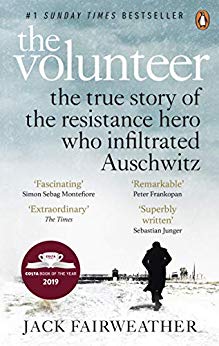
It's not enough to save yourself -- you have to go back for those left behind.
You’ve probably never heard of the Polish freedom fighter Witold Pilecki, but he is one of the greatest heroes of the Second World War.
As the only person who ever volunteered to be sent to Auschwitz, Pilecki led a campaign of sabotage and assassination of Nazi guards for years before making a dramatic escape, smuggling evidence of the Holocaust to the Western powers and alerting them to the atrocities of Nazi death camps.
All evidence of Pilecki had been lost, until 2012, when his incredible eye-witness account was discovered in a dusty archive. This is the first full story of his amazing journey, drawing on exclusive family papers and recently declassified files as well as unpublished accounts from the camp’s fighters to show how he saved hundreds of thousands of lives.
This is an untold, real-life story of escape and heroism, set against the horrors of WWII and the Auschwitz, and the power of one man to change the course of history.
You’ve probably never heard of the Polish freedom fighter Witold Pilecki, but he is one of the greatest heroes of the Second World War.
As the only person who ever volunteered to be sent to Auschwitz, Pilecki led a campaign of sabotage and assassination of Nazi guards for years before making a dramatic escape, smuggling evidence of the Holocaust to the Western powers and alerting them to the atrocities of Nazi death camps.
All evidence of Pilecki had been lost, until 2012, when his incredible eye-witness account was discovered in a dusty archive. This is the first full story of his amazing journey, drawing on exclusive family papers and recently declassified files as well as unpublished accounts from the camp’s fighters to show how he saved hundreds of thousands of lives.
This is an untold, real-life story of escape and heroism, set against the horrors of WWII and the Auschwitz, and the power of one man to change the course of history.
544 pages, Paperback
First published June 6, 2019
About the author
Jack Fairweather
6 books121 followersJack Fairweather, is a British journalist and author.
He has been a correspondent for the Washington Post and the Daily Telegraph, where he served as the Baghdad and Persian Gulf bureau chief of British troops. His reporting during the Iraq War earned him Britain’s top press award.
He has been a correspondent for the Washington Post and the Daily Telegraph, where he served as the Baghdad and Persian Gulf bureau chief of British troops. His reporting during the Iraq War earned him Britain’s top press award.
Ratings & Reviews
Friends & Following
Create a free account to discover what your friends think of this book!
Community Reviews
Displaying 1 - 30 of 902 reviews

October 7, 2020
L’UOMO CHE SCELSE L’INFERNO
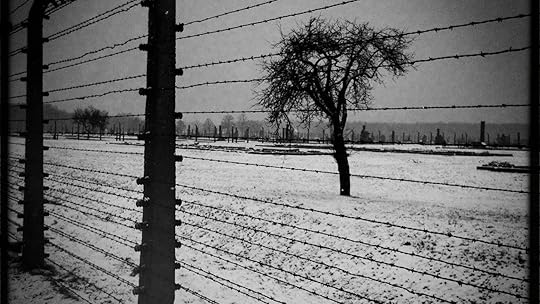
La storia di Witold Pilecki, membro della resistenza antinazista polacca, che non si offrì esattamente volontario, ma accettò la richiesta, non proprio un ordine, del suo capo cellula di farsi arrestare dagli invasori tedeschi per essere trasferito ad Auschwitz: in modo da testimoniare cosa accadeva realmente in quel luogo, organizzare un’attività di resistenza interna tra i detenuti, ed eventualmente una rivolta.
Man mano il raggio d’azione si allarga e dal lager andiamo a Londra, a Varsavia, nei luoghi dove agivano cellule di resistenza, governi in esilio, agenti segreti. Per raccontare il lento – troppo lento purtroppo – processo di informazione sulla vera attività di Auschwitz, e di luoghi simili, sulla Soluzione Finale, il genocidio degli ebrei, preceduto dallo sterminio dei prigionieri di guerra sovietici, dagli oppositori politici, da malati di mente o disabili fisici.
L’Occidente, il governo inglese e quello americano in particolare, impiegarono anni a rendersi conto, a convincersi della sostanza e portata delle informazioni che ricevevano, che faticavano a considerare attendibili.

Il mondo non aveva ancora conosciuto una mostruosità di questa portata, un processo genocida meccanizzato senza precedenti nella storia dell’umanità. Fatto è che mentre la macelleria nazista cresceva di intensità e quantità, all’ovest, chi era nei posti di comando, e quelli che li consigliavano e condividevano responsabilità di governo, stentavano a credere, a convincersi, sminuivano i dati che arrivavano, prendevano tempo, procrastinavano.
Si commentava e rispondeva:
È una notizia che non trova conferma in altre fonti,
o addirittura Un folle pettegolezzo scaturito dai timori del popolo ebraico.
E intanto milioni di persone finivano in cenere.

Il lavoro rende liberi.
Non bisogna sottovalutare uno dei più robusti collanti della società occidentale (ma non solo occidentale): l’antisemitismo. Che ha attraversato ogni secolo e ogni longitudine.
Eventuali masse di profughi e rifugiati spaventavano allora, come oggi. L’Inghilterra aveva forte timore di afflussi massicci in Palestina che era un suo “protettorato”. E proprio il Regno Unito, che per posizione geografica e per comune appartenenza europea, era più coinvolto, riceveva un maggior numero di dispacci e informazioni, più numerose e più fresche, filtrava ritardava temporeggiava.

La storia di Witold Pilecki non si esaurisce nei suoi quasi mille giorni trascorsi nel lager di Auschwitz, assistendo alla sua trasformazione da campo di concentramento a campo di sterminio. Per quanto, occorre essere precisi, perché in quel luogo contava ogni singolo istante, sopravvivere un giorno o una settimana faceva una grossa differenza: la prigionia cominciò il 21 settembre 1940: quando arriva a destinazione vede dieci uomini che hanno viaggiato con lui nel vagone piombato fucilati sul posto; gli altri, lui concluso, vengono immediatamente brutalmente picchiati; lo rasano a zero; gli danno un numero invece di un nome…
Auschwitz per lui si interrompe con la fuga del 26 aprile 1943. Dopo 947 giorni.
Dopo di che, Pilecki, mai sazio di patriottismo, mai incerto nel suo amore per la Polonia, raggiunse le truppe polacche in Italia che combattevano contro i tedeschi. Dopo di che tornò a Varsavia per aggregarsi a una nuova resistenza: quella contro la sovietizzazione di Stalin.
Da una dittatura all’altra, da un totalitarismo all’altro, da un invasore all’altro. E quello che non poté Auschwitz, riuscì ai volenterosi carnefici del Piccolo Padre: Pilecki, arrestato dai sovietici, dopo il classico processo farsa, venne giustiziato con un colpo di pistola alla nuca. Era il 25 maggio del 1948. E Pilecki aveva da dodici giorni compiuto quarantasette anni.
Con la fine della Guerra Fredda, nel 1990, è stato riabilitato.
La banalità del bene?
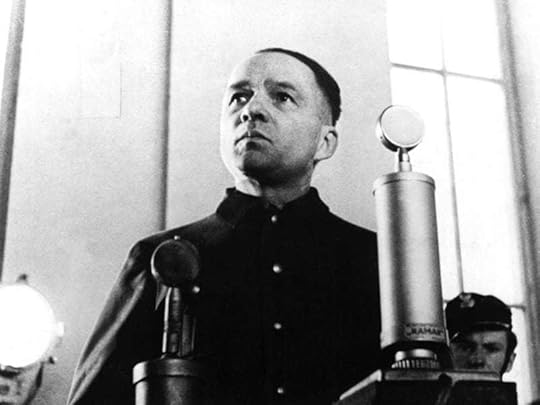
Rudolf Höss, comandante del campo di Auschwitz: dopo il processo a Varsavia venne impiccato nel 1947.
Fairweather ha utilizzato un gran numero di fonti come risultato di un’intensa ricerca: ci sono decine di pagine finali dedicate alle note, bibliografia ed elenco dei nomi. Come al solito, purtroppo, le note in fondo, invece che a piè di pagina, costringono a molteplici segnalibri, rallentando e complicando la lettura.
L’edizione non è particolarmente curata: le utili foto sono riprodotte in qualità ectoplasmatica, le pagine tendono facilmente a scollarsi, qualche refuso di troppo, margini esigui, la sensazione di una redazione frettolosa.
E spero che la mole di dati più o meno storici siano attendibili più delle conoscenze geografiche sull’Italia di Fairweather che colloca a un paio di chilometri a sud di Ancona una cittadina, Porto Santo Stefano, che invece ne dista una sessantina.
Aggiungo che per i miei gusti Fairweather ricorre un po’ troppo spesso a formule quali “a quanto sembra”, “è probabile”, “è quasi certo”, che tendono a ridurre il suo lavoro. E, sempre per gusto personale, ho apprezzato poco i tentativi di “colore”, alcune battute di dialogo inventate, altri brevi passaggi.
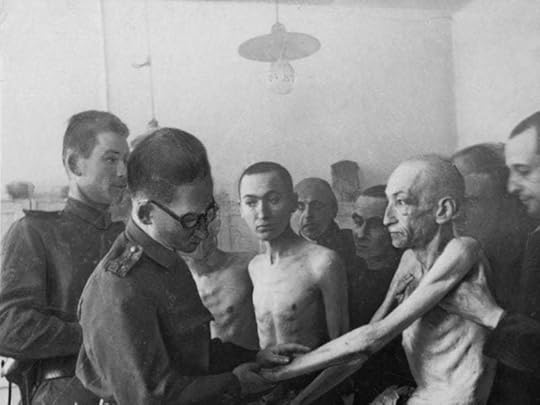
La lettura è stata dolorosa e affaticata dal fatto che entità come sei milioni, o nove (o…?), sono così elevate da risultare astrali: ma il dettagliato racconto dall’interno del campo di concentramento di Auschwitz, la sua progressiva trasformazione in campo di sterminio, l’elenco parziale delle vittime, settecentododici oggi si sommano a millecentotrentaquattro di ieri, e poi a seimilanovantuno domani, sembra di vederli tutti uno per uno, e il racconto con scarna descrizione del multiforme modo in cui i nazisti conducevano il loro programmato massacro, sono stati duri da sostenere.
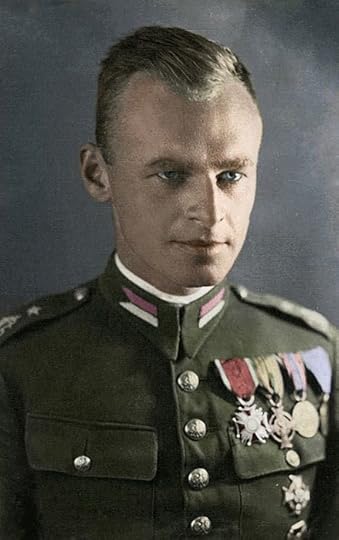
Witold Pilecki
La storia di Witold Pilecki, membro della resistenza antinazista polacca, che non si offrì esattamente volontario, ma accettò la richiesta, non proprio un ordine, del suo capo cellula di farsi arrestare dagli invasori tedeschi per essere trasferito ad Auschwitz: in modo da testimoniare cosa accadeva realmente in quel luogo, organizzare un’attività di resistenza interna tra i detenuti, ed eventualmente una rivolta.
Man mano il raggio d’azione si allarga e dal lager andiamo a Londra, a Varsavia, nei luoghi dove agivano cellule di resistenza, governi in esilio, agenti segreti. Per raccontare il lento – troppo lento purtroppo – processo di informazione sulla vera attività di Auschwitz, e di luoghi simili, sulla Soluzione Finale, il genocidio degli ebrei, preceduto dallo sterminio dei prigionieri di guerra sovietici, dagli oppositori politici, da malati di mente o disabili fisici.
L’Occidente, il governo inglese e quello americano in particolare, impiegarono anni a rendersi conto, a convincersi della sostanza e portata delle informazioni che ricevevano, che faticavano a considerare attendibili.
Il mondo non aveva ancora conosciuto una mostruosità di questa portata, un processo genocida meccanizzato senza precedenti nella storia dell’umanità. Fatto è che mentre la macelleria nazista cresceva di intensità e quantità, all’ovest, chi era nei posti di comando, e quelli che li consigliavano e condividevano responsabilità di governo, stentavano a credere, a convincersi, sminuivano i dati che arrivavano, prendevano tempo, procrastinavano.
Si commentava e rispondeva:
È una notizia che non trova conferma in altre fonti,
o addirittura Un folle pettegolezzo scaturito dai timori del popolo ebraico.
E intanto milioni di persone finivano in cenere.
Il lavoro rende liberi.
Non bisogna sottovalutare uno dei più robusti collanti della società occidentale (ma non solo occidentale): l’antisemitismo. Che ha attraversato ogni secolo e ogni longitudine.
Eventuali masse di profughi e rifugiati spaventavano allora, come oggi. L’Inghilterra aveva forte timore di afflussi massicci in Palestina che era un suo “protettorato”. E proprio il Regno Unito, che per posizione geografica e per comune appartenenza europea, era più coinvolto, riceveva un maggior numero di dispacci e informazioni, più numerose e più fresche, filtrava ritardava temporeggiava.
La storia di Witold Pilecki non si esaurisce nei suoi quasi mille giorni trascorsi nel lager di Auschwitz, assistendo alla sua trasformazione da campo di concentramento a campo di sterminio. Per quanto, occorre essere precisi, perché in quel luogo contava ogni singolo istante, sopravvivere un giorno o una settimana faceva una grossa differenza: la prigionia cominciò il 21 settembre 1940: quando arriva a destinazione vede dieci uomini che hanno viaggiato con lui nel vagone piombato fucilati sul posto; gli altri, lui concluso, vengono immediatamente brutalmente picchiati; lo rasano a zero; gli danno un numero invece di un nome…
Auschwitz per lui si interrompe con la fuga del 26 aprile 1943. Dopo 947 giorni.
Dopo di che, Pilecki, mai sazio di patriottismo, mai incerto nel suo amore per la Polonia, raggiunse le truppe polacche in Italia che combattevano contro i tedeschi. Dopo di che tornò a Varsavia per aggregarsi a una nuova resistenza: quella contro la sovietizzazione di Stalin.
Da una dittatura all’altra, da un totalitarismo all’altro, da un invasore all’altro. E quello che non poté Auschwitz, riuscì ai volenterosi carnefici del Piccolo Padre: Pilecki, arrestato dai sovietici, dopo il classico processo farsa, venne giustiziato con un colpo di pistola alla nuca. Era il 25 maggio del 1948. E Pilecki aveva da dodici giorni compiuto quarantasette anni.
Con la fine della Guerra Fredda, nel 1990, è stato riabilitato.
La banalità del bene?
Rudolf Höss, comandante del campo di Auschwitz: dopo il processo a Varsavia venne impiccato nel 1947.
Fairweather ha utilizzato un gran numero di fonti come risultato di un’intensa ricerca: ci sono decine di pagine finali dedicate alle note, bibliografia ed elenco dei nomi. Come al solito, purtroppo, le note in fondo, invece che a piè di pagina, costringono a molteplici segnalibri, rallentando e complicando la lettura.
L’edizione non è particolarmente curata: le utili foto sono riprodotte in qualità ectoplasmatica, le pagine tendono facilmente a scollarsi, qualche refuso di troppo, margini esigui, la sensazione di una redazione frettolosa.
E spero che la mole di dati più o meno storici siano attendibili più delle conoscenze geografiche sull’Italia di Fairweather che colloca a un paio di chilometri a sud di Ancona una cittadina, Porto Santo Stefano, che invece ne dista una sessantina.
Aggiungo che per i miei gusti Fairweather ricorre un po’ troppo spesso a formule quali “a quanto sembra”, “è probabile”, “è quasi certo”, che tendono a ridurre il suo lavoro. E, sempre per gusto personale, ho apprezzato poco i tentativi di “colore”, alcune battute di dialogo inventate, altri brevi passaggi.
La lettura è stata dolorosa e affaticata dal fatto che entità come sei milioni, o nove (o…?), sono così elevate da risultare astrali: ma il dettagliato racconto dall’interno del campo di concentramento di Auschwitz, la sua progressiva trasformazione in campo di sterminio, l’elenco parziale delle vittime, settecentododici oggi si sommano a millecentotrentaquattro di ieri, e poi a seimilanovantuno domani, sembra di vederli tutti uno per uno, e il racconto con scarna descrizione del multiforme modo in cui i nazisti conducevano il loro programmato massacro, sono stati duri da sostenere.
Witold Pilecki

July 19, 2019
In 2003 my wife and I visited Krakow, Poland as part of a trip to locate where my father’s family lived before immigrating to the United States in the 1930s to escape the dark clouds that were descending upon Europe. During our visit I hired a driver and spent hours visiting Auschwitz and Birkenau the resting place for many relatives that I never was fortunate enough to meet. Seventy-five years after the conclusion of World War II, numerous questions abound concerning the then then “crown jewel” of Hitler’s extermination machine. Books continue to proliferate, but what sets Jack Fairweather’s new book, THE VOLUNTEER: ONE MAN, AN UNDERGROUND ARMY, AND THE SECRET MISSION TO DESTROY AUSCHWITZ apart is his discovery of the role of Witold Pilecki, who volunteered to be imprisoned in Auschwitz in order to organize an underground resistance that would be part of a major revolt against the Germans.
Pilecki has become a national hero in Poland and his story remained unknown in the west until it was uncovered by historians in the 1960s and 70s. Much of his writings were sealed by the Soviet Union after the war because as a Polish nationalist, Pilecki was deemed a threat to the state, placed on trial and executed by the Stalinist regime. It wasn’t until the collapse of the Soviet Union in 1989 and the opening of the state archives in Warsaw that the academic Adam Cyra and Pilecki’s 60 year old son, Andrzej had access to his father’s writings and reports smuggled out of Auschwitz in order to alert the allies as to what was occurring in the crematoria and gas chambers, and argue for the west to bomb the camps.
Fairweather asks a number of important questions from the outset that impinge upon the role of England and the United States as it learned of the extermination camps. He carefully develops a number of important themes that reverberate throughout the narrative. First, despite Pilecki’s earnest efforts, that included being tortured, beaten, starved, suffering from typhus, he was able to employ the Polish underground network to smuggle out the truth as to what was occurring in Auschwitz to underground leaders in Warsaw who were able to convey part of his reports to the Polish government in exile, and hence to the Churchill government in 1942. Much of this information was also communicated to the Roosevelt administration in Washington who was much more of a political animal in deferring any decisions to assist the Jews be it immigration by confronting State Department policies that was openly anti-Semitic under the auspices of Breckinridge Long, or approving bombing of the camp.
Second, was the mind set of British politicians in high circles who suffered from an “in-bred” anti-Semitism and saw Pilecki’s information as a distraction from the main war effort. They would allow the dissemination of some information but would not endorse it. As Richard Breitman and David Wyman have pointed out the British were obsessed by the Palestinian issue and they feared an Arab reaction if they approved further immigration because of their dependence on Middle Eastern oil and the Suez Canal.
Lastly, Fairweather’s narrative focuses on Pilecki’s attempt to educate the allies and get them to acknowledge the importance of what was occurring at Auschwitz. On another level he concentrates on the allied response and the reasons for their “deafness” when it came to the extermination of European Jewry. As he concludes, “the allied failure to Understand Auschwitz’s role as the epicenter of the Holocaust allowing officials to continue to characterize the German assault on the Jews ASA a diffuse phenomenon that could only be stopped by defeating Germany.” Downplaying genocide could only inhibit further investigation. Much of what Fairweather argues has been put forth by numerous historians, but the key is the personal story of Witold Pilecki that unfolds.
Fairweather has written a deeply personal portrait of a man whose moral and ethical principles stood out in a deeply troubled period. The narrative is based on assiduous research that included interviews with fellow inmates who the author had access, that provide insights into his character, his decision making, and the impact of his actions. Fairweather traces Pilecki’s journey from his quiet family life who survived the Nazi onslaught on his country in September, 1939, experiences in Auschwitz, his methodology in organizing his underground network, strategies for smuggling out information, and how he tried to convince his superiors of the importance of destroying Auschwitz as it was a vehicle to exterminate millions of Jews as well as thousands of Polish Catholics.
Many of Pilecki’s compatriots like Dr. Wladyslaw Dering, a Warsaw gynecologist who faced the dilemma of how much he should cooperate with the Nazis as he tried to save as many inmates as possible, a Polish spy known as Napoleon, and Stefan Rowecki, the leader of the Polish underground in Warsaw are introduced as are the kapos, like Alois Staller who tortured the inmates, the SS Commander, Rudolf Hoss, who ran the camp, among many, and of course the victims who suffered unbearably. Fairweather presents the unfathomable and grisly details that go along with any discussion of the Holocaust that have appeared in historical accounts since the end of World War II, but he delivers them in a concise manner, with much sensitivity and at the same time is able to convey to the reader the importance of Pilecki’s mission to expose what the Nazis were doing in Auschwitz, particularly once the decision for the Final Solution is made in January, 1942 at the Wannsee Conference.
If there is a criticism that can be offered is that at times Fairweather is somewhat cavalier about his information, i.e. his description the Battle of the Bulge as a minor hinderance to the allied drive to end the war. Further, he should be careful with his statistics stating that there were 2,000,000 Jews under Nazi control in Poland, the 3,300,000 would be more accurate.
Overall, Fairweather has written an important book because he uncovers the role of an important figure who did his best to alarm the world as to what was the end goal of Hitler’s racial war. The fact that Witold Pilecki was kept hidden for so long is the result of another type of extermination, Stalin’s effort to eradicate any Pole who might have been given any credit for liberating their country. Kudos to Fairweather for bringing Pilecki’s story to the fore
Pilecki has become a national hero in Poland and his story remained unknown in the west until it was uncovered by historians in the 1960s and 70s. Much of his writings were sealed by the Soviet Union after the war because as a Polish nationalist, Pilecki was deemed a threat to the state, placed on trial and executed by the Stalinist regime. It wasn’t until the collapse of the Soviet Union in 1989 and the opening of the state archives in Warsaw that the academic Adam Cyra and Pilecki’s 60 year old son, Andrzej had access to his father’s writings and reports smuggled out of Auschwitz in order to alert the allies as to what was occurring in the crematoria and gas chambers, and argue for the west to bomb the camps.
Fairweather asks a number of important questions from the outset that impinge upon the role of England and the United States as it learned of the extermination camps. He carefully develops a number of important themes that reverberate throughout the narrative. First, despite Pilecki’s earnest efforts, that included being tortured, beaten, starved, suffering from typhus, he was able to employ the Polish underground network to smuggle out the truth as to what was occurring in Auschwitz to underground leaders in Warsaw who were able to convey part of his reports to the Polish government in exile, and hence to the Churchill government in 1942. Much of this information was also communicated to the Roosevelt administration in Washington who was much more of a political animal in deferring any decisions to assist the Jews be it immigration by confronting State Department policies that was openly anti-Semitic under the auspices of Breckinridge Long, or approving bombing of the camp.
Second, was the mind set of British politicians in high circles who suffered from an “in-bred” anti-Semitism and saw Pilecki’s information as a distraction from the main war effort. They would allow the dissemination of some information but would not endorse it. As Richard Breitman and David Wyman have pointed out the British were obsessed by the Palestinian issue and they feared an Arab reaction if they approved further immigration because of their dependence on Middle Eastern oil and the Suez Canal.
Lastly, Fairweather’s narrative focuses on Pilecki’s attempt to educate the allies and get them to acknowledge the importance of what was occurring at Auschwitz. On another level he concentrates on the allied response and the reasons for their “deafness” when it came to the extermination of European Jewry. As he concludes, “the allied failure to Understand Auschwitz’s role as the epicenter of the Holocaust allowing officials to continue to characterize the German assault on the Jews ASA a diffuse phenomenon that could only be stopped by defeating Germany.” Downplaying genocide could only inhibit further investigation. Much of what Fairweather argues has been put forth by numerous historians, but the key is the personal story of Witold Pilecki that unfolds.
Fairweather has written a deeply personal portrait of a man whose moral and ethical principles stood out in a deeply troubled period. The narrative is based on assiduous research that included interviews with fellow inmates who the author had access, that provide insights into his character, his decision making, and the impact of his actions. Fairweather traces Pilecki’s journey from his quiet family life who survived the Nazi onslaught on his country in September, 1939, experiences in Auschwitz, his methodology in organizing his underground network, strategies for smuggling out information, and how he tried to convince his superiors of the importance of destroying Auschwitz as it was a vehicle to exterminate millions of Jews as well as thousands of Polish Catholics.
Many of Pilecki’s compatriots like Dr. Wladyslaw Dering, a Warsaw gynecologist who faced the dilemma of how much he should cooperate with the Nazis as he tried to save as many inmates as possible, a Polish spy known as Napoleon, and Stefan Rowecki, the leader of the Polish underground in Warsaw are introduced as are the kapos, like Alois Staller who tortured the inmates, the SS Commander, Rudolf Hoss, who ran the camp, among many, and of course the victims who suffered unbearably. Fairweather presents the unfathomable and grisly details that go along with any discussion of the Holocaust that have appeared in historical accounts since the end of World War II, but he delivers them in a concise manner, with much sensitivity and at the same time is able to convey to the reader the importance of Pilecki’s mission to expose what the Nazis were doing in Auschwitz, particularly once the decision for the Final Solution is made in January, 1942 at the Wannsee Conference.
If there is a criticism that can be offered is that at times Fairweather is somewhat cavalier about his information, i.e. his description the Battle of the Bulge as a minor hinderance to the allied drive to end the war. Further, he should be careful with his statistics stating that there were 2,000,000 Jews under Nazi control in Poland, the 3,300,000 would be more accurate.
Overall, Fairweather has written an important book because he uncovers the role of an important figure who did his best to alarm the world as to what was the end goal of Hitler’s racial war. The fact that Witold Pilecki was kept hidden for so long is the result of another type of extermination, Stalin’s effort to eradicate any Pole who might have been given any credit for liberating their country. Kudos to Fairweather for bringing Pilecki’s story to the fore

January 27, 2020
Although it feels like events of the Holocaust and WWII have been comprehensively written about in numerous accounts, it’s astounding that new stories continue to emerge which present a different angle on this complex history. Virtually unknown accounts of heroism and tragic defeat continue to emerge and this new biographical account of Polish officer Witold Pilecki is one of the most shocking and heart breaking I’ve ever read. After Poland was occupied and Auschwitz (a former Polish army barracks) was turned into a German prisoner of war camp, Pilecki and other Polish nationalists devised campaigns to resist their invaders and take back their country. One of the things they needed most was information to convey to what would become the Allied countries to convince them to take action and strike against the Nazis. In order to gather proof about war crimes and form a resistance army from the inside, Pileck volunteered to be captured by the Nazis and taken into Auschwitz. Of course, this was long before anyone knew that it would turn into a death camp responsible for over 1.1 million deaths.
Read my full review of The Volunteer by Jack Fairweather on LonesomeReader
Read my full review of The Volunteer by Jack Fairweather on LonesomeReader
February 20, 2023
An extremely powerful book. 385 pages that passed in a blink of an eye - well a day anyway. The story of Witold Pilecki, a Polish underground operative who infiltrates Auschwitz to try and tell the world what is going on there and lead an uprising. Unfortunately, he fails in both.
Whilst Pilecki managed to get reports out of the camp they were either not taken seriously initially. Or the allies minds were on other things. Opportunities to bomb the camp were not explored. Indeed the plight of the Jews across Europe at the time were not taken as seriously as they should have been. It is commented that the British lost a lot of face during WWI by using as propaganda the story that the Germans were using bodies to make soap. And that they needed more facts before making further faux pas. Even when thousands of Romanian Jews could have been returned. Britain was concerned of the implications of moving them to Palestine.
The scale of the Auschwitz operation is dehumanised by the countless statistics of death. Pilecki almost dies from typhoid many times. The descriptions of lice infestation reminded me of the recent book on Stalingrad I read. This time the typhus infested lice are used by the inmates to infect Nazi soldiers and the Kapo guards.
Pilecki finally manages to escape and survives the Warsaw uprising. Only to be executed by the Polish communists in 1947.
The book is very detailed but holds one’s attention throughout. The author paints pictures of suffering and bravery in a readable manner. There are excellent photographs and maps throughout as well as a glossary of characters and detailed index of references.
I don’t read enough non-fiction and every time I do I say I need to read more. I do.
Whilst Pilecki managed to get reports out of the camp they were either not taken seriously initially. Or the allies minds were on other things. Opportunities to bomb the camp were not explored. Indeed the plight of the Jews across Europe at the time were not taken as seriously as they should have been. It is commented that the British lost a lot of face during WWI by using as propaganda the story that the Germans were using bodies to make soap. And that they needed more facts before making further faux pas. Even when thousands of Romanian Jews could have been returned. Britain was concerned of the implications of moving them to Palestine.
The scale of the Auschwitz operation is dehumanised by the countless statistics of death. Pilecki almost dies from typhoid many times. The descriptions of lice infestation reminded me of the recent book on Stalingrad I read. This time the typhus infested lice are used by the inmates to infect Nazi soldiers and the Kapo guards.
Pilecki finally manages to escape and survives the Warsaw uprising. Only to be executed by the Polish communists in 1947.
The book is very detailed but holds one’s attention throughout. The author paints pictures of suffering and bravery in a readable manner. There are excellent photographs and maps throughout as well as a glossary of characters and detailed index of references.
I don’t read enough non-fiction and every time I do I say I need to read more. I do.

June 6, 2021
Не знам как се оценява такава книга, история и човек...

January 18, 2020
In an act of near-incomprehensible bravery, Witold Pilecki volunteered to investigate Nazi crimes in Auschwitz. His charge: provide the intelligence that would force the Allied powers to pay attention to the ever more systemic Nazi machinery of imprisonment, slavery, and slaughter. Even in its most basic form, the task was spectacularly dangerous. Each stage of the plan involved the very real threat of death, from his initial arrest, through the transport, and finally the grinding daily life in the camp, where murder was everything from a means of control to a method of entertainment. But Witold wasn't a do-the-minimum kind of guy. Inside Auschwitz, he created and maintained an underground resistance network that worked to keep each other alive, gather information, and smuggle reports to the outside. His descriptions of life within the camp are horrifying, charting Auschwitz's transformation from prison to the epicentre of mass extermination.
In this meticulously researched and powerfully written book, Fairweather offers the reader a story of heroism made all the more extraordinary by Witold's just-doing-what-needs-to-be-done attitude.
Everyone should read it.
ARC via Netgalley
In this meticulously researched and powerfully written book, Fairweather offers the reader a story of heroism made all the more extraordinary by Witold's just-doing-what-needs-to-be-done attitude.
Everyone should read it.
ARC via Netgalley

May 8, 2020
pretty ballsy move by the Costa Awards to name this 'book of the year' when it's essentially an account of the total incompetence displayed by the Allied powers and, especially, Britain.
November 3, 2023
Στην Ελλάδα το όνομα Βίτολντ Πιλέτσκι, δε λέει τίποτα, στην Πολωνία όμως είναι ένας ήρωας της αντίστασης κατά του Ναζισμού. Να σας συστήσω εν τάχει, τον κύριο Βίτολντ, έναν σύγχρονο «υπερήρωα»! Ένας αξιωματικός που πολέμησε ενάντια στην εισβολή των Γερμανών στην Πολωνία το 1939 και αργότερα ηγετικό στέλεχος στην Αντίσταση που δημιουργήθηκε. Στους πρώτους μήνες της κατοχής, η Αντίσταση ήταν ενήμερη για τη τάχιστη δημιουργία πολλών στρατοπέδων συγκέντρωσης, αλλά δε μπορούσε να συλλέξει πληροφορίες για τα όσα διαδραματίζονται εκεί μέσα, καθώς οι Γερμανοί τα προστάτευαν με δρακόντεια μέτρα ασφαλείας. Και η ιδέα που έπεσε στο τραπέζι ήταν να μπει ένας κατάσκοπος εθελοντικά και να συλλέξει πληροφορίες ώστε να γίνουν γνωστά τα έκτροπα των Ναζί, στον κόσμο. Και τι έκανε ο κύριος Βίτολντ; Είπε «hold my beer», θα πάω εγώ! Δε με νοιάζει η οικογένεια που αφήνω πίσω, και πιθανότατα δε θα ξαναδώ, δε με νοιάζει ότι δε γνωρίζω που θα μας πάνε και πως λογικά δε θα αντέξω ούτε μήνα, με νοιάζει η Πολωνία!
Και δε τελειώνει έτσι απλά το έπος του Βίτολντ. Όχι απλά μπήκε εθελοντικά στο Αουσβιτς το 1940 μαζί με χιλιάδες Πολωνούς που συνελήφθησαν, αλλά, δημιούργησε ένα δίκτυο αντίστασης και κατασκοπείας, επιβίωσε τρία χρόνια από βασανιστήρια και θανατηφόρες επιδημίες, έστελνε πληροφορίες στον έξω κόσμο με κίνδυνο της ζωής του, δολοφονούσε με ευφάνταστους τρόπους Γερμανούς, απέδρασε το 1943, επέζησε στο παγωμένο περιβάλλον για εβδομάδες, και στο τέλος συμμετείχε και στη μάχη της Βαρσοβίας το 1944, λίγο πριν την εισβολή των Ρώσσων. Συγγνώμη κιόλας, αλλά γνωρίζετε πολλούς που έχουν αποδειχθεί πιο σκληροί καριόληδες από τον Βίτολντ;
Αυτό τον σπουδαίο ήρωα της Πολωνίας, συστήνει και στον υπόλοιπο κόσμο, ο ιστορικός και συγγραφέας Jack Fairweather μέσα από το βιβλίο του «Ο Εθελοντής» που κυκλοφορεί στην Ελλάδα από τις εκδόσεις Gutenberg. Ένα εξαιρετικά καλοδουλεμένο βιβλίο, με πλούσιο φωτογραφικό υλικό, και γραμμένο όπως ένα περιπετειώδες ιστορικό μυθιστόρημα. Αξίζει κάθε ευρώ που θα σπαταλήσετε για αυτό!
Και δε τελειώνει έτσι απλά το έπος του Βίτολντ. Όχι απλά μπήκε εθελοντικά στο Αουσβιτς το 1940 μαζί με χιλιάδες Πολωνούς που συνελήφθησαν, αλλά, δημιούργησε ένα δίκτυο αντίστασης και κατασκοπείας, επιβίωσε τρία χρόνια από βασανιστήρια και θανατηφόρες επιδημίες, έστελνε πληροφορίες στον έξω κόσμο με κίνδυνο της ζωής του, δολοφονούσε με ευφάνταστους τρόπους Γερμανούς, απέδρασε το 1943, επέζησε στο παγωμένο περιβάλλον για εβδομάδες, και στο τέλος συμμετείχε και στη μάχη της Βαρσοβίας το 1944, λίγο πριν την εισβολή των Ρώσσων. Συγγνώμη κιόλας, αλλά γνωρίζετε πολλούς που έχουν αποδειχθεί πιο σκληροί καριόληδες από τον Βίτολντ;
Αυτό τον σπουδαίο ήρωα της Πολωνίας, συστήνει και στον υπόλοιπο κόσμο, ο ιστορικός και συγγραφέας Jack Fairweather μέσα από το βιβλίο του «Ο Εθελοντής» που κυκλοφορεί στην Ελλάδα από τις εκδόσεις Gutenberg. Ένα εξαιρετικά καλοδουλεμένο βιβλίο, με πλούσιο φωτογραφικό υλικό, και γραμμένο όπως ένα περιπετειώδες ιστορικό μυθιστόρημα. Αξίζει κάθε ευρώ που θα σπαταλήσετε για αυτό!
This entire review has been hidden because of spoilers.

December 3, 2019
This is the story of Witold Pilecki, which remained lost for many years after the conclusion of WWII. Pilecki was a member of the Polish resistance who volunteered to get arrested and sent to Auschwitz before anyone–not even the Germans–knew what Auschwitz was to become. It recounts his years there, organizing an underground and trying to alert the world, then recounts his return to Warsaw to fight the Germans in their final stand in Poland, only to see the Soviets stroll in afterwards to install a communist government.
His years in Auschwitz were spent futilely trying to get anyone (especially England and the USA) to recognize what was happening there and to take action. It's a remarkable story about a man who gave up everything to try to rescue Poland from the madness, only to see his efforts time and again get ignored by those who could have done something about it. It's heartbreaking in so many ways.
His years in Auschwitz were spent futilely trying to get anyone (especially England and the USA) to recognize what was happening there and to take action. It's a remarkable story about a man who gave up everything to try to rescue Poland from the madness, only to see his efforts time and again get ignored by those who could have done something about it. It's heartbreaking in so many ways.

October 29, 2019
WOW
Honestly I didn’t think I would enjoy this book very much. I mean, I knew it would be a good educational book but I really wasn’t convinced I myself would enjoy it, but boy I was wrong.
I opened this book to vivid detail and writing that instantly sucked me into the story. It didn’t fit into the stereotypical nonfiction cookie cutter.
I definitely think this is a book everyone should read at some point. So many want to just forget all the horrible things that happened during the Holocaust, and this book exposes hard truths about this time period.
Content:
A few swear words, although I was a tiny bit surprised at how clean this was. A few sexually suggestive comments.
Let me warn you guys, this book is graphic, and it is very hard to read. It exploits the atrocities and horrors these people went through, and does not shy away from the truth.
This book is not for anyone easily disturbed by violence.
Happy reading guys! 😁
Honestly I didn’t think I would enjoy this book very much. I mean, I knew it would be a good educational book but I really wasn’t convinced I myself would enjoy it, but boy I was wrong.
I opened this book to vivid detail and writing that instantly sucked me into the story. It didn’t fit into the stereotypical nonfiction cookie cutter.
I definitely think this is a book everyone should read at some point. So many want to just forget all the horrible things that happened during the Holocaust, and this book exposes hard truths about this time period.
Content:
A few swear words, although I was a tiny bit surprised at how clean this was. A few sexually suggestive comments.
Let me warn you guys, this book is graphic, and it is very hard to read. It exploits the atrocities and horrors these people went through, and does not shy away from the truth.
This book is not for anyone easily disturbed by violence.
Happy reading guys! 😁
February 27, 2021
Astonishing story of bravery and sacrifice.

May 6, 2020
The Volunteer (2019) by Jack Fairweather is the incredibly moving account of Witold Pilecki, a member of the Warsaw resistance during WW2 who voluntarily went into Auschwitz concentration camp in September 1940 to set up a resistance cell, report back to the outside world, and to incite a rebellion.
Conditions in Auschwitz were far worse than he could have ever imagined. Brutality, humiliation and death were a fact of everyday life. Try to imagine the worst camp you can, and you'll probably still be unable to conceive of the horror.
Pilecki’s bravery, endurance and humanity are remarkable. His life after WW2 is even more tragic. Following the fall of the Soviet Union his story has finally emerged.
Jack Fairweather’s impeccably researched account of Pilecki’s story won the 2019 Costa biography award.
It's a book everyone should read.
4/5
Conditions in Auschwitz were far worse than he could have ever imagined. Brutality, humiliation and death were a fact of everyday life. Try to imagine the worst camp you can, and you'll probably still be unable to conceive of the horror.
Pilecki’s bravery, endurance and humanity are remarkable. His life after WW2 is even more tragic. Following the fall of the Soviet Union his story has finally emerged.
Jack Fairweather’s impeccably researched account of Pilecki’s story won the 2019 Costa biography award.
It's a book everyone should read.
4/5
How do you keep fighting in the face of unimaginable horror?
This is untold story of one of the greatest heroes of the Second World War.
In the Summer of 1940, after the Nazi occupation of Poland, an underground operative called Witold Pilecki accepted a mission to uncover the fate of thousands of people being interred at a new concentration camp on the border of the Reich.
His mission was to report on Nazi crimes and raise a secret army to stage an uprising. The name of the detention centre -- Auschwitz.
It was only after arriving at the camp that he started to discover the Nazi’s terrifying designs. Over the next two and half years, Witold forged an underground army that smuggled evidence of Nazi atrocities to the West, culminating in the mass murder of over a million Jews. His reports from the camp were to shape the Allies response to the Holocaust - yet his story was all but forgotten for decades.
This is the first major account of his amazing journey, drawing on exclusive family papers and recently declassified files as well as unpublished accounts from the camp’s fighters to show how he saved hundreds of thousands of lives.
The result is an enthralling story of resistance and heroism against the most horrific circumstances, and one man’s attempt to change the course of history.

December 30, 2019
I'm not sure what to think of this book. On the one hand, it tells an important story. Anyone who went to Auschwitz voluntarily so the Polish Underground could understand what was happening inside the Nazi's most notorious death camp deserves recognition and honor. But ohmygoodness, it was so depressing to read, and not just for the reasons you'd think because first, obviously, it's about Auschwitz and it's HORRIBLE, but also because this poor man is trying to get the word out and urging the Allies to bomb the place because anything would have to be better than what's happening there and no one. ever. does. a. thing. It was frustrating beyond belief to read this happening over and over again.
And then, Witold manages to escape (!!!) and tries to tell people himself what is going on there and STILL nothing comes of it! And then the war finally ends, the Soviets take over his part of Poland, and before you know it he's been thrown in a Soviet prison and executed as a traitor. All that for NOTHING???
It all just felt so depressing and pointless.
Also, as much as I admire Witold's love of country and the way he sacrificed everything for it, it's hard to relate to that ideal now. I could kind of understand at the beginning, but as he continued to never see his wife and children (but did see his sister-in-law a fair bit and then had some secretary with the same name as his wife working for him (???)), it started to feel like less of a sacrifice and more like he maybe didn't care that much about them. I'm probably being unfair here, but if so, maybe Fairweather should have done a better job showing his readers the love that Witold had for his family.
Also, while I'm picking on the author, it looks like Witold's own reports have been published, so I'm not entirely sure what Fairweather's role in writing this book was. I mean, clearly he did a lot of research and I'm glad he's bringing this story to light, but I'm not sure what one gains from reading this book as opposed to reading The Auschwitz Volunteer: Beyond Bravery which is written by Witold Pilecki himself? (And yes, I should go read that so I can tell you, but I need to read something lighter for a bit, first.) Anyway, knowing this other book is out there makes it hard for me to give too much credit to Fairweather, but maybe I'm just being a jerk here...
It's still an important book to read, if you can handle how depressing it all is. We need to remember these things so we don't let them happen again.
And then, Witold manages to escape (!!!) and tries to tell people himself what is going on there and STILL nothing comes of it! And then the war finally ends, the Soviets take over his part of Poland, and before you know it he's been thrown in a Soviet prison and executed as a traitor. All that for NOTHING???
It all just felt so depressing and pointless.
Also, as much as I admire Witold's love of country and the way he sacrificed everything for it, it's hard to relate to that ideal now. I could kind of understand at the beginning, but as he continued to never see his wife and children (but did see his sister-in-law a fair bit and then had some secretary with the same name as his wife working for him (???)), it started to feel like less of a sacrifice and more like he maybe didn't care that much about them. I'm probably being unfair here, but if so, maybe Fairweather should have done a better job showing his readers the love that Witold had for his family.
Also, while I'm picking on the author, it looks like Witold's own reports have been published, so I'm not entirely sure what Fairweather's role in writing this book was. I mean, clearly he did a lot of research and I'm glad he's bringing this story to light, but I'm not sure what one gains from reading this book as opposed to reading The Auschwitz Volunteer: Beyond Bravery which is written by Witold Pilecki himself? (And yes, I should go read that so I can tell you, but I need to read something lighter for a bit, first.) Anyway, knowing this other book is out there makes it hard for me to give too much credit to Fairweather, but maybe I'm just being a jerk here...
It's still an important book to read, if you can handle how depressing it all is. We need to remember these things so we don't let them happen again.

September 15, 2019
Bij het zien van de cover van Vrijwillig naar Auschwitz van Jack Fairweather wil je weten wie de man op de cover is en wat hij in de hand heeft. Zou het een knuppel zijn, een honkbalknuppel, een loop van een geweer of iets anders? De bloedrode titel maakt nieuwsgierig. Je wilt weten waarom iemand tijdens de Tweede Wereldoorlog vrijwillig naar Auschwitz wil, wat zijn bedoelingen zijn.
Vrijwillig naar Auschwitz van Jack Fairweather laat een stukje geschiedenis van Auschwitz zien die niet of nauwelijks bekend is. Het laat zien dat er heel veel meer speelde dan tot nu erover is geschreven. Het is het verhaal van de Poolse Witold Pilecki die van heel nabij heeft gezien wat voor gruwelijkheden, en dat is nog zacht uitgedrukt, er plaats vonden. Waar de Duitsers, op een enkele na, toe in staat waren, hoe ze dachten en wat ze deden. Er is al heel veel geschreven over de afschuwelijkheden in kampen, maar dit verhaal geeft er weer een ander licht op. Het laat zien hoe één man probeerde om al heel vroeg in de Tweede Wereldoorlog de geschiedenis te veranderen, omdat hij van nabij zag en heel snel door had wat er in de kampen gebeurde met de joden, de Polen en andere mensen die volgens de Duitsers niet deugden.
Lees verder op https://surfingann.blogspot.com/2019/... .
Vrijwillig naar Auschwitz van Jack Fairweather laat een stukje geschiedenis van Auschwitz zien die niet of nauwelijks bekend is. Het laat zien dat er heel veel meer speelde dan tot nu erover is geschreven. Het is het verhaal van de Poolse Witold Pilecki die van heel nabij heeft gezien wat voor gruwelijkheden, en dat is nog zacht uitgedrukt, er plaats vonden. Waar de Duitsers, op een enkele na, toe in staat waren, hoe ze dachten en wat ze deden. Er is al heel veel geschreven over de afschuwelijkheden in kampen, maar dit verhaal geeft er weer een ander licht op. Het laat zien hoe één man probeerde om al heel vroeg in de Tweede Wereldoorlog de geschiedenis te veranderen, omdat hij van nabij zag en heel snel door had wat er in de kampen gebeurde met de joden, de Polen en andere mensen die volgens de Duitsers niet deugden.
Lees verder op https://surfingann.blogspot.com/2019/... .

Read
February 8, 2021Ne želim da ocenjujem knjigu o kolektivnoj i individualnoj patnji. Neprimereno je i nemoguće. Mnogo je teška za čitanje i treba biti spreman za sve užase, ali ovo je knjiga koju vredi pročitati.
Nikad ne smemo dozvoliti da nam mračan period (ne)ljudskog postojanja izbledi iz sećanja.
Fascinirana sam hrabrošću Vitolda Pileckog i načinom na koji je okupljao ljude oko sebe i dizao im moral u toj "fabrici smrti"
Preporuka.
Nikad ne smemo dozvoliti da nam mračan period (ne)ljudskog postojanja izbledi iz sećanja.
Fascinirana sam hrabrošću Vitolda Pileckog i načinom na koji je okupljao ljude oko sebe i dizao im moral u toj "fabrici smrti"
Preporuka.

March 26, 2023
I have no words. This is one of the hardest books I’ve ever read, simply because of the horrors of Auschwitz - the author does an excellent job balancing the truth of the horrifying details and compassion for his readers.
My dad is going to read this next (he gave it to me) and I will wait to write a full review until I talk to him about it and read his review. I need to process.
My dad is going to read this next (he gave it to me) and I will wait to write a full review until I talk to him about it and read his review. I need to process.

July 17, 2020
When I first heard about this book, I thought it had to be a novel. It would be impossible for an actual person to have volunteered to enter the Auschwitz Nazi death camp, as a spy, to enlighten the world to what was happening there.
But it's true, and this compelling and impeccably researched story paints an even bleaker picture: The Allies, told repeatedly of the mass murders taking place at this camp, chose not to act to close it and save the people there. The political calculations are inverse to the degree of the inhumanity inside the camp.
An amazing man and deeply partiotic Pole, Witold Pilecki volunteered to be held at Auschwitz. From there, he leaked revelatory documents, organized a resistance movement within the camp, and strove to create compassion and courage in a place bereft of both.
Eventually he escaped, because he could do no more good. And after the war, when the Soviets overtook that area of Poland, he was repaid for his service with execution.
This book is more than another devastating war tale. It is a story of courage in the bravery in the worst of circumstances, of determination and pride.
And it reads like a spectacular novel.
But it's true, and this compelling and impeccably researched story paints an even bleaker picture: The Allies, told repeatedly of the mass murders taking place at this camp, chose not to act to close it and save the people there. The political calculations are inverse to the degree of the inhumanity inside the camp.
An amazing man and deeply partiotic Pole, Witold Pilecki volunteered to be held at Auschwitz. From there, he leaked revelatory documents, organized a resistance movement within the camp, and strove to create compassion and courage in a place bereft of both.
Eventually he escaped, because he could do no more good. And after the war, when the Soviets overtook that area of Poland, he was repaid for his service with execution.
This book is more than another devastating war tale. It is a story of courage in the bravery in the worst of circumstances, of determination and pride.
And it reads like a spectacular novel.

January 20, 2020
Not just "based" on a true story (such as the Tatooist of Auschwitz), this IS a true story. Author Jack Fairweather has taken the actual writings of Witold Polecki, a Polish resistance fighter and added only true historical context to create this amazing book. I won't spoil the book, but his incredible experience in Auswitz, as if that's not enough, is not the complete story. Witold Polecki was a good man, surrounded by evil in a terrible experience. He volunteered to go into Auschwitz to help his Polish people destroy it and was then stuck there as a prisoner for years. He provided much of the key knowledge we have today on this terrible place. This book is much better than the Zookeepers Wife (another Polish WW2 book), and shouldn't just have 800+ ratings; it should have 800,000+

September 18, 2019
The Volunteer – A Gripping Story of Resistance
To many of us in the Polish community the story of Witold Pilecki is a very well known story of resistance and heroism. The problem has been the story has never been well known outside of that community. Due to the Russian Occupation of Poland that lasted until 1989, it was not in their interest to allow the stories of Polish heroism in the war came out. After all it was the great patriotic war when Russia came to the aid of Eastern Europe, no mention that they actually enabled the war by being Nazi Allies.
This excellently researched and written history of Witold Pilecki who volunteered to enter Auschwitz to gather intelligence and resistance is available in English at last. The Volunteer, researched and written by Jack Fairweather, is an excellent book, that shows how far the Poles went into their resistance. While French resistance is mythologised and over blown, the Polish resistance is rarely mentioned or avoided at best.
This is the true story of Witold Pilecki, who voluntarily got arrested by the Germans so that he would be sentenced to Auschwitz. Here he would organise acts of resistance and intelligence from the camp out to the wider world outside of Poland. Pilecki was a reserve army office, who had not been mobilised in the first wave, but had been called up just as the invasion began.
Like many of the soldiers he slowly fell back towards Warsaw, with each defeat, even though that Poles did hold out until October. From the beginning the Germans were executing Poles, and committed many war crimes against the civilian population, as well as those in uniform. It was when Pilecki met a fellow devasted officer her knew in Warsaw they resolved to set up a secret army to continue the fight.
With the Germans sweeping everything in front of them, Hitler had issued decrees for round ups for those groups, Jews, homosexuals, left-wing activists. They were all being sent to Auschwitz, and it would be Pilecki that would volunteer to be arrested and taken to the camp.
When the trainload of prisoners including Pilecki arrived at Auschwitz the guards beat them into the camp and shot others. It became clear that the Germans were intent on reducing all Poles to the state of an underclass known as the untermenschen. Life was brutal and hard and for many short. To ram this home the Germans on Christmas Eve installed a tree festooned with lights, but the presents piled underneath were the bodied of dead Poles.
It was Pilecki who found that trainloads of Jews were being taken to farmhouses in the woods and using converted farmhouses as gas chambers. At this time, he was unable to understand that this was the planned beginning of the extermination of Europe’s Jewish Population.
Pilecki remained loyal to the Government in Exile, in London and would later be arrested by the Russians. In May 1948, he was shot as a traitor to Poland after a show trial, by the Russians and their Communist friends. His papers and reports had been sealed by the Russians and the archives were sealed until the sixties but were still unavailable to the west until 1991.
He has been a hero in Poland, today his name should be known far wider. When the west allowed Russia to commit criminal acts and allowed them to suppress. Unlike in France, where the majority of the population collaborated with the Nazi Conquerors it suited the Western Allies, especially the French, to see these stories covered up.
The book finally shines a spotlight on a history some people wanted forgotten. Well done Jack Fairweather you have given light to a story of true heroism.
To many of us in the Polish community the story of Witold Pilecki is a very well known story of resistance and heroism. The problem has been the story has never been well known outside of that community. Due to the Russian Occupation of Poland that lasted until 1989, it was not in their interest to allow the stories of Polish heroism in the war came out. After all it was the great patriotic war when Russia came to the aid of Eastern Europe, no mention that they actually enabled the war by being Nazi Allies.
This excellently researched and written history of Witold Pilecki who volunteered to enter Auschwitz to gather intelligence and resistance is available in English at last. The Volunteer, researched and written by Jack Fairweather, is an excellent book, that shows how far the Poles went into their resistance. While French resistance is mythologised and over blown, the Polish resistance is rarely mentioned or avoided at best.
This is the true story of Witold Pilecki, who voluntarily got arrested by the Germans so that he would be sentenced to Auschwitz. Here he would organise acts of resistance and intelligence from the camp out to the wider world outside of Poland. Pilecki was a reserve army office, who had not been mobilised in the first wave, but had been called up just as the invasion began.
Like many of the soldiers he slowly fell back towards Warsaw, with each defeat, even though that Poles did hold out until October. From the beginning the Germans were executing Poles, and committed many war crimes against the civilian population, as well as those in uniform. It was when Pilecki met a fellow devasted officer her knew in Warsaw they resolved to set up a secret army to continue the fight.
With the Germans sweeping everything in front of them, Hitler had issued decrees for round ups for those groups, Jews, homosexuals, left-wing activists. They were all being sent to Auschwitz, and it would be Pilecki that would volunteer to be arrested and taken to the camp.
When the trainload of prisoners including Pilecki arrived at Auschwitz the guards beat them into the camp and shot others. It became clear that the Germans were intent on reducing all Poles to the state of an underclass known as the untermenschen. Life was brutal and hard and for many short. To ram this home the Germans on Christmas Eve installed a tree festooned with lights, but the presents piled underneath were the bodied of dead Poles.
It was Pilecki who found that trainloads of Jews were being taken to farmhouses in the woods and using converted farmhouses as gas chambers. At this time, he was unable to understand that this was the planned beginning of the extermination of Europe’s Jewish Population.
Pilecki remained loyal to the Government in Exile, in London and would later be arrested by the Russians. In May 1948, he was shot as a traitor to Poland after a show trial, by the Russians and their Communist friends. His papers and reports had been sealed by the Russians and the archives were sealed until the sixties but were still unavailable to the west until 1991.
He has been a hero in Poland, today his name should be known far wider. When the west allowed Russia to commit criminal acts and allowed them to suppress. Unlike in France, where the majority of the population collaborated with the Nazi Conquerors it suited the Western Allies, especially the French, to see these stories covered up.
The book finally shines a spotlight on a history some people wanted forgotten. Well done Jack Fairweather you have given light to a story of true heroism.

August 26, 2019
For some people simply sitting by the sidelines and watching as things unfold is not in their blood. For some the are compelled to act no matter the personal danger involved. These men and women are all to often forgotten by history. Their actions may save a few or thousands of lives but for some reason, we all too often never know their names. So it is for the thanks of books like The volunteer that not only do we get to learn their names but find out the brave actions they took. When I saw this on the shelf at the book store I knew I would have to pick it up. I was aware that someone had chosen to be sent to Auschwitz in the hopes of getting the story out to the rest of the world. But this is where my knowledge ended.
Pilecki could have easily kept his head down in the hopes that the carnage being done to his country would pass him by. But for this man that was never going to be an option. When reading this book I often wondered what it takes in our upbringing to make such a decision. Especially when you have a family to think about. But maybe that is the point, such people do these things because they have people they care about. It is with the thought of others that time and again you look death in the face and say just once more. If I can bear this then I can keep going in the hopes of finding a better world for them to live in. I was left astounded, even with everything I knew about this place that one more could keep going even with a way out. It is the sacrifice that others make to help us all. I could not help but wonder, would I do the same in his shoes. Could I in fact, endure such abuse and torment to help people who're names I would never learn and thanks would never come. Am I, in fact, that selfless. Could I, would I.
This book contained a great deal of information that I had never read about before. And In learning such facts I could not help be become infuriated. The atrocities that took place in this place that must have been the closets to hell on earth where known. In fact, many of the allied governments knew long before the mass genocide started that things were getting worse. It is in the minds of these powerful men that their lives hung in the balance. But even after learning such things they choose to do nothing. In the hopes of pushing the great evil, they used it as a way to promote the war and have much greater use in propaganda. For them, it was easier to talk about the horrors being done without actually naming them. Is this in fact how governments sell a war to the greater public? I, of course, look back on this in hindsight. Does this make their actions more or less damaging? But here within the pages, the author does his best to give a little of both sides. What he delvers is a story that moved me in a great way. That even in the darkest of hours people will find hope and light. That when the coming tide seems insurmountable some will stand in its way in an attempt to hold back what is to come.
The life of Witold Pilecki is one I think should be taught in all schools when they are learning about what took place in Poland during world war two. He stands out as a beacon of hope and daring. For my part when at school we were only told of the destruction of this country and its people. But here we get to see that the human spirit burn at it's brightest. He is an example of all that is good in the human soul.
Pilecki could have easily kept his head down in the hopes that the carnage being done to his country would pass him by. But for this man that was never going to be an option. When reading this book I often wondered what it takes in our upbringing to make such a decision. Especially when you have a family to think about. But maybe that is the point, such people do these things because they have people they care about. It is with the thought of others that time and again you look death in the face and say just once more. If I can bear this then I can keep going in the hopes of finding a better world for them to live in. I was left astounded, even with everything I knew about this place that one more could keep going even with a way out. It is the sacrifice that others make to help us all. I could not help but wonder, would I do the same in his shoes. Could I in fact, endure such abuse and torment to help people who're names I would never learn and thanks would never come. Am I, in fact, that selfless. Could I, would I.
This book contained a great deal of information that I had never read about before. And In learning such facts I could not help be become infuriated. The atrocities that took place in this place that must have been the closets to hell on earth where known. In fact, many of the allied governments knew long before the mass genocide started that things were getting worse. It is in the minds of these powerful men that their lives hung in the balance. But even after learning such things they choose to do nothing. In the hopes of pushing the great evil, they used it as a way to promote the war and have much greater use in propaganda. For them, it was easier to talk about the horrors being done without actually naming them. Is this in fact how governments sell a war to the greater public? I, of course, look back on this in hindsight. Does this make their actions more or less damaging? But here within the pages, the author does his best to give a little of both sides. What he delvers is a story that moved me in a great way. That even in the darkest of hours people will find hope and light. That when the coming tide seems insurmountable some will stand in its way in an attempt to hold back what is to come.
The life of Witold Pilecki is one I think should be taught in all schools when they are learning about what took place in Poland during world war two. He stands out as a beacon of hope and daring. For my part when at school we were only told of the destruction of this country and its people. But here we get to see that the human spirit burn at it's brightest. He is an example of all that is good in the human soul.

October 1, 2020
Aš nežinau kaip vertinti tokią knygą ir ką konkrečiai vertinti - Witoldo Pileckio istoriją? Kas aš, kad vertinčiau kažkieno gyvenimą. Autoriaus darbą? Sunku, kai tai ne grožinis kūrinys, tam reikėtų sudėtingesnės analizės; tačiau mano akimis darbas be abejonės vertingas. Leidyklos? Na galėjo tokiame leidinyje ir nebūti palikta rašybos klaidų. Gal todėl šįkart tai ne visai knygos vertinimas - o žodžiai pamąstymui.
Šią vasarą teko apsilankyti Auschwitz ir Birkenau. Idėja buvo ne mano, nes iš esmės aš pati nežinojau ar noriu ten važiuoti. Ne dėl to, kad neįdomu, ne dėl to, kad per skaudu ar velniškai sunku, ne dėl to - kad vieta tikrai nepridės linksmumo kelionei. Labiau klausiau savęs - ar būdama turistu tokioje vietoje nedarau kažko neteisingai, ar nežeidžiu tų žmonių atminimo. Visgi - nusprendžiau vykti, galbūt buvimas ten būtų atsakęs į mano klausimą. Nuotaika tą dieną buvo keista - arčiausiai to jausmo, kai eini į laidotuves. Tu nenorėjai, kad taip atsitiktų, tu nelabai nori ten eiti dabar - bet eini, nežinai kaip - bet nori pagerbti (?), užjausti, pajausti, suprasti. Išėjus jausmas vėl panašus. Labai liūdna. Tačiau ryškiau matai savo paties gyvenimo spalvas.
Dėl ko labiausiai dvejojau - tai ar nebus peržengta ta plonytė linija tarp popso/atrakcijos ir sužlugdytų asmenybių gyvenimo bei mirties atminimo. Visgi tą liniją šiandien įžiūrėti ne visiems ir ne visada pavyksta. Tačiau ekskursija, vykusi lageriuose - tikrai nepasirodė sukomercinta, dėl ko viduje pasiliko šiek tiek ramiau. Visgi, galutinai savo dvejonių neišsklaidžiau net ir po apsilankymo; važiuojant autobusu iš Birkenau mąsčiau - ar jei lageryje būčiau buvus įkalinta aš, o gal mano artimieji - ar norėčiau, kad dabar vyktų ekskursijos ten, kur aš buvau žeminama ir kankinama, kad laimingo žmogaus pėdos vaikščiotų mano gyvenimo tragedijos keliu. Gal norėčiau ramybės ir tylaus supratimo. Ar visgi - kad kuo ilgiau žmonės nepamirštų, kad kuo daugiau jų pamatytų, kas man, mano tautai buvo daroma? Atsakymo taip ir neradau - kaip ir kalbėdama apie šiemet skaitytą knygą Saros Raktas, klausiau: ar žinojimui svarbus formatas? Ar svarbiau, kad žinia pasiekia kuo daugiau asmenų, pritraukdama susidomėjusius per patrauklų pateikimą, ar visgi tai per daug jautri tema, kad ja būtų galima taip drąsiai varijuoti? Ir kas tuomet geriau, teisingiau ir prasmingiau?
Grįžtant prie knygos - aš neabejotinai ją rekomenduoju, Witoldo istorija mažų mažiausiai neįtikėtina, kaip ir neįtikėtinas man pasirodė Lenkijos ir kitų Europos valstybių valdžios požiūris į konclagerius. Tik šie du "neįtikėtina" įprasmina kardinaliai priešingas emocijas. Nepasakosiu daugiau - skaitykite, suprasite. Knyga tikrai informatyvi, faktai, atrodo- patikimi, nuotraukos, esančios knygoje - su autoriniais leidimais, tekstas nėra sudėtingas, o žinios, kurias gausite - be abejonės vertingos ir svarbios. Juk dar taip neseniai ir taip šalia.
Šią vasarą teko apsilankyti Auschwitz ir Birkenau. Idėja buvo ne mano, nes iš esmės aš pati nežinojau ar noriu ten važiuoti. Ne dėl to, kad neįdomu, ne dėl to, kad per skaudu ar velniškai sunku, ne dėl to - kad vieta tikrai nepridės linksmumo kelionei. Labiau klausiau savęs - ar būdama turistu tokioje vietoje nedarau kažko neteisingai, ar nežeidžiu tų žmonių atminimo. Visgi - nusprendžiau vykti, galbūt buvimas ten būtų atsakęs į mano klausimą. Nuotaika tą dieną buvo keista - arčiausiai to jausmo, kai eini į laidotuves. Tu nenorėjai, kad taip atsitiktų, tu nelabai nori ten eiti dabar - bet eini, nežinai kaip - bet nori pagerbti (?), užjausti, pajausti, suprasti. Išėjus jausmas vėl panašus. Labai liūdna. Tačiau ryškiau matai savo paties gyvenimo spalvas.
Dėl ko labiausiai dvejojau - tai ar nebus peržengta ta plonytė linija tarp popso/atrakcijos ir sužlugdytų asmenybių gyvenimo bei mirties atminimo. Visgi tą liniją šiandien įžiūrėti ne visiems ir ne visada pavyksta. Tačiau ekskursija, vykusi lageriuose - tikrai nepasirodė sukomercinta, dėl ko viduje pasiliko šiek tiek ramiau. Visgi, galutinai savo dvejonių neišsklaidžiau net ir po apsilankymo; važiuojant autobusu iš Birkenau mąsčiau - ar jei lageryje būčiau buvus įkalinta aš, o gal mano artimieji - ar norėčiau, kad dabar vyktų ekskursijos ten, kur aš buvau žeminama ir kankinama, kad laimingo žmogaus pėdos vaikščiotų mano gyvenimo tragedijos keliu. Gal norėčiau ramybės ir tylaus supratimo. Ar visgi - kad kuo ilgiau žmonės nepamirštų, kad kuo daugiau jų pamatytų, kas man, mano tautai buvo daroma? Atsakymo taip ir neradau - kaip ir kalbėdama apie šiemet skaitytą knygą Saros Raktas, klausiau: ar žinojimui svarbus formatas? Ar svarbiau, kad žinia pasiekia kuo daugiau asmenų, pritraukdama susidomėjusius per patrauklų pateikimą, ar visgi tai per daug jautri tema, kad ja būtų galima taip drąsiai varijuoti? Ir kas tuomet geriau, teisingiau ir prasmingiau?
Grįžtant prie knygos - aš neabejotinai ją rekomenduoju, Witoldo istorija mažų mažiausiai neįtikėtina, kaip ir neįtikėtinas man pasirodė Lenkijos ir kitų Europos valstybių valdžios požiūris į konclagerius. Tik šie du "neįtikėtina" įprasmina kardinaliai priešingas emocijas. Nepasakosiu daugiau - skaitykite, suprasite. Knyga tikrai informatyvi, faktai, atrodo- patikimi, nuotraukos, esančios knygoje - su autoriniais leidimais, tekstas nėra sudėtingas, o žinios, kurias gausite - be abejonės vertingos ir svarbios. Juk dar taip neseniai ir taip šalia.

Want to Read
January 30, 2020costa Award winner 2019.

May 15, 2021
"So long as the prisoners could believe in the greater good, they were not defeated. Witold's men perished in many terrible ways, but they did so with a dignity that Nazism failed to destroy."
I had never heard of Witold before reading this book. And after hearing his story that's what shocked me the most. This man was a true hero, someone whose story and sacrifice deserved to be remembered and admired forever. And to realize I had never heard of him and that probably you didn't either is just... terrifying. How many more men and women exist whose acts of abnegation and heroism were forgotten? How many more stories of undeniable good and courage surviving during one of the darkest times of History are still untold, some maybe lost forever?
This book is non-fiction. It's heavy and hard to read. But it is worth the time, worth the effort. Because Witold's story deserves to be known, his name deserves to be known. He went to Auschwitz by choice, because he put his country above anything else and his country needed him. He didn't know back then that Auschwitz would become the most efficient death machine of the Nazis. But he knew it was a labor camp, where the prisoners conditions were definitely not good and a place from where he couldn't be sure he would manage to get out. But he went anyway, because it was necessary.
Truth his, Fairweather made it sound like he kind of didn't have other chance due to the circumstances under which the mission was presented to him. But he had. The choice was always there, he could have said no. He knew the risks, he could have decided they were too high to be worth going despite the circumstances. He did not. He went. And he survived, he didn't give up. He kept living and having trust, doing his mission, because that's what he believed to be the most important. More than his life, more than his freedom.
This is the man the book talks about. A forgotten hero whose courage is not acknowledged. An ordinary man whose patriotism, sense of right and strenght allowed him to build a network of spies inside Auschwitz, inspiring other men to follow him. A man who chose the fight for the freedom of his country above a relatively safe life that would allow him to be with the woman he married and to see his children grow, because for him a life without freedom just didn't make sense.
And I have already told you so much about his life and yet I told you nothing. Nothing you couldn't guess from the synopsis. Because to learn the story of this man is more than knowing what he did, is also understanding the state of the world when he did all those things. Something you can only really understand if you read the book.
Its cold and somehow distant narrative, which slightly bothered me while I was reading, turned out to be the best choice Fairweather could have made. Because the point of this book isn't to enchant you or to make you love the characters, but to make you know their lives and their stories in the most unbiased way possible. In a way where it's only up to you to decide who you consider good or bad. To mix the development of Witold's life story with frightning facts and numbers allowed this book to become not only your opportunity to learn about Witold, but also to remember and learn things about the war that after so many years, everyone tends to forget.
"Good" people are not perfect. The spies were not perfect. Sometimes they would do bad things. Sometimes the line between good and bad got blurred. Sometimes it was hard to tell if someone was doing monstrous things only because they were needed or because he actually believed they were right and there was no choice but to trust it was the first.
The Allies, "good guys" or not, weren't perfect. They made their own share of mistakes, their actions were also influented by a bigotory that wasn't exclusive to the Third Reich countries and that cost the world so many innocent lives.
Auschwitz didn't start already being the death machine that killed thousands of Jews and became the most known physical symbol of the Holocaust. It suffered an evolution, a frightning, sickning evolution, Witold witnessed and that this book gives us the opportunity to learn about.
The world can be a terrible, cruel, merciless and ungrateful place. Witold deserved recognition, admiration and appreciation. Deserved to be remembered as a hero. And the world didn't grant him any of those things.
So, you see, this book isn't just about a man. It's about the war. It's about learning about mistakes that shouldn't have been made, that if avoided could have saved millions. It's about learning how the Nazis' plans evolved and developed. But even if all those things are important, I still believe Witold is more. This is the story of a man that became an unknown hero, who sacrificed a normal life for his country, a man who chose to go to Auschwitz and to fight men whose only objective was to take away the prisoners' will to live. It's about a man whose name should be remebered but is not, because the world is an ungrateful place.
And because this book is about all this, because this book tells an inspiring story of courage and determination while also pointing out so many things about the Holocaust that we just tend to forget, I believe this is one of the best choices for anyone looking for a way to learn more about that time.
It's the opportunity to not only increase your knowledge about the war and about the atrocities of that period, but also know a man who gave so much of himself and definitely did not get enough in return.
"Outside the camp this SS officer appeared to be a respectable man, but once he crossed the threshold he was a sadistic murderer. The fact that he could inhabit both worlds at once seemed the most monstrous of all."
SCORE: 4.00 out of 5.00 stars
You can also find this review on my blog
I had never heard of Witold before reading this book. And after hearing his story that's what shocked me the most. This man was a true hero, someone whose story and sacrifice deserved to be remembered and admired forever. And to realize I had never heard of him and that probably you didn't either is just... terrifying. How many more men and women exist whose acts of abnegation and heroism were forgotten? How many more stories of undeniable good and courage surviving during one of the darkest times of History are still untold, some maybe lost forever?
This book is non-fiction. It's heavy and hard to read. But it is worth the time, worth the effort. Because Witold's story deserves to be known, his name deserves to be known. He went to Auschwitz by choice, because he put his country above anything else and his country needed him. He didn't know back then that Auschwitz would become the most efficient death machine of the Nazis. But he knew it was a labor camp, where the prisoners conditions were definitely not good and a place from where he couldn't be sure he would manage to get out. But he went anyway, because it was necessary.
Truth his, Fairweather made it sound like he kind of didn't have other chance due to the circumstances under which the mission was presented to him. But he had. The choice was always there, he could have said no. He knew the risks, he could have decided they were too high to be worth going despite the circumstances. He did not. He went. And he survived, he didn't give up. He kept living and having trust, doing his mission, because that's what he believed to be the most important. More than his life, more than his freedom.
This is the man the book talks about. A forgotten hero whose courage is not acknowledged. An ordinary man whose patriotism, sense of right and strenght allowed him to build a network of spies inside Auschwitz, inspiring other men to follow him. A man who chose the fight for the freedom of his country above a relatively safe life that would allow him to be with the woman he married and to see his children grow, because for him a life without freedom just didn't make sense.
And I have already told you so much about his life and yet I told you nothing. Nothing you couldn't guess from the synopsis. Because to learn the story of this man is more than knowing what he did, is also understanding the state of the world when he did all those things. Something you can only really understand if you read the book.
Its cold and somehow distant narrative, which slightly bothered me while I was reading, turned out to be the best choice Fairweather could have made. Because the point of this book isn't to enchant you or to make you love the characters, but to make you know their lives and their stories in the most unbiased way possible. In a way where it's only up to you to decide who you consider good or bad. To mix the development of Witold's life story with frightning facts and numbers allowed this book to become not only your opportunity to learn about Witold, but also to remember and learn things about the war that after so many years, everyone tends to forget.
"Good" people are not perfect. The spies were not perfect. Sometimes they would do bad things. Sometimes the line between good and bad got blurred. Sometimes it was hard to tell if someone was doing monstrous things only because they were needed or because he actually believed they were right and there was no choice but to trust it was the first.
The Allies, "good guys" or not, weren't perfect. They made their own share of mistakes, their actions were also influented by a bigotory that wasn't exclusive to the Third Reich countries and that cost the world so many innocent lives.
Auschwitz didn't start already being the death machine that killed thousands of Jews and became the most known physical symbol of the Holocaust. It suffered an evolution, a frightning, sickning evolution, Witold witnessed and that this book gives us the opportunity to learn about.
The world can be a terrible, cruel, merciless and ungrateful place. Witold deserved recognition, admiration and appreciation. Deserved to be remembered as a hero. And the world didn't grant him any of those things.
So, you see, this book isn't just about a man. It's about the war. It's about learning about mistakes that shouldn't have been made, that if avoided could have saved millions. It's about learning how the Nazis' plans evolved and developed. But even if all those things are important, I still believe Witold is more. This is the story of a man that became an unknown hero, who sacrificed a normal life for his country, a man who chose to go to Auschwitz and to fight men whose only objective was to take away the prisoners' will to live. It's about a man whose name should be remebered but is not, because the world is an ungrateful place.
And because this book is about all this, because this book tells an inspiring story of courage and determination while also pointing out so many things about the Holocaust that we just tend to forget, I believe this is one of the best choices for anyone looking for a way to learn more about that time.
It's the opportunity to not only increase your knowledge about the war and about the atrocities of that period, but also know a man who gave so much of himself and definitely did not get enough in return.
"Outside the camp this SS officer appeared to be a respectable man, but once he crossed the threshold he was a sadistic murderer. The fact that he could inhabit both worlds at once seemed the most monstrous of all."
SCORE: 4.00 out of 5.00 stars
You can also find this review on my blog

September 10, 2021
Es un libro muy impactante. Entrega mucha información sobre lo ocurrido tanto en el campo de concentración como en el mundo. Es una historia de un hombre valiente que quiere que la sociedad sepa lo que están viviendo.
Me da rabia y pena como las autoridades internacionales de la época recibieron los informes que mandaba Witold, sabían lo que pasaba (1942) y no hicieron nada al respecto hasta 1944.
Un libro que es un must para los que les interese informarse más sobre el holocausto.
Una de las mejores lecturas del año.
Me da rabia y pena como las autoridades internacionales de la época recibieron los informes que mandaba Witold, sabían lo que pasaba (1942) y no hicieron nada al respecto hasta 1944.
Un libro que es un must para los que les interese informarse más sobre el holocausto.
Una de las mejores lecturas del año.

July 31, 2019
The Volunteer: One Man’s Mission to Lead an Underground Army in Auschwitz and Expose the Greatest Nazi Crimes
by Jack Fairweather
This is untold story of one of the greatest heroes of the Second World War. Witold Pilecki was a Polish cavalry officer, resistance leader and spy. He was the author of the Witold report a document that brought to light the atrocities that were happening within the German concentration camps. Witold was a Roman Catholic that volunteered to enter Aucshwitz and gather intelligence on what was really happening within the camp. He was one of only a handful of prisoners to successfully escape Auschwitz. This was such an inspiring read a out a truly exceptional man, 5 stars
by Jack Fairweather
This is untold story of one of the greatest heroes of the Second World War. Witold Pilecki was a Polish cavalry officer, resistance leader and spy. He was the author of the Witold report a document that brought to light the atrocities that were happening within the German concentration camps. Witold was a Roman Catholic that volunteered to enter Aucshwitz and gather intelligence on what was really happening within the camp. He was one of only a handful of prisoners to successfully escape Auschwitz. This was such an inspiring read a out a truly exceptional man, 5 stars

February 2, 2020
I visited Auscwitz in 2007 and while many of the images and stories have stayed with me, this book has reopened my eyes to the scale of the horrors carried out there. What bravery it took for this man to take on this challenge and the author has done a wonderful job in retelling it.

August 30, 2021
[4.5*]
Η μυθιστορηματική ζωή του Πολωνού Βίτολντ Πιλέτσκι, ο οποίος μετά την ήττα της Πολωνίας από τη Γερμανία στον Β' ΠΠ εντάχθηκε στην πολωνική αντίσταση, μπήκε εθελοντικά στο Άουσβιτς οργανώνοντας ένα αντιστασιακό δίκτυο στο στρατόπεδο με στόχο την εξέγερση και έστειλε τις πρώτες πληροφορίες για τη βιομηχανία εξόντωσης των Ναζί, οι οποίες ήταν τόσο φρικαλέες που θεωρήθηκαν στην αρχή υπερβολικές από τους Συμμάχους. Παρά το μεγάλο μέγεθος του, η συναρπαστική εξιστόρηση βοήθησε να το διαβάσω μέσα σε δύο μέρες.
Η μυθιστορηματική ζωή του Πολωνού Βίτολντ Πιλέτσκι, ο οποίος μετά την ήττα της Πολωνίας από τη Γερμανία στον Β' ΠΠ εντάχθηκε στην πολωνική αντίσταση, μπήκε εθελοντικά στο Άουσβιτς οργανώνοντας ένα αντιστασιακό δίκτυο στο στρατόπεδο με στόχο την εξέγερση και έστειλε τις πρώτες πληροφορίες για τη βιομηχανία εξόντωσης των Ναζί, οι οποίες ήταν τόσο φρικαλέες που θεωρήθηκαν στην αρχή υπερβολικές από τους Συμμάχους. Παρά το μεγάλο μέγεθος του, η συναρπαστική εξιστόρηση βοήθησε να το διαβάσω μέσα σε δύο μέρες.

August 4, 2022
Άλλο ένα βιβλίο μνήμης για τις θηριωδίες των Γερμανών κατά τη διάρκεια του Β'ΠΠ, όταν ή ίδια η έννοια του ανθρώπου άλλαξε ορισμό. Έργα και ημέρες του Βίτολντ, εθελουσίως εγκλείστου στο Άουσβιτς από το οποίο και τελικά δραπέτευσε, οι σπαρακτικές αναφορές του οποίου όμως απέτυχαν να συγκινήσουν την δυνάμεις των συμμάχων, αρχικώς επειδή τα όσα περιγράφονταν δεν τα χωρούσε ακόμη ο νους και στη συνέχεια επειδή δόθηκε προτεραιότητα σε άλλες πολεμικές επιχειρήσεις.
Ωμό στην απλότητά του και μάλιστα δοσμένο μέσα από την όχι και τόσο φιλεβραϊκή ματιά του πρωταγωνιστή, μας βοηθάει να θυμηθούμε μεταξύ άλλων, ότι ο αντισημιτισμός στην Ευρώπη (και ίσως και στον υπόλοιπο κόσμο), δεν ήταν αποκλειστικό προνόμιο των Ναζί, ούτε καν των Γερμανών, απλώς εκείνοι αναδείχτηκαν παγκόσμιοι πρωταθλητές της φρίκης με διαφ(θ)ορά.
Μάλλον τραγική φιγούρα, δεδομένου ότι βρήκε το θάνατο στα χέρια των συμπατριωτών του που τον κατηγόρησαν ως προδότη.
Βιβλία σαν κι αυτό αξίζει να διαβάζονται, γιατί ξεχνάμε και νομίζουμε ότι όσα κατέχουμε ήταν πάντα αυτονόητα. Όχι, δεν ήταν.
Ωμό στην απλότητά του και μάλιστα δοσμένο μέσα από την όχι και τόσο φιλεβραϊκή ματιά του πρωταγωνιστή, μας βοηθάει να θυμηθούμε μεταξύ άλλων, ότι ο αντισημιτισμός στην Ευρώπη (και ίσως και στον υπόλοιπο κόσμο), δεν ήταν αποκλειστικό προνόμιο των Ναζί, ούτε καν των Γερμανών, απλώς εκείνοι αναδείχτηκαν παγκόσμιοι πρωταθλητές της φρίκης με διαφ(θ)ορά.
Μάλλον τραγική φιγούρα, δεδομένου ότι βρήκε το θάνατο στα χέρια των συμπατριωτών του που τον κατηγόρησαν ως προδότη.
Βιβλία σαν κι αυτό αξίζει να διαβάζονται, γιατί ξεχνάμε και νομίζουμε ότι όσα κατέχουμε ήταν πάντα αυτονόητα. Όχι, δεν ήταν.

May 21, 2021
Quizás tuviera las expectativas demasiado altas con este libro, y creo que es lo que me ha dejado un poco...meh!!! Y tampoco es que sepa deciros porque esta sensación, por la historia es una pedazo de historia (basado en hechos reales) y ahora tengo muchas ganas de saber mas de Witold Pilecki, pero supongo que la forma de narrarlo es lo que esperaba de otra manera y hay momentos en los que se hace realmente pesado! Aún así, lo recomiendo para la gente a la que le guste el tema de la Segunda Guerra Mundial en generar y de Auschwitz en particular!!!

January 2, 2023
Holokaustin kauhuista on kirjoitettu paljon, mutta silti jokainen uusi kirja tuntuu olevan paikallaan ja kertovan jotain lisää. Tässä kirjassa näkulma on puolalaisen Witold Pileckin, vastarinta-aktiivin, joka antoi vapaaehtoisesti vangita itsensä, jotta pystyisi organisoimaan vastarintaa leirin sisällä.
Fairweather on koonnut Pilowskin sota-ajan elämäkerran toisen käden lähteistä, mikä kuuluu kirjassa tietynlaisena etäisyytenä. Teos vaikuttaakin enemmän reportaasilta kuin elämäkerralta. Joka tapauksessa kirjasta saa hyvän kuvan siitä neuvokkuudesta, jolla vastarintaa Auswchwitzissa organisoitiin. Ja niistä monista kohtuuttoman vaikeista päätöksistä ja valinnoista, joita vastarinnan ylläpitämiseksi jouduttiin tekemään.
Ehkä turhauttavinta oli oppia, miten valtavalla riskillä Auschwitzista uloskuljetettu tieto painettiin sodan aikana hiljaiseksi strategisista syistä. Myös Pileckin kohtalo oli karu, sillä hän oli ensi sijassa puolalainen ja hän jatkoi vastarintatoimintaa myös toisen maailmansodan jälkeen. Stalinin hallinto sai hänet lopulta kiinni.
Fairweather on koonnut Pilowskin sota-ajan elämäkerran toisen käden lähteistä, mikä kuuluu kirjassa tietynlaisena etäisyytenä. Teos vaikuttaakin enemmän reportaasilta kuin elämäkerralta. Joka tapauksessa kirjasta saa hyvän kuvan siitä neuvokkuudesta, jolla vastarintaa Auswchwitzissa organisoitiin. Ja niistä monista kohtuuttoman vaikeista päätöksistä ja valinnoista, joita vastarinnan ylläpitämiseksi jouduttiin tekemään.
Ehkä turhauttavinta oli oppia, miten valtavalla riskillä Auschwitzista uloskuljetettu tieto painettiin sodan aikana hiljaiseksi strategisista syistä. Myös Pileckin kohtalo oli karu, sillä hän oli ensi sijassa puolalainen ja hän jatkoi vastarintatoimintaa myös toisen maailmansodan jälkeen. Stalinin hallinto sai hänet lopulta kiinni.
Displaying 1 - 30 of 902 reviews