In Judaism Straight Up, Moshe Koppel explores the central differences between traditional societies - including traditional Judaism - and contemporary cosmopolitan ones. He explains everything you always wanted to know about the subtleties of Jewish morality, tradition, and belief, and how these have unfolded to beat cosmopolitanism at its own advancing cooperation, fairness, and freedom. Written with incisiveness and droll wit - and a scientific sensibility that draws on economics, game theory, and other disciplines - Judaism Straight Up reveals the secret of Jewish traditionalism's endurance."Koppel's eggheaded pugilism is a think Platonic dialogue meets advanced Gemara class meets The Moscow Puzzles - all rendered accessible. The author's prose is crisp and confident, and laced with subtle and not-so-subtle humor.. His insights into the underlying mega-trends transforming contemporary human (not just Jewish) society are not only fascinating; they have the added advantage of being dead-on... Judaism Straight Up is the blueprint for where we should be headed." --Ze'ev Maghen, Jerusalem Post"[A]n accessible yet rigorous defense of a Judaism that is humane and authentic." --Rabbi David Wolpe
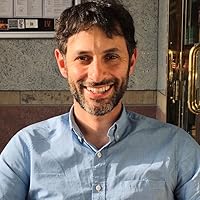
Moshe Koppel, Ph.D. (Mathematics, Courant Institute of New York University, 1979; B.A., Yeshiva University) is a member of the Department of Computer Science in Bar-Ilan University. His published work focuses on Talmud studies and algorithmic methods of authorship attribution. In 2012 he cofounded the Kohelet Policy Forum, a Jerusalem-based conservative-libertarian nonprofit think tank, and serves as its chairman.
Most of the book is a rehash of the familiar evolution of morality material you might pick up from Pinker Steven or Jonathan Haidt, mixed in with a strange kind of dialogue between two caricatured characters, one secular and one religious. I'm confused about what kind of audience the author was going for, but I would have appreciated a different style of presentation.
The one chapter that was worth reading and is original is chapter seven. If you find yourself annoyed after one or two chapters, skip to that chapter and you'll at least come away with something new.
This fun and sometimes persuasive book tries to explain while Judaism has lasted for centuries, and why modern variants of secular liberalism aren't as sustainable. He divides moral principles into three categories: fairness, loyalty and restraint. Without religious tradition, the only values that make obvious sense (at least to most Americans) are the dominant political values of liberty and equality. So secular liberalism gorges itself on fairness, while giving short shrift to loyalty and restraint. This in turn leads to a next generation of people who view any sort of traditional social norms as vehicles for oppression, which in turn leads to oppression in the name of equality.
Since loyalty and restraint are precisely what is required to sacrifice for the next generation, secular liberals have few children, and the children they have often have very different values. By contrast, Judaism ideally includes fairness as part of its moral code but also glorifies self-restraint and loyalty to the group. Loyalty and self-restraint make people more trustworthy, thus creating high-trust societies full of people willing to sacrifice for posterity. Another thing Judaism gets right is balancing the claims of past and future: halacha allows for evolution, but balances populism (following common practice and custom) with elitism (following experts) in ways that prevent extremism over the long haul.
One problem with halachic Judaism, of course, is that like other religions, it makes faith-claims that are not plausible to everyone. The author responds that even people who do not take these claims literally may nevertheless believe that even if there is no Heaven or Hell or purgatory, "devotion to the Jewish way is its own reward" and that even if there is no literal Messiah, "a participant [in Judaism] is advancing some larger historical process."
The author goes off track when he introduces political-economic conservatism into his analysis. He points out that close-knit societies such as Orthodox Judaism disburse charity more efficiently than state bureaucrats- but this comparison is wobbly for two reasons. First, the work of Orthodox charities is far easier because state charity is a backup. (Certainly, Israel's generous welfare state has not impaired the Orthodox charitable sector, judging from the large number of emails I get from Israeli religious charities). Second, nationwide and state laws are made not just for people who live in Orthodox communities, but for people who do not live in such close-knit, charitable communities as well. The advantage of secular liberalism is that when it works, it works for people of all faiths and for those of none.
And as the author admits, Judaism hasn't really been all that successful in sustaining itself over the past century. In the 18th century, most Jews followed tradition. But most of their descendants have found secular liberalism more appealing- either the left-wing variety that the author criticizes, or the more libertarian/right-wing variety that privileges liberty over both equality and tradition (and which the author seems unaware of). And as he also admits, a chunk of the remaining traditional community has moved in another direction, following ideologies that put loyalty first and put fairness and restraint in the back seat. The author cites as examples Israeli haredim who signal "loyalty to the home team by burning bridges to the outside world through, for example, denying his children basic skills necessary for ... earning a living."
The author is aware of the problem, but argues that Israel will solve the problem: while Americans isolate themselves into ever-more-extreme ideological echo chambers, Israelis will create a great melting pot, creating a new equilibrium that might get just the right balance over time. Color me skeptical- but this book still made me think and I'm glad I read it.
Expected better from this author, whose previous work I’ve enjoyed. His favorite logical fallacies in this book: straw man (mischaracterizing politics he disagrees with), no true Scotsman (narrowly defining Orthodox Judaism), and cherry picking (incomplete evidence, if any, provided to backup the more outlandish claims).
Koppel argues Orthodox Judaism and modern American liberalism are opposites. To him, it is inconceivable that someone could be properly shomeir mitzvos l’halacha and advocate for affordable housing, affirmative action, expanded access to abortion, etc. Hi, living proof that’s it’s possible over here!
Koppel’s observation that secular movements share features with religions is not the “gotcha” that he thinks it is.
Koppel claims that Orthodox Judaism is better than modern American liberalism because it better conforms to Western values. “Conforming to Western values” is not the standard by which Orthodox Judaism measures Orthodox Judaism, so it’s an odd take. If the book is aimed at people who are not Orthodox Jews, Koppel ought to rethink his rhetorical strategies. Maybe start with actually learning about your opponents’ views and presenting them accurately.
I’m being a little hard on the author, but it’s just because I hold him to a high standard. I’m glad I read the book—it’s got a number of insights and it’s not afraid to get spicy—but I do wish I had noticed the back cover has a blurb from Ben Shapiro before I began reading.
I was excited to read this book, and it has some very strong parts. I liked its criticism of modern liberal beliefs and its many witticisms. The book also resonates with me emotionally in its nostalgia for a lost Yiddishkeit.
But Koppel fails to address his own main question — of how how to reconcile a religious and secular life. He also fails to properly defend the book’s overly convenient conclusion (for him, as an immigrant to Israel): that the only promising restoration of authentic Judaism lies in the path he has taken, a conclusion that I even think may likely be true but cannot be proven via anecdote.
(Finally, I think it’s worth mentioning that in his discussion of American jewelry, he fails to discuss the growing popularity of Chabad. This is clearly an oversight given the movement’s recent growth and ability to reach less observant Jews.)
I cannot understand the positive reviews this book has received online. I found the arguments unsophisticated, and the arguments shallow. Koppel has traded on his name to create a right wing rant couched in pseudo intellectual language. It's like he hasn't heard of the concepts of tzedakah and shmittah, although I know he has, because he wrote a reasonable book on Halacha. I don't know why Maggid agreed to publish this, but you don't have to waste your money buying it.
Moshe Koppel does a nice job mapping out the landscape of multiple diverging philosophical and lifestyle pathways in contemporary Judaism, while unapologetically taking strong positions around which worldviews have the highest likelihood of succeeding and thriving. He is clearly well read, and draws on modern sociological, psychological, economic, and philosophical works as well as digging deeply into traditional Jewish texts. He heavily references Jonathan Haidt’s “The Righteous Mind”, and I found myself often thinking back to that book. I view Judaism Straight Up as a particularistic application of many of the general principles outlined in The Righteous Mind. I don’t believe there is a large total addressable market (“TAM”) for this book as it likely only appeals to committed Jews who also care about modern scientific and demographic trends – but for someone who fits that description, read on! The book traces the life and worldview of Heidi, who grew up steeped in American Judaism but mostly rejects it in favor of more universalistic values, and ultimately manifests itself in her child Amber, who is a radical, angry left-wing student with no attachments to a people or culture. Heidi and Amber also have Israeli-version twins who are happy to throw off tradition and embrace globalism. Presumably Amber’s Israeli twin ends up in Berlin protesting something or other. As their foils, we have Shimen who grew up steeped in a mimetic Orthodox tradition in Europe and comfortably wears his Judaism as a connection to his people and tradition. He has two Orthodox counterparts (not relatives) in America: a modern orthodox counterpart who is always trying to conform to his secular world surroundings and values; and an ultra-orthodox counterpart who has built walls around his community that desperately try to shield him from the outside world. Their Israeli twins are a Charedi personality and a religious-Zionist personality.
The book ends with a note that in Israel there seems to be a movement towards a golden mean of organic Judaism, while achieving such a result in America is apparently more fraught. I think I could quibble with some of Koppel’s characterizations, but in general I found the book to be a fun, fast read that was well researched. The prototypes mostly felt familiar to me and methinks the theses mostly hold up.
עבור החילוני, הספר הוא הצצה מרתקת אל אורח החיים ומערכת הערכים של הדת היהודית. שאלות הבסיס המשותפות לכל הזרמים, למשל כיצד ניתן לחיות על בסיס אמונות שהן לא מוכחות, או כיצד מנווטים בין פירושי ההלכה השונים, מקבלות תשובות לא רעות.
זאת ועוד המסקנה כי דתיות "אותנטית" בעיני פרופ' קופל מחייבת חופש שופכת אור על דמותו וערכיו, ומסבירה היטב את המצפן הערכי של פורום קהלת. אני חושב שהתפיסות המוצגות יהיו חדשות לקוראים רבים, ובייחוד לבורים הסבורים שקופל הוא אדם "משיחי" ושמכון המחקר בהובלתו הוא "סכנה למדינה."
אבל טוב, אני קצת משוחד: קופל היה אחד המרצים האהובים עלי בחוג למדעי המחשב בבר אילן. חכם, רהוט ואיש טוב באמת, קשה מאוד שלא לחבב אותו. אך בסופו של דבר ספרו מעט אכזב אותי, אולי כי הציפיות שלי היו כה גבוהות.
אין כאן התמודדות אמיתית עם הטענות החזקות ביותר של החילוניות. בעיקר לא עם מה שאלבר קאמי מכנה "ההתאבדות פילוסופית": האמונה בדבר מה שלא ניתן להוכיח באמצעות התבונה. הטיעון הדו כיווני שהוא מציג, על פיו כל אדם עושה זאת ברמה כזו או אחרת, אינו מחזק את הבחירה בדתיות אלא פשוט הופך אותה לבחירה ככל הבחירות.
אורח החיים שכן מפורק לחתיכות הוא זה הפרוגרסיבי. וזה מאכזב מכיוון שזו מטרה קלה: ברור לי שהוא אינו בר קיימא. אך מה לגבי הישראליות החילונית? כשקופל כן מעלה את הטענות החזקות ביותר של החילוניות, הוא מציין כי "אין לו וכוונה להתמודד איתן באופן ישיר." מאכזב.
יהדותו של קופל בסופו של דבר מצטיירת כאינסטיקט, כירושה שיש לשמור עליה מכל משמר מכיוון שלמסורות שהזדקקו לאורך זמן יש ערך. זוהי חשיבה קונסרבטיבית קלאסית: אם משהו עובד זמ�� רב, אולי לא כדאי לחפש הרפתקאות עם דברים חדשים. הבעיה היא שניתן לטעון את הטיעון הזה על כל אורח חיים שמתקיים זמן רב מספיק.
בקיצור, כפילוסופים חובבים התוהים האם הדת עדיפה על החילוניות - ובכן, חפשו לכם ספר אחר. כדתיים תפיקו ממנו ערך לדעתי בזכות הצגתה של מערכת יחסים מאוד בריאה ואורגנית עם הדת. ואם אתם חילונים מתנשאים המעוניינים לראות כיצד אינטליגנציה ודת יכולים לדור בכפיפה אחת, קיראו אותו ואולי תלמדו משהו. ולו תיהיה זו ענווה בלבד - אותה ענווה המובילה את פרופ' קופל לכבד ולהעריך את המסורת המפוארת וארוכת השנים של העם היהודי.
Excellent book. Prof Koppel hides his erudition behind characters who exemplify various stripes of Judaism. Though he can't disguise his admiration and respect for the deep traditional commitments that are "organic" for Shimen, a friend of his grandfather, Prof Koppel works through the pros and cons of other ways of being Jewish sometimes derisively. This leads to the conundrum of why Jews are leaving the fold, or at least leaving aspects of the old time religion. Somewhat surprisingly, Koppel sees hopeful trends for the continuation of authentic Judaism that may be evident in Israel than in the United States. The book is a pleasure to read.
Because of the current (extremely sad) Middle East situation, I've been going through a phase of reading a lot around Israeli politics & society. This book was recommended to me by a friend as the "Jewish version of Nassim Taleb's Skin in the Game". I found the book a pleasure to read, with great insights to religion, politics and culture - along with some delightful CS/math references. I was also fascinated by the parallels to issues we have in Greece, and similarities with Greek thinkers like Taleb or Yannaras on apophaticism and non-systematised knowledge. Kind of niche, but a great read overall
This is more than a commentary on various expressions of Judaism. It presents us with serious questions related to what makes for a future in which people don't just survive, but thrive. Reconciling the myths that give meaning to our lives with the logic needed to enable human beings to live together - that is currency Koppel is dealing in.
There is so very much to think about here, whatever stories or traditions one clings to.
A defense of orthodox/traditional Judaism by a computer science professor -- how could I not read it! I actually got several insights from this book, in particular about a question I have thought about for a while: why, even within traditional communities, are some laws followed very carefully while others are not? And how does that change over time?
A relatively easy read on a weighty and important subject; I highly recommend it.
Some good food for thought on what a more 'natural' Judaism might look like but, in my opinion, doesn't do much to address fictional Heidi's issues. It also doesn't exactly present the best version of Heidi and her daughter Amber making some of the authors points come across as somewhat condescending and hackneyed.
Excellent book that makes the case for a concept of "organic" Judaism of the 21st century. I think the author makes several assumptions of foundational principles without stating them as such, but at least he doesn't wrap things in philosophy gobbledygook. Much to think about.
Really interesting - although I’m not sure if I 100% agree with the topic, this was an easy read which flew by. I found it to be enjoyable and a fascinating theory to discuss.
My full review - https://fathomjournal.org/book-review... Shimen is likeable and in Koppel's Judaism Straight Up, Heidi less so and her daughter Amber is down right detestable. However by the end of the book we realise that Shimen's form of intuitive (kischkes) Judaism is also not that easy to pass on and does not really pass the equilibrium test that the author sets for the viability of religious behaviour. I have sympathy with Shimen, and would definitely like to sit next to him in synagogue (or shteibl as he did) but Judaism Straight Up does not lay out for us some algorithmic formula for sustainable Judaism. Oh that it could. It does give us insight into the thought process of the view of society which likes minimal state influence in most walks of life (social and economic, which are understandably interlinked) and that the best approach to social or religious development is laissez faire. Let people get on with it and don't interfere. If you are on the progressive side of society it is a worthy way to get that insight, given that Prof. Moshe Koppel is a successful founder of an influential conservative think tank in Israel doing just that, and Judaism Straight Up parallels much of the policies and ideas that his think tank advances.