

What do you think?

The Waiting
The story begins with a mother's confession... sisters permanently separated by a border during the Korean War.
Keum Suk Gendry-Kim was an adult when her mother revealed a family secret: She had been separated from her sister during the Korean War. It's not an uncommon story—the peninsula was split across the 38th parallel, dividing one country into two. As many fled violence in the north, not everyone was able to make it south. Her mother's story inspired Gendry-Kim to begin interviewing her and other Koreans separated by the war; that research fueled a deeply resonant graphic novel.
The Waiting is the fictional story of Gwija, told by her novelist daughter Jina. When Gwija was 17 years old, after hearing that the Japanese were seizing unmarried girls, her family married her in a hurry to a man she didn't know. Japan fell, Korea gained its independence, and the couple started a family. But peace didn't come. The young family of four fled south. On the road, while breastfeeding and changing her daughter, Gwija was separated from her husband and son.
Then seventy years passed. Seventy years of waiting. Gwija is now an elderly woman and Jina can't stop thinking about the promise she made to help find her brother.
Expertly translated from the Korean by the award-winning translator Janet Hong, The Waiting is the devastating followup to Gendry-Kim's Grass, which appeared on best of the year lists from the New York Times, The Guardian, Library Journal, and more.
Keum Suk Gendry-Kim was an adult when her mother revealed a family secret: She had been separated from her sister during the Korean War. It's not an uncommon story—the peninsula was split across the 38th parallel, dividing one country into two. As many fled violence in the north, not everyone was able to make it south. Her mother's story inspired Gendry-Kim to begin interviewing her and other Koreans separated by the war; that research fueled a deeply resonant graphic novel.
The Waiting is the fictional story of Gwija, told by her novelist daughter Jina. When Gwija was 17 years old, after hearing that the Japanese were seizing unmarried girls, her family married her in a hurry to a man she didn't know. Japan fell, Korea gained its independence, and the couple started a family. But peace didn't come. The young family of four fled south. On the road, while breastfeeding and changing her daughter, Gwija was separated from her husband and son.
Then seventy years passed. Seventy years of waiting. Gwija is now an elderly woman and Jina can't stop thinking about the promise she made to help find her brother.
Expertly translated from the Korean by the award-winning translator Janet Hong, The Waiting is the devastating followup to Gendry-Kim's Grass, which appeared on best of the year lists from the New York Times, The Guardian, Library Journal, and more.
248 pages, Paperback
First published September 21, 2020
About the author
Keum Suk Gendry-Kim
39 books529 followersKeum Suk Gendry-Kim was born in the town of Goheung in Jeolla Province, a town famous for its beautiful mountains and sea. Her graphic novels include The Song of My Father, Jiseul, and Kogaeyi, which have been translated and published in France. She also wrote and illustrated The Baby Hanyeo Okrang Goes to Dokdo, A Day with My Grandpa, and My Mother Kang Geumsun. She received the Best Creative Manhwa Award for her short manhwa “Sister Mija,” about a comfort woman. She has had exhibitions of her works in Korea and Europe since 2012, and her graphic novels and manhwa deal mostly with people who are outcasts or marginalized.
Ratings & Reviews
Friends & Following
Create a free account to discover what your friends think of this book!
Community Reviews
Displaying 1 - 30 of 1,101 reviews
March 9, 2022
A really moving graphic novel about a family fleeing from North to South during the Korean War, and the people who got left behind. It captures the heartache of endlessly waiting, wondering, hoping, and despairing over the loss of someone whose fate remains unknown.
![Profile Image for s.penkevich [hiatus-will return-miss you all].](https://i.gr-assets.com/images/S/compressed.photo.goodreads.com/users/1735525095i/6431467._UX200_CR0,11,200,200_.jpg)
November 17, 2021
When Korea was divided along the 38th Parallel, many families were permanently separated from each other. Families fleeing the war got split up in the chaos and confusion, with some making it to the South while their loved ones got trapped behind and as generations passed they have been unable to contact each other. The Waiting is a heartbreaking and important story about these family separations beautifully told and illustrated by Keum Suk Gendry-Kim and translated into English by Janet Hong. Based on the story of her own mother’s separation from her sister during the conflict, Keum rotates between past and present to demonstrate the horrors of war and the courage of the human spirit as aging folks desperately try to use the Red Cross’ reunification program to see their family one last time. This tragic story is told with an abundance of heart and empathy, being both a moving portrait of loss and hope as well as an excellent primer into a people’s history of 1940s-50s Korea, all orchestrated with brilliant art and pacing that will keep you teary eyed and unable to put it down.
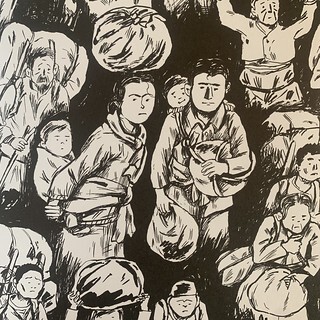
With her first graphic novel, the antiwar book Grass, Keum Suk Gendry-Kim examined the life of a young “comfort woman”—a Korean girl forced into sexual slavery to the Japanese army during WWII—and the author and translator duo return with The Waiting to continue to look at the tragedies of history in post-war Korea. As with Grass, which was a biographical novel constructed on interviews done by Keum, The Waiting is heavily autobiographical through interviews with Keum’s own mother and grandparents. The primary story is different than her own experience (her mother was separated from her older sister instead of her husband and first-born child, though she does seem to appear as the friend of the mother in this book) but based in truth, and in the afterword she says she ‘chose to create this work as fiction, rather than non-fiction, because I didn’t want to unintentionally hurt those who shared their stories so vulnerably with me.’ There is such a sense of care and respect to the telling of this story and it becomes an important way to honor the past while educating the present.

The novel sashays between the past, following a young woman’s life story through World War II (she was hidden away to not be taken as a sexual slave and then married off to keep her safe) and then her escape from the North as the war began. In the present she is in the twilight of her life and desperate to be reunited with her husband and son. Having remarried and had more children, the story is told by her daughter, a journalist interviewing her about her past, much like Keum Suk Gendry-Kim herself. In present time, the Red Cross has been arranging meet-ups, with the 21st family reunion beginning in 2018 at the Mount Kumgang resort in North Korea. With reunions capped at 200 participants, only 2,000 South Korean families have been able to meet their loved ones in North Korea and for only a short period of time under the eyes of North Korean personnel. You can read about it in this BBC article from 2018. Keum says these sections of the book are heavily based on interviews she conducted with South Koreans who were able to attend. Unfortunately, hundreds of thousands have been unable to meet.
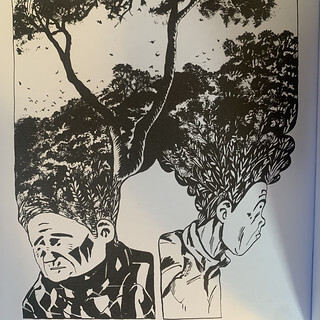
The art is ink and entirely black and white, making it really raw and powerful. There are some really gorgeous moments in this, and the style adapts to the tone of each scene very well, being able to represent calm and chaos just as effectively. Janet Hong does a great job with the translation, leaving many words in the speech to be explained underneath with a footnote for more context. I quite enjoy this style and this book would be very well suited for academic purposes like being read in history classrooms. Though it is quite perfect for personal reading and will completely tear at your heartstrings. The feeling of sadness that fell over me in the final pages was overwhelming and this book is amazing.
4.5/5
‘This book is dedicated to my mother and all the families separated by war who are unable to return home.
- Keum Suk Gendry-Kim in afterword.
With her first graphic novel, the antiwar book Grass, Keum Suk Gendry-Kim examined the life of a young “comfort woman”—a Korean girl forced into sexual slavery to the Japanese army during WWII—and the author and translator duo return with The Waiting to continue to look at the tragedies of history in post-war Korea. As with Grass, which was a biographical novel constructed on interviews done by Keum, The Waiting is heavily autobiographical through interviews with Keum’s own mother and grandparents. The primary story is different than her own experience (her mother was separated from her older sister instead of her husband and first-born child, though she does seem to appear as the friend of the mother in this book) but based in truth, and in the afterword she says she ‘chose to create this work as fiction, rather than non-fiction, because I didn’t want to unintentionally hurt those who shared their stories so vulnerably with me.’ There is such a sense of care and respect to the telling of this story and it becomes an important way to honor the past while educating the present.
The novel sashays between the past, following a young woman’s life story through World War II (she was hidden away to not be taken as a sexual slave and then married off to keep her safe) and then her escape from the North as the war began. In the present she is in the twilight of her life and desperate to be reunited with her husband and son. Having remarried and had more children, the story is told by her daughter, a journalist interviewing her about her past, much like Keum Suk Gendry-Kim herself. In present time, the Red Cross has been arranging meet-ups, with the 21st family reunion beginning in 2018 at the Mount Kumgang resort in North Korea. With reunions capped at 200 participants, only 2,000 South Korean families have been able to meet their loved ones in North Korea and for only a short period of time under the eyes of North Korean personnel. You can read about it in this BBC article from 2018. Keum says these sections of the book are heavily based on interviews she conducted with South Koreans who were able to attend. Unfortunately, hundreds of thousands have been unable to meet.
‘According to the South Korean Red Cross, in the thirty years leading up to 2018, 132,123 people had registered to meet their North Korean families. Of those, 75,234 have died and only 56,890 are still living, with more than 85 percent of whom are over the age of 70.’
The art is ink and entirely black and white, making it really raw and powerful. There are some really gorgeous moments in this, and the style adapts to the tone of each scene very well, being able to represent calm and chaos just as effectively. Janet Hong does a great job with the translation, leaving many words in the speech to be explained underneath with a footnote for more context. I quite enjoy this style and this book would be very well suited for academic purposes like being read in history classrooms. Though it is quite perfect for personal reading and will completely tear at your heartstrings. The feeling of sadness that fell over me in the final pages was overwhelming and this book is amazing.
4.5/5
‘This book is dedicated to my mother and all the families separated by war who are unable to return home.
- Keum Suk Gendry-Kim in afterword.

November 21, 2024
Cuando digo que un libro te hace más empático, me refiero a lo que te hace sentir este tipo de lecturas. No solo te habla de otra cultura y los problemas que vivieron gracias a una guerra, sino las consecuencias que aun después de 60 años siguen experimentando.
Preciosas ilustraciones, una historia conmovedora inspirada en hechos reales y una agridulce sensación al cerrar el libro.
Este es mi segundo libro de la autora, y no me queda más que recomendar ambos. Maravillosos.
Preciosas ilustraciones, una historia conmovedora inspirada en hechos reales y una agridulce sensación al cerrar el libro.
Este es mi segundo libro de la autora, y no me queda más que recomendar ambos. Maravillosos.

Read
January 23, 2023Tras su aclamadísima «Hierba», Keum Suk Gendry-Kim vuelve a las librerías con una nueva novela gráfica en la que se entrelazan la historia de Corea y la de su propia familia. Mientras que en su anterior obra la autora nos hablaba del drama de las mujeres coreanas obligadas a prostituirse durante la Segunda Guerra Mundial, en esta nos habla de la tragedia que supuso la guerra que rompió la península en dos y que separó a miles de familias que nunca más volvieron a verse.
«La espera» funciona en dos líneas temporales. Por una parte, en el presente, mezclando la ficción y lo biográfico, se nos habla de la relación entre una ilustradora y su madre. Mientras que una se debate entre las dificultades de su oficio y la carga de las obligaciones familiares, la otra se está despidiendo del mundo con la pena de no haber vuelto nunca a ver a su hijo, al que perdió de vista trágicamente mientras huían de los bombardeos. El acuerdo entre ambas Coreas para hacer un sorteo y que varias familias puedan reencontrarse durante unas horas es la pequeña esperanza a la que se aferra esta anciana. Por otro lado, se nos cuenta cómo ella vivió esta guerra y sus terribles consecuencias siendo una joven recién casada.
Es un relato muy local, pero a la vez muy universal: tanto la relación entre la madre y la hija como la tragedia de los refugiados son extrapolables a casi cualquier rincón del mundo.
Personalmente este libro me parece aún mejor que el anterior. La sutileza de los trazos del dibujo, así como esa tinta negra sobre el papel blanco, dan una fuerza expresiva inigualable a esta historia.
«La espera» funciona en dos líneas temporales. Por una parte, en el presente, mezclando la ficción y lo biográfico, se nos habla de la relación entre una ilustradora y su madre. Mientras que una se debate entre las dificultades de su oficio y la carga de las obligaciones familiares, la otra se está despidiendo del mundo con la pena de no haber vuelto nunca a ver a su hijo, al que perdió de vista trágicamente mientras huían de los bombardeos. El acuerdo entre ambas Coreas para hacer un sorteo y que varias familias puedan reencontrarse durante unas horas es la pequeña esperanza a la que se aferra esta anciana. Por otro lado, se nos cuenta cómo ella vivió esta guerra y sus terribles consecuencias siendo una joven recién casada.
Es un relato muy local, pero a la vez muy universal: tanto la relación entre la madre y la hija como la tragedia de los refugiados son extrapolables a casi cualquier rincón del mundo.
Personalmente este libro me parece aún mejor que el anterior. La sutileza de los trazos del dibujo, así como esa tinta negra sobre el papel blanco, dan una fuerza expresiva inigualable a esta historia.

March 15, 2024
‘La espera’ es de esas novelas gráficas que te puedes leer de una sentada, su historia y sus dibujos te atrapan, no puedes despegarte de sus páginas. Sin embargo, a mí me duró semanas porque hubo escenas que me hicieron parar durante días. Supongo que es porque hay temas que nos tocan más profundo o cosas a las que no queremos enfrentarnos ni siquiera en la ficción y a mí me pasó eso.
Keum Suk Gendry Kim recoge aquí la historia de su madre y de otras personas a las que mantiene en el anonimato por respeto y, también, seamos claros, por su seguridad. Coge sus testimonios y los plasma sobre el papel para presentarnos una parte a menudo si no olvidada, al menos poco conocida de la historia reciente de Corea.
El inicio de la guerra de Corea, que desembocaría en la división del país, pilló a muchas personas por sorpresa, fueron miles las familias que tuvieron que abandonar sus hogares y huir hacia el sur. En esas condiciones, muchas se separaron y no han tenido ocasión de reencontrarse o tan siquiera saber si los suyos llegaron a sobrevivir. Ahora, que cada vez quedan menos personas de las generaciones que vivieron la guerra y que los más jóvenes prefieren mirar hacia delante, la autora recoge el dolor de una vida, la lucha y las injusticias vividas por muchos para que no se borren de la historia.
‘La espera’ reúne así varias vidas aunque hay una que conocemos más a fondo, la de una mujer que se separa de su marido y su hijo, a quien acompañamos desde su infancia hasta el presente, siendo ya anciana, cuando sigue esperando ese ansiado reencuentro que solo podría llegar a propiciarse a través de las reuniones de familias separadas que coordina la Cruz Roja. Sin embargo… son muy pocas para la cantidad de solicitudes. También veremos el oscurantismo y cierta deshumanización que rodea a estos encuentros medidos y vigilados en extremo pero que son la única oportunidad de reencuentro que existe a día de hoy.
Como ya me ocurre con todas sus obras, Gendry Kim me deja tocada y hundida, pero agradecida de su trabajo. Sin edulcorar, ni dramatizar, contado todo con el mayor de los respetos. De 10.
Keum Suk Gendry Kim recoge aquí la historia de su madre y de otras personas a las que mantiene en el anonimato por respeto y, también, seamos claros, por su seguridad. Coge sus testimonios y los plasma sobre el papel para presentarnos una parte a menudo si no olvidada, al menos poco conocida de la historia reciente de Corea.
El inicio de la guerra de Corea, que desembocaría en la división del país, pilló a muchas personas por sorpresa, fueron miles las familias que tuvieron que abandonar sus hogares y huir hacia el sur. En esas condiciones, muchas se separaron y no han tenido ocasión de reencontrarse o tan siquiera saber si los suyos llegaron a sobrevivir. Ahora, que cada vez quedan menos personas de las generaciones que vivieron la guerra y que los más jóvenes prefieren mirar hacia delante, la autora recoge el dolor de una vida, la lucha y las injusticias vividas por muchos para que no se borren de la historia.
‘La espera’ reúne así varias vidas aunque hay una que conocemos más a fondo, la de una mujer que se separa de su marido y su hijo, a quien acompañamos desde su infancia hasta el presente, siendo ya anciana, cuando sigue esperando ese ansiado reencuentro que solo podría llegar a propiciarse a través de las reuniones de familias separadas que coordina la Cruz Roja. Sin embargo… son muy pocas para la cantidad de solicitudes. También veremos el oscurantismo y cierta deshumanización que rodea a estos encuentros medidos y vigilados en extremo pero que son la única oportunidad de reencuentro que existe a día de hoy.
Como ya me ocurre con todas sus obras, Gendry Kim me deja tocada y hundida, pero agradecida de su trabajo. Sin edulcorar, ni dramatizar, contado todo con el mayor de los respetos. De 10.

December 22, 2021
Just a gut punch, but beautifully done. As Stephen Stills sings, "There's a rose, in a fisted glove." Keum Suk Gendry-Kim was an adult when her mother revealed a family secret: She had been separated from her sister during the Korean War. And then she interviewed her family and others (some now very old, in their nineties) who experienced devastating family separations when Korea divided along the 38th Parallel and are still separated, of course. So this is autobiographical fiction, dedicated by the author and artist to her mother, who (maybe this is a spoiler?) never got to see her sister again. But it shouldn't be a surprise as most who were separated never saw or hear from their loved ones ever again.
Periodically both governments agree through a lottery system to allow a few individuals to meet, after many decades, but even that experience is agonizingly brief and devastating in its own way. War, what is it good for? Absolutely nothing. But humans did this; war is just what we do to each other. Beautifully drawn reminder of the horrors of history. But also so touching and moving, just heart-breaking. One of my faves of the year, without question.
Periodically both governments agree through a lottery system to allow a few individuals to meet, after many decades, but even that experience is agonizingly brief and devastating in its own way. War, what is it good for? Absolutely nothing. But humans did this; war is just what we do to each other. Beautifully drawn reminder of the horrors of history. But also so touching and moving, just heart-breaking. One of my faves of the year, without question.

February 20, 2022
When the Korean War began thousands of refugees fled from north to south to escape - among them the young mother of The Waiting, who left with her husband, son and daughter, and was then separated from her husband and son - forever? In modern-day South Korea, her daughter attempts to make a reunion, via the Red Cross, to bring her ailing mother in contact with her long-lost son in the north one last time before she dies…
This is worth noting right from the jump because it’s going to change how you read this book: this is a NOVEL not a memoir. I only found this out at the end, reading the afterword and the blurb, because the blurb mentions two sisters separated by war - but the entire preceding book is about a mother trying to reconnect with her missing son, and I thought, whaaaat?! Yeah, it’s presented and reads well like a memoir but for no real reason I can see, Keum Suk Gendry-Kim has gone the fictional route so that she doesn’t “unintentionally hurt those who shared their stories so vulnerably with her.”
But what I can’t wrap my head around is HOW she would hurt anyone. She’s already told her mother’s story, and the others she interviewed, in the afterword - how would telling those stories in the book proper hurt them any more than this? And there’s an episode in the book anyway of two sisters reuniting - did having that in the book hurt her mother? And considering how much of the book is based on fact (the elderly mother is modelled on her own mother), why not go the whole distance so that it can be a memoir and not a novel? It’s just such a strange choice. And it actually takes away from the impact of the story too.
It still remains a powerful read though. I knew of the Korean War but didn’t know much about it so it was fascinating and extremely moving to see the experiences of the refugees during and after the conflict. Though again Gendry-Kim’s storytelling is sloppy for no real reason. The story is about a woman fleeing from North to South Korea with most readers unlikely to know the region. So, contextually, this should be taken into account - have the chapters set in the North explicitly say “North Korea” or “northern Korea” as it was at the time, rather than “Hamgyong Province” which is going to be meaningless to most readers, as it was to me.
And, while deeply moving, the book is a gratuitously grim narrative. The poor woman is never allowed to be happy for long. She gets a puppy, then a neighbour licks his lips and points out how plump the dog is getting. I didn’t want to reinforce negative stereotypes in my mind but that’s exactly where Gendry-Kim takes that particular episode! Then the Japanese soldiers inflict horrendous atrocities on the Koreans before being forced out and then it’s the Russians’ turn, and then the Korean War kicks off in earnest. Oy… it makes the book a bit of a chore to get through because it’s so bleak and depressing.
The Waiting is a birruva mixed bag for me. Gendry-Kim’s black and white art is skillful and the book is very informative on the effect the war had on ordinary people, the culture of the newly-divided South Korea in the immediate aftermath, and the legacy that divide had on its people. And it is a grimly compelling story too that definitely hits you in the feels hard. But it’s also a bit overwhelmingly depressing with some bafflingly convoluted storytelling choices throughout to make what could’ve been a strong memoir into an unnecessarily confusing mess.
I’m glad I read The Waiting if only to understand the Korean War and its legacy a bit better but I’m not sure I’d recommend it to most casual comics readers - decent but definitely not a must-read.
This is worth noting right from the jump because it’s going to change how you read this book: this is a NOVEL not a memoir. I only found this out at the end, reading the afterword and the blurb, because the blurb mentions two sisters separated by war - but the entire preceding book is about a mother trying to reconnect with her missing son, and I thought, whaaaat?! Yeah, it’s presented and reads well like a memoir but for no real reason I can see, Keum Suk Gendry-Kim has gone the fictional route so that she doesn’t “unintentionally hurt those who shared their stories so vulnerably with her.”
But what I can’t wrap my head around is HOW she would hurt anyone. She’s already told her mother’s story, and the others she interviewed, in the afterword - how would telling those stories in the book proper hurt them any more than this? And there’s an episode in the book anyway of two sisters reuniting - did having that in the book hurt her mother? And considering how much of the book is based on fact (the elderly mother is modelled on her own mother), why not go the whole distance so that it can be a memoir and not a novel? It’s just such a strange choice. And it actually takes away from the impact of the story too.
It still remains a powerful read though. I knew of the Korean War but didn’t know much about it so it was fascinating and extremely moving to see the experiences of the refugees during and after the conflict. Though again Gendry-Kim’s storytelling is sloppy for no real reason. The story is about a woman fleeing from North to South Korea with most readers unlikely to know the region. So, contextually, this should be taken into account - have the chapters set in the North explicitly say “North Korea” or “northern Korea” as it was at the time, rather than “Hamgyong Province” which is going to be meaningless to most readers, as it was to me.
And, while deeply moving, the book is a gratuitously grim narrative. The poor woman is never allowed to be happy for long. She gets a puppy, then a neighbour licks his lips and points out how plump the dog is getting. I didn’t want to reinforce negative stereotypes in my mind but that’s exactly where Gendry-Kim takes that particular episode! Then the Japanese soldiers inflict horrendous atrocities on the Koreans before being forced out and then it’s the Russians’ turn, and then the Korean War kicks off in earnest. Oy… it makes the book a bit of a chore to get through because it’s so bleak and depressing.
The Waiting is a birruva mixed bag for me. Gendry-Kim’s black and white art is skillful and the book is very informative on the effect the war had on ordinary people, the culture of the newly-divided South Korea in the immediate aftermath, and the legacy that divide had on its people. And it is a grimly compelling story too that definitely hits you in the feels hard. But it’s also a bit overwhelmingly depressing with some bafflingly convoluted storytelling choices throughout to make what could’ve been a strong memoir into an unnecessarily confusing mess.
I’m glad I read The Waiting if only to understand the Korean War and its legacy a bit better but I’m not sure I’d recommend it to most casual comics readers - decent but definitely not a must-read.

February 15, 2023
I was in awe about the graphic book “Grass” by Gendry-Kim-Kim ….[Korean women forced into slavery by the Japanese during WWII] —
and am equally moved and impressed with “The Waiting”. …about a Korean woman who becomes separated from her family while marching south during the war with a group of refugees.
Inspired by a true story. Gendry-Kim was an adult when her mother told her about the secret she had been carrying for years. She was separated from her sister during the 1950 Korean War.
“The Waiting” is a fictional story about Gwija, who got separated from her husband and son….
told by her daughter Jina.
It’s historical, informative, emotional,.…(the graphics of the little baby boy - alone could make you cry)…..
the hunger, cold, fear, could make you cry ….
It was a miracle Ma and anyone survived.
This is simply a beautiful, heartbreaking & bittersweet book — the content and drawings: both …
Seventy years of waiting — for family reunification!
I can’t imagine!
“Maybe she was traumatized or maybe she didn’t speak Korean, but she said nothing”.
“When he was a baby, I made his shirts and trousers by hand. For his birthday, I even made him a special multi colored jacket”.
“Granny, why haven’t you evacuated? Where’s the rest of your family?”
“We were worried for our parents and relatives, but all we could do was hope they were safe. Many people turned back because of the Jets”.
“Has anyone seen the baby’s mother?
Anyone
Hello?
But no one answered”
And then….,
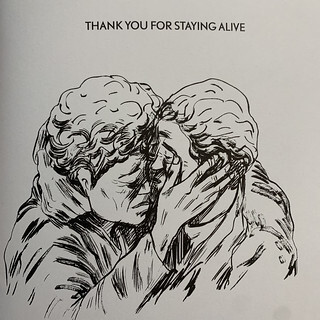
“Thank you for staying alive”.
Just think, I was finally going to see her, after waiting all those years! Of course I couldn’t sleep.
Did you know that North Koreans really love those chocolate covered marshmallow pies? Choco Pies?
“We’d meet for a little while, have lunch, and then say goodbye. What little private time we had in our hotel rooms flew by. If I could see her again, I’d ask her everything… How did she survive this whole time? What are her Grandkids names? Since we’re already so old, I’m sure I’ll never see her again”.
“Hey Mom, I forgot everything, tell me again”.
“Why would you want to hear those miserable stories?”
“I want to write a book about your life, that’s why”.
and am equally moved and impressed with “The Waiting”. …about a Korean woman who becomes separated from her family while marching south during the war with a group of refugees.
Inspired by a true story. Gendry-Kim was an adult when her mother told her about the secret she had been carrying for years. She was separated from her sister during the 1950 Korean War.
“The Waiting” is a fictional story about Gwija, who got separated from her husband and son….
told by her daughter Jina.
It’s historical, informative, emotional,.…(the graphics of the little baby boy - alone could make you cry)…..
the hunger, cold, fear, could make you cry ….
It was a miracle Ma and anyone survived.
This is simply a beautiful, heartbreaking & bittersweet book — the content and drawings: both …
Seventy years of waiting — for family reunification!
I can’t imagine!
“Maybe she was traumatized or maybe she didn’t speak Korean, but she said nothing”.
“When he was a baby, I made his shirts and trousers by hand. For his birthday, I even made him a special multi colored jacket”.
“Granny, why haven’t you evacuated? Where’s the rest of your family?”
“We were worried for our parents and relatives, but all we could do was hope they were safe. Many people turned back because of the Jets”.
“Has anyone seen the baby’s mother?
Anyone
Hello?
But no one answered”
And then….,
“Thank you for staying alive”.
Just think, I was finally going to see her, after waiting all those years! Of course I couldn’t sleep.
Did you know that North Koreans really love those chocolate covered marshmallow pies? Choco Pies?
“We’d meet for a little while, have lunch, and then say goodbye. What little private time we had in our hotel rooms flew by. If I could see her again, I’d ask her everything… How did she survive this whole time? What are her Grandkids names? Since we’re already so old, I’m sure I’ll never see her again”.
“Hey Mom, I forgot everything, tell me again”.
“Why would you want to hear those miserable stories?”
“I want to write a book about your life, that’s why”.

March 21, 2026
4,5
A Espera foi um livro inesperadamente bom, tocante e pedagógico. Aprendi ou recordei o pouco que sabia sobre a guerra das Coreias e o movimento dos refugiados, no qual tantas famílias se dividiram para sempre. Algumas reencontraram-se, mas numa percentagem demasiado baixa e por sorteio ou num espetáculo de televisão. A maioria morreu sem se rever.
Este veio da minha Biblioteca local, na Vila Beatriz, em Ermesinde. Em boa hora lá fui.
A Espera foi um livro inesperadamente bom, tocante e pedagógico. Aprendi ou recordei o pouco que sabia sobre a guerra das Coreias e o movimento dos refugiados, no qual tantas famílias se dividiram para sempre. Algumas reencontraram-se, mas numa percentagem demasiado baixa e por sorteio ou num espetáculo de televisão. A maioria morreu sem se rever.
Este veio da minha Biblioteca local, na Vila Beatriz, em Ermesinde. Em boa hora lá fui.

December 31, 2023
E, para terminar o ano, mais uma excelente GN desta autora coreana. Cada vez mais me interesso pela história daquela parte do mundo.

January 25, 2022
This historical fiction is a moving and heartbreaking look at the price of war on the civilian population, which in our histories of war are so often overlooked or reduced to cold statistics. For instance, this contrasts well with the recent Cold War Correspondent (Nathan Hale’s Hazardous Tales #11): A Korean War Tale, a graphic history that is almost entirely focused on American journalists and soldiers.
Additionally, the present-day framing sequence is equally engaging for its illumination of aging and the generation gap evident in its mother/daughter relationship.
It's interesting how much Keum Suk Gendry-Kim has grown as a writer an artist since her previous book, Grass. I look forward to seeing what she does next.
Additionally, the present-day framing sequence is equally engaging for its illumination of aging and the generation gap evident in its mother/daughter relationship.
It's interesting how much Keum Suk Gendry-Kim has grown as a writer an artist since her previous book, Grass. I look forward to seeing what she does next.

February 4, 2023
En estas páginas sin duda hay un poderoso ejercicio de memoria sobre la división de Korea y la separación de familias durante cerca de siete décadas, sin noticias respectivas durante todo ese tiempo. Hay pasajes emocionantes, como las que relatan la huida y la destrucción de la familia protagonista en los primeros compases de la guerra, o el reencuentro hace escasos años de diferentes personas ya cerca del final de sus vidas durante los encuentros organizados en la frontera. En el encadenamiento de sus reacciones hay ternura, frustración, tristeza... Además Keum Suk Gendry-Kim acierta a potenciar muchos de esos momentos con un estilo que fluye hacia el expresionismo para enfatizar ciertos estados de ánimo y transmitir sentimientos más allá del texto. Sin embargo, también se muestra limitada a la hora de definir qué contar, cuándo relatarlo, el narrador, las transiciones entre épocas/escenas... Supongo que la búsqueda de un recuerdo emocional puede verse encorsetado con una estructura más elaborada/planificada, pero creo que su ausencia pone trabas a la fluidez de una narración que se resiente por ello.

June 3, 2023
Una historia muy emotiva sobre una mujer que crecio en periodos políticamente complicados en Corea; ocupación, guerras, migración, etc. y el cómo eso determinó su conexión con su hija. Además, habla sobre las familias que fueron separadas por las dos Coreas y lo difícil del proceso de volver a reencontrarse.
Jina es una novelista que termina mudándose lejos de su madre ya anciana, Gwija. Al mismo tiempo nos vamos enterando de la vida de esta y su proceso de migración desde Corea del Norte evitando a soldados japoneses y, luego, a los rusos. Aunque su vida fuera buena, dentro de todo, sigue sin poder olvidar a quiénes dejó en el norte.
El libro está contado en dos tiempos, el presente con Jina hablando de su relación con su madre, las cosas que la ponen nerviosa, el cómo nunca pide ayuda o sus pequeñas manías. Y el pasado, con el pasado de Gwija, desde su infancia en el periodo complicado de la ocupación japonesa en Corea. Así es como nos fuimos enterando de su matrimonio forzado para mantenerla lejos de los soldados y todo por lo que tuvo que pasar.
Me pareció que el estilo de la autora funcionaba perfecto con el tipo de historia que estaba contando. Era un diseño en blanco y negro muy de dibujo a mano, en especial me gustó cuando dibujaba momentos tristes o impactantes. Esas escenas sin tener ningún tipo de texto ni dibujo explícito lograban transmitir con mucha claridad los sentimientos de pérdida, miedo y dolor.
Algo que disfruté mucho del libro fue la relación de Jina con su madre. Es cierto que con la edad la gente se vuelve más mañosa, tiene manías, costumbres que no cambia y cada vez entiende menos el mundo moderno. En el comienzo la protagonista retrata todas esas costumbre de su madre que la molestan de una forma u otra, pero me gustó que lo hizo con un tono de cariño, porque sabía sobre su pasado. La escena de las dos paseando por un jardín botánico también fue muy linda, me gustó el que Jina supiera que su madre la necesitaba aunque no se lo dijera. Claro que Jina se alejó y dejó plantada a su madre, pero siento que era algo normal, es decir, una actitud normal de alguien que vivió toda su vida con ella y quería un poco de espacio. Sin embargo, en el tono de su narración se notaba que se arrepentía y que todo lo veía desde otros ojos, como las manías de su madre. De verdad que me gustó mucho esto, la relación de ambas y como tenían lenguajes diferentes para demostrar el cariño.
No voy a entrar en temas políticos pues soy una ignorante en este caso, solo diré que para alguien que tenía solo nociones no fue complicado seguir el hilo de lo que sucedía salvo un par de ocasiones. No obstante, nunca fue al punto de que no pudiera entender qué era lo que pasaba. Además, la autora explicó muy bien el proceso del reencuentro de familias entre Corea del Norte y del Sur y los tristes números que manejaba, no solo eso, sino que puso una descripción de las experiencias de otras personas que volvían el proceso algo un poco sospechoso.
La espera es una novela gráfica que toma como base hechos reales de la madre de la autora y otras personas para construir una historia de ficción La historia de una mujer que creció durante la ocupación japonesa y luego la guerra, toda su migración al sur y el cómo terminó separándose de su familia. Sobre todo es la historia de una madre que extraña a su familia y que el mundo moderno evolucionó demasiado rápido para ella.
Jina es una novelista que termina mudándose lejos de su madre ya anciana, Gwija. Al mismo tiempo nos vamos enterando de la vida de esta y su proceso de migración desde Corea del Norte evitando a soldados japoneses y, luego, a los rusos. Aunque su vida fuera buena, dentro de todo, sigue sin poder olvidar a quiénes dejó en el norte.
El libro está contado en dos tiempos, el presente con Jina hablando de su relación con su madre, las cosas que la ponen nerviosa, el cómo nunca pide ayuda o sus pequeñas manías. Y el pasado, con el pasado de Gwija, desde su infancia en el periodo complicado de la ocupación japonesa en Corea. Así es como nos fuimos enterando de su matrimonio forzado para mantenerla lejos de los soldados y todo por lo que tuvo que pasar.
Me pareció que el estilo de la autora funcionaba perfecto con el tipo de historia que estaba contando. Era un diseño en blanco y negro muy de dibujo a mano, en especial me gustó cuando dibujaba momentos tristes o impactantes. Esas escenas sin tener ningún tipo de texto ni dibujo explícito lograban transmitir con mucha claridad los sentimientos de pérdida, miedo y dolor.
Algo que disfruté mucho del libro fue la relación de Jina con su madre. Es cierto que con la edad la gente se vuelve más mañosa, tiene manías, costumbres que no cambia y cada vez entiende menos el mundo moderno. En el comienzo la protagonista retrata todas esas costumbre de su madre que la molestan de una forma u otra, pero me gustó que lo hizo con un tono de cariño, porque sabía sobre su pasado. La escena de las dos paseando por un jardín botánico también fue muy linda, me gustó el que Jina supiera que su madre la necesitaba aunque no se lo dijera. Claro que Jina se alejó y dejó plantada a su madre, pero siento que era algo normal, es decir, una actitud normal de alguien que vivió toda su vida con ella y quería un poco de espacio. Sin embargo, en el tono de su narración se notaba que se arrepentía y que todo lo veía desde otros ojos, como las manías de su madre. De verdad que me gustó mucho esto, la relación de ambas y como tenían lenguajes diferentes para demostrar el cariño.
No voy a entrar en temas políticos pues soy una ignorante en este caso, solo diré que para alguien que tenía solo nociones no fue complicado seguir el hilo de lo que sucedía salvo un par de ocasiones. No obstante, nunca fue al punto de que no pudiera entender qué era lo que pasaba. Además, la autora explicó muy bien el proceso del reencuentro de familias entre Corea del Norte y del Sur y los tristes números que manejaba, no solo eso, sino que puso una descripción de las experiencias de otras personas que volvían el proceso algo un poco sospechoso.
La espera es una novela gráfica que toma como base hechos reales de la madre de la autora y otras personas para construir una historia de ficción La historia de una mujer que creció durante la ocupación japonesa y luego la guerra, toda su migración al sur y el cómo terminó separándose de su familia. Sobre todo es la historia de una madre que extraña a su familia y que el mundo moderno evolucionó demasiado rápido para ella.
"El frío marchita las hojas de los árboles y de las plantas, las tiñe de marrón. Sin embargo, cuanto más crudo es el invierno, más verdes lucen los pinos en el paisaje nevado."

January 28, 2024
Esta es una de esas historias que te llegan al corazón, te hacen llorar y permanecen en tu interior pese al paso del tiempo.
"La espera" cuenta la historia de Gwija, una joven que sobrevivió tanto a la guerra de Japón como a la de las dos coreas. Desde bien pequeña estuvo o bien escondiéndose o bien huyendo, rodeada de miedo, incertidumbre, desgracias y terror. En una de las huidas desde Corea del Norte hacia el sur, pierde de vista a su marido y a su hijo al separarse de ellos para amamantar a su otro bebé. Desde entonces no se ha vuelto a reencontrar con ninguno de ellos, pero inundan sus pensamientos cada día.
Mucho tiempo después, a los 92 años, Gwija todavía no ha perdido la esperanza de encontrar a aquel hijo perdido en un mar de gente y, para ello, recurre a la Cruz Roja y como muchos otros, les pide ayuda para encontrar a su hijo. No obstante, de los cientos de miles de personas separadas por la guerra, solo unos pocos cientos son elegidos cada año para rencontrarse.
"La espera", basada en testimonios reales, no solo cuenta una historia, si no que cuenta un drama generacional que vivieron los habitantes de la península de Corea que hoy ya empiezan a morir. Esta novela gráfica, ilustrada de una forma bárbara y cruda, al igual que lo es su historia, es un canto a no repetir otra vez los mismos errores del pasado. Es un grito de ayuda y de desesperación, un anhelo de que todas esas historias llenas de tristeza y terror no terminen por desaparecer, silenciadas por el tiempo y la muerte.
Esta novela te romperá el corazón y te enseñará mucho sobre la naturaleza humana y sobre el amor incondicional, pero también te mostrará esa parte oscura que renace en el interior de cualquier persona cuando está en juego su propia supervivencia.
"La espera" cuenta la historia de Gwija, una joven que sobrevivió tanto a la guerra de Japón como a la de las dos coreas. Desde bien pequeña estuvo o bien escondiéndose o bien huyendo, rodeada de miedo, incertidumbre, desgracias y terror. En una de las huidas desde Corea del Norte hacia el sur, pierde de vista a su marido y a su hijo al separarse de ellos para amamantar a su otro bebé. Desde entonces no se ha vuelto a reencontrar con ninguno de ellos, pero inundan sus pensamientos cada día.
Mucho tiempo después, a los 92 años, Gwija todavía no ha perdido la esperanza de encontrar a aquel hijo perdido en un mar de gente y, para ello, recurre a la Cruz Roja y como muchos otros, les pide ayuda para encontrar a su hijo. No obstante, de los cientos de miles de personas separadas por la guerra, solo unos pocos cientos son elegidos cada año para rencontrarse.
"La espera", basada en testimonios reales, no solo cuenta una historia, si no que cuenta un drama generacional que vivieron los habitantes de la península de Corea que hoy ya empiezan a morir. Esta novela gráfica, ilustrada de una forma bárbara y cruda, al igual que lo es su historia, es un canto a no repetir otra vez los mismos errores del pasado. Es un grito de ayuda y de desesperación, un anhelo de que todas esas historias llenas de tristeza y terror no terminen por desaparecer, silenciadas por el tiempo y la muerte.
Esta novela te romperá el corazón y te enseñará mucho sobre la naturaleza humana y sobre el amor incondicional, pero también te mostrará esa parte oscura que renace en el interior de cualquier persona cuando está en juego su propia supervivencia.

February 24, 2022
Translated from the Korean by Janet Hong.
I read and rated highly Grass, and this graphic novel is even better.
This book blurb: The story begins with a mother's confession...sisters permanently separated by a border during the Korean War - had me confused when I first started reading. Where were the sisters?
Turns out that the true story of the separated sisters is one told to the author by her mother, and inspired the author to interview other Koreans separated by the war. Out of her research comes this moving, poignant, heartbreaking, and hopeful novel. The illustration style is the familiar chunky brush strokes I've come to expect, and they set the mood really well.
Highly recommended - though please look up the TW - there are some tough themes explored here.
I read and rated highly Grass, and this graphic novel is even better.
This book blurb: The story begins with a mother's confession...sisters permanently separated by a border during the Korean War - had me confused when I first started reading. Where were the sisters?
Turns out that the true story of the separated sisters is one told to the author by her mother, and inspired the author to interview other Koreans separated by the war. Out of her research comes this moving, poignant, heartbreaking, and hopeful novel. The illustration style is the familiar chunky brush strokes I've come to expect, and they set the mood really well.
Highly recommended - though please look up the TW - there are some tough themes explored here.

January 4, 2025
Aunque me parece que Hierba está mejor narrado, este me ha impactado más y me ha tenido al borde de las lágrimas en algún momento, a pesar de que tardó en engancharme y de que se me hace un libro escaso.
June 24, 2025
Habiendo leido Hierba, de la misma autora, el año pasado, llegué a este libro con muchas expectativas y la verdad es que me ha decepcionado un poco. Creo que tenía la vara muy alta. Ojo, el libro está muy bien, trabaja temáticas muy pertinentes y removedoras emocionalmente, hace reivindicaciones importantes. Pero también hubo aspectos que no me gustaron del todo.
La lectura de novelas gráficas siempre suele ser rápida, pero en este caso se me hizo una lectura corta. Precipitadamente se terminó, casi sin que me diera cuenta. Y a lo largo de todo el libro tuve la sensación de que los temas eran tratados con rapidez y cierta superficialidad. Creo que se habría podido profundizar mucho más en ellos y por el contrario encontré elementos innecesarios, que aportaban poco. En el epílogo la autora aclara que prefirió, a diferencia de Hierba, ficcionalizar sobre los testimonios y no ahondar demasiado en aspectos que pudiesen exponer a las personas entrevistadas. Eso está bien y es una posible explicación. De todos modos me quedo con cierto sinsabor, con esa duda que siempre asalta al plantearse la lectura de una novela gráfica. ¿Tendrá la misma potencia narrativa que una novela "convencional"? En Hierba sin dudas la tiene. Aquí, al menos en mi opinión, no es el caso.
Respecto a las ilustraciones, por algunos momentos el libro es impecable (al igual que en Hierba y siguiendo su mismo estilo y uso del blanco y negro) pero en su mayor parte se eligió representar con menos detalle, no hay tantos elementos paisajísticos, y algunas viñetas de diálogo pueden resultar un tanto confusas y sobrecargadas. Tal vez me impactó demasiado Hierba y ahora resalto para mal solamente lo que cambió, pero sentí que en general había menos trabajo.
Para cerrar con el elemento muy positivo y que hace que a pesar de todo, me parezca un buen libro: la temática, los reclamos que hacen los testimonios pero también la autora, el enfoque muy humano que ella elige para transmitir su voz.
La espera trabaja sobre la memoria y el resarcimiento que reclaman los refugiados de guerra en Corea. Familias que se vieron divididas por la guerra y la división del país en dos en función de los intereses de los poderosos, quienes hasta el día de hoy les privan de reencontrarse con sus seres queridos, perpetuando la impunidad.
Las generaciones que vivieron el conflicto naturalmente están desapareciendo, y es necesario mantener la memoria viva. Uno de los principales problemas de la península es que no hay verdadera voluntad política para tender o aunque sea dar algún paso hacia la justicia (mucho menos para buscar la reunificación). Personas como las protagonistas de la novela nunca van a poder ser compensadas por todo lo que tuvieron que sufrir. Rehacer su vida, olvidando todo lo que pasó, no es una opción. Tampoco un encuentro excepcional para después volver a separarse. Este aspecto me hizo conectar con lo sucedido en la dictadura y post-dictadura en el cono sur, donde la impunidad perpetuada por los Estados sigue tan campante luego de 40 o 50 años.
El libro trabaja otras temáticas de un modo no tan central: la relación de la autora con su madre, la vida y las dificultades de los adultos mayores, las terribles condiciones de vida en el ámbito rural coreano durante los años 1940, la cultura terriblemente patriarcal de entonces, y el impacto en el país de la Segunda Guerra Mundial (colonización japonesa mediante) y la Guerra Fría. Pero en su mayoría estos temas, no son abordados con profundidad, sino que contextualizan el nudo central.
En resumen un buen libro, recomendable, pero del que creo que esperaba más.
La lectura de novelas gráficas siempre suele ser rápida, pero en este caso se me hizo una lectura corta. Precipitadamente se terminó, casi sin que me diera cuenta. Y a lo largo de todo el libro tuve la sensación de que los temas eran tratados con rapidez y cierta superficialidad. Creo que se habría podido profundizar mucho más en ellos y por el contrario encontré elementos innecesarios, que aportaban poco. En el epílogo la autora aclara que prefirió, a diferencia de Hierba, ficcionalizar sobre los testimonios y no ahondar demasiado en aspectos que pudiesen exponer a las personas entrevistadas. Eso está bien y es una posible explicación. De todos modos me quedo con cierto sinsabor, con esa duda que siempre asalta al plantearse la lectura de una novela gráfica. ¿Tendrá la misma potencia narrativa que una novela "convencional"? En Hierba sin dudas la tiene. Aquí, al menos en mi opinión, no es el caso.
Respecto a las ilustraciones, por algunos momentos el libro es impecable (al igual que en Hierba y siguiendo su mismo estilo y uso del blanco y negro) pero en su mayor parte se eligió representar con menos detalle, no hay tantos elementos paisajísticos, y algunas viñetas de diálogo pueden resultar un tanto confusas y sobrecargadas. Tal vez me impactó demasiado Hierba y ahora resalto para mal solamente lo que cambió, pero sentí que en general había menos trabajo.
Para cerrar con el elemento muy positivo y que hace que a pesar de todo, me parezca un buen libro: la temática, los reclamos que hacen los testimonios pero también la autora, el enfoque muy humano que ella elige para transmitir su voz.
La espera trabaja sobre la memoria y el resarcimiento que reclaman los refugiados de guerra en Corea. Familias que se vieron divididas por la guerra y la división del país en dos en función de los intereses de los poderosos, quienes hasta el día de hoy les privan de reencontrarse con sus seres queridos, perpetuando la impunidad.
Las generaciones que vivieron el conflicto naturalmente están desapareciendo, y es necesario mantener la memoria viva. Uno de los principales problemas de la península es que no hay verdadera voluntad política para tender o aunque sea dar algún paso hacia la justicia (mucho menos para buscar la reunificación). Personas como las protagonistas de la novela nunca van a poder ser compensadas por todo lo que tuvieron que sufrir. Rehacer su vida, olvidando todo lo que pasó, no es una opción. Tampoco un encuentro excepcional para después volver a separarse. Este aspecto me hizo conectar con lo sucedido en la dictadura y post-dictadura en el cono sur, donde la impunidad perpetuada por los Estados sigue tan campante luego de 40 o 50 años.
El libro trabaja otras temáticas de un modo no tan central: la relación de la autora con su madre, la vida y las dificultades de los adultos mayores, las terribles condiciones de vida en el ámbito rural coreano durante los años 1940, la cultura terriblemente patriarcal de entonces, y el impacto en el país de la Segunda Guerra Mundial (colonización japonesa mediante) y la Guerra Fría. Pero en su mayoría estos temas, no son abordados con profundidad, sino que contextualizan el nudo central.
En resumen un buen libro, recomendable, pero del que creo que esperaba más.

February 20, 2024
Ofertaram-me esta graphic novel e dei uma vista de olhos na sinopse. Fiquei muito curiosa. Nem conhecia esta GN nem sabia quase nada sobre o tema tratado. A separação de muitas famílias, desde Junho 1950 até Julho de 53, na Guerra da Coreia, um conflito armado que colocou ambas as Coreias em confronto directo. Famílias separadas, a maioria das quais para sempre, aquando do êxodo de pessoas que fugiam da Coreia do Norte para o Sul. Muitas ficaram em lados opostos de uma fronteira intransponível.
A autora reuniu vários testemunhos, inclusive o da sua própria mãe, separada da irmã durante a guerra, para se basear na feitura desta história. A "Espera" traduz todos os sentimentos de anos de espera de quem se viu apartado dos seus familiares durante anos e ainda possui a esperança de reencontrar parentes vivos. Reencontros que se dão esporadicamente e que mantêm a esperança viva.
Gwijá tem 92 anos e perdeu-se do marido e do filho mais velho quando seguia numa coluna de refugiados para a Coreia do Sul. Vidas refeitas após isso mas o coração sempre preso a esse amor perdido.
Monocromática, nesta GN o traço característico mais predominante e marcante é precisamente os rostos dos personagens. Título sublime. Vidas inteiras à espera.
A autora reuniu vários testemunhos, inclusive o da sua própria mãe, separada da irmã durante a guerra, para se basear na feitura desta história. A "Espera" traduz todos os sentimentos de anos de espera de quem se viu apartado dos seus familiares durante anos e ainda possui a esperança de reencontrar parentes vivos. Reencontros que se dão esporadicamente e que mantêm a esperança viva.
Gwijá tem 92 anos e perdeu-se do marido e do filho mais velho quando seguia numa coluna de refugiados para a Coreia do Sul. Vidas refeitas após isso mas o coração sempre preso a esse amor perdido.
Monocromática, nesta GN o traço característico mais predominante e marcante é precisamente os rostos dos personagens. Título sublime. Vidas inteiras à espera.

August 23, 2021
Keum Seuk-Gendry Kim breaks my heart every. Single. Time. I was first introduced to her beautiful work in the graphic novel memoir, Grass, she created about Korean women who were forced into sexual slavery by the Japanese military during WWII. It was an incredibly powerful memoir, and this fictional graphic memoir of Korean families divided by the Korean War and the separation of the North and South, based on the stories of her mother, Grandmother Lee and Grandfather Kim, is just as riveting.
The artwork in this story, like in Grass, is black and white, stark and mostly quiet. Then there will be a striking moment where the details of a single tree will make you catch your breath and hover.
I see this story as an important one for anyone trying to understand the real life human impact of a separated Korea and the lived experience of the Korean War, or anyone who enjoys stories that look at significant historical events through the lens of an everyday individual’s experience. I would also recommend it to high school students studying 20th century Asian history, to put a face to the dates, places and people they’re studying.
It’s also just a heartbreaking look at family relationships, adult children and aging parents.
While I can’t comment on the accuracy of the translation, my feeling is that Janet Hong did an excellent job. I appreciated the inclusion of some Korean words and phrases as well as the subtle notes to include some background/contextual information.
Thank you to NetGalley, Drawn and Quarterly, Keum Seuk-Gendry Kim and Janet Hong this ARC in return for my honest review, but also just for the reading experience.
The artwork in this story, like in Grass, is black and white, stark and mostly quiet. Then there will be a striking moment where the details of a single tree will make you catch your breath and hover.
I see this story as an important one for anyone trying to understand the real life human impact of a separated Korea and the lived experience of the Korean War, or anyone who enjoys stories that look at significant historical events through the lens of an everyday individual’s experience. I would also recommend it to high school students studying 20th century Asian history, to put a face to the dates, places and people they’re studying.
It’s also just a heartbreaking look at family relationships, adult children and aging parents.
While I can’t comment on the accuracy of the translation, my feeling is that Janet Hong did an excellent job. I appreciated the inclusion of some Korean words and phrases as well as the subtle notes to include some background/contextual information.
Thank you to NetGalley, Drawn and Quarterly, Keum Seuk-Gendry Kim and Janet Hong this ARC in return for my honest review, but also just for the reading experience.

December 29, 2021
spectacular! this is a must read graphic novel, wonderfully translated by Janet Hong. I cannot remember when I started weeping but I was weeping for a long time after the book ended.

February 27, 2025
Esta es la segunda novela gráfica que leo de la autora, me ha gustado mucho aunque un poquito menos que Hierba, son libros duros, que tratan temas difíciles, que te da rabia que existan realmente.El dibujo es prácticamente igual que en la primera novela, sencillo pero con mucha expresión.
Numerosas familias separadas durante la guerra en las dos coreas, triste, real, indignante, te gustaría cambiar lo que ocurre, pobres familias separadas, que impotencia debieron sentir, y deben aquellos que aun siguen vivos, lamentable.
Aún asi, a pesar de lo doloroso de los hechos que acontecen, el libro merece la pena, todos deberiamos conocer lo que ocurrio.
Muy recomendable
Numerosas familias separadas durante la guerra en las dos coreas, triste, real, indignante, te gustaría cambiar lo que ocurre, pobres familias separadas, que impotencia debieron sentir, y deben aquellos que aun siguen vivos, lamentable.
Aún asi, a pesar de lo doloroso de los hechos que acontecen, el libro merece la pena, todos deberiamos conocer lo que ocurrio.
Muy recomendable
April 12, 2025
Nawet jeśli nie interesujecie się za bardzo historią krajów dalekiego wschodu, na pewno wiecie, że obecnie istnieją dwa państwa – Korea Północna i Korea Południowa. To się wydaje oczywiste; ale ten podział implikuje rozważania na temat tego, że kiedyś podział nie istniał, a mieszkańcy półwyspu byli jednym narodem. Wcześniej za dużo o tym nie myślałam, granica wydawała mi się po prostu granicą.
Ale… pozostawałam w błahej ignorancji na dość oczywistą rzecz. Pod koniec drugiej wojny światowej i wraz z jej oficjalnym końcem, podział nie był perfekcyjny i uporządkowany. Konsekwencjami ucieczki i przenosin na południe były przypadki rozdzielenia rodzin. I nie tylko jakichś dalekich kuzynów od babki prababki tylko rodziców z dziećmi, małżeństw, rodzeństwa, wszystkich wariantów więzi, które trzymają ludzi przy sobie.
Dopiero dzięki Keum Suk Gendry-Kim, która opowiada historię swojej matki w formie komiksu, zrozumiałam, jaki jest zakres tego cierpienia i ogrom strat. Powoli odchodzi pokolenie, które pamięta te wydarzenia, bo je przeżywało – a niektórzy do samego końca próbują ponownie spotkać się ze swoimi bliskimi, niewidzianymi od dziesiątek lat.
Bo wydawałoby się, że mamy XXI. wiek, wystarczy kogoś wpisać w internecie i zaraz możemy prześledzić, co się stało z daną osobą. Przecież jeśli szukasz 𝘴𝘸𝘰𝘫𝘦𝘨𝘰 syna to dysponujesz pełnymi informacjami, wiesz kiedy przyszedł na świat i jak się nazywa. Pojawia się jednak jedno ale.
Twój syn przebywa na terenie jednego z najbardziej autorytarnych reżimów na świecie.
Współpraca pomiędzy dwoma państwami zezwoliła na przeprowadzenie różnych serii spotkań na przełomie lat, ale liczby cytowane przez autorkę są zatrważające. Procent ludzi, którzy mogli zobaczyć się ze swoimi bliskimi – i to tylko przez chwilę, w kontrolowanych warunkach – jest kroplą w morzu poszukiwań.
I o tym jest ta graficzna powieść. O czekaniu na możliwe zjednoczenie z córką, siostrą, synem, bratem, mężem, żoną. O tym, jak rozgrywki na arenie politycznej wpływają na przeciętnych obywateli. O nadziei. I o pustce.
Ale… pozostawałam w błahej ignorancji na dość oczywistą rzecz. Pod koniec drugiej wojny światowej i wraz z jej oficjalnym końcem, podział nie był perfekcyjny i uporządkowany. Konsekwencjami ucieczki i przenosin na południe były przypadki rozdzielenia rodzin. I nie tylko jakichś dalekich kuzynów od babki prababki tylko rodziców z dziećmi, małżeństw, rodzeństwa, wszystkich wariantów więzi, które trzymają ludzi przy sobie.
Dopiero dzięki Keum Suk Gendry-Kim, która opowiada historię swojej matki w formie komiksu, zrozumiałam, jaki jest zakres tego cierpienia i ogrom strat. Powoli odchodzi pokolenie, które pamięta te wydarzenia, bo je przeżywało – a niektórzy do samego końca próbują ponownie spotkać się ze swoimi bliskimi, niewidzianymi od dziesiątek lat.
Bo wydawałoby się, że mamy XXI. wiek, wystarczy kogoś wpisać w internecie i zaraz możemy prześledzić, co się stało z daną osobą. Przecież jeśli szukasz 𝘴𝘸𝘰𝘫𝘦𝘨𝘰 syna to dysponujesz pełnymi informacjami, wiesz kiedy przyszedł na świat i jak się nazywa. Pojawia się jednak jedno ale.
Twój syn przebywa na terenie jednego z najbardziej autorytarnych reżimów na świecie.
Współpraca pomiędzy dwoma państwami zezwoliła na przeprowadzenie różnych serii spotkań na przełomie lat, ale liczby cytowane przez autorkę są zatrważające. Procent ludzi, którzy mogli zobaczyć się ze swoimi bliskimi – i to tylko przez chwilę, w kontrolowanych warunkach – jest kroplą w morzu poszukiwań.
I o tym jest ta graficzna powieść. O czekaniu na możliwe zjednoczenie z córką, siostrą, synem, bratem, mężem, żoną. O tym, jak rozgrywki na arenie politycznej wpływają na przeciętnych obywateli. O nadziei. I o pustce.
March 4, 2026
Después de dos lecturas muy densas esta novela gráfica tan breve me ha sentado de maravilla, es una historia muy dura con algunas escenas terribles pero muy necesarias a lo que cuenta.

October 8, 2024
“Um relato da trágica experiência dos refugiados coreanos que revela com pormenores comoventes os impactos da colonização e da convulsão política que reverberam por gerações.”
Esta é uma novela gráfica que coloca em perspectiva o ser humano enquanto refugiado, contando a história de uma família que se vê obrigada a fugir da guerra e a seguir caminho por uma estrada sem fim à vista. Deparamo-nos aqui com a fragmentação de famílias inteiras em prol de ganâncias e mesquinhices que lhes são completamente alheias. É impressionante - sim, ainda é - verificar que o ser humano não tem limites e muito menos se condói com o seu semelhante.
Uma obra de elevada importância no mundo das novelas gráficas mundiais, sem sombra de dúvida. Gostei muito.
E para consolidar conhecimentos, deixo aqui 2 pontos mencionados no livro que pretendo explorar:
- as mulheres de conforto, nome dado às mulheres coreanas forçadas à prática de prostituição por militares japoneses durante a 2a Guerra Mundial. Já adquiri o livro ‘Erva’ da mesma autora que explora exactamente a história destas mulheres;
- as haenyeo, ou seja, mulheres autóctones da ilha de Jeju que praticavam mergulho praticamente sem equipamento para pescar frutos do mar. O surgimento destas mulheres é também fruto da invasão do Japão à Coreia, em 1910. Devido aos conflitos e guerras daí originados, muitos homens acabaram sendo recrutados para o exército, tendo as mulheres que assumir uma importante fonte do rendimento familiar. E isto leva-me novamente ao livro ‘Herdeiras do Mar’, de Mary Lynn Bracht, cuja vontade de ler já me assiste há algum tempo.
Esta é uma novela gráfica que coloca em perspectiva o ser humano enquanto refugiado, contando a história de uma família que se vê obrigada a fugir da guerra e a seguir caminho por uma estrada sem fim à vista. Deparamo-nos aqui com a fragmentação de famílias inteiras em prol de ganâncias e mesquinhices que lhes são completamente alheias. É impressionante - sim, ainda é - verificar que o ser humano não tem limites e muito menos se condói com o seu semelhante.
Uma obra de elevada importância no mundo das novelas gráficas mundiais, sem sombra de dúvida. Gostei muito.
E para consolidar conhecimentos, deixo aqui 2 pontos mencionados no livro que pretendo explorar:
- as mulheres de conforto, nome dado às mulheres coreanas forçadas à prática de prostituição por militares japoneses durante a 2a Guerra Mundial. Já adquiri o livro ‘Erva’ da mesma autora que explora exactamente a história destas mulheres;
- as haenyeo, ou seja, mulheres autóctones da ilha de Jeju que praticavam mergulho praticamente sem equipamento para pescar frutos do mar. O surgimento destas mulheres é também fruto da invasão do Japão à Coreia, em 1910. Devido aos conflitos e guerras daí originados, muitos homens acabaram sendo recrutados para o exército, tendo as mulheres que assumir uma importante fonte do rendimento familiar. E isto leva-me novamente ao livro ‘Herdeiras do Mar’, de Mary Lynn Bracht, cuja vontade de ler já me assiste há algum tempo.

January 7, 2024
Brutal.
Retratando uma outra guerra, uma outra geração de refugiados, não podia ser mais atual.
Grafismo muito bom, com sentimentos de revolta, angústia e tristeza, mas acima de tudo muita resiliência.
Certamente é já um dos livros do ano.
Recomendo vivamente!
Retratando uma outra guerra, uma outra geração de refugiados, não podia ser mais atual.
Grafismo muito bom, com sentimentos de revolta, angústia e tristeza, mas acima de tudo muita resiliência.
Certamente é já um dos livros do ano.
Recomendo vivamente!

October 14, 2025
Depois de ter lido "Erva", da mesma autora, fiquei com muita vontade de ler outras obras.
Esta novela gráfica aborda a separação de muitas famílias durante a Guerra da Coreia.
Muitos foram os que fugiram da guerra, em trânsito do norte para o sul, que se perderam de familiares, pais, filhos, irmãos, casais, ficando depois irremediavelmente separados pelo paralelo 38.
Gwijá tem 92 anos e vive na Coreia do Sul. Perdeu-se do marido e do filho mais velho, quando seguiam numa coluna de refugiados, por se ter-se afastado um pouco para amamentar a filha bebé que levava consigo.
Refez a sua vida, voltou a casar, teve outros filhos, mas nunca deixou de ter esperança de voltar a encontrar o filho e o marido. Mais de 70 anos depois, ainda continua à espera. À espera de voltar a ver o filho, à espera de que a fronteira entre as duas Coreias se abra.
Um livro que reflete sobre as consequências da guerra, sobre perda, sobre memória e esperança.
A autora baseou-se em entrevistas e testemunhos de várias pessoas que perderam o contacto com os seus familiares, incluindo a sua mãe, separada da irmã nesta guerra, e apresenta um livro comovente e importante para dar a conhecer a história do seu país.
Esta novela gráfica aborda a separação de muitas famílias durante a Guerra da Coreia.
Muitos foram os que fugiram da guerra, em trânsito do norte para o sul, que se perderam de familiares, pais, filhos, irmãos, casais, ficando depois irremediavelmente separados pelo paralelo 38.
Gwijá tem 92 anos e vive na Coreia do Sul. Perdeu-se do marido e do filho mais velho, quando seguiam numa coluna de refugiados, por se ter-se afastado um pouco para amamentar a filha bebé que levava consigo.
Refez a sua vida, voltou a casar, teve outros filhos, mas nunca deixou de ter esperança de voltar a encontrar o filho e o marido. Mais de 70 anos depois, ainda continua à espera. À espera de voltar a ver o filho, à espera de que a fronteira entre as duas Coreias se abra.
Um livro que reflete sobre as consequências da guerra, sobre perda, sobre memória e esperança.
A autora baseou-se em entrevistas e testemunhos de várias pessoas que perderam o contacto com os seus familiares, incluindo a sua mãe, separada da irmã nesta guerra, e apresenta um livro comovente e importante para dar a conhecer a história do seu país.

Read
January 19, 2023La espera es una novela gráfica basada en las experiencias de la madre de la autora como refugiada durante la guerra de Corea, el libro cuenta la historia de Gwija, una madre que se ve obligada a huir de su hogar en Corea del Norte con su marido y sus hijos en busca de seguridad en el Sur. En el camino, Gwija es separada de su marido y su hijo, lo que le obliga a criar sola a su hija pequeña en medio del caos y la violencia de la guerra. Tan buena como lo era Hierba, La espera es una historia conmovedora que pone de relieve el coste humano de la guerra y la resistencia del espíritu humano.

March 14, 2024
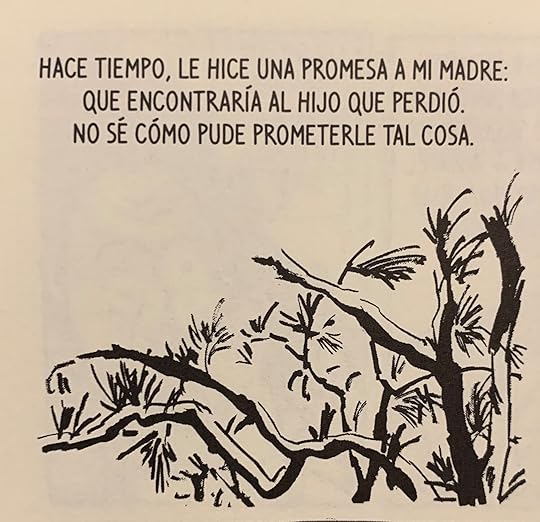
Os efeitos devastadores de uma guerra na vida de pessoas comuns... contado a posteriori , este livro encheu-me as medidas.

January 19, 2025
Chyba poruszyło mnie nawet bardziej niż „Trawa”, osobista i bolesna historia o doświadczeniu wojny i utraty bliskich, ale z nikłą nadzieją, że uda się ich jeszcze spotkać oraz o walce z przemijaniem.

Read
July 22, 2023Secondo libro di questa autrice che leggo in poco tempo, anche questo bellissimo. Chi ama la Corea dovrebbe conoscere questa storia.
Displaying 1 - 30 of 1,101 reviews