Yuu Watase (渡瀬悠宇) is a Japanese shoujo manga-ka. She is known for her works Fushigi Yūgi, Alice 19th, Ceres: The Celestial Legend, Fushigi Yūgi Genbu Kaiden and Absolute Boyfriend. She likes all music, except heavy metal and old traditional music.
She received the Shogakukan Manga Award for shōjo for Ceres, Celestial Legend in 1997. Since writing her debut short story "Pajama de Ojama" ("An Intrusion in Pajamas"), Watase has created more than 80 compiled volumes of short stories and continuing series. Because of her frequent use of beautiful male characters in her works, she is widely regarded in circles[which?] as a bishōnen manga artist.[citation needed] In October 2008, Watase began her first shōnen serialization, Arata: The Legend in Weekly Shōnen Sunday. Her name is romanized as "Yû Watase" in earlier printings of Viz Media's publications of Fushigi Yūgi, Alice 19th, and Ceres, The Celestial Legend, while in Viz Media's Fushigi Yūgi Genbu Kaiden and Absolute Boyfriend her name is romanized as "Yuu Watase". In Chuang Yi's English-language versions of Fushigi Yugi (spelled without a macron or circumflex), her name is romanized as "Yu Watase".
Yikes, talk about a dark plot. I should like to start by saying that my rating mostly reflects my personal feelings toward this manga - subjectively, I think this is a quality manga and I can understand where all the high ratings are coming from. But this series is not for the faint of heart, just to name a few, it contains murder, torture, rape, pedophilia and incest.
It's 1920 Japan, Masataka has come to Tokyo and found work with a noble family to finance his studies. Although he befriends the family's eldest son Souma, he finds that not everything is as it should be within this household. Accidents and suicide seem to happen in the family's wake and always at the centre of it all stands Souma. Masataka is warned off from staying at the estate, yet loyalty to Souma makes him stay.
I really like Yuu Watase's works - I appreciate her art and her stories are very much shoujo. Sakuragari may have some echoes of her other works but it is otherwise just about as different a story she could have come up with. It's utterly dark and morbid - I would not normally read this kind of story but Watase somehow manages to pull it off in a way that makes it seem near poetic. The characters are thoughtful and scarred, there's hardly one among them that doesn't have a dark past of sorts. It is sad and beautiful at the same time; what the characters go through is disturbing but there's also an underlying feeling of hope and interesting reflections on human nature.
The art is slightly different from her other works, probably with the intention of matching the more adult themes, but it is still distinctly her style and very beautiful for it. It is mostly black and white with very little grey scaling which gives it a classic touch that fits in well with the setting. The art and plot allowed for an immersive reading experience which I really appreciated for this historic setting.
At times, all the incidents felt a little over the top - you'd think there were more people who would notice all the abuse and actually do something about it. Despite that, it was a believable plot with real characters and there is very little I can fault this manga with. It's not a series I would drop into just anybody's hands but it's qualitatively and artistically a really well-crafted manga.
In this manga, Watase-sensei broke her stereotypical shoujo manga characterization that has gained popularity with its somewhat dependent lead woman characters and knight-in-shining-armor male protagonists.
But there are no whinny or all-hero-saves-the-day lead characters in this series.
Literally translated as "Cherry Blossom Hunting", Sakura Gari made me glad that for once, I let go of my reluctance to get into touch with Watase-sensei's work. The plot is thick--enough to choke, and no character is spared of the wickedness of the mind. The (non-consensual) sex scenes are rough, I admit, but more than that, they're painfully emotional. Considering the details that Watase-sensei brought up about the Taishou era life, it alone being a very interesting subject in the history of Japan, they serve justice to the story itself. However, some of the characters or events got me frowning, particularly in relation to the stark loose morality (dare I use the word) of the Saikis. Yet I could hope that things would be elaborated further in the oncoming two volumes.
So far, this is one of the best yaoi manga ever, and to some point I must admit that Sakura Gari would probably be Watase-sensei's best work ever. If there's nothing to consider but the story itself, rather than 4/5, personally I would give this manga 5/5.
Cielos, ¿qué puedo decir?... este manga sale completamente de lo que su autora ha venido ofreciendo, con una historia oscura, asfixiante muy dura y sórdida.
No es por hacerme el asustado ni el mojigato, pero las últimas páginas del tomo, quedé impactado de lo fuerte y doloroso que fue. Plantear una situación tan lamentable y abominable que le ocurre al protagonista, me hizo sentir muy incómodo.
Para ser sincero, este titulo hay que manejarlo con pinzas, y la verdad no lo recomendaría. Pero seguiré más adelante para ver su final y no hacer un juicio adelantado.
Akhirnya kubaca juga setelah ditunda dan dihindari bertahun-tahun lamanya. Menghindarinya itu mungkin karena dalam benakku sudah terlanjur tertanam konsep kalo komik yg satu ini 'memualkan'.
Well, ga heran sih krn pada saat itu (sblm jadi fujoshi mksdnya) kan aku masi innocent bgt, :p menghindari bacaan yg ada rape-nya. Gak usah rape yg ada dlm yaoi, mob rape dlm komik cewek saja bikin aku ketakutan dan mau muntah pada masa itu.
Awal 2000 hingga 2006 itu aku memang pernah cobain yaoi, namun krn salah pilih judul, malah dpt yg rape + incest + S&M hardcore. Setelahnya, entah di tahun brp antara 2000-2012 itu aku juga pernah coba skimming Sakura Gari krn aku termasuk fans-nya Watase-sensei, tapi lagi2 aku salah pilih judul sebagai seorang newbie dlm dunia yaoi. Akhirnya pada tahun 2013 itu setelah aku tergila-gila dengan Silver Diamond yg genre-nya shounen-ai itu (BL yg lbh mild ketimbang yaoi), aku berpikir utk memulai dari shounen-ai dulu sblm cobain yaoi lagi, dan sekali ini aku akan lbh selektif dlm memilih judul, bknnya asal comot lagi seperti kejadian komik S&M hardcore itu. Dan itulah sekilas info masa2 newbie-ku sblm akhirnya jadi full-fledged fujoshi skrg ini, lol.
Namun, kesan 'memualkan' itu terlanjur tertanam cukup dalam sampai ntah knp stlh aku resmi jadi fujoshi sekalipun blm pernah terpikir dan bahkan agak 'ngeri' utk kembali nyobain buku ini. Kalo bukan karena bujukan Marina, tmn sesama fujoshi, kurasa ga bakalan kubaca komik ini, hehe.
Nah, sekarang setelah kelar baca vol 1 ini. Kesan yg kudapat adalah buku ini 'berat', seakan-akan hatiku digencet sebongkah batu yg berat. Dark? Yup. Sedih? Tdk terlalu. Simpati? Utk saat ini, aku blm bisa komen byk krn utk saat ini aku blm tau knp Souma dan Sakurako bisa begitu salah jalan. Cuma bisa bilang, inilah contoh jelas bahwa 'cantik itu dosa'. Memualkan? Suprisingly, nope. Mungkin krn aku sudah kebal atau mungkin krn aku pernah liat yg lebih memualkan dan lbh dark dari yg ini. *Teringat Zankoku*
Baru sebulan yg lalu aku baca doujin Gintama yg lbh memualkan dan lbh mengerikan dari yg ini. Murni kebetulan sebetulnya, secara aku lagi berusaha kelarin doujin Gintama yg luar biasa byknya itu. Jadi temanya rape juga, tapi OMG, aku sampe gemetaran dan ketakutan liatnya, padahal ceritanya cuma oneshot!! Ih, ga bakalan reread lagi keknya *serem...brrr* Terus terang, aku udah pernah baca adegan rape yg parah bgt di komik maupun doujin, tapi dalam doujin Gintama ini, sisi psikologisnya itu yg mantap! Benar-benar real dan mencekam bgt. Bikin bulu kuduk meremang pokoknya.
Balik ke Sakura Gari. Karena baru 1 vol yg kubaca, blm byk yg bisa kusimpulkan selain buku ini bikin aku lmyn sesak napas. Bikin aku menghela napas juga melihat Souma yg memakai cara yg salah utk mencintai Masataka. Kuharap next vol bakal ada elemen yg lbh mengejutkan atau mind blowing bgt sampai2 aku ternganga atau speechless atau emosional berat seperti Zankoku itu.
In 1920, Masataka Tagami, a young boy, moves to Tokyo. In order to finance his studies, he becomes a servant for a rich family. Slowly, he and the son of the family become friends, and with time, their relationship grows even closer. At the same, Tagami begins to realize that the family has their share of skeletons in the closet.
This was too dark for my current taste, but overall really well done. I'm a bit torn between the rating here - it's definitely intriguing and the character set up is done in a way I usually like, but I probably read it at the wrong time, so it's three rather than four stars.
ATTENZIONE: Recensione spoiler che copre l’arco di tutti e tre i manga.
Sakuragari, ovvero: perché è utile leggere gli avvertimenti PRIMA di approntarsi a leggere un manga, anche se l’autrice la conosci già e pensavi di trovarti davanti un manga storico o al limite uno shojo.
La premessa doverosa da fare è che non sono questa grandissima amante del genere yaoi, e non perché sia contro l’amore omosessuale o che: gran parte delle ship per cui tifo durante la visione o la lettura di programmi a cui mi appassiono particolarmente sono di stampo yaoi (e spesso e volentieri nemmeno legali, *coff coff*), dal momento che sono i personaggi di sesso maschile a risultare immancabilmente i più interessanti. Ma nel momento in cui la storia è esplicitamente a sfondo omosessuale i personaggi 9 volte su 10 smettono magicamente di essere interessanti e diventano cliché eterosessuali stile America Anni ‘50 col pisello, la cui caratterizzazione inizia e finisce con la soap opera in cui sono coinvolti. Questo manga non fa eccezione solo perché ci sono gli stupri e i suicidi.
*
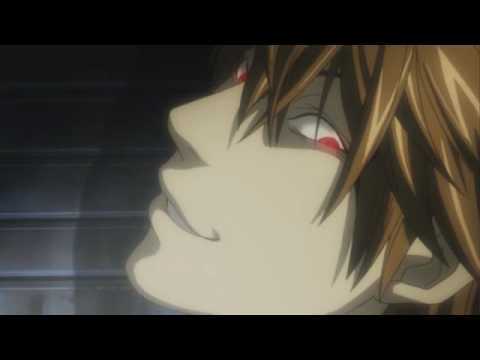
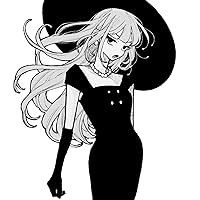
DUE RIGHE DI TRAMA La storia è ambientata a Tokyo, negli anni ’20, nono anno del periodo Taisho. Un giovane e brillante studente di nome Tagami Masataka si trasferisce in città dalla campagna ed è in cerca di lavoro per potersi mantenere agli studi durante l’ultimo anno di scuola superiore e iscriversi poi all’università. Nonostante la profonda crisi economica in cui vessa il paese, riesce a prestar servizio nella sontuosa villa della famiglia Saiki. Arrivato dai Saiki nessuno gli spiega dell’esistenza del campanello, quindi il nostro giovane e ingenuo protagonista decide giustamente di scavalcare il cancello in cerca di qualcuno che lo accolga. Stranamente viene scambiato per un ladro. Masataka, che è intelligente, fugge invece di spiegare la situazione. Mentre arranca alla cieca sperando che nessuno gli sguinzagli addosso dei cani o gli spari come sarebbe logico fare in quella situazione (ma a quel punto la storia finirebbe in 30 pagine), arriva di fronte a un enorme albero di ciliegio in fiore, dove troverà l’altro protagonista: un misterioso e affascinante giovane omino mezzo inglese dai lunghi capelli castani e dalle fattezze androgine, ovvero il marchese Souma, erede dei Saiki, che dopo lo scambio dei soliti convenevoli gli chiede di porre fine alla sua vita. Masataka, che è intelligente, invece di fuggire da quella che già si prefigura come gabbia di matti (e ancora non sai quanto) come ha fatto prima, si limita a rifiutare educatamente, come se Souma gli avesse proposto di cambiare operatore telefonico. Masataka a questo punto dovrà fare i conti non solo con i fantasmi del proprio passato di bimbo povero, ma soprattutto con un’escalation di drammi e disgrazie che vedono come protagonisti i membri di questa antica e nobile famiglia, di cui ormai sopravvivono solo Souma, suo padre e la misteriosa sorella minore Sakurako, una normalissima ragazza giapponese di nobile famiglia dai capelli bianchi e gli occhi scarlatti che vive da 10 anni isolata da tutto e tutti e quando qualcuno soffre o si fa male ride come Light Yagami di Death Note.
Tutto molto normale, no?
Tra il giovane e ingenuo Masataka e l’altero ed efebico Souma viene a crearsi una sorta di istintiva simpatia: Masataka vede in Souma una sorta di fratello maggiore gentile, qualcuno di successo da ammirare e di cui seguire le orme; Souma vede in Masataka un giovane puro, sincero, e trova rinfrancante il suo affetto disinteressato. Per ringraziarlo di tutto ciò lo stupra. Intorno a lui la gente ignora gli abusi che subisce o cerca direttamente di ammazzarlo. E dopo diversi attentati alla sua vita, lutti personali e una scoperta sconvolgente dietro l’altra, Masataka scoprirà inevitabilmente di provare anch’egli amore verso Souma (che sì, lo stuprava per amore, c’è da chiederlo?).
IMPRESSIONI SPARSE L’impressione generale di fronte a questo manga è quella di avere davanti una (fortunatamente breve) telenovela argentina coi kimono e i fiori di ciliegio, dove il drama abbonda e tutto diventa così sofferto e pieno di colponi di scena lacrima strappastorie da fare il giro e diventare comico. Cioè, sarebbe comico se non si prendesse così maledettamente sul serio. A una certa è pure noioso. Non c’è un personaggio che non abbia vissuto traumi e tragedie tali da portarlo a stuprare, uccidere, mutilare, travestirsi, avvelenare, tradire, mentire, picchiare, ustionare, tentare il suicidio e chi più né ha più ne metta, e tutto questo è perfettamente ok a quanto pare visto che alla fine della situa Masataka comincia a sviluppare un affetto “sano” (in quanto sessuale e fisico) nei confronti del suo aguzzino, una volta scoperto del suo passato pieno di sofferenza. Ah beh, allora tutto ok.
Sul lato romance infatti siamo di fronte alla solita storia stronza in cui l’amore nasce dalla violenza e dalla sopraffazione, e il fatto che Souma sia stato a propria volta vittima di violenze orribili dovrebbe giustificare ogni porcata perpetrata ai danni di questo ragazzino, il quale non solo si ritrova sbattuti in faccia i suoi sentimenti d’affetto platonici, non solo viene picchiato, violentato, umiliato, ma addirittura isolato a più riprese, persino quando il rapporto tra i due comincia a farsi più disteso. (Per quanto si possa considerare disteso un rapporto in cui la persona stuprata a più riprese si fa venire i moti di compassione e poi i tuffi al cuoricino che sfoceranno in dolce amore dal momento in cui viene a sapere che il suo aguzzino ha avuto il passato tristanzuolo, e il suddetto aguzzino mette pezze peggiori del buco nel momento in cui si rende conto che forse ha esagerato). Vediamo in continuazione Souma emarginare Masataka dai suoi compagni di classe andandolo a prendere a scuola (punendolo se Masataka mostra giustamente fastidio e disgusto nel ritrovarselo anche lì), e dalla sua famiglia nel momento in cui non gli fa arrivare cartoline e lettere spedite nel corso dei mesi dal fratello minore e non lo avvisa se non dopo giorni della morte del fratello maggiore. A coronare questa serie di clichè tipici dei peggiori drammoni romantici per giovani cuori non potevano mancare i personaggi di contorno i quali, ossessionati dal bel culetto pallido di Souma, si sfogano contro Masataka non riuscendo a vincere il suo algido cuore. Masataka si sente in dovere di proteggere Souma da loro. Perché c’ha l’infanzia tristanzuola, pikkolo anciolo capellone e mezzosangue.
Si tratta della classica cazzata drama dal finale dolceamaro scritta per ragazzine trasgry e casalinghe annoiate totalmente a digiuno di educazione sentimentale che non hanno idea di cosa comporti un rapporto violento di tale portata e lo romanticizzano, e magari lo vagheggiano pure, almeno finchè non finiscono ad amore criminale.
E’ il primo manga yaoi di Yuu Watase, e la cosa, ci si creda o no, si nota visto che togliendogli di dosso la patina trasgry è la fiera del cliché di genere: Masataka è l’uke puro che nemmeno si masturba prima di incontrare il pene magico di Souma, votato al martirio e la sofferenza al pari di tutte le altre mogli giapponesi abusate e sottomesse di questa storia. C’è questo insopprimibile bisogno di far nascere l’amore dallo stupro. Intorno a Souma ci sono addirittura le bitches gelosille che si rivalgono sul rivale. C’è poi questa voglia di melodramma sempre più accessivo, che ricorda più gli espedienti acchiappapubblico dei reality che una storia adulta dalle tinte fosche, cruda, amara e violenta che lasci dentro un vuoto in chi legge. Ho sperato fino all’ultimo che a questo giro non sarebbe saltato fuori il romance e che Masataka, semplicemente, sarebbe maturato dalla sofferenza interrompendo un circolo vizioso di violenza e lasciando Souma al proprio destino da androgino mentecatto, ma non me ne va mai bene una.
I protagonistisono talmente stereotipati da rendere impossibile provare empatia per loro, per quanto la storia voglia nelle intenzioni dell’autrice ammantarsi di profondità e concentrarsi proprio sulla loro complessità, sulla loro crescita, sul reciproco perdono e l’accettazione del passato:
- Masataka è un’enorme occasione sprecata. E’ il classico uke puro come un giglio che scalcia un po’, magari si incazza pure a sprazzi ma in fondo in fondo quello che subisce gli piace ma ha un background interessante e sarebbe stato bello vedere più spazio dedicato al suo rapporto con la famiglia e coi fratelli (certe parti dedicate in special modo al rapporto col fratello maggiore arrivano ad essere incomprensibili), anche per fare un parallelismo con la famiglia di Souma, apparentemente più privilegiata su carta ma altrettanto incasinata. Invece no, via di soap opera selvaggia.
Dovrebbe essere un ragazzo intelligente e giudizioso, che ha come unica ambizione nella vita quella di lavorare sodo e diventare una persona rispettabile, che all’amore fisico non ci pensa al punto da non masturbarsi nemmeno (vedi sopra), e finisce per farsi risucchiare in drammi che non lo riguardano e da cui dovrebbe scappare a gambe levate. Non solo, risulta inspiegabile persino la lealtà che mostra nei confronti di Souma e dei suoi psicodrammi. Il punto è che Masataka è lì temporaneamente. Non è un servo della casa, la sua ambizione non è lavorarci a vita. Non ha senso quindi essere tanto leale a una famiglia che lo tratta così da schifo. Però, chiaro, siamo in uno yaoi, dove lo sperma ha poteri magici, una penetrazione violenta fa male “solo la prima volta” (se non altro in tutto sto fiorire di sangue e ustioni la Watase ci risparmia il sangue dall’orifizio dell’uke sverginato analmente) e il passato tristanzuolo dello stupratore basta a perdonare ogni nefandezza.
- Souma è così egocentrico, schizofrenico e inutilmente cattivo con Masataka che onestamente del suo passato triste finisce col fottermi sega, e io adoro i personaggi anche gratuitamente spregevoli che fanno cose orribili (purchè poi la vittima non finisca per innamorarsi di lui). Si pensi ad esempio ad Ade di Hercules della Disney che non ha nulla contro Hercules di per sé, è solo che Megafusto è d’intralcio ai suoi piani, o a Bill Cipher di Graviy Falls che vuole semplicemente portare “caos e divertimento” (dal suo punto di vista) nel mondo e somiglia più a un bambino stronzo che gioca con un formicaio che a un signore del male, ma si percepisce il fatto che non agisca con cattiveria e nonostante quello che pensa il fandom me compresa nessuno finisce per limonarselo. Souma fa schifo e basta per come abusa di Masataka fisicamente E mentalmente. Non solo lo ferisce nel corpo (salvo poi dargli i bacini e le carezzine quando altri fanno la stessa cosa, per far vedere alle lettrici che lui è diverso, anche se ti tronca un palo nel sedere a secco, ti tocca in maniera non consensuale, ti nasconde le cose e ti stalkera ovunque perché ti ama) ma lo fa sentire un deviato per i suoi sentimenti platonicamente affettuosi, gli nasconde informazioni sulla sua famiglia, arriva a presentarsi anche a scuola (rendendogli difficoltoso lo studio, che sarebbe la sua ragione di vita, e spingendolo quasi al suicidio). E per quanto Souma sappia di aver fatto cose orribili, per quanto il suo passato sia davvero triste e non sappia obiettivamente come fare ammenda in modo sano non è giustificabile che Masataka non solo lo perdoni (cosa plausibile) ma addirittura sviluppi per lui dei sentimenti d’amore che non vanno in porto solo perché è Souma ad allontanarlo.
Una cosa positiva da dire su tutti i personaggi di Sakura-Gama però è che nessuno è un santo, nemmeno Masataka: la Watase fa attenzione che ognuno dei suoi personaggi, persino quello che dovrebbe essere il tenero dolce Uke ficcato suo malgrado in una situazione più grande e perversa di lui, abbia dei lati oscuri, raggiunga discrete vette di meschinità, e pensieri crudeli persino nei confronti dei propri fratelli. Masataka prova risentimento verso la sua famiglia, cerca la fuga spesso e volentieri (anche lo studio diventa un modo di fuggire e di trovare la sua rivalsa), e ha tanto con cui fare i conti. Di nuovo, sarebbe stato più interessante vedere meglio sviluppato questo rispetto allo stupro romanticizzato.
Dal punto di vista artistico, Yuu Watase è maturata dai tempi di Fushigi Yuugi: le linee sono pulite, le tavole curate, i personaggi espressivi al punto che spesso accantona i dialoghi per lasciare che siano i volti a parlare, in tavole mute molto belle, e nessuno come lei poteva rendere al meglio i tratti delicati di Souma e rendere onore al suo soprannome, “Bambola occidentale”. Peccato che tutti i suoi personaggi tendano ad essere morbidi e delicati quindi non è che la sua stratosferica bellezza straniera spicchi in particolare in mezzo agli altri giovani uomini del manga. Ha solo i capelli zebrati.
Ho particolarmente apprezzato il lato storico e il background, al punto che avrei preferito che la storia deragliasse in fretta dal drama amoroso di quei due scemi per concentrarsi su tutto quello che c’era intorno, spesso lasciato in secondo piano causa il poco tempo a disposizione o affidato a degli spiegoni ad uso e consumo del pubblico vecchio (Stanis docet): gli ambienti, i costumi, certe usanze che lasciano decisamente l’amaro in bocca (la compravendita di minorenni, la prostituzione, il rapporto ipocrita con l’omosessualità), è tutto intrigante (anche se tutto troppo veloce, causa brevità del racconto) e fa capire quando l’autrice abbia fatto i compiti nel momento in cui ha deciso di accantonare il suo amato genere fantastico per darsi a qualcosa di più realistico (per modo di dire). Peccato per tutto il resto, davvero.
*
Insomma, a chi consigliare questo Sakuragari? A chi ama Beautiful. A chi ritiene che lo stupro non sia niente di che. A chi sente dei pruritini e vuole vedere un po’ di azione ma senza esagerare troppo dal momento che le scene di sesso sono sì poco romantiche e anche forti rispetto agli standard degli shojo, ma decisamente poco esplicite. Il che non è nemmeno da biasimare. Andare oltre col lato sessuale sarebbe stato semplice vouyerismo, mentre probabilmente la Watase ha voluto glissare signorilmente, dal momento che bastava già tutta la violenza di contorno a far provare empatia nei confronti di Masataka. Infine, è decisamenteconsigliato a chi ama lo yaoi con tutti i suoi irritanti cliché.
(This review covers the entire series, not just the first volume)
So...I read about this on TVTropes and decided to read it on a whim. Not gonna lie, if you're expecting a sweet, fluffy shoujo romp full of warm feels and heartwarming moments, you're in the wrong place, because this manga is dark as all hell. Considering Yuu Watase, the mangaka behind manga such as Fushigi Yuugi and Ceres: Celestial Legend made this, it's honestly quite a shock. Normally, I'm not a fan of yaoi or shounen-ai, namely because many of the ones I've encountered were either too melodramatic, too silly, have weird views on romantic relationships, or pretty much have no plot and nothing else except sex. Thankfully, Sakura Gari avoids that one last pitfall, being a strong, gripping, complex story with many layers and mysteries behind its beautiful facade. To put it simply, in a more vulgar manner: It's fucking insane.
Sakura Gari takes place in the Taisho era (the years 1912-1926), and a young high school boy, Masataka Tagami, the eldest son of a librarian from a small village, goes to Tokyo to try and find his place in life. While trying to find a job to support himself as he prepares for his university entrance exams, he finds employment when he meets a man named Souma Saiki, who lets him stay at his house on the condition that he work as a house servant. At first, Masataka is happy to be able to make some good money and support himself through school. As time goes by, however, he starts to learn, and then become unwittingly involved in, the Saiki house's many dark, disturbing secrets, and things get even worse when Souma's dark secrets come to light.
Now, Yuu Watase is known for her bright, cheery, shoujo-style artwork, giving her female characters sparkly eyes, youthful expressions, and comedic superdeformed chibis. Fushigi Yuugi, her most famous work, has all of these. But seriously, if you look at the art style for Fushigi Yuugi and then compare it to Sakura Gari, the differences are like night and day. Sakura Gari has very clean linework, softer shading, impeccably detailed backgrounds that fit well with the manga's time period and setting, and the characters are drawn much more realistically, with very little exaggerated features, and it's less...cartoony. It's easy to see the differences here and here. Seriously, Watase has come a long way as an artist. If anything can be described as beautiful, Sakura Gari definitely fits the bill, no question. Some say this is her best artwork yet, and I'm inclined to agree.
On the other hand, its characters are kind of a mixed bag. Let me say one thing first: I LOVE complex characters who have more to them than meets the eye, who have equal amounts of good qualities and bad that make them fully human. However, if a character's bad qualities outweigh the good, it can be difficult to sympathize with them in any way, especially if they do genuinely bad things. Souma (the one with the ponytail) is one of those characters. The thing with Souma is that he starts off seeming like a genuinely good person who cares for Masataka in his own way...but when Masataka learns his dark secrets and tries to run, Souma goes way too far in trying to make him stay, and does some pretty horrible things to him. If you're familiar with standard yaoi tropes, then you'll know that Souma's one of those "rapist semes" who sexually and mentally abuses poor Masataka, and it can't be denied that raping someone is a horrible thing to do, even if you do have your reasons for it. Watase loves giving her villains or troubled abusers sympathetic backstories to explain their behavior, and while sometimes it works, sometimes it doesn't (Nakago, anyone?), namely when it tries to use said backstory as a way to handwave or justify the bad things he does. You can make your villains sympathetic, but there are ways to do it without coming off as justifying or handwaving their bad behavior. Dilandau Albatou from Vision of Escaflowne and Claude Frollo from Disney's version of The Hunchback of Notre Dame are perfect examples of this. But...to be fair, the manga actually acknowledges this. Souma KNOWS he's done horrible things to Masataka and how serious it all is, and not only does he feel genuinely remorseful, especially when you learn his backstory, he actually does make an effort to make amends with Masataka, even if he doesn't go about it in healthy ways. The manga doesn't deny that Souma's done some pretty awful things in an attempt to keep Masataka with him, and while Watase does go out of her way to explain why he does what he does, showing that he's the product of a very, VERY toxic environment from which there was basically no escape, she also acknowledges that the people around him are just as guilty for the bad things they've done to him and unwittingly contributing to his behavior in the first place. Granted, the ending may still leave a slightly bad taste in one's mouth considering what inevitably happens, and your liking of the ending will depend on whether you actually want Masataka and Souma to get together or not...and considering Souma actually rapes Masataka several times...yeah.
Wow, that sure was a long paragraph on just one character. Now onto the others! Everyone else is just as complex, intriguing, and fascinating as Souma is. Everyone involved with the Saikis has their own story to tell, from the doctor who helps Souma's father and Souma himself from an unnamed maid who only appears for a few short pages and never again. Even characters who are completely, unambiguously evil and downright monstrous have reasons for doing what they do, and while some of them don't always get developed or fleshed out, the complex, twisty nature of the series really made me want to know just what these characters are going to do next, even if they seem like they're just thrown in there just for the sake of angst and losing their sanity. Plus, if any of you are concerned that Masataka is just going to be another Miaka, or just a simplistic uke stereotype, fear not, for he's not a helpless, useless kid whose sole purpose is to be cute and spineless and be Souma's toy. He can be nice and kind when he wants to be, but he has his limits and won't hesitate to call someone out on their crap if pushed hard enough. He has flaws. He doesn't always have the best relationships with his family members. He's insecure and can be a little resentful. He gets angry, he gets sad, he actually does make an effort to escape his situation (though it fails), and while bad things do happen to him, he isn't such a spineless wimp that he can't make an effort to help those he loves and fight to survive. Most importantly, he fights back. That in and of itself really makes him stand out and above every yaoi uke stereotype in existence.
The story is where some people might get divided, and I can understand why people might have grievances with it, especially in regards to its content. This manga is pretty much a gigantic soap opera: Sensitive issues such as rape, murder, child abuse, and sexual exploitation are constantly used as plot devices like they're going out of style, so liberally that it really lays it on thick. Almost none of the characters are genuinely good or human save for Masataka, and there's little, if any reprieve from all the craziness, like comedy scenes or chapters where you're allowed to just breathe or take a break from Sakura Gari's insane, twisted, messed up world. Some people say this is the manga's strong point: There's always something going on, there's very little filler or rut, and the story is always moving forward. It helps that the manga is short too, only nine chapters long in three volumes, so it's a short read. A very, very hard short read. On the other hand, many others are bound to take issue with Sakura Gari's content and how it handles a lot of sensitive issues, and that's understandable. Even I thought some parts were way too over the top, even in context, and some parts could have been handled much better than they were. Not only that, there's a LOT of graphic, detailed nudity, but it never goes out of its way to show any genitalia, surprisingly. Half the time I was reading it, I kept feeling like Watase wanted to go farther than she did in showing the sex scenes but didn't, to the point where I was like, "Come on, Watase! Just go full-on porn! We know you want to!" I have to wonder if it was because of executive mandate or because she wanted to be kind of coy about it and maybe feel like she trusted her readers to figure out what was going on without going all out. Who knows? But honestly? I'll read this over Fushigi Yuugi any day of the week.
Bottom line, if you want a deep, complex, genuinely intriguing yaoi that's also utterly bonkers, give this a shot!...but it's not for the faint of heart. Seriously.
I’ve read this wayyyy back, like way back in high school or college? When i was still feeling my way around yaoi and even then when i was too shy to look at the graphic sex scenes (yeah, turns out they’re mild), i just know that im reading a gem.
Coming back to this after reading my fair share of yaois, i still stand by that claim. The art is clean and expressive and oh so pretty. Yuu Watase has perfected her style. There are some panels here that could have been confusing if another mangaka dealt it but with her, the art is so good that i got it perfectly. Also, the expressions! She managed to make them smile without completely closing their eyes. Oh god.
Yoooo, this is dark af, YW likes these sort of stuff. I mean, there are echoes and brushes of it even in her other works and her writing all of them here explicitly felt like an indulgence. The start of the love story felt like butterflies, the pining is just so real and even as the story went on, dear god. I know that almost all of the sex scenes are non con, but jesus the way they are drawn? YW is into some kinky shit. You can just tell that it was meant to be arousing and not disgusting. I have no comments on that.
The ending is open but id like to believe that it is a hopeful, happy ending.
This entire review has been hidden because of spoilers.
Por el momento es una historia dura de cojones pero esta súper bien llevada. Comprendo que no es para todo el mundo, porque como digo, es dura de la hostia pero la narrativa es preciosa y muy bien desarrollada. Deseando continuar.
Review of the series entire. I read a fair bit of Watase's shojo work as a teen and liked it fine, but don't remember much now & have no strong inclination to go back. I had no idea she's written dark BL with a historical setting: In 1920 Japan, a poor student studying for university takes on work at the home of a scandalous mixed-race aristocrat who blackmails him into a relationship. As per my usual grumpy old age of manga reading, I wish the dramatic reveals were toned down by like 10%. But I'm surprised how well this works. Its deeply rooted in its setting and feels fully lived, despite the contrivances of the drama: ambiguous, messy, cruel, but honest--the characters are informed by their histories and altered by their relationship and I buy the ending, which may be the truest sign of success in a narrative of this heightened tenor. A swift and compelling read.
My absolute favorite manga. There's no way I could call another manga my absolute favorite because Sakura Gari would always come in first. I am obsessed with that era of the world in general, but especially Japan. Souma...oh, I love, hate and pity you simultaneously.
I needed brain, eye and soul bleach after, and I won't mention how long it took me to stop sobbing after certain parts. It's a beautiful love story if you are willing to see it in a certain light, and both Souma and Masataka deserve what happiness they were given, but go into it knowing that there isn't much light, and love and sex can be manipulated into something darker than sin.
This is a manga that will stay in my mind for some time, and when it starts to fade, i will surely do a re-read. It was dark, maybe even barbaric at times, but felt realistic to me. Moreover, it made me realize what the words "tragic romance" really means.
This manga's definitely not for faint-hearted people. It deals with incest, abuse, sexual abuse, rape, violence, suicide... It's set in the 1920s, in the time of depression, and it's about a young boy who is dragged deeper and deeper into a noble Japanese family's dark secrets. It might make a lot of people uncomfortable, but the art is simply amazing!
If you came to this series because of a love of Yuu Watase and her previous work as a mangaka, as I did, you will be dumbfounded and shocked! This story is dark and brutal and disturbing, to the point I almost put it down, but the storytelling is so compelling and the illustrations so beautiful that walking away from this tale is not possible, no matter how upsetting it was.
This manga is much darker than Watase Yuu's other works that I've read (all that have been released in the US).I wasn't expecting the events in the last chapter but it really shows the true nature of Souma.
Definitely want to put a trigger warning on my review so if people read it they know that there is sexual assault in the last chapter of this manga so be aware before reading this.
Oh my. This was certainly very different from the works by Yuu Watase I've read so far - not only the fact that it's yaoi, but also because the story is very dark. I'm intrigued, though, and looking forward to reading on.
Melodrama, melancholia, abuse and violence from the mangaka who created Zettai Kareshi (!!) The best season to read this when the sakura are just past full bloom and about to drop off the branches, which is now!
Oh my gosh this series Pulled me at the heat strings from Start to finish, I would absolutely recommend it for anyone who is looking for an Awesome Yaoi to read. However if Yaoi doen't take your fancy the Don't read it
I am venturing into Manga with the Manga Rock app on my iPad. This multi-part story was enjoyable, provocative, and yet very interesting. Recommended for adults only, though.