황정은은 ‘작가의 말’에서 “사는 동안 순자,라는 이름을 가진 사람을 자주 만났”고, “순자가 왜 이렇게 많을까”라는 질문에서 이 책이 시작되었다고 전한바, 『연년세세年年歲歲』에 실린 소설 네편은 ‘1946년생 순자씨’ 이순일과 그의 두 딸 한영진 한세진의 이야기가 큰 줄기를 이루며 이어진다. 어머니와 자매의 지난 삶과 현재의 일상을 통해 지금, 여기의 한국사회를 돌아보게 하는 이 연작소설은 누구도 흉내 낼 수 없는 감각과 깊이 있는 사유로 황정은의 이전 소설들을 스스로 다시 한번 뛰어넘으며 독자들로 하여금 더욱 눈부시고 풍성해진 ‘황정은의 세계’에 빠져들게 한다.
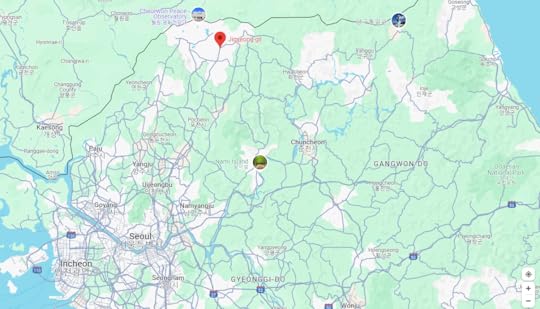
「파묘破墓」는 이순일과 둘째 딸 한세진이 이순일의 외조부 묘를 없애기로 하고 마지막 제사를 드리기 위해 강원도 철원군으로 떠나며 시작한다. 한세진은 그 묘가 엄마에게는 친정일 거라고 여기며 묵묵히 성묫길에 동행하지만 남편인 한중언이나 장녀인 한영진, 막내인 한만수에게는 이해받지 못한다. 딱 한번 남편이 동행한 적이 있었는데, 절도 올리지 않고 뒤돌아서서 처가 쪽 산소엔 벌초도 하지 않는 법이라고 잡소리를 하는 모양새가 야속해 이순일은 남편에게 더는 동행을 권하지 않았다. 이제는 일흔이 넘어 불편한 다리로 산을 오르내리기가 어려워 이순일은 결국 파묘하기로 결정한다. 마지막 절을 올리고 돌아오는 길에 이순일이 신은 양쪽 등산화 밑창이 차례로 떨어져나간다. 그들은 흙바닥에 깊이 박혀버린 밑창 두개를 그대로 남겨두고 그곳을 떠난다.
「하고 싶은 말」은 고등학교를 졸업하자마자 취직해 가족의 생계를 책임져온 이순일의 장녀 한영진의 이야기이다. 판매에 능한 한영진이 담당하는 매장은 늘 매출이 높았다. 한영진이 일을 시작한 이후로 이순일은 매일 밤늦게 퇴근하는 한영진을 기다렸다가 새 밥과 국을 지어 딸의 저녁밥을 준비했다. 한영진이 결혼을 하고 두 아이를 낳은 이후에는 이순일이 두 가정의 살림을 돌보았고, 그 일의 대가로 한영진 부부는 늙은 부부의 생활비를 댔으며 엄마의 사물들과 엄마의 짜증을 감당한다. 어느날 한영진은 이순일에게서 ‘누구에게도 말한 적 없는 그 이야기’를 갑작스레 듣게 되고 순간 한영진은 끔찍해한다. 한영진은 엄마가 자신에게 왜 그런 이야기를 했는지 궁금해하면서 자신도 엄마에게 ‘왜 나를 당신의 밥상 앞에 붙들어두었는가’ 묻고 싶었지만 그걸 말할 자신이 없다.
잘 살기 그런데 그건 대체 뭐였을까
이순일은 어릴 적 ‘순자’로 불렸다. 「무명無名」에서 이순일은 열다섯살에 김포에서 만난 ‘동무, 이웃, 동갑이자 동명同名인 순자’를 떠올린다. 1960년 여름, 이순일은 외조부를 떠나 자신에게 공부를 가르쳐주겠다고 약속한 고모를 따라 김포로 가지만, 이순일은 그곳에 도착하자마자 고모네 살림을 맡아 일곱 아이를 돌봐야 했다. 학교에도 못 가고 외출을 단속당해 집 안에 갇혀 답답해하는 이순일에게 옆집에 사는 순자가 물을 길으러 오며 둘은 친구가 된다. 이순일은 순자의 노트를 받아 순자의 고운 글씨를 베끼며 글을 배운다. 하지만 오랜 식모살이에 지친 이순일은 1967년 고모네에서 도망을 나온다. 순자의 소개로 남대문에 있는 병원에서 간호조무 일을 배우며 반년 정도 일하다 고모부의 손에 이끌려 다시 고모네로 돌아가게 되고 이순일은 순자를 원망하게 된다. 고모네로 돌아와 보름 만에 만난 순자는 아무런 변명도 하지 않고 그냥 서 있었고 이순일은 그런 순자의 뺨을 때린다. 세월이 지나 한참을 잊고 살았던, ‘생각할수록 너무 선명해 꿈이고 거짓인 것 같은 광경들’로 기억되는 순자를 떠올리며 ‘용서를 구할 수 없는 일들이 세상엔 있다’고 이순일은 생각한다.
시나리오를 쓰는 한세진은「다가오는 것들」에서 북페스티벌에 참가하기 위해 닷새간 뉴욕에 머문다. 그곳에서 한세진은 노먼 카일리의 딸인 제이미를 만나게 된다. 노먼은 이순일의 이모인 윤부경의 아들로, 1987년 이순일과 윤부경이 덕수궁 돌담길에서 처음 만났을 때 윤부경의 옆에는 노먼 카일리가 이순일의 옆에는 한세진이 있었다. ‘현재와 미래로 쪼개진 두쪽 거울에 비친 상처럼’ 꼭 닮은 이모와 조카가 만나는 장면을 그들은 함께 보았다. 제이미는 미국에서 ‘안나’라는 이름의 이민자로 살던 윤부경의 삶과 엄마가 ‘양갈보, 양색시’라는 말을 들으며 커야 했던 노먼의 삶에 대해 들려준다. 뉴욕에 머무는 동안 한세진은 그의 여자친구 하미영의 말들과 미아 한센뢰베의 영화 「다가오는 것들」L’avenir(2016)의 장면을 겹쳐 떠올리고 병원에 있는 그에게 전화를 걸어 안부를 물으며 무사히 지나간 하루의 사소한 일상을 공유한다.
여기의 삶을 이어가게 하는 눈부신 문장 영원히 기억될, 꼭 필요한 이야기
황정은은 네편의 연작소설을 통해 가족, 사회, 친구, 국가 등 여러 관계 안에서 ‘나’를 이루고 있는 세계에 대한 질문을 던진다. 그리고 그 속에서 우리가 겪은 비극과 참사, 크고 작은 고통과 슬픔을 어떻게 극복해야 하는지, 어떻게 삶을 이어나가야 하는지를 이순일과 두 딸, 한영진과 한세진, 한세진과 하미영이 나누는 사소한 대화와 평범한 일상을 통해 보여준다. “내 아이들이 잘 살기를” “끔찍한 일을 겪지 않고 무사히 어른이 되기를, 모두가 행복하기를”(138면) 빌던 이순일의 바람은 분주하게 하루를 보내고 서로를 무심한 듯 다독이며 견뎌내는 날들 속에 어쩌면 조금씩 이루어지고 있는지도 모른다. 끝내 말하지 못하는 것이 있어도, 뒤늦게 용서받지 못해도, 사람들을 실망시켜도, 삶은 바쁘게 지나간다. “울고 실망하고 환멸하고 분노하면서, 다시 말해 사랑하면서.”(182면) 현재를 있게 하는 과거를 잊지 않고, 미래를 있게 하는 현재를 만들어가는 우리에게 『연년세세年年歲歲』는 영원히 기억될, 꼭 필요한 이야기로 남아 지금, 여기의 삶을 계속 이어가게 할 것이다.
But you know you don't have to do everything she says, right? What are you talking about? Don't try so hard. No one expects you to be the perfect daughter. Perfect? Sejin said it wasn't that. No, it wasn't that at all. She didn't tell her brother it would have broken anyone's heart to see their mom's face as she urged Sejin to say goodbye to Grandfather, to say goodbye for the last time. Sejin didn't say it had always been only that.
그래도 누나, 너무 엄마가 하자는 대로 하지는 마. 그런 거 아냐. 너무 효도하려고 무리할 필요는 없어. 효? 그것은 아니라고 한세진은 답했다. 그것은 아니라고 한세진은 생각했다. 할아버지한테 이제 인사하라고, 마지막으로 인사하라고 권하는 엄마의 웃는 얼굴을 보았다면 누구라도 마음이 아팠을 거라고, 언제나 다만 그거였다고 말하지는 않았다.
Years and Years is the translation by Janet Hong of 연년세세 by 황정은 (Hwang Jungeun).
The novel consists of four chapters: gravedig (파묘破墓), words to say (하고 싶은 말), nameless (무명無名) and things to come (다가오는 것들)- 23pp
gravedig opens with Sejin, the middle of three children, taking her mother Sunil from Seoul for her annual visit to Sunil's grandfather's ancestral grave close to the North Korean border. Sunil who is 72 needs knee surgery and finds it increasingly hard to walk up the hill to the grave, so they have determined this will be their last visit, instead dinsinterring the remains and cremating them.
Sunil's family consists of - her husband Jungeon; - Yeongjin, the oldest child, married to Wongsangm and with two children aged 5 and 7; she sells bed linen in a department store; - Sejin, who writes plays; - Mansu, the youngest and only son, who has emigrated to New Zealand in search of better prospects.
Sunil and Yeongjin and their families live together, while Sejin lives separately with some artistic friends (and we discovered, but unknown to her family, has a girlfriend):
Yeongjin hadn't taken off the stockings she’d worn all day and Sunil was still in her apron. Yeongjin knew the apron was the first thing Sunil put on after getting out of bed and the last thing she took off before going to sleep. At her daughter's home, Sunil washed dishes, tidied up the children's toys, did the laundry, mopped the floor, hung clothes to dry, and took charge of the cooking. Sunil looked after six people in total-her daughter Yeongjin, son-in-law Wonsang, their children Yeobeom and Yeobin, Sunil's husband Jungeon, and herself. She managed all the housework for two households single-handedly, making enough side dishes and soup for everyone. In exchange, Yeongjin allowed her elderly parents to live in one of the apartments downstairs and helped with their living expenses. Yeongjin also took care of her mom's affairs and put up with her grumbling.
The story moves between the perspectives of the three women Sunil, Sejin and Yeongjin, each seeing themselves as supporting the family - so e.g. Sejin rather resents how the ancestral rites duties fall on her, while Yeongjin is constantly urging her to join her in the store and do a proper job - but also appreciating the role the others' play. Wongsang seems to rather resent having his in-laws living with him, but at times can also fill a key role, this a trip to the wonderful island of Jeju:
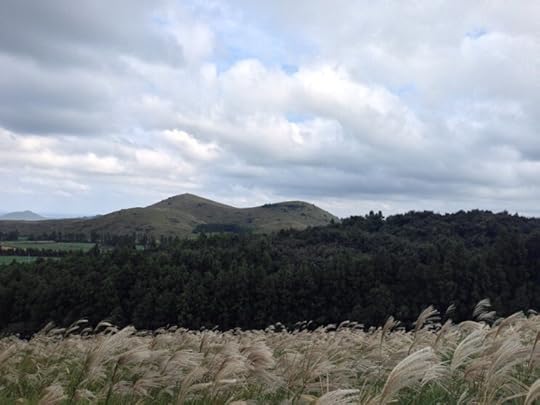
Yeongjin recalled their trip to Jeju Island. She and Wonsang, the kids, and her side of the family, minus Mansu, had all gone on the trip. Wonsang rented a nine-passenger van and did the driving. If sales was Yeongjin's gift, driving was Won-sang's. He drove smoothly and confidently. As they made their way from Jeju City to Seongsan Ilchulbong Peak and then to Seogwipo, they stopped at a low volcanic cone. The cone was covered with silver grass, making it difficult to move through. The wind whipped the grass, turning it silvery one moment and gray the next. From the bottom of the knoll, the grass looked like waves or a giant furry beast hunched over, taking a nap. Sunil wanted to go to the top, but her knees were bad, and all she could do was pace back and forth, staring at the grass. Wonsang crouched down and offered to carry her on his back.
The most moving - and tangled - account is that of Sunil in nameless (무명無名), who recalls, in a somewhat confusing fashion, the story of her troubled childhood caught up in the aftermath of WW2 and the Korean war; the loss of her parents, how she came to live first with her grandfather and later with a relative in Seoul. This includes some confusion as to whether her name is Sunil, or Sunja, which is what she was often called a child, and the author's brief afterword begins:
사는 동안 순자,라는 이름을 가진 사람을 자주 만났 순자가 왜 이렇게 많을까? 이 책은 그 질문에서 시작되었다
Through the years, I've met many women with the name unja Why are there so many Sunjas? This book began with that question.
and she explains that that part of the story, and the narrative style, are based on one she was told by a Sunja who was born in 1946 and fled south during the Korean war. Sunja's verbal story was particularly disjointed and the style of nameless partly (but only partly) reflects this.
Overall, this is an impressive and beautifully written novel of family obligations and inter-dependencies, rather more conventional than the other works by the author I've read, but equally effective.
Author's bibliography in English
This is the 5th of the author's works I've read in English
One Hundred Shadows, translated by Jung Yewon from 백의 그림자: my review
I'll Go On, translated by e. yaewon from 계속하겠습니다: my review
The story Kong's Garden, translated by Jeon Seung-Hee from 양의 미래: my review
dd's Umbrella, translated by e. yaewon from 디디의 우산: my review
and this Years and Years, translated by Janet Hong from 연년세세; : my review
Translated by Janet Hong and published by Open Letter last year, Years and Years is a short novella by Hwang Jungeun. Following a Korean family, we get to explore different generation's trials and interactions. For how short this work is it does feature a lot in terms of building these characters and exploring how they interact with each other, as well as the world at large.
One of the most interesting aspects of this book for me was how interwoven the family narrative was with the history of Korea. Any nation affected by major shifts will imprint itself on its citizens and it was really interesting to see how that played out here, as I have not read any books from a Korean author.
While there are greater themes of mortality and family in this book, it is very much a slice of life narrative. The weightier elements to the story are definitely present but it often feels more grounded in a very relatable family dynamic.
I enjoyed elements of this book but overall felt limited in my investment. Some of that is my limited knowledge of Korean culture and history but I also felt the narrative progressed in a very aimless way. I enjoyed this book for what it was but didn't really find much of a grander takeaway after finishing it.
perfect length and a really nice translation. definitely my fav of hwang jungeun’s works. korean history and politics are once again incorporated in accounts of the personal lives of the characters, all related to each other. i think this one is especially strong because one of the chapters is based on the real life experience of a woman hwang interviewed. virginia woolf is also mentioned once which was funny.
A beautifully written and translated novel centering on three women in a Korean family - their worries, repressed desires, and the familial obligations society imposes upon them.
Le contenu n'est pas mauvais. L'histoire et les secrets des différents membres de la famille ne manquent pas d'intérêt - surtout la mère Yi Sunil - mais j'ai un gros problème avec la langue de ce roman. Je ne sais pas s'il s'agit du style de l'autrice ou des choix de traduction mais le texte m'a été pénible à lire, la faute à une étrange syntaxe et plusieurs formulations alambiquées qui ont bien cassé (à mon avis) la fluidité du texte.
I liked this quite a bit. It has a quiet forcefulness. It made me understand in a more intimate way how the partition of Korea has affected everyday people, their familial relationships, and their connections with their history and tradition. It was a difficult read in a way because the translator did nothing to make me feel more at home as a Western person who has no connection with Korean family life.
Han Kang blurbed this book. I find her books to be nearly transparent to read, where I feel no barrier to understanding when it comes to cultural differences. I began to think about what I've read about Han Kang's translator, and how the books in English are famously 'unfaithful' to the originals. Maybe that is the reason why Kang's work is also more 'accessible' and 'popular' in the English-speaking world than Hwang Jungeun's work is.
These thoughts need to remain frustratingly vague, because I don't have the language and I don't have the cultural background to reach a conclusion. I do feel like I learned more about Korea, and in very important ways, from this slim book vs. Han Kang's The Vegetarian, for example. But I enjoyed it less.
Hwang Jungeun on yksi korealaisista suosikkikirjailijoistani. Hänen teoksissaan kohtaavat usein perhesuhteet, erilaiset vähemmistöt, huono-osaisuus sekä sukupuoliroolien sietämätön ahtaus. Tässä teoksessa äiti ja kaksi tytärtä joutuvat yhteiskunnan armoille eri tavoin - äidin lapsuus on ollut pelkkää alistumista ja työntekoa, vanhempi tytär on ajautunut perheen elättäjän rooliin ja nuorempi tytär joutuu piilottelemaan tyttöystäväänsä. Vaikka välit ovat lämpimät, kukaan kolmesta naisesta ei ole valmis kohtaamaan toista sellaisena kuin tämä on. Kuulaasti kirjoitettu, kaunis, traaginen ja ajatuksia herättävä kokonaisuus, jossa korealaisuutta käsitellään myös ulkokorealaisesta näkökulmasta.
I've read a number of the author's works over the the years and never really connected with any of them. But I did with this book. I don't know why but there was something about it. The blurbs describe it as a multigenerational story about a woman and her two daughters (not mentioning a son, a husband, and a bunch of other relatives), but for me it was all about the woman. Her proper name is Sunil, but she has another name, Sunja, which she shared with other women in her life, dead and alive. I love this book and am not totally sure why, but I know Sunja is part of it.
Powerful and thought provoking. The women in this family each shoulder their own emotional baggage which leaves them discontented, unfulfilled and on edge. They don't voice their true feelings and thoughts to avoid causing pain or further rifts. Beautifully written in straight forward prose that packs a punch. I'll be looking out for Hwang Jungeun's other titles.
Found from the library curation list 'Women in translation' Original title is '연연세세'. Loosely interconnected short stories about three women (a mother and two daughters). The favorite piece for me was 'nameless' for me.
gosh i'm obsessed with this author and incredible writing, stories, mothers & daughters in south korea. this is really lovely and tragic and harrowing and honoring.
Avec la fracture éternelle entre les deux Corées comme toile de fond indélébile et traumatique, Hwang Jungeun nous immerge dans une vie de famille chaotique, chamboulée, meurtrie et comme en attente d’une forme de délivrance.
L’ouvrage est savamment fragmenté en quatre parties. Autant de points de vue, d’existences bouleversées, aux maux trop souvent tus.
Yi Sunil à aujourd’hui soixante-douze ans. Elle se sent vieillir, plus que jamais. Sa canne ne formant qu’une preuve supplémentaire de son affaiblissement. Elle sait que la mort ne se situe qu’à quelques années d’elle à présent.
Comme tant de coréens avant elle, son rapport à la famille est un pan entier de son existence et de son identité. C’est certainement l’élément le plus complexe, le plus important, voire même le plus sacré qui soit. Une succession, une union, une naissance, un héritage, des funérailles ; tout peut prendre des proportions gigantesque lorsqu’il s’agit de la famille.
Sunil se remémore les nombreux souvenirs qui ont parsemé sa vie, les moments les plus marquants de son existence. De ceux qui ont laissé une trace, une odeur, une sensation, une émotion, un traumatisme singulier par-delà les décennies. On partage ses questionnements, sa culpabilité parfois, son regard sur les événements qui ont jalonné son enfance, ses décisions, son inaction face à certaines des personnes les plus médiocres qui ont croisé son chemin. Tout est passé au crible.
Sunil a vécu un parcours de vie fade, servile, empli de corvées, de solitude, de fatigue… On ne peut pas oublier ces années perdues, ces années inutiles, ces années subies. Il était hors de question que ses propres enfants fassent l’expérience de cette servitude, de cet épuisement physique et psychologique.
Après avoir détruit la sépulture de son grand-père et enfin mis son passé derrière elle, elle espère avoir laissé la place pour que le bonheur entre dans la vie de ses enfants.
Sa fille aînée est une vendeuse émérite qui a généreusement sorti sa famille d’un grave écueil financier. Sa cadette est écrivaine et voyage à New-York, quand son benjamin s’est installé en Nouvelle-Zélande dans l’espoir d’un avenir meilleur. Au fil des différentes parties du livre, on découvre leur regard sur leur enfance, sur leur quotidien, sur l’héritage historique et familial qui leur est dévolu.
L’écriture extrêmement épurée est très déstabilisante. Il s’en dégage une certaine distance qui m’a quelque peu empêché de m’imprégner de cette famille. Passionnée par la culture et la langue coréennes, je m’attendais à être totalement emportée par cet ouvrage. Je suis déçue de ne pas avoir été comblée par cette lecture, mais ça n’enlève évidemment rien au talent exceptionnel de Hwang Jungeun. Beaucoup d’humilité et d’émotion se dégagent de ces pages. Une bonne fille est un très bel exemple de témoignage.
Years and Years is an amazing portrait of several women in a family who toiled and worked and struggled through patriarchy, war, poverty, grief, their lives part of the bigger history and politics of South Korea. A remarkably poignant read, Years and Years is an emotional rollercoaster from the start to finish. It was tragic, it was heartwarming...it was everything and more.
Every word and sentence Hwang chose is there intentionally; emotions and thoughts that reside in the characters' minds are portrayed through her subtle, quiet writing. Just like her book One Hundred Shadows, Years and Years is a tale that slowly unfolds itself, like a butterfly's metamorphosis, silent yet gradual.
Reminiscent of Pachinko, this historical fiction by Hwang Jungeun is not just a record of the lives of the women of the family, but also a wonderfully written tale that weaved the personal and political with depth. I really enjoyed this tragic novel and would definitely recommend it!
I love a good slice of life, reading for the vibes and not the plot and I also love a good family story. Somehow yet, I didn’t like this book. In fact, despite being very short I struggled to finish it