Mientras Lucía viaja a Buenos Aires atravesando la vastedad de la geografía argentina, recuerda su infancia en un pueblo de provincias, su colegio de pago en el que ella era la niña pobre… Un día a Lucía le picó una araña venenosa. Sus amigas consiguieron llevarla hasta una curandera que, además de salvarle la vida, le lanzó un terrible sortilegio. Al cumplir los dieciocho años, Lucía deja el pueblo para marcharse a la gran ciudad y allí conoce a Pedro, un periodista de tercera que se enamora de ella. Pero Lucía no tarda mucho en abandonarlo y desaparecer sin dejar rastro.
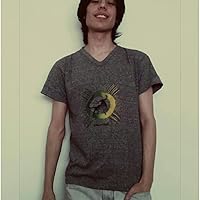
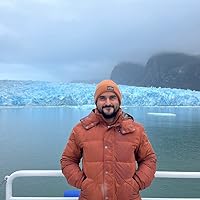
His family name goes back to his great grandparents, Jewish immigrants from Kiev and Odessa at the end of the 19th century, his first name tells of his mother's infatuation with Edgar Allan Poe. After an adolescence mostly spent in neighbourhood cinemas showing double bills of old Hollywood films and reading an inordinate amount of fiction in Spanish, English and French (favourite authors - Stevenson, Conrad, some Henry James), he studied literature at Buenos Aires university, wrote for local and Spanish cinephile magazines and published an early essay on James which developed out of graduation work - El laberinto de la apariencia (The Labyrinth of Appearance, 1964), a book he later suppressed. He was barely twenty when he became acquainted with Borges, Bioy Casares and Silvina Ocampo, all writers of prestige whom he saw frequently during his years in Buenos Aires. In 1973 he won a literary prize with an essay on gossip as narrative device in James and Proust. In 1974 he published Borges y el cine, a book enlarged in every reprint (Spain, 1978 and 2002, and translations) which he also does not want reprinted now. After a first nine-month stay in Europe and a visit to New York between September 1966 and June 1967, he returned to Buenos Aires with the desire and the decision to leave behind his life as a literary idler. After dabbling in journalism, in the culture section of the weeklies Primera Plana and Panorama, he made a first film, an underground feature shot on weekends throughout a year, knowing that it could not pass the local censorship of the period. It was nevertheless screened at festivals throughout Europe and the United States. Its title was already a challenge - ... (Puntos suspensivos - Dot Dot Dot). In 1974, in the turmoil of political agitation and imminent repression, he left Buenos Aires for Paris. There he embarked into filmmaking that falls roughly into two categories - fiction films and "essays", mixing documentary material with a personal, even private reflexion on the issues raised by the material. The most distinguished of these is La Guerre d'un seul homme (One Man's War, 1981), a confrontation between Ernst Jünger wartime diaries and the French newsreels of the occupation period. At a time when the arts' departments of several European television networks were willing to support such ventures, Cozarinsky was able to develop this approach in a series of very original works. During the rest of the seventies and the eighties his literary career was mostly dormant. But his only published work of the period became an instant cult book - Vudú urbano (Urban voodoo, 1985), a mixture of fiction and essay not unlike his film work, with prologues by Susan Sontag and the Cuyban writer Guillermo Cabrera Infante. In the same year, after the end of the military regime in Argentina, he visited briefly to Buenos Aires. Three years later, he made a film in Argentina, in the far South, a "Southern" - Guerreros y cautivas (Warriors and Captive Women). From that date on he started visiting his native country more and more often, occasionally shooting there material for his European "essays". His most adventurous later films were Rothschild's Violin and Ghosts of Tangier, both made between 1995 and 1996. In 1999, he spent a month in a Paris hospital for a backbone infection, a period during which a cancer was diagnosed. In his own words, he felt the ringing of a bell telling to stop wasting his time - "I always wanted to be a writer, and had not dared publish, even finish what I started..." It was in hospital that he wrote the first two stories in his prize-winning book La novia de Odessa (The Bride from Odessa). From that date on, his film work became sparse and he started publishing "all the books I had not put on paper", fiction mostly but also essays and chronicles. He became immediately established as a writer to reckon with in the Spanish language, and was translated into English, French, German and several o
Un tríptico compuesto por tres vidas que se van entrelazando con el correr de la historia. Todo narrado en un tono intimista y melancólico, bastante modianesco. Sin llegar a ser memorable, me pareció una buena novelita. Seguramente volveré a leer a Cozarinsky porque tiene cosas que me interesan.
Fue en una segunda relectura donde encontré momentos especiales en los desenlaces de los tres protagonistas. Descripciones y sentimientos introspectivos, Los paisajes decadentes y la historia vital que llega en algún momento a lo onirico. Un libro que se queda en una mirada de un viajero a través de un cristal en el movimiento del deseo.
De esas novelas que suman puntos porque sentís que estás reflejada en la protagonista. No quita que ella me haya caído muy bien. No quita que no me parezca nada increíble, es un libro raro. Me gustó mucho la escena de Lucía dejándole el maquillaje a la mamá.
Es interesante la historia, pero en mi modesta opinión, no se logra entrelazar bien a los personajes o, quizás, dotarlos de mayor sustancia que me permita entender mejor el porqué de ciertas partes relatadas, como al comienzo y su relación con el final.