What do you think?
Rate this book


Paperback
First published January 1, 1966

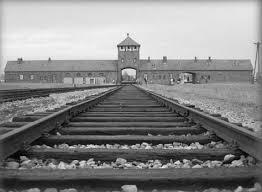
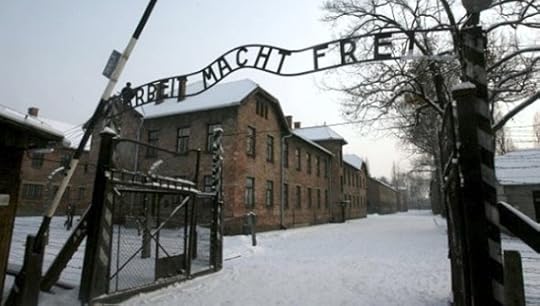
“I did not strive for an explicative account at that time, thirteen years ago, and in the same way now too, I can do no more than give testimony… I had no clarity when I was writing this little book, I do not have it today, and I hope that I never will. Clarification would also amount to disposal, settlement of the case, which can then be placed in the files of history. My book is meant to aid in preventing precisely this. For nothing is resolved, no conflict is settled, no remembering has become a mere memory. What happened, happened. But that it happened cannot be so easily accepted.”
“Whoever was tortured, stays tortured. Torture is ineradicably burned into him, even when no clinically objective traces can be detected… Whoever has succumbed to torture can no longer feel at home in the world.”
Was mich beschäftigt und wovon zu reden ich qualifiziert bin, das sind die Opfer dieses Reiches. Kein Denkmal will ich ihnen setzen, denn Opfer sein allein ist noch nicht Ehre. Nur ihre Kondition wollte ich beschreiben, die ist unveränderbar.Améry schreibt dabei weniger einen klassischen Erinnerungsbericht als eine philosophisch-analytische Untersuchung seiner eigenen Erfahrungen. Dadurch ist das Buch teilweise etwas verkopft, gleichzeitig ist seine Argumentation erstaunlich klar. Auch wenn die Themen komplex sind, konnte ich Amérys Gedankenführung meistens problemlos folgen. Er versucht nicht, seine Erfahrungen in eine einfache Geschichte von Leid, Überleben und anschließender Versöhnung zu pressen, sondern untersucht schonungslos, welche Folgen Auschwitz für Geist, Körper, Heimat, Identität und das Verhältnis zu den Deutschen hatte.
Was geschah, geschah. Aber dass es geschah, ist so einfach nicht hinzunehmen. Ich rebelliere: gegen meine Vergangenheit, gegen die Geschichte, gegen eine Gegenwart, die das Unbegreifliche geschichtlich einfrieren läßt und es damit auf empörende Weise verfälscht. Nichts ist vernarbt [...]Im vierten Kapitel, "Ressentiments", legt Améry seine eigenen Ressentiments gegenüber den Deutschen schonungslos offen und versucht gar nicht erst, sie moralisch zu beschönigen: "Es geht euch nichts an, was geschah, denn ihr wusstet es nicht oder wart zu jung oder noch nicht einmal auf der Welt? Ihr hättet sehen müssen und eure Jugend ist kein Freibrief und brecht mit eurem Vater."
When he crossed the border into exile in Belgium, and had to take on himself the Jewish quality of homelessness, of being elsewhere, être ailleurs, he did not yet know how hard it would be to endure the tension between his native land as it became ever more foreign and the land of his foreign exile as it became ever more familiar. Seen in this light, Améry's suicide in Salzburg resolved the insoluble conflict between being both at home and in exile, "entre le foyer et le lontain."
- W. G. Sebald, On the Natural History of Destruction