Getting your first period can be exciting - but there are a lot of questions you might be too embarrassed to ask. Like how much will I bleed? Does it hurt? How can I prepare? And what's the point of a period anyway?
Separating the fact from the fiction, Milli Hill answers everything girls need to know - from menstrual cups and period pants, to cramps and hormones. She'll explain how incredible the female body is, what is actually going on each month and why.
With guidance on choosing period products, charting your cycles and preparing a first period kit, alongside profiles of 'cycle superheroes' such as Amika George who are pathing the way to period positivity, this book is the complete guide to getting your period.
So find your flow, bust some myths and start feeling period positive!
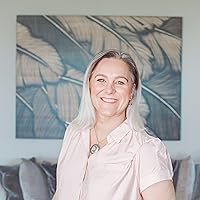
Milli Hill is an author and journalist specialising in women's health, feminism and autonomy. In 2012 she founded the global Positive Birth Movement. Her first book, The Positive Birth Book, was published in March 2017 to wide acclaim, immediately becoming an Amazon bestseller and remaining one of the most popular books for pregnant women ever since.
In August 2019 her second book, Give Birth Like a Feminist, was published by Harper Collins and has since been widely featured in the UK media including the BBC. The book seeks to spark debate about childbirth as an overlooked feminist issue, and urges women to reclaim their bodily autonomy in birth in line with the #metoo movement.
Her third book, My Period, is a must-have puberty guide for pre-teen girls, with information about everything from cycle awareness and charting, to the correct names for body parts, to confidence and self-care.
In July 2025 her fourth book, Ultra Processed Women, was published, offering a deep dive into both the impact of UPF on the female body and women's potential role in change.
In July 2026 her fifth book, The Body Myth, challenges negative stories about life in the female body and offers a new narrative.
Milli speaks regularly at international events and conferences and has appeared on BBC Radio 2, BBC 5 Live, talkradio, Times Radio and many more. She writes a bestselling Substack, WHAT ABOUT WOMEN, and has also written for the Telegraph, Guardian, Independent, ipaper, Mail, Grazia and more about issues connected to motherhood, birth, and women's rights and autonomy. To date, Milli's books have been translated into seven languages.
Prior to becoming a writer, Milli worked as a creative psychotherapist with both children and adults, specialising in supporting children who had experienced trauma and abuse. Milli lives in rural Somerset with her partner and three children.
The book is fine with biological facts. Easy to read with detailed illustrations. While the remaining drawings and some content are just playing gender stereotypes. Tons of illustrations of underwear that are feminine, almost all girls are drawn with long hair that is below-jaw length. The author then suggested girls could do make-up after menarche to feel good and empower themselves. Shame the author's labelled herself as a feminist while writing sex-role stereotyping, the exact means of the fundamental oppression of women, in an educational book for girls who will future become women. You could at least add a reminder about the possible number of harmful chemical ingredients contained in the beauty products (yes, nail polishes are among those 'feel good' suggestions). And since it welcomed women and girls using reusable period products to be environment-friendly, would it really be a bother to put a footnote about the oil palm-needing beauty industry and its impact on rainforest if it has to include the misogynist beauty suggestion? Also, while the author stated the importance and necessity of female body positiveness, which is really great, she put too much emphasis on 'beautiful', a word for feeling and opinion, whose usage has been systematically aimed at women, and itself can be easily constructed. It is not even that relevant to period and health, which, after all, is the theme of this book. Hence, it is unfortunate to see the book tried to imply the goal of female body positiveness is being beautiful (or feeling beautiful), not that women and girls have neither the necessity nor the obligation to be beautiful. What matters for female body positiveness is being physically healthy (which is based on facts), and mentally healthy (which is a bit harder, but I doubt a girl who is confused, worried, and uncomfortable about, or even stressed from misogyny can cure herself by using make-ups and feeling beautiful). Not to mention those examples for period celebrations in various places listed by the author, how many of which are truly a celebration for female body positiveness? It could not be clear enough what menarche means for men and patriarchy. Can the author be sure that none of the celebrations is to show the public, men and women, old and young, that these girls can now get pregnant and thus are available to get married? It is misleading, see oppression as liberation, see fear as happiness, and is utterly disrespectful to women and girls who have no choice but to suffer misogynistic objectifying celebration. It should have looked deep and for accuracy as some of the events come from infamous misogynistic places. One star for its clearly displayed biology, one star for its overall good intention and work to de-shame periods. Three failed-to-gain stars are standing for: 1) Not brave enough to show girls they have the physical and mental power to smash gender stereotypes (yes, they have); 2) Not being consistent on some topics, easy said than done (i.e. said women are free to choose hairstyle but displayed long-haired ones; suggested reusable period products as it took disposable pads 500 years to disintegrate but feel free to pay for the beauty industry and use make-ups as you are girls and girls want to be beautiful!); 3) Misleading information (Provided examples as what people do in period celebrations to argue female body positiveness without offering research-backed reasons behind them.).
This is a good book to read with young girls. It is packed with facts and information, but written in a manner that is easy to understand. It had made 'The Talk' much more simpler for me, because I could read out the very well described fats and talk around them as needed, while using the right words and terms. The way the whole book looks and talks will make it interesting for older girls who may prefer to read it on their own. My daughter enjoyed the book very much.
Rewelacyjny poradnik dla nastolatek i rodziców, którzy często nie wiedzą jak rozmawiać ze swoimi córkami o temacie tabu jakim jest „miesiączka”. Myślę, że u nas w społeczeństwie dalej mamy opory, żeby o tym rozmawiać i stanowi to dla nas duży dyskomfort, a przecież jest to coś naturalnego i istotnego nie tylko dla kobiet, ale dla całej ludzkości. #millihill w sposób prosty, rzetelny i jednocześnie z szacunkiem opisuje co to jest „miesiączka”, jak się przygotować do pierwszej menstruacji, jak sobie radzić i jak móc się cieszyć i normalnie funkcjonować w tym czasie. Dodatkowo przedstawia młodym kobietom, jak czuć się wyjątkową, mieć szacunek do siebie i stawiać granice. Cała wiedza jest jednocześnie przekazana w sposób bardzo zrozumiały dla młodego czytelnika, bo i język i grafiki są dostosowane do odbiorcy. Dodatkowo autorka opisuje też ciekawostki dotyczące tego jakże delikatnego, ale ważnego tematu. Na przykład czy wiecie jakie jeszcze zwierzęta mają okres? Kto wynalazł podpaskę i czy była to kobieta ? Czytelnik dostaje również ćwiczenia i porady, jak czuć się lepiej w swoim ciele i nie traktować „okresu”, jako czegoś złego i strasznego. Tutaj mamy przełamie stereotypu o upiorności tego stanu i ukazania jego piękna i niesamowitości. Cieszę się, że taki poradnik został wydany, bo brakuje tego typu literatury, a jest ona potrzebna. Co ciekawe nie mamy często problemów rozmawiania o seksie, a mamy problem z rozmową o „miesiączce”. Polecam ten poradnik młodzieży i rodzicom nastolatków.
Zacznę może od faktów. Książka jest w porządku, jeżeli chodzi o fakty biologiczne. Są łatwe do odczynia, dzięki szczegółowym (i pięknym btw) ilustracjom. Reszta książki to po prostu (moim zdaniem) odgrywanie stereotypów związanych z płcią. Przykre jest to, że autorka nazywa się feministka, jednocześnie powielając fundamentalny „ucisk kobiet” w książce edukacyjnej dla dziewcząt, które w przyszłości będą przecież kobietami. Dobrym pomysłem było poruszenie motywu cialopozytywności, ale jednocześnie nadużywając słowo „piękne” nadając mu status bardziej uczucia, co znów kieruje się ku zaprzeczeniu feminizmu, co nawet nie ma większego związku ze zdrowiem czy tytułowym okresem. Wszystko w tej książce jest dla mnie mylące i po prostu nielogiczne. Milli postrzega ucisk jako wyzwolenie, strach jako szczęście i powiela (nie dosłownie) brak szacunku dla kobiet i dziewcząt które nie mają innego wyboru jak znosić mizoginistyczną, uprzedmiotawiającą celebrację.
I ktoś może sobie teraz pomyśleć: Ale Ola, to miała być książka o okresie. No właśnie! A wynalazłam tu tyle złego i szkodliwego mindsetu, że sama nie wiem co o tym myśleć, prócz tego że się zawiodłam.
Have read this with my youngest daughter and we have enjoyed opening up the subject of periods in an uncomplicated and relaxed tone. It is informative and gives women and girls a way to find their own way through- whether it's being beautiful with or without makeup! Entirely your own choice - be beautiful and proud of your body and enjoy it's amazing journey! This is the message we got from this fabulous book!
Bought because I love Milli Hill and all the work she's done in the world of birth, and women's rights. This book is excellent, informative and positive about the bodily changes that puberty brings for girls. I'm actually going to use it to help explain periods to my sons, as I think they need to understand what happens to women's bodies.
Fantastic little book. Such a positive practical handbook for young girls, it’s about time there was something like this. Our society needs to have young girls with body positive language and role models. I especially love the illustrations, so accessible. If you don’t have a daughter, gift it!
Bought for my 12 year old DD. We both loved it. Clear, informative, accessible. DD has been using the tips and definitely understands herself better. Highly recommended.