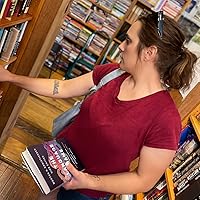
Since the movement's founding in 2014, #SayHerName has gained international attention and has served as both a rallying cry and organizing principle in the aftermath of police killings of Black women, including, most recently, the police killing of Breonna Taylor.
Black women, girls, and femmes as young as seven and as old as ninety-three have been killed by the police, though we rarely hear their names or learn their stories. Breonna Taylor, Alberta Spruill, Rekia Boyd, Shantel Davis, Shelly Frey, Kayla Moore, Kyam Livingston, Miriam Carey, Michelle Cusseaux, and Tanisha Anderson are among the many lives that should have been. The #SayHerName campaign lifts up the stories of these women and girls in order to build a gender-inclusive framework for understanding, discussing, and combating police violence.
Without this knowledge, we cannot have a full understanding of the wide-ranging circumstances that make Black bodies disproportionately subject to police violence, and we cannot understand the ways in which racialized policing and gendered violence intersect and produce lethal consequences. #SayHerName provides an analytical framework for understanding Black women's susceptibility to police brutality and state-sanctioned violence, and it explains how-through black feminist storytelling and ritual-we can effectively mobilize various communities and empower them to advocate for racial justice.
Including Black women in police violence and gender violence discourses sends the powerful message that, in fact, all Black lives matter and that the police cannot kill without consequence. This is a powerful story of Black feminist practice, community-building, enablement, and Black feminist reckoning.
"Kimberle Crenshaw is a national treasure." —Kerry Washington
Short and sweet booklet putting names, faces, and stories to the often invisible black women who are victims of criminal injustice systems. The info- while nothing new to the demographic it is focused on- is quite useful for everyone else. Unapologetic defenses of people without respectability politics or cherry picking perfect victims. It is available for free on aapf.org. Recommended.
Priscilla Slater – Died in police custody on June 10, 2020 Breonna Taylor – Killed by police on March 13, 2020 Atatiana Jefferson – Killed by police on October 12, 2019 Crystal Ragland – Killed by police on May 30, 2019 Pamela Turner – Killed by police on May 13, 2019 Nina Adams – Killed by police on March 13, 2019 Latasha Walton – Killed by police on March 12, 2019 Brittany McLean – Died in police custody on March 9, 2019 Angel Decarlo – Killed by police on December 18, 2018 April Webster – Killed by police in her home on December 16, 2018 Tameka Simpson – Killed by police on December 11, 2018 LaJuana Philips – Killed by police on October 2, 2018 Dereshia Blackwell – Killed by police on September 9, 2018 Cynthia Fields – Killed by a stray bullet by police on July 27, 2018 LaShanda Anderson – Killed by police on June 9, 2018 Shukri Ali Said – Killed by police on April 28, 2018 DeCynthia Clements – Killed by police on March 12, 2018 Crystalline Barnes – Killed by police during a traffic stop on January 27, 2018 Geraldine Townsend – Killed by police on January 17, 2018 Sandy Guardiola – Killed in her bed by police on October 4, 2017 India N. Nelson – Killed by police on July 17, 2017 Charleena Chavon Lyles – Killed by police on June 18, 2017 Jonie Block – Killed by police on May 15, 2017 Alteria Woods – Killed by police while pregnant on March 19, 2017 Morgan London Rankins – Killed by police on February 22, 2017 Deborah Danner – Killed in her home by police on October 18, 2016 Korryn Gaines – Killed by police on August 1, 2016 Jessica Williams – Killed by police on May 19, 2016 Deresha Armstrong – Killed by police on May 5, 2016 Laronda Sweatt – Killed by police on April 6, 2016 India M. Beaty – Killed by police on March 19, 2016 Kisha Michael – Killed by police on February 21, 2016 Sahlah Ridgeway – Killed by police on February 12, 2016 Gynna McMillen – Died in police custody on January 10, 2016 Bettie Jones – Killed by police on December 26, 2015 Barbara Dawson – Died December 21, 2015 Marquesha McMillan – Killed by police on October 26, 2015 India Kager – Killed by police in her car on September 5, 2015 Redel Jones – Killed by police August 12, 2015 Raynette Turner – Died in police custody on July 27, 2015 Ralkina Jones – Died in police custody on July 26, 2015 Joyce Curnell – Died in police custody on July 22, 2015 Kindra Chapman – Died in police custody on July 14, 2015 Sandra Bland – Died in police custody on July 13, 2015 Nuwnah Laroche – Killed by police on May 7, 2015 Alexia Christian – Killed by police on April 30, 2015 Mya Hall – Killed by police on March 30, 2015 Meagan Hockaday – Killed by police on March 28, 2015 Janisha Fonville – Killed by police on February 18, 2015 Natasha McKenna – Died of police-induced trauma on February 8, 2015 Tanisha Anderson – Killed by police on November 13, 2014 Aura Rosser – Killed by police on November 9, 2014 Sheneque Proctor – Died in police custody after being refused medical treatment on November 1, 2014 Iretha Lilly – Died in police custody on October 6, 2014 Latandra Ellington – Killed in her jail cell on October 1, 2014, 10 days after writing to her family that she was threatened by an officer Michelle Cusseaux – Killed by police on August 13, 2014 Pearlie Golden – Killed by police on May 7, 2014 Gabriella Nevarez – Killed by police on March 2, 2014 Yvette Smith – Killed by police on February 16, 2014 Tracy A. Wade – Killed by police in 2014 Ariel Levy – Killed by police in 2014 Angela Beatrice Randolph – Killed by police in 2014 Dawn Cameron – Killed by police in 2014 Shonda Mikelson – Killed by police in 2014 Renisha McBride – Killed on November 3, 2013 Miriam Carey – Killed by federal agents on October 3, 2013 Kyam Livingston – Died in police custody on July 24, 2013 Kayla Moore – Killed by police on February 12, 2013 Angelique Styles – Killed by police in 2013 Shelly Frey – Killed by police on December 6, 2012 Malissa Williams – Killed by police on November 29, 2012 Erica Collins – Killed by police on October 13, 2012 Shulena Weldon – Died after being run over by a car by police on August 9, 2012 Alesia Thomas – Killed by police on July 22, 2012 Shantel Davis – Killed by police on June 14, 2012 Sharmel Edwards – Killed by police on April 21, 2012 Rekia Boyd – Killed by police on March 21, 2012 Shereese Francis – Killed by police on March 15, 2012 Jameela Barnette – Killed by police on December 25, 2011 Unnamed – Killed October 3, 2011 Catawaba Howard – Killed by police on August 12, 2011 Brenda Williams – Killed by police on April 27, 2011 Derrinesha Clay – Killed by police on March 14, 2011 Shelley Amos and Cheryl Blount-Burton – Killed on February 19, 2011, by an on-duty police officer who was driving twice the speed limit and was not responding to an emergency call Carolyn Moran-Hernandez – Killed by police on February 14, 2011 Latricka Sloan – Killed by police on January 22, 2011 Aiyana Stanley-Jones – Killed by police on May 16, 2010 Ahjah Dixon – Died in police custody on March 4, 2010 Sarah Riggins – Killed by police on October 23, 2009 Katherine Hysaw – Killed by police on September 9, 2009 Barbara Stewart – Killed by police on March 24, 2009 Duanna Johnson – Died in 2008 Tarika Wilson – Killed by police on January 4, 2008 Kathryn Johnston – Killed by police on November 21, 2006 Alberta Spruill – Died of police-induced trauma on May 16, 2003 Kendra James – Killed by police on May 5, 2003 Nizah Morris – Died in 2002 LaTanya Haggerty – Killed by police on June 4, 1999 Margaret LaVerne Mitchell – Killed by police on May 21, 1999 Tyisha Miller – Killed by police on December 28, 1998 Danette Daniels – Killed by police on June 8, 1997 Frankie Ann Perkins – Killed by police on March 22, 1997 Sonji Taylor – Killed by police on December 16, 1993 Eleanor Bumpurs – Killed by police on October 29, 1984 以及,#李莹
I wasn't expecting a term paper when I checked this out from the library, but that's essentially how it reads. That or a research paper published in an academic journal. So while it sounds very templated, it contains a lot of information and some strong arguments for increasing standards for police officer behavior in the United States.
Full of anecdotes and many, many names, this book lays out the argument that Black women are treated humanely by law enforcement even less often than their male counterparts. We often hear in the news about police brutality against Black men, but Black women are many times more likely to suffer--for a variety of reasons--at the hands of those who stand blameless behind the badge.
Complete with photos, dates, and locations, this is a quick read that gives a straight-forward account of many moments in recent history, concluding with questions for discussion when used in a group setting. It's not as deep or thoughtful as a full book, but it's a good start toward understanding this particular perspective on a crucial situation.
Incredibly sad. Very eye opening. A book that is an important read. Women are low on the totem pole. Black women even more so. Black LBGTQIA+ women even more so. And yet they are often the glue to the family. The caretakers of Mom, Grandma, sister's kids. The gap left behind is crushing. I also never thought about the intergenerational impact that follows these suffering families for decades to follow. #SAYHERNAME is important and yet the very least we can do as a society.
I would like to thank the publisher for an advance readers copy in exchange for an unbiased review.
#SayHerName by Kimberlé Crenshaw and the African American Policy Forum draws attention to the plague of underreported and seldom noted deaths of Black women and other women of color at the hands of American police. Several times throughout the text it is noted that while Black women make up ten percent of the female population in the U.S. they make up a staggering one-fifth of all women killed by the police. This is juxtaposed against the well-known names of people like Michael Brown in Ferguson, MO, George Floyd in Minneapolis, MN, and Tamir Rice in Cleveland, OH. These deaths sparked days and sometimes weeks of protests, vigils, and civil unrest. Too often the names of black women killed by police go remarkably unnoticed.
Each chapter in this book begins with a story of a murdered black woman told through the words of a sister or mother. Beyond relating the tragic circumstances of their death the reader gets a sense of each person. We get to hear about their personality, their life, and their hopes and dreams. The world and their communities find themselves deprived of loving and caring mothers, sisters, and daughters. What we also read about are police departments that leave relatives to find out of the tragic deaths through reporters at their doors or on the evening news. Police departments then begin to obfuscate, distort, and lie about the interactions with the victim, the actions of their own officers, and then cast blame on the victim. In some instances families are left with bills from local municipalities in the wake of these deaths. Adding another layer of injustice on top of another. A final tragic consequence of these deaths is too often family members then suffer extreme health events afterwards. It’s described as a double-pandemic.
While this book is primarily about the tragic deaths of these Black women, it is also a call to build a community of loved ones and activists to draw attention to their deaths and call out for change. Some of the avenues of change addressed is a need for trained crisis interventionists rather than armed police while someone is experiencing a mental health crisis. The ending of qualified immunity for police which enables police forces to shield officers from prosecution. An end to armed security guards at stores, which increases the likelihood of a weapon being used to apprehend people suspected of shoplifting. While none of these reforms is a panacea taken together they could prevent some if not many of the violent interactions between police and civilians.
This book should be read by anybody involved with the movements against police violence, anti-racism, police reform, and community building. If this book appeals to you, you may also want to consider reading some of the following titles, which will complement this one: Margaret A. Burnham’s By Hands Now Known: Jim Crow’s Legal Executioners, Elizabeth Hinton’s America on Fire: The Untold History of Police Violence and Black Rebellion Since the 1960s and finally No More Police: A Case for Abolition by Mariame Kaba and Andrea J. Ritchie.
This book is devoted to lifting up the names and life stories of Black women whose lives were taken by police officers. So many lives. Breonna Taylor and Sandra Bland were not exceptional horror stories, but part of a pattern of violent overreaction: I found the name of a woman from my own community killed in 2014, while I was living here, and yet I knew nothing about it, so little publicity was given to her death. #Gabriella Nevarez; she was only 22 years old.
#SayHerName bears witness to these losses and awakens the reader to this injustice. While it is heartrending to read the stories, it is also a process of recovery and repair, because those lost are uplifted, known, and surrounded in loving memory. Properly mourned and grieved and celebrated, as they were not at the time of their passing. As painful and shocking as this book is, it is not unrelenting darkness, but a journey toward meaningful, positive action. I felt hopeful and empowered by the end, and am deeply grateful to the authors for that.
#SayHerName offers healing rituals of community mourning that are creative and deeply moving; families who lost loved ones to COVID and could not hold a funeral might find solace in this way as well.
In the midst of the Black Lives Matter movement focusing on the deaths of Black men by police, there was a gap in the protests-What about Black women killed by police? Who was telling their stories? Who was protesting for them? That’s where this movement comes in. When the official protests ignored the group, Black womenfolk came together and started #sayhername to showcase the lives lost and ignored by the press and society as a whole. This is their book, their stories.
My issue with the book is not content or message but the formate of the book. The stories are told and then the rest of each chapter is the history of the group or other political issues. Maybe that should have been separate chapters-it too seemed to diminish the stories to make a political point.
This book is powerful, heartbreaking, and important. Each chapter begins with the name of a black woman who was killed by police, their story told by a surviving family member. Each chapter ends with a scholarly account of the structural and systemic racism, how they operate to kill black people and the history of how these systems came to be. There are also accounts of how this group of survivors work toward justice and healing through the #sayhername movement. The grief in this book is palpable, but by reading this book, you hold space for the grief of family members who never saw justice for the people they lost to senseless violence.
I deeply admire Kimberlé Crenshaw. The SayHerName movement is very important and my heart goes out to all the survivors who found the strength to share their stories. That being said, I have to admit that I found this book quite difficult to read. Not just because of the content, but because of the writing style. The language is not geared towards lay-people or English-as-a-second-language readers. I found myself having to re-read many sentences. I'm not trying to discourage people from reading it - it contains very valuable messages - I just want to clarify that this isn't a "read a couple pages before bed" type of book. This is a "sit down, focus, and learn" type of book.
I read the first half then skimmed the second. I liked the narratives from the family members because it gave more on who the women were. The essays were so-so for me. I felt like they were pretty repetitive but didn't say much. They could have been tighter.
An important message, reminding us that black women are victims of police violence at a rate higher than white women and yet often forgotten when folks rally against police brutality. The stories related by family members of the victims made them more real and showed how more than "just" the women killed were victims. Those stories were very moving, but I did feel the rest of the book seemed to be repetitive and had less impact.
Thank you to Goodreads and Haymarket Books for the free copy of this important book.
I’m severely delayed in posting this review, but I wanted to make sure I had the right words. I still don’t know if I do, but I will try.
As a human, I empathize with all the family members and loved ones of victims of horrific police brutality, misconduct, and murder. As a mom, I grieve with those mothers who lost their babies in such a cruel and senseless way. As a white woman, I will never fully understand the way Black Americans are continually targeted by law enforcement and the fear that must consume them any time they see flashing blue and red lights. But it is my duty to stand with them and speak against the injustices they face.
Many of us are familiar with the cases of Black men and boys who experienced this violence and made national headlines, but far less attention is given to the Black women who have suffered the same oppression and had their lives taken from them by officers of the law who swore to protect and serve.
#SayHerName sheds a light on these women and, as the title states, lists them by name, among them Breonna Taylor, Alberta Spruill, Rekia Boyd, Shantel Davis, Shelly Frey, Kayla Moore, Kyam Livingston, Miriam Carey, Michelle Cusseaux, and Tanisha Anderson. The book highlights a number of these lesser-known cases, detailing the facts of what happened and exposing the heinous actions of the police. It is a call to action for readers to speak up and do their part to put an end to police brutality and the “brotherhood” that too often protects them from being brought to justice. It has the added effect of also speaking on gendered violence and the unique experience Black women face in that regard.
I highly recommend this book as a starting point to examine and evaluate the racial discrimination of the police and how it affects specifically Black communities.
I read the chapters "Say Her Name" and "Gender and Sexuality Policing" for a book club. This is a short but intense read. I plan on reading it cover to cover (hence to rating right now).