What do you think?
Rate this book


352 pages, Hardcover
First published March 1, 2022
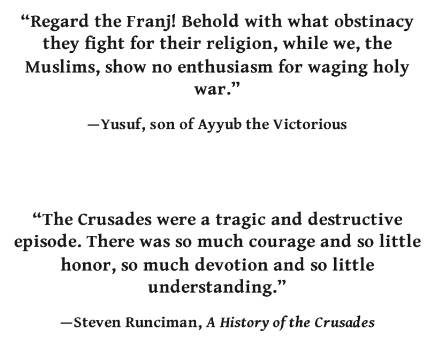
It’s a Faranji campsite, set up directly in the middle of the clearing ahead. I could identify one by scent alone at this point. And it’s a large one, too. It’s not the first time I've prayed for the Faranji to take up the custom of hammams. The smell of their stale flesh on the other side of the wall of Akko is not one I will forget for a long while.How is the myth that medieval Europeans didn’t bathe making it into a published book in 2022? The basis for Rahma’s impression is a totally stupid one besides. A siege camp is not going to smell like roses and honey. Rahma is a hypocrite too, because she spends most of the book traveling and expressly mentions that she hasn’t bathed in days!
But then again, the Faranji are barbarians and brutes. They conquered a land and discarded its customs. They killed their fellow believers, the local Nasrani, and called it a mercy when they arrived on these shores a hundred years ago. Said they were sending the dead to heaven to let God decide who was a heretic and who was saved through their belief in the Lord Almighty.I'm not sure what this is referring to. It may be referring to the siege of Antioch (1097-98), where the Crusaders allied with Christians inside the city who let them inside. The Christians and Muslims were intermingled so when the Crusaders attacked the Muslims, they killed some Christians by accident. If that’s what this paragraph is about then it makes it sound like the Crusaders killed Eastern Christians on purpose for some idiotic self-righteous reason that makes no sense.
Every time a city changes hands, who they will admit and won’t admit shifts. Sometimes all the Christians must leave. Other times, all the Jewish people will flee for fear of the invaders. Given that the Faranji swept through the countryside eating people, no matter their faith, the first time they passed through, it’s not an illogical reaction. Then the Muslims are kicked out, or sometimes they’re killed. Sometimes they’re enslaved and sold—depending on the mood of the ruler, truth be told.Slavery existed in medieval Europe and the Crusader states, but it was not all that commonplace and with the emergence of the feudal system, serfs had largely replaced slaves. On the other hand, slavery was a major part of life in Muslim lands and Muslim economies depended on it. A Muslim from Iraq in the 12th century would view slavery as a completely normal part of life.

![Profile Image for laurel [the suspected bibliophile].](https://i.gr-assets.com/images/S/compressed.photo.goodreads.com/users/1645808644i/7494844._UX200_CR0,6,200,200_.jpg)