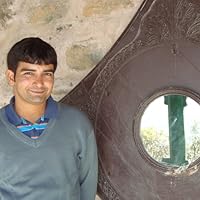
Rajneesh (born Chandra Mohan Jain, 11 December 1931 – 19 January 1990) and latter rebranded as Osho was leader of the Rajneesh movement. During his lifetime he was viewed as a controversial new religious movement leader and mystic.
In the 1960s he traveled throughout India as a public speaker and was a vocal critic of socialism, Mahatma Gandhi, and Hindu religious orthodoxy.
Rajneesh emphasized the importance of meditation, mindfulness, love, celebration, courage, creativity and humor—qualities that he viewed as being suppressed by adherence to static belief systems, religious tradition and socialization.
In advocating a more open attitude to human sexuality he caused controversy in India during the late 1960s and became known as "the sex guru".
In 1970, Rajneesh spent time in Mumbai initiating followers known as "neo-sannyasins". During this period he expanded his spiritual teachings and commented extensively in discourses on the writings of religious traditions, mystics, and philosophers from around the world. In 1974 Rajneesh relocated to Pune, where an ashram was established and a variety of therapies, incorporating methods first developed by the Human Potential Movement, were offered to a growing Western following. By the late 1970s, the tension between the ruling Janata Party government of Morarji Desai and the movement led to a curbing of the ashram's development and a back taxes claim estimated at $5 million.
In 1981, the Rajneesh movement's efforts refocused on activities in the United States and Rajneesh relocated to a facility known as Rajneeshpuram in Wasco County, Oregon. Almost immediately the movement ran into conflict with county residents and the state government, and a succession of legal battles concerning the ashram's construction and continued development curtailed its success.
In 1985, in the wake of a series of serious crimes by his followers, including a mass food poisoning attack with Salmonella bacteria and an aborted assassination plot to murder U.S. Attorney Charles H. Turner, Rajneesh alleged that his personal secretary Ma Anand Sheela and her close supporters had been responsible. He was later deported from the United States in accordance with an Alford plea bargain.[
After his deportation, 21 countries denied him entry. He ultimately returned to India and a revived Pune ashram, where he died in 1990. Rajneesh's ashram, now known as OSHO International Meditation Resort and all associated intellectual property, is managed by the Zurich registered Osho International Foundation (formerly Rajneesh International Foundation). Rajneesh's teachings have had a notable impact on Western New Age thought, and their popularity has increased markedly since his death.
هل يمكن أن يكون التأمل فن ؟ هل يمكن أن يكون أحتفال ؟ أم أنه حقيقة لحياة لم نعشها و سعادة محتملة لم نذقها ؟
ما هو التأمل ؟ و ما هي تقنياته ؟ ما هي الخطوات التي يجب أن نتبعها لكي نمارس التأمل ؟ هل التأمل فعل ؟ و هل جميع الناس يستطيعون أن يدخلوا في التأمل ؟ و هل يوجد ما هو أبعد من التأمل ؟ ما هي الروح و ما هي الكونداليني و ما هي السوناتا ؟ كيف نقوم بالقفزة و ماهي المرحلة الفاصلةبينها ؟ و ما الفرق الجوهري بين العقل و الدماغ و التفكير ؟
محبين الحياة ، محبين السعادة ، محبين الحيوية ، اللذين ينظرون للأعلى ، اللذين يتمتعون بالحياة الكاملة دون أسباب خارجية ، اللذين لا يعتمدون على أيّ شيء و لا على أيّ شخص ، اللذين يخلقون من الماء المسكوب محيطًا ، و ينظرون للغصن على أنه شجرة مزهرة ، اللذين ينظرون للسماء فيبصرون من خلالها الفضاء بأكمله ، اللذين يحبون من أجل الحب و يعطون من أجل العطاء ، و يشعرون بالسعادة من أجل السعادة.
اليكم أنتم ؛ نعم أنتم المعنيين بحديثي أعلاه ! هذا الكتاب سيسبر أغواركم ، و مكامن اللاإدراك لديكم ، سيجبركم على إدراك دواخلكم المهملة ، و التعرف على الكائن المجهول الذي يقرأ سطوري المفعمة بالحيوية الآن ! في أعماق هذا الكتاب سترى الممارسات اليومية المعتادة بصورة مغايرة ، ستكتشف أن التنفس هو الوعي ، و التأمل هو المعرفة ، و الدماغ و العقل و التفكير كلٌّ له مهمته الخاصة ، ستكتشف أن العالم النفعي و العمل اليومي الدؤوب قد يمتص منك حياتك و حيويتك ، بالرغم من ضرورة العالم أو العمل النفعي إلا أنه يقولب حياتنا على نمط واحد و شكل واحد و فكر واحد ، أيّ أنه ببساطة يجعلنا ننظر للوحة واحدة على أنها كلّ الحياة .
لا بدّ عند الدخول في التأمل رمي التفكير خارج الدماغ ! و هذا لا يحدث إلا عندما تستنفذ قوى الطاقة و النشاط الكاملة لديك ، بحيث تصل للحالة للتي تقول فيها " لا أستطيع أن أقوم الآن بأي شيء إطلاقًا " في هذه الحالة يمكنك الدخول في حالة اللاعمل و اللاشيء و اللامنطقية أيّ بكل بساطة الدخول في " التأمل " قد يكون تأملا خاملا لكن لا بأس بذلك ؛ التأمل يا عزيزي القارئ لا يحتاج إلى جهد و لا إلى تفكير و لا تجهيز و لا استعداد و لا يشترط حتى وجود الإلٰه و لا وجود الإيمان. التأمل هو الدخول إلى مجاهل اللاوعي و إلى إدراك المناطق التي حرمنا انفسنا من الغوص فيها .
ستجد يا محب الحياة ، أن الجمال يُدرك من خلال الصمت ، فعندما ترى زهرة جميلة فقط انظر لها ؛ لا تعبر بالكلمات عن جمالها ؛ فقط تأملها ؛ و ستجد أنك أنت مع الزهرة أصبحتما وجودًا واحدًا ؛ و أن الجمال لم يلبث و أن تغلغل في أعماقك ؛ فصرت أنت الزهرة و أنت الجمال و أنت التفتح و أنت الحياة .
This book is from the 70's, and the first of his I've ever read. When starting this book I found it refreshing in tone. Compared to some other books I've read in the style, his opinions seemed unafraid of honest, critical thinking, welcoming of obvious extremes, unglamorous about "spiritual" concerns and affairs, you know, stuff that makes for good reading. Some topics that stood out include daring to criticize Krishnamurti for being consistently one-sided, if the attitudes to the world is seen as a choice between either "Yoga" = doing, active attitude, or "Samkhya" = Nothing is to be done, according to Rajneesh the latter is Krishnamurti's tradition and familiar way. I also dig how he's talking about going in to the known, as opposed to the unknown, guessing he might be pointing out the popular trend at the time for questioning Westerners to seek Eastern answers, as opposed to sticking with the symbolism and ideological traditions already informing the various floors of the mind. Among the first chapters of the book I liked his thoughts about consciousness, nice! His method of seeing matters of the mind/soul in a traditional dialectic, polarized design of extremes, and/or Taoist, yin/yang relativity worked for me, up to a point. After a while I started to detect thought habits. Things are a little too black and white, the realistic grey place of being is not highlighted. The theorizing about the nature of consciousness is laid out as 7 minds. I've heard this number before. The principle of breathing permeates all of them, and understanding them, living them, is key for spiritual realization (I think is what he's saying). The inherent physical "activity" of breathing in and out, continues in the mind like when thoughts begin and end, the body lives and dies, the individual mind is part of the cosmic psyche (my own words there mind you) etc. So he has devised an outline for all this huh? And it's THAT anonymous and consistent?? To me, this philosophically detached viewpoint is both too safe and too clinical, it's too general, too simple to really mean anything. Anybody could state these things. But perhaps that's his point, he doesn't want to be seen as a guru or teacher, rather everyone can discover these "laws". Says the guy who later changed his name to "Osho" and became known as the "Rolls Royce Guru" (he reportedly had a hundred RR's at one point, there are photographs of him being driven in one on a road at his Oregon Center, greeted by a group of saffron-clad followers. Even though I think a lot of this is pretty thin and pretentious stuff, I still think it's worth reading the first half of the book.
The logic given by Osho are undoubted very strong but somehow the spiritual connect that I usually get while reading such books was missing. Overall, a nice ready specially enjoyed reading last lesson.
The Periphery and the Center — after Osho’s Meditation: the Art of Ecstasy
We live, most of the time, at the periphery. Where sensation stirs, thought moves, breath comes and goes without notice. Most remain here — pulled, swayed, torn, indulged by the world of objects. Attached. Unaware.
Yoga begins at the periphery, but it does not end there. In its early development, yoga is structure, discipline, conscious effort, clarity of form. It works with what is rational and visible: the body, each part of it. There is nothing more rational than the physiology of the body.
Yoga begins with this rational clarity. But this clarity is not the destination. It is a portal.
To begin here is not to stay here — but to prepare for the irrational.
Osho speaks of yoga as the movement from the rational to the irrational — not irrational in the sense of chaos, but in the sense that the center cannot be known by logic, only by direct experience.
Yoga uses rational steps — posture, breath, discipline, attention — to bring us to the very edge of reason, to the point where logic collapses and silence takes over. This is the threshold — a portal into the irrational.
Two steps happen here.
By pushing through the periphery, extinguishing its illusions, one moves from seeing, to seeing the one who sees. A double awareness arises: the observer is the observed, the seeker is the sought. This, Osho calls the first step — double-arrowed consciousness.
Then, something subtler begins.
The object fades. The subject, too, dissolves. What remains is pure witnessing — not someone who sees, but seeing itself. Not knowledge, but knowing. Not logic. Not emotion. Not thought. But the center — silent, formless, whole.
This objectless awareness is yoga.
Breath is the bridge. Most pass through it unaware. Yoga draws attention to the gap between inhale and exhale — a still point. To become aware of this gap is to glimpse the center. A silence not of absence, but of presence. Yoga is a stretch into that deep silence.
This gap is the seed of meditation. This gap is bliss.
And meditation is the flowering of that gap — a happening, a passive falling into ecstasy, into spaciousness, into the center.
It begins when the periphery is exhausted. When even the desire to meditate dissolves. When doing disappears, and being takes over.
This is where the portal leads — where reason collapses, and silence becomes knowing. There, meditation into infinity begins.
كتاب جيد ومشوق يتكلم عن فوائد التأمل وان كل شيء يمكن ان يصبح تأمل فقط عندما تستمتع به وتفعله دون تحكم او ارادة وتكلم عن انواع الاجساد السبعه وكيفية الوصول للاستنارة وفوائد اليوقا وتأثير المخدرات للوصول الى حالة التأمل بشكل اسرع رغم ان فيه مصطلحات ومسميات كثير جديدة علي لكن استفدت منه، لا أتفق مع معظم اراءه في الكتاب ولكن لا أنكر اني استفدت منه ووسع مداركي
The work is a breeze to the soul. Having personally experienced few things that Osho describes as part of the meditative experience, for eg. its effects on the sleep, continuous awareness in each & every moment, Ana-pana-sati, feels great to have the validation. Meditation is literally magic..
Cambia tu percepción del mundo, te introduce al plano espiritual. Este libro posee mucho lenguaje técnico usado por maestros yogi, pero es entendible hasta para el individuo más nuevo en el tema. Definitivamente te hace pensar mucho.
To date I've only read Osho's commentaries, so it was nice to read words straight from his own teachings. He is able to connect different religions very well. This book has less references to different religions as later ones. Overall it is a great guide to meditation and a life of bliss.
When there is complete order in our life, which is the beginning of meditation, and one understands the nature of awareness, concentration and attention, then all effort has come to an end - all effort. When you put everything in order there is no effort. So the mind becomes extraordinarily quiet - uninvited, not cultivated, something totally new. And religion - not this nonsense that is going on around us with all their priests and ceremonies and all that circus that goes on, then religion means the ending of the self, the 'me'. It is only then that the mind can be absolutely, irrevocably quiet, and therefore silent. Which means the ending of thought as time and measure. Then if the mind has gone that far, in that silence which is vast space and energy there is totally a state which cannot be put into words. But if you put everything in order and so on, it will come to you without your invitation. You cannot invite truth. There is no path to truth. There is no intermediary or gateway or anything between you and truth. You have to come... it has... if the field is right then that thing comes to you with such glory. That is ecstasy. In that there is great sacredness. That is holy.
Interesante la perspectiva de ponerlo en práctica, depende del momento y la necesidad de conectar, pero el tema de los 7 cuerpos por ejemplo bastante interesante.