Yiddish Paris explores how Yiddish-speaking emigrants from Eastern Europe in Paris in the 1920s and 1930s created a Yiddish diaspora nation in Western Europe and how they presented that nation to themselves and to others in France.
In this meticulously researched and first full-length study of interwar Yiddish culture in France, author Nicholas Underwood argues that the emergence of a Yiddish Paris was depended on culture makers, mostly left-wing Jews from Socialist and Communist backgrounds who created cultural and scholarly organizations and institutions, including the French branch of YIVO (a research institution focused on East European Jews), theater troupes, choruses, and a pavilion at the Paris World's Fair of 1937.
Yiddish Paris examines how these left-wing Yiddish-speaking Jews insisted that even in France, a country known for demanding the assimilation of immigrant and minority groups, they could remain a distinct group, part of a transnational Yiddish-speaking Jewish nation. Yet, in the process, they in fact created a French-inflected version of Jewish diaspora nationalism, finding allies among French intellectuals, largely on the left.
Nick Underwood restages a forgotten act of Jewish history. Between the two World Wars, a Yiddish speaking Paris took shape scene by scene, built from committee minutes, chorus rehearsals, and cafe debates, in place of grand boulevards. Underwood gives this diaspora its proper billing, tracing the Kultur lige, the Medem farband, YIVO, and the drama troupe PYAT as they turned language into a homeland built from paper and performance instead of soil.
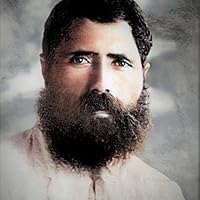
Leo Glaeser opens the show as an unlikely impresario, declaring his group above politics before politics swallows him whole. Underwood tracks the cast through balls, lectures, and choral concerts, each event a small rehearsal for national belonging performed inside a country already convinced of its own.
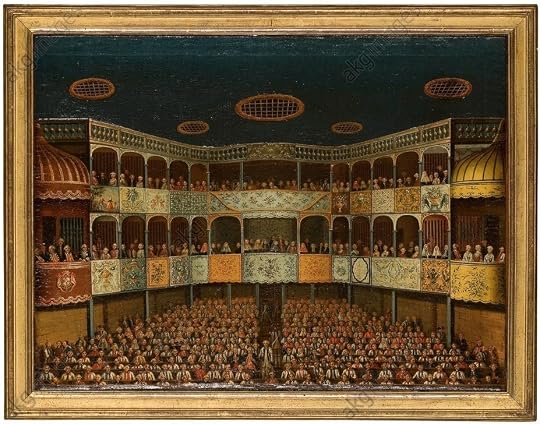
The chapter on theatre deserves a standing ovation. PYAT finally gave the City of Light a resident troupe, and Underwood shows how Yiddish drama shared a stage with French socialism, immigrant pride, and stubborn financial ruin.
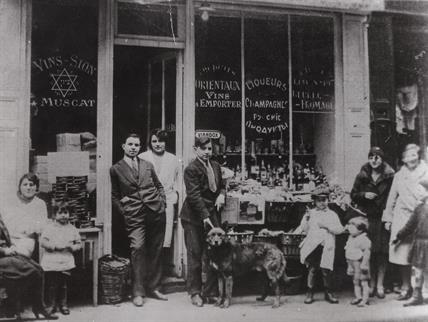
At 34 rue des Rosiers, the Speiser family sold Yiddish records to an audience hungry for music. Recordings alone left the seats in a concert hall empty, so Yiddish Paris built its own chorus instead. Underwood counts five choruses active on the eve of war, singing folk, workers, and liturgical repertoire into a single shared program. A community rehearsing several identities at once.
By 1937, Yiddish Paris reached its biggest stage yet, a World's Fair pavilion placing Sholem Aleichem beside Gorky, followed by the first International Yiddish Culture Congress. Fascism's rise across Europe pushed rival Jewish leftist factions toward a shared score, antifascism becoming the one melody every faction agreed to sing under differing lyrics.
The final act turns somber without theatrics. Nazi occupation closed the curtain on interwar Yiddish Paris, but its cast moved to resistance work instead of retreat. Glaeser helped found the Rue Amelot Committee before Vichy officials had him murdered in 1944. Beckerman was deported to Majdanek and murdered on arrival. Underwood counts a Jewish population thinned by deportation, then rebuilt through postwar immigration and a resistance memory too often left out of French national mythmaking.
Readers wanting French Jewish history beyond Dreyfus and Vichy alone will find a rich, specific alternative, populated by real names, exact addresses, and honest quarrels over how many parties a nation of exiles can host at once. Yiddish Paris deserved an encore long ago. Underwood finally gives it one. Sadly, Jewish life is disappearing again from the City of Lights.