As Governor of Galicia, SS Brigadeführer Otto Freiherr von Wächter presided over an authority on whose territory hundreds of thousands of Jews and Poles were killed, including the family of the author's grandfather. By the time the war ended in May 1945, he was indicted for 'mass murder'. Hunted by the Soviets, the Americans, the Poles and the British, as well as groups of Jews, Wächter went on the run. He spent three years hiding in the Austrian Alps, assisted by his wife Charlotte, before making his way to Rome where he was helped by a Vatican bishop. He remained there for three months. While preparing to travel to Argentina on the 'ratline' he died unexpectedly, in July 1949, a few days after spending a weekend with an 'old comrade'.
In The Ratline Philippe Sands offers a unique account of the daily life of a senior Nazi and fugitive, and of his wife. Drawing on a remarkable archive of family letters and diaries, he unveils a fascinating insight into life before and during the war, on the run, in Rome, and into the Cold War. Eventually the door is unlocked to a mystery that haunts Wächter's youngest son, who continues to believe his father was a good man - what happened to Otto Wächter, and how did he die?
Philippe Sands an Anglo-French lawyer and writer. He is Professor of Law at University College London and a practicing barrister at Matrix Chambers. He has been involved in many important cases, including Pinochet, Congo, Yugoslavia, Rwanda, Iraq, Guantanamo and the Yazadis. His books include Lawless World and Torture Team. He is a frequent contributor to the Financial Times, Guardian, New York Review of Books and Vanity Fair, makes regular appearances on radio and television, and serves on the boards of English PEN and the Hay Festival.
The latest offering by Mr Sands is a fantastic book which, being non-fiction, turned out to be a page-turner for me. The author tells the story of a Nazi criminal who having been the governor of Galicia managed to escape justice and flee to Rome where he died several years after the WW2. The book offers some explanations behind the successful escape, which are more surprising than fiction indeed, but he also presents the life of a family who embraced the Nazi ideology, drawing on documents kept unpublished so far. Mr Sands met Otto von Wachter's son who has been in denial regarding the atrocities committed by his father and who co-operates with him, which makes him an outsider with regard to his own family. Mr Sands wrote a book that is meticulously documented and researched. I appreciated his objectivity given the tragic fate of his family during the WW2. A splendid read for anyone interested in the motifs behind becoming a stouch Nazi supporter in the 1930s, and for those who have heard of a 'ratline' and would like to learn more.
An account of SS Brigadefuhrer Freiherr Von Wächter, governor of Galicia and a man who presided oever a territory where hundreds of thounsnd of Jew and Poles were killed including the family of the author’s grandfather. By the time the war ended in 1945 he was indicted for mass murder. Hunted by the Soviets, the Americans, the Poles and the British as well as groupls of Jews. Wächter went on the run. He spent three years hiding in the Austrian Alps, assisted by his wife Charlotte, before making his way to Rome where he was helped by a Vatican bishop.
I really enjoyed this well written and meticulously researched account of Von Wächter and his wife’s life before and after the War and their rise through the ranks at the cost of Hundreds of thousands of lives, and the Von Wächter’s eventual fall from grace. The Ratline tells two stories in Parallel. The author spends time with the elderly son Horst Von Wächter who lives with his Swedish wife in a 17th Century castle outside Vienna. He opens up to Sands and allow him access to family archives, photograph albums and his mother Charlotte’s diaries.
I downloaded this one firstly on audible. The book is narrated by three people. Philippe Sands, Katharine Riemann and Stephan Fry and I struggled with the audio. While the narrators are clear they are just flat and uninteresting, I just didn’t enjoy their tone and ended up having to order a hard copy as I wanted to get the best from the book. While I preferred the hard copy, and it does have maps and many tiny but poor quality photos which was quite disappointing but didn’t take away from my overall enjoyment of the book.
This is a very detailed account and Sands really doesn’t miss a trick in his research but the second half of the book did become a little tedious as he goes into quite a lot of detail and names and places became a little tedious and repetitive towards the end.
Working as a kind of follow on from East West Street: On the Origins of Genocide and Crimes Against Humanity, The Ratline is a story of multiple parts. Those who have listened to the 2018 BBC podcast will recognise most of the tale, which is told in much greater detail in this book, but it’s an interesting enough story to hold its own in both formats. Primarily, it follows in the footsteps of SS Brigadeführer Otto Wächter from his days as Governor of Galicia to his death in Italy after the war. Again, those who read East West Street will recognise his name as a colleague and friend of Hans Frank, the Governor-General of Occupied Poland, a man found guilty of war crimes and crimes against humanity at Nuremberg. Building on information from the collected diaries, photos, and papers of Otto’s wife, Charlotte, Sands reconstructs the story of a single family, one whose lives feed into some of the biggest and most important moral issues to come out of the war and post-war period. Not only does it offer insight into the dynamics of a family at the core of the Nazi regime, it considers the reaction of sons to their fathers’ crimes, specifically through Horst’s determinedly positive concept of his father, and it places Otto’s attempts to escape the Allied and Soviet forces within the context of the post-war power games which blinded Justice for Necessity. If it were rewritten as a thriller, it could hardly be more gripping.
For me, it was striking to read about about the Nazi regime in a way which didn’t centre Hitler. He’s still there, of course, in his honoured role at the heart of all things, turning up in family photos and adored by Charlotte in particular. But the value in this kind of history is the lack of distance. When you read academic books about the period, you see the names of Nazi leadership, you read about their roles and the decisions they made, you are shown the horrific consequences.Yet there’s something about seeing them as their private selves that makes it all the more clear that these men were loved. They had family, they lived lives with personal highs and lows entirely separate from ‘work’. There’s a real difference between seeing the ways in which the public cult of the Führer played out and peeking behind the curtains. Horst has photos of himself as a boy with the big players on days out or during celebrations. While Jewish people and other ‘undesirables’ were being ‘resettled’ [imprisoned/exterminated], wives like Charlotte Wächter are going to the theatre or the opera. On one occasion she goes shopping in a jewish ghetto. What was her purchasing power there I wonder? Cash, influence, or threat? It forces a perspective shift and it’s discomforting in the extreme. Obviously there are issues of privilege, of wealth and power, the Wächter family were pretty well connected, but it’s a reminder that ‘normal’ life was still happening for some. It’s easy to fall into the trap of seeing the Nazis the way they are often portrayed in films and on tv. Instead, what we see here is much worse, Hannah Arendt’s ‘banality of evil’ on full display.
Bureaucracy is a shield, an excuse to hide behind, and it's one that Horst uses repeatedly. He’s so desperate to believe that his father was no monster that he has an answer for every piece of evidence to the contrary. It’s frustrating to see. But if there’s a lesson in this, it’s that nobody comes out clean. The actions of some within the Catholic Church in aiding prominent Nazis to escape is relatively well-known, the extent to which US and UK governments were involved perhaps less so. You know when you watch a crime show and people get a deal if they roll over on someone else or help out in some way … imagine that on a grand scale, but with people who have committed the kind of atrocities you wouldn’t imagine them ever getting away with. If they had something that could help the new war against the ever more frightening Soviet power, well… Power politics trumps Justice. How little things have changed.
In this well researched, complex, and intimately detailed story, Sands shows once again the power and relevance of great historical scholarship. But his tale doesn't finish here. Incredibly, this interweaving of his life with his subjects' continues via the ratline to Argentina and the indictment and arrest of Pinochet in London. One final book to complete the trilogy.
Це було сильне і цікаве читання) та й навіть справжнє історичне розслідування
Не знаю чого я чекала, але не цього) думала що буде ну трішки нуднувато, але ні, не було геть. Навпаки були й інтрига і загадка і всі етапи «розслідування» Насправді дуже багато цікавих моментів покрито у цій праці крізь життєвих шлях Отто Вехтера - і приєднання Австрії та пануючі настрої у суспільстві, сліпа віра у Гітлера, шляхи втечі від покарання, в який спосіб це вдалося та й розплата, яка безумовно настала для цього, хм, пана етс
Звісно найбільш тригерним моментом був син Отто, який ніяк не хотів визнавати, що його тато був нацист💔 і скільки людей так і залишилися нацистами до кінця їхнього життя
Менше з тим, мій рекомендансйон 🙏
Вже купила собі Східно-Західну вулицю 🙃ось так буду навпаки читати☺️
Philippe Sands traces the life and death of Otto Wachter, through this career as a Nazi and member of the SS, where he rose to become governor of Galicia and presided over the creation of the Krakow ghetto, to the end of WW2 he escaped justice and eventually died in Rome whilst following the eponymous “Ratline”, the escape route used by Nazis to flee Europe to South America, apparently with support from the Vatican and America.
The story is told through alternating chapters either set in the past, tracing Wachter’s rise and inevitable fall, or in modern times following the author’s investigations. He undertakes this investigation in the company of the subject’s son, who faithfully tries to maintain his belief in his father’s innocence, and that he was only “following orders” - in stark contrast to the evidence and the views of other family members.
Lets be honest, the work could do with a damn good edit as the structure is poor and sections repeat part of what was said before, be it a gap of two pages or across chapters. A couple would be OK, but on ongoing prevalence results in a sense of semi-repetitiveness that drove this reader at least to wonder if an editor or copywriter ever reviewed the text and why any author would present their work in such a slap hazard way. It detracted greatly from the story line.
As for the story line itself, it can also be reasonably stated that the "contents don't match what is advertised on the tin". Without spoilers, the main protagonist of the work is summarily defended with blind faith on the one had, yet derided to an equal extent on another. The questions and conclusions of his actions therefore are not drawn to an assessment or defined position both throughout the book or at the conclusion. This constant good, no bad, no good, no bad act wears thin quickly and lead this reader only to frustration. One element of fact late in the piece would have been much better presented earlier and therefore put to rest, which would have also allowed for a deeper analysis of the contrary view, which I believe, would have added to the overall work.
Conjecture as to how the "Rat Line" was established and run is also left until late, and remains an element of speculation rather than a conclusion or position of opinion by the author. Again to this reader this would have added weight, whether you agreed with the position or not.
Grinding at times to work through, frustrating in equal measure to hope that positions will be reached and the work will take or make a definitive turn, I found this to be difficult work to get through at times and to a degree rather unsatisfying when I did. Little insight into the "why's and how's" of the pathway's some former National Socialists took after May 1945 and more a work of a son trying through a 3rd party to attempt to defend a father whom he knew only second hand. An author seemingly making it up as they went along and stringing out a story for as long as possible without really opening up the true potential subject matter to the possibilities it could have been.
„Az áldozatnál fontosabb megértenünk a tömeggyilkost.”
Azt gondolom, ez egy igaz, ugyanakkor veszedelmes mondat. Igaz, mert a legtöbben időnként hajlamosak vagyunk úgy tekinteni magunkra, mint áldozatra – olyan személyre, akit létében fenyeget valami gonosz külső erő. Csakhogy nem csak áldozatok lehetünk, hanem elkövetők is, alkalmasint olyan elkövetők, akik az áldozattá válástól való irreális félelmet az ellenségnek kikiáltott célcsoport elleni agresszióban kísérlik meg feloldani. Megérteni a tömeggyilkost ilyen értelemben azt jelenti, hogy meglátjuk a sötét potenciált akár közvetlen környezetünkben is, és teszünk ellene. Ahogy Timothy Snyder megfogalmazza:
„A kontinens huszadik századi történelme azt mutatja meg, milyen könnyen összeroppanhatnak a társadalmak, romba dőlhetnek a demokráciák, megtörhet az erkölcsi tartás, és az átlagférfi hirtelen egy tömegsír felett találhatja magát fegyverrel a kezében. Jó szolgálatot tenne nekünk ma, ha értenénk, miként lehetséges ez.”
Ugyanakkor veszélyes mondat is. Mert a megértés és az elfogadás határai néha elmosódnak. (A magyar nyelvben mindenképpen.) Meg kell érteni, hogy Otto Wächter lehetett családapa, szerető férj, olyan férfi, aki „normál körülmények között” szimpatikus úriember, a becsület lovagja – és ugyanakkor, emellett tömeggyilkos, aki eltartott kisujjal rendelkezett százezrek haláláról, és ezért soha nem érzett lelkiismeretfurdalást. De nem lehet elfogadni a tömeggyilkost arra hivatkozva, hogy „különben rendes”. Még akkor sem, ha a tömeggyilkos történetesen az apánk.
Sands pazar kötete olvasható sima történelmi ismeretterjesztő irodalomként is, ami végigkíséri a fenn említett Otto Wächter pályafutását a korai évektől egészen '49-es rejtélyes haláláig. Ilyen értelemben is rendkívül informatív szöveg arról, hogy egy politikailag aktív náci hogyan válik élet és halál urává Galíciában, és aztán a bukás után hogyan lép rá a „patkányútra”, amin keresztül tömeggyilkosok tucatjai szöktek át elsősorban Dél-Amerikába, mégpedig a Vatikán hathatós segédletével. Süt a kötetből az aprólékos kutatómunka, Sands mindennek alaposan utánajárt, mi pedig nem csak a technikai részletekről értesülünk, hanem magáról a folyamatról is, ahogy ezeknek a részleteknek Sands a birtokába jutott. Ilyen értelemben tehát ez nemcsak a történelemről magáról, hanem a történészi munkáról is megfizethetetlen információkat közöl. De ettől még nem lennék oda a könyvért.
Ami engem igazán lenyűgözött, az az, hogy egyben ez egy rendkívül izgalmas párbeszéd is. A párbeszéd egyik résztvevője ugye Sands, aki szakmányban hordja össze az újabb és újabb megdöbbentő adatokat Otto Wächter sorsáról. A másik résztvevő pedig Horst Wächter, Otto fia. No most én úgy látom, kétféle indokból szoktak tömeggyilkosokat mentegetni. Az egyik típus tulajdonképpen elfogadja a tömeggyilkosságot, bár ezt legtöbbször igyekszik leplezni, és csak néha szólja el magát*. Ez a típus – ne féljünk kimondani – maga is potenciális tömeggyilkos, egész egyszerűen el kell szeparálni a társadalomtól. A másik típus viszont elfogadja, hogy a tömeggyilkosság rossz, ugyanakkor a tömeggyilkos személyéhez érzelmileg kötődik – vagy azért, mert jellemének, cselekedeteinek pozitív aspektusait fontosabbnak érzi, vagy mert elfogult vele szemben. Ilyenkor a delikvens megkísérli eltagadni a gyilkos és a gyilkosságok közötti kapcsolatot. Próbálja ignorálni a meglévő bizonyítékokat, miközben kétségbeesetten keresi a jeleit annak, hogy az általa nagyra becsült személy ártatlan. Horst az utóbbi csoportba tartozik, és paradox módon pont azért tudja mentegetni apját, mert Wächter magas rangú SS-funkcionárius volt. Hisz ahogy a vezérigazgató ritkán megy le a gyártósorra karosszériát összeszerelni, úgy Galícia kormányzója sem maga tereli be a zsidókat a gázkamrába – egyszerűen parancsot ad, miközben hivatkozhat arra is, hogy csak parancsot teljesít. A kapcsolat tehát közvetett, Horst pedig vonogathatja a vállát. „Apám ott se volt”- mondhatja. - „Mutasson nekem valakit, akit ő lőtt agyon.” És: „Apám jó ember volt, nem tehetett semmiről. Szerették a galíciaiak. Kérdezze meg őket.” Na ja. Hisz akinek volt oka nem szeretni, az már halott.
Olyan érzése van az olvasónak egy idő után, mintha Sands csak azért végezné ezt a ménkű sok munkát, hogy Horstot meggyőzze álláspontja tarthatatlanságáról. De Horstban baromi erős a tagadás, visszapattan róla minden, mint a gumifalról. Miközben – hangsúlyozom – Horst nem rossz ember. Már eleve ő az egyetlen, aki hajlandó szóba állni Sands-szel, próbál vele együttműködni - a rokonság többi tagja simán elutasítja, hogy Otto Wächter bűnösségéről szót ejtsenek előttük. Horst ezzel szemben a maga módján törekszik a nyitottságra, arra, hogy minél több bizonyíték birtokába jusson – más kérdés, hogy ezeket a bizonyítékokat bravúrosan úgy magyarázza, hogy azok az ő álláspontját támasszák alá. A két fél közötti kapcsolat adja meg a kötet sava-borsát: a viszony, ami folyton ingadozik kölcsönös tisztelet és ingerültség között**. A küzdelem, amit Horst folytat a maga (hamis) igazságának a védelmében, szinte elismerést ébreszt bennünk – amikor pedig az általa épített falak megroskadni látszanak, és egy pillanatra látszik, mit is érez valójában... hm, hát azok igazán megrázó passzusok.
Talán a legerősebb könyv a kognitív disszonanciáról, amit valaha olvastam. Tényleg elképesztő írói és emberi teljesítmény volt összehozni.
* No most amikor Bencsik András jó hírként tálalja, hogy az ugandai melegeket ki lehet végezni, egy ugyanilyen elszólás, ami világossá teszi, hogy Bencsik András nagyon szívesen állna egy gödör fölött puskával, ha úgy alakul. Jó pénzért, persze. Másfelől érdekes paradoxon azt látni, hogy már az afrikai jogrend az etalon egyeseknél. És ezt ugyanazzal a szájukkal mondják, amelyikkel amúgy „niggerezni” szoktak. Talán nem értesültek róla, hogy Ugandában feketék élnek? ** Itt érdemes közbevetni, hogy Sands nagyszülei lembergi zsidók voltak, és szintúgy Otto Wächter felel a halálukért. Ennek fényében szóba elegyedni Horst Wächterrel, türelmesen végighallgatva hagymázas marhaságait arról, hogy „apu jó srác volt”, hát, emberpróbáló feladat lehetett.
A rare masterpiece. This is a biography, a spy thriller, a detective work and above all a demonstration of unmatched commitment to scrupulous research and absolute (as absolute as possible) factual certainty. I love everything about this book and I think you will not regret spending your time on it. Sands has truly eclipsed himself when i thought this was not possible. If you have read East West Street and thought that book to be great, I believe this is greater. It's that more focused but at the same time more engaging. I believe this could have been even bigger than EWS but unofrtunately the plague has hit us and this book will not get the support and hype that it deserves, so read it, love it and share it with others!
P.S Sands writes that he is a neighbour of John Le Carre.... Imagine the barbecues they're having!!!
The term “Ratline” refers to a Reich migratory route through Italy used by Nazis in the expectation of escaping to South America.
Baron Otto von Wächter senior Nazi SS officer, his wife Charlotte and six children are the main focus of Sands book.
The author has done an exhaustive amount of research including and most importantly interviews with Horst son of Otto and Charlotte. {[Horst insisted throughout that his father was a ‘good and decent man’ – following orders}.
Because the book traces Otto from early years I was curious to see if there would be any insight into how/why a seemingly ‘normal’ person, raised Catholic could/would turn in to a monster. Never mind that anti-Semitism was already rampant before Otto was even born.
Otto, lawyer, part of an 8-man award winning rowing team, describes by his wife Charlotte in the early days before they were married as “joyful, jokey, flirtatious.” All sounds ‘normal’, right?
On the same page the reader can find the Nazis discussing the ‘Final Solution’ to the ‘Jewish problem’ followed by the Nazi enjoying a concert, going to the theatre and hosting a dinner party. How obscene is that?
Otto’s wife Charlotte was an even more rabid Nazi that her husband and championed him at every turn, never mind the numerous times he had affairs that she knew about. Charlotte did not mind living in homes from which Jews were driven out leaving all their possessions. She could not see what the Jews had to complain about living in the ghetto since there was “an elegant wall in the Jewish style” built for them. There is a picture of Charlotte on Page 97 where, quite frankly, she looks Jewish to me.
Years after Otto died in hospital in Rome (in the arms of Catholic Bishop Hudal – known to offer refuge to Nazis) there were question as to his cause of death. Was he poisoned?
The latter part of the book is an intensive search for answers to that particular question. I could care less if he was poisoned but I read on anyway. Only more horrors were revealed.
I think there are no answers as to what makes a monster.
The Documentary “What Our Fathers Did: A Nazi Legacy” mentioned in the book can be found on YouTube:
At first, I found this book interesting and informative. It is about the life of the Nazi Otto Wachter, an Austrian and high-ranking SS member and his wife Charlotte. Since much of this non-fiction book, especially at the beginning, relied on Charlotte's extensive notes, I was amazed at the ease of their lifestyle during W War II. They lived in fine homes (including at least one that had formerly belonged to a Jewish family), and they seemed to vacation often. Charlotte enjoyed countless musical and theatrical events. But with the end of the war, life turned sour for them. Otto was sought as a war criminal and lived in hiding, first in the mountains of Italy but later protected by the Catholic church in Rome. Both Charlotte and Otto and Charlotte's son, Horst, (the latter still alive), desperately sought to deny Otto's involvement in the Holocaust and to try to present him as a decent person. As the book continues, the author produces more information from many more sources, and the reader and characters face a multitude of twists, turns, and surprises. During the reading of the last half of the book, I could not put it down. It reveals a great deal about Otto but also about the Ratline, the exodus of many Nazis to South America, and the United States' involvement, along with the Catholic church, of using former Nazis to advantage in the years following World War II. For any person interested in World War II, the Holocaust, the anti-Communist actions of the U. S. following W War II, this book is definitely recommended. Sands, the author, has produced a film and a podcast on the subject as well. The British author has done a masterful and exhaustive effort at research, including travel to many places to interview people, and the material has been collected over a number of years, including quite recently. I learned much from reading this work about one man, and now I wonder how many books like this could still be researched and written about others in World War II.
Creo que este libro está dentro de lo mejor que he leído de la Segunda Guerra Mundial. Es diferente y fresco.
Este es el resultado de ocho años de investigación de Philippe Sands sobre un enigmático personaje: Otto Wächter; un alto jerarca nazi. Lo fascinante es que se cuenta desde la perspectiva del hombre que fue su hijo: Horst Wächter. Aquí se intenta desmenuzar las implicaciones de un criminal de guerra y su rol como padre de familia.
¿Que fue lo que sucedió con Otto? ¿Escapó o fue juzgado? ¿Encarcelado o envenenado? Lo más importante: ¿su hijo lo condena, acepta o libra de toda culpa?
Solo hay una cosa que si debo dejar en claro: es una lectura lenta y muuuuy cargada de información. No es nada ligera. Creo qué hay puntos que el autor alargó de más, posiblemente por suspenso de la trama, pero todo es sumamente interesante. Aprendes mucho del conflicto por medio del caso de uno de sus jugadores clave.
I have read many articles on the ‘Ratline’ where Nazis were helped to get to foreign countries like Argentina from Italy after the war. The church helping good Catholics to get to freedom was part of the odd rationale. This book is focusing on one Nazi - Otto Gustav Wächter. ‘He once served as a deputy to Hans Frank, Governor General of occupied Poland, hanged three years earlier in Nuremberg for the murder of four million human beings. Wächter too was indicted, for ‘mass murder’, the shooting and execution of over one hundred thousand people. The estimate was low.’
The book is so incredibly well researched as we follow Otto through his military career (he would rise to be governor of the District of Galicia), his family life and to his escape to Italy after the war when he was poisoned or was he? ‘Otto was buried at the Campo Verano cemetery on 16 July 1949’. You can see this being made into a film. The story is so clear and all encompassing. You follow the author, Sands, who is with one of Otto’s sons called Horst. ‘My father was a real, great figure, not just an SS man, running around shooting, killing people.’
Sands delves deeper into letters, interviews with academics and those around at that time. He reads up on research already completed to try and get the full picture of Otto’s life and ‘death’. What is the truth around Otto’s death? The truth is hard to find.
You will really need to pay attention when reading this as there are quite a few names and places that are important. I kept copious notes as I went. You do not have to be interested in WWII for you to read this book. There is no war strategy or battles in this one. It is a really well told story with the author playing detective. It is absolutely riveting. I made sure to not read any reviews just in-case of any spoilers. If there were anything to spoil that is.
There is a podcast series Ratline Podcast and a documentary called My Nazi Legacy. I have not yet listened or watch as yet but they are on my list.
Щурячий лаз» — це документальна історія про Отто Вехтера, нациста, відповідального за масові вбивства в Галичині, який після війни втік від правосуддя. Книга зібрана на основі архівів, щоденників і зустрічей автора з його сином, який намагається виправдати батька і в цих виправданнях іноді доходить до сліпого абсурду. Добре викрито роботу мережі для втечі нацистів (той самий “щурячий лаз”) і хто її прикривав — включно з Ватиканом і західними спецслужбами. Фінал , як на мене, трохи змазаний, але загалом я сміливо ставлю 5/5
This is a deeply researched exploration of the early life, the war years, the escape from justice, and the death of SS Gruppenführer Otto Wächter, Governor of Krakow and then of Galicia, directly responsible for the death of hundreds of thousands of Jews and of civilian Poles. But the breadth of this book surpasses the story of this one man.
The first half of the book takes us from Otto’s young adulthood with his unwavering commitment to Nazi ideology from as early as the 1920s, through the war years and until his escape. What makes it such an interesting read is that it is based on thousands of journal entries by, and correspondence with his wife Charlotte, herself an engaged and committed Nazi. These letters and journal entries bring them to life and their correspondence shows the glaring contrast between the mundanity of Charlotte’s sharing her day-to-day familial concerns at the same level that Otto shares his having to shoot 50 civilian Poles as retaliation for a Partisan action. Household concerns and mass murder are levelled out.
The second part of the book takes us through his escape from justice after his indictment for mass murder, aided and abetted by a high ranking bishop in the Vatican and other priests, his life in Rome and his unexpected death there five years after the end of the war. Throughout this period he is in constant contact with his wife and his aim is to take the famous ratline to South America. This part is much wider in scope and looks into the convoluted network of Americans, Soviets and Italian priests assisting Nazis indicted for war crimes as the Cold War takes precedence over bringing them to justice.
Non-fiction is not supposed to have spoilers, But Philippe Sands’ research into Otto Wächter’s escape and death takes him on a global journey of discovery and the facts that come to light read like a thriller.
Never, in any of the correspondence and journal entries subsequent to the end of the war did Charlotte or Otto show any form of regret or remorse. I expect their only regret was that the thousand year Reich never materialized.
🖇 З одного боку, багато розслідувань та історичних фактів, про які я не знала. Наприклад, для мене шоком став факт того, що Ватикан допомагав нацистам переховуватися після війни. Автор не пише складно, хоч це й супер ґрунтовне дослідження.
🖇 З іншого боку, книгу можна скоротити десь втричі, і для мене вона б не втратила сенсу. Я люблю довгі книги з купою деталей, які деяким читачам видаються нудними. Ну але тут доходило вже до такооооооого. Типу в якій церкві хрестили правнучку двоюрідного брата того чувака, з яким один нацист-високопосадовець бачився в трамваї до Альп у 1938 р. Я, звісно, гіперболізую, але не сильно))
Можливо, мої очікування зіграли зі мною злий жарт. Адже я чула, що автор пише дослідження як художку. Ну і в анотації написано, що це "невигаданий трилер".
🗣 Найцінніше в книзі для мене — історія про те, як воно — бути сином нацистського злочинця, який убивав тисячі людей. Що робити: заперечувати, виправдовувати, визнати? Особливо коли батько не був поганим для тебе як батько. Складно й суперечливо, тому книгу було б цікаво обговорювати.
Я зовсім не шкодую, що прочитала. Але до історії слід підходити з готовністю, що тут сотні імен та мільйон деталей про них.
What causes an apparently civilised person to commit mass murder? And how do their descendants rationalise that family history? In today’s IrishTimes politics podcast they talk to writer and lawyer philippesands about his fascinating new book The Ratline. http://iti.ms/InsidePoliticsIT
A very solid history built on some truly impressive surgery. I was particularly struck by a couple of things: the persistence of support for Nazism, decades after the war, by people who benefited from it or even abetted or took part in horrific things the Reich did; the ways in which high level members within the Catholic Church helped Nazi officers hide after the war and even facilitated their escape to South America or Syria (the titular Ratline); the fact that the United States not only knew about the Ratline but facilitated in its operation, hoping to draw ex-Nazis into the Cold War against the Soviet Union; and the very complicated psychology of the grown son of Otto von Wächter, a high level Nazi (who died under mysterious circumstances) -- trying desperately to push back against all evidence that his father was a willing participant in the murder of countless men, women, and children.
I've read other material about these things (though not specifically about Wächter), so there was little here that was entirely new to me. It was probably this more than anything else that led me to give it a 3 -- which, again, means I liked it. The author's earlier "East-West Street" remains one of the most impressive books I've ever read.
PS: The following is an excerpt from a fascinating article Philippe Sands published in the New Yorker in February of this year. It captures some of the tensions that are more fully examined in "The Ratline." "The truth about Otto Wächter disappeared into the shadows, until Horst shared the family archive. His motivation is uncertain, although it seems to be driven by instincts of openness and denial, a strange combination that nevertheless allows him to sleep in proximity of a portrait of his godfather, Arthur Seyss Inquart, the first (and brief) Chancellor of Nazi Austria, who went on to rule the Netherlands for five years and was hanged at Nuremberg for crimes against humanity. Horst, whom I’ve found to be gentle and prone to be economical with uncomfortable facts and is no anti-Semite or Holocaust denier, professes a filial duty to find the good in his father. His efforts have not endeared him to the family, an extensive and diverse clan that encompasses lawyers and hoteliers, several with a deep Catholic faith, and one convert to Islam. Charlotte and Otto’s children have produced twenty-three living grandchildren, and most, it seems, prefer to keep the grandfather out of the limelight. This imposes a significant burden."https://www.newyorker.com/books/page-...
I think all the good things have already been said about this excellent book: it is an exciting detective, a fascinating historical account, a suspenseful murder mystery, a love story and a spy story - all in one. Set in Vienna, Lviv and Rome before, during and after the war. Very highly recommended. And also nice to see Javier Cercas playing a role at the end, people who liked this will appreciate his work as well.
So I probably should give it five stars, but there are three things I liked less:
1. Why is so little attention given to the actual mass murder and crimes against humanity carried out by Otto Waechter? The writer is a lawyer, surely he could have shared his legal assessment. I have no doubts that Mr Waechter is as guilty as can be, but the book does not really go into detail. There are references to Waechter creating ghettos in Krakau and Lviv, but how involved was he, what did he think and contribute, is an autograph enough, how does the legal principle of command responsibility work in practice, if he had been brought to Nuremberg what evidence would have been presented?
2. Stephen Fry does not do a good job at reading the book. I know most people will disagree and I am a big fan of his beautiful accent too, but the laconic, self-conscious tone he uses here does not fit at all with the grave story that is being told. He is more busy acting and imitating voices than understanding what he is reading. I found the author's voice much more appropriate.
3. The psychology of the son. It would have been interesting to learn what explains why Horst, the son of the nazi criminal, remains unconvinced of his father's guilt even in the face of undisputable evidence.
I know I'm totally alone here, but it was only ok? I genuinely feel sorry for having this opinion, because I feel like I'm probably wrong. I've not met anyone that doesn't love it, but it just wasn't written in a style I enjoy I suppose. I couldn't get on with his East West Street either so I guess it's just his style of writing. The subject matter was interesting though. 3 stars. Don't hate me.
"THE RATLINE: Love, Lies and Justice on the Trail of a Nazi Fugitive" offers a two-fold story: (1) A biography of the life and death of Freiherr Otto von Wächter, an Austrian lawyer, Nazi, and high ranking SS officer who served as a governor in German-occupied Poland, where he was responsible for the creation of the Kraków Ghetto - as well as the displacement and murder of Jews in the areas of Poland under his governance. After the war, von Wächter went on the run as a war criminal and ended up in Rome, where he died under mysterious circumstances in July 1949, while awaiting passage to Argentina. (2) "THE RATLINE" also shows the impact of the legacies of both von Wächter and his wife Charlotte on their children (in particular, their youngest son Horst, with whom Sands developed a close relationship during the course of researching this book) and grandchildren.
This is the second book by Philippe Sands I've read, and on both counts, this has been an enjoyable and thoroughly educative experience for me. I've learned so much about what Austria was like between the wars in terms of its political climate, as well as when the country was annexed to the Third Reich in March 1938, and during the Second World War and the immediate postwar era.
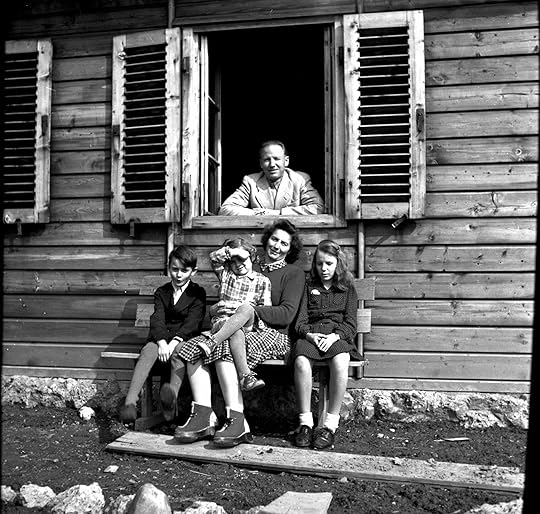
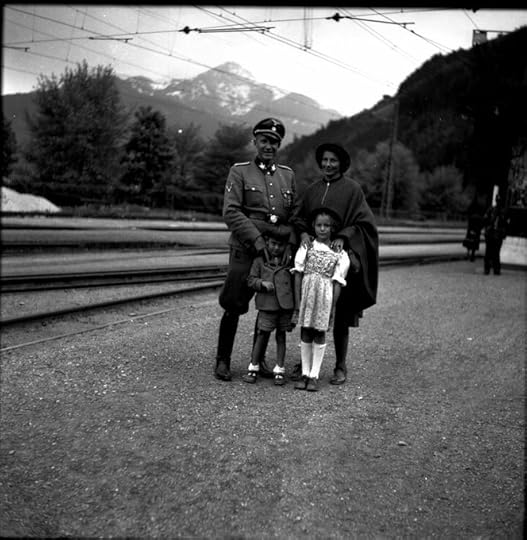
"THE RATLINE" also contains photos of the von Wächter family in addition to photos of Europe, von Wächter's associates, and various personalities who figured both directly and indirectly in von Wächter's life and times. These photos, along with "a remarkable archive of family letters and diaries", gives this book the feel of both a historical account and a compelling detective novel.
I started Sands's previous book, but never got very far. I was bothered both by the unnecessary detail, and by Sands inserting himself into every page. Unfortunately, this book has the same flaws. Do we really need to know the street address of every building that any character has lived or worked in? And do we need to know Sands's account of every interview or archival dive he makes?
> I thought of Laurence Olivier removing teeth in the torture scene in the film Marathon Man. Later I realized I'd conflated it with a different film, The Boys from Brazil.
> I did not mention this when he met me at the airport, or over a lunch of spicy tacos. Nor did I mention it as we drank coffee in the branch of the Twisters restaurant that was used as the set of Los Pollos Hermanos, from Breaking Bad, one of my favorite television series.
Really? These details are bizarre. The underlying story itself is also underwhelming, in my opinion, not even worth a podcast (which Sands also made). I'm obviously missing something.
نقطهی تمرکز این مستند تاریخی فوقالعاده، روی خانوادهای مردی اتریشی است به اسم اوتو وکتر، وکیل و فرماندار نازی منطقه گالیسیا (در اوکراین امروز) که بعد از پایان جنگ جهانی دوم موفق میشود از چنگ همه ـ شوروی، آمریکا، انگلیس و یهودیان ـ بگریزد و البته عاقبت عجیبی هم پیدا میکند. نویسندهی کتاب، فیلیپ سندز است که یک حقوقدان بینالمللی سرشناس به حساب میآید و کتابهای مهمش هم به فارسی ترجمه شدهاند. اما آن نقطهی اتصال «شخصی» نوبسنده با موضوع، همان چیزی که توانسته طرح کلّی کتاب را از یک تاریخنگاری عادی و کسالتبار به چنین تحقیق پرشور و کمنظیری تبدیل کند، این است که تقریبا کل اعضای خانوادهی پدربزرگ سندز، که یهودی و ساکن لووف (یا لمبرگ) بودند، در واقع بهدست نیروهای تحت امر اوتو وکتر و در زمان فرمانداری او در گالیسیا کشته شدند. جالبتر آنکه سندز در مسیر تحقیق روی این کتاب، به دو پسر برمیخورد که هریک با میراث پدر نازی خود به شکل متفاوتی روبهرو شدهاند. یکی هورست وکتر است، پسر اوتو وکتر، که اذعان دارد رژیم نازی جنایاتی کرده اما هر مدرکی جلویش میگذارند باز حاضر نیست بپذیرد که پدرش هم در آن جنایات نقشی داشته. و دیگری نیکلاس فرانک است، پسر هانس فرانکِ مشهور، که سالهاست با چهرهی واقعی پدرش روبرو شده و او را یک جنایتکار جنگی تمامعیار میداند. رتلاین فقط یک مستند تاریخی نیست چون در دلش چندین قصهی خواندنی دیگر هم روایت میشود، از عشقی دیرپا و خستگیناپذیر گرفته تا اوجگیری و سقوط «رایش هزارساله»، تعقیب و گریزهای جاسوسی، لذت و شگفتی کشف گذشته و گذشتگان، و گاه، دشواری مواجهه با آن. فیلیپ سندز درخصوص موضوع این کتاب یک پادکست ساخته (به همین نام رتلاین) و مستندی به نام My Nazi Legacy، به همراهی هورست وکتر و نیکلاس فرانک. شنیدنی و دیدنیاند. ء
Not too long ago I read a book (The SS Officer's Armchair) the well-meaning author of which spent a great deal of prose trying to prove that his subject, an SS lawyer in Prague, was a major war criminal. He may indeed have been - he was in the right place at the right time - but that's all the author had. Philippe Sands, on the other hand, stumbled onto the real thing.
Otto von Wachter was a major war criminal: founder of the Lviv ghetto and mass murderer. His best friends in the SS included Ernst Kaltenbrunner and Arthur Seyss-Inquart - both hanged at Nuremberg - and Odilo "Globus" Globocnik, who committed suicide to avoid the noose he'd earned, while he was acquainted with Himmler, Walter Rauff, and Adolf Eichmann. He was a foul, evil man who was a long-time Nazi and had been closely involved in the murder of Austrian Chancellor Dollfuss. Sands' connection to Wachter was a sad but predictable one - his grandparents were among the hundred thousand or so Jews who Wachter shipped to the Operation Reinhardt death camps, about which he'd written a book (East West Street). In the course of his research Sands met Niklas Frank, the son of Hans Frank, and it was through Niklas that he met Otto von Wachter's elderly son, Horst.
One can only feel sorry for Horst, because much of the book set in the present involves his frantic, desperate, even pathetic attempts to avoid realizing the truth about his father. What's ironic is that he barely knew his father, being the last child of the difficult marriage of Otto von Wachter and his wife Charlotte, but growing up with his mother's idolization of her dead husband seems to have left all the Wachter children, but in particular Horst, with the belief that their antisemitic murderer of a father is misunderstood.
The book has two threads, which Sands handles ably: the story of Otto von Wachter and his wife, ending with Otto's escape via the famous Ratline to Italy and death from illness there, and the story of his own research and dealings with Horst.
It's a fascinating story rich with detail. American recruiting of Nazi war criminals as "intelligence sources," the disgusting Vatican traffic in Nazi murderers, the milieu of pre-war Vienna and the ins and outs of being an Austrian Nazi all come in for detailed treatment. The book is enlivened by unexpected guest appearances - Sands' next door neighbor gives him advice about the the spy business (this of course is David "John le Carre" Cornwell); Dame Sue Black advises on exhumations.
I can hardly touch on how good a book this is, but anyone interested in any of the subjects it covers should check it out.
Building on the story of a character, Otto Wachter, identified in Sands’ first book East West Street, this is a detailed study of a senior Nazi, how he escaped justice and the complex relationship between children of Nazi war criminals and their parents.
There are some harrowing insights into the normalisation of crimes against humanity into society. It makes for uncomfortable reading on the justifications by the protagonist’s wife. That perhaps the most difficult is the denial of the son, Horst, that his father was a criminal, as well as the strong Nazi leanings of many involved in the story. This is in sharp contrast to the views of Hans Frank’s son, who also features here.
An amazing story, that shines a light on how wider society enabled the escape of war criminals, and their contemporary legacy.
Truly fantastic. A gripping story of a nazi on the run and his prior rise to power. While Otter Wächter’s life is enthralling itself, it’s the interpersonal relationships and the long lasting effects that his actions had on family members that never knew him (particularly a devoted son) which make this book as brilliant as it is.
Love a good history book, looking forward to reading “East West Street”.
Отож винесений у заголовок щурячий шлях - це шлях втечі з Риму до Латинської Америки чи Африки, відкритий для колишніх нацистів і на який дуже хоче вийти головний герой. Він - Отто Вехтер, губернатор Галичини, більш знаний як М'ясник Львова через висунені проти нього після ІІ Світової війни звинувачення у масовому вбивсті 100 тисяч євреїв (за іншими джерелами 500 тисяч). Книга написана завдяки величезному приватному архіву дружини М'ясника, переданому Філіппу Сендсу 80-річним Отто Молодшим. І саме з цим Отто упродовж 300 сторінок ведеться дуже витриманий діалог-дискусія, одна сторона якого переконана, що батько ні в чому не винен, інша прагне довести протилежне. Спроби переконати єдиного з 6 дітей і 15 онуків Вехтера, що готовий публічно обговорювати з дослідником сімейну історію, проведуть Сендса через цілу Європу, від Львова до Риму і зокрема під браму Ватикану. Він назбирає купу нових фактів про переховування М'ясника після поразки Німеччини, про мережу його контактів. Усі ці нові факти приведуть до, без перебільшення, відкриття цілої мережі шпигунів на теренах пост-воєнної Європи. При цьому все, що на позір виглядає просто, виявляється значно складнішим.
Так, щурячий шлях існує - але він не настільки секретний і крамольний, як видається. Допомога пронацистських кіл Ватикану у втечі колишнім нацистам - лише офіційна версія справи, обманка для загалу. Насправді до 1949 року вже ніхто не зацікавлений у відшукуванні і вбивстві нацистських злочинців. Нова геополітична стратегія колишніх союзників, а тепер найзапекліших суперників у Холодній війні інша. Тепер кожна сторона намагається завербувати фахових нацистських офіцерів і змусити працювати на себе. Отож щурячий шлях не є ні для кого таємницею, він курується американцями і дає другий шанс колишнім організаторам і очільникам таборів смерті, масовим вбивцям тощо. Серед тих, кого 'прощають' таким чином американці і вивозять до Америки, зокрема доктор Менгеле, який проводив досліди на близнюках в Освенцімі. Розробники зброї масового вбивства, носії корисної у війні з радянцями інформації - їх усіх прагнуть взяти під своє крило обидві сторони. Радянська розвідка, так виглядає, спромоглася завербувати не менше нацистів. А найбільшим щасливчикам вдається стати навіть подвійними агентами і 'годувати' американців 'секретною інформацією', яка насправді є радянськими вигадками, і навпаки.
У цих обставинах, перебуваючи в розшуку за масові вбивства, переховуючись упродовж трьох років в Альпах і діставшись нарешті з фейковими документами до Риму - Отто Вехтер отримує подібну пропозицію від своїх колишніх 'колег', а тепер секретних агентів американських спецслужб.
Якщо видається, що тут містяться спойлери, - то дарма. Адже це тільки дрібна частина того обширу подій, що описані в книзі. Серед іншого, тут йдеться і про краківський і, згодом, львівський періоди життя подружжя Отто і Шарлотти Вехтерів. Про те, як пані Вехтер обирала наповнення інтер'єру свого краківського маєтку у... фондах тамтешнього музею у форматі 'ці ренесансні меблі мені запакуйте, і цей бароковий диванчик з комодом, й оця картина Пітера Брейгеля непогано виглядатиме в моїй вітальні'. Багато з цих артефактів досі перебувають у власності родини, хоча Отто молодший і намагається повернути все колишнім власникам, тобто їхнім нащадкам.
Загалом цей дідусь найпозитивніший персонаж у книзі, який щиро прагне дізнатися правду про батька, але водночас усіма силами намагається відмежувати його від злочинів нацистського режиму. Не менш емоційно заангажованим є Філіпп Сендс, який у "Східно-Західній вулиці' вже розповів історію своєї родини, винищеної у Львові і Жовкві. Через цю особисту причетність автора до описаних також і в 'Щурячому шляху' подій та постатей мені часом тяжко вірити в його об'єктивність. А коли йдеться про Львів - йому бракує розуміння нашої історії. Принаймні, я залишаю за собою права також емоційно реагувати на його згадки про 'сльози зворушення' в очах Андрея Шептицького при зустрічі з М'ясником. Справді, це в той час, коли митрополит переховував численних євреїв у митрополичих палатах від знищення цим самим М'ясником?(( За такі бздури знімаю одну зірочку і хоч так з Сендсом поквитаюся. Хоча книга таки справді неперевершена, читається на одному подиху, спонукає пошукати більше про нацистів 'під прикриттям', шпигунський Рим, мисливців за нацистськими головами, роль Ватикану у всій цій геополітичній павутині. Аж не віриться, що розвідка про реальні події може настільки unputdownable. Щиро раджу!
This entire review has been hidden because of spoilers.
A history book that turned into a murder mystery that ended in a cathartic experience for the person you never saw coming. Honestly this could have been a work of fiction so much was discussed and expored.
This book centres around the life of Otto Watcher, the one time governer of Krakow and his son determined to vindicate said father. Sounds like a stretch right for the man who signed off on the creation of the ghetto and execution of thousands of jews? Well you've not seen the Olympic level style of gymnastics his devoted son can do.
The focus of this book however is not the history of the time, but the history of husband and wife who moved through his society via Otto's job and their reconciliation with the end of Nazi rule alongside the impact one family has had on history.
Overall this was an incredibly interesting read and it took turns i wasn't expecting. Nor was I expecting the alarming naivety of the son as was detailed. But some look back with rose tinted glasses.