

What do you think?
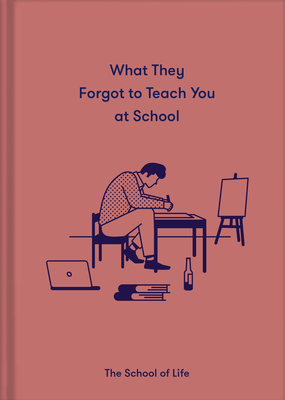
What They Forgot To Teach You At School: Essential emotional lessons needed to thrive
A collection of the essential emotional lessons we need in order to thrive.
We probably went to school for what felt like a very long time. We probably took care with our homework. Along the way we surely learnt intriguing things about equations, the erosion of glaciers, the history of the Founding Fathers, and the tenses of foreign languages.
But why, despite all the lessons we sat through, were we never taught the really important things that dominate and trouble our who to start a relationship with, how to trust people, how to understand one’s psyche, how to move on from sorrow or betrayal, and how to cope with anxiety and shame?
The School of Life is an organization dedicated to teaching a range of emotional lessons that we need in order to lead fulfilled and happy lives – and that schools routinely forget to teach us. This book is a collection of our most essential lessons, delivered with directness and humanity, covering topics from love to career, childhood trauma to loneliness.
To read this book is to be invited to lead kinder, richer, and more authentic lives – and to complete an education we began but still badly need to finish. This is homework to help us make the most of the rest of our lives.
We probably went to school for what felt like a very long time. We probably took care with our homework. Along the way we surely learnt intriguing things about equations, the erosion of glaciers, the history of the Founding Fathers, and the tenses of foreign languages.
But why, despite all the lessons we sat through, were we never taught the really important things that dominate and trouble our who to start a relationship with, how to trust people, how to understand one’s psyche, how to move on from sorrow or betrayal, and how to cope with anxiety and shame?
The School of Life is an organization dedicated to teaching a range of emotional lessons that we need in order to lead fulfilled and happy lives – and that schools routinely forget to teach us. This book is a collection of our most essential lessons, delivered with directness and humanity, covering topics from love to career, childhood trauma to loneliness.
To read this book is to be invited to lead kinder, richer, and more authentic lives – and to complete an education we began but still badly need to finish. This is homework to help us make the most of the rest of our lives.
138 pages, Hardcover
First published January 1, 2021
About the author
The School of Life
175 books3,289 followersThe School of Life is a global organisation helping people lead more fulfilled lives.
We believe that the journey to finding fulfilment begins with self-knowledge. It is only when we have a sense of who we really are that we can make reliable decisions, particularly around love and work.
Sadly, tools and techniques for developing self-knowledge and finding fulfilment are hard to find – they’re not taught in schools, in universities, or in workplaces. Too many of us go through life without ever really understanding what’s going on in the recesses of our minds.
That’s why we created The School of Life; a resource for helping us understand ourselves, for improving our relationships, our careers and our social lives - as well as for helping us find calm and get more out of our leisure hours. We do this through films, workshops, books and gifts - as well as through a warm and supportive community.
We believe that the journey to finding fulfilment begins with self-knowledge. It is only when we have a sense of who we really are that we can make reliable decisions, particularly around love and work.
Sadly, tools and techniques for developing self-knowledge and finding fulfilment are hard to find – they’re not taught in schools, in universities, or in workplaces. Too many of us go through life without ever really understanding what’s going on in the recesses of our minds.
That’s why we created The School of Life; a resource for helping us understand ourselves, for improving our relationships, our careers and our social lives - as well as for helping us find calm and get more out of our leisure hours. We do this through films, workshops, books and gifts - as well as through a warm and supportive community.
Ratings & Reviews
Friends & Following
Create a free account to discover what your friends think of this book!
Community Reviews
Displaying 1 - 30 of 167 reviews

September 21, 2025
عنوانش خیلی جذاب بود و من هم به مناسبت شروع مدرسه رفتم سراغش.
یک بخشهایی از کتاب رو خیلی قبول داشتم ولی خیلی بخشهاش برای من حس روانشناسی زرد میداد.
ای کاش که کتابهای مدارس و سرفصلهاشون کارشناسیشده انتخاب بشه.
خیلی تلاش میکنم لابهلای ریاضی و علوم دو تا درس زندگی هم بگنجونم اما توی کلاسهای ۳۰ نفره واقعا سخته.
یک بخشهایی از کتاب رو خیلی قبول داشتم ولی خیلی بخشهاش برای من حس روانشناسی زرد میداد.
ای کاش که کتابهای مدارس و سرفصلهاشون کارشناسیشده انتخاب بشه.
خیلی تلاش میکنم لابهلای ریاضی و علوم دو تا درس زندگی هم بگنجونم اما توی کلاسهای ۳۰ نفره واقعا سخته.

September 10, 2026
۱۵. ۱۶. نمیدونم چرا دوتا کتاب شد توی چکیدا اما به نظر دو چکیده متفاوت رو خوندم ازش!!
«تقریبا هیچ آدمی از نظر روحی، دوران کودکی سالمی رو نگذرونده»
نمیدونم آلن جون! شاید داری از روی آمار میگی این ادعا رو و من خبر ندارم؛ ولی بذار نپذیرمش! کلمه «هیچ» خیلی حدیه و سخته پذیرفتش؛ حتی با اضافه کردن «تقریبا»!
-
از کتاب:
برای انجام خواستهها نیازی به اجازه نیست!
بی تفاوتی و نادونی دیگران رو بپذیر
دوران کودکی رو بپذیر و خودت رو دوست داشته باش
... این چکیده اول کلیشه شد...
-
عوامل مرتبط برای شناخت زخمهای عاطفی در کودکی:
۱. دوستداشتن خود
۲. رک بودن با خود
۳. ارتباط با دیگران برای بیان کردن دردها به جای قورت دادن
۴. اعتماد
-
پند و اندرزهای دو باتن:
۱. روان درمانی و مراقبه
۲. مهر و محبت و بخشندگی با مردم
۳. گرمی و رعایت ادب
۴. عشق رمانتیک اوفه و همه جا در حال تبلیغه
۵. اقتصاد مصرفگرایانه و نظام سرمایهداری هست! همینکه هست! و هیچ شکری نمیتونی بابتش بخوری، فقط باید نمک بخوری!
۶. هنر و طبیعت آرامش بخشند (به این شکل که تو اپسیلونی از این عالم نیستی، مشکلاتت هم به درد خالهات میخوره! خیلی ممنونم آلن جون :دی)
-
دو ستاره چون انتظارات از آلن جون بیشتر بود.
خودم سعی میکنم که آداب معاشرت رو اگر وقت اضافه داشتم یاد بدم :دی
---
از مجموعه چکیده خوانیهابم در #چکیدا.
پینوشت: عدم وجود زمان کافی در حال حاضر برای خواندن کامل کتابهایی که به خودیاری میل میکنند! محتوای زرد هم همیشه در کمین است!
«تقریبا هیچ آدمی از نظر روحی، دوران کودکی سالمی رو نگذرونده»
نمیدونم آلن جون! شاید داری از روی آمار میگی این ادعا رو و من خبر ندارم؛ ولی بذار نپذیرمش! کلمه «هیچ» خیلی حدیه و سخته پذیرفتش؛ حتی با اضافه کردن «تقریبا»!
-
از کتاب:
برای انجام خواستهها نیازی به اجازه نیست!
بی تفاوتی و نادونی دیگران رو بپذیر
دوران کودکی رو بپذیر و خودت رو دوست داشته باش
... این چکیده اول کلیشه شد...
-
عوامل مرتبط برای شناخت زخمهای عاطفی در کودکی:
۱. دوستداشتن خود
۲. رک بودن با خود
۳. ارتباط با دیگران برای بیان کردن دردها به جای قورت دادن
۴. اعتماد
-
پند و اندرزهای دو باتن:
۱. روان درمانی و مراقبه
۲. مهر و محبت و بخشندگی با مردم
۳. گرمی و رعایت ادب
۴. عشق رمانتیک اوفه و همه جا در حال تبلیغه
۵. اقتصاد مصرفگرایانه و نظام سرمایهداری هست! همینکه هست! و هیچ شکری نمیتونی بابتش بخوری، فقط باید نمک بخوری!
۶. هنر و طبیعت آرامش بخشند (به این شکل که تو اپسیلونی از این عالم نیستی، مشکلاتت هم به درد خالهات میخوره! خیلی ممنونم آلن جون :دی)
-
دو ستاره چون انتظارات از آلن جون بیشتر بود.
خودم سعی میکنم که آداب معاشرت رو اگر وقت اضافه داشتم یاد بدم :دی
---
از مجموعه چکیده خوانیهابم در #چکیدا.
پینوشت: عدم وجود زمان کافی در حال حاضر برای خواندن کامل کتابهایی که به خودیاری میل میکنند! محتوای زرد هم همیشه در کمین است!

March 9, 2021
I completely agree with the author on the importance of learning emotional alongside technical skills. This past year has highlighted for me my own setbacks in this field when encountering obstacles, and I look forward to continuing to grow and improve. Some sections that stand out to me after finishing this are:
-Specific traits that we learned as children - patience, stifling impulses, and looking for approval, should all be re-examined as adults. The older we get, our wants mostly become less foolish and more sensible, but we are still stuck in the same childhood mindsets.
-How to manage changes in mood more effectively. Specifically, differentiating moods that are tied to past memories and experiences from the present, recognizing but not giving way to the negativity, and honoring the body and respecting bodily factors that our lives might be dependent on (for me, sleep zzzzz).
-The argument for being more selfish. I am guilty of filling days with obligations to things that drain me, and often struggle to have time to indulge in anything vital to my spirit.
-The value of being aware. "We don't need to add years; we need to densify the time we have left by ensuring that every day is lived consciously.”
Most of the ideas in this book felt familiar to other self-help books (self-compassion, being kind, apologizing and forgiving, etc.) A lot of it seems like common sense, but can be tough to implement, and is always a good reminder to hear. But nothing quite as groundbreaking or inspiring as I was hoping for.
-Specific traits that we learned as children - patience, stifling impulses, and looking for approval, should all be re-examined as adults. The older we get, our wants mostly become less foolish and more sensible, but we are still stuck in the same childhood mindsets.
-How to manage changes in mood more effectively. Specifically, differentiating moods that are tied to past memories and experiences from the present, recognizing but not giving way to the negativity, and honoring the body and respecting bodily factors that our lives might be dependent on (for me, sleep zzzzz).
-The argument for being more selfish. I am guilty of filling days with obligations to things that drain me, and often struggle to have time to indulge in anything vital to my spirit.
-The value of being aware. "We don't need to add years; we need to densify the time we have left by ensuring that every day is lived consciously.”
Most of the ideas in this book felt familiar to other self-help books (self-compassion, being kind, apologizing and forgiving, etc.) A lot of it seems like common sense, but can be tough to implement, and is always a good reminder to hear. But nothing quite as groundbreaking or inspiring as I was hoping for.

April 22, 2021
I love the School of Life books, and this one is similarly excellent. It’s as if someone crawled into my interior emotional spaces and described it better than I ever could, and added some lighting to brighten up the place.
I will have to remember the pilot light idea, of making sure we keep at least a small light on within that reminds us of our sanity and self-kindness when we’re tumbling through a variety of emotional messes. Quite interesting to learn that Goethe took a government job to work on his personality, what an interesting curiosity.
I love it how he discusses how art can densify time, in how it has you notice what you’ve only previously just seen.
So many excellent turns of phrase worth quoting in this one, but I’ll leave you with this short one:
“...there might still be a way to live light-heartedly amidst catastrophe.”
I will have to remember the pilot light idea, of making sure we keep at least a small light on within that reminds us of our sanity and self-kindness when we’re tumbling through a variety of emotional messes. Quite interesting to learn that Goethe took a government job to work on his personality, what an interesting curiosity.
I love it how he discusses how art can densify time, in how it has you notice what you’ve only previously just seen.
So many excellent turns of phrase worth quoting in this one, but I’ll leave you with this short one:
“...there might still be a way to live light-heartedly amidst catastrophe.”
March 19, 2023
احساس امنیت و خوشحالی در زندگی مفهومی موقت و ناپایدار است. ولع و اشتیاق انسان نیروی بسیار قدرتمندیست. بزرگترین آگاهیای که در زندگی میتوانیم به آن دست پیدا کنیم این است که بدانیم هیچوقت امنیت و شادی به صورت کامل و پایدار رخ نخواهد داد و به جای آن بهتر است از امنیت و خوشحالی ناپایداری که در مسیر زندگی نصیبمان میشود، لذت ببریم. (حتی در ایران آقای دوباتن؟ :) )
بهرحال، خوندن این کتاب ارزششو داره و بر دردهای مهمی مرهمه و سرنخهای خوبی برای درمانشون میده.
بهرحال، خوندن این کتاب ارزششو داره و بر دردهای مهمی مرهمه و سرنخهای خوبی برای درمانشون میده.

June 5, 2022
One of the best self-development books I’ve read so far. Totally eye-opening and inspiring, The School of Life has never been a disappointment in each of its published book. Our educational system has taught us every subject of knowledge that we could find but one; our own life. Thus, this book summarized about what lessons that were essentials for us, yet missed to be learned.
This book taught me about what I could say as “The Theory of Life” with each of its harsh and ugly truths. Dark yet exciting, beautifully written and short-chaptered, this book will liberate us from being “school-minded” to have a “free-minded”. We are meant to be free, to love ourselves more, to once in a while be selfish, or to accept that sometimes life sucks and that’s okay.
Read this book at least once in your lifetime and see how it liberates your mind as this book will set it free.
Read this if: you’re trying to navigate your life through adulthood, you love The School of Life, and you hate self-development books which are full of ‘sugarcoating’ quotes.
⭐️5.0/5.0
This book taught me about what I could say as “The Theory of Life” with each of its harsh and ugly truths. Dark yet exciting, beautifully written and short-chaptered, this book will liberate us from being “school-minded” to have a “free-minded”. We are meant to be free, to love ourselves more, to once in a while be selfish, or to accept that sometimes life sucks and that’s okay.
Read this book at least once in your lifetime and see how it liberates your mind as this book will set it free.
Read this if: you’re trying to navigate your life through adulthood, you love The School of Life, and you hate self-development books which are full of ‘sugarcoating’ quotes.
⭐️5.0/5.0

August 20, 2023
levenslessen
echte levenslessen
heel boeiend boek met een hoop in your face statements
aanrader voor iedereen die af en toe niet goed meer weet wat en hoe in het volwassen leven
het kan je helpen om soms eens anders te kijken naar wat je tegenhoudt, waar je tegenaan botst
Niet alle standpunten zijn om mee 'akkoord' te gaan, integendeel, het boek zet net aan tot kritisch nadenken over en het feit dat je de mogelijkheid hebt om te kiezen of anders te handelen
boeiend is ook de creatieve aanpak van de tegenstellingen, worstel je met gehoorzamen, dan vind je advies
Ga je daarentegen vlot tegen alles in, ook daar vind je advies of interessante stellingnames rond
Het boek zelf is een soort van 'middel' om weer tot een 'goed, waardevol' leven te komen
of je tenminste aan te zetten tot nadenken over je huidige leven
https://lievegem.bibliotheek.be/en/ca...
echte levenslessen
heel boeiend boek met een hoop in your face statements
aanrader voor iedereen die af en toe niet goed meer weet wat en hoe in het volwassen leven
het kan je helpen om soms eens anders te kijken naar wat je tegenhoudt, waar je tegenaan botst
Niet alle standpunten zijn om mee 'akkoord' te gaan, integendeel, het boek zet net aan tot kritisch nadenken over en het feit dat je de mogelijkheid hebt om te kiezen of anders te handelen
boeiend is ook de creatieve aanpak van de tegenstellingen, worstel je met gehoorzamen, dan vind je advies
Ga je daarentegen vlot tegen alles in, ook daar vind je advies of interessante stellingnames rond
Het boek zelf is een soort van 'middel' om weer tot een 'goed, waardevol' leven te komen
of je tenminste aan te zetten tot nadenken over je huidige leven
https://lievegem.bibliotheek.be/en/ca...

January 14, 2023
It’s a fine book and has many good points. I enjoyed the first half of this book very much but strangely as it went on I didn’t find the chapters as useful and it got a little repetitive.

December 1, 2024
" The tragic view is obvious. Being miserable is the default. Everything makes very little sense. Now let's surprise ourselves with a little irresponsible laughter, the kind it can take a lifetime of sorrow to perfect."

October 29, 2022
Even though I finished the book, it's a book I hope not go to stop reading. It's a book about lessons on adulting. Lessons about situations everyone in their adult life has to go through but that anyone rarely talks about, specially during our adolescence, when we are practically oblivious to what is yet to come.

April 17, 2022
The title of this book screams a huge F.U. to our education system, and so I read it. Turned out it was half that–in a subtle way–and more about life in general.

September 13, 2024
انرژی و هزینهای که امروزه به رشد و پرورش ذهن نسل بعدی انسان اختصاص داده میشود در تاریخ بشریت بیسابقه است. در تمام کشورهای پیشرفته روال به این شکل شده است که یک فرد تا اوایل دهه سوم زندگی، کاری بهجز درس خواندن و مطالعه ندارد: بیشتر خانوادهها انجام تکالیف مدرسه را از هر کاری ضروریتر میدانند، ارتشی از معلمان و مربیان آماده هستند تا به سوالات ریاضی و علوم پاسخ دهند و سیاستمداران همواره طرحهای جدید برای آموزش و پرورش پیشنهاد میدهند. اما واقعیت این است که مدرسه، بسیاری از افراد جامعه را ناامید میکند. موضوعات فراوانی وجود دارد که هیچکس در مدرسه راجع به آنها حرف نمیزند و کتاب آنچه در مدرسه یاد نگرفتهاید (What they forgot to teach you at school) دقیقا برای بیان حرفهای ناگفته تالیف شده است.
March 10, 2021
Hmmm... A little education is definitely a dangerous thing, and especially in this instance, for I asked for a review copy of this not fully aware of what kind of book it'd be. I thought it might be a gift book of things we need to know but have to rely on an older sibling to ask – the one-handed bra removal for the lads, the change-into-a-one-piece-swimsuit-while-remaining-fully-clothed for the gals. Nor is this the read that tells a young person what they'll become, concerning subjects off-curriculum, for example that yes you do eventually 'get' the taste of wine and olives, etc, but not until your thirties, if then.
No, what we have here is a philosophical self-help kind of tract, written in response to what school does to you. So some of us may be on an enclosed, unwanted path of life because school brought that on; chapter two looks at how the seize-the-day ethos may have been lost while under education's wing; our alma maters are not all that great, and certainly not definitively greater than us, and need their ivory towers being taken down a level or two.
The whole book, whether looking at the adult world of work, dating, dating at work, anything, is kind of reductive, declaring that we never change once we leave the cot – that our problems with dating, self-worth, the values we give to other people and their level of interest in us, are all primal, and therefore things we should have been trained against some time between lunch and double PE. It didn't strongly convince, and added to the fact I didn't find it completely clever or helpful to get everything connected to a lesson left off the timetable, I found the book a touch poorly written at times. Chapter three, where we are told we ought to quit worrying about how we're perceived, because we so seldom are, is full of so many trite examples there's no benefit to be had, and the lesson is still almost missing.
All told I think I'll stick to the concept of a broad, proper education added to some encouragement towards common sense, than these uncredited, low-in-authority pages. One and a half stars; see me after school.
No, what we have here is a philosophical self-help kind of tract, written in response to what school does to you. So some of us may be on an enclosed, unwanted path of life because school brought that on; chapter two looks at how the seize-the-day ethos may have been lost while under education's wing; our alma maters are not all that great, and certainly not definitively greater than us, and need their ivory towers being taken down a level or two.
The whole book, whether looking at the adult world of work, dating, dating at work, anything, is kind of reductive, declaring that we never change once we leave the cot – that our problems with dating, self-worth, the values we give to other people and their level of interest in us, are all primal, and therefore things we should have been trained against some time between lunch and double PE. It didn't strongly convince, and added to the fact I didn't find it completely clever or helpful to get everything connected to a lesson left off the timetable, I found the book a touch poorly written at times. Chapter three, where we are told we ought to quit worrying about how we're perceived, because we so seldom are, is full of so many trite examples there's no benefit to be had, and the lesson is still almost missing.
All told I think I'll stick to the concept of a broad, proper education added to some encouragement towards common sense, than these uncredited, low-in-authority pages. One and a half stars; see me after school.

February 19, 2024
ما احتمالا برای مدتی که خیلی هم به نظرمان طولانی می آمده به مدرسه رفته ایم. احتمالا برای مدتی طولانی درگیر تکالیف مان بوده ایم و البته در این مسیر چیزهای زیادی هم آموخته ایم، از معادلات ریاضی تا حرکت گازها، از تاریخ روزگاران گذشته تا زمان فعل ها در زبان های بیگانه!
چرا با وجود تحمل کردن و از سر گذراندن تمام این درس ها، هرگز چیزهای مهم و واقعی را که بر زندگی بزرگسالی ما تسلط دارند و برایمان مشکل ساز می شوند یاد نگرفتیم؟ این که چگونه یک ارتباط را آغاز کنیم؛ چگونه به مردم اعتماد کنیم؛ چگونه روان یک فرد را بشناسیم؛ چگونه از اندوه یا خیانت عبور کنیم و چگونه با شرم و اضطراب کنار بیاییم.
خواندن این کتاب تکمیل آموزشی است که در مدرسه شروع کردیم اما به شدت نیاز داریم که آن را به پایان برسانیم.
برگرفته از متن کتاب:
"حداقل نیمی از ما در پیش زمینه ای دارای سواد عاطفی پرورش داده نشده ایم شاید ما هرگز نشنیده باشیم که افراد بالغ اطرافمان از نظر عاطفی با یک گویش بالغانه صحبت کنند بنابراین ممکن است با وجود این سن نیاز داشته باشیم که به مدرسه برگردیم و پنج تا ده هزار ساعت را با صبر و اعتماد فراوان صرف یادگیری قواعد زیبا و پیچیده ی زبان عاطفی بزرگسالی کنیم"
چرا با وجود تحمل کردن و از سر گذراندن تمام این درس ها، هرگز چیزهای مهم و واقعی را که بر زندگی بزرگسالی ما تسلط دارند و برایمان مشکل ساز می شوند یاد نگرفتیم؟ این که چگونه یک ارتباط را آغاز کنیم؛ چگونه به مردم اعتماد کنیم؛ چگونه روان یک فرد را بشناسیم؛ چگونه از اندوه یا خیانت عبور کنیم و چگونه با شرم و اضطراب کنار بیاییم.
خواندن این کتاب تکمیل آموزشی است که در مدرسه شروع کردیم اما به شدت نیاز داریم که آن را به پایان برسانیم.
برگرفته از متن کتاب:
"حداقل نیمی از ما در پیش زمینه ای دارای سواد عاطفی پرورش داده نشده ایم شاید ما هرگز نشنیده باشیم که افراد بالغ اطرافمان از نظر عاطفی با یک گویش بالغانه صحبت کنند بنابراین ممکن است با وجود این سن نیاز داشته باشیم که به مدرسه برگردیم و پنج تا ده هزار ساعت را با صبر و اعتماد فراوان صرف یادگیری قواعد زیبا و پیچیده ی زبان عاطفی بزرگسالی کنیم"

January 5, 2024
بعضی از #کتابها رو وقتی میخونی با خودت میگی ای کاش وقتی ۱۸ سالم بود خونده بودم،این از اوناست.
البته خیلی عمقی وارد مسائل نمیشه فقط گذرا رد میشه واشاره میکنه
#آلن_دوباتن کلا از اوناییکه اسمش جایی باشه کفایت میکنه که توجه آدم جلب بشه.
البته خیلی عمقی وارد مسائل نمیشه فقط گذرا رد میشه واشاره میکنه
#آلن_دوباتن کلا از اوناییکه اسمش جایی باشه کفایت میکنه که توجه آدم جلب بشه.

October 23, 2024
نکات جالبن ولی به نظرم با اینکه کتاب کوتاهیه اگر خلاصش هم خونده بشه جالبه. یا حتی اصن در حد یه رشته توییت مطالب میتونن بیان بشن. بعضی نکات البته به نظرم فقط برای افراد داراست، مثل اگر پول نداری برو از عابر بانک بگیر.

January 7, 2023
اینقدر خوبه که ارزش چندبار خوندن داره و رفت توی لیست کتابهای بالینی

September 2, 2026
Confieso que al principio no lo quería leer porque parecía un libro de autoayuda, y no me gustan los libros de autoayuda. Pero una persona muy especial me dijo que era un libro muy lindo, y aunque no entendía cómo algo con ese título podía serlo, le di la oportunidad.
Para mi sorpresa, sí es un libro muy lindo, aunque no del modo en que suelo encontrar lindos los libros: no tiene historias tiernas ni una escritura poética. Tampoco tiene frases clichesudas ni fórmulas mágicas para "cambiarte la vida". Lo que sí tiene es un cuestionamiento profundo a cómo fuimos educados (y adoctrinados), y a por qué nos cuesta tanto salir de esas formas de actuar. Luego te da herramientas para entender que todo eso puede cambiar, que la manera en que te enseñaron a relacionarte con el mundo no tiene por qué ser tan rígida ni conveniente solo para algunos. Es un libro que te abre los ojos y te ayuda a despertar un poco, para empezar a actuar por ti, por tu felicidad y tu tranquilidad.
Voy a tener que releerlo para que estas lecciones se queden en mí.
Quedé con ganas de leer más de The School of Life.
Gracias persona especial por la recomendación
Para mi sorpresa, sí es un libro muy lindo, aunque no del modo en que suelo encontrar lindos los libros: no tiene historias tiernas ni una escritura poética. Tampoco tiene frases clichesudas ni fórmulas mágicas para "cambiarte la vida". Lo que sí tiene es un cuestionamiento profundo a cómo fuimos educados (y adoctrinados), y a por qué nos cuesta tanto salir de esas formas de actuar. Luego te da herramientas para entender que todo eso puede cambiar, que la manera en que te enseñaron a relacionarte con el mundo no tiene por qué ser tan rígida ni conveniente solo para algunos. Es un libro que te abre los ojos y te ayuda a despertar un poco, para empezar a actuar por ti, por tu felicidad y tu tranquilidad.
Voy a tener que releerlo para que estas lecciones se queden en mí.
Quedé con ganas de leer más de The School of Life.
Gracias persona especial por la recomendación
Read
November 18, 2024it‘s a really good book, beautifully written with simple but really helpful advice. However it took me quite long to get through and I find it difficult to remember and just adopt his advice into every day life which is frustrating (because what’s the point of reading the book then) but maybe that‘s just because self-help books aren‘t really for me.
It did feel like a hug though
It did feel like a hug though
February 13, 2023
Nog nooit zoveel met m'n hoofd geknikt. Aanrader.

December 26, 2024
Verteerbaar breinvoedsel 👍🏼
July 29, 2022
The book starts out challenging what an education is for, stating what we often think about is how to teach rather than what to teach. The ends to modern education seems to be a catch-up on the knowledge garnered from centuries, rather than a philosophical exploration of what makes a life worth living and how do live it out.
While I agree with some of the topics mentioned in the book that is lacking in our childhood education - emotional agility, building resilience relationships, being kind, being adaptable - I'm not so agreeable to the motivations the SoL seem to be promoting behind them. For instance, "no one cares" is a principle justified with the thought that we are consumed with our own self-consciousness and pride. In reality it says we are inept at truly understanding and "caring" about another, which I think undermines the fact that we do care fundamentally. Another one is to "Listen to the adult within" in chapter 11 despite acknowledging in chapter 4 that "no one knows", totally in opposition to the advice they're giving. A better way to put it - perhaps is to say no one really defines for one a "successful" or "good life", and life is an invitation for us to step up into the role of adulthood and take ownership of our choices.
I'd be careful to take all of their advice wholesale, after I found myself doubting following their logical reasoning.
While I agree with some of the topics mentioned in the book that is lacking in our childhood education - emotional agility, building resilience relationships, being kind, being adaptable - I'm not so agreeable to the motivations the SoL seem to be promoting behind them. For instance, "no one cares" is a principle justified with the thought that we are consumed with our own self-consciousness and pride. In reality it says we are inept at truly understanding and "caring" about another, which I think undermines the fact that we do care fundamentally. Another one is to "Listen to the adult within" in chapter 11 despite acknowledging in chapter 4 that "no one knows", totally in opposition to the advice they're giving. A better way to put it - perhaps is to say no one really defines for one a "successful" or "good life", and life is an invitation for us to step up into the role of adulthood and take ownership of our choices.
I'd be careful to take all of their advice wholesale, after I found myself doubting following their logical reasoning.
October 16, 2021
I think 1 star is being generous for this book. I feel so sorry for the author/s. It seems that they had a miserable childhood and the entire book is about 1) how awful it is to be a child, 2) the way children are brainwashed is what makes people unhappy, and 3) how to break out of this awful situation.
Since I don’t believe either the first or second points to be universally true, the third point is unneccesary.
There were a few good lines in the book, but there wasn’t enough to redeem it.
Since I don’t believe either the first or second points to be universally true, the third point is unneccesary.
There were a few good lines in the book, but there wasn’t enough to redeem it.

January 14, 2023
Beyond a couple decent quips at the end, I felt this book was nothing more than rants and blog-style listicles about how bad formal education is, that we all should get therapy due to our collective traumatic childhoods, and that if we just paid a little more attention to the small joys in life our stressful jobs and failed relationships wouldn't destroy our souls so much.
Most chapters start with depressing, shocking, or morbid ideas about the human condition, generally followed by hand wavey milquetoast advice on how to live better in adulthood.
Most chapters start with depressing, shocking, or morbid ideas about the human condition, generally followed by hand wavey milquetoast advice on how to live better in adulthood.

July 30, 2023
کتاب به مسائلی میپردازه که به نظر آلن دوباتن لازم تو مدرسه بهشون پرداخته بشه ولی خب حرفی ازشون زده نمیشه
در فصل اول خود مدرسه رو زیر سوال میبره و در فصلهای بعد به ۲۰ موضوع مختلف میپردازه
اگه سایر کتاب های آلن دوباتن رو خونده باشید متوجه همبستگی مطالب میشید
کتاب نیازی به تعریف بیشتری نداره، آلن دوباتن جوری مینویسه که انگار یه دوست کنارت نشسته و از همه دل مشغولی هات و گره های ذهنیت میدونه و باهات صحبت میکنه
(همه کتاب هاش رو بخونید)
در فصل اول خود مدرسه رو زیر سوال میبره و در فصلهای بعد به ۲۰ موضوع مختلف میپردازه
اگه سایر کتاب های آلن دوباتن رو خونده باشید متوجه همبستگی مطالب میشید
کتاب نیازی به تعریف بیشتری نداره، آلن دوباتن جوری مینویسه که انگار یه دوست کنارت نشسته و از همه دل مشغولی هات و گره های ذهنیت میدونه و باهات صحبت میکنه
(همه کتاب هاش رو بخونید)
August 11, 2023
I was shocked by the impact of thoughts and ideas that are not entirely new to me, but so well-articulated and expressed, they made me take another, more serious look at them. Reading this book made me feel a range of things, from validation to enlightenment, and I'll probably re-read it every now and then to re-establish some conclusions I've arrived at before or reach some new ones.
Loved this and will read more from The School of Life.
Loved this and will read more from The School of Life.

January 29, 2025
An easy read with surprising depth. The greatest value I found was in the sections on emotional intelligence (rupture vs repair; communication, trust, and vulnerability as the three virtues of emotional maturity). At times, it leans a bit too far into British pessimism for my taste, assuming that we are all deeply self-loathing and carrying over so much trauma from childhood. However, it’s still worth checking out.

Read
October 30, 2021This is hard for me to put an exact number of stars to this book. Some parts I liked, some - less. But I loved the essence and although little, still new angle added to look at things to. I certainly made mistake by reading half of the book at once. I feel it makes more sense to read it little by little in small bites. Will keep the book and I believe I'd love to reread some parts later.
December 5, 2024
خیلی مختصر و دقیقا نقطهای به مهارتهایی اشاره می کنه که برای یک زندگی خوب به اون نیاز داریم ولی باوجود همه آموزشهایی که میبینیم هیچوقت توی مدرسه به ما یاد نمیدن. خیلی عالی نوشته شده و خوندنش لذتبخشه.

September 30, 2023
They did forget to teach me this at school.
Displaying 1 - 30 of 167 reviews