

What do you think?

Rise of Emperors #3
Gods of Rome
For one to rule, the other must die.
312 AD is a year of horrific and brutal warfare. Constantine's northern army is a small force, plagued by religious rivalries, but seemingly unstoppable as they invade Maxentius' Italian heartlands. These relentless clashes, incidents of treachery and twists of fortune see Maxentius' armies driven back to Rome.
Constantine has his prize in sight, yet his army is diminished and on the verge of revolt. Maxentius meanwhile works to calm a restive and dissenting Roman populace. When the two forces clash in the Battle of the Milvian Bridge, there are factors at work beyond their control and soon they are left with carnage.
There is only one way Constantine and Maxentius' rivalry will end. With one on a bloodied sword and the other the sole ruler of Rome...
312 AD is a year of horrific and brutal warfare. Constantine's northern army is a small force, plagued by religious rivalries, but seemingly unstoppable as they invade Maxentius' Italian heartlands. These relentless clashes, incidents of treachery and twists of fortune see Maxentius' armies driven back to Rome.
Constantine has his prize in sight, yet his army is diminished and on the verge of revolt. Maxentius meanwhile works to calm a restive and dissenting Roman populace. When the two forces clash in the Battle of the Milvian Bridge, there are factors at work beyond their control and soon they are left with carnage.
There is only one way Constantine and Maxentius' rivalry will end. With one on a bloodied sword and the other the sole ruler of Rome...
319 pages, Kindle Edition
Published September 2, 2021
Ratings & Reviews
Friends & Following
Create a free account to discover what your friends think of this book!
Community Reviews
Displaying 1 - 30 of 34 reviews

September 19, 2021
Gods of Rome, Rise of Emperors by Simon Turney and Gordon Doherty describes the monumental clash between Emperors Constantine and Maxentius, the winner taking control of the Western Roman Empire and Italy. This story takes place during 312 CE.
I spend most of my time in antiquity mucking around with that crazy gang of Julio-Claudians, I now think I need to spend more time residing in the Tetrarchical madness of the late 3rd and early 4th Centuries CE.
Here we start with Constantine taking his armies from Britain and Gaul to invade Maxentius’ forces in Italy. Maxentius is a self-declared Emperor of Italy during the messy time of the post Diocletian Tetrarchy. Constantine’s forces are much smaller than Maxentius’ but far more loyal and battle hardened. He takes his legions through the Italian Alps and takes Turin, Milan, and the heavily fortified Verona. Maxentius’ forces are on the run and hightail back to Rome ready for a siege. In the meantime, Constantine takes forces through the Via Flaminia eventually leading to the Milvian Bridge (now destroyed) on the River Tiber. Maxentius inexplicably, leaves the safety of the walls of Rome to encounter Constantine in what is famously known as The Battle of the Milvian Bridge.
This terrific story is not only a wonderfully detailed recounting of the military action and descriptions of the people making up the forces of each faction. But more importantly, it is the story of two men and their own personal struggles as human beings – each with relatives, wives, children, colleagues, allies and enemies within. The authors really put you in the place of each man, there is no attempt to make either on a hero nor a villain – I certainly went some way to feeling how they must’ve felt. Even just a little bit.
We experience the tensions within their armies – particularly with the internal conflicts between those who have adopted the Christian Faith and those who follow the Pagan Gods of Traditional Rome. Each camp also has their fair share of treasonous members, some closer to home than one would think Volusianus and Fausta are classics in this regard.
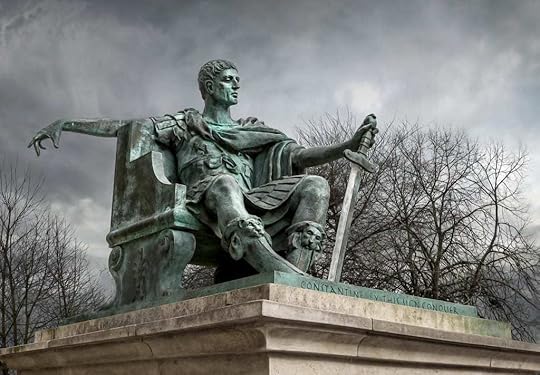
My favourite statue of Constantine the Great - wow
The action is brutal and realistic (lots of ‘puffs’ of red on impact), the fictional parts (where the authors need to fill-in due to a lack of historical evidence) are credible. In fact, the authors describe their reasoning behind some of the decisions they made in an excellent Epilogue. Turney used an Epilogue to do the same on the one other book I have read of his and it ties the story up very nicely.
Of course, the focus here is the gigantic presence of Constantine – just prior to his ascension to Constantine I or Constantine the Great. The man who really brought Christianity to the Western World. Yes, there’s great debate about how he came about being a Christian and when – but regardless, he was tolerant of the faith, tolerant of all faiths in fact – and allowed the Church to thrive. A true giant of history.
The Gods are on the side of the strongest
Tacitus
To make this a totally immersive Romatherapy experience, I concurrently read the relevant sections of Gibbons’ volumes 1 and 2 and listened to the appropriate episodes of the Podcasts History of Rome and 12 Byzantine Rulers. I recommend both wherever you cast your pods. I’ve had an absolute ball.
For anyone interested in Historical Fiction of Ancient Rome, I can’t recommend these authors enough – they really do humanise the main characters and paint a vivid picture of the times.
5 Stars
Many, many thanks to NetGalley and the publishers for providing me with an advance copy of this book in exchange for my review
I spend most of my time in antiquity mucking around with that crazy gang of Julio-Claudians, I now think I need to spend more time residing in the Tetrarchical madness of the late 3rd and early 4th Centuries CE.
Here we start with Constantine taking his armies from Britain and Gaul to invade Maxentius’ forces in Italy. Maxentius is a self-declared Emperor of Italy during the messy time of the post Diocletian Tetrarchy. Constantine’s forces are much smaller than Maxentius’ but far more loyal and battle hardened. He takes his legions through the Italian Alps and takes Turin, Milan, and the heavily fortified Verona. Maxentius’ forces are on the run and hightail back to Rome ready for a siege. In the meantime, Constantine takes forces through the Via Flaminia eventually leading to the Milvian Bridge (now destroyed) on the River Tiber. Maxentius inexplicably, leaves the safety of the walls of Rome to encounter Constantine in what is famously known as The Battle of the Milvian Bridge.
This terrific story is not only a wonderfully detailed recounting of the military action and descriptions of the people making up the forces of each faction. But more importantly, it is the story of two men and their own personal struggles as human beings – each with relatives, wives, children, colleagues, allies and enemies within. The authors really put you in the place of each man, there is no attempt to make either on a hero nor a villain – I certainly went some way to feeling how they must’ve felt. Even just a little bit.
We experience the tensions within their armies – particularly with the internal conflicts between those who have adopted the Christian Faith and those who follow the Pagan Gods of Traditional Rome. Each camp also has their fair share of treasonous members, some closer to home than one would think Volusianus and Fausta are classics in this regard.
My favourite statue of Constantine the Great - wow
The action is brutal and realistic (lots of ‘puffs’ of red on impact), the fictional parts (where the authors need to fill-in due to a lack of historical evidence) are credible. In fact, the authors describe their reasoning behind some of the decisions they made in an excellent Epilogue. Turney used an Epilogue to do the same on the one other book I have read of his and it ties the story up very nicely.
Of course, the focus here is the gigantic presence of Constantine – just prior to his ascension to Constantine I or Constantine the Great. The man who really brought Christianity to the Western World. Yes, there’s great debate about how he came about being a Christian and when – but regardless, he was tolerant of the faith, tolerant of all faiths in fact – and allowed the Church to thrive. A true giant of history.
The Gods are on the side of the strongest
Tacitus
To make this a totally immersive Romatherapy experience, I concurrently read the relevant sections of Gibbons’ volumes 1 and 2 and listened to the appropriate episodes of the Podcasts History of Rome and 12 Byzantine Rulers. I recommend both wherever you cast your pods. I’ve had an absolute ball.
For anyone interested in Historical Fiction of Ancient Rome, I can’t recommend these authors enough – they really do humanise the main characters and paint a vivid picture of the times.
5 Stars
Many, many thanks to NetGalley and the publishers for providing me with an advance copy of this book in exchange for my review

August 17, 2021
Full review to come, hopefully, tomorrow. For now, this book is an amazing finale to an excellent series. Highly recommend!
**************
Now I've finally got time for a proper review! I received a free copy of this book from Netgalley and the publisher in exchange for an honest review - thank you so much!
Gods of Rome is book three in the series, and it culminates in the most glorious battle for Rome.
I've read and enjoyed the whole series now, which is no surprise as I'm a huge fan of historical fiction.
The strongest part of this enjoyable series for me has always been the two main characters, Constantine and Maxentius. Neither of them is portrayed as a typical hero or villain, but they are wonderfully flawed and so human. Both make good and bad decisions and have to go through difficult times. Their character development was a pleasure to read. Honestly, I wanted both of them to win because I liked them so much.
I#ve always been interested in history, so I knew the likely ending of the book before I started reading. But that is often the case in historical fiction, and for me, the journey is just as enjoyable as the conclusion. It's always interesting to see how authors solve problems and come up with their own take on the story. In this case, I had a rough idea of what would happen but didn't know too much about the time period. So I especially loved that I learned so much while reading an excellent book. You can really feel how well researched the series is and it transports you right back to ancient Rome.
The writing is excellent, and the two authors work perfectly together.
All in all, if you're interested in history and Rome, I highly recommend this series!
**************
Now I've finally got time for a proper review! I received a free copy of this book from Netgalley and the publisher in exchange for an honest review - thank you so much!
Gods of Rome is book three in the series, and it culminates in the most glorious battle for Rome.
I've read and enjoyed the whole series now, which is no surprise as I'm a huge fan of historical fiction.
The strongest part of this enjoyable series for me has always been the two main characters, Constantine and Maxentius. Neither of them is portrayed as a typical hero or villain, but they are wonderfully flawed and so human. Both make good and bad decisions and have to go through difficult times. Their character development was a pleasure to read. Honestly, I wanted both of them to win because I liked them so much.
I#ve always been interested in history, so I knew the likely ending of the book before I started reading. But that is often the case in historical fiction, and for me, the journey is just as enjoyable as the conclusion. It's always interesting to see how authors solve problems and come up with their own take on the story. In this case, I had a rough idea of what would happen but didn't know too much about the time period. So I especially loved that I learned so much while reading an excellent book. You can really feel how well researched the series is and it transports you right back to ancient Rome.
The writing is excellent, and the two authors work perfectly together.
All in all, if you're interested in history and Rome, I highly recommend this series!

September 3, 2021
⚔️The book -- finale in the Rise of Emperors trilogy -- explores the life of emperor Constantine and his friend-turned-rival emperor Maxentius. Narrated from their interchangeable 1st Person POVs it follows their final confrontation for the throne of Rome.
'𝙔𝙤𝙪 𝙘𝙪𝙧𝙨𝙚𝙙 𝙢𝙮 𝙢𝙤𝙩𝙝𝙚𝙧, 𝙨𝙩𝙤𝙡𝙚 𝙢𝙮 𝙡𝙖𝙣𝙙, 𝙙𝙚𝙣𝙤𝙪𝙣𝙘𝙚𝙙 𝙢𝙚 𝙖𝙨 𝙖 𝙗𝙖𝙨𝙩𝙖𝙧𝙙, 𝙨𝙚𝙣𝙩 𝙖 𝙘𝙪𝙩𝙩𝙝𝙧𝙤𝙖𝙩 𝙩𝙤 𝙢𝙪𝙧𝙙𝙚𝙧 𝙢𝙚. 𝙏𝙝𝙚𝙣 𝙬𝙝𝙚𝙣 𝙄 𝙘𝙖𝙢𝙚 𝙩𝙤 𝙘𝙤𝙣𝙛𝙧𝙤𝙣𝙩 𝙮𝙤𝙪 𝙡𝙞𝙠𝙚 𝙖 𝙣𝙤𝙗𝙡𝙚 𝙜𝙚𝙣𝙚𝙧𝙖𝙡 𝙖𝙩 𝙑𝙚𝙧𝙤𝙣𝙖, 𝙮𝙤𝙪 𝙛𝙡𝙚𝙙 𝙡𝙞𝙠𝙚 𝙖 𝙗𝙤𝙮. 𝙏𝙝𝙚𝙣 𝙮𝙤𝙪 𝙖𝙨𝙨𝙖𝙞𝙡𝙚𝙙 𝙢𝙮 𝙢𝙚𝙣 𝙤𝙣 𝙩𝙝𝙚 𝙘𝙤𝙖𝙨𝙩 𝙧𝙤𝙖𝙙, 𝙨𝙩𝙧𝙞𝙠𝙞𝙣𝙜 𝙖𝙩 𝙪𝙨 𝙛𝙧𝙤𝙢 𝙖𝙛𝙖𝙧 𝙡𝙞𝙠𝙚 𝙘𝙤𝙬𝙖𝙧𝙙𝙡𝙮 𝙜𝙪𝙡𝙡𝙨. 𝙔𝙤𝙪 𝙘𝙪𝙩 𝙤𝙛𝙛 𝙤𝙪𝙧 𝙤𝙣𝙡𝙮 𝙝𝙤𝙥𝙚 𝙤𝙛 𝙧𝙚𝙩𝙧𝙚𝙖𝙩! 𝙔𝙤𝙪 𝙗𝙧𝙤𝙪𝙜𝙝𝙩 𝙪𝙨 𝙩𝙤 𝙩𝙝𝙞𝙨, 𝙈𝙖𝙭𝙚𝙣𝙩𝙞𝙪𝙨. 𝙔𝙤𝙪!' -- 𝘾𝙤𝙣𝙨𝙩𝙖𝙣𝙩𝙞𝙣𝙚
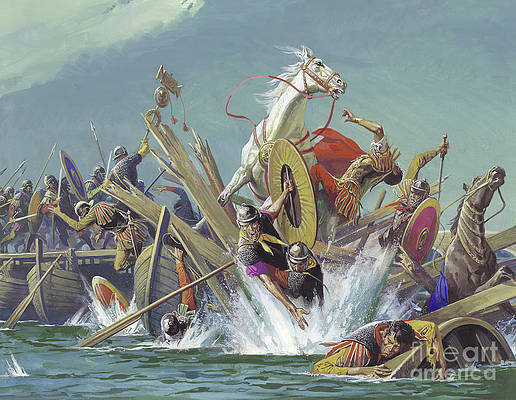
𝙄 𝙝𝙖𝙙 𝙡𝙤𝙫𝙚𝙙 𝙝𝙞𝙢 𝙖𝙨 𝙖 𝙗𝙧𝙤𝙩𝙝𝙚𝙧, 𝙗𝙪𝙩 𝙩𝙝𝙚𝙣 𝙝𝙖𝙙 𝙣𝙤𝙩 𝙍𝙤𝙢𝙪𝙡𝙪𝙨 𝙖𝙣𝙙 𝙍𝙚𝙢𝙪𝙨 𝙗𝙚𝙚𝙣 𝙗𝙤𝙩𝙝 𝙗𝙧𝙤𝙩𝙝𝙚𝙧𝙨 𝙖𝙣𝙙 𝙛𝙧𝙖𝙩𝙧𝙞𝙘𝙞𝙙𝙚𝙨? 𝘼𝙣𝙙 𝙞𝙛 𝙄 𝙬𝙖𝙣𝙩𝙚𝙙 𝙩𝙤 𝙛𝙤𝙪𝙣𝙙 𝙖 𝙣𝙚𝙬 𝙍𝙤𝙢𝙚 𝙖𝙨 𝙩𝙝𝙖𝙩 𝙞𝙣𝙛𝙖𝙢𝙤𝙪𝙨 𝙥𝙪𝙥 𝙝𝙖𝙙 𝙙𝙤𝙣𝙚, 𝙄 𝙩𝙤𝙤 𝙬𝙤𝙪𝙡𝙙 𝙝𝙖𝙫𝙚 𝙩𝙤 𝙠𝙞𝙡𝙡 𝙢𝙮 𝙗𝙧𝙤𝙩𝙝𝙚𝙧.' -- 𝙈𝙖𝙭𝙚𝙣𝙩𝙞𝙪𝙨
312 AD. As Constantine with his battle-hardened northern army invades the Italian heartlands of the west, cities fall one after another and Maxentius is forced to move back his armies to Rome. For now, Constantine may have the upper hand but his forces are diminishing, and divided by religious rivalries it's on the verge of revolt while Maxentius is busy weeding out the treasonous elements from his forces and calming a restive and dissenting Roman populace. Their fate will be decided in the battle of the Milvian bridge, where for one to win the Throne of Rome, the other has to die.
⚔️Simon and Gordon had yet again successfully delivered a riveting story, by perfectly blending the historical facts with the fiction. Unlike the first two books, this one takes place over less than a year and by its very nature, is clearly a war story. The action sequences are brutal and realistic that keep you on the edge of your seat. I loved how seamlessly they blend their writing style together to deliver a richly detailed and exhilarating tale, that too without compromising the historicity and spacing - as if it was not written by 2 different people, but a single one. They surely make history come alive.
⚔️Both the characters - Constantine & Maxentius - are meticulously written. The authors instead of simply portraying them as heroes and villains humanized them with their own set of flaws and internal struggles. It is difficult for me to choose any one side, as both of them seem to do right by Rome and truly believe they are the man to do it, but ultimately they both lose so much that the victory felt meaningless; neither of them would be able to reconcile the death toll and the pain this will going to cause them. I also like how their complex relationship with their respective wife -Fausta and Valeria changed in this book.
⚔️Being historical fiction, we all know how the story going to end in the battle of the Milvian Bridge, but the way both the author nicely ties up the story and give their own touch to their respective character arcs ending in the climax was really satisfactory and highly praise-worthy. This makes me really hope to see more of Simon-Gordon's collaborations in the future.
Overall, Gods of Rome is a masterpiece and a fitting finale to the trilogy. I enjoyed every bit of it. If you like Historic fiction, the Roman world, and character-driven stories, then this book is for you. HIGHLY RECOMMENDED.
𝙈𝙮 𝙍𝙖𝙩𝙞𝙣𝙜: ⭐⭐⭐⭐⭐(5/5)
'𝙔𝙤𝙪 𝙘𝙪𝙧𝙨𝙚𝙙 𝙢𝙮 𝙢𝙤𝙩𝙝𝙚𝙧, 𝙨𝙩𝙤𝙡𝙚 𝙢𝙮 𝙡𝙖𝙣𝙙, 𝙙𝙚𝙣𝙤𝙪𝙣𝙘𝙚𝙙 𝙢𝙚 𝙖𝙨 𝙖 𝙗𝙖𝙨𝙩𝙖𝙧𝙙, 𝙨𝙚𝙣𝙩 𝙖 𝙘𝙪𝙩𝙩𝙝𝙧𝙤𝙖𝙩 𝙩𝙤 𝙢𝙪𝙧𝙙𝙚𝙧 𝙢𝙚. 𝙏𝙝𝙚𝙣 𝙬𝙝𝙚𝙣 𝙄 𝙘𝙖𝙢𝙚 𝙩𝙤 𝙘𝙤𝙣𝙛𝙧𝙤𝙣𝙩 𝙮𝙤𝙪 𝙡𝙞𝙠𝙚 𝙖 𝙣𝙤𝙗𝙡𝙚 𝙜𝙚𝙣𝙚𝙧𝙖𝙡 𝙖𝙩 𝙑𝙚𝙧𝙤𝙣𝙖, 𝙮𝙤𝙪 𝙛𝙡𝙚𝙙 𝙡𝙞𝙠𝙚 𝙖 𝙗𝙤𝙮. 𝙏𝙝𝙚𝙣 𝙮𝙤𝙪 𝙖𝙨𝙨𝙖𝙞𝙡𝙚𝙙 𝙢𝙮 𝙢𝙚𝙣 𝙤𝙣 𝙩𝙝𝙚 𝙘𝙤𝙖𝙨𝙩 𝙧𝙤𝙖𝙙, 𝙨𝙩𝙧𝙞𝙠𝙞𝙣𝙜 𝙖𝙩 𝙪𝙨 𝙛𝙧𝙤𝙢 𝙖𝙛𝙖𝙧 𝙡𝙞𝙠𝙚 𝙘𝙤𝙬𝙖𝙧𝙙𝙡𝙮 𝙜𝙪𝙡𝙡𝙨. 𝙔𝙤𝙪 𝙘𝙪𝙩 𝙤𝙛𝙛 𝙤𝙪𝙧 𝙤𝙣𝙡𝙮 𝙝𝙤𝙥𝙚 𝙤𝙛 𝙧𝙚𝙩𝙧𝙚𝙖𝙩! 𝙔𝙤𝙪 𝙗𝙧𝙤𝙪𝙜𝙝𝙩 𝙪𝙨 𝙩𝙤 𝙩𝙝𝙞𝙨, 𝙈𝙖𝙭𝙚𝙣𝙩𝙞𝙪𝙨. 𝙔𝙤𝙪!' -- 𝘾𝙤𝙣𝙨𝙩𝙖𝙣𝙩𝙞𝙣𝙚
𝙄 𝙝𝙖𝙙 𝙡𝙤𝙫𝙚𝙙 𝙝𝙞𝙢 𝙖𝙨 𝙖 𝙗𝙧𝙤𝙩𝙝𝙚𝙧, 𝙗𝙪𝙩 𝙩𝙝𝙚𝙣 𝙝𝙖𝙙 𝙣𝙤𝙩 𝙍𝙤𝙢𝙪𝙡𝙪𝙨 𝙖𝙣𝙙 𝙍𝙚𝙢𝙪𝙨 𝙗𝙚𝙚𝙣 𝙗𝙤𝙩𝙝 𝙗𝙧𝙤𝙩𝙝𝙚𝙧𝙨 𝙖𝙣𝙙 𝙛𝙧𝙖𝙩𝙧𝙞𝙘𝙞𝙙𝙚𝙨? 𝘼𝙣𝙙 𝙞𝙛 𝙄 𝙬𝙖𝙣𝙩𝙚𝙙 𝙩𝙤 𝙛𝙤𝙪𝙣𝙙 𝙖 𝙣𝙚𝙬 𝙍𝙤𝙢𝙚 𝙖𝙨 𝙩𝙝𝙖𝙩 𝙞𝙣𝙛𝙖𝙢𝙤𝙪𝙨 𝙥𝙪𝙥 𝙝𝙖𝙙 𝙙𝙤𝙣𝙚, 𝙄 𝙩𝙤𝙤 𝙬𝙤𝙪𝙡𝙙 𝙝𝙖𝙫𝙚 𝙩𝙤 𝙠𝙞𝙡𝙡 𝙢𝙮 𝙗𝙧𝙤𝙩𝙝𝙚𝙧.' -- 𝙈𝙖𝙭𝙚𝙣𝙩𝙞𝙪𝙨
312 AD. As Constantine with his battle-hardened northern army invades the Italian heartlands of the west, cities fall one after another and Maxentius is forced to move back his armies to Rome. For now, Constantine may have the upper hand but his forces are diminishing, and divided by religious rivalries it's on the verge of revolt while Maxentius is busy weeding out the treasonous elements from his forces and calming a restive and dissenting Roman populace. Their fate will be decided in the battle of the Milvian bridge, where for one to win the Throne of Rome, the other has to die.
⚔️Simon and Gordon had yet again successfully delivered a riveting story, by perfectly blending the historical facts with the fiction. Unlike the first two books, this one takes place over less than a year and by its very nature, is clearly a war story. The action sequences are brutal and realistic that keep you on the edge of your seat. I loved how seamlessly they blend their writing style together to deliver a richly detailed and exhilarating tale, that too without compromising the historicity and spacing - as if it was not written by 2 different people, but a single one. They surely make history come alive.
⚔️Both the characters - Constantine & Maxentius - are meticulously written. The authors instead of simply portraying them as heroes and villains humanized them with their own set of flaws and internal struggles. It is difficult for me to choose any one side, as both of them seem to do right by Rome and truly believe they are the man to do it, but ultimately they both lose so much that the victory felt meaningless; neither of them would be able to reconcile the death toll and the pain this will going to cause them. I also like how their complex relationship with their respective wife -Fausta and Valeria changed in this book.
⚔️Being historical fiction, we all know how the story going to end in the battle of the Milvian Bridge, but the way both the author nicely ties up the story and give their own touch to their respective character arcs ending in the climax was really satisfactory and highly praise-worthy. This makes me really hope to see more of Simon-Gordon's collaborations in the future.
Overall, Gods of Rome is a masterpiece and a fitting finale to the trilogy. I enjoyed every bit of it. If you like Historic fiction, the Roman world, and character-driven stories, then this book is for you. HIGHLY RECOMMENDED.
𝙈𝙮 𝙍𝙖𝙩𝙞𝙣𝙜: ⭐⭐⭐⭐⭐(5/5)

September 18, 2021
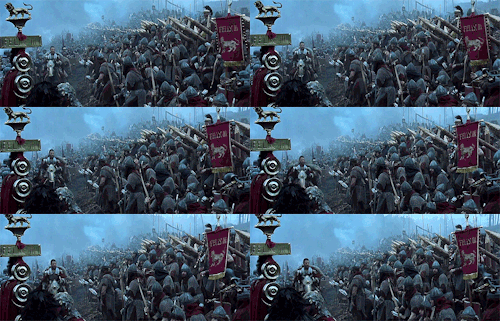
Gods of Rome is book three in the Rise of Emperors series by Simon Turney and Gordon Doherty. This book is based on historical events, namely the battle of Milvian Bridge on 28th October 312 AD between Roman Emperors Constantine I and Maxentius. If you have read anything about this famous battle then you already know the likely ending to this book, but that doesn’t make it any less enjoyable, especially if you’re a fan of historical fiction books.
I think my favourite part of this book was witnessing the character growth of both Maxentius and Constantine, they both went on their own journey in the series while making some pretty poor decisions and having to deal with the consequences of their actions. I like the book set up where we get alternating chapters between the two emperors, especially as this highlights just how much these poor men had in common with each other, I was rooting for them to realise that and become friends halfway through the book.
You can tell the authors put a lot of research and thought into this series and were true to the time period of when this all happened, which made this book even more enjoyable to read. If you like historical fiction based on real events then you don’t want to miss this series, seriously, it’s incredible.
Thank you to Net Galley and Head of Zeus for a copy of this book in exchange for my honest review.

November 7, 2021
You can also find a spoiler-free review of the entire series on my YouTube channel: https://youtu.be/cMb2qd3Ov-4
Talk about a Bromance set in ~300AD. This trilogy is full of fascinating detail about Rome and how life was back then. But even more so, the authors put together one of the best character studies I’ve ever read in my life.
While books one and two span many years, book three is focused on the last meeting of Constantine and Maxentius. In this book, the focus is not just on Constantine and Maxentius, but also on war strategy and war’s results. You get a lot more bloody/ gory details of how war truly is like. This book continues to show the relationship between Constantine and Maxentius, but also expands its view towards the armies, their fears, and the struggles on how to keep them united.
In addition to the continued character study, book three also provides a great discussion about religion and how everybody and their faith can coexist. The way the authors solved it at the end was done very well, in my opinion.
Till the end, I was wondering how the authors would resolve the story, and while the actual end was a bit abrupt, and for my taste, the war scenes were a bit too much, I still enjoyed the conclusion to this trilogy.
The writing is phenomenal! It truly feels like you’re in a room with our main characters. You get to know them intimately thanks to the detailed description of their motives, fears, and actions. The depth of the characters, their hopes, plans, ideas, how they always think about their friend, is simply breathtaking.
While the story plays in our “world”, the authors do an amazing job describing, i.e., the paths the armies are walking. Sometimes this is based on the wine and food they are consuming and sometimes it’s through descriptions about what they experience. Thankfully, it’s never too detailed and there are no long travels with excruciating descriptions of the surroundings. But it’s rather a clever weave into the general plot.
Note: compared to the first two books, this one is very graphic when it comes to the results of war (blood/ gore).
Thanks to Netgalley and the publisher for an early access copy to Gods of Rome. Initially I borrowed books one and two from my library, but since it turned out to be such an amazing trilogy, I bought all of them already.
Talk about a Bromance set in ~300AD. This trilogy is full of fascinating detail about Rome and how life was back then. But even more so, the authors put together one of the best character studies I’ve ever read in my life.
While books one and two span many years, book three is focused on the last meeting of Constantine and Maxentius. In this book, the focus is not just on Constantine and Maxentius, but also on war strategy and war’s results. You get a lot more bloody/ gory details of how war truly is like. This book continues to show the relationship between Constantine and Maxentius, but also expands its view towards the armies, their fears, and the struggles on how to keep them united.
In addition to the continued character study, book three also provides a great discussion about religion and how everybody and their faith can coexist. The way the authors solved it at the end was done very well, in my opinion.
Till the end, I was wondering how the authors would resolve the story, and while the actual end was a bit abrupt, and for my taste, the war scenes were a bit too much, I still enjoyed the conclusion to this trilogy.
The writing is phenomenal! It truly feels like you’re in a room with our main characters. You get to know them intimately thanks to the detailed description of their motives, fears, and actions. The depth of the characters, their hopes, plans, ideas, how they always think about their friend, is simply breathtaking.
While the story plays in our “world”, the authors do an amazing job describing, i.e., the paths the armies are walking. Sometimes this is based on the wine and food they are consuming and sometimes it’s through descriptions about what they experience. Thankfully, it’s never too detailed and there are no long travels with excruciating descriptions of the surroundings. But it’s rather a clever weave into the general plot.
Note: compared to the first two books, this one is very graphic when it comes to the results of war (blood/ gore).
Thanks to Netgalley and the publisher for an early access copy to Gods of Rome. Initially I borrowed books one and two from my library, but since it turned out to be such an amazing trilogy, I bought all of them already.

August 28, 2021
So, this latest follows on from the first two in the "Rise of Emperors" series in which two friends, now rivals, meet in the ultimate battle for Rome. As Edward Gibbon in his "The Decline & Fall of the Roman Empire" states: "... though the characters of Constantine and Maxentius had very little affinity with each other, their situation and interest were the same ...... " - and that interest was Rome.
Whilst the focus of this narrative is on that fateful year of 312, there is still plenty going on, and despite the known outcome, you still can't help but hope that the underdog will triumph.
Neither man is hero or villain. Unlike the sources from this period, which reflect the propaganda of Constantine and present Maxentius as a brutal tyrant, authors Turney & Doherty provide a carefully constructed, and fluid narrative from the viewpoint of both.
And as the reader progresses through the alternating narrative, you soon realise that both men share more in common than one would expect - both are beset by fractious factions within their support networks; both look to signs, omens and prophecies; both are surrounded by traitors, dissemblers and deceivers, religious discontents, and angry wives.
The authors' notes at the end provide a neat wrap up to this well researched and written series.
read more here @ Melisende's Library
Whilst the focus of this narrative is on that fateful year of 312, there is still plenty going on, and despite the known outcome, you still can't help but hope that the underdog will triumph.
Neither man is hero or villain. Unlike the sources from this period, which reflect the propaganda of Constantine and present Maxentius as a brutal tyrant, authors Turney & Doherty provide a carefully constructed, and fluid narrative from the viewpoint of both.
And as the reader progresses through the alternating narrative, you soon realise that both men share more in common than one would expect - both are beset by fractious factions within their support networks; both look to signs, omens and prophecies; both are surrounded by traitors, dissemblers and deceivers, religious discontents, and angry wives.
The authors' notes at the end provide a neat wrap up to this well researched and written series.
read more here @ Melisende's Library

November 14, 2021
Gods of Rome are the thrilling climactic finale of the Rise of Emperors trilogy. Chronicling an epic series overseeing the fall of Rome’s Pagan Religion to the dominant Rise of Christianity. This climatic book focuses on the final battle that decides the fate of Western Europe for centuries to come. There were jaw-dropping battle sequences, you could feel the grittiness of each battle, soldiers fighting for the standards of their Emperor, and you could feel that Rome inevitably, will never avoid civil war. Even during its decline, it will have fights of a colossal scale that will weaken the Empire.
The dialogue is extremely well written, and the world-building has been so meticulously researched that I was immersed. Very well written. I was in the world of Ancient Rome. It’s that immersive. And would I stand with Maxentius or Constantine? I would stand with Maxentius. Constantine may have converted to Christianity to merge his power however, I completely disagree with Constantine’s actions. There are many emotional scenes within this novel, and there is triumph, loss, betrayal and action. This is a book where religion and power are at the forefront. Soldiers worshipping Christ vs Soldiers worshipping Mars and Apollo. It is an epic series that would be perfect for a Netflix or BBC TV series. It’s that epic. Throughout this novel, I was more sympathetic towards Maxentius and hated the people surrounding him. They were unloyal to him, while Constantine had more loyal men to him. I felt Maxentius’s fate was like the Noble Hector. I hope Constantine feels regret for the rest of his life, and the saddest part was watching two friends become two enemies fighting for the heart of Rome. It was a battle that should never have been fought. But as with many Roman Emperors that were often assassinated throughout history, many deserving ones have perished while many unsuited for the role have taken the throne.
As always, the characters are extremely relatable. I like the choice of having both emperors explain their viewpoints in the first person. In some parts, I felt the pacing was a little slow. Other scenes could have been shorter paced. But it is a book of sieges. Lots of them. Assaults? Certainly. It is a fantastic novel chronicling the most important battle of Roman history, one that will decide the fate of Europe for centuries to come. This is a 10/10 from me!
The dialogue is extremely well written, and the world-building has been so meticulously researched that I was immersed. Very well written. I was in the world of Ancient Rome. It’s that immersive. And would I stand with Maxentius or Constantine? I would stand with Maxentius. Constantine may have converted to Christianity to merge his power however, I completely disagree with Constantine’s actions. There are many emotional scenes within this novel, and there is triumph, loss, betrayal and action. This is a book where religion and power are at the forefront. Soldiers worshipping Christ vs Soldiers worshipping Mars and Apollo. It is an epic series that would be perfect for a Netflix or BBC TV series. It’s that epic. Throughout this novel, I was more sympathetic towards Maxentius and hated the people surrounding him. They were unloyal to him, while Constantine had more loyal men to him. I felt Maxentius’s fate was like the Noble Hector. I hope Constantine feels regret for the rest of his life, and the saddest part was watching two friends become two enemies fighting for the heart of Rome. It was a battle that should never have been fought. But as with many Roman Emperors that were often assassinated throughout history, many deserving ones have perished while many unsuited for the role have taken the throne.
As always, the characters are extremely relatable. I like the choice of having both emperors explain their viewpoints in the first person. In some parts, I felt the pacing was a little slow. Other scenes could have been shorter paced. But it is a book of sieges. Lots of them. Assaults? Certainly. It is a fantastic novel chronicling the most important battle of Roman history, one that will decide the fate of Europe for centuries to come. This is a 10/10 from me!

January 27, 2022
The book was very engaging, particularly during the middle and I liked how the story was told from different perspectives.
I would definitely recommend this book to others.
Many thanks to the author, publisher and NetGalley for gifting me this arc in exchange for an honest, unbiased review.
I would definitely recommend this book to others.
Many thanks to the author, publisher and NetGalley for gifting me this arc in exchange for an honest, unbiased review.

February 28, 2023
3.5 * rounded up.
The world of Rome in the waning days of the 4th Century AD is a charged and dangerous arena of battle. It is variegated and continually changing, rearranging alliances, rushing tumultuously towards under the auspices of a Christian God who relentlessly (and more than a little peevishly) grows in power in challenge to the Old Gods. He will eventually claim preeminence over the dying pagan religions, traditions and put to the sword the followers of blasphemous & outmoded belief systems.
This is the final instalment of the engaging and well researched historical fiction trilogy showing the classic struggles for the supremacy of rule over the chaotic Roman Empire, showing its fissures, schisms, military and political manoeuvrings, warts and all.
Both authors continue their technique of adopting the guise of either one or the other of the two main protagonists, Turney as Maxentius and Doherty as Constantin. Both authors bring their people startlingly alive by developing their characters throughout the story.
Perhaps a little overwritten, slow and repetitive in a few parts, but still enlightening, enjoyable & well worth reading.
As with the first two books, I find the epilogue notes by the authors in particular the most fascinating parts of the work.
Jonathan Keeble, as always, narrates the hell out of a book.
The world of Rome in the waning days of the 4th Century AD is a charged and dangerous arena of battle. It is variegated and continually changing, rearranging alliances, rushing tumultuously towards under the auspices of a Christian God who relentlessly (and more than a little peevishly) grows in power in challenge to the Old Gods. He will eventually claim preeminence over the dying pagan religions, traditions and put to the sword the followers of blasphemous & outmoded belief systems.
This is the final instalment of the engaging and well researched historical fiction trilogy showing the classic struggles for the supremacy of rule over the chaotic Roman Empire, showing its fissures, schisms, military and political manoeuvrings, warts and all.
Both authors continue their technique of adopting the guise of either one or the other of the two main protagonists, Turney as Maxentius and Doherty as Constantin. Both authors bring their people startlingly alive by developing their characters throughout the story.
Perhaps a little overwritten, slow and repetitive in a few parts, but still enlightening, enjoyable & well worth reading.
As with the first two books, I find the epilogue notes by the authors in particular the most fascinating parts of the work.
Jonathan Keeble, as always, narrates the hell out of a book.

September 2, 2021
When we last were with Constantine and Maxentius it looked like what could have been a lovely brotherhood had suffered irreparable damage that could only lead to war.
Maxentius still holds out hope but the die has been cast… Constantine will march on Rome.
Along the way the blood of many will be shed and the authors managed to wonderfully depict the toll this takes on both men.. it weighs heavy but neither are willing, or able to back down.
What I really find amazing about this series is how seamless each chapter flows into the next, these two authours’ styles blend perfectly together to give us one hell of a richly detailed and exhilarating tale! If you want to get excited about history you can’t go wrong with these two! Doherty and Turney make history come alive!
I also really loved how well the authors showed the discontent of the people, and the legions, with the growing religious tensions added its only a matter of time until the fists start flaying and the swords come out.
I think the most surprising thing is throughout the series I’ve never disliked either Constantine and Maxentius. You always expect to take a side.. but you can’t.. both actually seem to want to do right by Rome and truly believe they are the man to do it, in hindsight I don’t think either man would be able to reconcile the death toll and the pain this journey will cost. They both loose so much.
I’m a big fan of character development and Doherty and Turney are Gods themselves in this arena, not only do the main protagonists develop but they also manage not outshine the rest of the characters, there’s so much packed in it almost seems impossible.
This has been an amazing series to follow and I really hope to see more collaborations, Doherty and Turney bring the best out of each other and as a reader that makes me very lucky..it’s not often you get to read a true masterpiece.
For the lovers of detail and history this book ticks the boxes, for the plot driven lovers you get a detailed plot with beautiful twists along the way..everything flows naturally and damn is it good!
Maxentius still holds out hope but the die has been cast… Constantine will march on Rome.
Along the way the blood of many will be shed and the authors managed to wonderfully depict the toll this takes on both men.. it weighs heavy but neither are willing, or able to back down.
What I really find amazing about this series is how seamless each chapter flows into the next, these two authours’ styles blend perfectly together to give us one hell of a richly detailed and exhilarating tale! If you want to get excited about history you can’t go wrong with these two! Doherty and Turney make history come alive!
I also really loved how well the authors showed the discontent of the people, and the legions, with the growing religious tensions added its only a matter of time until the fists start flaying and the swords come out.
I think the most surprising thing is throughout the series I’ve never disliked either Constantine and Maxentius. You always expect to take a side.. but you can’t.. both actually seem to want to do right by Rome and truly believe they are the man to do it, in hindsight I don’t think either man would be able to reconcile the death toll and the pain this journey will cost. They both loose so much.
I’m a big fan of character development and Doherty and Turney are Gods themselves in this arena, not only do the main protagonists develop but they also manage not outshine the rest of the characters, there’s so much packed in it almost seems impossible.
This has been an amazing series to follow and I really hope to see more collaborations, Doherty and Turney bring the best out of each other and as a reader that makes me very lucky..it’s not often you get to read a true masterpiece.
For the lovers of detail and history this book ticks the boxes, for the plot driven lovers you get a detailed plot with beautiful twists along the way..everything flows naturally and damn is it good!

November 10, 2021
#GodsofRome
BLURB
For one to rule, the other must die.
312 AD is a year of horrific and brutal warfare. Constantine's northern army is a small force, plagued by religious rivalries, but seemingly unstoppable as they invade Maxentius' Italian heartlands. These relentless clashes, incidents of treachery and twists of fortune see Maxentius' armies driven back to Rome.
Constantine has his prize in sight, yet his army is diminished and on the verge of revolt. Maxentius meanwhile works to calm a restive and dissenting Roman populace. When the two forces clash in the Battle of the Milvian Bridge, there are factors at work beyond their control and soon they are left with carnage.
There is only one way Constantine and Maxentius' rivalry will end. With one on a bloodied sword and the other the sole ruler of Rome...
REVIEW
Well my fellow peeps and fellow travelers along this road to Rome, we have reached the conclusion of this masterpiece of a trilogy. I am simply in awe of how this duo meshed together in such a way as to not only have the reader read the agonies and torments, but to feel them as well. In the first two books we watched a lifelong relationship bloom and then fracture apart like the petals of a rose after a hard frost. The angst and frustration of those first two, so real, so visceral, crescendos in Gods of Rome. The events that transpire in this volume takes that fractured relationship, bringing it to a head: an explosive like roar of a rushing river bursting through a dam. I am simply in awe at how Simon and Gordon intertwined the events between the two implacable enemies with the opposing religious forces that threaten both sides in the conflict. I tell you my fellow peeps and fellow travelers, the climatic battle is a thing of page turning wonder. The treachery, the diabolic goings on...I will say no more. :-)
I knew a long time ago, when Simon and Gordon started planning this trilogy, that it was going to be a joy to read. I was right.
BLURB
For one to rule, the other must die.
312 AD is a year of horrific and brutal warfare. Constantine's northern army is a small force, plagued by religious rivalries, but seemingly unstoppable as they invade Maxentius' Italian heartlands. These relentless clashes, incidents of treachery and twists of fortune see Maxentius' armies driven back to Rome.
Constantine has his prize in sight, yet his army is diminished and on the verge of revolt. Maxentius meanwhile works to calm a restive and dissenting Roman populace. When the two forces clash in the Battle of the Milvian Bridge, there are factors at work beyond their control and soon they are left with carnage.
There is only one way Constantine and Maxentius' rivalry will end. With one on a bloodied sword and the other the sole ruler of Rome...
REVIEW
Well my fellow peeps and fellow travelers along this road to Rome, we have reached the conclusion of this masterpiece of a trilogy. I am simply in awe of how this duo meshed together in such a way as to not only have the reader read the agonies and torments, but to feel them as well. In the first two books we watched a lifelong relationship bloom and then fracture apart like the petals of a rose after a hard frost. The angst and frustration of those first two, so real, so visceral, crescendos in Gods of Rome. The events that transpire in this volume takes that fractured relationship, bringing it to a head: an explosive like roar of a rushing river bursting through a dam. I am simply in awe at how Simon and Gordon intertwined the events between the two implacable enemies with the opposing religious forces that threaten both sides in the conflict. I tell you my fellow peeps and fellow travelers, the climatic battle is a thing of page turning wonder. The treachery, the diabolic goings on...I will say no more. :-)
I knew a long time ago, when Simon and Gordon started planning this trilogy, that it was going to be a joy to read. I was right.

September 1, 2021
Although I had not read the other two novels in the Rise of the Emperor series, I found this book easy to get into. It exceeded my expectations - a wonderful story, full of historical detail and bloody battles as the two protagonists, Constantine and Maxentius -once friends and now enemies - try to outwit each other in a battle for supremacy. Written from both characters' viewpoints it is an interesting and thought provoking read. Neither character comes over as particularly good or bad. Both are seeking what they see as rightfully theirs. I had no idea the battle of Milvian Bridge, graphically described, actually happened. The vivid portrayal of these two figures and the times they lived in has been brilliantly brought to life. I now need to retrace my steps and read the first two
Thoroughly recommended..
I would like to thank Netgalley, the authors and Head of Zeus for an ARC of Gods of Rom in exchange for an honest review.
Thoroughly recommended..
I would like to thank Netgalley, the authors and Head of Zeus for an ARC of Gods of Rom in exchange for an honest review.

August 30, 2021
would like to thank netgalley and the publisher for letting me read this outstanding book
think Spartacus and vikings and you get how bloody and barbaric this book actually is..but its based on fact which i was astounded to read....
its a gruesome account of constantine and his battle to take back Rome, the battle scenes are legendary but its the betrayal around him that swings the battle towards the victor
interesting read though at times hard with all those strange names but was interested to see how it all ended though i could have cheated and googled it i wanted to see for myself
think Spartacus and vikings and you get how bloody and barbaric this book actually is..but its based on fact which i was astounded to read....
its a gruesome account of constantine and his battle to take back Rome, the battle scenes are legendary but its the betrayal around him that swings the battle towards the victor
interesting read though at times hard with all those strange names but was interested to see how it all ended though i could have cheated and googled it i wanted to see for myself

November 13, 2021
We have now reached the concluding part of the Rise of Emperors series, and the fractured relationship between former friends Constantine and Maxentius has finally come to open war - even if it takes a little while for Maxentius to realise it.
The book begins with Constantine crossing the border into northwestern Italy with his small, but battle hardened, force intent on fighting his way to Rome to right some of the wrongs his old friend Maxentius has done him. Constantine will not be happy until he is wearing the Imperial purple, which he believes is his by right.
Meanwhile, Maxentius chafes against the counsel of his closest advisors to strengthen the northwestern borders in preparation for an invasion from Constantine - one that he is sure will never come. He is convinced it is his divine right to be the saviour of Rome, and all he has done to cement his place as Emperor has been justified. Unfortunately for Maxentius, Constantine has already set foot in Italy, and he finds himself on the back foot almost from the first. His delayed attempts to bolster the defences in the northern regions find his armies driven back to Rome to await a final reckoning.
And so the glorious back and forth account between Constantine and Maxentius begins, as one works his way south to Rome, and the other is harried into waiting behind his newly fortified walls - and it is far from smooth going for either of them. Constantine struggles with the heavy losses a war of attrition such as this brings, and the constant fear that the infighting in his own army will cause it to implode before he even gets near to his goal, while Maxentius is plagued with dissent in his subjects - and both are fighting a battle against treachery within their own ranks.
The action in this final instalment is relentless. taking place over a few chaotic months between January 312 AD when Constantine crosses the border into Italy, and October 312 AD when his army clashes with Maxentius' in the Battle of the Milvian Bridge to decide who will be Emperor - and it is a battle that only one will survive.
Although the course of Constantine's campaign and the outcome of his fierce rivalry with Maxentius is recorded in history, at no time does this story play out like a foregone conclusion. The detailed descriptions evoke such a wonderful feel of time and place, the battle scenes are brutal, but gripping, and neither Doherty nor Turney, in their parts as Constantine and Maxentius, flinch from depicting the harsh reality of war, or the conflicted feelings that come with it. Time and time again, you feel yourself right there in the heat of battle, with blood flying, and are aware of the importance of military decisions that may win or lose the day. The tension mounts as our two foes pitch their wits and experience against one another, and as the final fateful clash approaches it is so exciting!
I love the way our authors swing back and forth between the two men, and curiously for a book that is focussed so much on the battlefield, there is a kind of intimacy in the way we get right inside the heads of both Constantine and Maxentius. This cleverly allows you to compare and contrast the characters and behaviours of the two men. There are many similarities between them and the positions they find themselves in, especially in the relationships with their own families and how they rue the past that has brought them to this juncture, and of course, they both feel themselves justified in their actions - but it is their differences that dictate the outcome of their fierce rivalry. For me, this boils down eventually to their disparate ideas of 'Empire' - with Maxentius fixed on the romantic notion of an aspirational image of eternal Rome at the heart of all things, and Constantine understanding that an empire is made up of its people, whatever their pedigree or where they hail from.
This has been a fabulously immersive trilogy, full of historical detail and compelling characters, and Doherty and Turney have done a stellar job of weaving everything together into three books that keep you glued to the page. I find myself more than a little bereft to have reached the final volume, as I would love to journey on with Constantine as he founds his capital city Constantinople, but I do not regret a moment spent absorbing these stonking books. I cannot recommend this series highly enough to all lovers of cracking historical fiction.
The book begins with Constantine crossing the border into northwestern Italy with his small, but battle hardened, force intent on fighting his way to Rome to right some of the wrongs his old friend Maxentius has done him. Constantine will not be happy until he is wearing the Imperial purple, which he believes is his by right.
Meanwhile, Maxentius chafes against the counsel of his closest advisors to strengthen the northwestern borders in preparation for an invasion from Constantine - one that he is sure will never come. He is convinced it is his divine right to be the saviour of Rome, and all he has done to cement his place as Emperor has been justified. Unfortunately for Maxentius, Constantine has already set foot in Italy, and he finds himself on the back foot almost from the first. His delayed attempts to bolster the defences in the northern regions find his armies driven back to Rome to await a final reckoning.
And so the glorious back and forth account between Constantine and Maxentius begins, as one works his way south to Rome, and the other is harried into waiting behind his newly fortified walls - and it is far from smooth going for either of them. Constantine struggles with the heavy losses a war of attrition such as this brings, and the constant fear that the infighting in his own army will cause it to implode before he even gets near to his goal, while Maxentius is plagued with dissent in his subjects - and both are fighting a battle against treachery within their own ranks.
The action in this final instalment is relentless. taking place over a few chaotic months between January 312 AD when Constantine crosses the border into Italy, and October 312 AD when his army clashes with Maxentius' in the Battle of the Milvian Bridge to decide who will be Emperor - and it is a battle that only one will survive.
Although the course of Constantine's campaign and the outcome of his fierce rivalry with Maxentius is recorded in history, at no time does this story play out like a foregone conclusion. The detailed descriptions evoke such a wonderful feel of time and place, the battle scenes are brutal, but gripping, and neither Doherty nor Turney, in their parts as Constantine and Maxentius, flinch from depicting the harsh reality of war, or the conflicted feelings that come with it. Time and time again, you feel yourself right there in the heat of battle, with blood flying, and are aware of the importance of military decisions that may win or lose the day. The tension mounts as our two foes pitch their wits and experience against one another, and as the final fateful clash approaches it is so exciting!
I love the way our authors swing back and forth between the two men, and curiously for a book that is focussed so much on the battlefield, there is a kind of intimacy in the way we get right inside the heads of both Constantine and Maxentius. This cleverly allows you to compare and contrast the characters and behaviours of the two men. There are many similarities between them and the positions they find themselves in, especially in the relationships with their own families and how they rue the past that has brought them to this juncture, and of course, they both feel themselves justified in their actions - but it is their differences that dictate the outcome of their fierce rivalry. For me, this boils down eventually to their disparate ideas of 'Empire' - with Maxentius fixed on the romantic notion of an aspirational image of eternal Rome at the heart of all things, and Constantine understanding that an empire is made up of its people, whatever their pedigree or where they hail from.
This has been a fabulously immersive trilogy, full of historical detail and compelling characters, and Doherty and Turney have done a stellar job of weaving everything together into three books that keep you glued to the page. I find myself more than a little bereft to have reached the final volume, as I would love to journey on with Constantine as he founds his capital city Constantinople, but I do not regret a moment spent absorbing these stonking books. I cannot recommend this series highly enough to all lovers of cracking historical fiction.

January 21, 2022
What a book! Even though volume three only covers a little less than a year, it feels like a lifetime of fighting has been crammed into it. Not in a bad way, unless you don’t like to read battle scenes! This is the grand climax of a literal fight-to-the-finish struggle between two former friends who continually mourn their lost brotherhood. I really wanted them to kiss and make up, but of course they had gone too far and too many had been killed to satisfy their ambitions. All the way through they wonder if—or how—they could possibly kill each other in the final hour. And still Constantine comes on, deadly, brutal, infallible—at least to Maxentius, who has little faith in his own disparate army as he is forced back step by step to the protection of Rome’s walls. In reality, both of their armies are torn apart by religious differences, and Constantine is anguished by the size of his declining forces, and the fact that he must keep then separated to avoid infighting:
“Shut up, you wailing fools!’ cried a centurion of the Seventh Gemina.
“Sing of the ancient gods, or shut the f__k up! roared another.
“Besmirch the chosen four at your peril, benighted dog!” a Lancearius howled back.
My eyes slid shut.
The clatter of men barging at one another, of shouting and cursing, shoving, punches being thrown rose to drown out the Christian song.
“Order!” I heard Batius scream.
“Calm down, you mutts!” Krocus roared.
The din was awful. A pair of the fighting ones even toppled into the waters. Still they fought, more interesting in braining one another than not drowning.
Needless to say, this is when they are most vulnerable. Constantine is nearly killed during one of their brawls, as assassins sneak past his fighting guards. How Constantine manages to unite these rival religious forces is a magnificent puzzle, and one I never solved all these years (until now). Meanwhile, Maxentius fights his own conflicts, as religious tensions threaten to turn his own people against him. Who can he trust? There is a traitor in his midst and he cannot fathom who it is. He makes bad decisions but keeps moving forward, trusting to his oath to protect Rome to the last. While reading this book, I couldn’t help but root for the both of them, and seeing that both our protagonists are pretty miserable—you wouldn’t wish their family life on your worst enemy—I came out of this wondering whether it all was worth it?
“Shut up, you wailing fools!’ cried a centurion of the Seventh Gemina.
“Sing of the ancient gods, or shut the f__k up! roared another.
“Besmirch the chosen four at your peril, benighted dog!” a Lancearius howled back.
My eyes slid shut.
The clatter of men barging at one another, of shouting and cursing, shoving, punches being thrown rose to drown out the Christian song.
“Order!” I heard Batius scream.
“Calm down, you mutts!” Krocus roared.
The din was awful. A pair of the fighting ones even toppled into the waters. Still they fought, more interesting in braining one another than not drowning.
Needless to say, this is when they are most vulnerable. Constantine is nearly killed during one of their brawls, as assassins sneak past his fighting guards. How Constantine manages to unite these rival religious forces is a magnificent puzzle, and one I never solved all these years (until now). Meanwhile, Maxentius fights his own conflicts, as religious tensions threaten to turn his own people against him. Who can he trust? There is a traitor in his midst and he cannot fathom who it is. He makes bad decisions but keeps moving forward, trusting to his oath to protect Rome to the last. While reading this book, I couldn’t help but root for the both of them, and seeing that both our protagonists are pretty miserable—you wouldn’t wish their family life on your worst enemy—I came out of this wondering whether it all was worth it?
January 17, 2024
"Gods of Rome", the whole book, i.e. historical notes and glossary included, is a compelling lowdown on the events in the year 312 AD in the Western half of the Roman Empire.
Maxentius, always on the back foot, is caught out by Constantine's unexpected move southward. Constantine, the oik most likely born on the wrong side of the blanket (personal insight: if not, then why the cock-and-bull story of his being a descendant to Claudius Gothicus, I wonder?) is throwing the gauntlet to his brother-in-law, die-hard Maxentius who in turn is trying to keep Rome out of bounds...
I am perfectly aware of my slant in the awkward way I sum up the story. I lack the subtle nuance you will find in the book where you have a well balanced and highly plausible portrayal of Constantine and Maxentius as the actual men they must have been, not the good guy bad guy frightening duo of our simplistic history books.
There is absolutely nothing trite or far-fetched in the present pages. I can't but marvel at all the patient and dedicated research behind them, their crafted writing, and their vivid descriptions that make you feel like you are wandering in the Italian countryside or you are caught up in the turmoil of a raging battle in the field in the early fourth century AD. In this regard the book is an eye-opener. I just loved it, especially because among many other things, it pays tribute to Maxentius's architectural legacy in Rome (partly wiped out by resentful Constantine) and it takes off the thick veil of legend over the Battle of the Milvian Bridge, laid down by skewed and fawning Christian chronicles.
These are the only three little reservations I have about the book.
1. Page 102: what in Vesta's name would Vestals be doing in Melodianum, so far away from Rome's sacred fire?
2. Page 114: a map of Northern Italy would have come in handy to better grasp the ongoing war game.
3. Throughout the trilogy, Lactantius is portrayed as the placating sage. He was anything but. He was but a ranting hardliner with inflammatory speeches galore: "The impious rites of the pagan religion are nothing but the worship of devils.". If only Constantine could have had him off his back!
Maxentius, always on the back foot, is caught out by Constantine's unexpected move southward. Constantine, the oik most likely born on the wrong side of the blanket (personal insight: if not, then why the cock-and-bull story of his being a descendant to Claudius Gothicus, I wonder?) is throwing the gauntlet to his brother-in-law, die-hard Maxentius who in turn is trying to keep Rome out of bounds...
I am perfectly aware of my slant in the awkward way I sum up the story. I lack the subtle nuance you will find in the book where you have a well balanced and highly plausible portrayal of Constantine and Maxentius as the actual men they must have been, not the good guy bad guy frightening duo of our simplistic history books.
There is absolutely nothing trite or far-fetched in the present pages. I can't but marvel at all the patient and dedicated research behind them, their crafted writing, and their vivid descriptions that make you feel like you are wandering in the Italian countryside or you are caught up in the turmoil of a raging battle in the field in the early fourth century AD. In this regard the book is an eye-opener. I just loved it, especially because among many other things, it pays tribute to Maxentius's architectural legacy in Rome (partly wiped out by resentful Constantine) and it takes off the thick veil of legend over the Battle of the Milvian Bridge, laid down by skewed and fawning Christian chronicles.
These are the only three little reservations I have about the book.
1. Page 102: what in Vesta's name would Vestals be doing in Melodianum, so far away from Rome's sacred fire?
2. Page 114: a map of Northern Italy would have come in handy to better grasp the ongoing war game.
3. Throughout the trilogy, Lactantius is portrayed as the placating sage. He was anything but. He was but a ranting hardliner with inflammatory speeches galore: "The impious rites of the pagan religion are nothing but the worship of devils.". If only Constantine could have had him off his back!

November 11, 2021
The third in the acclaimed series, and the final battle between Maxentius and Constantine. This is one epic tale told in such an engaging and entertaining way, masterly storytelling by two wonderful authors, authors who clearly know their subject matter and this shines on the page.
Each chapter told from alternating characters, each portrayed to show their human side and endure troubles and inner turmoil as they deal with the conflicts ahead, they are superbly written and brought to life, each determined to succeed, each facing enemies within.
The writing is vivid and descriptive of the period and brings everything to life, you’ll find yourself transported back in time. You find yourself swaying back and forth as to how you think the story should end, as the characters stories unfold.
The battle scenes are gory and brutal in their realism, you can feel yourself wince at times, they are however not just there to glorify the story but to remind us as to what was at stake and of the times in which the book is set.
The book is not technical history lesson, but a lesson in the way history can be brought to all, told in such an interesting and informative manner, but above all entertaining
This is a book which does not disappoint, I would also say that the way the book is written you don’t just have to be a fan of historical fiction to enjoy this, it will appeal to anyone who likes an epic story well told
Two master storytellers doing what they do best in bringing history and Ancient Rome to life
The book grips from the opening pages and such are the chapters that you just keep thinking one more, it is difficult to put down
Each chapter told from alternating characters, each portrayed to show their human side and endure troubles and inner turmoil as they deal with the conflicts ahead, they are superbly written and brought to life, each determined to succeed, each facing enemies within.
The writing is vivid and descriptive of the period and brings everything to life, you’ll find yourself transported back in time. You find yourself swaying back and forth as to how you think the story should end, as the characters stories unfold.
The battle scenes are gory and brutal in their realism, you can feel yourself wince at times, they are however not just there to glorify the story but to remind us as to what was at stake and of the times in which the book is set.
The book is not technical history lesson, but a lesson in the way history can be brought to all, told in such an interesting and informative manner, but above all entertaining
This is a book which does not disappoint, I would also say that the way the book is written you don’t just have to be a fan of historical fiction to enjoy this, it will appeal to anyone who likes an epic story well told
Two master storytellers doing what they do best in bringing history and Ancient Rome to life
The book grips from the opening pages and such are the chapters that you just keep thinking one more, it is difficult to put down
March 13, 2022
The final tale in the trilogy following Constantine and Maxentius from the boyhood brothers -in -laws friendship to adult open hostility.
Across the three books the evolving story from home to Rome and the ever deepening divide between Constantine and Maxentius plays out in a final showdown and battle at the Milvian Bridge, 312 AD. So ended the Tetrarchy and subsequently their rivalry to become sole Roman Emperor. As ever politics, espionage, religion and some quite literal backstabbing followed in abundance on both sides making for a truly remarkable tale.
The background history and characters involved as this whole story evolves simply confirms the depth of research and narrative quality of the two authors.
Across the three books the evolving story from home to Rome and the ever deepening divide between Constantine and Maxentius plays out in a final showdown and battle at the Milvian Bridge, 312 AD. So ended the Tetrarchy and subsequently their rivalry to become sole Roman Emperor. As ever politics, espionage, religion and some quite literal backstabbing followed in abundance on both sides making for a truly remarkable tale.
The background history and characters involved as this whole story evolves simply confirms the depth of research and narrative quality of the two authors.

February 6, 2025
This book was simpler than the 2 books that preceded it. The earlier 2 books took place over a wide variety of places and had a larger cast of characters. In this book, most of the action takes place in Italy and Gaul and the cast is greatly reduced due to deaths in war.
The battle between "brothers" - harkening back to the brothers who founded Rome - is the focus of this book. While some liberties were taken to dramatize the standard interpretations of historical events, most events appear to have been described pretty closely in comparison with events as currently understood.
I really appreciate the historical notes at the end.
The battle between "brothers" - harkening back to the brothers who founded Rome - is the focus of this book. While some liberties were taken to dramatize the standard interpretations of historical events, most events appear to have been described pretty closely in comparison with events as currently understood.
I really appreciate the historical notes at the end.
March 12, 2022
A pair of very Human Emperors
Every major character in "God's of Rome" was thoughtfully portrayed. I appreciated the detail provided by the authors concerning the " Military Families" of the rival Emperors! There are NO military campaigns without effective logisticians. This story recognizes that fact as well as other topics familiar to military types who love the Roman era. Thank you gentlemen( and your publisher) for a well crafted tale.
Every major character in "God's of Rome" was thoughtfully portrayed. I appreciated the detail provided by the authors concerning the " Military Families" of the rival Emperors! There are NO military campaigns without effective logisticians. This story recognizes that fact as well as other topics familiar to military types who love the Roman era. Thank you gentlemen( and your publisher) for a well crafted tale.

February 16, 2022
Brilliant final book of the trilogy. Although historically you know the ending, I loved reading about the trials and battles to actually get there. The chapters, going from one main character to the other flowed perfectly. How these two authors managed to get this to work I will never know. Well done gentlemen!

September 30, 2024
The final novel in the series. Strangely I felt something did not quite gel unlike the previous two superb novels. There was a large amount of hero introspection and story seemed to lose the pace of the previous two. I enjoyed it in so much as the story closed. Overall, the series was well worth the read, even for my 3 star rating of book 3.

April 21, 2022
Rise of Emperors Book 3
The final book in this trilogy did not disappoint. Some twists and turns, coupled with betrayal completed the story, no spoilers in this review, but the book and enjoy.
The final book in this trilogy did not disappoint. Some twists and turns, coupled with betrayal completed the story, no spoilers in this review, but the book and enjoy.

November 9, 2022
Fantastic reading
I've always loved anything roman, but had never read much about in the years of 300 ad. These three books should have taken much lomger, but they could not be put down. I shall read them again in 2023
I've always loved anything roman, but had never read much about in the years of 300 ad. These three books should have taken much lomger, but they could not be put down. I shall read them again in 2023
March 9, 2026
Amazing Story
An amazing story told by one of the best Historians of Rome. An epic struggle between two friends destined to clash to become the sole Emperor of Western Roman Empire. Thrilling and Sad in equal measure. Well told.
An amazing story told by one of the best Historians of Rome. An epic struggle between two friends destined to clash to become the sole Emperor of Western Roman Empire. Thrilling and Sad in equal measure. Well told.

May 26, 2022
Easily the best trilogy I have read. I am speechless and jumping to speak to someone about this all at the same time
September 8, 2022
Excellent read
You were not shore of the out come of their battles who would emerge triumphant. More twists than a coiled Cobra.
You were not shore of the out come of their battles who would emerge triumphant. More twists than a coiled Cobra.
August 11, 2023
Superb finish to such a good trilogy, sad it’s ended. The story flowed at a good pace, some unexpected moments along the way. Did feel more sorry for Maxentius but happy towards the end
September 2, 2024
Iñteresting examples of roman war strategy and the particulars of the various division .

July 9, 2025
Great Read
It was a page turner of a finale. I wish there was more because I know Constantine has plenty more strife to deal with in his future.
It was a page turner of a finale. I wish there was more because I know Constantine has plenty more strife to deal with in his future.
Displaying 1 - 30 of 34 reviews