Whereas so many twentieth-century Spanish histories begin with Franco and the devastating Civil War, Paul Preston's magisterial work begins in the late nineteenth century with Spain's collapse as a global power, especially reflected in its humiliating defeat in 1898 at the hands of the United States and its loss of colonial territory. With astonishing detail, Preston later describes the ravages that rent Spain in half between 1936 and 1939. Tracing the frightening rise of Francisco Franco, Preston recounts how Franco grew into Spain's most powerful military leader during the Civil War and how, after the war, he became a fascistic dictator who not only terrorized the Spanish population through systematic oppression and murder but also enriched corrupt officials who profited from severe economic plunder of Spain's working class. The dictatorship lasted through World War II--during which Spain sided with Mussolini and Hitler--and only ended decades later, in 1975, when Franco's death was followed by a painful yet bloodless transition to republican democracy. Yet, as Preston reveals, corruption and political incompetence continued to have a corrosive effect on social cohesion into the twenty-first century, as economic crises, Catalan independence struggles, and financial scandals persist in dividing the country.
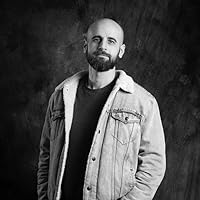
Paul Preston, author of Franco and Juan Carlos, holds the Príncipe de Asturias Chair of Contemporary Spanish History at the London School of Economics. He lives in London.
An extraordinarily detailed political history yet lacking in any colour or texture. Short on anecdotes that might enliven the narrative. A very useful reference book without being a particularly pleasurable read, either for the subject matter or the style.
Un trabajo documental enorme. Preston hace un repaso de la vida política de la España contemporánea desde la restauración, centrándose en la relación entre debilidad política y corrupción. Excelente en algunas partes, el único pero que le pondría es que sus 700 páginas se quedan cortas y el último capítulo resulta demasiado esquemático supongo que por falta de espacio, un análisis más profundo de últimos cuarenta años sería ponerse en 900 o 1000 páginas. Pese a su extensión resulta un libro ameno gracias a la habilidad de Preston para hacer accesibles temas poco atractivo y su capacidad de síntesis. Como obra de introducción a la historia de la corrupción en la política y la economía española me parece muy buena.
a fast overview (yes , even 700 + pages, it still skims the very rough wavy surface) of Spain from loss of Empire to the crisis of 2008 and podemos of 2016 . told Almost exclusively looking at the politics and military and economics and bougie corruption and a country betrayed. almost zero on individuals outside of those areas, though one kind of touching mention of historians and radical reactionary anti-historians dealing with the historical memory project of early 2000's (corrupted and dropped by wayside like so much else) has a few photos, huge notes section (citations only), and powerful index.
He may be a historian, but a writer he is not. Too often concepts would be mentioned pages before their description as though the reader should have known what was being referred to. A few times passages seemed almost verbatim of something stated a few pages back. I also found it odd to read the name Donald Trump in a discussion on 1920s Spain.
But the most egregious failure of this book: Where. Are. The. Maps. Historians take note! I always like maps. But even as someone who has a general knowledge of Spanish geography, I found it extremely surprising that with the number of cities and regions discussed, nowhere is there a map. I had to look up places a few times, and after awhile refused to do that. “It’s somewhere in Spain,” I told myself. Perhaps he was writing for other Spanish historians, and not someone like me, but really. Would it have killed you to put in a map? Even more so a map of Spanish Morocco which is so important in the beginning of the 20th century, and maps of which are not the easiest to find.
Alright, rant over.... but I will forever dislike this books lack of maps.
No cito ninguna frase de este ensayo porque todo el libro es bastante reseñable. Un trabajo que le ha llevado al autor muchos años de investigación, un ensayo necesario vista con los ojos de alguien que sí me parece imparcial. Imparcial es una palabra que suele costar mucho de asimilar, sobre todo en a lo que historia se refiere, no proveniente de historiadores, sino de pseudohistoriadores y periodistas aficionados a la historia. Ahora bien, lo que nos viene presentando Preston en este ensayo (1200 págs) es algo que se deducía, pero que no se determinaba muy bien en el tiempo, no se sabía el cuándo ni el porqué nuestra sociedad es como es, sobre todo la clase política que tenemos. Desmiente de forma convincente y ampliamente documentada toda la propaganda franquista, una propaganda que incluso, en pleno 2023 sigue teniendo mucha repercusión. Franco hizo esto, Franco hizo lo otro, te descuidas y Franco también creó a los españoles. Creo que con la suficiente documentación se puede determinar que el destino de un país no es solo una mancha, también es el camino que quiere tomar teniendo en cuenta esos errores, pero yo ni tengo la autoridad, ni la suficiente reflexión como para alargarme en la retórica política. Antes, era un tema que me encantaba, incluso llegué a militar en un partido, pero al final la mancha de todo esto sigue vigente, una mancha que por suerte va cambiando, demasiado lento, demasiado despacio. Quien no quiere ver la realidad que plasma Preston sobre nuestra realidad es que no quiere ver, sobre todo por poder identificar ciertas conductas que ya se acontecieron en el pasado. Es muy escalofriante la cantidad de conductas políticas que se están llevando a cabo en nuestro país y que parecen casi un calco de todo lo que nos narra el autor. El pasado sirve para tener un contexto con el que poder mejorar nuestro presente, tener una vista y un camino determinado para el futuro. He leído a trompicones por falta de tiempo y para qué engañarnos, también por falta de motivación. Llevo arrastrando un bloqueo lector importante que pienso recuperar poco a poco, aunque voy por buen camino. La literatura también merece un descanso para retomarlo con más determinación. Un fuerte abrazo para quien me lea.
It's a long read written in the traditional historical fashion covering the 19th and 20th political details. The most interesting era for me was the Franco years and his influence on Spain. I couldn't draw parallels with France's De Gaulle and Franco. The main difference seems to be that De Gaulle did not fight for Algeria as Franco came fought vehemently for Morocco. So while De Gaulle was clear that the age of Colonialism was over and dragging it for too long would harm the mother country, Franco was of the opposite view, and poor Spanish people suffered as a result.
Also, I couldn't help making comparisons with the Pakistani political scenario. Pakistan has similar challenges, a powerful battle-hardened army that claims sole rights to patrioty, a corrupt and self-serving political class that seems to be taking turns running the country, bad economy, and reliance on foreign worker remittances, working-class with few rights. The differences seem to be that 37 years of Franco rule were enough for the Spanish people to get completely fed up with Francoism. Also, the office of the Spanish king gave the ruling class a non-Franco option. The third difference was religion, Pakistani Islam is not really subservient to a Pope like institution like Spanish Catholicism. Fourth is the joining of Spain in EEC. Pakistan has no relations with any of its neighbours, all borders are closed to the free flow of tourism which uplifted the Spanish Economy.
Como siempre en los libros históricos de Paul, tremendamente bien documentado. Como siempre en los libros de Preston, infinitamente largos debido a toda esa información, nombres, etc. Como siempre en los libros de este historiador ingles, si no eres una persona con real interés por la historia contada al mínimo detalle y no eres de leer auténticos tochazos, no lo leas (He tardado casi un mes en completarlo).
Realmente interesante para todos aquellos a los que nos gusta la historia reciente de nuestro país. Solo un pero, creo que en determinados momentos este libro se parece demasiado a otros como "Holocausto Español" (con diferencias, este habla de corrupción y el otro de represión pero a veces da la impresión de que se enroca en lo segundo y no en lo primero, al fin y al cabo una cosa fue consecuencia de la otra y viceversa).
Otro pero, trata demasiado la época preguerra, guerra y franquismo (que es lo que le gusta a este hombre) con exceso de detalles para luego solo tratar los últimos 40 años en un capítulo extenso pero pasando los escándalos un poco más por encima... Puede ser debido a que todos estamos acostumbrados y conocemos más esta época.
Very extensive research on Spain’s modern history. Preston presents a lot of information, which at times is just too much. Too many names of politicians, too many election results (why not present results in a table or graph?), too many place names (no use of maps at all). All this information sometimes leads to losing sight of the big picture, and I have the feeling that this book remains somewhat too superficial and unfortunately lacks a deeper analysis of the phenomena named in the subtitle: corruption, political incompetence and social division. The emphasis on Catalonian nationalism is quite evident, probably because of its more direct connection with current events. This becomes most evident when ETA pops up 'out of nowhere', because the roots of Basque nationalism have not been expounded upon in this book, which is somewhat disappointing in my personal opinion.
A very thoroughly researched work with detailed descriptions of the social and political history of corruption in Spain. Yet, much too name-heavy for my taste, making the reader loose track of the important developments and political shifts. Probably better suited for those who are already intimately familiar with the broader historical narrative
I would actually give this book 3.5 stars. The reason for the lowish score is partly due to a fault of mine and partly a fault of the author. The fault of mine was not to investigate the premise of this book in a more thorough fashion before I put it on my Amazon wish list which meant I got the book for my birthday. I saw an interview the author did with Dan Snow and as I am not a regular reader of Spanish political and economic history, I thought the book sounded interesting and so put it on my wish list. This was my fault as I didn’t appreciate that this book is not an entry level book into Spanish political, economic and social history. I feel that the author assumes that the reader has more than a basic understanding of the subject matter. I did not have this. My knowledge of Spanish history was the Armada, the Civil War, Franco and then massive unemployment in the 2000s. I may be being glib here but this isn’t far off my knowledge of Spanish history in all truthfulness. The reason for the low score due to the authors fault is in its over research. There is too much research and too many examples of what the author is trying to get across. This means that the book feels crowded and descends into a cacophony of political party names and personalities which breaks up the flow of the narrative. Despite this, the section on the Franco era post 1945 is very interesting as is the later chapter on corruption in the 2000s. Having read this book I am left with the hope that the Spanish people get a political, economic and social elite who aren’t just interested in lining their own pockets. But that seems just as far away as it was during the 1800s and beyond.
Denso, a veces árido y con una presentación no muy amigable que requiere estar familiarizado de antemano con la historia de España, sus figuras y sus organizaciones.
Ahora bien, si este es el caso, resulta ser un libro tremendo, imprescindible. Una barbaridad de trabajo documental de la historia de España y las tropelías que han sufrido sus gentes.
Libro largo y denso pero sin nada de paja que explica y pone en contexto toda la historia de la España contemporánea. Aunque echo en falta que se refieran a otras ccaa y no solo a Cataluña
Un libro denso y con una bibliografía fascinante que analiza la historia de España desde 1876 hasta hoy con un hilo conductor: la corrupción. Sirve para entender un trasfondo histórico que ha lastrado el avance de España como sociedad y cuya lectura, a la vez que abre muchos interrogantes, resuelve otros. Lo recomiendo absolutamente.
The author deserves credit for a thoroughly researched book. However, it becomes tedious and confusing at times. I think it would have been easier to get through it the chapters had analytical summaries at their beginning and end. The introduction alone is worth a read. However, unless you’re steeped in the multitude of labor unions and political factions of Spain, this is a tough read.
Mi pregunta al haber acabado el libro sigue sin respuesta. ¿Ha desaparecido el caciquismo de España?
La Restauración se basó como señala Preston en una gran chapuza democrática en la que los gobiernos eran elegidos antes de las elecciones y los gobernadores civiles se encargaban en cada provincia de cuadrar los resultados previamente establecidos por el denominado “encasillado”. Se dejaba un amplísimo margen de decisión, del cual el rey, el “frívolo Alfonso XIII”, abusaba frecuentemente. A Cánovas Preston lo trata de “culto y muy leído”, Madariaga de “personalmente honesto y honorable” pero “el más corrupto de la vida política que la España moderna ha conocido”, lo cual hace preguntarse si Cánovas también sacaba tajada o se conformaba con el poder y sus prebendas. La base del sistema era el caciquismo cuyos males sólo se podían atajar, para Joaquín Costa, recurriendo a un “cirujano de hierro”. Lo que en mi opinión falta en el libro en esta etapa fundamental de nacimiento en falso de la democracia es un estudio en profundidad de los males sociales que para los regeneracistas aquejaban al sistema.
“Escuela y despensa” y “siete llaves al sepulcro del Cid” son mencionados (a principios del siglo XX el 75% de la población española era analfabeta y hay numerosas referencias a las plagas y hambrunas que sufría la población) pero no las críticas de Joaquín Costa al “liberalismo abstracto y legalista imperante que ha mirado no más a crear y garantizar libertades públicas con el instrumento ilusorio de la Gaceta” ni al hincapié del mismo a la “europeización de la agricultura, de la minería y del comercio, de la educación nacional, de la administración pública y de la política”. Habría que esperar casi un siglo para que Felipe González nos hiciera miembros paritarios del club europeo (que los tecnócratas del Opus no consiguieron por carecer España de una democracia). Lo que Preston no destaca suficientemente a mi parecer es la falta de un auténtico civismo español. El origen del mal era la falta de respeto por la ley o el “para los amigos el favor, para los enemigos la ley”. Sí señala la falta de libertad de los jueces y una desamortización que, aunque valiosa en potencia, mina el espíritu emprendedor y provoca el rentismo de una burguesía incipiente. También destaca la nociva influencia de los restos de un imperio incapaz de competir con la rapacidad de las nuevas potencias industriales. La lectura de los textos de Joaquín Costa, como la de muchos grandes pensadores, puede llevar a conclusiones contrapuestas. Primo de Rivera se inspiró en su crítica a la corrupción sustituyendo a los gobernadores provinciales por militares, lo que fue en principio bien acogido por la población, así como recogiendo las propuestas de regadío de Costa que Prestón no menciona. A su vez Costa inspira a los antiimperialistas con sus claros ataques a la expasión colonial (y a sus adalidades, los africanistas, el primero de los cuales fue Franco) que, sin embargo, no van a impedir a Primo de Ribera y a los franquistas apropiarse de su legado.
El sistema político español es hoy representativo, no hay denuncias de pucherazos, pero sufre una profunda crisis de legitimidad que en gran parte se debe a la percepción generalizada de una extendida incompetencia política y de una corrupción por momentos demoledora. La crisis de legitimidad del sistema ha sido aprovechada pero no resuelta por los nuevos partidos como Podemos, Ciudadanos o Vox.
La última legislatura del gobierno de Felipe González estuvo dominada por numerosos escándalos, algunos de los cuales se comentan en el libro: los GAL, Filesa, Roldán, los PER, Banesto, KIO, las promociones de viviendas de UGT, etc. sin verse un hilo conductor entre ellos.
Aznar nada más llegar al poder recalentó la industria inmobiliaria con su liberalización del suelo. Lo que en principio iba a abaratar el precio de la vivienda acabó en una espectacular burbuja en 2007 a consecuencia de la entrada masiva de capital barato, como menciona el libro, pero también por el lavado de dinero negro, nacional e internacional, ante el inminente cambio de moneda con la complicidad de muchos ayuntamientos y cajas de ahorro dominadas por el PP o el PSOE en la mayoría de los casos.
Es necesaria una lectura de los acontecimientos menos cronológica y más causal. No es el fracaso de Bankia lo que lleva a las tarjetas black sino que la compra de votos y favores del Consejo de Administración de Caja Madrid por Blesa y luego Rato impide a este órgano de decisión funcionar de forma profesional o al menos racional con el menoscabo final de unos 36.000 millones de euros para el erario público. No es un caso aislado, se produce en casi todas las cajas de ahorro que fueron fundadas con un noble propósito social y acabaron engullidas por el clientelismo, la falta de profesionalidad y la negligencia de sus gestores.
José Manuel Naredo, economista español, habla de un “neocaciquismo financiero inmobiliario” donde el bien fundamental ya no se ubica en la producción agraria sino en el patrimonio inmobiliario. Varios rasgos distintivos de la relación caciquil/clientelar siguen resultando válidos: su vocación rentista-extractiva, en rentas producidas gracias a contactos con las instituciones y la información privilegiada; las relaciones clientelares se constituyen como forma normal del ejercicio del gobierno; y, por último, la desigualdad estructural resulta constitutiva de una relación jerárquica entre las partes implicadas.
El caso de Jesús Gil en Marbella es paradigmático del neocaciquismo. Encarnación de la cultura del pelotazo, condenado por derrumbe de sus obras que produjeron en Los Ángeles de San Rafael 68 muertos, indultado dos veces (por Franco en 1972 y por el gobierno de González en 1994), llegó a Marbella catapultado por su popularidad como Presidente del Atlético de Madrid. Allí, promete echar a todos los políticos y dejar el ayuntamiento en manos de los que saben (“Esto no es un tema de políticos, es un tema de mentalidad de empresarios, mentalidad de solucionar problemas” defendía en el vídeo promocional que envió a los marbellíes en 1991 como presentación de sus intenciones, más que de un programa) . Él y los suyos no van a robar porque son “personas que ya tienen una autosuficiencia económica y no tienen por qué venir a robar”, señalando que el primer problema de la ciudad es la delincuencia y la droga por lo que nadie quiere invertir en la ciudad. Los políticos son unos “analfabetos urbanísticos”, “incompetentes incapaces de gestionar lo suyo propio” y aquí “todo problemas, todo pegas, todo cortapisas”. Él no viene a robar pero sí tiene intereses propios “hemos dicho mil veces que yo también tengo grandes intereses que defender, pero hay una cosa clara, que la defensa de mis intereses va unida a la defensa de los vuestros”. La solución de los problemas está en el mercado inmobiliario y más exactamente en el suelo “dicen que no hay suelo, veréis como conmigo sí hay suelo, va a sobrar suelo”. La vaguedad de sus propuestas, la violencia, la chabacanería y la pobreza de su lenguaje recuerdan mucho a Donald Trump. El populismo no es una exclusividad española pero el caciquismo difícilmente podría enraizar en un país tan grande y variopinto como los Estados Unidos. Unas vidas paralelas de Donald Trump y Jesús Gil pondrían en evidencia los parecidos y las diferencias entre el selfmade man neoyorquino y el constructor español postfranquista que acaba saltando a la política en una huida hacia delante de sus acreedores y sus juicios pendientes. El discurso antiestablishment, la avaricia y saltarse la ley a la torera es común. Los resultados en los sistemas políticos no, quizá porque la existencia de los partidos es más laxa en Estados Unidos y porque existe una limitación de mandatos. En el caso de Gil sabemos que el cerebro de todas sus operaciones era Juan Antonio Roca, que como señala Preston “había creado una red de empresarios, abogados, policías e incluso jueces, utilizando los contactos creados por el cónsul alemán en Málaga Hans Hoffmann, y su hijo Juan. Cabe recordar que Hans Hoffman había sido el pionero de los negocios inmobiliarios en la cercana localidad de Fuengirola que enriquecieron a José Antonio Girón de Velasco (antiguo ministro falangista de Trabajo en época de Franco).” Sin embargo, Preston despacha el caso de Marbella en dos páginas y no llega a desarrollar conceptualmente, con el montón de datos de que dispone, algo parecido al neocaciquismo inmobiliario de José Manuel Naredo.
Otro claro ejemplo contemporáneo de neocaciquismo es sin duda Carlos Fabra, del PP, expresidente de la Diputación de Castellón, responsable del fallido aeropuerto y aliado del exministro (y expresidente de la Comunidad Valenciana) Zaplana que salió de la cárcel tras sólo ocho meses y medio de prisión por cargos de corrupción. El mismo Zaplana confesó que necesitaba hacerse rico porque “me lo gasto todo en política”. Cuando Carlos Fabra fue acusado por primera vez, Rajoy salió en su ayuda calificándolo de ciudadano ejemplar. Rajoy se encuentra retirado de la política en su casa de Santa Pola (Alicante) donde mantiene un registro de la propiedad.
En resumen, el libro de Preston resulta enciclopédico pero no es la gran monografía de la corrupción en España que me esperaba. Es, sin duda, una obra muy bien escrita y traducida y que se lee de corrido.
He llegit la traducció catalana d'Eva Garcia Pinos. Llibre necessari per repensar-nos i per aprofitar-ne la nombrosa bibliografia que es va reflectint en cadascun dels fets històrics comentats amb els aspectes especifics i el context que els deterterminen. Si ens atenem al títol del llibre i a l'últim dels seus capítols ("De l'esperança d'una democràcia acabada de néixer al triomf final de la corrupció i la incompetència") no podem parlar precisament d'optimisme. De fet, la cloenda, és l'interrogant sobre si la incompetència endèmica dels polítics trobarà alguna solució futura. Les observacions del immediat present no albiren grans esperances. No les perdem.
This entire review has been hidden because of spoilers.
i will definitely need some youtube videos to fully comprehend everything that happened because history books are interesting but reaaaally dense. compared to some other history books i've read, this one had much more history than statistics and actual recounting of events along all the relationships. what a journey, kind of sad that it's over after 3,5 or so months:(
“Un poble traït” és un retrat descoratjador de més de 750 pàgines sobre la corrupció de les elits espanyoles del del règim de la Restauració fins a hui, una història d'Espanya penetrada per la incompetència i la cara dura. I ben documentat i ben escrit, com acostuma Paul Preston.
En la corrupció i la incompetència l'exèrcit espanyol ha tingut un paper destacadíssim. A més, entre 1814 i 1981 es patiren més de 25 colps militars o pronunciaments. Destaquen els dels generals d'O'Donnell en 1856, Pavía en 1874, Primo de Rivera en 1923 i Franco en 1936, tots contra els moviments progressistes. Al capdavall, «excloses de la política organitzada, les masses famolenques només podien triar entre l'apatia o la violència». Barcelona fou un dels centres del pistolerisme i de bombes (66 artefactes explosius entre 1904 i 1909).
A parer de Preston, després de la desamortització «Espanya va deixar de ser una societat feudal en termes jurídics i econòmics, però va continuar sent-ho en termes socials i polítics». En el suport del caciquisme i del brutal control social destacà la Guàrdia Civil. A principis de segle XX l'analfabetisme estava sobre el 75%, és a dir, la majoria de les classes populars, que patien escassesa. La repressió i la beneficència, doncs, eren cabdals per al control social. La despesa militar representava en 1921 més del 35% del pressupost.
No només, però, han estat les elits polítiques i militars les corruptes, també les econòmiques. En destaca el contrabandista i empresari sense escrúpols Joan March, qui finançà el franquisme i contribuí a la seua victòria militar (que després es cobraria, és clar).
En 1946, el 6% del pressupost fou per a educació i el 45% per a l'exèrcit, la policia i la Guàrdia Civil. Franco, a més d'un criminal i d'un inepte, fou un gran corrupte. Rebé 36 milions € en regals i la fortuna que deixà en morir equivalia a més de 400 milions € de 2015. Carmen Polo, la muller de Franco, fou coneguda com Doña Collares. Era sabut que entrava amb freqüència en joieries i es duia peces sense pagar.
Amb esta tradició corrupta fou difícil que la democràcia de 1978 fóra neta i les pràctiques corruptes i clientelars continuaren amb governs del PSOE i del PP. I la família reial espanyola n'estigué al capdavant. De fet, un dels problemes del llibre és que passa per alt la corrupció de Joan Carles I, com si haguera sigut una part de la seua família i no ell. En definitiva, és un bon llibre per a entendre el passat i el present d'Espanya (i per a no estar gens orgullosos de les elits espanyoles).
Bonus track: el País Valencià, com ve sent habitual en la història espanyola apareix molt desfigurat (de fet, combina este nom amb el de Llevant) i té alguna imprecisió.
This a book covering Spain`s political history of the last 150 years, and its main topic is that the country has been run by corruption and severe incompetence on the political arena, on a combined basis, that has led to breakdowns of social unrest often been met with state violence. Despite Preston`s cast research and description of corruption scandals, in my view, Spain successfully completed a political transition since Franco`s death and became a developed and socially tolerant democracy.
A dense book with a fascinating bibliography that analyzes the history of Spain from 1876 to present days, helping to understand through the historical background what has hampered the progress of Spain as a country, economy and society. Preston provides substantial information on corruption cases during those periods where PSOE and PP were in the Government. Despite some specific cases, some recent corruption scandals are at provincial level, and are naively compared with those performed by Franco, Catalan business Juan March or General Severiano Martínez. Given the fact that I`m based in South America, Spain ranks 30th out of 198 countries in the corruption scandal index from Transparency International for 2019, ahead of several countries in the region.
Preston`s tragic assessment of Spain, in my view, is a combination of weak institutions, Franco`s centralism that difficult industrialization in regions, combined with his management stile leaving relevant matters of State to his cabinet, and an army refusing to accept the fact that former Spanish Empire was totally lost. After reading the book you get the sensation that Spanish judiciary system has a long way to step up against endemic corruption and the way it has influence the country`s political system to its incompetence, reminding us just how fragile democracies are in the XXI century. Whether Spain can cope with these challenges remains to be see.
Un libro que supón un traballo documental enorme e que recolle de forma precisa os acontecementos políticos do Estado Español desde a restauración borbónica de Alfonso XIII ata a actualidade, centrándose especialmente na corrupción. É un libro que fará que o lector da miña xeración descubra algunha cousa que non coñecía do pasado recente, e se plantee ata que punto o clientelismo e a corrupción son endémicas da clase política ibérica.
Como repaso histórico é moi completo; pero non podo dar mellor puntuación porque é un libro moi áspero, pouco ameno, máis de 600 páxinas de descripción breve dos axentes políticos e económicos de cada época, con fugaces resumos dos acontecementos. É difícil de entender que me parecese denso e á vez o notase falto de profundidade no seu relato de feitos históricos, pero supoño que é razonable cando se queren repasar 150 anos de forma tan pormenorizada; desarrollar cada punto faría que a obra se volvese enciclopédica.
Gustaralle a quen queira imaxinarse como sería un La Sexta Noche con Lerroux de invitado, ou un Sálvame no que entrevistasen a La Caoba, a amante narcotraficante de Primo de Rivera.
En realitat aquesta obra de Preston no és una història de la corrupció a Espanya des del darrer quart del segle XIX, sinó una història d'Espanya des del darrer quart del segle XIX, la qual cosa ve a ser, si fa no fa, el mateix. Es tracta del relat de com generacions senceres de corruptes, ineptes, cleptòmans i incompetents han regit els destins d'un país amb l'únic objectiu d'expoliar-ne tants recursos com fos possible; és el relat de com tots i cadascún dels caps d'estats, membres d'estats majors, alts funcionaris i polítics de tots els colors van fer autèntiques fortunes embolcallats en la bandera i amb l'excusa de salvar la pàtria, usant tots els mecanismes al seu abast (guerres incloses) per preservar el seu statu quo. El pitjor de tot és que avui estem exactament igual i que, com s'ha vist, quan ha arribat el moment de gestionar crisis, la incompetència i el nepotisme han estat, una vegada més, els únics paràmetres verificables.
Un recorrido increíble por la Historia de España desde la Restauración hasta la abdicación de Juan Carlos que no cae en la monotonía de un manual de Historia. Presenta una narración dinámica, a veces más tediosa y otras más entretenida, que consigue combinar a la perfección la Historia propiamente dicha con anécdotas y datos a priori secundarios que no hacen sino completar la imagen de nuestro pasado más reciente.
El libro se centra en el desajuste constante en nuestra Historia entre la clase política y el pueblo, haciendo hincapié en la corrupción y la lejanía de los políticos respecto al malestar de la sociedad (en el campo, en las fábricas, en guerras que se veían obligados a luchar, en una posguerra que afectó a unos pocos mientras otros se llenaban los bolsillos...). Es interesantísimo aproximarse a la historia desde este enfoque, sobre todo porque te permite darte cuenta de que nada ha cambiado, lo que no deja de ser descorazonador. Que la clase política haya estado durante siglos más centrada en hacer dinero para sí misma y sus amigotes en lugar de preocuparse por el pueblo y que a estas alturas sigamos igual... ¡Y si solo fuera eso! El problema catalán, las salpicaduras a la monarquía... Yo ya no sabía si estaba leyendo sobre el siglo XIX o sobre el XXI.
Sin embargo, le pongo dos peros. En primer lugar, el capítulo dedicado a la actualidad se centra demasiado en los casos de corrupción y arrincona otros aspectos (el crecimiento con Felipe González; el papel de España en el mundo, y más concretamente en Europa o Iberoamérica; las medidas progresistas de Zapatero en una España marcada por una dictadura conservadora tan reciente...). No sé, creo que nuestra democracia da para mucho más que páginas y páginas y páginas sobre chorrocientos casos de corrupción que a día de hoy aún tenemos en las noticias. Sinceramente, he pasado muy por encima estas páginas. ¿Cómo afecta la corrupción a la desafección y al panorama político actual? Perfecto. ¿Una suerte de manual de instrucciones sobre el caso X y cómo se gestó? Pues no me interesa mucho, lo siento.
En segundo lugar, entiendo que el autor quería hacer un relato cronológico, porque al fin y al cabo los disturbios sociales no se entienden sin las políticas económicas de una época que tampoco se explican sin el contexto internacional o el devenir de la guerra que estuviera librando España en ese momento, pero llega un momento en el que ya no sabía ni dónde estaba. De un párrafo a otro, pasamos de las revueltas anarquistas a la Guerra de Marruecos, que precede a otro párrafo sobre los escándalos de Alfonso XIII que nos lleva a los gustos de Primo de Rivera por las mujeres. Es una exageración, claro, pero la falta de subapartados o, por lo menos, de espacios que te avisen del cambio se echan de menos.
Con todo, la lectura merece muchísimo la pena. Es un libro muy interesante que zambulle de lleno en nuestra Historia reciente de forma amena.
I have been living in Spain for 10 years, and I have mixed feelings after listening through this book, it covers much of Spain's recent history and really it explains a lot of things that you still see happening around here.
So what does this book cover?
It starts at the Spanish restauration system democracy "el turno" system, of limited democracy. I think this part was clearly written.
Then it goes to explain the Primo de Rivera dictatorship - also well written. Then we get to the end of the dictatorship and beginning of the second republic, this part could have used more editing, often we are given too much information on all the different political parties and associations involved, particularly those of the left. The narrative when it's up to the point is great, but often we go off, on a tangent.
Then the Second Republic, the civil war and beginnings of Spanish Facism are quickly covered, you do get a general idea, but we could have used more time spent here. I will actually read a full book on the complex topic.
Now we get to on my opinion the best part of the book, the various phases of the Franco Regime, the book explains very well Franco's views and policies both during the WW2, and after, perhaps this shouldn't be surprising as the author has also written Franco's biography.
Still I wish more time had been spent on explaining the economics of this era, you would be suprised but a lot of people, even young people in Spain still have nostalgia for the later reign, and I am really trying to understand how that is possible.
Now we get to Franco's death, king Juan Carlos and the difficult birth of democracy, and the attempted coup d'etats, this part is very interesting and shocking, it led to some interesting conversations with my Spanish friends.
Now the last two chapters of the book go a bit downhill, as it becomes largely an endless numeration of different corruption cases of differing importance, but there is still good political analysis between all these cases, again this part could use some editing.
So, some parts of the book deserve five stars, others perhaps three, the book is also obviously partiary to the left, so make sure you consult other sources as well to get a more complete picture.
Never the less, I really enjoyed, and was shocked by a lot of what I read, and I learned a lot, and understood much better the society I live in, so no small feat, I just wish they had edited some of the tangents out.
I enjoyed reading this book, from the first chapters, dealing with the last quarter of the 19th Century, to the last ones, dealing with the very recent past. It was enlightening. Thanks to the dictatorship school I attended, my knowledge of Spanish history pre-1900 tends to be more than fragmentary and not well substantiated. The book filled the gap. The next Century is better known to me, because I have read a number of books of specific periods, like the North African disaster, the pistolerismo in Barcelona, the arrival of the Second Republic or the Civil War. The book links events, positions public personalities and gives a general sense to everything. Then comes the post-war period, where information was a bit fragmentary and, from the Stabilisation Plan onwards it treads into more or less charted territory. There is a great amount of information, to the point that I was wondering how would a non-Spanish reader follow the thread, with so many names appearing and disappearing. Curiously, closer to present days, available information is much more abundant and, at the same time, I felt like rereading the newspapers of those times that I lived. The premise that Spain has a corruption-ridden political system is an exciting one. Indeed, the temporary absence of corruption in the papers it is a rare event that does seldom repeat. The political class, including kings, are mostly incompetent and society is extremely divided with lots of hatred. It reminds the reader that we are talking about a country with much homework to do! On the edition, it is pity that some basic mistakes have gone unaccounted. I still laugh at the picture of striking miners from Asturias with a caption referring to Austrian miners, instead of Asturian. Spanish names are overabundant, in my view, and have some spelling issues. Catalan names tend to be inconsistent, on many occasions oscillating between the Catalan original and the Spanish translation. All in all, a remarkable and illustrative book.
Na 150 pagina's had ik nog niets gelezen dat ik al wist. Het is gek hoe weinig ik mee heb gekregen van de geschiedenis van een land waar ik al 50 keer op vakantie ben geweest en meen te kennen. Preston betoogt dat de rode draad door Spanje's geschiedenis de corruptie en incompetentie van haar elite is. Van de onderlinge afspraken tussen de grootste partijen om elkaar de macht toe te schuiven eind 19e eeuw, tot de autarkische politiek van Franco: uiteindelijk delfde de gewone Spanjaard altijd het onderspit.
Fascinerend is hoe dit in stand kon blijven. Centraal staat bijvoorbeeld de rol van het leger, voor wie de eenheid van de Spaanse staat voorop stond. De koning speelde een wisselende rol: Alfonso XIII ondermijnde de zittende macht, terwijl Juan Carlos juist een geweldloze overgang na France mogelijk maakte. Een structurelere factor is dat de industriele centra zich concentreerden in Baskische en Catalaanse gebieden. De industrielen waren bang voor separatisme en investeerden daarom minder in hun eigen bedrijven en meer in bezittingen elders in het land. Ook vielen communistische en socialistische bewegingen daardoor samen met separatisme, wat het moeilijk maakte om tegemoet te komen aan hun sociaaleconomische wensen.
Vanaf ± 1970 ontrafelt Preston's verhaal enigszins. Zonder goede verklaring komen binnen Franco's regering competente, technocratische en internationaal georienteerde ministers en ambtenaren aan de macht. Zij bereiden een andere economie en internationale positie voor die de aanzet vormen tot een periode van relatieve bloei na Franco's vertrek. Dat geldt ook voor de periode vanaf 2000. Preston somt weliswaar een lange lijst van corruptie op, maar kan niet meer overtuigen dat deze corruptie doorslaggevend is geweest voor de ontwikkeling van Spanje en de welvaart van Spaanse burgers. Het overtuigt wel dat corruptie een moeilijk uitroeibare onderstroom is
An impressively researched and comprehensive book on spain over the past 100 years. The title of A people Betrayed is very accurate - the spanish people have been dramatically let down by their leaders, the people in power and their institutions. What a sad story. It seems as if a country cannot escape its history - this is the case for Spain. Essentially, the people in power (and their were many parts) - the army, the church, the monarchy and the landed elites all had a vested interest in not sharing. And Government institutions were so poorly developed and local that corruption has been a constant in Spanish life. The agricultural and industrial workers wanted a voice and they had to resort to violence to get heard. There was no democratic channels to make this happen. The Army with its colonial failures became focussed on domestic stability and unity and wanted no change. The Spanish Civil was was shocking and Franco ruled by fear and violence. He was full of delusions about how great the military could be with very little understanding of the economy and how to create wealth. He thought you could print money! Democracy was finally established in 1982, but Spain has still been full of division, regional battles, corruption and never coming to terms with its past. It seems that the wealth from the tourist industry and joining the EEC has saved Spain. However, its history and institutions do not support it as a strong member of Europe. Hopefully in coming year the people will have better Governments and leaders and Spain can thrive. Outstanding book with somewhat overwhelming detail but a must read to understand modern spain. The title" A people betrayed - a history of corruption, political competence and social division in modern spain" tells most of the story.
Sir Paul Preston might be a great historian. A great writer he is not. The reader is bombarded with an endless barrage of names, yet there is no sense of personality and little motive ascribed to any of these people. They all feel like blank sheets of paper, and the reader can not mentally fill in the outline, before that character disappears, only to be replaced with ten new figures.
Preston is not interested in establishing any kind of atmosphere or a sense of culture around the millions of political events listed in the book. Many historians will illustrate the attitudes at the time by excerpts of some letter or article. This helps us better understand and empathise with the plight of the people. I wish this author had used such a tool to stir the imagination, but instead Spain's exciting 20th century comes off as lifeless and dry.
Once Franco enters the stage, the book finally gets some momentum going. Unfortunately even there Preston falls back on repetitive phrases, which don't keep the reader engaged. The Caudillo's evil daughter was particularly delicious in her excessive abuses of power. I would have wished for more juicy bits like that.
Much of this book feels like it could have been an excel spreadsheet instead, with each player's name and time in office. A stronger editor was needed here. Oddly, Preston does not even tie these 29 hours together to give us a poignant ending. I thought my audiobook might be missing a chapter, because it terminated so abruptly. The whole project lacked the human touch.
I did learn a fair amount, but it was hard work to keep my focus on the text.
Paul Preston is an author that probably I read less frequently that I should. As a matter of fact, this is only the second of his essays on Spain´s history that I have read, the other want is his biography of Franco. Nevertheless, both "A People betrayed" and Franco´s biography would be among the books I would recommend to someone interested in Spain.
"A People betrayed" is a short history of Spain in the last century and a half, with the corruption and incompetence of the ruling class as the narrative thread. Moreover, it is a narrative of how almost always in this period there have been always a dominant character on the top who has based his overwhelming power in exploiting the weakness of human corruption and reaping one of the biggest slice for himself. Firstly, Alfonso XIII and Miguel Primo de Rivera, afterwards, Franco and, lastly, Juan Carlos I, are the among the main characters of this essay of a People that rarely has deserved its governors.
However, pehaps the essay lacks of giving more space to thosse who appeared in the tittle: The People. The attitudes and fights of the men and women to this rapacious ruling class, their support to the rare regenerationist movements that from time to time have had the opportunity to change the country or (it should be recognised) the so called silence majority that has tolerated corrupt governments deserves more space that it has in the essay.
Putting Franco in a broader context of Spanish history from the late 19th C really brought to vivid life the history of how a great nation like Spain became ensnared in a Facist personality cult.
When I’ve read Histories of how Germany slid into Facism, the extreme circumstances of the Versailles settlement and the hyperinflation of the Weimer Republic, have somewhat diminished the pertinence of the lesson of history.
But with Spain, the story of a nation struggling to manage its relative economic decline, while being led by a series of venal and corrupt democratic governments, breeding polarisation, and thus creating the conditions for Franco’s eventual rise... feels incredibly pertinent to today’s world situation - almost simplistically so!
Similarly, the path that Juan Carlos and others navigated over the years post Franco’s death to navigate Spain back to democracy, is another fascinating lesson from history of the delicate path that had to be taken. And again, feels so pertinent today to the situation in countries navigating that transition today.
I enjoy many history books simply because of what they reveal about that history. But this particularly stood out for the relevance to today’s world.