

What do you think?

تاریخ خیال: قهرمانان و شگفتی ها در اروپای قرون وسطا
ژاک لوگوف (1924 تا 2014) از مهمترین تاریخدانان قرون وسطا و این اثر مانا، فرهنگی است به نثر و به نقش از قهرمانان و شگفتی های این عصر تاریک کمتر شناخته شده که هنوز که هنوز است پیش داوریها، بدگمانی ها، و نظرات منفی و مخالف بسیاری را بر میانگیزد.
لوگوف مقصود خویش از نگارش این کتاب را اینگونه بیان کرده است نخست خواستم بر اهمیت خیال در طول تاریخ تاکید کنم سپس نشان دهم که قرون وسطا قهرمانان و شگفتی هایی خلق کرده که میتوانند تا مدت های دراز موجب خیالپردازی شوند، و واقعیات اجتماعی و مادی عصر خویش را متعالی سازند.
پس از نوزایی رمانتیسم، به یمن دو اختراع عمومی قرن بیستم یعنی سینما و تصاویر داستانی، شاهد نوزادی سوم خیال قرون وسطایی خواهیم بود که و اگر تاریخی با موج های بزرگ انقلاب های متن و تصویر عمیقاً جاودانه و احیا شده باشد، به طور حتم، آن تاریخ خیال است.
لوگوف مقصود خویش از نگارش این کتاب را اینگونه بیان کرده است نخست خواستم بر اهمیت خیال در طول تاریخ تاکید کنم سپس نشان دهم که قرون وسطا قهرمانان و شگفتی هایی خلق کرده که میتوانند تا مدت های دراز موجب خیالپردازی شوند، و واقعیات اجتماعی و مادی عصر خویش را متعالی سازند.
پس از نوزایی رمانتیسم، به یمن دو اختراع عمومی قرن بیستم یعنی سینما و تصاویر داستانی، شاهد نوزادی سوم خیال قرون وسطایی خواهیم بود که و اگر تاریخی با موج های بزرگ انقلاب های متن و تصویر عمیقاً جاودانه و احیا شده باشد، به طور حتم، آن تاریخ خیال است.
226 pages, Unknown Binding
First published January 1, 2004
About the author
Jacques Le Goff
192 books299 followersA prolific medievalist of international renown, Le Goff is sometimes considered the principal heir and continuator of the movement known as Annales School (École des Annales), founded by his intellectual mentor Marc Bloch. Le Goff succeeded Fernand Braudel in 1972 at the head of the École des hautes études en sciences sociales (EHESS) and was succeeded by François Furet in 1977. Along with Pierre Nora, he was one of the leading figure of New History (Nouvelle histoire) in the 1970s.
Since then, he has dedicated himself to studies on the historical anthropology of Western Europe during medieval times. He is well-known for contesting the very name of "Middle Ages" and its chronology, highlighting achievements of this period and variations inside it, in particular by attracting attention to the Renaissance of the 12th century.
Since then, he has dedicated himself to studies on the historical anthropology of Western Europe during medieval times. He is well-known for contesting the very name of "Middle Ages" and its chronology, highlighting achievements of this period and variations inside it, in particular by attracting attention to the Renaissance of the 12th century.
Ratings & Reviews
Friends & Following
Create a free account to discover what your friends think of this book!
Community Reviews
Displaying 1 - 30 of 31 reviews

October 12, 2025
اصولاً نمیدونم چطور باید به ناداستانها نمره داد، و بهنظرم در کل نمره دادن بهشون فایدهی خاصی نداره.
اما دربارهی این کتاب باید بگم حجم کمی داره و نثرش تا حدی شبیه آثار آکادمیکه. توضیحاتش مختصرن ولی جالب و پرمغز، و بهجای اینکه صرفاً تاریخ هر موضوع رو بگه، نشون میده چطور هرکدوم از عناصر قرون وسطی از شوالیهها و آرتور گرفته تا کلیسا و دژهای مستحکم با خیال مردم در ارتباط بودن و کمکم جنبهای اسطورهای و مقدس پیدا کردن.
از نظر ساختار، کتاب مجموعهای از مقالهها و گفتارهای تحقیقیه که هر کدوم یه جنبه از تخیل قرون وسطایی رو بررسی میکنن؛ از تصویرهای بهشت و جهنم گرفته تا نقش معجزهها، خواب و رؤیا، شیاطین، موجودات افسانهای، و حتی تخیل تاریخی یعنی اینکه مردم اون دوران خودشون گذشتهشون رو چطور تصور میکردن.
لوگوف نشون میده که برای انسان قرون وسطی، تخیل چیزی جدا از واقعیت نبود؛ برعکس، خیال خودش راهی برای شناخت دنیا بود. مثلاً وقتی یه کشاورز قرن دوازدهمی میگفت "یه فرشته دیدم" برایش بهاندازهی دیدن یه همسایه واقعی بود — تخیل، ایمان و تجربهی روزمره درهمتنیده بودن.
او نشون میده که این "اختراعهای خیالی" چطور روی نهادهای واقعی اثر گذاشتن: از کلیسا و نظام مجازات گرفته تا هنر و معماری.
اما دربارهی این کتاب باید بگم حجم کمی داره و نثرش تا حدی شبیه آثار آکادمیکه. توضیحاتش مختصرن ولی جالب و پرمغز، و بهجای اینکه صرفاً تاریخ هر موضوع رو بگه، نشون میده چطور هرکدوم از عناصر قرون وسطی از شوالیهها و آرتور گرفته تا کلیسا و دژهای مستحکم با خیال مردم در ارتباط بودن و کمکم جنبهای اسطورهای و مقدس پیدا کردن.
از نظر ساختار، کتاب مجموعهای از مقالهها و گفتارهای تحقیقیه که هر کدوم یه جنبه از تخیل قرون وسطایی رو بررسی میکنن؛ از تصویرهای بهشت و جهنم گرفته تا نقش معجزهها، خواب و رؤیا، شیاطین، موجودات افسانهای، و حتی تخیل تاریخی یعنی اینکه مردم اون دوران خودشون گذشتهشون رو چطور تصور میکردن.
لوگوف نشون میده که برای انسان قرون وسطی، تخیل چیزی جدا از واقعیت نبود؛ برعکس، خیال خودش راهی برای شناخت دنیا بود. مثلاً وقتی یه کشاورز قرن دوازدهمی میگفت "یه فرشته دیدم" برایش بهاندازهی دیدن یه همسایه واقعی بود — تخیل، ایمان و تجربهی روزمره درهمتنیده بودن.
او نشون میده که این "اختراعهای خیالی" چطور روی نهادهای واقعی اثر گذاشتن: از کلیسا و نظام مجازات گرفته تا هنر و معماری.

October 3, 2024
از این نویسنده من کتاب فوقالعاده "اروپا زاده قرون وسطی " رو مطالعه کرده بودم که تجربه بسیار روان و آموزندهای بود. با توجه به این دو کتاب مییشه گفت یکی از خواسته ها و نیت های لوگوف، افسانه زدایی از پیش زمینه ذهنی دیگران از وضع بد و تاریک قرون وسطی است و تلاش میکنه با نشون دادن پل های تاریخی/فرهنگی متفاوت، تمدن قرون وسطی را به رنسانس و اروپای نوین اونهم به شیوه ای که مکمل همدیگر هستند و نه چیزی جدا از هم، متصل کنه. برای همین زاویه دید لوگوف یک بررسی ساده و بدون پیچیدگی و دور از هرگونه قضاوت زودهنگام در باب این دوران: یعنی از قرن ۴ تا ۱۵~۱۶ میلادی است.
تاریخ خیال یک دستور کار مستقیم داره، با اشاره به شخص ها/مکان ها و داستان های واقعی تاریخی منطقهای که الان اروپا نامیده میشه، تلاش داره با اشاره به آثار ادبی وتاریخی این دوران، گذر نرم از واقعیت به خیال رو برای خواننده شکل بده. این کار برای شخصیتهای معروف خیلی بهتر و رساتر و برای داستانهای فراموش شده قدیمی تر با کمی زمختی و پراکندهگویی همراه میشه . و در مجموع به لطف ترجمه روان و خوب به هدف اصلیش یعنی گذر و معراج ملموس شخصیت ها/داستان ها و مکان ها از واقعیت به خیال به خوبی دست پیدا کنه.
تاریخ خیال یک دستور کار مستقیم داره، با اشاره به شخص ها/مکان ها و داستان های واقعی تاریخی منطقهای که الان اروپا نامیده میشه، تلاش داره با اشاره به آثار ادبی وتاریخی این دوران، گذر نرم از واقعیت به خیال رو برای خواننده شکل بده. این کار برای شخصیتهای معروف خیلی بهتر و رساتر و برای داستانهای فراموش شده قدیمی تر با کمی زمختی و پراکندهگویی همراه میشه . و در مجموع به لطف ترجمه روان و خوب به هدف اصلیش یعنی گذر و معراج ملموس شخصیت ها/داستان ها و مکان ها از واقعیت به خیال به خوبی دست پیدا کنه.

November 7, 2017
Chi vuol avere un infarinatura generale sulle figure cardini del Medioevo questo è il libro che fa per lui! Si affronta le figure di Artù, Carlomagno, Orlando, Tristano e Isotta, Merlino e i trovatori e le cattedrali, l'unica pecca è che non ha approfondito troppo la figura della Valchiria e non ha affrontato la figura di Lancillotto -.-"

February 4, 2022
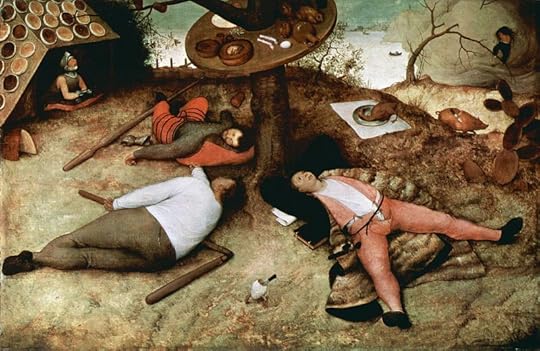
In this book, Le Goff sets out to survey some of the heroes (Arthur, Charlemagne, El Cid, The Jongleur, Knights, Melusina, Merlin, Pope Joan, Reynard, Robin Hood, Roland) and the wonders (the Castle, The Cathedral, The Cloister, and The Land of Cockaigne) of the Middle Ages. His project is interesting because he chronicles the way in which these heroes and wonders have survived, usually transformed throughout the ages, but the writing style is a bit annoying since it appears that Le Goff could not make up his mind: one the one hand, he wanted to provide scholars with a wide array of references that can be used for research purposes, but, on the other hand, he also wants the layman to enjoy a nice story. Overall, the project failed for me because I found the listing of reference materials obnoxious since I was reading this for my personal enjoyment, not for the purpose of getting references for an academic paper. Also, the version I read (in Romanian) had no images, and I think that with a better visual representation what he talks about would have been more interesting. Anyway, some of the chapter were noteworthy for me since they introduced me to some novel ideas such as the fact that the legend of the unicorn which is much older than I would have expected and was somehow associated with the image of Christ, or the fact that at one point people were imagining a land of the plenty (Cockaigne) which was very nicely represented in one of Bruegel's paintings.
September 13, 2015
Destaca os principais personagens do imaginário medieval como o Rei Arthur, Melusina, construções como o Castelo e animais como a raposa, sempre com um breve resumo das referências literárias medievais e o destino destes personagens no imaginário contemporâneo.
Uma referência bem legal para atividades e pesquisas referentes ao ensino da Idade Média, com certeza a maioria destes personagens cativaria o interesse dos meus alunos.
Uma referência bem legal para atividades e pesquisas referentes ao ensino da Idade Média, com certeza a maioria destes personagens cativaria o interesse dos meus alunos.

January 26, 2026
Le Goff a Georges Duby nevével fémjelzett francia középkori történetírás egy másik jeles képviselője. Néha kicsit zavaró tud lenni mikor már egy oldalon belül a sokadik Duby említést olvasod, de azért nem ír nagyon rosszul a szerző...
Ez a könyv illeszkedik a Duby - Huizinga vonalhoz abból a szempontból is, hogy nem politikai, hanem inkább mentalitástörténeti alapokból indul ki. Itt is egy nagyon jól körülhatárolt, és alaposan leszűkített témát kapunk, a középkori hősök és csodák képében. Maga a könyv egy tudomány-népszerűsítő alkotás, így hát nem egy vaskos, jegyzetekkel teletűzdelt monográfiáról van szó. A téma érdekes, nagyon sok jó anyag van benne olyan hősökről mint például El Cid, Roland, Nagy Károly, Robin Hood, Artúr király és mások. Valamint a középkori életérzés és kultúra olyan témái mint a trubadúrok, az állatmesék és kifejezetten a róka, vagy éppen az unikornis szerepe. Vannak illusztrációk is, de fekete fehérek, és viszonylag kevés... minőségre azonban jól láthatóak, mert a könyv papírja is minőségi. Különösen a könyv vége felé haladva a témák egyre elnagyoltabbak, néhány oldalon el vannak intézve, és mintha tényleg a végére elfogyott volna a szusz és a mondanivaló... Nincs egy normális lezárás sem, ami keretbe helyezné az egészet...
Ennek ellenére ajánlom a könyvet azoknak akiket érdekelnek a középkor mondavilága, érdekességei és exotikumai. Mivel tudomásom szerint magyarul ez az egy kiadás elérhető 2012-ből, ezért ismét dübörög a használtkönyv nyerészkedés, véleményem szerint nagyon nem éri meg a sokszor elkért akár 10-12 ezer forintos jelenlegi árat. Mint én is, inkább próbálkozzatok egy könyvtári példánnyal 🙂
Ez a könyv illeszkedik a Duby - Huizinga vonalhoz abból a szempontból is, hogy nem politikai, hanem inkább mentalitástörténeti alapokból indul ki. Itt is egy nagyon jól körülhatárolt, és alaposan leszűkített témát kapunk, a középkori hősök és csodák képében. Maga a könyv egy tudomány-népszerűsítő alkotás, így hát nem egy vaskos, jegyzetekkel teletűzdelt monográfiáról van szó. A téma érdekes, nagyon sok jó anyag van benne olyan hősökről mint például El Cid, Roland, Nagy Károly, Robin Hood, Artúr király és mások. Valamint a középkori életérzés és kultúra olyan témái mint a trubadúrok, az állatmesék és kifejezetten a róka, vagy éppen az unikornis szerepe. Vannak illusztrációk is, de fekete fehérek, és viszonylag kevés... minőségre azonban jól láthatóak, mert a könyv papírja is minőségi. Különösen a könyv vége felé haladva a témák egyre elnagyoltabbak, néhány oldalon el vannak intézve, és mintha tényleg a végére elfogyott volna a szusz és a mondanivaló... Nincs egy normális lezárás sem, ami keretbe helyezné az egészet...
Ennek ellenére ajánlom a könyvet azoknak akiket érdekelnek a középkor mondavilága, érdekességei és exotikumai. Mivel tudomásom szerint magyarul ez az egy kiadás elérhető 2012-ből, ezért ismét dübörög a használtkönyv nyerészkedés, véleményem szerint nagyon nem éri meg a sokszor elkért akár 10-12 ezer forintos jelenlegi árat. Mint én is, inkább próbálkozzatok egy könyvtári példánnyal 🙂

February 2, 2017
Sorte de dictionnaires qui retrace les mythes et les sources littéraires de personnages historiques, fictifs et de bâtiments du Moyen Age. Plus ou moins intéressant mais pas indispensable à lire.

January 14, 2018
В конце двадцатого века историки додумались, что информация, находившаяся в головах у живших когда-то людей, - нехилый материал для изучения. Не всё же с одной только скучной реальностью носиться.
С тех пор и изучается то, что Жак ле Гофф называет "сферой имагинарного" средних веков- образы, сюжеты, которые были популярны, составляли метафоры, цитировались и переходили из народных устных историй в авторские художественные произведения и обратно.
В "Героях и чудесах средних веков" Ле Гофф подробно разбирает пару десятков образов, которые были для средневековой Европы чем-то вроде современной ей мифологии. От Карла Великого до Робин Гуда, от Папессы Иоанны до Мелюзины, от крепостей до единорогов. Какие корни имеют эти вещи и товарищи, когда вошли в средневековое сознание, почему закрепились и как видоизменились в наши дни?
Отличный экскурс с сознание средневековых европейцев, который научно пошатывает клише о том, что "люди всегда одинаковы". Да уж. Какой там!
ЗЫ: Выписала много европейских фильмов начала двадцатого века, которые хочу посмотреть.
С тех пор и изучается то, что Жак ле Гофф называет "сферой имагинарного" средних веков- образы, сюжеты, которые были популярны, составляли метафоры, цитировались и переходили из народных устных историй в авторские художественные произведения и обратно.
В "Героях и чудесах средних веков" Ле Гофф подробно разбирает пару десятков образов, которые были для средневековой Европы чем-то вроде современной ей мифологии. От Карла Великого до Робин Гуда, от Папессы Иоанны до Мелюзины, от крепостей до единорогов. Какие корни имеют эти вещи и товарищи, когда вошли в средневековое сознание, почему закрепились и как видоизменились в наши дни?
Отличный экскурс с сознание средневековых европейцев, который научно пошатывает клише о том, что "люди всегда одинаковы". Да уж. Какой там!
ЗЫ: Выписала много европейских фильмов начала двадцатого века, которые хочу посмотреть.

September 17, 2020
Un’opera di divulgazione in cui una ventina tra luoghi e personaggi tra il meraviglioso e lo storico vengono brevemente descritti e visti in una prospettiva temporale, dal Medioevo ad oggi. Artù, la cattedrale, il castello, il cavaliere e la cavalleria, il Cid, il chiostro, la Cuccagna, il giocoliere, l’unicorno, Melusina, Merlino, la caccia selvaggia, la papessa Giovanna, Renart – la volpe, Robin Hood, Rolando, Tristano e Isotta, il trovatore, la Valkiria trovano posto in brevi capitoli di lunghezza omogenea, illustrati da un Le Goff che è sempre meraviglioso, preparato e abile divulgatore che però non trova qui un apice delle sue abilità e della sua cultura – del resto il libro stesso non è pensato per un’audience di alto profilo. Interessante per chi fosse interessato ad un’infarinatura sul Medioevo.
June 3, 2023
I loved the subject matter of this book, very interesting examples throughout, however I can't help but feel it was missing something. Lots of figures from the medieval 'imaginary' she introduced but I believe if less were used and the few that were examined were done so in a more thorough analysis as though I liked what I read, it all felt top introductory. I would find myself really settling in to the origins of the unicorn and it ends very abruptly, while some chapters (chiefly the last one on the Valkyries) felt like it was just thrown in at the end. Also an additional chapter closing out the book as the valkyrie chapter, being the last and weakest, was an unflattering end to the book. Still overall its an enjoyable read with interesting facts that makes for an easy read, would recommend!

May 4, 2025
Comprei este livro para dar de presente para o meu irmão, mas acabei saindo na frente e lendo antes. Ele é escrito pelo grande historiador Jacques Le Goff e funciona mais como uma espécie de dicionário crítico, com verbetes mais expandidos do que como uma análise propriamente dita dos "heróis e maravilhas da Idade Média" a que o título se refere. Neste livro temos como tema destes verbetes aqueles seres que ficam entre a realidade a ficção, entre o imaginado e o maravilhamento. Temos coisas simples como o Castelo, o Trovador, passando por figuras como Carlos Magno, a Papisa Joana, Robin Hood e também criaturas como a Melusina e o Unicórnio. Contudo, se você está procurando análises aprofundadas ou novos prismas sobre estes temas, talvez perca seu tempo. Este é um apanhado bastante básico sobre essas espécies de verbetes que ganham destaque neste livro pelas mãos de Jacques Le Goff.
March 4, 2026
I was very excited to read about how the figures presented in this book looked like to the medieval imaginary but instead I was met with a confusing list of myths and legends with very obvious commentary on their symbolism.
The worst offender was probably the chapter about Robin Hood, which was basically a short list of media depictions. I did get some new information from this book but most of it was just completely useless listing of examples.
The worst offender was probably the chapter about Robin Hood, which was basically a short list of media depictions. I did get some new information from this book but most of it was just completely useless listing of examples.
October 25, 2021
Ortaçağ konusunda okudukça, doğru sandığım yanlışların aslında ne kadar çok, ‘karanlık’ olarak tanıdığım ortaçağın, özellikle ilk bölümünün aslında ne kadar önemli ve şimdiki zaman açısından belirleyici olduğunu öğreniyorum. Bu kitap da, benim ortaçağ konusundaki bilgimi derinlerştirmemi ve bazı alanlarda pekiştirmemi sağladı ama bu konu çok ilgimi çekiyor, devam edeceğim.

July 14, 2026
Short chapters on different figures/images of the Middle Ages. It was interesting to learn more about some of these figures and their origins/associations, and think about how they have passed through time.
(July 2026)
(July 2026)
November 26, 2020
每篇都写得像个大纲一样:词源,中世纪相关著作,在l'imaginaire médiéval中的嬗变,中世纪后乃至现代的复兴。比较科普,不是专项研究,的确有很多我不知道的东西,不过也很像个扩展阅读书单(也有我知道的东西,这位作者,Crusader Castles真的不是TE Lawrence的博士论文哈哈哈,四年本硕博连读太看得起他了)。

December 15, 2020
A la découverte des mythes et merveilles du moyen-age, dans un livre toujours aussi passionnant de Jacques Le Goff !

September 6, 2021
我是比較喜歡簡中的譯文啦總覺得繁中譯文卡卡頓頓,但撐過前三章之後有好轉。雖然書名看起來有點嚴肅或是感覺像純參考資料,但其實是行文輕鬆有趣,比想像中更易讀的一本中世紀閒談。勒高夫自然是學識紮實的大師,但他把「英雄」和「奇觀」這兩個建構中世紀意念的符號用輕鬆好懂的方式講出來,搭配大量插圖(及圖說,圖說重要XD),不管是稍有概念或是對中世紀一無所知,都能成為一本很有趣的知識增進小書
July 17, 2022
ژاک لوگوف همیشه به من میآموزه.
استاد بزرگ
استاد بزرگ
Read
August 9, 2026In its best parts, this book was informative, funny, exciting and enlightening - at its worst, slightly dull. The English is a little clunky - I imagine I could’ve done the translation better myself
December 20, 2025
An absolutely silly book. An unordered collection of facts on various topics from the medieval period—cathedrals, monasteries, Roland, Valkyries, Robin Hood, and many, many more. There is no common thread, no coherent idea, and no real sense in this collection at all. While writing about certain topics, the author often simply lists all the films or books dedicated to them—I have no idea who may need it. At least it was short.

June 17, 2024
Jacques Le Goff (1924 - 2014) prezintă - fără risipă de vorbe - 20 de personaje care au marcat (și au bîntuit) imaginarul medieval, adeseori și pe cel modern (ca să-l amintesc numai pe Robin Hood). Articolele sînt ordonate alfabetic și, alături de o bogată iconografie, transformă volumul de față într-un dicționar ilustrat al fanteziei Evului Mediu. Lucrarea e scrisă cu maximă limpezime și vizează un public larg de la studenții în Istorie la părinții care vor să-și educe copiii și nepoții. Cine dorește informații despre regele Arthur, despre Charlemagne, despre jongleri și trubaduri, despre Papesa Ioana sau despre Tristan și Isolda e bine să-și achiziționeze acest volum.
Din păcate, traducerea e șovăitoare și, la o eventuală retipărire, ar trebui revizuită minuțios. Expresia germană „wilde, wutende Heer” nu înseamnă „vînătoare sălbatică, urlătoare”, ci ceată, oștire sălbatică și furioasă. Erwin Panofsky nu a fost un istoric al artei „american”, ci german și, mai precis, evreu. A redactat cărți esențiale despre iconologie. Fortăreața Chateau-Gaillard din Franța nu putea fi construită de regele Richard Inimă de Leu la sfîrșitul secolului al XIII-lea dintr-o pricină simplă: bravul rigă (pe care îl știm din romanul lui Walter Scott, Ivanhoe) era mort și îngropat de o sută de ani. Termenul „trobar” din occitană nu înseamnă a găsi (nu are nici o legătură cu verbul „trouver”), ci a compune, a inventa cîntece, versuri. „Trobar clus” nu se traduce „truver închis” (???), ci desemna un mod ermetic, obscur de a scrie versuri. Aceste versuri erau cîntate de trubaduri și, uneori, de jongleri... (23.08.24.vineri).
Din păcate, traducerea e șovăitoare și, la o eventuală retipărire, ar trebui revizuită minuțios. Expresia germană „wilde, wutende Heer” nu înseamnă „vînătoare sălbatică, urlătoare”, ci ceată, oștire sălbatică și furioasă. Erwin Panofsky nu a fost un istoric al artei „american”, ci german și, mai precis, evreu. A redactat cărți esențiale despre iconologie. Fortăreața Chateau-Gaillard din Franța nu putea fi construită de regele Richard Inimă de Leu la sfîrșitul secolului al XIII-lea dintr-o pricină simplă: bravul rigă (pe care îl știm din romanul lui Walter Scott, Ivanhoe) era mort și îngropat de o sută de ani. Termenul „trobar” din occitană nu înseamnă a găsi (nu are nici o legătură cu verbul „trouver”), ci a compune, a inventa cîntece, versuri. „Trobar clus” nu se traduce „truver închis” (???), ci desemna un mod ermetic, obscur de a scrie versuri. Aceste versuri erau cîntate de trubaduri și, uneori, de jongleri... (23.08.24.vineri).
March 6, 2014
Um livro extremamente didático de Jacques Le Goff, que funciona como enciclopédia sumária para temas ligados ao imaginário europeu medieval. Embora seu caráter ensaístico torne a leitura mais fluente, em alguns momentos o autor abusa de sua autoridade para proposições que não se sustentam, como aquela que diz que os marcianos no imaginário do século XX podem ter uma origem no medieval Bando Hallequim.

August 18, 2016
Limitato repertorio di "eroi e meraviglie" medievali, con predilezione per quelle tuttora vive nell'immaginazione comune ( Artù, Merlino, Robin Hood... ) e di ambito francese.
La parte testuale è assai semplificata, a volte talmente tanto da risultare poco chiara, ma può comunque costituire uno spunto per approfondimenti. Più curata ed interessante la componente iconografica, che spazia dalle opere medievali vere e proprie, a quelle romantiche, per arrivare a fotogrammi cinematografici.
La parte testuale è assai semplificata, a volte talmente tanto da risultare poco chiara, ma può comunque costituire uno spunto per approfondimenti. Più curata ed interessante la componente iconografica, che spazia dalle opere medievali vere e proprie, a quelle romantiche, per arrivare a fotogrammi cinematografici.
January 27, 2023
موضوعی وسوسهانگیز، نشری نسبتا خوشسابقه و ترجمهای افتضاح.
اسم ویراستار نخورده اما این حجم از شلختگی و استفاده نابهجا از علائم سجاوندی در متن حیرتانگیزه!
برای نمونه صفحهی 10، مقدمه، خط اول:
اثری که در برابر خواننده گشوده است، ذیل حوزه جدیدی از تاریخ رو به توسعه قرار میگیرد: یعنی حوزه خیال.
کیفیتی که اون «یعنی» بعد از دو نقطه ایجاد میکنه، به صورت یکدست در تمام کتاب حفظ شده.
اون یک ستاره هم برای جلدش.
اسم ویراستار نخورده اما این حجم از شلختگی و استفاده نابهجا از علائم سجاوندی در متن حیرتانگیزه!
برای نمونه صفحهی 10، مقدمه، خط اول:
اثری که در برابر خواننده گشوده است، ذیل حوزه جدیدی از تاریخ رو به توسعه قرار میگیرد: یعنی حوزه خیال.
کیفیتی که اون «یعنی» بعد از دو نقطه ایجاد میکنه، به صورت یکدست در تمام کتاب حفظ شده.
اون یک ستاره هم برای جلدش.
July 25, 2011
Très bon petit livre qui nous offre une image très intéressante de certains héros du Moyen Age, toujours "vivants" à notre époque : Charlemagne, le roi Arthur, la fée Mélusine, Merlin, Robin des Bois, la licorne. L'auteur passe également en revue 3 édifices dominant la société du oyen Age : la cathédrale, le château fort, et le cloître.
December 15, 2016
Une entrée en matière sérieuse, écrite dans un style suffisamment fluide et accessible, des mythes du Moyen-Âge occidental.
"L'imaginaire médiéval est en définitive placé sous le signe de la mort, mais aussi du renouveau, et sur les liens et les métamorphoses entre monde surnaturel et monde humain."
"L'imaginaire médiéval est en définitive placé sous le signe de la mort, mais aussi du renouveau, et sur les liens et les métamorphoses entre monde surnaturel et monde humain."

August 6, 2011
Arthur, Mélusine, le Pays de Cocagne, les Walkyries... Le Goff explore les grandes figures de l'imaginaire médiéval, les décrypte et les relie avec notre imaginaire actuel. Fabuleux. Ce livre a été la base de l'exposition du même nom à Fontevraud en 2007 qui était elle aussi fabuleuse.

April 1, 2015
Aunque lo leí en Español, el libro me ayudó a recordad características de personajes estudiados en el colegio y también me introdujo a nuevos personajes de los que espero aprender más en un futuro no lejano. El libro no era lo que yo esperaba, pero sí es un buen compilado.

January 21, 2024
𝐴𝑟𝑡ℎ𝑢𝑟
𝐶𝑎𝑡𝑒𝑑𝑟𝑎𝑙𝑎
𝐶𝑎𝑟𝑜𝑙 𝑐𝑒𝑙 𝑀𝑎𝑟𝑒
𝐶𝑎𝑠𝑡𝑒𝑙𝑢𝑙
𝐶𝑎𝑣𝑎𝑙𝑒𝑟𝑢𝑙
𝐶𝑖𝘥𝑢𝑙
𝐶𝑙𝑎𝑢𝑠𝑡𝑟𝑢𝑙
𝐶𝑜𝑐𝑎𝑔𝑛𝑒
𝐽𝑜𝑛𝑔𝑙𝑒𝑟𝑢𝑙
𝐿𝑖𝑐𝑜𝑟𝑛𝑢𝑙
𝑀𝑒𝑙𝑢𝑠𝑖𝑛𝑎
𝑀𝑒𝑟𝑙𝑖𝑛
𝐶𝑒𝑎𝑡𝑎 𝐻𝑒𝑙𝑙𝑒𝑞𝑢𝑖𝑛
𝑃𝑎𝑝𝑒𝑠𝑎 𝐼𝑜𝑎𝑛𝑎
𝐽𝑢𝑝𝑎̂𝑛𝑢𝑙 𝑉𝑢𝑙𝑝𝑜𝑖
𝑅𝑜𝑏𝑖𝑛 𝐻𝑜𝑜𝑑
𝑅𝑜𝑙𝑎𝑛𝑑
𝑇𝑟𝑖𝑠𝑡𝑎𝑛 𝑠̦𝑖 𝐼𝑠𝑜𝑙𝑑𝑎
𝑇𝑟𝑢𝑏𝑎𝑑𝑢𝑟𝑢𝑙, 𝑡𝑟𝑢𝑣𝑒𝑟𝑢𝑙
𝑊𝑎𝑙𝑘𝑖𝑟𝑖𝑎
𝐶𝑎𝑡𝑒𝑑𝑟𝑎𝑙𝑎
𝐶𝑎𝑟𝑜𝑙 𝑐𝑒𝑙 𝑀𝑎𝑟𝑒
𝐶𝑎𝑠𝑡𝑒𝑙𝑢𝑙
𝐶𝑎𝑣𝑎𝑙𝑒𝑟𝑢𝑙
𝐶𝑖𝘥𝑢𝑙
𝐶𝑙𝑎𝑢𝑠𝑡𝑟𝑢𝑙
𝐶𝑜𝑐𝑎𝑔𝑛𝑒
𝐽𝑜𝑛𝑔𝑙𝑒𝑟𝑢𝑙
𝐿𝑖𝑐𝑜𝑟𝑛𝑢𝑙
𝑀𝑒𝑙𝑢𝑠𝑖𝑛𝑎
𝑀𝑒𝑟𝑙𝑖𝑛
𝐶𝑒𝑎𝑡𝑎 𝐻𝑒𝑙𝑙𝑒𝑞𝑢𝑖𝑛
𝑃𝑎𝑝𝑒𝑠𝑎 𝐼𝑜𝑎𝑛𝑎
𝐽𝑢𝑝𝑎̂𝑛𝑢𝑙 𝑉𝑢𝑙𝑝𝑜𝑖
𝑅𝑜𝑏𝑖𝑛 𝐻𝑜𝑜𝑑
𝑅𝑜𝑙𝑎𝑛𝑑
𝑇𝑟𝑖𝑠𝑡𝑎𝑛 𝑠̦𝑖 𝐼𝑠𝑜𝑙𝑑𝑎
𝑇𝑟𝑢𝑏𝑎𝑑𝑢𝑟𝑢𝑙, 𝑡𝑟𝑢𝑣𝑒𝑟𝑢𝑙
𝑊𝑎𝑙𝑘𝑖𝑟𝑖𝑎
Displaying 1 - 30 of 31 reviews