Чи можна поєднати кіно, телебачення та театр? Так, якщо за справу береться Френсіс Форд Коппола. Режисер «Апокаліпсису сьогодні», «Хрещеного батька», «Розмови», «Дракули» та багатьох інших культових стрічок, котрий отримав майже всі найпрестижніші кінопремії, став одним із батьків «живого» кіно. Однак книжка не лише про секрети створення нового мистецтва — вона містить цікаві факти з історії кіно, телебачення та театру, а також життя відомого режисера. Це творіння Копполи містить різноманітні корисні поради професіоналам кіно і подарує багато приємних хвилин прихильникам творчості митця і шанувальникам мистецтва загалом.
Francis Ford Coppola is a five-time Academy Award-winning American film director, producer, and screenwriter. Coppola is also a vintner, magazine publisher, and hotelier. He is a graduate of Hofstra University where he studied theatre. He earned an M.F.A. in film directing from the UCLA Film School. He is most renowned for directing the highly-regarded Godfather trilogy, The Conversation, and the Vietnam War epic Apocalypse Now.
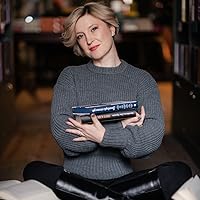
«Живе кіно і техніка його виробництва» Френсіс Форд Коппола Видавництво Фабула, 2021 ⠀ «Live Cinema and Its Techniques» Francis Ford Coppola, 2017 ⠀ Один мій знайомий запитав, який мій улюблений фільм? ⠀ Я йому назвала перші, які згадала: ⠀ «Дракула» («Дракула Брема Стокера») (англ. Bram Stoker's Dracula), 1992, Френсіса Форда Копполи ⠀ «Го́рдість і упере́дження» (англ. «Pride and Prejudice») 2005, Джо Райта ⠀ Він запитав, що я думаю про: ⠀ Ben-Hur (Бен-Гур) 1959, Lawrence of Arabia (Лоуренс Аравійський) 1962, Cinema Paradiso (Новий кінотеатр «Парадізо») 1988 ⠀ На що я відповіла: нічого… 😶 ⠀ Ніхто в моєму оточенні не дивився і не обговорював такі фільми. ⠀ Ця книжка для мене, як погляд за лаштунки, знайомство зі світом кінематографії. ⠀ Знайомство з класикою кіно. ⠀ Автор написав дуже легко й цікаво деталі, які я могла б почути тільки в професійному режисерському колі. ⠀ Тепер я буду дивитися кіно зовсім з іншої перспективи! ⠀ Рекомендую професіоналам і не дуже. ⠀ Цитата: ⠀ «Проте, якщо чесно, без відповіді й досі залишається найважливіше запитання «Чи хтось, окрім мене, захоче займатися виробництвом живого кіно?» Що я можу на це відповісти? Працювати з цією новітньою сумішшю кіно, телебачення і театру надзвичайно цікаво та весело. Як на мене, ця форма кіномистецтва є природною, безсумнівною, найочевиднішою правонаступницею, таким собі дитятком трьох батьків: театру, кіно і телебачення. Тому, гадаю, відповіддю на моє запитання буде «так». ⠀ Про книжку: ⠀ «Чи можна поєднати кіно, телебачення та театр? Так, якщо за справу береться Френсіс Форд Коппола. Режисер «Апокаліпсису сьогодні», «Хрещеного батька», «Розмови», «Дракули» та багатьох інших культових стрічок, котрий отримав майже всі найпрестижніші кінопремії, став одним із батьків «живого» кіно. Однак книжка не лише про секрети створення нового мистецтва — вона містить цікаві факти з історії кіно, телебачення та театру, а також життя відомого режисера. Це творіння Копполи містить різноманітні корисні поради професіоналам кіно і подарує багато приємних хвилин прихильникам творчості митця і шанувальникам мистецтва загалом.» ⠀ #примхливачитака
"Живе кіно і техніка його виробництва" Френсіс Форд Коппола - ✅
Про що книга: Видатний голлівудський режисер розповідає про себе, про свою роботу, про всі нюанси створення "живого кіно", принагідно згадуючи шедеври кінематографу та цікаві факти з історії кіно.
Мої враження: Френсіс Форд Коппола - дядя, який зняв мою улюблену трилогію "Хрещений батько" і крутяцький фільм про війну "Апокаліпсис сьогодні" (про В'єтнам, хоча назва зараз більше перегукується з подіями в Афганістані). По суті це людина, яка знає ВСЕ про кінематограф. Представник старої школи, тих людей, які не люблять "Месників", а кайфують від фільмів Фелліні, Ейзенштейна, Бергмана і компанії. "Живе кіно" - це історії про кінематограф та театр, нотатки з щоденників режисера, його думки з приводу багатьох фільмів та процесів кіноіндустрії.
Але це також дуже своєрідна книга, яка може не влучити в середньостатистичного читача. Або ж влучити частково. Все ж зверніть увагу на назву "Живе кіно і ТЕХНІКА його виробництва". Коппола немов заводить читача за руку в майстерню, на знімальний майданчик, знайомить з акторами та сценаристами, колегами по цеху, показує на що він знімає фільми, як працює зі сценаріями, як проходить монтаж, які застосовує декорації...
Щоб читати цю книгу - потрібно щиро любити кіно. Інакше можете втратити інтерес, прогрузнувши в деталях, на кшталт "як переконвертувати сигнал для камери з 24 на 60 кадрів в секунду". Особливо рекомендую тим, хто навчається на режисера, сценариста, актора, оператора і тд. Бо не кожен геній у поважному віці так відверто розкриває свої секрети.
Підсумовуючи, скажу, що я особисто чекав трохи іншого. Все ж більше люблю кіно за кінцевий результат, а не за процес його створення. Книга видалась нерівною, деякі фрагменти були не цікаві, деякі - дуже цікаві, десь було скучно, а десь - поглинав сторінка за сторінкою. Запах і оформлення книги - це 💛
І бонусом даю список деяких вінтажних фільмів, про які Коппола дуже гарно відгукнувся, з тих, що я не бачив:
12 Angry Men On Golden Pond Amnesia The Comedian Days of Wine and Roses For Whom the Bell Tolls Lost in London La Dolce Vita 8 ½
Кому читати: фанатам Копполи і усім, хто дотичний до кінематографа.
Not a very good book on Live Cinema (not a new medium, just vintage TV with modern technology - FFC ponders lots about why he would want to do this, but the main answer seems to be nostalgia) but a pretty fun time, full of anecdotes both relevant and completely needless (you’ll get Francis’s thoughts on gay marriage and The Avengers - pro- and anti- respectively) and probably some info worth mining for anyone attempting to record or broadcast a live production (lots of filmed theater could stand to think a little bit harder about staging for the cameras). Doubt this is even worth reading for most Coppola-heads - Godfather and Apocalypse Now are breezed over in favor of stories from the production of One from the Heart, which I don’t mind, but, like… this is barely a book lol, for nerds only
Ever since attending film school many years ago, I have been interested in the art, processes, and technologies of visual storytelling, so I pounced on Live Cinema and Techniques by Francis Ford Coppola at first glance. Like the curate's egg, it is good in parts.
The idea of Live Cinema, as I understood it, was inspired by live television sports, which combines very sophisticated digital television production equipment and techniques to create a live, real-time broadcast that is so compelling and powerful because no one knows who will win and how. Ultimate reliability is required; any failure to broadcast could cause losses in the tens or even hundreds of millions. The stage, be it football field, tennis court, or basketball court, is highly predictable, as are the players, and a whole set of conventions for camera coverage and movement, motion analysis, sound, and editing have developed. The experience is now far better than even the choicest seats can offer. Moving closer to theater and storytelling, live broadcasts from the Metropolitan Opera have offered much of the experience of attending live performances, broadcasting high-resolution video images to digital projectors in selected movie theaters throughout the world.
Coppola's concept of Live Cinema is not that clearly articulated, but it appears to combine the live immediacy of sports and the Met with the quality of traditional cinema, in which every shot is designed, lit, blocked out, and composed for optimal artistic effect. Coppola could clearly see the contradictions between the stringent demands of cinema production and the classic television approach of covering action with less dramatic and optimized overhead lighting, multiple cameras covering various angles and framing, and much faster shooting schedules, though usually not in real time, at least since videotape arrived. His ideas for getting cinema quality from television-like production techniques seemed sketchy, but included using small, high-quality digital cinema cameras for greater mobility and flexibility, and hiding some of them. He also talked about lightweight, flexible sets that might accommodate hidden cameras and resemble theater sets or the dramatic backdrops of German Expressionist cinema, rather than the detailed sets of traditional cinema.
It seemed to me that there were still many unanswered questions. I could imagine no solution other than making computer-generated photorealistic live action by combining artificial intelligence with digital animation, but Coppola decided wisely to set up experiments in Live Cinema at the Oklahoma City Community College and UCLA. He and his largely student teams learned a fair amount, though some of it seemed trivial or predictable. There were no answers to the big questions.
The book covers some interesting history and speculation about the future, although I suspect that Coppola's grasp of current technologies is limited. The rottenest parts of the curate's egg would have to be his exhaustive list of all the many students and actors who helped him, and mostly banal entries from his diary in Oklahoma City.
An ambitious project of Coppola’s, made exciting and engaging by his clear passion for using live broadcasting technology (such as used in sports) for an artistic cinematic endeavor. The book is him working through this process: the pros and cons, what he wants and does not want it to be, navigating problematic shots, etc.
Великий режиссёр рассказывает про свою новую большую идею: «Живое кино» — синтез кино, театра и телевидения, что-то между «Бёрдмэном» и советскими телеспектаклями. Театр плюс тэвэ. Между делом проскакивает несколько анекдотов — про то, почему Брандо не читал сценарии или про то, как Коппола случайно наелся печенек с дурью на церемонии «Оскара» — но в основном это книжка рассчитана на профессионалов, которым рассказ мастера о технических особенностях той или иной камеры интереснее занятной истории.
Простым читателям будет скучновато, но это ничего — книжка тоненькая, читается за вечер. Если вы ожидаете услышать, как Коппола делится мудростью — не ожидайте; книга скорее про то, что старик не растерял задора, а шестерёнки в его голове вертятся по-прежнему бодро. Пускай этот механизм нередко сбоит (когда выходил последний приличный фильм Копполы-отца?), но шумит и булькает весьма заразительно.
No tengo conocimientos para juzgar al libro en términos del contenido técnico que se plantea. Sí puedo decir que este libro muestra una persona completamente consagrada en lo que hace, que busca seguir creciendo y buscando nuevas formas de expresión, tan sólo por amor al arte y en concreto a las tres expresiones que más lo marcaron: el teatro, la televisión y el cine. Un libro que recomiendo para introducirse al mundo del cine, y al de un director apasionado y que se muestra generoso y empático con quienes se cruzan en su camino.
Luego de aquella época gloriosa en los 70, en la que obtuvo dos Palmas de Oro (La conversación, 1974 y Apocalipsis ahora, 1979) y cinco premios Oscar (Patton, 1970; El Padrino, 1972 y El Padrino Parte II, 1974), Francis Ford Coppola experimentó una serie de altibajos que lo llevaron por senderos extraños, con algunos filmes intrascendentes y otros que, aunque poderosos, no alcanzaban las glorias pasadas. En pleno 2024, Megalópolis polarizó a la crítica de Cannes y fue un estrepitoso fracaso en taquilla, con un presupuesto de 120 millones que no fue recuperado y una historia que en su ambición, terminaba perdida. Pero nadie puede negar que Ford Coppola es ante todo, un visionario, un artista terco en experimentar e innovar en una industria que para algunos, se ha acercado peligrosamente a su muerte. En 1979, luego de que su amigo Bill Graham le compartiera una “peculiar” galleta con algún tipo de estupefaciente, Coppola tuvo un momento de bizarra lucidez, cuando subió al escenario de los Oscar para entregar el premio a mejor director a Michael Cimino. Ante millones de espectadores y la mirada atónita de la actriz Ali MacGraw, que estaba a su lado, Francis dijo: “Estamos a las puertas de algo que hará que a su lado la Revolución Industrial parezca un preestreno. Estoy hablando de una revolución en la comunicación y creo que está llegando a gran velocidad. Veo una revolución en la comunicación que abarca el cine, el arte, la música, la electrónica digital, los ordenadores, los satélites y, por encima de todo, el talento humano. Se van a crear cosas que los maestros del cine, de quienes hemos heredado este negocio, jamás hubieran pensado que serían posibles”. En esas líneas, el cineasta ya hablaba de la inminente llegada del internet, la inteligencia artificial, el streaming, los smartphones y todos los demás elementos que hoy, tienen acaparada la atención y se han vuelto parte de la vida diaria. En su afán por fusionar los elementos clásicos del cine y el teatro, con la modernidad del multimedia, Francis Ford Coppola propone lo que el llama el cine en vivo, una nueva forma de hacer arte, en donde la toma del cine, la escena del teatro y el evento de la televisión, convivan de forma armónica, creando un lenguaje innovador en directo. El cine en vivo y sus técnicas (2017) es varios libros al mismo tiempo: es la crónica de los dos talleres experimentales que Coppola desarrolló en el Oklahoma City Community College y la Universidad de California entre 2015 y 2016; es un manual de producción minucioso que disecciona el proceso del cine en vivo, exponiendo las ventajas, problemas y posibilidades del nuevo medio; el volumen es también un recorrido por la memoria del legendario director, que menciona algunos de los momentos más intensos en la filmación de sus películas. Todo un manjar para estudiantes de artes visuales, El cine en vivo y sus técnicas presenta ideas muy personales de Ford Coppola, como aquella donde explica las complejidades de verse atrapado entre las distintas filosofías de dos de los mas grandes directores de fotografía de todos los tiempos: Gordon Willis y Vittorio Storaro. Mientras con el primero filmó El Padrino con ese estilo clásico y estilizado, cuidando cada toma y encuadre, con el segundo en la trepidante Apocalipsis ahora (1979) la cámara va de un lugar a otro sin parar, transmitiendo la vorágine que consume a los personajes. Max Ophüls y Yasujiro Ozu son otros dos referentes con los que el también guionista insiste en describir las posibilidades de un estilo al servicio de la historia. En su lugar de trabajo, Francis tiene siempre colgado un papel con el título Notas de FC sobre la historia y los personajes, con nueve puntos interesantísimos para cualquier aspirante a guionista. Pero el que más llama la atención es el punto 6: “Una toma puede ser una palabra, pero mejor si es una frase”. Incluso su hija Sofia (quien también tiene en su escritorio las notas de su padre) le preguntó qué quería decir con eso. La respuesta es simple, pero no por eso menos enérgica: “Al final respondí a Sofia (y a mí mismo) que una toma puede ser como una palabra en el sentido de que expresa una idea simple: por ejemplo, en una toma del ayuntamiento, la palabra equivaldría a ‘aquí’. O puede ser como una frase: una toma del ayuntamiento, con la sombra de un hombre linchado proyectada sobre el edificio, puede interpretarse como: ‘aquí se abusa a menudo de la justicia’.” El poder de la cinematografía, en unas cuentas líneas. El cine en vivo y sus técnicas está editado por Reservoir Books.
I picked this book up because curiosity killed the kitten who went over her head. Still, I truly enjoyed reading it, even though I had to consult (a lot) the glossary at the end of the book and the internet. I am sure movie people will love and understand it more thoroughly.
In the book, there is a section for the technology and the 120-year-old history of cinema, which is short enough and very well written.
I loved to read about the artists’ rehearsals and the games they played, and that he has his actors eat together so they bond and can work better. I also loved the snippets from the author’s diaries at the end of the book. From what I understood, Coppola gives much importance to live performances and dislikes the attempts of theater productions to be cinematic. Also, cameras and lenses are important to him because of the photographic quality they can impart to the movies and eventually to live cinema.
Since live Cinema will be the logical union or result of theater, film, and television, it will have its own set of problems such as the marks on the floor that show the actors where to stand and where to move, in addition to a load of technical problems. As to the question why live cinema would be better, Coppola says he doesn’t know the answer exactly.
I especially liked him saying, “I find it interesting that the theater in the late nineteenth century was formulaic, just as our studios’ films have become.”
The book is in thirteen chapters and very interesting to read, even for me. I think I may have learned a thing or two.
Reading this 2017 book in 2022 provides a reminder of how quickly technology changes. Coppola describes his processes in conducting two live cinema workshops, wherein he struggled to create processes and technology compatible with the techniques of theater, television and film, through the medium of a mostly live action story. In both cases, on his own terms, the results were mixed but not not failures. Many of his challenges have been met with increased use of still and video projections in place of physical sets. Those processes have been active for several years already... and now, with The Mandalorian and The Book of Boba Fett, and others, fully realized virtual sets, barely distinguishable from physical set, are becoming commonplace. Lightweight high res cameras and SIM cards solve a series of his other challenges. It's almost comical to read about the filming challenges he faced, given today's tech. One critical note shuffled in there with all the tech talk, is that story matters. Everything must be in the service of the story. Some of the reviewers here had trouble with the tech talk, as they weren't familiar with film making terms. I recommend Sydney Lumet's Making Movies as the most readable description of the process available. His book is about the days of film, rather than digital, but most of the process is about the same.
Я щось взагалі не можу зрозуміти, навіщо це було видано. Воно мало б зберігатись у Копполи на комп'ютері з позначкою типу "технічні рішення". Я люблю нон-фікшн про кіно, багато його купую і читаю. Я обожнюю деякі роботи Копполи, але оце взагалі не схоже на те, що я читала раніше. Якщо коротко, Коппола одержимий ідеєю зняти живе кіно - такий собі мікс фільму, театральної вистави та телепрограми. Можливому змісту він приділив лише кілька абзаців наприкінці, він не такий для нього важливий, як форма. Режисер двічі проводив експерименти зі зйомками живого кіно - у 2015 році в Комунальному коледжі Оклахома-Сіті та у 2016 в Каліфорнійському університеті. Власне, більшу частину книги займає опис технічних обмежень, з якими він при цьому зіткнувся, та того, як і за допомогою якого обладнання він намагався з ними впоратись. Взагалі про обладнання тут дуууже багато. Особливо про камери. Про різницю між кіно- і телекамерою. Про поступову смерть кіноплівки. Насправді деякі шматки тексту повторюються по 2-3 рази в різних розділах. Якщо ви фанат кінотехніки - вам може зайти. Якщо ж ви фанат саме Копполи - то беріть не вагаючись. Серед іншого тут можна знайти його щоденникові записи часів експериментальної майстерні в Оклахома-Сіті. Якщо кіно вас цікавить більше з точки зору творчості, то тут для вас небагато поживи.
This book is more Francis explaining his scientific research and working out an idea he’s thinking through than actual tips, tricks, and philosophy on film.
Essentially he’s trying to think through how filming a movie Live could work and how to differentiate it between TV, Theater, and Cinema.
As a writer/director it was a fun read to dream about future technologies and techniques that we could use to expand our medium. But it was also a little disappointing as it’s just Frank theorizing and telling the results from his workshops testing his theories for a new medium I’m not sure would be great.
Aunque el nombre del autor cause un reverencial respeto, lo mejor del libro no es su tema central, sino aquellas anécdotas que sirven para poner en contexto sus decisiones técnicas. Y eso es tan problemático como el personaje secundario cuya trama es más interesante en una película que la del protagonista. No deja de ser un relato sobre una técnica experimental con un recorrido muy limitado por su extrema complejidad y dudoso sentido artístico. Solo para fanáticos de Coppola que estén enterados de todas sus incursiones literarias. Al menos, se termina de leer rápido, aunque se olvide más rápido aún.
This is a great book for film buffs, and those who want to know what a visionary thinks the future of movies might look like...a lot like 1950s live television drama, except broadcast into movie theaters live instead. I loved it because it was so raw, it was like seeing how Coppola thought--part diary, part technical specifications, part memoir, part glossary, the book sets the stage for the next step in the evolution of motion picture art. Must-read for anyone in the film, television or IT industries...
sort of short on the "techniques" part - I was expecting to see stuff about sixties psychedelic light shows, traditional shadow puppetry, etc. - but you have to admire this octagenarian who's eager to experiment and be hard on himself and dream of insanely difficult productions. may he live to see all these ideas in their fullest forms, no joke (the short documentary about his UCLA workshop production made me cry)
As a video production teacher at a high school, I really enjoyed this book. My film experience is obviously limited, but I loved the references, the thoroughness of the glossary, and getting a glimpse into the mind of one of “the greats.” I plan on purchasing this as a supplement to the books we already have in the classroom. It has also given me some new ideas to add to our current curriculum.
Un libro sugerente que resume las inquietudes y nuevos trabajos de Coppola, en torno a una forma de expresión que a través precisamente del teatro y de las experiencias de la pandemia se han visto impulsadas últimamente. Un libro estimulante y que, aunque se quede un tanto parco, da mucho que pensar e imaginar.
Really fascinating to hear about Coppola's techniques, but I feel it's a real hindrance to have not seen his live cinema experiments. With how much he talks about it, you'd think there'd be a brief summary of the story, but since there isn't his journal in the appendices is almost unintelligible. Still a fascinating read with good tips for budding filmmakers.
Interesting to read something about Coppola's working methods and his attention to at times very complex technical detail, but not a lot more. I think his ideas about what he terms live cinema are a worthwhile dissection of some aspects of filmmaking but I don't think there's a whole new field to be discovered here.
A quick, engaging read by one of the masters of storytelling. Coppola’s enthusiasm for learning and pushing boundaries is an inspiration to filmmakers and artists in all fields. Whether you care about the field of live cinema or not, it’s well worth your time.
This book is not one I would really recommend because it's such a niche topic, thought it was fun watching someone so passionate about their craft nerd out. A lot of this was not of interest to me, but I got kind of sucked in with the movie history.
A sketchy collection of ideas and notes describing Coppola's experiments to create "live cinema", although it's not clear how this is substantially different from live tv drama of 60 years ago.
Interesting concept; couldn't help thinking of Andrew Barth Feldman's "Foul Play" series, which shared similar concepts but appeared to be more successful in action.
Уявіть екранізацію "Хрещений батько" у прямому ефірі. Уявили? Я - ні.
Живе кіно - це новий напрямок, який автор книги та відомий режисер Коппола намагається розвивати та вже експериментує з ним. Це ніби кіно, театр та телебачення разом.
Автор розповідає нам про свої спроби творення цієї новинки та про кіномистецтво загалом. Тут про все - і історія кіно, і про обладнання, і про акторів, і про репетиції, і про декорації з локаціями.
Місцями було мені цікаво та пізнавально, місцями нудно та незрозуміло. Але для розширення кругозору все ж корисно.
Якщо вас цікавить не просто кіно, як вже готова гарна картинка, а саме процес та нюанси його створення, то ця книга для вас.