What do you think?
Rate this book


Argélia, 1956. Uma bomba que nunca viria a detonar é deixada numa fábrica, destinada a causar estragos e não a reclamar vidas, num acto simbólico. Um operário revolucionário e idealista, que sonha com um país livre e se opõe à violência cega, é denunciado. Detido e torturado, Fernand Iveton (1926-1957) seria o único pied-noir condenado e executado pelo Governo francês durante a Guerra da Argélia: um castigo que se pretendia exemplar e um aviso a todos os europeus que ousassem tomar o partido dos colonizados. França, onde Iveton conhecera o amor da bela Hélène, que o acompanharia até ao fim dos seus dias, silenciaria a voz do dissidente, mas nunca a esperança colectiva de uma futura nação. Dos Nossos Irmãos Feridos (2016), num estilo de tirar o fôlego, retrata os últimos dias de Fernand Iveton e relembra que por vezes é a ficção que traça os veredictos mais justos, quando a justiça dos homens se revelou indigna.
Livro que agitou as águas em França, foi adaptado ao cinema em 2021, por Hélier Cisterne, e venceu em 2016 o Prémio Goncourt para romance de estreia. O autor recusou-o, pois a sua visão da literatura «não é compatível com a ideia de competição, e a concorrência e a rivalidade são alheias à escrita e à criação»; além disso, o laureado sempre preferiu o anonimato, escudando-se no pseudónimo Joseph Andras.
168 pages, Paperback
First published May 4, 2016

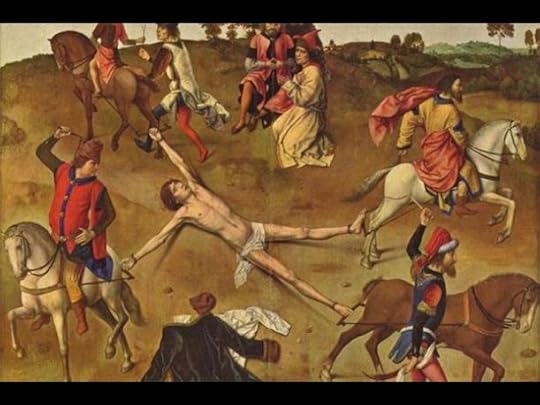
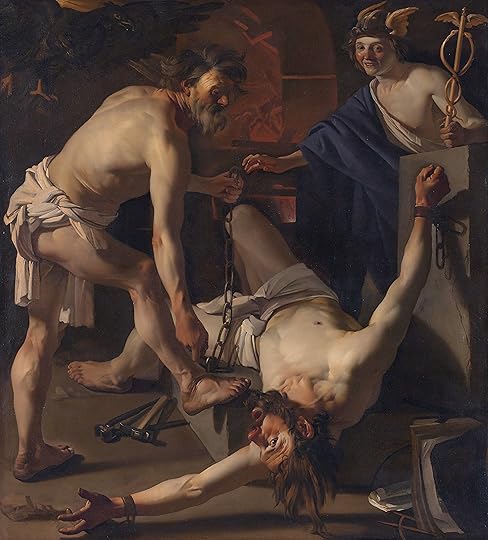
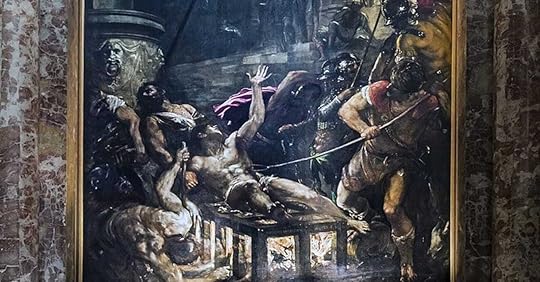
"Well, so: the day France celebrated victory over the Germans, I don't know how many Muslims, thousands, more, were being massacred in the country, at Setif, at Guelma."
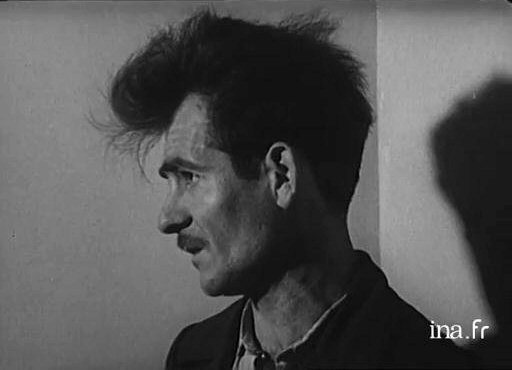
In the fortress of our bodies
May our ideal live on
Mingled with your blood
So that tomorrow they won’t dare,
They won’t dare to murder us.
All of his torturers sound the same, Fernand can’t distinguish between their voices anymore: similar timbre, just a lot of noise, goddamn hertz. What Fernand does not know is that the general secretary of police in Algiers, Paul Teitgen, made it explicitly clear, two hours ago, that he forbade anyone from touching the suspect. Teitgen had been deported and tortured by the Germans during the war. He could not understand why the police, his police, that of the France for which he’d fought, the France of the Republic, Voltaire, Hugo, Clemenceau, the France of human rights, of Human Rights (he was never sure when to capitalize), this France, la France, would use torture as well. No one here had taken any notice: Teitgen was a gentle soul, a pencil pusher offloaded from the metropolis just three months ago. He had brought his dainty ways along in his little suitcase, you should’ve seen, duty, probity, righteousness, ethics even — ethics my ass, he knows nothing about this place, nothing at all, do what you have to do with Iveton and I’ll cover for you, or so the chief had decided without hesitation. You can’t fight a war with principles and boy-scout sermons.
He thinks of her every day. He cannot keep from doing it. Cannot keep from picking up the scattered pieces of their story, as if he had to put them in order between these walls, give them a meaning in this gray shithole, bulb on the ceiling, bunk stained by former inmates, one toilet between three. Give them a direction, a solid outline, thick, drawn in chalk or charcoal. Three and a half years together: one with the other, one through and for the other. Fernand collects whatever pieces his memory more or less readily restores to him, to form a brick — a cinderblock of love alone capable, in the face of an uncertain future, to break the bones and jaws of his tormentors.
Hélène.
May our ideal live on
Mingled with your blood
So that tomorrow they won’t dare
They won’t dare to murder us.