

What do you think?

Mindfulness without the Bells and Beads: Unlocking Exceptional Performance, Leadership, and Well-being for Working Professionals
Use mindfulness to unleash your potential--without the spiritual baggage.
Mindfulness Without the Bells and Beads: Unlocking Exceptional Performance, Leadership, and Wellbeing for Working Professionals strips away the bells, beads, and hyperbole associated with mindfulness, and explains how you can take your performance and leadership to the next level in just eight weeks, without adopting any spiritual or new age beliefs.
Author Clif Smith, a US Army veteran, former diplomat, and CIA-trained former intelligence officer, serves as EY's Americas Mindfulness Leader and Global Mindfulness Network Leader and is internationally recognized for bringing mindfulness to tens of thousands of corporate and government leaders across the globe. In this book, Clif shares teachings and insights to help achieve the tangible benefits of practicing mindfulness as a fundamental part of our professional and personal lives. You'll discover how to:
Enhance mental focus, resilience, and decision-making under pressure Increase the impact of your communication and leadership Transcend limiting beliefs, fear, and other psychological barriers to success Connect, understand, and interact with others more effectively Effectively incorporate self-care into a high-performance life Demystify the practice of mindfulness to make it ideal for a corporate setting Perfect for corporate leaders, managers, and executives, and any working professional in a high-pressure or high-performance environment, Mindfulness Without the Bells and Beads also belongs on the bookshelves of anyone who works in a stressful environment and wants to achieve a higher level of success and a better quality of life.
Mindfulness Without the Bells and Beads: Unlocking Exceptional Performance, Leadership, and Wellbeing for Working Professionals strips away the bells, beads, and hyperbole associated with mindfulness, and explains how you can take your performance and leadership to the next level in just eight weeks, without adopting any spiritual or new age beliefs.
Author Clif Smith, a US Army veteran, former diplomat, and CIA-trained former intelligence officer, serves as EY's Americas Mindfulness Leader and Global Mindfulness Network Leader and is internationally recognized for bringing mindfulness to tens of thousands of corporate and government leaders across the globe. In this book, Clif shares teachings and insights to help achieve the tangible benefits of practicing mindfulness as a fundamental part of our professional and personal lives. You'll discover how to:
Enhance mental focus, resilience, and decision-making under pressure Increase the impact of your communication and leadership Transcend limiting beliefs, fear, and other psychological barriers to success Connect, understand, and interact with others more effectively Effectively incorporate self-care into a high-performance life Demystify the practice of mindfulness to make it ideal for a corporate setting Perfect for corporate leaders, managers, and executives, and any working professional in a high-pressure or high-performance environment, Mindfulness Without the Bells and Beads also belongs on the bookshelves of anyone who works in a stressful environment and wants to achieve a higher level of success and a better quality of life.
210 pages, Kindle Edition
Published April 13, 2021
About the author
Clif Smith
3 books28 followersClif Smith, a US Army veteran, former diplomat, and intelligence officer, serves as Ernst and Young (EY) LLP’s Americas Mindfulness Leader and is an internationally recognized leader for bringing mindfulness into the corporate world. Clif brings his story and more than 25 years of experience leading through high-pressure situations into his teachings and demonstrates the value of adopting mindfulness as a fundamental part of our personal and professional lives. Following his passion for developing others, he built EY’s Mindful Leadership program, delivering practical training to more than 150,000 people, including EY professionals and clients, with measurable impact on performance, leadership, and well-being.
Before devoting much of his time to creating and managing mindfulness programs, Clif led EY into a new market, winning multimillion-dollar deals for the firm as an account leader in the government and public sector practice. Immediately prior to joining EY, he managed diligence projects across several sectors including financial services, telecommunications, and government at private investment firm Granahan McCourt Capital (GMC). Prior to GMC, he was a vice president at JP Morgan Chase, where he helped create the firm’s first cyber threat and protective intelligence collection, reporting, and analysis policy and program. Clif’s experience in the private sector is preceded by 17 years in the US Department of Defense, Defense Intelligence Agency, and broader Intelligence Community, where he served as an intelligence officer managing and carrying out signals intelligence and clandestine and overt human intelligence collection operations around the globe including deployments to Afghanistan and Iraq.
Clif’s personal journey from poverty to prosperity is a key motivating factor for his work as an executive coach, mindfulness teacher, and keynote speaker helping others achieve success despite their self-limiting beliefs and challenging circumstances. His one-on-one coaching clients have included CEOs and other senior executives, university administrators, veterans, troubled youth, and others. His keynotes, as well as his insights gleaned from successfully bringing mindfulness into the corporate setting, are sought after by many organizations, including major universities, corporations, leadership conferences, and nonprofits nationally and internationally.
Clif is a mindfulness-based stress reduction teacher, a certified Search Inside Yourself Leadership Institute Mindfulness and Emotional Intelligence teacher, an ICF-certified executive coach, and an accomplished public speaker. He has a bachelor of science in business information systems from Bellevue University and master of public administration from Harvard University’s John F. Kennedy School of Government.
Clif and his wife, Jen, live with their son in Virginia.
Before devoting much of his time to creating and managing mindfulness programs, Clif led EY into a new market, winning multimillion-dollar deals for the firm as an account leader in the government and public sector practice. Immediately prior to joining EY, he managed diligence projects across several sectors including financial services, telecommunications, and government at private investment firm Granahan McCourt Capital (GMC). Prior to GMC, he was a vice president at JP Morgan Chase, where he helped create the firm’s first cyber threat and protective intelligence collection, reporting, and analysis policy and program. Clif’s experience in the private sector is preceded by 17 years in the US Department of Defense, Defense Intelligence Agency, and broader Intelligence Community, where he served as an intelligence officer managing and carrying out signals intelligence and clandestine and overt human intelligence collection operations around the globe including deployments to Afghanistan and Iraq.
Clif’s personal journey from poverty to prosperity is a key motivating factor for his work as an executive coach, mindfulness teacher, and keynote speaker helping others achieve success despite their self-limiting beliefs and challenging circumstances. His one-on-one coaching clients have included CEOs and other senior executives, university administrators, veterans, troubled youth, and others. His keynotes, as well as his insights gleaned from successfully bringing mindfulness into the corporate setting, are sought after by many organizations, including major universities, corporations, leadership conferences, and nonprofits nationally and internationally.
Clif is a mindfulness-based stress reduction teacher, a certified Search Inside Yourself Leadership Institute Mindfulness and Emotional Intelligence teacher, an ICF-certified executive coach, and an accomplished public speaker. He has a bachelor of science in business information systems from Bellevue University and master of public administration from Harvard University’s John F. Kennedy School of Government.
Clif and his wife, Jen, live with their son in Virginia.
Ratings & Reviews
Friends & Following
Create a free account to discover what your friends think of this book!
Community Reviews
Displaying 1 - 13 of 13 reviews

October 8, 2024
"For far too long, mindfulness in the West has been nearly exclusively associated with spirituality and/or wellness..."
Mindfulness Without the Bells and Beads was a great book on the topic. I love reading about mindset, performance, mindfulness, and other related topics across the health and wellness sphere, so I put this one on my list when I came across it.
Author Clif Smith is a US Army veteran, former diplomat and business executive, and career intelligence officer who currently serves as Chief, Enterprise Learning Solutions, Academy for Defense Intelligence, within the Defense Intelligence Agency.
Clif Smith:
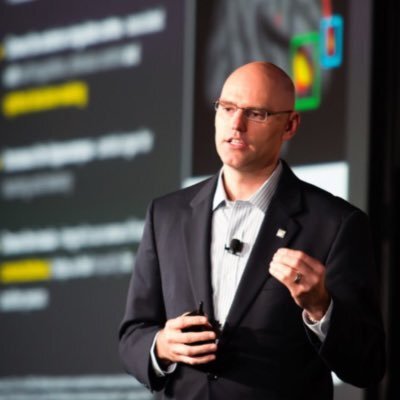
Smith writes with an effective style, that I found both informative and engaging. I am super picky about how readable my books are, and thankfully this one passed muster. It won't have trouble holding the finicky reader's attention. The audiobook version I have was also read by the author, which was a nice touch. He's a great speaker and did a very good job of the narration.
He gets the writing here off on a good foot with a well-written intro. He drops an interesting analogy about the staggered starting lanes on an elliptical running track.
Smith drops the quote at the start of this review, and it continues:
He also drops this quote early on:
Although it sounds simple and obvious on its face, the state of being "mindful" is pretty much the polar opposite mindset of the average modern, Western citizen - who goes through much of their waking life with the lights on, but no one home... People develop routines, and then go through the minutia of their day on a form of autopilot.
So just what is "mindfulness"?
The book's subtitle is expanded upon in this bit of writing:
I have been actively reading about mindfulness for a few years now, and already incorporate daily mindfulness practices into my life. I've found the quality of my thoughts, and my daily life have become more enriched as a result. In Jay Shetty's book: Think Like a Monk, he says in the Ashram, the Master told them to notice 3 new things every time on their routine daily walk through the garden. I do this myself as well when I walk or jog around my neighbourhood.
The benefits of mindfulness training are numerous, and Smith drops this quote:
Some more of what the author talks about here includes:
• People's inborn negativity bias
• Mindfulness Changes the Brain
• Focused Attention Meditation
• Open Awareness Meditation
• Diving Deeper: An 8-Week Journey to Exceptional Performance, Leadership, and Well-Being
• Body Scan Meditation
• Mindfulness of Sounds, Thoughts, and Emotions
• Empathy
• Compassion
• Kindness
• A Mindful Day
********************
Mindfulness Without the Bells and Beads was a well done dive into the topic. I would recommend it to anyone interested in becoming more Mindful.
4.5 stars.
Mindfulness Without the Bells and Beads was a great book on the topic. I love reading about mindset, performance, mindfulness, and other related topics across the health and wellness sphere, so I put this one on my list when I came across it.
Author Clif Smith is a US Army veteran, former diplomat and business executive, and career intelligence officer who currently serves as Chief, Enterprise Learning Solutions, Academy for Defense Intelligence, within the Defense Intelligence Agency.
Clif Smith:
Smith writes with an effective style, that I found both informative and engaging. I am super picky about how readable my books are, and thankfully this one passed muster. It won't have trouble holding the finicky reader's attention. The audiobook version I have was also read by the author, which was a nice touch. He's a great speaker and did a very good job of the narration.
He gets the writing here off on a good foot with a well-written intro. He drops an interesting analogy about the staggered starting lanes on an elliptical running track.
Smith drops the quote at the start of this review, and it continues:
"...People seeking enlightenment or relief from stress, anxiety, and pain have been the primary audience.
Therefore, most mindfulness teachers have continued to discuss mindfulness within that frame. That frame has been so narrow for so long it might seem that mindfulness is only for the spiritually inclined, or for people with challenging medical issues, such as panic attacks, paralyzing anxiety, and deep depression, or people who just want some stress relief.
That couldn't be further from the truth..."
He also drops this quote early on:
"I don't know why you picked up this book, but given the title it might be that you've had the thought, “What the hell is all the hype about mindfulness?” You may be one of the millions of people who have been curious about mindfulness but don't want to be associated with the spiritual crowd that so often drowns out its core meaning. Perhaps you recoil at the thought of listening to someone breathlessly guide meditations in a sickly sweet voice. Maybe you thought you'd need to join a yoga studio and get a subscription for monthly deliveries of incense. If any of those have been keeping you from trying out mindfulness, this book is for you. In these pages, I peel back the layers of hype and hyperbole about mindfulness and provide a practical and demystified approach to reaping the real benefits from a consistent mindfulness practice over just an 8-week period.
The concept of "Mindfulness" is not new, despite the many new Western practitioners who have emerged in the last few decades. Although mindful practices are just hitting an upswing here, they have been a component of Eastern philosophy, namely Hinduism and Buddhism, for a few thousand years."
Although it sounds simple and obvious on its face, the state of being "mindful" is pretty much the polar opposite mindset of the average modern, Western citizen - who goes through much of their waking life with the lights on, but no one home... People develop routines, and then go through the minutia of their day on a form of autopilot.
So just what is "mindfulness"?
"Mindfulness is an ability to keep attention on one's present moment experience without getting too caught up in automatic thoughts and judgments."
The book's subtitle is expanded upon in this bit of writing:
"Attending my first mindfulness teacher training course was quite a shock. In the morning on the first day, the teachers came into the room holding small bells, wearing Buddhist beads, and carrying special cushions on which they meditated. This struck me as odd, because I had signed up for the “secular” mindfulness teacher training. It did not take long to gather that this “secular” training was going to be deeply intertwined with overtly spiritual and new-age thoughts, positions, and perspectives. There were–I kid you not–even Tarot card readings at an evening event and scores of participant comments during the training were met with the response, “That's so beautiful.” If you want to turn off a corporate audience and never be invited back beyond what your original contract stipulated, just do what's in this paragraph."
I have been actively reading about mindfulness for a few years now, and already incorporate daily mindfulness practices into my life. I've found the quality of my thoughts, and my daily life have become more enriched as a result. In Jay Shetty's book: Think Like a Monk, he says in the Ashram, the Master told them to notice 3 new things every time on their routine daily walk through the garden. I do this myself as well when I walk or jog around my neighbourhood.
The benefits of mindfulness training are numerous, and Smith drops this quote:
"As you progress through the book and do the exercises, you can gain a greater ability to respond thoughtfully and calmly in the midst of high-pressure and complex situations, become more agile in the face of change, and pay more attention to the things you deem most important. You will learn practices that are known to lead to enhanced mental focus, empathy, and resilience. Through consistent practice, you can become aware of some of your self-created challenges and learn ways to avoid automatically falling into the same patterns so you can get out of your own way. You will learn ways to be less affected by unhelpful internal dialogue, limiting beliefs, and irrational feelings of fear (failure, embarrassment, and criticism), allowing you to see and seize opportunities to grow beyond what you previously thought possible and unlock your latent potential. Finally, you'll also begin to be able to connect with people around you more fully and effectively. These benefits cascade and compound, resulting in improvements in performance, leadership, and well-being."
Some more of what the author talks about here includes:
• People's inborn negativity bias
• Mindfulness Changes the Brain
• Focused Attention Meditation
• Open Awareness Meditation
• Diving Deeper: An 8-Week Journey to Exceptional Performance, Leadership, and Well-Being
• Body Scan Meditation
• Mindfulness of Sounds, Thoughts, and Emotions
• Empathy
• Compassion
• Kindness
• A Mindful Day
********************
Mindfulness Without the Bells and Beads was a well done dive into the topic. I would recommend it to anyone interested in becoming more Mindful.
4.5 stars.

February 8, 2023
Mindfulness without the Bells and Beads offers exactly what author Clif Smith says it will: Unlocking Exceptional Performance, Leadership, and Well-being for Working Professionals. Without ringing one bell or chanting one-Om, the ex-CIA-trained intelligence officer, US Army veteran and former diplomat shares a spiritual-free version of mindfulness practices that anyone can apply at work or home. Smith first quiets the noise around the concept of mindfulness itself, before sharing examples of practices you can try over an eight week period. None of them need you to adopt any spiritual beliefs! The overview of why mindfulness is critical today cites various studies of how work gets the bulk of our attention, followed by phone apps and Netflix, asking us what quality time is realistically spent on your lives? Smith covers the myths of multitasking and downsides of distraction, like how a three-minute social media break will take an additional twenty-three minutes to get you back on task. Readers will also learn why the wandering mind doesn’t allow proper rest and can creates unhappiness, as consequences of physical presence without mental presence also increase stress and anxiety and can compound health issues and reduce productivity. So what’s the answer? According to Smith, it is a balance of non-striving (less doing, less should and more being), acceptance, letting go and focusing on gratitude and generosity as a start. The rest is about practice – formal and informal – and patience, especially around learning mindfulness and being kind with the stories you tell yourself about your experiences.
Clif Smith, author of Mindfulness without the Bells and Beads has brought his mindfulness approaches to tens of thousands of corporate and government leaders as Ernst and Young’s Global Mindfulness Network Leader, and now you too can gain his valuable insights and perspectives. Each chapter summarises key learning points and then takes you step-by-step on a formal practice to try yourself, like starting simply with an Awareness of Breath meditation. Your informal practices includes everything from mindful eating and drinking, to catching and releasing thoughts and keeping a gratitude journal. Daily mindfulness practice help you become more aware, happy and healthy. If the spiritual side of mindfulness has been holding you back, Mindfulness without Bells and Beads is here to help you improve your work, relationships and life, one breath at a time.
Clif Smith, author of Mindfulness without the Bells and Beads has brought his mindfulness approaches to tens of thousands of corporate and government leaders as Ernst and Young’s Global Mindfulness Network Leader, and now you too can gain his valuable insights and perspectives. Each chapter summarises key learning points and then takes you step-by-step on a formal practice to try yourself, like starting simply with an Awareness of Breath meditation. Your informal practices includes everything from mindful eating and drinking, to catching and releasing thoughts and keeping a gratitude journal. Daily mindfulness practice help you become more aware, happy and healthy. If the spiritual side of mindfulness has been holding you back, Mindfulness without Bells and Beads is here to help you improve your work, relationships and life, one breath at a time.

February 20, 2026
good mindfulness clarifications and advice

November 10, 2021
A well written, concise and practical roadmap to developing a mindfulness practice. Clif Smith weaves scientific research, personal stories and fictional examples to illustrate how incorporating daily meditation and mindfulness exercises can improve focus, increase empathy, compassion and kindness (to yourself and others) and maximize presence in moments throughout the day. His analogy comparing meditation to athletic training changed my relationship with my personal meditation practice.
I will be buying this book for others and recommending it to anyone looking to start a mindfulness practice.
I will be buying this book for others and recommending it to anyone looking to start a mindfulness practice.

May 8, 2022
This is a great book on mindfulness focused on the corporate professional and his/her environment, Clif Smith (former EY's Americas Mindfulness Leader) does an awesome job referencing bibliography and telling compelling stories from his life on the practice and benefits. It outlines a 8 weeks practical course for building the foundation of your mindfulness practice together with recorded meditations at Insight App.

June 7, 2021
Mind full OR Mindful

August 11, 2021
Book is a no-nonsense guide to application of mindfulness.
Written for people in leadership and management positions.
Written for people in leadership and management positions.

November 5, 2023
It took me three tries to get into Mindfulness, but I'm so glad that I finished it.
Chapters 1-8 are an introduction to what mindfulness is and isn't (it's about being fully present in the moment while being in full control of the thoughts and feelings we have about the moment), the benefits of mindfulness, and what this book will teach us in order to cultivate mindfulness. I found this part very informative, but a bit wordy.
Chapters 9-17 is where it got really good, the reader is guided through an eight week course of mindfulness meditations such as Awareness of Breath, how to fully engage with simple activities like showering and drinking tea, and nonmindful meditations that help you sit with emotions and situations so as to respond better.
Chapters 1-8 are an introduction to what mindfulness is and isn't (it's about being fully present in the moment while being in full control of the thoughts and feelings we have about the moment), the benefits of mindfulness, and what this book will teach us in order to cultivate mindfulness. I found this part very informative, but a bit wordy.
Chapters 9-17 is where it got really good, the reader is guided through an eight week course of mindfulness meditations such as Awareness of Breath, how to fully engage with simple activities like showering and drinking tea, and nonmindful meditations that help you sit with emotions and situations so as to respond better.

October 20, 2022
In my continued effort to live more in the moment, I read this book as a primer to learning to add mindfulness/meditation to my daily regime. An easy-to-read and implement format I am looking forward to seeing if I can apply some of his methods and see if they can aid me in my self-improvement journey. I recommend this book as a starting point for anyone's meditative journey.
Want to Read
September 28, 2021good
This entire review has been hidden because of spoilers.

June 6, 2022
Very good! The exercises are simple but effective. The challenge is building them into a daily routine.
May 20, 2025
DNF. There are much better books on mindfulness out there. This author couldn’t get past gazing at his own navel to write such a book. Waste of my time.
October 23, 2020
Review by Midwestern Book Review
Sometimes (too rarely, these days) a book title strikes the reader with such promise that it becomes a compelling attraction without even turning the first page. This is an ideal most authors strive for; but very few achieve.
Clif Smith has accomplished this with the title of his book, Mindfulness Without the Bells and Beads, which promises a more pragmatic approach to the new age concept of mindfulness and its applications to daily life. He then reinforces his excellent book's appeal to professionals with a clarifying subtitle: Unlocking Exceptional Performance, Leadership, and Well-being for Working Professionals.
With the subject firmly rooted in both new age and business worlds, Smith's next task is to live up to his title's potential. This is more than achieved in a survey that adopts a reasoned series of applications of mindfulness to business theory and routines, grounding it in a manner that most new age and psychology titles don't begin to touch.
Take the meditation process which is one of the foundations of mindfulness training, for example. Smith points out that "Although many mindfulness teachers and practitioners are attached to the things on the following list and other things you probably associate with meditation, you do not need any of them to authentically practice and reap the benefits of mindfulness. Furthermore, none of these will make you “better” at cultivating mindfulness." The list includes bells, beads, special meditation equipment, a trip to India, tiny statues of Hindu deities, and other approaches which assume a tongue-in-cheek humor about the typical things some will identify as requirements for successful meditation and mindfulness development.
He does note that, for some, these rituals or objects can be useful; but points out that they are not the requirements many claim are essential to the practice: "These things are like pearls, quite beautiful in some respects and wearing them helps people project a certain image to others, which is extremely important to many. However, that outer sparkle distracts from the true core without which there would be no pearl. With mindfulness, far too many get ensnared by and attached to the outer shell, the pretty accessories that project they are mindful people, and completely miss the true essence...The bottom line is that you don’t need to add any of these things to your life to practice mindfulness effectively, and in fact getting attached to them can be a real hindrance to your practice."
Mindfulness Without the Bells and Beads' down-to-earth approach will prove particularly inviting to the audience who may need this practice the most: business professionals who typically eschew any mention of mindfulness or new age concepts as being relevant to better approaches to both business and life.
Mindfulness and meditation typically involve an especially big shift for nose-to-the-grindstone personalities. Smith makes his book accessible to this audience by addressing common criticisms and barriers to achieving mindfulness. In many ways, the practice might seem to counter common business sense. Smith acknowledges these in sections such as that on 'Shifting from Doing to Non-Doing, aka Being', pulling no punches as he confronts perception, reality, and the challenge of making such shifts: "It may seem strange to talk about shifting from a doing mode to a non-doing or being mode in a book that purports to unlock exceptional performance, leadership, and well-being. You’ve gotten to where you are in your career and life by getting things done and solving problems! Why would you stop now? It’s not about stopping; it’s about balance."
Perhaps Smith is ideally suited to write such a book because his own career has been firmly grounded in pragmatic approaches. He's a US Army veteran, a former diplomat, a CIA-trained former intelligence officer, serves as EY's Americas Mindfulness Leader and Global Mindfulness Network Leader, and teaches mindfulness to tens of thousands of corporate and government leaders across the globe.
His insights are an intrinsic part of what sets Mindfulness Without the Bells and Beads apart from any other book on the subject. The promise in the title is to reach into business minds and hearts not normally attracted to such a practice. This audience holds the best potential for taking mindful practice to a new level and applying it to business pursuits for maximum impact while preserving its positive impact on personal well-being and interpersonal connection.
Now these readers have a book that speaks their language...one especially highly recommended for business readers and library collections catering to them.
Sometimes (too rarely, these days) a book title strikes the reader with such promise that it becomes a compelling attraction without even turning the first page. This is an ideal most authors strive for; but very few achieve.
Clif Smith has accomplished this with the title of his book, Mindfulness Without the Bells and Beads, which promises a more pragmatic approach to the new age concept of mindfulness and its applications to daily life. He then reinforces his excellent book's appeal to professionals with a clarifying subtitle: Unlocking Exceptional Performance, Leadership, and Well-being for Working Professionals.
With the subject firmly rooted in both new age and business worlds, Smith's next task is to live up to his title's potential. This is more than achieved in a survey that adopts a reasoned series of applications of mindfulness to business theory and routines, grounding it in a manner that most new age and psychology titles don't begin to touch.
Take the meditation process which is one of the foundations of mindfulness training, for example. Smith points out that "Although many mindfulness teachers and practitioners are attached to the things on the following list and other things you probably associate with meditation, you do not need any of them to authentically practice and reap the benefits of mindfulness. Furthermore, none of these will make you “better” at cultivating mindfulness." The list includes bells, beads, special meditation equipment, a trip to India, tiny statues of Hindu deities, and other approaches which assume a tongue-in-cheek humor about the typical things some will identify as requirements for successful meditation and mindfulness development.
He does note that, for some, these rituals or objects can be useful; but points out that they are not the requirements many claim are essential to the practice: "These things are like pearls, quite beautiful in some respects and wearing them helps people project a certain image to others, which is extremely important to many. However, that outer sparkle distracts from the true core without which there would be no pearl. With mindfulness, far too many get ensnared by and attached to the outer shell, the pretty accessories that project they are mindful people, and completely miss the true essence...The bottom line is that you don’t need to add any of these things to your life to practice mindfulness effectively, and in fact getting attached to them can be a real hindrance to your practice."
Mindfulness Without the Bells and Beads' down-to-earth approach will prove particularly inviting to the audience who may need this practice the most: business professionals who typically eschew any mention of mindfulness or new age concepts as being relevant to better approaches to both business and life.
Mindfulness and meditation typically involve an especially big shift for nose-to-the-grindstone personalities. Smith makes his book accessible to this audience by addressing common criticisms and barriers to achieving mindfulness. In many ways, the practice might seem to counter common business sense. Smith acknowledges these in sections such as that on 'Shifting from Doing to Non-Doing, aka Being', pulling no punches as he confronts perception, reality, and the challenge of making such shifts: "It may seem strange to talk about shifting from a doing mode to a non-doing or being mode in a book that purports to unlock exceptional performance, leadership, and well-being. You’ve gotten to where you are in your career and life by getting things done and solving problems! Why would you stop now? It’s not about stopping; it’s about balance."
Perhaps Smith is ideally suited to write such a book because his own career has been firmly grounded in pragmatic approaches. He's a US Army veteran, a former diplomat, a CIA-trained former intelligence officer, serves as EY's Americas Mindfulness Leader and Global Mindfulness Network Leader, and teaches mindfulness to tens of thousands of corporate and government leaders across the globe.
His insights are an intrinsic part of what sets Mindfulness Without the Bells and Beads apart from any other book on the subject. The promise in the title is to reach into business minds and hearts not normally attracted to such a practice. This audience holds the best potential for taking mindful practice to a new level and applying it to business pursuits for maximum impact while preserving its positive impact on personal well-being and interpersonal connection.
Now these readers have a book that speaks their language...one especially highly recommended for business readers and library collections catering to them.
Displaying 1 - 13 of 13 reviews