

What do you think?

Billy Liar #1
Billy Liar
Billy Liar captures brilliantly the claustrophobic atmosphere of a small town. It tells the story of Billy Fisher, a Yorkshire teenager unable to stop lying - especially to his three girlfriends. Trapped by his boring job and working-class parents, Billy finds that his only happiness lies in grand plans for his future and fantastical day-dreams of the fictional country Ambrosia.
187 pages, Mass Market Paperback
First published January 1, 1959
About the author
Keith Waterhouse
82 books30 followersKeith Spencer Waterhouse CBE, was a novelist, newspaper columnist, and the writer of many television series.
Ratings & Reviews
Friends & Following
Create a free account to discover what your friends think of this book!
Community Reviews
Displaying 1 - 30 of 209 reviews

August 14, 2017
A long Saturday in the life of 19 year old Billy who skates perpetually on thin ice and today looks like finally he will fall right through. He lives in Stradhaughton in Yorkshire and the year is 1959. It’s a small town. He’s such an aggravating, annoying fool. His boss at the undertakers (a comedy job) asks him to post 200 Christmas calendars out, but he doesn’t do it so he still has them stashed under his bed months later. His boss also asks him to post out some invoices, but he doesn’t do it so he still has them stashed under his bed months later. His mother asks him…. Now this guy is not quadriplegic so I did not see what the problem was – why not just post them? This is not explained, he’s just an idiot. Also, he’s stringing two girls along and each thinks he’s engaged to them, leading to some why is she wearing my ring comedy. Also, he floats around town in daydreams about some imaginary kingdom where Billy is the king, this was very tiresome. Also, he brags to all and sundry that he’s landed a top job in London as a scriptwriter for a top comedian. All in all, if a 29 bus flattened young Billy as he was crossing Ironmonger Street you would not be all that sorry.
But you can’t hate him, because running through Billy is a streak of melancholia as wide as the River Thames. He knows he’s trapped in this small stifling town where nobody is on his wavelength. Not that you’d especially want to be on his wavelength. But still, we know that feeling. So underneath the mostly unfunny comedy is a sad familiar tale plus a whole ton of accurate detail about English provincial life in 1959, after Elvis but before the Beatles, and before the contraceptive pill too.
Speaking of pills, much is made of what Billy calls “passion pills” that he’s got in his pocket. They’re supposed to stir up concupiscence, so with one of his unenthusiastic girlfriends he’s continually slipping a pill or two into her tea then hopping about for the next 15 minutes waiting for them to take effect. Eventually he runs out of patience:
A happy thought struck me, the first happy thought of the evening. I felt in my pocket for the little black beads that were still spilled there. I scooped up a handful, about a dozen or fourteen of them. On the table nearest to us, next to the Witch’s handbag, there was a cup of black coffee, untouched. I unloaded the fistful of passion pills into the Witch’s coffee.
The Witch is his jocular name for the chillier of his girlfriends. So it goes. You will be glad to find out that the pills have no effect.
But you can’t hate him, because running through Billy is a streak of melancholia as wide as the River Thames. He knows he’s trapped in this small stifling town where nobody is on his wavelength. Not that you’d especially want to be on his wavelength. But still, we know that feeling. So underneath the mostly unfunny comedy is a sad familiar tale plus a whole ton of accurate detail about English provincial life in 1959, after Elvis but before the Beatles, and before the contraceptive pill too.
Speaking of pills, much is made of what Billy calls “passion pills” that he’s got in his pocket. They’re supposed to stir up concupiscence, so with one of his unenthusiastic girlfriends he’s continually slipping a pill or two into her tea then hopping about for the next 15 minutes waiting for them to take effect. Eventually he runs out of patience:
A happy thought struck me, the first happy thought of the evening. I felt in my pocket for the little black beads that were still spilled there. I scooped up a handful, about a dozen or fourteen of them. On the table nearest to us, next to the Witch’s handbag, there was a cup of black coffee, untouched. I unloaded the fistful of passion pills into the Witch’s coffee.
The Witch is his jocular name for the chillier of his girlfriends. So it goes. You will be glad to find out that the pills have no effect.

October 19, 2011
"If you're in any more trouble, Billy, it's not something you can leave behind you, you know. You put it in your suitcase, and you take it with you."
Billy Liar is the chronicle of one decisive day in the life of its protagonist Billy Fisher; capturing brilliantly the claustrophobic atmosphere of a small town in Yorkshire after the second world war, it describes a young fantasist with a job at a 'funeral furnisher' and a bedroom at his parents' – and longing for escape to the Good Life in London.
Grouped with the Angry Young Men of British letters, who came to prominence in the late 50s and early 60s, Waterhouse's most famous creation is less angry with the status quo of post-war Britain than Arthur Seaton and Jimmy Porter, instead finding an escape from his frustrations by living in a dream world half of the time.
I first came across the name Billy Liar through the song of the same name recorded by The Decemberists in 2004, an upbeat piano driven pop song about a young man suffering from boredom, and it remains one of my favourite songs from the prolific band.
Later whilst scouring the film catalogue at film school I discovered the classic 1963 film directed by John Schlesinger and starring Tom Courtenay as Billy Fisher. A film which took the grim up north stereotypes that had become the norm in British New Wave cinema and turned them on their head with comedy and the careful use of surrealism.
[image error]
The cross media adaptations did start not or end there though, Keith Waterhouse originally adapted it in to a stageplay which starred a young Albert Finney (who turned down the lead in David Lean's Lawrence of Arabia to play Billy!), his success in the movie adaptation of Saturday Night and Sunday Morning helping to making Billy Liar an overnight hit in the West End.
[image error]
A British sitcom in 1973 and most improbably an American TV show starring Steve Guttenberg(!) as Billy followed, achieving nothing more than to help Keith Waterhouse accumulate wealth I'm sure.
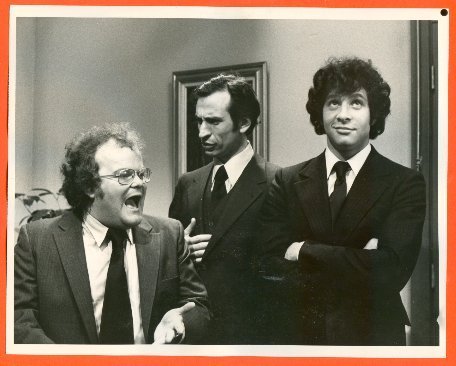
As you can see there is a rather large and influential history behind this book and having finally gotten around to reading it I can see why. Despite taking place over just the one day this is still a coming of age tale, it brings us in to Billy's life as he becomes aware that he has to make changes and the events that transpire in that day are enough to help him work some things out in his mind, if not necessarily making those changes. I've seen comparisons to The Catcher in the Rye and I would definitely agree with those only Waterhouse gives us a wonderful almost python-esque comedy at the same time making for a much more enjoyable and accessible read.
Billy lies for a variety of reasons and part of the beauty of Waterhouse's prose is that you can read between the lines, look deeper and analyse those reasons or enjoy yourself just as much by marvelling at the absurdity and audacity of the lying liar who tells the lies. In the same way that he makes reference to the transition, evolution and decay of British society in the aftermath of war something that you can consider and add depth to your experience or just acknowledge it as location setting descriptive passages but nothing more.
Waterhouse was of the mimetic school of writers, managing to capture the unique patter of his Yorkshire dialect and local turn of phrase without becoming exclusive or alienating those of us who aren't local or even reading 53 years after publication. It is this quality that stands Billy Liar head and shoulders above others of the time, it hasn't dated because at its heart there are no politics, young men still struggle with their identity and purpose in life and suffer from being misunderstood by those closest to them.
Please, go find this book, I can't see how you wouldn't enjoy meeting Billy Liar.
Billy Liar is the chronicle of one decisive day in the life of its protagonist Billy Fisher; capturing brilliantly the claustrophobic atmosphere of a small town in Yorkshire after the second world war, it describes a young fantasist with a job at a 'funeral furnisher' and a bedroom at his parents' – and longing for escape to the Good Life in London.
Grouped with the Angry Young Men of British letters, who came to prominence in the late 50s and early 60s, Waterhouse's most famous creation is less angry with the status quo of post-war Britain than Arthur Seaton and Jimmy Porter, instead finding an escape from his frustrations by living in a dream world half of the time.
I first came across the name Billy Liar through the song of the same name recorded by The Decemberists in 2004, an upbeat piano driven pop song about a young man suffering from boredom, and it remains one of my favourite songs from the prolific band.
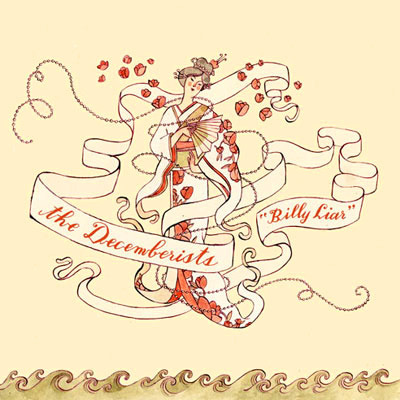
Later whilst scouring the film catalogue at film school I discovered the classic 1963 film directed by John Schlesinger and starring Tom Courtenay as Billy Fisher. A film which took the grim up north stereotypes that had become the norm in British New Wave cinema and turned them on their head with comedy and the careful use of surrealism.
[image error]
The cross media adaptations did start not or end there though, Keith Waterhouse originally adapted it in to a stageplay which starred a young Albert Finney (who turned down the lead in David Lean's Lawrence of Arabia to play Billy!), his success in the movie adaptation of Saturday Night and Sunday Morning helping to making Billy Liar an overnight hit in the West End.
[image error]
A British sitcom in 1973 and most improbably an American TV show starring Steve Guttenberg(!) as Billy followed, achieving nothing more than to help Keith Waterhouse accumulate wealth I'm sure.
As you can see there is a rather large and influential history behind this book and having finally gotten around to reading it I can see why. Despite taking place over just the one day this is still a coming of age tale, it brings us in to Billy's life as he becomes aware that he has to make changes and the events that transpire in that day are enough to help him work some things out in his mind, if not necessarily making those changes. I've seen comparisons to The Catcher in the Rye and I would definitely agree with those only Waterhouse gives us a wonderful almost python-esque comedy at the same time making for a much more enjoyable and accessible read.
Billy lies for a variety of reasons and part of the beauty of Waterhouse's prose is that you can read between the lines, look deeper and analyse those reasons or enjoy yourself just as much by marvelling at the absurdity and audacity of the lying liar who tells the lies. In the same way that he makes reference to the transition, evolution and decay of British society in the aftermath of war something that you can consider and add depth to your experience or just acknowledge it as location setting descriptive passages but nothing more.
Waterhouse was of the mimetic school of writers, managing to capture the unique patter of his Yorkshire dialect and local turn of phrase without becoming exclusive or alienating those of us who aren't local or even reading 53 years after publication. It is this quality that stands Billy Liar head and shoulders above others of the time, it hasn't dated because at its heart there are no politics, young men still struggle with their identity and purpose in life and suffer from being misunderstood by those closest to them.
Please, go find this book, I can't see how you wouldn't enjoy meeting Billy Liar.

March 4, 2018
If things couldn’t have started to go downhill, this book was another one that I highly anticipated that failed to deliver the fun comedy that I was looking for. Although Billy Liar, a lad from Yorkshire was an interesting character, the majority of the jokes that were featured, I simply didn’t find amusing. Baring in mind that this book was published way back in the 1950s so I feel that it fitted that time period more comfortably. It was a story that I simply couldn’t relate to. I struggled to connect to the characters and started to skip paragraphs because my enjoyment by this point was all but lost.

May 18, 2016
I’ve been meaning to read Billy Liar for many years. The 1963 John Schlesinger film adaptation with Tom Courtenay and Julie Christie is a firm favourite and remains etched into my memory. The 2013 Valancourt Books reissue - complete with the lovely, original jacket art - gave me the final push I needed.
The film adaptation is very faithful to the book (although the endings are subtly different) so there were no real plot surprises.
At the dawn of the 1960s, Britain was still generally a repressed, conformist world, and this world is even more stifling and claustrophobic in the small fictional town of Stradhoughton in Yorkshire (somewhere to the north of Leeds).
Billy Fisher, the central character, is an intelligent, creative, educated, lower middle class 19 year old who is frustrated by his surroundings and dull clerical job at a local undertakers. His response is to retreat into Ambrosia, his private fantasy world, where he is a hero. He also responds by lying, indeed he's a pathological liar. His ludicrous deceptions result in some very amusing situations, but also in the melancholy that lies at the heart of the book. Billy dreams of moving to London, to work as a comic scriptwriter, and he has received some encouragement from an established comedian. As he works out how to make his move, his past catches up with him: multiple girlfriends, exasperated parents, his Gran, tiresome colleagues and some quite serious work misdemeanours.
The book is every bit as good as the film. The sense of time and place are stunningly evoked, and each character depiction is convincing and vivid. Brilliantly written, Billy Liar perfectly captures that moment when adult responsibilities impinge on teenage dreams, as Billy attempts to avoid responsibility, and rise above conformity and mediocrity. A mere 150 pages, this book is an enduring classic - funny, provocative, and profound.
The film adaptation is very faithful to the book (although the endings are subtly different) so there were no real plot surprises.
At the dawn of the 1960s, Britain was still generally a repressed, conformist world, and this world is even more stifling and claustrophobic in the small fictional town of Stradhoughton in Yorkshire (somewhere to the north of Leeds).
Billy Fisher, the central character, is an intelligent, creative, educated, lower middle class 19 year old who is frustrated by his surroundings and dull clerical job at a local undertakers. His response is to retreat into Ambrosia, his private fantasy world, where he is a hero. He also responds by lying, indeed he's a pathological liar. His ludicrous deceptions result in some very amusing situations, but also in the melancholy that lies at the heart of the book. Billy dreams of moving to London, to work as a comic scriptwriter, and he has received some encouragement from an established comedian. As he works out how to make his move, his past catches up with him: multiple girlfriends, exasperated parents, his Gran, tiresome colleagues and some quite serious work misdemeanours.
The book is every bit as good as the film. The sense of time and place are stunningly evoked, and each character depiction is convincing and vivid. Brilliantly written, Billy Liar perfectly captures that moment when adult responsibilities impinge on teenage dreams, as Billy attempts to avoid responsibility, and rise above conformity and mediocrity. A mere 150 pages, this book is an enduring classic - funny, provocative, and profound.

November 27, 2022
Billy Fisher is a 19-year-old suffocating in a small fictional Yorkshire town and this book covers one day in his life. Billy works as an undertaker's clerk, is nagged by his mother and shouted at by his father, is engaged to two girls but is in love with a third and dreams of becoming a hit comedy writer. Feeling trapped by the monotony of his everyday life Billy frequently disappears into a world of daydreams and lies. Inevitably, Billy's compulsive lies begin to catch up with him.
'Billy Liar' became an instant hit following its first publication in 1959 and has been adapted into a play, a musical, a TV series and even a film.
I found this a quick, warm and pleasant read filled with a subtle British humour which although it didn't actually make me laugh out loud, I did read it with a smile. Billy is an interesting character, a lively storyteller with an unmistakably northern humour but like all the best comedy, the book's tragedy rings true with a much wider audience that still resonates today.
'Billy Liar' became an instant hit following its first publication in 1959 and has been adapted into a play, a musical, a TV series and even a film.
I found this a quick, warm and pleasant read filled with a subtle British humour which although it didn't actually make me laugh out loud, I did read it with a smile. Billy is an interesting character, a lively storyteller with an unmistakably northern humour but like all the best comedy, the book's tragedy rings true with a much wider audience that still resonates today.

March 16, 2014
This terrific fearlessly funny book reflects the mind of a type of kid reluctantly becoming an adult. I am of this type. Billy Fisher is a dreamy, ironic, funny kid confronted with conformity and small minds in a small town in England circa 1953. It all seems so pointless to Billy that he greases his path and enlivens the journey by embellishing the truth, making things up, well if one wants to call it that, and many do, lying.
Underlying the humor and personal nature of the coming of age story is a generational trend that made the book resonate so well. There have been plays, musicals, movies and a sequel to this tale. In the early 1960's the Prime Minister of England famously went by helicopter to meet with Mick Jagger to get an answer to the question that baffled parents around the United Kingdom. The question was basically, "what the bloody hell is wrong with kids these days?" Jagger gave an honest answer, "they don't want to work". Billy Liar, some ten years earlier, expresses this feeling. Billy is not abjectly lazy he just not buying into the lifestyles, the jobs that he perceives as not serving people well. The older people in the book are for the most part unsatisfied and consumed with drudgery and dullness. This is no life for Billy.
Having gotten to know Keith Waterhouse through Billy I am so glad that he found a career where one can freely lie, author!
Underlying the humor and personal nature of the coming of age story is a generational trend that made the book resonate so well. There have been plays, musicals, movies and a sequel to this tale. In the early 1960's the Prime Minister of England famously went by helicopter to meet with Mick Jagger to get an answer to the question that baffled parents around the United Kingdom. The question was basically, "what the bloody hell is wrong with kids these days?" Jagger gave an honest answer, "they don't want to work". Billy Liar, some ten years earlier, expresses this feeling. Billy is not abjectly lazy he just not buying into the lifestyles, the jobs that he perceives as not serving people well. The older people in the book are for the most part unsatisfied and consumed with drudgery and dullness. This is no life for Billy.
Having gotten to know Keith Waterhouse through Billy I am so glad that he found a career where one can freely lie, author!

May 11, 2012
The experience of reading this, for me, was the same I had with "Lucky Jim" by Kingsley Amis. Both are supposed to showcase British humor, written by English authors, with their principal protagonists both male dudes with their given names carried by the books' titles paired with adjectives.
I thus formulate a theory. I can't stop laughing with Latin American humor but simply couldn't get in the same happy mood when presented with the British variety. This must be because England is a much, much older country than those in the New World, or even those in Asia, which it helped discover and colonize. There's humor even in the act of death, which is pretty much the end of everything about a person. But laughter always looks favorably upon the young. A baby who gurgles and shows his toothless gums is always a jolly sight to see, but an old man who does the same thing is creepy.
"Billy Liar" and "Lucky Jim" are the old England who smiles. Funny to some, funereal to others. As to why is that, I am not sure. "Billy Liar," for example, has all the ingredients for a fiesta of hooting and merriment: a character, Billy Fisher, who fantasizes a lot, has 3 girlfriends, surrounded by quirky characters, and makes stupid decisions all the time. But still my funny bone remained frozen in vinegar. In fact I had hoped that Billy would be run over by a train towards the end, to qualify this as drama instead of comedy, but tough luck. He simply went back home.
I thus formulate a theory. I can't stop laughing with Latin American humor but simply couldn't get in the same happy mood when presented with the British variety. This must be because England is a much, much older country than those in the New World, or even those in Asia, which it helped discover and colonize. There's humor even in the act of death, which is pretty much the end of everything about a person. But laughter always looks favorably upon the young. A baby who gurgles and shows his toothless gums is always a jolly sight to see, but an old man who does the same thing is creepy.
"Billy Liar" and "Lucky Jim" are the old England who smiles. Funny to some, funereal to others. As to why is that, I am not sure. "Billy Liar," for example, has all the ingredients for a fiesta of hooting and merriment: a character, Billy Fisher, who fantasizes a lot, has 3 girlfriends, surrounded by quirky characters, and makes stupid decisions all the time. But still my funny bone remained frozen in vinegar. In fact I had hoped that Billy would be run over by a train towards the end, to qualify this as drama instead of comedy, but tough luck. He simply went back home.

May 23, 2017
Keith Waterhouse's 1959 novel must have blown like a fresh and impertinent breeze through the staid conventions of British literature. Or maybe not -- after all, Alan Sillitoe's "Saturday Night and Sunday Morning" had by that stage already been published. So let's just say that between the two of them, Waterhouse and Sillitoe were responsible for stretching the boundaries of what could be accomplished in fiction, refining what had already been achieved by Kingsley Amis with "Lucky Jim" and John Braine with "Room at the Top"; and of course, more would follow shortly -- Stan Barstow's "A Kind of Loving" and Shelagh Delaney's play "A Taste of Honey" were waiting in the wings, ready to continue the trend of uncompromising realism combined with a new analytical approach to the social problems plaguing the times.
Some people may feel that "Billy Liar" is nothing but a comic diversion. How could a novel about a rather bumbling and ineffectual dreamer with a tendency to twist the truth be a mirror reflecting the issues and concerns of an entire generation? In my opinion, that is exactly what Keith Waterhouse managed to do here.
On the surface of it all, Billy Fisher is a typical young man living in the cheerless Yorkshire town of Stradhougton. He works for the undertaking firm of Shadrack and Duxbury's. He interacts with Arthur and the obnoxious Stamp, his colleagues at the firm. He juggles three potential girlfriends to the extent that two of them had been proposed to with one cheap engagement ring having to do for both of them. His relationship with his father is fraught with petty confrontations. He fancies himself as a comedian and has succeeded in securing a regular Saturday night stand-up spot at a pub called The New House. So far, so ordinary. But there is much more to Billy than meets the eye. For starters, he walks a sagging tightrope as far as his relationship with his employers is concerned. A spur-of-the-moment decision by Billy has resulted in a problem with the firm's calendars remaining unposted nine months after the task of dispatching them to clients had been entrusted to him. There is also the question of a mix-up with coffin nameplates which resulted in a cadaver being interred in an unidentified coffin, a fact that haunts Billy's days and nights and has him fearful that an unexpected exhumation order will result in his error becoming evident to the world at large. If this is not enough, he has been remiss in posting his mom's request to the radio program Housewife's Choice. Is it any wonder that Billy retreats into his imaginary country of Ambrosia -- complete with political unrest, brave men leading revolts, and indigenous blue poppies -- as a refuge from the problems and boredom that beset him on all sides It is clear to him that the time has come to leave the cramped environs of Stradhougton and head to London to become a scriptwriter in the employ of the comedian Danny Boon. But even Billy has to admit in moments of logical thinking that the flimsy and insubstantial correspondence between him and Boon does not necessarily mean a fruitful working partnership is in the offing. But in the mean-time it will do nicely as one more escape hatch designed to diminish the dull dictates of his existence.
The novel covers one eventful Saturday in the life of Billy Fisher -- from lounging in bed glorying in daydreams of Ambrosia, to having to make an important decision at the train station in the hour after midnight. The long day is described in detail by Waterhouse, leaving no stone unturned to zoom in on all the aspects of his protagonist's character, lovingly highlighting all the flaws, follies and yearnings of this social misfit. Billy's interaction with his two "fiancees"(involving among other little stratagems his determined efforts to benefit by administering some dubious "passion pills" courtesy of the mean-spirited Stamp) comprises a lot of quick thinking and mental dexterity on his behalf to keep things on an even keel. Waterhouse observes all this with humor, not putting a foot wrong in making these encounters come alive with acute perception and sparkling writing. The dialogue throughout is a joy to read, from Billy's comedic routines with Arthur, to the rather surreal encounter with Duxbury on the Stradhoughton moor and the heated exchanges between him and his dad. I particularly enjoyed the beautifully realized relationship between Billy and Liz (the scruffy and likeable third girlfriend in a "dusty black skirt and a green suede jacket") with whom he comes closest to approaching something resembling common ground as a result of her insight into his psychological make-up.
The fact that this Keith Waterhouse classic is diffused with delicious humor, should not create the impression that it is any less influential in the catalogue of socially conscious British literature of the late fifties and the early sixties.
Some people may feel that "Billy Liar" is nothing but a comic diversion. How could a novel about a rather bumbling and ineffectual dreamer with a tendency to twist the truth be a mirror reflecting the issues and concerns of an entire generation? In my opinion, that is exactly what Keith Waterhouse managed to do here.
On the surface of it all, Billy Fisher is a typical young man living in the cheerless Yorkshire town of Stradhougton. He works for the undertaking firm of Shadrack and Duxbury's. He interacts with Arthur and the obnoxious Stamp, his colleagues at the firm. He juggles three potential girlfriends to the extent that two of them had been proposed to with one cheap engagement ring having to do for both of them. His relationship with his father is fraught with petty confrontations. He fancies himself as a comedian and has succeeded in securing a regular Saturday night stand-up spot at a pub called The New House. So far, so ordinary. But there is much more to Billy than meets the eye. For starters, he walks a sagging tightrope as far as his relationship with his employers is concerned. A spur-of-the-moment decision by Billy has resulted in a problem with the firm's calendars remaining unposted nine months after the task of dispatching them to clients had been entrusted to him. There is also the question of a mix-up with coffin nameplates which resulted in a cadaver being interred in an unidentified coffin, a fact that haunts Billy's days and nights and has him fearful that an unexpected exhumation order will result in his error becoming evident to the world at large. If this is not enough, he has been remiss in posting his mom's request to the radio program Housewife's Choice. Is it any wonder that Billy retreats into his imaginary country of Ambrosia -- complete with political unrest, brave men leading revolts, and indigenous blue poppies -- as a refuge from the problems and boredom that beset him on all sides It is clear to him that the time has come to leave the cramped environs of Stradhougton and head to London to become a scriptwriter in the employ of the comedian Danny Boon. But even Billy has to admit in moments of logical thinking that the flimsy and insubstantial correspondence between him and Boon does not necessarily mean a fruitful working partnership is in the offing. But in the mean-time it will do nicely as one more escape hatch designed to diminish the dull dictates of his existence.
The novel covers one eventful Saturday in the life of Billy Fisher -- from lounging in bed glorying in daydreams of Ambrosia, to having to make an important decision at the train station in the hour after midnight. The long day is described in detail by Waterhouse, leaving no stone unturned to zoom in on all the aspects of his protagonist's character, lovingly highlighting all the flaws, follies and yearnings of this social misfit. Billy's interaction with his two "fiancees"(involving among other little stratagems his determined efforts to benefit by administering some dubious "passion pills" courtesy of the mean-spirited Stamp) comprises a lot of quick thinking and mental dexterity on his behalf to keep things on an even keel. Waterhouse observes all this with humor, not putting a foot wrong in making these encounters come alive with acute perception and sparkling writing. The dialogue throughout is a joy to read, from Billy's comedic routines with Arthur, to the rather surreal encounter with Duxbury on the Stradhoughton moor and the heated exchanges between him and his dad. I particularly enjoyed the beautifully realized relationship between Billy and Liz (the scruffy and likeable third girlfriend in a "dusty black skirt and a green suede jacket") with whom he comes closest to approaching something resembling common ground as a result of her insight into his psychological make-up.
The fact that this Keith Waterhouse classic is diffused with delicious humor, should not create the impression that it is any less influential in the catalogue of socially conscious British literature of the late fifties and the early sixties.

July 6, 2011
Not recommended for: not sure, there must be somebody out there who wouldn't like it.
A Yorkshire "Catcher in the Rye", only funny. Billy Fisher is a 19-year-old boy trapped in a small town in Yorkshire, desparate to escape to London. His life is divided between fantasy and anxiety (about his family, about his love life (including his multiple fiancées) and about his job (and whether or not his employers will find out about certain... misdemeanors...)), the latter largely self-inflicted as a result of his tendency to lie continuously and blatently. Billy feels as though he is drowning in the inauthentic cliché and rote behaviour that surrounds him, but struggles to find any response to it all beyond sterile absurdism.
Billy Liar marries the Angry Young Men agenda with a flippant, ironic, stiff-upper-lip aesthetic reminiscent of (a bitter) Wodehouse and Jerome - but at the same time manages to retain humanity and warmth.
FULL REVIEW HERE
A Yorkshire "Catcher in the Rye", only funny. Billy Fisher is a 19-year-old boy trapped in a small town in Yorkshire, desparate to escape to London. His life is divided between fantasy and anxiety (about his family, about his love life (including his multiple fiancées) and about his job (and whether or not his employers will find out about certain... misdemeanors...)), the latter largely self-inflicted as a result of his tendency to lie continuously and blatently. Billy feels as though he is drowning in the inauthentic cliché and rote behaviour that surrounds him, but struggles to find any response to it all beyond sterile absurdism.
Billy Liar marries the Angry Young Men agenda with a flippant, ironic, stiff-upper-lip aesthetic reminiscent of (a bitter) Wodehouse and Jerome - but at the same time manages to retain humanity and warmth.
FULL REVIEW HERE

September 18, 2022
One of the first films that I watched at home a couple of years ago when the pandemic had taken the world by storm and when we were all locked up in the confines of our homes was John Schlesinger's "Billy Liar", starring Tom Courtenay as the titular young and bored twenty-something from Yorkshire and, of course, the evergreen and beautiful Julie Christie in a truly special part - which I will come to in due course of time. It seemed to me, at that time, just newly married but already trapped for days and evenings with my entire family and with everyone literally pouring out a whole storm of frustration and temper at each other without any relief or escape, the most appropriate film to watch - for though we are repeatedly told that Billy Fisher aka Billy Liar is merely a boy on the very brink of adulthood and who is trying to grapple with his transformation with a relentless spree of lies and fantasies, isn't there a Billy Fisher inside us all? The kind of reckless, mischievous yet helpless and desperate spirit that seeks some escape when life and the rest of the world get too humdrum around us that wills us to do irrational and unreasonable things just to escape this boredom for a while? I feel that there is indeed such a spirit deep inside each one of us and it is only with the passing of years that we learn to tame it skilfully.
Keith Waterhouse' novel is more or less the same thing as the film but it is also, in a sense, sadder and more melancholy than the film. We all know what Billy is up to, we know the mundane secrets that lie behind his compulsive lies, we also know that at heart Billy is an avid, even delusional daydreamer and we surely know that all his lies will come back to him and he will be the cock of all his jests. What we don't know is how Billy, through his delusions and his frequent escapades from reality and responsibility, both of which seem always unremarkable and mediocre to him (as they do to us), will eventually endear himself to us. In his lies, in his mistakes, in his daydreams - of an imaginary kingdom which he plans to rule like a king - and in all the shenanigans that he has found himself in due to his endless spree of fantasies and falsities, we sense a young man driven to the extremities of boredom by the futility and mediocrity of the world around him. We see and experience Stradhoughton and its sordid sights, sounds and smells through Billy's senses and we feel his disillusionment and yearning for escape. We root for him to win, even as he earns all our laughs made at his expense. And we are also moved by how there seems to be no escape for him even in the end.
Waterhouse had something of a turbulent childhood and eventful youth himself. He was born and brought up in an impoverished neighbourhood in Leeds and being not so economically privileged meant that he also had to suffer some of the same mediocrity that Billy Fisher sees around him everyday. Unlike Waterhouse, though, who eventually worked his way up the ranks and became a strident and popular journalist in Fleet Street and then a respected writer too, Fisher's escape feels too remote to be ever a reality. He is raring to flee to London where he, as he hopes, will find his footing as a writer for a stand-up comic and yet that ambition is never realised because he is still caught up, not on his lies but also inexorably to his humdrum home town itself.
Written in the late 1950s, the novel brilliantly and succinctly sums up an air of post-war gloom and desolation prevalent in England in the wake of the conflict and the realism of the milieu makes us feel Billy's predicament and despair even better. There is the hint of social and cultural revolution in places, just lurking on the edge of all this disappointing suburban atmosphere but it is yet to come and we understand perfectly just what compels Billy on his seemingly futile escapades from reality and also shackles him to the sordid state of his upbringing. The world has created a liar as Billy because it has failed to live up to his expectations. And it is not the fault of his parents or the people around him but it is the social and economic upheavals of the world and the times that have given birth to this flawed yet utterly believable human being.
The novel is nevertheless despite these rather serious considerations enjoyable and amiably amusing enough in that reliably charming fashion of most English and British comic fiction and Billy is a raffishly charming narrator in his own right, armed with a voice irreverent yet vulnerable, irresponsible yet emotionally sincere and even sardonic and scathing in places. Waterhouse cleverly creates a slice-of-life narrative with an existentialist element; set in the course of an ordinary Saturday in his life, when suddenly his fantasies are unfounded, his lies start to unravel and his defiance starts to break at the seams. The novel slumps mid-way though and one is almost afraid that it might not recover when the author cannily introduces a memorable character and a perfect foil to Billy's reckless day-dreaming. That is, of course, Liz, one of our working-class hero's three girlfriends and the one who is perhaps the brightest part of this novel. Confident, self-assured, armed with license and as eager to leave behind her commonplace surroundings but less desperate than Billy, Liz is quite a winsome and easily appealing character and she alone ushers in a sense of sunny optimism in the proceedings whenever things start looking too dire. She understands and empathizes with Billy's predicament perfectly and on her own too, she seems even more capable in navigating the world and savouring her new-found freedom to the hilt.
A small pity then that the book does not feature her as prominently as the film did - and did I say yet how luminous and radiant Christie looks as Liz in the film? - but then, in the end, "Billy Liar" is the charming, if a little rambling, and maudlin story of a young man unable to find his place in a world that feels too small and mean and petty for his vivid imagination and lust for life.
Keith Waterhouse' novel is more or less the same thing as the film but it is also, in a sense, sadder and more melancholy than the film. We all know what Billy is up to, we know the mundane secrets that lie behind his compulsive lies, we also know that at heart Billy is an avid, even delusional daydreamer and we surely know that all his lies will come back to him and he will be the cock of all his jests. What we don't know is how Billy, through his delusions and his frequent escapades from reality and responsibility, both of which seem always unremarkable and mediocre to him (as they do to us), will eventually endear himself to us. In his lies, in his mistakes, in his daydreams - of an imaginary kingdom which he plans to rule like a king - and in all the shenanigans that he has found himself in due to his endless spree of fantasies and falsities, we sense a young man driven to the extremities of boredom by the futility and mediocrity of the world around him. We see and experience Stradhoughton and its sordid sights, sounds and smells through Billy's senses and we feel his disillusionment and yearning for escape. We root for him to win, even as he earns all our laughs made at his expense. And we are also moved by how there seems to be no escape for him even in the end.
Waterhouse had something of a turbulent childhood and eventful youth himself. He was born and brought up in an impoverished neighbourhood in Leeds and being not so economically privileged meant that he also had to suffer some of the same mediocrity that Billy Fisher sees around him everyday. Unlike Waterhouse, though, who eventually worked his way up the ranks and became a strident and popular journalist in Fleet Street and then a respected writer too, Fisher's escape feels too remote to be ever a reality. He is raring to flee to London where he, as he hopes, will find his footing as a writer for a stand-up comic and yet that ambition is never realised because he is still caught up, not on his lies but also inexorably to his humdrum home town itself.
Written in the late 1950s, the novel brilliantly and succinctly sums up an air of post-war gloom and desolation prevalent in England in the wake of the conflict and the realism of the milieu makes us feel Billy's predicament and despair even better. There is the hint of social and cultural revolution in places, just lurking on the edge of all this disappointing suburban atmosphere but it is yet to come and we understand perfectly just what compels Billy on his seemingly futile escapades from reality and also shackles him to the sordid state of his upbringing. The world has created a liar as Billy because it has failed to live up to his expectations. And it is not the fault of his parents or the people around him but it is the social and economic upheavals of the world and the times that have given birth to this flawed yet utterly believable human being.
The novel is nevertheless despite these rather serious considerations enjoyable and amiably amusing enough in that reliably charming fashion of most English and British comic fiction and Billy is a raffishly charming narrator in his own right, armed with a voice irreverent yet vulnerable, irresponsible yet emotionally sincere and even sardonic and scathing in places. Waterhouse cleverly creates a slice-of-life narrative with an existentialist element; set in the course of an ordinary Saturday in his life, when suddenly his fantasies are unfounded, his lies start to unravel and his defiance starts to break at the seams. The novel slumps mid-way though and one is almost afraid that it might not recover when the author cannily introduces a memorable character and a perfect foil to Billy's reckless day-dreaming. That is, of course, Liz, one of our working-class hero's three girlfriends and the one who is perhaps the brightest part of this novel. Confident, self-assured, armed with license and as eager to leave behind her commonplace surroundings but less desperate than Billy, Liz is quite a winsome and easily appealing character and she alone ushers in a sense of sunny optimism in the proceedings whenever things start looking too dire. She understands and empathizes with Billy's predicament perfectly and on her own too, she seems even more capable in navigating the world and savouring her new-found freedom to the hilt.
A small pity then that the book does not feature her as prominently as the film did - and did I say yet how luminous and radiant Christie looks as Liz in the film? - but then, in the end, "Billy Liar" is the charming, if a little rambling, and maudlin story of a young man unable to find his place in a world that feels too small and mean and petty for his vivid imagination and lust for life.

November 18, 2019
‘The trouble with you, cocker, is you’re a pathological bloody liar’ .
The ending of Billy Liar is foretold at its beginning, I see it now. When there is no one left to lie to, we can always rely on lying to ourselves. Where no outward escape is left, we can always escape inward. I know nothing about being a young middle-class English lad, or living in a small Yorkshire town in post-war 1950’s, but Keith Waterhouse’s 1959 novel so vividly evokes that period, that I get its essence - stifling, mediocrity, disillusionment - and its effect on intelligent young men with dreams. 19-year old Billy Fisher is an exaggerated version of many young people coming of age, no matter their backgrounds, only funnier, quirkier, more irreverent and more affecting than most of us. Laugh and cry, Billy manages to do both and the reader with him.
Billy Fisher, always one step ahead but never quite catch up to his ambition. He yearns to be a comic script writer in the bright lights, big city of London but is London too bright, too big for Billy? When an opportunity comes for Billy to take that step towards freedom from nothing that Stradhaughton has to offer... he procrastinates. With a whole day between him and a lifetime’s promise, Billy escapes to what he always does in the other 364 days of the year. He skirts and embellishes around the edges of responsibility but is never brave enough to cross from bravado to actuality. Like a tightrope acrobat, Billy walks back and forth a fine line between reality and fantasy, truths and untruths, but where one begins and the other ends depends on who is on the receiving end. Sometimes he almost gets it (yay!), whatever self-realized it is but then he reverts back to the comfortable habit of being dreamy and happiest in imaginary Ambrosia, where he is a revered war hero honored with a big brass band parade, and miserable and farcical when in Stradhaughton, where he really is.
In real life Stradhaughton, Billy dates three girls, is engaged to two, and loves one. Woodbine Liz, Barbara The Witch and Miss Stradhaughton Rita are substitutes for one another, unbeknownst to any of them, for when two are not available, the third will do. It all catches up, naturally, when only one girl can meet the family for tea but two are invited, or when they all show up at the local dance hall on the same evening. And that’s just Billy’s romantic life. For employment, he is a clerk at a funeral home but given Billy’s state of progress, his prospects are dead on arrival. Billy’s family might as well be aliens living under the same roof, what with everyone speaking a different language - the old man in belligerent Yorkshire dialect, mother in pained martyr and gran in… I am not sure what gran speaks, but she does though, usually at something. In the age-old conundrum of Know-It-All Adolescent v.s. The Clueless Adults, Billy is stuck between hating them and needing them too, if he is honest with himself.... But therein lies the problem, isn’t it?
In that rare occasion for literary novels (at least the few I’ve read!), the characterizations all come alive for me. I thought each character brings something unique and memorable to the table, even if Billy scornfully lumps everyone but himself into one conforming category. Which isn’t inaccurate but within conformity, each person can still carve a niche. Arthur, his best buddy, has it figured out, so did the sage dinosaur Councillor Duxbury, and the free-spirited Liz, and all the wonderfully-drawn lively characters of distinct personalities. They understand Billy more than he does himself as they watch him march in circles to the beat of his own drum rather than face the music. He’ll come around, that is the hope, but until then he’s still just going round and round and round with London no nearer today than yesterday.
I like Billy, liar and all. His lies are ineffectual defense as is his humor, against the hopelessness simmering beneath the surface of slapstick and hysteria. You see through Billy's artifice, quite quickly. There can be a tendency to romanticize such as he - youthful, angry, talented - and perhaps that accounts for Billy Liar’s popularity in the 60's/70's and its endurance in the form of numerous adaptations into a film, TV, plays, musical. Billy Liar may be 60 years old, but its heart is young, and its appeal transcends time.
Recommended; expect impeccable writing but not outright comedy.
The ending of Billy Liar is foretold at its beginning, I see it now. When there is no one left to lie to, we can always rely on lying to ourselves. Where no outward escape is left, we can always escape inward. I know nothing about being a young middle-class English lad, or living in a small Yorkshire town in post-war 1950’s, but Keith Waterhouse’s 1959 novel so vividly evokes that period, that I get its essence - stifling, mediocrity, disillusionment - and its effect on intelligent young men with dreams. 19-year old Billy Fisher is an exaggerated version of many young people coming of age, no matter their backgrounds, only funnier, quirkier, more irreverent and more affecting than most of us. Laugh and cry, Billy manages to do both and the reader with him.
Billy Fisher, always one step ahead but never quite catch up to his ambition. He yearns to be a comic script writer in the bright lights, big city of London but is London too bright, too big for Billy? When an opportunity comes for Billy to take that step towards freedom from nothing that Stradhaughton has to offer... he procrastinates. With a whole day between him and a lifetime’s promise, Billy escapes to what he always does in the other 364 days of the year. He skirts and embellishes around the edges of responsibility but is never brave enough to cross from bravado to actuality. Like a tightrope acrobat, Billy walks back and forth a fine line between reality and fantasy, truths and untruths, but where one begins and the other ends depends on who is on the receiving end. Sometimes he almost gets it (yay!), whatever self-realized it is but then he reverts back to the comfortable habit of being dreamy and happiest in imaginary Ambrosia, where he is a revered war hero honored with a big brass band parade, and miserable and farcical when in Stradhaughton, where he really is.
In real life Stradhaughton, Billy dates three girls, is engaged to two, and loves one. Woodbine Liz, Barbara The Witch and Miss Stradhaughton Rita are substitutes for one another, unbeknownst to any of them, for when two are not available, the third will do. It all catches up, naturally, when only one girl can meet the family for tea but two are invited, or when they all show up at the local dance hall on the same evening. And that’s just Billy’s romantic life. For employment, he is a clerk at a funeral home but given Billy’s state of progress, his prospects are dead on arrival. Billy’s family might as well be aliens living under the same roof, what with everyone speaking a different language - the old man in belligerent Yorkshire dialect, mother in pained martyr and gran in… I am not sure what gran speaks, but she does though, usually at something. In the age-old conundrum of Know-It-All Adolescent v.s. The Clueless Adults, Billy is stuck between hating them and needing them too, if he is honest with himself.... But therein lies the problem, isn’t it?
In that rare occasion for literary novels (at least the few I’ve read!), the characterizations all come alive for me. I thought each character brings something unique and memorable to the table, even if Billy scornfully lumps everyone but himself into one conforming category. Which isn’t inaccurate but within conformity, each person can still carve a niche. Arthur, his best buddy, has it figured out, so did the sage dinosaur Councillor Duxbury, and the free-spirited Liz, and all the wonderfully-drawn lively characters of distinct personalities. They understand Billy more than he does himself as they watch him march in circles to the beat of his own drum rather than face the music. He’ll come around, that is the hope, but until then he’s still just going round and round and round with London no nearer today than yesterday.
I like Billy, liar and all. His lies are ineffectual defense as is his humor, against the hopelessness simmering beneath the surface of slapstick and hysteria. You see through Billy's artifice, quite quickly. There can be a tendency to romanticize such as he - youthful, angry, talented - and perhaps that accounts for Billy Liar’s popularity in the 60's/70's and its endurance in the form of numerous adaptations into a film, TV, plays, musical. Billy Liar may be 60 years old, but its heart is young, and its appeal transcends time.
Recommended; expect impeccable writing but not outright comedy.

May 2, 2026
Ho finito di leggere “Billy il bugiardo” di Keith Waterhouse un po’ di giorni fa, ma ne scrivo solo oggi (nella mia mente sono fresche le scene del film Marty Supreme, co-scritto, diretto e co-prodotto da Josh Safdie, con Timothée Chalamet, nel ruolo di Marty Mauser. Sarà perché anche da Billy il bugiardo è stato tratto il film, ma io ho visto tantissime analogie tra Billy Fisher e Marty Mauser.
Il libro, un piccolo classico della letteratura inglese del Novecento, fu pubblicato originariamente nel 1959: ora è di nuovo in libreria grazie a Mattioli 1885, nella nuova traduzione di Paolo Cioni.
Il romanzo segue una frenetica giornata nella vita di, un ventenne della provincia industriale dello Yorkshire intrappolato tra un lavoro mortificante in un’agenzia di pompe funebri, una famiglia opprimente e tre fidanzate diverse.
Billy è un bugiardo compulsivo e un sognatore: la sua vera esistenza si svolge nella fantasia, nel regno immaginario di Ambrosia, dove è eroe e creatore assoluto. Le sue menzogne lo aiutano a evadere dalla monotonia quotidiana, ma iniziano a soffocarlo quando la realtà (e le sue bugie) gli crollano intorno, mentre si profila l’occasione di fuggire a Londra.
Waterhouse scrive con ironia tagliente, umorismo vivacissimo e profonda umanità. Il romanzo è esilarante nelle situazioni comiche in cui Billy si caccia, ma anche commovente nel ritrarre il conflitto tra aspirazioni giovanili e paura di crescere, tra desiderio di libertà e inerzia provinciale.
La voce narrante di Billy è irresistibile: egoista, immaturo, geniale e tragicomico allo stesso tempo. Il libro cattura perfettamente l’atmosfera claustrofobica della provincia inglese degli anni ’50-’60, con un realismo amaro e satirico.
“Provai duramente a chiuderla con tutte quelle idee e a ritrovare me stesso… me stesso, mi resi conto di non sapere quali fossero i miei tratti distintivi. Sì, anche se dovessi andare in una valle oscura non potrei temere alcun male.”
Se avete letto il libro e visto il film Marty Supreme non trovate anche voi che ci siano molte similitudini tra i due protagonisti?
Il libro, un piccolo classico della letteratura inglese del Novecento, fu pubblicato originariamente nel 1959: ora è di nuovo in libreria grazie a Mattioli 1885, nella nuova traduzione di Paolo Cioni.
Il romanzo segue una frenetica giornata nella vita di, un ventenne della provincia industriale dello Yorkshire intrappolato tra un lavoro mortificante in un’agenzia di pompe funebri, una famiglia opprimente e tre fidanzate diverse.
Billy è un bugiardo compulsivo e un sognatore: la sua vera esistenza si svolge nella fantasia, nel regno immaginario di Ambrosia, dove è eroe e creatore assoluto. Le sue menzogne lo aiutano a evadere dalla monotonia quotidiana, ma iniziano a soffocarlo quando la realtà (e le sue bugie) gli crollano intorno, mentre si profila l’occasione di fuggire a Londra.
Waterhouse scrive con ironia tagliente, umorismo vivacissimo e profonda umanità. Il romanzo è esilarante nelle situazioni comiche in cui Billy si caccia, ma anche commovente nel ritrarre il conflitto tra aspirazioni giovanili e paura di crescere, tra desiderio di libertà e inerzia provinciale.
La voce narrante di Billy è irresistibile: egoista, immaturo, geniale e tragicomico allo stesso tempo. Il libro cattura perfettamente l’atmosfera claustrofobica della provincia inglese degli anni ’50-’60, con un realismo amaro e satirico.
“Provai duramente a chiuderla con tutte quelle idee e a ritrovare me stesso… me stesso, mi resi conto di non sapere quali fossero i miei tratti distintivi. Sì, anche se dovessi andare in una valle oscura non potrei temere alcun male.”
Se avete letto il libro e visto il film Marty Supreme non trovate anche voi che ci siano molte similitudini tra i due protagonisti?

February 7, 2016
A lot of the more ambivalent reviews of this book seem to stem from the reader's confusion about what they were getting into- "was it meant to be a hilarious knockabout comedy or a tragedy? I just couldn't tell!" Because of course it's both, or neither, and better than anything you can easily slap a label on. Billy Fisher is an Everyteen at that point in his life where he's getting strenuous pressure to put away childish things, but he's still spending a lot of time in his fantasy world (literally), and failing quite catastrophically to take either his job or the business of multiple girlfriends and engagement rings at all seriously.
When I was younger I saw an adaptation of this on TV and thought the tragedy was that Billy *almost* gets out, catches a train to London with the girl that's actually got a spark about her, starts on the path to becoming a comedy writer, makes something of his life; before bottling it and having to live in grim grey Yorkshire for the rest of his natural. It certainly encouraged me to make my own escape from small-town life when I was 17-18. However I don't think re-reading bears this out, it's not like Billy really cares about the job or the girl, and is dragged down to misery by forces beyond his control. He literally doesn't care either way, is an empty shell going through the motions of acting, a Liar to the core with no real potential. Which is pretty dark stuff.
When I was younger I saw an adaptation of this on TV and thought the tragedy was that Billy *almost* gets out, catches a train to London with the girl that's actually got a spark about her, starts on the path to becoming a comedy writer, makes something of his life; before bottling it and having to live in grim grey Yorkshire for the rest of his natural. It certainly encouraged me to make my own escape from small-town life when I was 17-18. However I don't think re-reading bears this out, it's not like Billy really cares about the job or the girl, and is dragged down to misery by forces beyond his control. He literally doesn't care either way, is an empty shell going through the motions of acting, a Liar to the core with no real potential. Which is pretty dark stuff.
January 8, 2015
Not sure how objective I can be about a book I read and loved at just the right age to see a lot of myself in the protagonist.
But I reread it recently, and it IS lovely. It's sort of a Northern working class boy book, but with nothing worthy about it whatsoever; it's fantastically funny, surprisingly heartfelt, and frighteningly realistic when it comes to what goes on in his addled brain. It's about a boy, not even a very nice boy, and the fantasy worlds in which he takes refuge from reality. And in the end, of course, it's about failure. For a dreamer like Billy, it's only ever going to end one way.
But I reread it recently, and it IS lovely. It's sort of a Northern working class boy book, but with nothing worthy about it whatsoever; it's fantastically funny, surprisingly heartfelt, and frighteningly realistic when it comes to what goes on in his addled brain. It's about a boy, not even a very nice boy, and the fantasy worlds in which he takes refuge from reality. And in the end, of course, it's about failure. For a dreamer like Billy, it's only ever going to end one way.

May 19, 2010
This was so unlike the movie and totally unlike the television comedy series, I was taken aback. Was I disappointed? No, not at all. It was far, far better. Darker, more despairing, almost uncomfortable to find it funny; more poignant, more believable. In fact, I wondered if I remembered the movie at all accurately now - the telly sit-com was plain awful, more so, I think, after reading this book.
Poor Billy Fisher, imprisoned in grim reality, sharing a cell with his own anarchic imagination, hopeless to the end.
Poor Billy Fisher, imprisoned in grim reality, sharing a cell with his own anarchic imagination, hopeless to the end.

July 18, 2017
From BBC Radio 4 Extra:
Stephen Tompkinson reads Keith Waterhouse's classic comic story about a young dreamer who fantasies about a more exciting life.
http://www.bbc.co.uk/programmes/b01f9y2q
Stephen Tompkinson reads Keith Waterhouse's classic comic story about a young dreamer who fantasies about a more exciting life.
http://www.bbc.co.uk/programmes/b01f9y2q

December 6, 2021
Billie Liar by Keith Waterhouse provided the latest foray into the world and mores of the late fifties. It’s yet another novel that resides firmly in northern English working class life. But unlike Alan Sillitoe, John Braine or Stan Bairstow, Billy Liar lives almost entirely in the comic. Until, that is, when it doesn’t.
A problem with nostalgia is that it tends to induce blindness. Shortcomings and limitations disappear when the warm glow of familiarity obscures everything but the positive. Perhaps I became infected with this unmentionable N word when I decided to re-read this book that I doubt I have touched in over fifty years. This may indeed be strange, because Stradhoughton, the fictional Yorkshire backwater where the novel is set could in reality have been close to where I was raised and indeed the city of my birth, Wakefield, is mentioned several times, where it might even be understood to be at some height of cosmopolitan sophistication. Perhaps not…
I had expected Billy Liar to have aged, perhaps grown stale now that its setting would no longer be ideologically either working class or Labour voting. But has anything changed? And if so, has it been for the better? Might it be that the community in which Billy lived had convinced itself of its status and indispensability only to have come down to earth with a bump when reality intervened?
Billy Liar is a short book. Joyce’s Ulysses is longer. But they both inhabit similar territory in that they follow a principal character through one day’s eventless events. Viewed in this light, Billy Liar becomes potentially much more than a comic romp through northern English quaintness.
Billy is an employee in an undertaker. He spends the first part of his Saturday morning at work, as everyone did in that era. He strolls around town, goes to the pub, meets a girlfriend or two and then comes down to earth. It’s a special day for Billy because he’s convinced himself that he is about to enter the big time as a comedy writer for a name in London. From start to finish, however, Billy is deluding himself.
He and a workmate converse in what sounds like a double act. It’s supposed to be funny – and is. But before long, we are laughing at the two of them, not with them. It’s not original. Billy’s talent, it seems like that of everyone else, is mimicry, a cliched copying of what the mass media are feeding him.
Though he does tell fibs to all, the person he is really lying to is himself., since he has never stepped back from his surroundings to reflect how narrow and confined is his reality. He is not alone. Bad jokes are repeated. Multiple girlfriends believe they too are unique in his life. He is engaged to two of them – or so he thinks. Perhaps they do too.
After fifty years of separation, Billy Liar now seems more significant that it did first time round. Billy is convinced he is about to break out of his small-town straitjacket. He is convinced he is something special because he can mimic the received messages with which he has been fed. His self-delusion seems complete. He thus now becomes a metaphor for the continued subservience and indeed marginalisation of the way of life he represents. It’s comic, but in the end it’s a tragedy.
A problem with nostalgia is that it tends to induce blindness. Shortcomings and limitations disappear when the warm glow of familiarity obscures everything but the positive. Perhaps I became infected with this unmentionable N word when I decided to re-read this book that I doubt I have touched in over fifty years. This may indeed be strange, because Stradhoughton, the fictional Yorkshire backwater where the novel is set could in reality have been close to where I was raised and indeed the city of my birth, Wakefield, is mentioned several times, where it might even be understood to be at some height of cosmopolitan sophistication. Perhaps not…
I had expected Billy Liar to have aged, perhaps grown stale now that its setting would no longer be ideologically either working class or Labour voting. But has anything changed? And if so, has it been for the better? Might it be that the community in which Billy lived had convinced itself of its status and indispensability only to have come down to earth with a bump when reality intervened?
Billy Liar is a short book. Joyce’s Ulysses is longer. But they both inhabit similar territory in that they follow a principal character through one day’s eventless events. Viewed in this light, Billy Liar becomes potentially much more than a comic romp through northern English quaintness.
Billy is an employee in an undertaker. He spends the first part of his Saturday morning at work, as everyone did in that era. He strolls around town, goes to the pub, meets a girlfriend or two and then comes down to earth. It’s a special day for Billy because he’s convinced himself that he is about to enter the big time as a comedy writer for a name in London. From start to finish, however, Billy is deluding himself.
He and a workmate converse in what sounds like a double act. It’s supposed to be funny – and is. But before long, we are laughing at the two of them, not with them. It’s not original. Billy’s talent, it seems like that of everyone else, is mimicry, a cliched copying of what the mass media are feeding him.
Though he does tell fibs to all, the person he is really lying to is himself., since he has never stepped back from his surroundings to reflect how narrow and confined is his reality. He is not alone. Bad jokes are repeated. Multiple girlfriends believe they too are unique in his life. He is engaged to two of them – or so he thinks. Perhaps they do too.
After fifty years of separation, Billy Liar now seems more significant that it did first time round. Billy is convinced he is about to break out of his small-town straitjacket. He is convinced he is something special because he can mimic the received messages with which he has been fed. His self-delusion seems complete. He thus now becomes a metaphor for the continued subservience and indeed marginalisation of the way of life he represents. It’s comic, but in the end it’s a tragedy.

November 9, 2008
I invite you to enter the kingdom of Ambrosia - a fantasy land invented by its beloved President: Billy Fisher, in order to escape from the boring Yorkshire town of Stradhoughton in the 1950's.
Billy is a compulsive liar - no, that's too harsh, he's a compulsive fantasist. Not so much an angry young man, as a feckless one - and this book chronicles the events of one fateful Saturday during which all of Billy's lies begin to catch up with him.
As well as daydreaming the day away in his beloved Ambrosia, he spends most of his time thinking. Billy has two types of thinking: No.1 thinking which is deliberate, and controlled; and No.2 thinking which consists of obsessive speculation about all the what-if's of life, and to be avoided.
"You want to make up your mind what you do want to do" his mother tells him
(how many of us have heard that before!)
Of course, like all lazy sods, what he wants to be is a scriptwriter. And this dream is, supposedly, on the verge of being fulfilled - comedian Danny Boon has written to Billy offering him a job down in London. Yeah, right. The other one's got bells on Billy!
Billy is "just about thraiped wi' Stradhoughton" He tells everyone that he is off to London. But when he tries to resign from his job as an undertaker's clerk - a job he is dying to leave of course, there is a complication: the small matter of some calendars he was supposed to post nine months earlier. Like a lazy postmen hiding mail in his shed because he can't be bothered to do his rounds, Billy has stashed them all under his bed and embezzled the postage money. His hopeless attempts at getting rid of the calendars - by trying to flush them down the loo at work, for example - are comical.
And then there is his love life...
He manages to sabotage his engagement to Barbara (aka "The Witch") by borrowing her engagement ring, supposedly to take it to the jeweller's "to be adjusted", and giving it to his other girlfriend Rita! Oh, and then there's Liz as well...
His habitual embroidery of the truth, has left him tangled in a web of pointless lies. He has told:
- fiancee Barbara that his dad is a sea-captain.
- fiancee Rita that his dad is a cobbler (cobblers is he!)
- fiancee Barbara that he has a budgie called Roger.
- his pal Arthur's mother about his non-existent sister Sheila.
- his own mother that Arthur's mother has a broken leg.
Most of all I love the brilliantly realistic description of a northern working class family of the time, and it is riddled with those wonderfully colourful expressions that punctuated my own childhood, like:-
"Oo hark at Lord Muck!"
"If I come up there you'll know about it!"
"I'll clean shirt him round his bloody earhole!"
{Adapted from a review originally posted on dooyoo.co.uk on May 18th, 2001}
Billy is a compulsive liar - no, that's too harsh, he's a compulsive fantasist. Not so much an angry young man, as a feckless one - and this book chronicles the events of one fateful Saturday during which all of Billy's lies begin to catch up with him.
As well as daydreaming the day away in his beloved Ambrosia, he spends most of his time thinking. Billy has two types of thinking: No.1 thinking which is deliberate, and controlled; and No.2 thinking which consists of obsessive speculation about all the what-if's of life, and to be avoided.
"You want to make up your mind what you do want to do" his mother tells him
(how many of us have heard that before!)
Of course, like all lazy sods, what he wants to be is a scriptwriter. And this dream is, supposedly, on the verge of being fulfilled - comedian Danny Boon has written to Billy offering him a job down in London. Yeah, right. The other one's got bells on Billy!
Billy is "just about thraiped wi' Stradhoughton" He tells everyone that he is off to London. But when he tries to resign from his job as an undertaker's clerk - a job he is dying to leave of course, there is a complication: the small matter of some calendars he was supposed to post nine months earlier. Like a lazy postmen hiding mail in his shed because he can't be bothered to do his rounds, Billy has stashed them all under his bed and embezzled the postage money. His hopeless attempts at getting rid of the calendars - by trying to flush them down the loo at work, for example - are comical.
And then there is his love life...
He manages to sabotage his engagement to Barbara (aka "The Witch") by borrowing her engagement ring, supposedly to take it to the jeweller's "to be adjusted", and giving it to his other girlfriend Rita! Oh, and then there's Liz as well...
His habitual embroidery of the truth, has left him tangled in a web of pointless lies. He has told:
- fiancee Barbara that his dad is a sea-captain.
- fiancee Rita that his dad is a cobbler (cobblers is he!)
- fiancee Barbara that he has a budgie called Roger.
- his pal Arthur's mother about his non-existent sister Sheila.
- his own mother that Arthur's mother has a broken leg.
Most of all I love the brilliantly realistic description of a northern working class family of the time, and it is riddled with those wonderfully colourful expressions that punctuated my own childhood, like:-
"Oo hark at Lord Muck!"
"If I come up there you'll know about it!"
"I'll clean shirt him round his bloody earhole!"
{Adapted from a review originally posted on dooyoo.co.uk on May 18th, 2001}

March 31, 2012
I don't have the foggiest idea of where to get a copy of this, but I am anxious to do so , frankly due to its connection to The Smiths.
later--went to B&N: couldn't find it.
Later: I did finally find a used copy of this book, with the exact same cover this image has. I read it really fast, in less than a day, and it is just one of those books I WANT to have 200 more pages, but it doesn't.
Billy Liar is one of those great literary persons I would like to have as a pub friend . He is a shirker of grandiose ability. He lays in bed every morning and has enumerated his mother's traditional calls up the stairs--the one that usually gets him to finally move is "Your boiled egg will be stone cold!" He amuses himself by saying random irrelevant things to his family members all the while keeping a bizarre running interior dialogue of the things he would like to say in response, and occasionally does.
I thought I was the only one who did this. The interior secondary monologue for my own amusement, since when I manage to say out loud what I think is great fun and such an amazing observation--it turns out I am as alone as the little prince on his lonely planet.
His world is rather fractured into several dimensions that he dips in and out of, including Ambrosia --the real workaday world he is in being the one with the least hold on him. I am dying to quote, but if I say too much it would take away much of the reason why you should read this book. The writer has a memorable voice, but I gave 4 stars because he didn't quite know how to tear Billy out of his fantasy or push him deeper in, or whatever movement needed to happen to make a tidy ending.
later--went to B&N: couldn't find it.
Later: I did finally find a used copy of this book, with the exact same cover this image has. I read it really fast, in less than a day, and it is just one of those books I WANT to have 200 more pages, but it doesn't.
Billy Liar is one of those great literary persons I would like to have as a pub friend . He is a shirker of grandiose ability. He lays in bed every morning and has enumerated his mother's traditional calls up the stairs--the one that usually gets him to finally move is "Your boiled egg will be stone cold!" He amuses himself by saying random irrelevant things to his family members all the while keeping a bizarre running interior dialogue of the things he would like to say in response, and occasionally does.
I thought I was the only one who did this. The interior secondary monologue for my own amusement, since when I manage to say out loud what I think is great fun and such an amazing observation--it turns out I am as alone as the little prince on his lonely planet.
His world is rather fractured into several dimensions that he dips in and out of, including Ambrosia --the real workaday world he is in being the one with the least hold on him. I am dying to quote, but if I say too much it would take away much of the reason why you should read this book. The writer has a memorable voice, but I gave 4 stars because he didn't quite know how to tear Billy out of his fantasy or push him deeper in, or whatever movement needed to happen to make a tidy ending.

December 31, 2017
“A hero for our times” says the cover of the modern edition, but in fact Billy Fisher is offered as an antihero in this YA, coming-of-age novel written at a time when the notion of a “teenager” was just emerging, and “pop culture” wasn’t yet a thing. So with the underage drinking, back-talking to parents, premarital sex and direct (at least for the 1950s) references to birth control, I imagine that this book was quite rebellious and ground-breaking in its day.
Is it impossible for Billy to tell the truth, or is he merely a highly intelligent and imaginative youth, trapped in a conventional, working-class, North-of-England, why-you-reading-all-them-bloody-books-you-think-you’re-better-than-your-old-man type of upbringing?
William Fisher is living a life of avoidance, dodging every opportunity to express emotion, attachment and duty, while he figures out what he really wants to do. This is a very common plight of intelligent people who are stuck in a rut. The ending may surprise you.
*Note: after all the back-and-forth red-brick Yorkshire dialect in this book, I finally realized (about five pages from the end) that it actually takes place in and around Birmingham, not Manchester as I’d originally thought. I’ve also just realized that I’ve used an awful lot of hyphens in this review.
Is it impossible for Billy to tell the truth, or is he merely a highly intelligent and imaginative youth, trapped in a conventional, working-class, North-of-England, why-you-reading-all-them-bloody-books-you-think-you’re-better-than-your-old-man type of upbringing?
William Fisher is living a life of avoidance, dodging every opportunity to express emotion, attachment and duty, while he figures out what he really wants to do. This is a very common plight of intelligent people who are stuck in a rut. The ending may surprise you.
*Note: after all the back-and-forth red-brick Yorkshire dialect in this book, I finally realized (about five pages from the end) that it actually takes place in and around Birmingham, not Manchester as I’d originally thought. I’ve also just realized that I’ve used an awful lot of hyphens in this review.

June 17, 2010
This book made me laugh out loud. Not many can do that, so I give it an extra starry. I have relatives from/in England and the English sense of humor, mannerisms, and slang in Billy Liar was dead on. First book from England that really reminded me of my family and taught me why my dad referred to my old parakeet Casper, as "Budgie." The characters all seemed like sad caricatures, but the reader can't exactly buy into their two dimensional appearance because Billy is not a reliable narrator. Anyway, this story is a simple, funny, kinda sad look at Billy, a young guy who feels like he should be doing more with his life and is tired of the b.s. Billy is like the kid in the back of the class who creates detailed drawings to escape the boredom of learning grammar. To entertain himself and numb the pain of boredom, he lies and jokes constantly. He tells so many lies, no one can trust him and in the end he can't even trust himself. He is stuck: he needs the boredom of the real world to keep his dearly beloved fictional world afloat.

October 8, 2010
Even reading this again in 2010 there is something painful and familiar about the character of Billy. Yes, it is funny but I love it for the way Keith Waterhouse created a character so real that I just wanted to be his friend, buy him a beer, help him get rid of the wretched calenders and set him up with the right girlfriend. The surroundings, the work and the era are from a bygone age but I dare anyone to read it and not identify with at least one thing that he finds himself doing or willing him to make the right decisions.

June 25, 2016
really enjoyed this book and makes me think of the first teenagers at the time of the late 1950's where things were changing and like the plot of billy who lives in his own little world as cannot really cope with reality which catches up with him
June 18, 2021
Wes Anderson you little minx. You thought we wouldn't notice didn't you??
Max Fisher OH I MEAN Billy Fisher, the protagonist, is both easily hateable and loveable, I found myself completely tied up in his mess and pathological lies. Brilliant book, brilliant film too.
Max Fisher OH I MEAN Billy Fisher, the protagonist, is both easily hateable and loveable, I found myself completely tied up in his mess and pathological lies. Brilliant book, brilliant film too.

Want to Read
October 2, 2008The Smiths - William, It Was Really Nothing

November 20, 2022
A funny and poignant look at a young dreamer in a provincial Yorkshire town at the beginning of the huge social upheaval that was the 1960s.
I have always loved this book and the film - and have even seen it on the stage as well. Strangely, it doesn’t seem to be as well known as I think it should be and I have by and large failed to get anybody else interested in the film. And, believe me, I have tried.
Billy dreams big - of becoming a famous scriptwriter, of leaving behind his drab existence and running away to London and of making it with the wonderful free spirit played by Julie Christie in the film. And, somehow, we know that none of it will happen.
When I first saw the film in 1961 I was also intrigued by the glimpse it offered of a strange new world - the North of England!
‘Afternoon, Councillor’ I called in the robust voice.
‘It’s a sunny ‘un, this! ‘Appen tha’s watching t’ football?’
‘Nay, ahm’ just bahn for a walk ower t’ moor’. I always talked to Councillor Duxbury in his own dialect, half-mockingly, half-compulsively …
Here’s my video review:
https://youtu.be/9gKafHZ-n3o
I have always loved this book and the film - and have even seen it on the stage as well. Strangely, it doesn’t seem to be as well known as I think it should be and I have by and large failed to get anybody else interested in the film. And, believe me, I have tried.
Billy dreams big - of becoming a famous scriptwriter, of leaving behind his drab existence and running away to London and of making it with the wonderful free spirit played by Julie Christie in the film. And, somehow, we know that none of it will happen.
When I first saw the film in 1961 I was also intrigued by the glimpse it offered of a strange new world - the North of England!
‘Afternoon, Councillor’ I called in the robust voice.
‘It’s a sunny ‘un, this! ‘Appen tha’s watching t’ football?’
‘Nay, ahm’ just bahn for a walk ower t’ moor’. I always talked to Councillor Duxbury in his own dialect, half-mockingly, half-compulsively …
Here’s my video review:
https://youtu.be/9gKafHZ-n3o

November 18, 2024
Well this dude is an insufferable git, in't?

December 6, 2014
This is one of the funniest books I have read in a long while.
There is no epic story. It is merely a fantasy-packed day in the life of its hero, Billy Fisher. However, the style and the subject are elegantly crafted together.
And there is enough of a cliffhanger to keep you wanting to know: will Billy go to London (and leave his troubles and his two-and-a-half fiancees behind) or will he stay to face the music?
The narrative is written in the first person (that being Billy), and the author captures with exquisite clarity the complex mind of the compulsive but non-malicious (and thus endearing) dissembler of the truth.
As Billy's web of falsehoods begins to unravel, and more lies are required to fill the gaping holes in his chronicle, the more hilarious the novel becomes.
Set in a fictitious northern English town in the late 1950s, the novel paints a vivid and faithful picture of working class life, values and aspirations of the era - a paradoxically authentic backcloth against which Billy's extensive cast of fibs is played out.
A wee gem.
There is no epic story. It is merely a fantasy-packed day in the life of its hero, Billy Fisher. However, the style and the subject are elegantly crafted together.
And there is enough of a cliffhanger to keep you wanting to know: will Billy go to London (and leave his troubles and his two-and-a-half fiancees behind) or will he stay to face the music?
The narrative is written in the first person (that being Billy), and the author captures with exquisite clarity the complex mind of the compulsive but non-malicious (and thus endearing) dissembler of the truth.
As Billy's web of falsehoods begins to unravel, and more lies are required to fill the gaping holes in his chronicle, the more hilarious the novel becomes.
Set in a fictitious northern English town in the late 1950s, the novel paints a vivid and faithful picture of working class life, values and aspirations of the era - a paradoxically authentic backcloth against which Billy's extensive cast of fibs is played out.
A wee gem.

Did Not Finish
March 11, 2019DNF
I made it about an hour in but wasn't really enjoying this. I usually like this kind of gritty '50s/'60s era Northern realism, but the main character was just a sneering brat as opposed to the cheeky everyman Vic Brown of A Kind of Loving or loveable ragamuffin Billy of A Kestrel for a Knave. I think that was the main problem -- I didn't warm to this guy.
I made it about an hour in but wasn't really enjoying this. I usually like this kind of gritty '50s/'60s era Northern realism, but the main character was just a sneering brat as opposed to the cheeky everyman Vic Brown of A Kind of Loving or loveable ragamuffin Billy of A Kestrel for a Knave. I think that was the main problem -- I didn't warm to this guy.

April 30, 2016
There are some funny moments but it is a dark book about disillusioned dreams of advancement and being stuck in one's social condition. The entire book is filled with hopelessness, especially from the reader's point of view at the main character's constant denial of reality and unwillingness to do something about it. It was quite an upsetting read, but well written.
For the girl in the mousy hair, Liz' character portrayal, it gains an extra star.
For the girl in the mousy hair, Liz' character portrayal, it gains an extra star.
Displaying 1 - 30 of 209 reviews