We zijn dieper verbonden met het weefsel van de natuur dan we denken. Miljoenen soorten organismen helpen ons aan voedsel, medicijnen en een leefbare omgeving. In Op de schouders van de natuur laat Anne Sverdrup-Thygeson zien hoe belangrijk al die soorten dieren, planten en schimmels voor ons zijn. Zo neemt ze ons mee naar de regenwouden, waar orchideebijen parfum maken, en naar de loopgraven, waar soldaten schimmels gebruikten als lichtbron in maanloze nachten. We lezen over eeuwenoude bossen met boomsoorten waar we kankermedicijnen aan te danken hebben, en over de ijsvogel die als inspiratie diende voor de Japanse kogeltreinen. Tegelijkertijd waarschuwt ze hoe ons gedrag dit alles in gevaar brengt: de uitbuiting van de natuur ondermijnt ons eigen bestaan. Vandaag de dag kampen we met een biodiversiteitscrisis waarin diersoorten bedreigd worden en leefomgevingen verdwijnen – een situatie die even urgent is als de klimaatcrisis. Sverdrup- Thygeson betoogt dat we, als we onze eigen toekomst willen veiligstellen, moeten leren samen te werken met de natuur.
Anne Sverdrup-Thygeson is a professor at the Norwegian University of Life Sciences (NMBU) in Ås, Norway, as well as a scientific advisor for The Norwegian Institute for Nature Research NINA.
This book made me realize just how much I owe to the animals, plants, flowers, and all of nature around me. For years, I lived my life barely noticing how deeply nature supports and sustains me in its quiet, remarkable ways. But now, after reading this, I feel a profound sense of gratitude and wonder for the world I’ve overlooked for so long.
It’s as if a veil has been lifted, and I can finally see how interconnected everything is—how nature silently weaves itself into the fabric of my everyday life. This realization has sparked something in me. I want to learn more, to immerse myself in understanding the beauty, complexity, and resilience of the natural world.
This book has opened my eyes, and I can’t wait to dive into more stories and knowledge that celebrate the miracles of nature. It feels like the beginning of a beautiful journey. 🌿✨
Iubirea autoarei pentru natură și meseria ei se simte în fiecare rând, căci ai impresia că vorbește despre oameni dragi, nu despre niște fungi, de exemplu. Eu am văzut cartea aceasta, în primul rând, ca pe o mică enciclopedie. Nu cu atâtea informații, precum am sperat eu (mai ales dacă mă gândesc la titlu), dar suficiente, încât să te facă să realizezi că natura ne poate oferi surse de ajutor, cum poate nici nu te-ai fi gândit înainte de lectură, dar tot ea se poate răzbuna fără milă pe noi. Și cine ar putea-o judeca, privind îndeaproape felul în care o tratăm?! Apoi am văzut-o ca pe o pledoarie în favoarea protejării acestui univers uluitor, care lucrează neîncetat. În aer și ape, sub tălpile noastre și pe pielea noastră, oriunde, chiar și în locuri inaccesibile imaginației noastre.
Pe umerii naturii este, altfel spus, o scurtă privire într-un sistem uluitor în care trăiesc interconectate aproximativ 10 milioane de specii. Dacă o veți mai și citi în natură, o să vă dea senzația că, doar privind mai atent lângă piciorul vostru, veți vedea o ușă către o lume necunoscută încă! Și s-ar putea să aveți dreptate! Recenzia aici: https://shorturl.at/nBCNZ.
,,Cartea aceasta este încercarea mea de a oferi un răspuns la această dilemă: vreau să vă arăt toate lucrurile pe care le face minunata lume a naturii ca să vedeți care e miza. Și vreau să scot în evidentă paradoxul relației noastre creative cu natura: ne-am folosit de ea, dar în același timp abilitatea noastră de a exploata beneficiile oferite de ea riscă să submineze fundamentele propriei noastre existențe." (pag. 11)
Régen ugye úgy voltunk Természet Anyácskánkkal, mint a fehér emberek a Föld többi részével: hogy az voltaképp az övék, csak legfeljebb még nincs lepapírozva. Lehet érdekesnek találni, lehet jól bánni vele, de alapvetően használni kell, az okosabb, a civilizáltabb jogán. Ki kell szedni belőle, ami értékkel bír, ennyi. Ez a fajta gyarmatosító megközelítés szerencsére már ócskának és idejétmúltnak számít, csak egyes olajbárók fejében és bizonyos Kötter-regényekben találni nyomát. Az ökológia paradigmája immár nem a Darwin-i versengést teszi középpontba, ahol az erősebb mindent visz, hanem a kooperációt - hogy a természet olyan érzékeny rendszer, amelynek minden eleme függ a másiktól. Az erdő talajszintjének gombahálózata, a termeszek környezetre gyakorolt sokrétű hatása, a virág és beporzó kapcsolata mind-mind olyan téma, amelyről mostanában kezdünk képet kapni, most kezdjük pedzegetni, micsoda titkok vannak még ott feltáratlanul. Ebben a bonyolult szisztémában az ember nem uralkodó faj, akit az Ószövetség Istene a többi lény fölé emelt, hanem csak az egyik nagyobb testű jószág a sok közül, aki nélkül a többi jószág egész jól meglenne. És ha ez a jószág elkezdi baszkurálni a rendszert, amit nem is ért, abból nagy bajok lehetnek. Sőt: vannak.
Sverdrup-Thygeson könyvét ez a szemlélet hatja át. A kötet ilyen értelemben nem más, mint egy majd 300 oldalas példatár, illusztráció ahhoz, mennyi mindent köszönhetünk a természetnek, milyen érzékeny hálózat is az élővilág, és bónuszként: milyen elképesztő nyünyürkék is vesznek körül minket. Érdekes, színpompás lexikon, aminek szócikkeit a szerző a rend kedvéért témakörök szerint csoportosította, de igazából nagy, látványos gondolati ívet nem találunk benne. Cserébe viszont életet lehet bele az író mindent beragyogó lelkesedése a kérdés iránt - ez a lelkesedés ugyan néha egyértelmű elfogultságba csap át, de hát azt hiszem, ebben a témában némi elfogultság megbocsátható.
Amúgy tudtátok, hogy van egy rák, ami bemászik a halba, leszedi a hal nyelvét, aztán onnantól ő lesz a hal nyelve? Bioprotézis. Akartam képet linkelni hozzá, de az összes annyira borzasztó volt, hogy inkább letettem róla.
O lectură despre cum natura susține viața și despre cum ajută la bunăstarea noastră, despre inteligența incredibilă a diverselor specii și adaptarea uimitoare.
Mi-au plăcut blândețea și pasiunea cu care autoarea ne-a plimbat prin natură.
So far we have not found life anywhere other than this planet. And the life that we have here is in every part of the planet, from the microbes floating in the stratosphere to the organisms that are at the very bottom of the oceans 11km down. The breadth of life that is around is staggering too, almost every niche has been exploited by something that a lot of the time can only live there. It is a complex and beautiful system that is self-sustaining and abundant.
Sadly we have been trying our best to muck it for the 300,000 years or so that we have been around. We seemed to have altered almost every place on earth in one way of another, sometimes only a little, but in other places there has been wholesale destruction and obliteration. It is a sorry state of affairs, especially when you think that we are in a heavily interdependent life support system and one of the 10,000,000 or so species on this planet that has an equal right to be here.
How these systems really work is only recently being understood in more detail. Anne Sverdrup-Thygeson, professor at the Norwegian University of Life Sciences, is one of those who is in a position to be able to understand and explain just how these complex and interdependent systems actually operate.
In this fascinating book, she takes us on a tour of the planet to show us what exactly happens and how this keeps life ticking over. We learn about the way that mycelium networks help plants grow, how insects keep us fed and how there is a cure for almost anything out there in the rainforests of our world. Sverdrup-Thygeson describes how we consume vast resources of stuff in our desire to eat everything we possibly can and buy ourselves new things all the time and how we totally depend on these resources to exist. Our physical consumption has doubled since 1980; we are stretching the resources too thinly and something will break soon. She describes how in America they use thousands of tonnes of chemicals on their lawns to clear wildflowers and insects and need thousands of tonnes of fertilizer to make the grass grow properly.
I liked this a lot. Sverdrup-Thygeson is an engaging writer with a strong belief in the natural world and how we need to treat it to be able to survive and thrive on our only planet. Using the evidence of some of the mad things that we do, she calmly advises that there is another way to move forward and not only thrive on this planet but give the other 9,999,999 species that we share it with, an equal chance of surviving too.
Tapestries of Life is a book brimming with sparkling stories about our interaction with nature. You and I are woven into nature's wickerwork, much denser than you think. Millions of species give us food, medicine and a livable environment, in addition to nature giving us knowledge and joy. In an engaging way, Anne Sverdrup-Thygeson tells exciting and thought-provoking stories about nature. The author takes us out into the rainforest, where the orchid bees make perfume and pollinate the nuts you eat at Christmas. Into the cool shade under the big trees of the city streets, the ones that make us need less air cooling. Down in the trenches where the soldiers used luminescent mushrooms as lanterns on moonless nights.
We get to read about trees in the old forest that give us cancer medicine and the kingfisher that inspired the construction of light rail. But also about how our conduct can endanger all this. Because in our ability to exploit nature, there is also the risk of undermining our own livelihood. We are talking today about a natural crisis, where species are threatened and habitats disappear - a crisis as acute and serious as the climate crisis. If we are to secure our own future, we must change the way we live. We must learn to play on a team alongside the natural world and become as symbiotic with mother nature as possible.
O carte cu o mulțime de informații legate de importanța speciilor asupra noastră.
Multe specii care datorită proprietăților pe care le au, aduc asupra vieții noastre o mulțime de avantaje.
Doar că, după cum bine știți, noi ca oameni nu știm prețui ceea ce avem, astfel că se ajunge la dispariția a multor specii importante.
Odată descoperite avantajele pe care aceste specii ni le oferă, noi oamenii facem abuz de acestea, astfel ajungându-se la dispariția acestora. Ceea ce e păcat.
Sper totuși ca toate acestea să se schimbe, iar pe viitor să apreciem mai mult speciile și natura 🫶🏻
O carte minunată, care te face să descoperi o varietate de specii impresionante.
Merită citită, mai ales dacă te interesează acest subiect 🫶🏻
Jeg kjøpte denne boken for det flotte omslaget. Heldigvis for meg var innholdet enda bedre. Forfatteren blander anekdoter fra sitt eget liv med fakta til noe som blir en eventyrlig fortelling om natur, ekologi og alltings samspill. Anbefales!
Noting the mathematical decline of all earth’s resources, both by quantity and quality, through time and how we don’t really notice the totality of it due to our own limited records or lifespans. This is a series of informative chapettes on nature, relative to all aspects. (I found the telling of France’s blue honey mystery quite amusing.) How nature heals, astonishes, and soothes.
Quite fascinating section on termites and their vital role in nature. (Google earth over Tanzania or Brazil to see their handiwork.) Also, how the animal/mammal/bird waste in our vast waters betters life all of us was an eye opener. But I found the tongue-eating louse to be the most fascinating item in the book. Maybe because I already knew about so much else, this creature just fascinated me!
Though written from a Norwegian perspective, it assuredly can enlighten us all, no matter where we find nature. Informative, entertaining, and necessary.
Selvlysende sopp, malariamedisin, mangroveskogens betydning og løpebillen, for en helt! Naturen er magisk og jeg blir så imponert over alt som denne fantastiske planeten har å by på. Dette er forskningsformidling på høyt nivå, og jeg gleder meg til å lese mer av Sverdrup-Thygeson.
Poprzednia książka autorki - Terra insecta - bardzo mi się podobała i tu też spodziewałam się zachwytu, bo myślałam, że zostanę zasypana ciekawostkami na temat masy różnych zwierząt. Tymczasem „Ekipa…” okazała się być dosyć chaotyczna i to bardziej rant na ludzkość z kilkoma ciekawostkami. Jestem trochę zawiedziona, bo chociaż książka jest mądra, ja się na niej wynudziłam.
3⭐️, bo nie jest to książka zła i ma ważny przekaz.
You don’t have to be a nature lover to love this book! “Sometimes out in nature, I experience an intense joy. A powerful, focused euphoria that sits deep in my chest and radiates out to every fibre of my being, making me want to cheer and weep.”
Today is my stop on the blog tour for 𝗧𝗮𝗽𝗲𝘀𝘁𝗿𝗶𝗲𝘀 𝗼𝗳 𝗟𝗶𝗳𝗲 by Anne Sverdrup-Thygeson. Thank you to Anne Cater at Random Things Tours and to Mudlark for having me along, and for sending me a proof copy of this stunning book 🖤🦋🍄 - 𝗜𝗳 𝗜 𝘀𝗮𝘆 𝘁𝗵𝗲 𝘄𝗼𝗿𝗱 '𝗰𝗮𝗿𝗯𝗼𝗻', 𝘄𝗵𝗮𝘁 𝗱𝗼𝗲𝘀 𝗶𝘁 𝗯𝗿𝗶𝗻𝗴 𝘁𝗼 𝗺𝗶𝗻𝗱? 𝗕𝗮𝗿𝗯𝗲𝗰𝘂𝗲 𝗰𝗵𝗮𝗿𝗰𝗼𝗮𝗹, 𝗱𝗶𝗮𝗺𝗼𝗻𝗱𝘀, 𝘁𝗵𝗲 𝗰𝗹𝗶𝗺𝗮𝘁𝗲 𝗱𝗲𝗯𝗮𝘁𝗲? 𝗖𝗮𝗿𝗯𝗼𝗻 𝗶𝘀 𝗮𝗹𝗹 𝘁𝗵𝗶𝘀 𝗮𝗻𝗱 𝗮 𝗴𝗿𝗲𝗮𝘁 𝗱𝗲𝗮𝗹 𝗺𝗼𝗿𝗲. - Sometimes non-fiction books can be a little dry, but that was not the case at all with Tapestries of Life. Sverdrup-Thygeson is a brilliant story teller, and the collection of facts and anecdotes throughout the book are all really interesting. Her passion for animals and nature shines through on every page. - 𝗡𝗮𝘁𝘂𝗿𝗲 𝗵𝗮𝘀 𝗵𝗮𝗱 𝗺𝗶𝗹𝗹𝗶𝗼𝗻𝘀 𝗼𝗳 𝘆𝗲𝗮𝗿𝘀 𝘁𝗼 𝘀𝗼𝗹𝘃𝗲 𝗰𝗼𝗺𝗽𝗹𝗲𝘅 𝗽𝗿𝗼𝗯𝗹𝗲𝗺𝘀, 𝗮𝗻𝗱 𝗶𝗱𝗲𝗮𝘀 𝗮𝗻𝗱 𝗸𝗻𝗼𝘄𝗹𝗲𝗱𝗴𝗲 𝗺𝗮𝘆 𝗮𝘄𝗮𝗶𝘁 𝘆𝗼𝘂 𝘄𝗵𝗲𝗿𝗲 𝘆𝗼𝘂 𝗹𝗲𝗮𝘀𝘁 𝗲𝘅𝗽𝗲𝗰𝘁 𝘁𝗵𝗲𝗺. - I found myself looking up specific things that were referenced throughout the book - from songs about jellyfish on Youtube to termite constructions in Brazil - and so reading it felt almost like an interactive experience. Each chapter was different, yet equally fascinating, and I feel like I've learned a lot. - 𝗜 𝗰𝗼𝗹𝗹𝗲𝗰𝘁𝗲𝗱 𝗹𝗼𝘃𝗲𝗹𝘆 𝘄𝗼𝗿𝗱𝘀 𝗮𝘀 𝗮 𝗰𝗵𝗶𝗹𝗱: 𝘄𝗼𝗿𝗱𝘀 𝘁𝗵𝗮𝘁 𝗵𝗮𝗱 𝗮 𝗺𝗮𝗿𝘃𝗲𝗹𝗹𝗼𝘂𝘀 𝘄𝗮𝘆 𝗼𝗳 𝗿𝗼𝗹𝗹𝗶𝗻𝗴 𝗮𝗻𝗱 𝘁𝘂𝗺𝗯𝗹𝗶𝗻𝗴 𝗮𝗿𝗼𝘂𝗻𝗱 𝗶𝗻 𝗺𝘆 𝗺𝗼𝘂𝘁𝗵 𝘄𝗵𝗲𝗻 𝗜 𝘀𝗮𝗶𝗱 𝘁𝗵𝗲𝗺... 𝗳𝗮𝘀𝗰𝗶𝗻𝗮𝘁𝗶𝗻𝗴 𝘄𝗼𝗿𝗱𝘀, 𝗶𝗻𝗰𝗹𝘂𝗱𝗶𝗻𝗴 𝘁𝗵𝗲 𝗟𝗮𝘁𝗶𝗻 𝗻𝗮𝗺𝗲𝘀 𝗼𝗳 𝗽𝗹𝗮𝗻𝘁𝘀. - Even though the content is captivating, I do think nature on the whole is strange and at times downright bizarre. Some readers might find themselves a bit creeped out by some of the content (fig wasps!) and I did find that my thalassophobia was triggered at one point when thinking about whales on the seabed, but overall this was a highly enjoyable read. - 𝗡𝗶𝗻𝗲𝘁𝘆-𝗳𝗶𝘃𝗲 𝗽𝗲𝗿 𝗰𝗲𝗻𝘁 𝗼𝗳 𝘁𝗵𝗲 𝗼𝗰𝗲𝗮𝗻 𝗯𝗲𝗱 𝗵𝗮𝘀 𝗻𝗲𝘃𝗲𝗿 𝗯𝗲𝗲𝗻 𝘀𝗲𝗲𝗻 𝗯𝘆 𝗵𝘂𝗺𝗮𝗻 𝗲𝘆𝗲𝘀 𝗮𝗻𝗱 𝘄𝗲 𝗵𝗮𝘃𝗲 𝗺𝗼𝗿𝗲 𝗮𝗰𝗰𝘂𝗿𝗮𝘁𝗲 𝗺𝗮𝗽𝘀 𝗼𝗳 𝘁𝗵𝗲 𝘀𝘂𝗿𝗳𝗮𝗰𝗲 𝗼𝗳 𝗠𝗮𝗿𝘀, 𝘄𝗵𝗶𝗰𝗵 𝗶𝘀 𝘀𝗲𝗽𝗮𝗿𝗮𝘁𝗲𝗱 𝗳𝗿𝗼𝗺 𝗘𝗮𝗿𝘁𝗵 𝗯𝘆 𝗮𝗻 𝗶𝗰𝗲-𝗰𝗼𝗹𝗱 𝘃𝗮𝗰𝘂𝘂𝗺 𝗼𝗳 𝟮𝟲𝟮 𝗺𝗶𝗹𝗹𝗶𝗼𝗻 𝗸𝗶𝗹𝗼𝗺𝗲𝘁𝗿𝗲𝘀. - Although it can be peculiar, there is no doubt that nature and the world we live in is remarkable. The beauty and ingenuity of evolution - with animals like the orchid bee and the morpho butterly - blows my mind. I'm so glad books like this exist to remind people how interesting and important nature is, and why we must appreciate and protect it. - 𝗜 𝗳𝗶𝗻𝗱 𝗶𝘁 𝗲𝘅𝗰𝗶𝘁𝗶𝗻𝗴 𝘆𝗲𝘁 𝗱𝗲𝗺𝗮𝗻𝗱𝗶𝗻𝗴 𝘁𝗼 𝗱𝗶𝘀𝗰𝘂𝘀𝘀 𝘁𝗵𝗲 𝗶𝗻𝘁𝗿𝗶𝗻𝘀𝗶𝗰 𝘃𝗮𝗹𝘂𝗲 𝗼𝗳 𝗻𝗮𝘁𝘂𝗿𝗲 𝗮𝗻𝗱 𝘀𝗽𝗲𝗰𝗶𝗲𝘀. 𝗜𝘁'𝘀 𝗲𝗮𝘀𝘆 𝘁𝗼 𝗮𝗴𝗿𝗲𝗲 𝘄𝗶𝘁𝗵 𝘁𝗵𝗲 𝗽𝗿𝗶𝗻𝗰𝗶𝗽𝗹𝗲𝘀 𝗰𝗼𝗻𝘁𝗮𝗶𝗻𝗲𝗱 𝗶𝗻 𝘁𝗵𝗲 𝘀𝘁𝗮𝘁𝗲𝗺𝗲𝗻𝘁: 𝗼𝘁𝗵𝗲𝗿 𝗼𝗿𝗴𝗮𝗻𝗶𝘀𝗺𝘀 𝗵𝗮𝘃𝗲 𝗮 𝘀𝗲𝗹𝗳-𝗲𝘃𝗶𝗱𝗲𝗻𝘁 𝗿𝗶𝗴𝗵𝘁 𝘁𝗼 𝗹𝗶𝘃𝗲 𝘁𝗵𝗲𝗶𝗿 𝗹𝗶𝘃𝗲𝘀 𝘄𝗶𝘁𝗵𝗼𝘂𝘁 𝗮𝗻𝘆 𝗼𝗯𝗹𝗶𝗴𝗮𝘁𝗶𝗼𝗻 𝘁𝗼 𝗽𝗿𝗼𝘃𝗶𝗱𝗲 𝘃𝗮𝗹𝘂𝗲 𝗰𝗿𝗲𝗮𝘁𝗶𝗼𝗻 𝗼𝗿 𝗯𝗲 𝘂𝘀𝗲𝗳𝘂𝗹 𝘁𝗼 𝘂𝘀. - Sverdrup-Thygeson's book is also a call to action of sorts. Although we must all do our part as individuals to help the environment and nature - through making an effort to recycle, buying sustainable products where we can, and even just increasing our awareness and appreciation of nature (and of our impact on it) - we need to recognise the importance of working together to tackle our impact on the planet. Only by working collectively towards a goal that is bigger than ourselves can we hope to achieve real and lasting change. - 𝗪𝗵𝗮𝘁𝗲𝘃𝗲𝗿 𝗵𝗮𝗽𝗽𝗲𝗻𝘀, 𝘄𝗲 𝘄𝗶𝗹𝗹 𝗻𝗼𝘁 𝗲𝘀𝗰𝗮𝗽𝗲 𝘂𝗻𝘀𝗰𝗮𝘁𝗵𝗲𝗱: 𝘁𝗵𝗲 𝘄𝗼𝗿𝗹𝗱 𝗵𝗮𝘀 𝗯𝗲𝗲𝗻 𝗶𝗿𝗿𝗲𝘃𝗼𝗰𝗮𝗯𝗹𝘆 𝗮𝗹𝘁𝗲𝗿𝗲𝗱 𝗯𝘆 𝘂𝘀 𝗵𝘂𝗺𝗮𝗻𝘀 𝗮𝗻𝗱 𝘄𝗲 𝗺𝘂𝘀𝘁 𝗳𝗶𝗻𝗱 𝗮 𝘄𝗮𝘆 𝗳𝗼𝗿𝘄𝗮𝗿𝗱, 𝘁𝗼𝗴𝗲𝘁𝗵𝗲𝗿. - I would highly recommend Tapestries of Life to everyone. It is a beautiful book inside and out, and I'd gladly read more from Anne Sverdrup-Thygeson in the future.
Tapestries of Life looks into the relationship between humans and nature. It looks into how we need nature to survive but also how nature inspires us. It also looks into a few devastating and mindless ways in which we are ruining the natural environment and the species that live in it.
Did you know that we are one of 10 million species on earth, but that only 1.5 million of these species have been named? Think of how crazy it is that all the damage to all those 10 million species has been done by ONE species...humans. This book is split up nicely into 10 brilliant chapters, each of which is incredibly interesting and holds no repetition. I especially found the chapter on medicine in nature both amazing and horrifying. I was shocked to learn that to this day, we use the blue blood of horseshoe crabs (which are hung up and drained in labs like blood bags) to find bacteria within syringes and other medical implements. That these remarkable prehistoric looking animals that have been alive for millions of years are now endangered due to the impact of humans is a heartbreaking fact. I was VERY pleased to learn that we have now found a synthetic way of doing the job of this bacteria finding blue blood and that it will be able to be used within a few years. That is obviously a very sad way in which we use nature for our own gain but there are also lots of fascinating and harmless ways we interact too. For instance, the front of the bullet trains in Japan were modelled off the streamlined way in which a kingfisher's beak enters water. The book is well balanced and bursting with interesting facts and useful information. I have learnt a lot and really enjoyed reading it. The writing is both useful yet engaging which is a hard balance to get in nature books. I will definitely read this author's books again (Her Insects book is actually sat on my TBR cart!).
It is obvious that we cannot live without nature but nature is certainly better off without us and this book shows us all the ways we have come to rely on the natural world. I highly recommend this book to anyone that is interested in learning about our relationship with nature.
Please note that I was gifted this ebook in exchange for an honest review.
Tapestries of Life provides a broad, and unfortunately fairly superficial and scattered, overview of all the things (tangible and intangible) that nature provides for us. Each chapter covers a broad topic under which various specific examples are discussed. Topics such as natural water purification, provision of food, pharmacology, the manufacture of fibre, environmental caretaking, nature's archives, the interconnectedness of nature, nature's inspiration for biotechnology, and the effect of nature on human health. Anne Sverdrup-Thygeson also provides many anecdotes to illustrate a point. This is an interesting book, but I couldn't help wanting more - more information, more details, more depth. In short, an important introductory overview to the subject.
Other Similar Book: ~What Has Nature Ever Done for Us? by Tony Juniper
Een geweldig boek met super veel weetjes over wat we allemaal wel niet aan de natuur te danken hebben. Heel beeldend beschreven wat niet alleen verhalen over insecten die naar perzik ruiken, bloemen die kunnen horen en het lievelingsmaal van larven interessant maakt, maar ook die verhalen over termieten, buidelratten en andere soorten met – zoals ze zelf zegt – pr-problemen. Tegelijkertijd kaart dit boek de keiharde realiteit aan van de desastreuze gevolgen die klimaatverandering met zich meebrengt, waardoor we hopelijk misschien toch eens onze verantwoordelijkheid zullen nemen.
Here we are on this planet of ours, entangled with its nature. But here we are, having ignored it, feeling superior for decades minus the few dissident voices throughout centuries. Now we are at the point we have to take seriously issues like what if whales are gone and their excrement and urine won't fertilize the deep sea where other nutriments rarely land. Yet, we still ignore the issue and think of ourselves as superior and technology as our salvation. But the truth is, as Anne Sverdrup-Thygeson shows, our ecosystem is complex and dependent on so many parts that we humans have yet to master it even in our sealed environment experiments. So we need to respect our nature and cultivate what remains.
This is a beautiful book that shows what we can learn from nature, how it can heal (you know, the antibiotics resistance issue we will face in the future), sustain, and advance us; it shows how tiny minuscule critters/plants play an essential part in our ecosystem and how we cannot afford to lose them. And the tone of the book isn't moralizing. Instead, it's all about the love and care for nature. Anne Sverdrup-Thygeson writes that through details, through information, we learn how to appreciate the creatures we live with and respect their right to exist and do our part so they will. And I agree with her. The idea that a whale pee is such an integral part of the health and life of an ocean makes me appreciate the giants even more. It makes me understand their disappearance means the disappearance of us as well if we want to be all egocentric about the issue. And we are the cause for their disappearance, not so mysterious force. Luckily, as Anne Sverdrup-Thygeson points out, the conservation of this magnificent creature has yielded results, but we are far from a celebration.
Incredible book which deepened my love for the entanglement of it all, my love for the whales, for the termites that keep the moisture in our lands, for it all.
Håpet at denne skulle gi meg vgs-bio funfacts vibe, og den gjorde nettopp det! Måtte moderere meg til å fortelle "en syk ting fra boka" på hver andre side etter beskjed fra Oscar, men tror han synes det var interessant å høre om han også😊 For en fantastisk verden vi lever i, verdens smarteste datamaskin som regulerer og driver seg selv om vi bare lar den være litt i fred. Det som trekker ned er at jeg kunne ønske man gikk dypere inn i the Bio of it, og heller holdt seg til færre eksempler. Samtidig forstår jeg at boken skal være tilgjengelig og lettlest. Korte anekdoter med lignende oppbygning oppleves noe repetitivt, men går kanskje ikke ann å banke konklusjonen for hardt inn🥲 redd mangfoldet<3
Un libro interesante que te hace entender perfectamente cómo todo en la naturaleza está conectado para garantizar la vida y por tanto la importancia de conservar la biodiversidad, en sí misma y para nuestra supervivencia.
Veel non-fictie vind ik stug, saai en moeilijk door te komen. Toch tref je zo nu en dan een pareltje dat naast bijzondere interessant ook nog eens lekker vlot en makkelijk leest. Het boek zelf vind ik echt heeel interessant. Leuke 'fun-facts' afgewisseld door de keiharde realiteit van klimaatverandering en wat dat voor onze natuur betekend. Zeker een aanrader als je een keer wat anders wilt lezen.
We’d love to meet Professor Anne Sverdrup-Thygeson. Apart from the fact she sounds like she’d be great fun, her book, Tapestries of Life: Uncovering Lifesaving Secrets of the Natural World, is just joyous. A wonderful evocation and celebration of our world, which also holds us to account.
In the opening pages, the author tells of what sounds like an idyllic childhood, summers spent in a cabin on a small island out on a lake in a forest, where her family enjoyed the outdoors, getting to grips with nature. Here, Sverdrup-Thygeson learnt all manner of things from her beloved grandfather and a family who allowed her to be curious. As a professor of conservation biology, at the Norwegian University of Life Sciences, studying threats and responses to biological diversity, the author employs an avid curiosity and sense of wonderment about the world to engage her audience. This book is testament to both, an attempt, a very successful attempt to show us ‘all the things that the wonderful natural world does’ so that we can see what’s at stake through our behaviour and attitudes towards it. ‘We have made use of it,’ the author writes, ‘but our ability to exploit the benefits of nature also risks undermining the very foundation of our own existence.’
This could easily be a preachy book, lecturing us on things we’ve all heard before, but Sverdrup-Thygeson’s very joy in the world about us and her bountiful knowledge shines through her writing. It’s engaging, informative and fun. We’re given a lot of information, and yet it never feels like overload, it’s done so well. And it’s easy to conclude that Sverdrup-Thygeson is a fantastic teacher.
Tapestries of Life is a wonderful celebration of our world and a book that will become an Old Familiar, something to dip into again and again and come away with something new each time. More than that, it’s made us look at the world about us in a new light. Made us curious about things we probably, lamentably, have taken for granted. We’re lucky enough to live somewhere beautiful, just yards from the sea, arguably ‘the last healthy thing in a sick world’, and yet what Tapestries of Life has highlighted for us is there’s so much more going on, so much more to see, to learn, to respect and preserve. And our world does need and deserve to be preserved. And enjoyed. And loved.
This is the kind of book we adore and so can’t recommend it enough. It’s an invigorating read, an absolute joy for anyone with a curious mind and a love of our planet.
This is one of those books that makes you go ‘wow’! It highlights the world and all we take for granted, and until you see it written down you just forget how all this stuff around us works to help us live! And how do we repay the natural world?! By destroying it!! Maybe if more people read this book, then there’d be more understanding and appreciation for the wonders of this planet we live on!
We are 1 species of 10 million on the planet! That puts things into perspective doesn’t it?! And what the author does brilliantly in this book is explore in great detail all that is around us and how every aspect of our daily life is there because of nature. From the clothes on our back, the remedies we take and the food we eat…. we can’t survive without it!
It explores our relationship with nature and how we’re losing touch with the simple things in life – how we’re spending less time outdoors and we’re poorer for it. How we’re encouraged to have neat and tidy gardens – I don’t! – and how that impacts wildlife, and how the ‘simple’ aspects of water, grass, pollination all work together to create harmony. And how we as humans have forgotten how much we have changed nature for our own convenience – and then wonder why things go wrong!
I have learnt so much from this book and just wish my brain could hold on to all the amazing facts I discovered while reading it! It’s one of those books you can dip in and out of anytime and take away a new discovery and appreciation every time you open up a chapter.
The author does a wonderful job of not being too preachy or OTT in her examinations of the different aspects of the natural world – she gets to the point and puts it in terms that’s so easy to relate to and it has definitely made me look at the world outside my window with fresh eyes and to stop taking everything for granted.
We need the trees to clean the air, we need the insects to pollinate our plants – and this awe inspiring book allows the reader to see just how we both need each other to keep surviving!
A fun read although not as engrossing as the same author's Extraordinary Insects. This is perhaps because the focus is not as tight. We romp across time and space and species, and some interesting aspects about which I had already read whole books are glossed in a paragraph. Also, I am not a super fan of the jaunty jocular stylisms, with plenty of little nudge-nudge, wink-wink formulations. Still, the impassioned plea to preserve every single damn species, not just the cute cuddly ones, is right up my alley. I also liked the weighting towards Norwegian examples -- nice not always to be in Britain or the US.
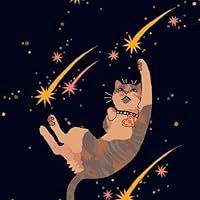
Format: Nice hardback with a pleasant if somewhat trendy cover (every second cover seems to look like this now, unless it looks like this). Pleasant illustrations, drawn by ... (need to go downstairs to check the name).