

What do you think?

The Ballad of Crow & Sparrow
Sometimes a man’s biggest blunder can turn into his greatest triumph.
Orphaned at fourteen, Crow Poulin now has to hunt and trap the White Mountains of Arizona, as his father had taught him, all alone. It’s a lonely existence, until one morning, while checking his trap line, Crow finds more than a rabbit in a snare. He stumbles across the outlaw Jack Wittington lying half dead in the wilds. He takes the wanted man in, heals him, and in return for saving his life, the smooth-talking criminal invites Crow to join his family. Starved for human interaction and a father figure, Crow leaves the mountains behind for what he assumes will be a brighter future.
Six years pass. Crow is now a man, as well as a member of the Wittington Gang. He may be considered an outlaw, but his father’s morals are warring loudly with the lifestyle of his adopted family. When the gang decides to rob a train, Crow has no choice but to go along to keep a tight rein on the more bloodthirsty members. It doesn’t take long for the scheme to go horribly astray.
Instead of gold-filled coffers, the gang finds Spencer Haughton, son of cattle baron and railroad tycoon Woodford Haughton, cowering in the family’s opulent private car. The outlaws grab the sickly heir in hopes of ransoming him off. Things then go from bad to worse for them when the law rides down on the Wittington hideout and Crow is given Spencer to hide until the ransom is paid. The pretty young man is nothing at all like anyone Crow has ever met before. Delicate, refined, well-educated, and possessed of a singing voice to rival the songs of the birds in the trees, Crow slowly finds himself falling for the winsome rich boy. But can two such opposite souls find the love they’re both seeking in each other’s arms?
Orphaned at fourteen, Crow Poulin now has to hunt and trap the White Mountains of Arizona, as his father had taught him, all alone. It’s a lonely existence, until one morning, while checking his trap line, Crow finds more than a rabbit in a snare. He stumbles across the outlaw Jack Wittington lying half dead in the wilds. He takes the wanted man in, heals him, and in return for saving his life, the smooth-talking criminal invites Crow to join his family. Starved for human interaction and a father figure, Crow leaves the mountains behind for what he assumes will be a brighter future.
Six years pass. Crow is now a man, as well as a member of the Wittington Gang. He may be considered an outlaw, but his father’s morals are warring loudly with the lifestyle of his adopted family. When the gang decides to rob a train, Crow has no choice but to go along to keep a tight rein on the more bloodthirsty members. It doesn’t take long for the scheme to go horribly astray.
Instead of gold-filled coffers, the gang finds Spencer Haughton, son of cattle baron and railroad tycoon Woodford Haughton, cowering in the family’s opulent private car. The outlaws grab the sickly heir in hopes of ransoming him off. Things then go from bad to worse for them when the law rides down on the Wittington hideout and Crow is given Spencer to hide until the ransom is paid. The pretty young man is nothing at all like anyone Crow has ever met before. Delicate, refined, well-educated, and possessed of a singing voice to rival the songs of the birds in the trees, Crow slowly finds himself falling for the winsome rich boy. But can two such opposite souls find the love they’re both seeking in each other’s arms?
227 pages, Kindle Edition
First published May 8, 2021
About the author
V.L. Locey
223 books747 followersV.L. Locey loves worn jeans, Dr. Who, Torchwood, belly laughs, yoga, reading and writing lusty tales, walking, Greek mythology, the New York Rangers, comic books, and coffee. (Not necessarily in that order.)
She shares her life with her husband, her daughter, one dog, two cats, and a flock of assorted domestic fowl.
When not writing lusty tales, she can be found enjoying her day with her menagerie in the rolling hills of Pennsylvania, fresh cup of java in hand.
Sign up for my newsletter here: http://vllocey.com/Newsletter
She shares her life with her husband, her daughter, one dog, two cats, and a flock of assorted domestic fowl.
When not writing lusty tales, she can be found enjoying her day with her menagerie in the rolling hills of Pennsylvania, fresh cup of java in hand.
Sign up for my newsletter here: http://vllocey.com/Newsletter
Ratings & Reviews
Friends & Following
Create a free account to discover what your friends think of this book!
Community Reviews
Displaying 1 - 30 of 72 reviews

August 24, 2021
Spectacular!
So, so good. I adore historical westerns and this is one of the all time best. V.L. Locey's knowledge of this way of life is amazing, and the way they incorporate it into the plot is beautifully done.
A stunning romance, and a heart stopping adventure, I had no idea what would happen next, and it was phenomenal!
So, so good. I adore historical westerns and this is one of the all time best. V.L. Locey's knowledge of this way of life is amazing, and the way they incorporate it into the plot is beautifully done.
A stunning romance, and a heart stopping adventure, I had no idea what would happen next, and it was phenomenal!

August 17, 2021
5+++ stars I don’t think I’m able to express what a magnificent story this is. Read it, read it yourself!
It starts in 1879, White Mountains, Arizona where fourteen-year-old Crow just buried his father, lost him to the pox. His only companions are his loyal dog Gin and feisty horse Wind. He’s lonely, surviving in the wilderness.
He has a secret, he likes the physics of men more than women, it’s a sin his deep religious dad told him.
Crow is half an Indian, from a Canadian father and a Mohawk mother. Being a half Indian meant you’re seen and treated as a lower human, in the eyes of the white men.
Crow hunts and sets trap to eat, he trades peltry. On one of his days outside to inspect the traps, he finds an injured man, more dead than alive. Crow takes care of the man and he offers him a family and business for saving his life. Crow leaves his mountains expecting a better life.
Only, they are outlaws and Crow refuses to work with them. So he’ll hunt and find food.
When one of their business goes terribly wrong, they all have to split up. Crow has to take care of a hostage, Spencer. He returns to his mountains with Spencer, a beautiful delicate fine young man, he’s educated, coming from a wealthy family.
They are opposite but have one thing in common, they both like to lay with men.
Hiding but finally back in his own windowless cabin, every day Crow falls deeper in love, if only Spencer didn’t felt trapped.
So much is happening, I want to say again, read it! I know it’s going on my ‘highly recommended’ shelf.
What a ride, beautifully written, taking place in stunning scenery, living what nature gives, the roughness of the mountains, the smell of the earth. It felt authentic, it was reality, I was there, it was breathtaking! I loved Crow and Spencer deeply, I loved Gin and Wind they were so magnificent in this narrative.
It’s an emotional story, the further the story went the more emotional it got. The story is told by Crow and what a glorious character he is, the author did such a great job creating this man in this particular setting.
Crow is a huge, strong Indian man, so heartbreakingly pure and easily hurt, convinced of all he wronged was unforgivable, my heart cracked at times for him. His journey is rough, but it leads him to the love of his life. Spencer is such a delightful character, his light, his voice, and beautiful personality is a joy to behold.
The story made me quite emotional, people can wrong others deeply, thank goddess for the real families, they made me cry by their beauty and warm-heartedness.
High praise for this story and highly recommended!
Read and reviewed for LoveBytes LGBTQ bookreviews
It starts in 1879, White Mountains, Arizona where fourteen-year-old Crow just buried his father, lost him to the pox. His only companions are his loyal dog Gin and feisty horse Wind. He’s lonely, surviving in the wilderness.
He has a secret, he likes the physics of men more than women, it’s a sin his deep religious dad told him.
Crow is half an Indian, from a Canadian father and a Mohawk mother. Being a half Indian meant you’re seen and treated as a lower human, in the eyes of the white men.
Crow hunts and sets trap to eat, he trades peltry. On one of his days outside to inspect the traps, he finds an injured man, more dead than alive. Crow takes care of the man and he offers him a family and business for saving his life. Crow leaves his mountains expecting a better life.
Only, they are outlaws and Crow refuses to work with them. So he’ll hunt and find food.
When one of their business goes terribly wrong, they all have to split up. Crow has to take care of a hostage, Spencer. He returns to his mountains with Spencer, a beautiful delicate fine young man, he’s educated, coming from a wealthy family.
They are opposite but have one thing in common, they both like to lay with men.
Hiding but finally back in his own windowless cabin, every day Crow falls deeper in love, if only Spencer didn’t felt trapped.
So much is happening, I want to say again, read it! I know it’s going on my ‘highly recommended’ shelf.
What a ride, beautifully written, taking place in stunning scenery, living what nature gives, the roughness of the mountains, the smell of the earth. It felt authentic, it was reality, I was there, it was breathtaking! I loved Crow and Spencer deeply, I loved Gin and Wind they were so magnificent in this narrative.
It’s an emotional story, the further the story went the more emotional it got. The story is told by Crow and what a glorious character he is, the author did such a great job creating this man in this particular setting.
Crow is a huge, strong Indian man, so heartbreakingly pure and easily hurt, convinced of all he wronged was unforgivable, my heart cracked at times for him. His journey is rough, but it leads him to the love of his life. Spencer is such a delightful character, his light, his voice, and beautiful personality is a joy to behold.
The story made me quite emotional, people can wrong others deeply, thank goddess for the real families, they made me cry by their beauty and warm-heartedness.
High praise for this story and highly recommended!
Read and reviewed for LoveBytes LGBTQ bookreviews

April 30, 2021
This is a really solid historical novel set in the Arizona deserts of the 1800s just as the railways were expanding their reach and the cattle barons were making a fortune.
It's an interracial romance between Crow, who is half French Canadian and half Mohawk, and Spencer, who he nicknames Sparrow, one of the twin sons of a railroad tycoon.
The plot is an interesting one, I loved how Vicki wove it around Crow's youthful naivety against the very much more worldly wise knowledge that Spencer has gained during his time away at school in New York.
Their meeting is very much not a "meet cute", Crow saves Spencer during the robbery of his father's train and then has to flee with him when the Pinkertons catch up with the outlaw gang he's ended up getting involved with - see his youthful naivety.
I won't go into more detail, it worked for me as a period piece, it felt historically accurate and definitely of the times, with the hateful ways the expansion into the west disturbed the Native American way of life.
The romance is very much slow burn but, again, it fits beautifully within the narrative and the ending is one which I don't think would have been all that unusual at that period of time.
#ARC kindly received from the author in return for an honest and unbiased review
It's an interracial romance between Crow, who is half French Canadian and half Mohawk, and Spencer, who he nicknames Sparrow, one of the twin sons of a railroad tycoon.
The plot is an interesting one, I loved how Vicki wove it around Crow's youthful naivety against the very much more worldly wise knowledge that Spencer has gained during his time away at school in New York.
Their meeting is very much not a "meet cute", Crow saves Spencer during the robbery of his father's train and then has to flee with him when the Pinkertons catch up with the outlaw gang he's ended up getting involved with - see his youthful naivety.
I won't go into more detail, it worked for me as a period piece, it felt historically accurate and definitely of the times, with the hateful ways the expansion into the west disturbed the Native American way of life.
The romance is very much slow burn but, again, it fits beautifully within the narrative and the ending is one which I don't think would have been all that unusual at that period of time.
#ARC kindly received from the author in return for an honest and unbiased review

May 6, 2021
I was both excited and nervous going into this book. On one hand, I adore Vicki's writing and have yet to be disappointed by her books. On the other, historicals are a new genre for her and not every author can pull those smoothly.
I'm delighted to say Vicki could! It's a very harsh, but oddly soft western, which combines the brutal way of living of the marginalized with the hopeful and slightly innocent point of view of our main character, Crow. He likes to think the best of everyone but himself, contrasted with Spencer, who's more experienced and lest trusting than him.
Crow is big, strong, calm and hopeful. Spencer is more of a spitfire, more knowledgeable of people, small in size and physically challenged. But the contrast, both of ponts of view and the personalities, and their differences in reality, make the book all that more appealing.
This is quickly making it into my top three Vicki books for sure!
I'm delighted to say Vicki could! It's a very harsh, but oddly soft western, which combines the brutal way of living of the marginalized with the hopeful and slightly innocent point of view of our main character, Crow. He likes to think the best of everyone but himself, contrasted with Spencer, who's more experienced and lest trusting than him.
Crow is big, strong, calm and hopeful. Spencer is more of a spitfire, more knowledgeable of people, small in size and physically challenged. But the contrast, both of ponts of view and the personalities, and their differences in reality, make the book all that more appealing.
This is quickly making it into my top three Vicki books for sure!
July 30, 2021
3.5 Stars

July 24, 2021
This historical is a quiet, strong story, much like the main character. Set in the American West in the late 1800s, it follows Crow Poulin, son of a French-Canadian trapper and a Mohawk woman, whose childhood was spent isolated with his father, trapping and living a subsistence life in a remote mountain cabin. After his father's death when he's fourteen, Crow is left with just his dog and his horse for company. And although he's not gregarious by nature, he's a teen boy with no family or friends. So when he rescues an injured man, and grows to like him, he willingly follows John out of the mountains, hoping for a new father figure and a new life.
Unfortunately, John is one of the leaders of an outlaw gang. Crow struggles with his desire to fit in and his moral code, and tries to evade the issue, by hunting to keep his new family fed, but not joining in their raids. Until a new plan, involving stopping a train and murdering all the guards on it, is so heinous that he insists on coming along, to try to reduce the bloodshed.
Infighting in the group traps him, though, and in the aftermath he's been party to murder, and they've kidnapped the sickly heir of a fortune for ransom. What's worse (or maybe better) is that the young man, Spencer, brings out Crow's protective instincts and the secret desires he's known and suppressed throughout his teens. Keeping Spencer safe, living through the aftermath of the raid, and not bringing disaster down on anyone, is going to stretch Crow's skills, and challenge his ethics, and his heart.
I enjoyed the story, and particularly the setting. There were a lot of little touches of authenticity, from the wildlife and lifestyles to the character interactions. Minor
The men's relationship is to some degree forced proximity, and that made it seem a bit less solid, at least at first. Spencer is the first gay man Crow has ever met, and Crow is the man standing between Spencer and cruelty and death. Spencer does express those doubts too, but they nagged at me as they explore that first infatuation. Spencer was immersed in all things Crow, and I kind of wanted him to have more time away, back in civilization, to figure out what mattered to him with a chance to breathe and make free choices. But the ending gives us a solid HEA, with both men living lives that fit with their characters and preferences, something hard to achieve in historical MM.
Check this one out for a well-done and uncommon historical setting, a plausible plot, and a main character you have to empathize with.
Unfortunately, John is one of the leaders of an outlaw gang. Crow struggles with his desire to fit in and his moral code, and tries to evade the issue, by hunting to keep his new family fed, but not joining in their raids. Until a new plan, involving stopping a train and murdering all the guards on it, is so heinous that he insists on coming along, to try to reduce the bloodshed.
Infighting in the group traps him, though, and in the aftermath he's been party to murder, and they've kidnapped the sickly heir of a fortune for ransom. What's worse (or maybe better) is that the young man, Spencer, brings out Crow's protective instincts and the secret desires he's known and suppressed throughout his teens. Keeping Spencer safe, living through the aftermath of the raid, and not bringing disaster down on anyone, is going to stretch Crow's skills, and challenge his ethics, and his heart.
I enjoyed the story, and particularly the setting. There were a lot of little touches of authenticity, from the wildlife and lifestyles to the character interactions. Minor
The men's relationship is to some degree forced proximity, and that made it seem a bit less solid, at least at first. Spencer is the first gay man Crow has ever met, and Crow is the man standing between Spencer and cruelty and death. Spencer does express those doubts too, but they nagged at me as they explore that first infatuation. Spencer was immersed in all things Crow, and I kind of wanted him to have more time away, back in civilization, to figure out what mattered to him with a chance to breathe and make free choices. But the ending gives us a solid HEA, with both men living lives that fit with their characters and preferences, something hard to achieve in historical MM.
Check this one out for a well-done and uncommon historical setting, a plausible plot, and a main character you have to empathize with.

June 15, 2021
Oh WOW, what a fantastic romantic story!! I loved it so much. I was so emotional: from angst to butterflies to sad. I was all over the place and could stop myself from reading. New to me author and the writing was splendid, very poetic and times and it had just the right amount of sexy times.

January 31, 2022
It is a ballad and a lovely one at that. I do not often read historical westerns but this appealed to me and I thought I would try it out. I'm so lucky I did. Crow is such a good young man, honest and true. He gets caught up in a life he was manipulated into due to loneliness and his own naivete. Sparrow is the son of a railroad barron. They meet through dastardly deeds and Crow saves Sparrow.
The ballad begins, its tempo ebbing and flowing, highs and lows, between these two men. Crow is French Canadian and Mohawk Indian. He grew up on the land and it is all he knows. He also knows he favors other men. It is what it is, in Crow's mind. Sparrow is well educated and hated by his father for being a 'sodomite.'
Both men are lonely. It is not love at first site, the prisoner falling for the captor kind of thing. Not at all. First they learn to communicate with one another. Over time, they become friends. I felt Crow's growing infatuation for Sparrow and Sparrow's denial. They are both young and don't quite know what to do with these newfound feelings.
Once Sparrow leaves and returns by choice to save the life of Crow, this is where the saga begins. It's is lovely to see these two men mature and their bond grow so strong that no force will ever tear them apart ever again.
It ends on a high note. Sighing happily as the book is closed.
The ballad begins, its tempo ebbing and flowing, highs and lows, between these two men. Crow is French Canadian and Mohawk Indian. He grew up on the land and it is all he knows. He also knows he favors other men. It is what it is, in Crow's mind. Sparrow is well educated and hated by his father for being a 'sodomite.'
Both men are lonely. It is not love at first site, the prisoner falling for the captor kind of thing. Not at all. First they learn to communicate with one another. Over time, they become friends. I felt Crow's growing infatuation for Sparrow and Sparrow's denial. They are both young and don't quite know what to do with these newfound feelings.
Once Sparrow leaves and returns by choice to save the life of Crow, this is where the saga begins. It's is lovely to see these two men mature and their bond grow so strong that no force will ever tear them apart ever again.
It ends on a high note. Sighing happily as the book is closed.

June 22, 2021
Blue Light Special - Amazon 06/20/21 for $1.99
2 Not-A-Fan Stars...
I am seriously trying not to rant but what happened with this story?
If you are talking to someone & this person tells you repeatedly that you are using words he doesn't understand..why keep doing it? At was like Spencer was doing it to feel better about himself rather than be understood.
I would love to call BS on the whole anti asthma cigarettes as a bad lead in for VLL's character to smoke weed (I say weed because of the skunk smell description) but that was accurate. They led to the inhalers that are in use now.
Crows POV felt more child-like than adult which made the story in some ways worse. The blatant disregard of Crow & the condescending approach to his intelligence was maybe historically accurate but still disgusting.
Spencer's attack of conscience was too 'shrinking violet' for me. He didn't have a problem exploiting prostitutes at the Cinnamon Lounge in NYC to get his freak on.
Not on enjoyable read, could have been so much better..
2 Not-A-Fan Stars...
I am seriously trying not to rant but what happened with this story?
If you are talking to someone & this person tells you repeatedly that you are using words he doesn't understand..why keep doing it? At was like Spencer was doing it to feel better about himself rather than be understood.
I would love to call BS on the whole anti asthma cigarettes as a bad lead in for VLL's character to smoke weed (I say weed because of the skunk smell description) but that was accurate. They led to the inhalers that are in use now.
Crows POV felt more child-like than adult which made the story in some ways worse. The blatant disregard of Crow & the condescending approach to his intelligence was maybe historically accurate but still disgusting.
Spencer's attack of conscience was too 'shrinking violet' for me. He didn't have a problem exploiting prostitutes at the Cinnamon Lounge in NYC to get his freak on.
Not on enjoyable read, could have been so much better..

March 7, 2022
Voy a ser la oveja negra de toda la comunidad de Goodreads, pero no entiendo porqué gusta tanto este libro.
Como relato histórico de peculiaridades de los habitantes de las tierras casi deshabitadas del interior de América en el siglo XIX está bien y es entretenido, pero ahí se queda la cosa.
La narración empieza con un chaval de 14 años que se queda solo, pero por más años que pasen y más cosas que le sucedan al prota de esta historia, más infantil parece, y le ocurren tantas cosas en doscientas y poco páginas que si profundizase un poco le daba al menos para una trilogía.... y el
co-protagonista es más infantil y menos creíble que él.
Parece como si quisiese meter todos los peligros de vivir en esa zona en esa época en un solo libro con unos personajes tan sin "fuerza" que se queda en un "quiero pero no puedo!"
NOTA: Quizás influye que hace un par de semanas he visto The Power of the dog y estoy simultaneando la lectura del libro con éstos que voy reseñando, las diferencias entre ambos son tan abismales que a lo mejor no soy muy objetiva..... pero The Ballad sigue siendo muy flojo se mire por donde se mire!!!
Como relato histórico de peculiaridades de los habitantes de las tierras casi deshabitadas del interior de América en el siglo XIX está bien y es entretenido, pero ahí se queda la cosa.
La narración empieza con un chaval de 14 años que se queda solo, pero por más años que pasen y más cosas que le sucedan al prota de esta historia, más infantil parece, y le ocurren tantas cosas en doscientas y poco páginas que si profundizase un poco le daba al menos para una trilogía.... y el
co-protagonista es más infantil y menos creíble que él.
Parece como si quisiese meter todos los peligros de vivir en esa zona en esa época en un solo libro con unos personajes tan sin "fuerza" que se queda en un "quiero pero no puedo!"
NOTA: Quizás influye que hace un par de semanas he visto The Power of the dog y estoy simultaneando la lectura del libro con éstos que voy reseñando, las diferencias entre ambos son tan abismales que a lo mejor no soy muy objetiva..... pero The Ballad sigue siendo muy flojo se mire por donde se mire!!!

June 7, 2022
DNF @ 44%
While I loved the historical authenticity in everything except the dialog, the writing and storytelling were so amateur that it was too distracting to continue.
The dialog was atrocious with the author flipping between having characters using 21st century slang and phrases versus using an overly formal tone filled with vocabulary that the characters wouldn't be using and sometimes having the characters sound like robots. At many points, the dialog was so painfully bad that it made me laugh. John would say things like "Law men are fuckers" and "What the hell crawled up your ass?" but within a few paragraphs, the same man is saying things like "If we do not avail ourselves of another horse, we'll be traveling at this miserly pace for another month" and "Let your temper cool before you speak in haste and say something you can't ever recall". Another character Mary talked like she was a robot, saying things like "I fear my heart would turn to sand if you did not return", which doesn't just sound ridiculously overly formal but that's not how human beings talk. Overall, the formal nature of the language was even too much for Victorian times. It would have been okay to a certain extent in a medieval setting but not the late 1800s. But even if the unrealistic language choice is ignored, the ridiculous flip flopping between the two styles was absurd and emphasized that the author doesn't have the writing skills or knowledge to write historical fiction properly.
The only character for whom the formal speech style worked was Spencer. But there were problems there too because Crow spoke the exact same way...yet the author said over and over again that Crow couldn't understand the 'big words' Spencer was using...? Spencer wasn't using big words and there was no difference between his speech and Crow's. I felt embarrassed for the author at this point because it reminded me of a child writing something that they think is epic, but it's actually very basic. Overall, the writing style was very simplistic, there was little emotion, sentences were short and choppy and it reminded me of a teenager's first creative writing attempts.
Then there was the storytelling. Nearly every plot development in this story was a result of forced plot convenience or made no sense. The author wanted Crow to be a badass 'outlaw' who 'kidnaps' Spencer, but she didn't have the guts or the ability to actually make Crow into a redeemable villain. This guy joins a group of outlaws for no apparent reason, stays with them for years despite not getting along with most of them and not getting anything in return (and most importantly, not needing them) and he doesn't realize until he's been with them for FIVE YEARS that the group makes their living through murder and theft. I mean...how did this moron think the group was getting money to buy clothes/weapons/supplies?!? He knows none of them have any trade skills and nobody's ever crafting anything. We're supposed to believe that this guy is so stupid that he goes off to hunt each day and doesn't question anything else that happens around him?
Unfortunately, Crow's ignorance existed because it was the only way the author could make Crow a 'good guy' while also making him be part of the outlaw group. It was lazy and none of it made sense when somebody takes a few minutes to think about it. The extent of his ignorance could only happen if the guy was literally mentally deficient (which he's not), and him even being with this group in the first place makes no sense. There's literally no reason for him to stay with this group, whether he knows that they're bad people or not. He had a home and a life in his cabin and he didn't gain anything by joining them.
Then the kidnapping thing happens and once again, the author's lack of storytelling ability destroyed my ability to enjoy this plotline. Crow claims he can't bring Spencer back to his home because Crow will be caught and hung. Okay, fine. He also can't let Spencer go because they're in the wilderness and Spencer would die. Also fine. But there's no explanation for why Crow can't bring Spencer within easy walking distance of his home town and then leave. Unfortunately, the author kept pushing the ridiculous 'Crow-is-an-evil-kidnapper' idea, even though it made no sense. At the point where Crow laughs off Spencer's demands that he go home (as if the whole thing had become a cute romance trope that readers were supposed to be enjoying) I had lost my patience. The whole setup made no sense and was being forced to happen because the author couldn't think of a better way to achieve a forced proximity situation.
Then there were the other cheesy and cringy situations that also felt shoved into the story just because they seemed like cute ideas with no consideration for how they fit into the plot or if they made any sense:
+ Spencer gets high off some weed and goes into a laughing/dancing/singing fit for a while that was apparently supposed to showcase how 'different' Spencer is from before. Unfortunately, the author spent such little time developing Spencer's character up to that point that this attempt fell flat.
+ Crow's characterization switched back and forth between being a quiet and intelligent man to being child-like and dumb when the author wanted to emphasize how much smarter/posh etc Spencer is.
+ There's a cringy fated soulmates angle full of mystical elements that didn't fit with the rest of the story.
+ Spencer tells Crow he's gay as soon as they meet, despite Crow not needing to know that information and the time period meaning Spencer risked Crow reacting violently to the news.
+ Crow has dreams with very specific Mohawk themes (ex. Mohawk language being used, Mohawk deities being referenced) despite the author clearly indicating that Crow has never been taught anything about his Mohawk heritage and never having interacting with other Mohawk since his mother died when he was a baby.
I could go on and on. Based on other reviews, other people love this author's writing style and enjoyed this historical piece but clearly, this author's work isn't my cup of tea.
While I loved the historical authenticity in everything except the dialog, the writing and storytelling were so amateur that it was too distracting to continue.
The dialog was atrocious with the author flipping between having characters using 21st century slang and phrases versus using an overly formal tone filled with vocabulary that the characters wouldn't be using and sometimes having the characters sound like robots. At many points, the dialog was so painfully bad that it made me laugh. John would say things like "Law men are fuckers" and "What the hell crawled up your ass?" but within a few paragraphs, the same man is saying things like "If we do not avail ourselves of another horse, we'll be traveling at this miserly pace for another month" and "Let your temper cool before you speak in haste and say something you can't ever recall". Another character Mary talked like she was a robot, saying things like "I fear my heart would turn to sand if you did not return", which doesn't just sound ridiculously overly formal but that's not how human beings talk. Overall, the formal nature of the language was even too much for Victorian times. It would have been okay to a certain extent in a medieval setting but not the late 1800s. But even if the unrealistic language choice is ignored, the ridiculous flip flopping between the two styles was absurd and emphasized that the author doesn't have the writing skills or knowledge to write historical fiction properly.
The only character for whom the formal speech style worked was Spencer. But there were problems there too because Crow spoke the exact same way...yet the author said over and over again that Crow couldn't understand the 'big words' Spencer was using...? Spencer wasn't using big words and there was no difference between his speech and Crow's. I felt embarrassed for the author at this point because it reminded me of a child writing something that they think is epic, but it's actually very basic. Overall, the writing style was very simplistic, there was little emotion, sentences were short and choppy and it reminded me of a teenager's first creative writing attempts.
Then there was the storytelling. Nearly every plot development in this story was a result of forced plot convenience or made no sense. The author wanted Crow to be a badass 'outlaw' who 'kidnaps' Spencer, but she didn't have the guts or the ability to actually make Crow into a redeemable villain. This guy joins a group of outlaws for no apparent reason, stays with them for years despite not getting along with most of them and not getting anything in return (and most importantly, not needing them) and he doesn't realize until he's been with them for FIVE YEARS that the group makes their living through murder and theft. I mean...how did this moron think the group was getting money to buy clothes/weapons/supplies?!? He knows none of them have any trade skills and nobody's ever crafting anything. We're supposed to believe that this guy is so stupid that he goes off to hunt each day and doesn't question anything else that happens around him?
Unfortunately, Crow's ignorance existed because it was the only way the author could make Crow a 'good guy' while also making him be part of the outlaw group. It was lazy and none of it made sense when somebody takes a few minutes to think about it. The extent of his ignorance could only happen if the guy was literally mentally deficient (which he's not), and him even being with this group in the first place makes no sense. There's literally no reason for him to stay with this group, whether he knows that they're bad people or not. He had a home and a life in his cabin and he didn't gain anything by joining them.
Then the kidnapping thing happens and once again, the author's lack of storytelling ability destroyed my ability to enjoy this plotline. Crow claims he can't bring Spencer back to his home because Crow will be caught and hung. Okay, fine. He also can't let Spencer go because they're in the wilderness and Spencer would die. Also fine. But there's no explanation for why Crow can't bring Spencer within easy walking distance of his home town and then leave. Unfortunately, the author kept pushing the ridiculous 'Crow-is-an-evil-kidnapper' idea, even though it made no sense. At the point where Crow laughs off Spencer's demands that he go home (as if the whole thing had become a cute romance trope that readers were supposed to be enjoying) I had lost my patience. The whole setup made no sense and was being forced to happen because the author couldn't think of a better way to achieve a forced proximity situation.
Then there were the other cheesy and cringy situations that also felt shoved into the story just because they seemed like cute ideas with no consideration for how they fit into the plot or if they made any sense:
+ Spencer gets high off some weed and goes into a laughing/dancing/singing fit for a while that was apparently supposed to showcase how 'different' Spencer is from before. Unfortunately, the author spent such little time developing Spencer's character up to that point that this attempt fell flat.
+ Crow's characterization switched back and forth between being a quiet and intelligent man to being child-like and dumb when the author wanted to emphasize how much smarter/posh etc Spencer is.
+ There's a cringy fated soulmates angle full of mystical elements that didn't fit with the rest of the story.
+ Spencer tells Crow he's gay as soon as they meet, despite Crow not needing to know that information and the time period meaning Spencer risked Crow reacting violently to the news.
+ Crow has dreams with very specific Mohawk themes (ex. Mohawk language being used, Mohawk deities being referenced) despite the author clearly indicating that Crow has never been taught anything about his Mohawk heritage and never having interacting with other Mohawk since his mother died when he was a baby.
I could go on and on. Based on other reviews, other people love this author's writing style and enjoyed this historical piece but clearly, this author's work isn't my cup of tea.

December 22, 2021
I did not like it.
It felt lazy. Very lazy. And not in what is usually neglected by authors, i.e. the historical accuracy. That was alright. I admit I don't know much of the wild wild west, nor I know much of Native Americans, French Canadians, outlaws and how they intersected in those times. Still, nothing felt too out of place, and some descriptions of the Colorado mountains and their harshness were actually very nice.
What felt lazy was the rest. The characters, the relationships, and essentially the plot. The first chapter is well crafted, and I liked Crow at 15 years old, and his first meeting with John Wittington. What threw me off, was the immediate time skip in the second chapter. All of a sudden, 5 years have gone. Crow is a man, and has been living with John and his "family" of outlaws for all of this time. Well, I didn't get to see any of that. For this reason, what came after just felt meh. No emotional consequence whatsoever, and Crow still was pretty much in everything the same boy he was a 15, but now he's big and strong and handsome apparently. Anyway. The antagonists are bad because they are bad, the whole relationship between Crown and John - which he calls his adoptive father so to say - is not delved in at all, so that the conflict presented immediately in chapter 2 feels forced, manufactured and eventually pretty ridiculous.
And then Spencer enters the scene, and he's just the worst. Not that I would imagine the son of any wealthy old money American family to be nice to Crow, honestly, but Spencer was just on another level. Not just because he was a first class arsehole (he is). But he is a terribly drawn character at that as well. From here on, the novel takes a deeeeply sappy turn, which I honestly cannot even. Like really sappy, not joking. Meh. Some semblance of a conflict is thrown upon them two by their circumstances, but it's - either resolved too quickly, or Spencer is such a dick. Anyway. Their love blossoms suddenly, mostly by the means of physical attraction as Crow is incredibly hot and hung and Spencer is lean and beautiful and blond with big blue doe eyes (goddammit). When the author finally had the chance of showing the reader some relationship development through some good old fashioned hurt/comfort, again we have another time skip. Three months or something pass in a couple sentences, and they pronounce their love. Alright.
I don't know, after that I was also fucking bored because I mean. This had become a trainwreck.
I'll go rewatch The Power of the Dog since now I need to rinse my brain with some good lgbt+ themed western.
Bye now
It felt lazy. Very lazy. And not in what is usually neglected by authors, i.e. the historical accuracy. That was alright. I admit I don't know much of the wild wild west, nor I know much of Native Americans, French Canadians, outlaws and how they intersected in those times. Still, nothing felt too out of place, and some descriptions of the Colorado mountains and their harshness were actually very nice.
What felt lazy was the rest. The characters, the relationships, and essentially the plot. The first chapter is well crafted, and I liked Crow at 15 years old, and his first meeting with John Wittington. What threw me off, was the immediate time skip in the second chapter. All of a sudden, 5 years have gone. Crow is a man, and has been living with John and his "family" of outlaws for all of this time. Well, I didn't get to see any of that. For this reason, what came after just felt meh. No emotional consequence whatsoever, and Crow still was pretty much in everything the same boy he was a 15, but now he's big and strong and handsome apparently. Anyway. The antagonists are bad because they are bad, the whole relationship between Crown and John - which he calls his adoptive father so to say - is not delved in at all, so that the conflict presented immediately in chapter 2 feels forced, manufactured and eventually pretty ridiculous.
And then Spencer enters the scene, and he's just the worst. Not that I would imagine the son of any wealthy old money American family to be nice to Crow, honestly, but Spencer was just on another level. Not just because he was a first class arsehole (he is). But he is a terribly drawn character at that as well. From here on, the novel takes a deeeeply sappy turn, which I honestly cannot even. Like really sappy, not joking. Meh. Some semblance of a conflict is thrown upon them two by their circumstances, but it's - either resolved too quickly, or Spencer is such a dick. Anyway. Their love blossoms suddenly, mostly by the means of physical attraction as Crow is incredibly hot and hung and Spencer is lean and beautiful and blond with big blue doe eyes (goddammit). When the author finally had the chance of showing the reader some relationship development through some good old fashioned hurt/comfort, again we have another time skip. Three months or something pass in a couple sentences, and they pronounce their love. Alright.
I don't know, after that I was also fucking bored because I mean. This had become a trainwreck.
I'll go rewatch The Power of the Dog since now I need to rinse my brain with some good lgbt+ themed western.
Bye now

February 25, 2022
Awesome descriptions, intense characters, dynamic differences, and a smoothly paced story set in the mountains of the Arizona territory in the late 1880s.
Crow is part American Indian (Mohawk)
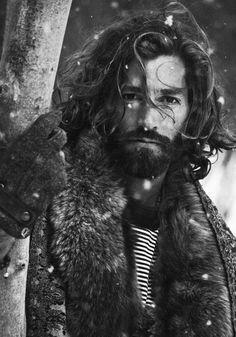
and part French Canadian, who lost his Mom when his was little, then his father as a teen. Now, at 21, he's been sheltered, is strong, big muscled and has wild dark hair. He's gotten into a hard gang, but he's stayed true to his father's teachings. After a life changing train robbery, Crow sees a man unlike any he's ever seen. It's the son of the railway owner, and the gang was going to kidnap him and hold him for ransom, but Crow takes him instead.
Spencer/Sparrow, about 22 with a year of college left,

has asthma, is blonde, blue eyed, lean and delicate, as he's taken by Crow to his cabin. Spencer helps heal Crow's gunshot wound.
They live together in peace, talking, sharing tales, and eventually have hot sexy times, firsts for Crow.

We like sturdy, self-sufficient Crow, and Spencer is ideal for Crow, but the threat of the gang, and Spencer's family is tight in the air.
The writing is lyrical, and the saga holds our attention. The characters, good and bad, are well formed and the animals are characters, also. We see the worst of mankind and the kinder side as we watch the story unfold.
The ending has quite an exciting adventure, and then the epilogue is years later, and wonderful.
This tremendous tale is detailed, heart wrenching, and heartwarming.
ENJOY !
=====
Crow is part American Indian (Mohawk)
and part French Canadian, who lost his Mom when his was little, then his father as a teen. Now, at 21, he's been sheltered, is strong, big muscled and has wild dark hair. He's gotten into a hard gang, but he's stayed true to his father's teachings. After a life changing train robbery, Crow sees a man unlike any he's ever seen. It's the son of the railway owner, and the gang was going to kidnap him and hold him for ransom, but Crow takes him instead.
Spencer/Sparrow, about 22 with a year of college left,
has asthma, is blonde, blue eyed, lean and delicate, as he's taken by Crow to his cabin. Spencer helps heal Crow's gunshot wound.
They live together in peace, talking, sharing tales, and eventually have hot sexy times, firsts for Crow.
We like sturdy, self-sufficient Crow, and Spencer is ideal for Crow, but the threat of the gang, and Spencer's family is tight in the air.
The writing is lyrical, and the saga holds our attention. The characters, good and bad, are well formed and the animals are characters, also. We see the worst of mankind and the kinder side as we watch the story unfold.
The ending has quite an exciting adventure, and then the epilogue is years later, and wonderful.
This tremendous tale is detailed, heart wrenching, and heartwarming.
ENJOY !
=====

May 13, 2021
V.L. Locey spreads her wings in ‘The Ballad of Crow and Sparrow,’ offering a dreamscape of human frailty and fortitude.
Leaving her normal contemporary urban locales of prior books, Ms. Locey pens earnest heartache and hope in the deserts and high mountains of 1879-1880s Arizona.
Half Mohawk, half French Canadian, Crow is orphaned when his stern, but loving, God-fearing dad dies; his mom passed years earlier. He self-reflects, “I felt like a fourteen-year-old boy who was terrified of what the mountain would do to him.” Luckily, he’s a strapping teen, a sure-shot trapper, well-versed in survival, with a dog and horse to keep him company. And since he has an “unnatural” interest in men, he believes it might be God’s way to protect him from risk. His status as a “half-breed” endangers him sufficiently.
Then, at sixteen, Crow finds Jack/“John,” head of an outlaw gang, bleeding out from a gunshot. When Crow saves John’s life, John offers a “family” of sorts, where lonely Crow resides for many years. His dad’s voice prevents him from joining their heists. Instead, he earns his keep by hunting and trapping for the crew, until they decide to pull a bloody train robbery. He agrees to go, but only to prevent excess death. When all goes badly, he’s left to tend a rich, sickly heir, Spencer, who should fetch a ransom.
Crow and Spencer (who Crow nicknames “Sparrow”) are instantly attracted. But how can there be freedom to love as equals when one is captor the other captive, much less rich and poor, entitled and reviled, or between men who believe their desires are unethical?
“‘And yet, knowing all of that, I find myself kissing you. Kissing you! And not against my will, either. I pick the flowers for our table, and I bathe frequently, for I love how you smell my hair when we’re lying together at night…But how can I long for that when you’re the one what has caged me so neatly?’” Sparrow asks of Crow.
This slow-burn tale seems like the real old West, more than many historical romances I’ve read. Grittiness, death, illness and misfortune are offset by the beauty of solitude and nature. In fact, nature and love meld. “‘Your voice is like morning, your song like a sage sparrow, your lips sweet as a honeycomb,’” Crow tells Sparrow. And Crow’s dreams are filled by the Corn Goddess, highlighting wisdom from First Nations’ cultures.
In this tale of bravery and conscience, choices and compromise, Ms. Locey explores the shackles of morality, and the pain of rationalization. Yet The Ballad of Crow and Sparrow avoids moralism, because its characters bounce between justifying their behaviors and harsh self-judgment. Like all of us, you can’t know which perspective is more accurate. My heart stuttered in identification.
I especially enjoyed the ending which seemed more fitting and creative than any I’d imagined. What a treat to experience a terrific author try her hand at a new writing style, and to succeed brilliantly. 'The Ballad of Crow and Sparrow’ soars with sweetness despite its unsparing realism.
Half Mohawk, half French Canadian, Crow is orphaned when his stern, but loving, God-fearing dad dies; his mom passed years earlier. He self-reflects, “I felt like a fourteen-year-old boy who was terrified of what the mountain would do to him.” Luckily, he’s a strapping teen, a sure-shot trapper, well-versed in survival, with a dog and horse to keep him company. And since he has an “unnatural” interest in men, he believes it might be God’s way to protect him from risk. His status as a “half-breed” endangers him sufficiently.
Then, at sixteen, Crow finds Jack/“John,” head of an outlaw gang, bleeding out from a gunshot. When Crow saves John’s life, John offers a “family” of sorts, where lonely Crow resides for many years. His dad’s voice prevents him from joining their heists. Instead, he earns his keep by hunting and trapping for the crew, until they decide to pull a bloody train robbery. He agrees to go, but only to prevent excess death. When all goes badly, he’s left to tend a rich, sickly heir, Spencer, who should fetch a ransom.
Crow and Spencer (who Crow nicknames “Sparrow”) are instantly attracted. But how can there be freedom to love as equals when one is captor the other captive, much less rich and poor, entitled and reviled, or between men who believe their desires are unethical?
“‘And yet, knowing all of that, I find myself kissing you. Kissing you! And not against my will, either. I pick the flowers for our table, and I bathe frequently, for I love how you smell my hair when we’re lying together at night…But how can I long for that when you’re the one what has caged me so neatly?’” Sparrow asks of Crow.
This slow-burn tale seems like the real old West, more than many historical romances I’ve read. Grittiness, death, illness and misfortune are offset by the beauty of solitude and nature. In fact, nature and love meld. “‘Your voice is like morning, your song like a sage sparrow, your lips sweet as a honeycomb,’” Crow tells Sparrow. And Crow’s dreams are filled by the Corn Goddess, highlighting wisdom from First Nations’ cultures.
In this tale of bravery and conscience, choices and compromise, Ms. Locey explores the shackles of morality, and the pain of rationalization. Yet The Ballad of Crow and Sparrow avoids moralism, because its characters bounce between justifying their behaviors and harsh self-judgment. Like all of us, you can’t know which perspective is more accurate. My heart stuttered in identification.
I especially enjoyed the ending which seemed more fitting and creative than any I’d imagined. What a treat to experience a terrific author try her hand at a new writing style, and to succeed brilliantly. 'The Ballad of Crow and Sparrow’ soars with sweetness despite its unsparing realism.
December 5, 2021
Breathtakingly Beautiful
There is no way I can write a "this-is-what-happened" review--it's all these basically in the book blurb, so read that and dive in.
What I can say is that this is one of the most emotionally charged frontier love stories you will ever come across with a cover that tells you everything about who Crow Poulain is. That he is a narrator with a brilliant grasp of storytelling in English tips you off that this son of a Mohawk mother and French Canadian father is telling the tale years after it all happened.
This is an amazing ride when it comes to adventures, filled with tragedy and hatred and hope and eventually lust and love that you will have to set it down from time to time to take a breath.
But you will dive right back in because when Crow comes across Spencer Haughton everything changes. For the better and for the worse, as the crow and his sparrow fall in love but cannot conceive of how to carry on--until everything changes again.
This one will take your breath--and your heart--away. Get it quickly, but take your time falling in love with two incredible characters who are all too real for this to be fiction.
There is no way I can write a "this-is-what-happened" review--it's all these basically in the book blurb, so read that and dive in.
What I can say is that this is one of the most emotionally charged frontier love stories you will ever come across with a cover that tells you everything about who Crow Poulain is. That he is a narrator with a brilliant grasp of storytelling in English tips you off that this son of a Mohawk mother and French Canadian father is telling the tale years after it all happened.
This is an amazing ride when it comes to adventures, filled with tragedy and hatred and hope and eventually lust and love that you will have to set it down from time to time to take a breath.
But you will dive right back in because when Crow comes across Spencer Haughton everything changes. For the better and for the worse, as the crow and his sparrow fall in love but cannot conceive of how to carry on--until everything changes again.
This one will take your breath--and your heart--away. Get it quickly, but take your time falling in love with two incredible characters who are all too real for this to be fiction.

May 11, 2021
Different from my usual read; I loved it!
Wow, I don’t know what I was expecting from this book when I asked to read and review it but it was different from anything else I’ve read by V.L. Locey and pretty much different from any other MM romance I’ve read.
I have to admit that the book started out a tad bit slow for me. The Prologue was really long, but after I started reading Chapter One I understood why it was. This book had my emotions all over the place; my heart was pounding more than once and I also held my breath a few times. After I got past the Prologue I couldn’t put this book down.
The blurb is excellent and does a great job of describing what the story is about. I felt great sympathy for both Crow and Spencer as they were thrown into a situation that neither of them asked for and yet they developed a great physical and romantic bond with each other.
Spencer’s twin brother was great but his father was a real jerk. This story was another good example of how the family you’re born into doesn’t have to be the one you love. Sometimes the family you make turns out to be the best for you.
I can’t forget to mention two of my favorite characters: Crow’s dog, Gin, and his horse, Wind. The antics of these two animals added greatly to the story and I loved both of them. The Epilogue that takes place three years after the main story ends was the icing on a delicious book that was my pleasure to devour.
A copy of this book was provided to me at my request but my review was voluntary and not influenced by the author.
***Reviewed for Xtreme-Delusions dot com***
Wow, I don’t know what I was expecting from this book when I asked to read and review it but it was different from anything else I’ve read by V.L. Locey and pretty much different from any other MM romance I’ve read.
I have to admit that the book started out a tad bit slow for me. The Prologue was really long, but after I started reading Chapter One I understood why it was. This book had my emotions all over the place; my heart was pounding more than once and I also held my breath a few times. After I got past the Prologue I couldn’t put this book down.
The blurb is excellent and does a great job of describing what the story is about. I felt great sympathy for both Crow and Spencer as they were thrown into a situation that neither of them asked for and yet they developed a great physical and romantic bond with each other.
Spencer’s twin brother was great but his father was a real jerk. This story was another good example of how the family you’re born into doesn’t have to be the one you love. Sometimes the family you make turns out to be the best for you.
I can’t forget to mention two of my favorite characters: Crow’s dog, Gin, and his horse, Wind. The antics of these two animals added greatly to the story and I loved both of them. The Epilogue that takes place three years after the main story ends was the icing on a delicious book that was my pleasure to devour.
A copy of this book was provided to me at my request but my review was voluntary and not influenced by the author.
***Reviewed for Xtreme-Delusions dot com***

May 5, 2021
I really enjoyed this book! It was very well written and I loved the way Vicki kept the historical context of just how difficult it was for some to survive the harsh conditions of the 'Wild West.' I really loved the main characters, and how much they had to endure to be happy. Crow was delightful in his naivety, he's such an innocent and totally lacking in sophistication.
The book is certainly not story of a love at first. No spoilers, but Crow and Spencer don't have it easy. What it does have is vivid settings, memorable characters, love, and lots at stake. It certainly kept my interest, I read throughout the night to finish It. It is a wonderful love story that gives you a look into the1800s Wild West.
The book is certainly not story of a love at first. No spoilers, but Crow and Spencer don't have it easy. What it does have is vivid settings, memorable characters, love, and lots at stake. It certainly kept my interest, I read throughout the night to finish It. It is a wonderful love story that gives you a look into the1800s Wild West.

August 14, 2021
This was an adventure. I wasn't fully sure what to expect. But crow and his sparrow were worth staying up till 2am for. Crow my lovely Crow. Crow is book bf of 2021.
One thing that really stands out is the scenery, imagining it, the mountains, the desert that snow. It was so vivid and it made reading more enjoyable.
There wasn't a dull moment in this for me, it felt like watching a fast paced western movie and am glad it wasn't riddled with cliches.
All in all this was a solid 5 star. The epilogue was icing on a cake.
One thing that really stands out is the scenery, imagining it, the mountains, the desert that snow. It was so vivid and it made reading more enjoyable.
There wasn't a dull moment in this for me, it felt like watching a fast paced western movie and am glad it wasn't riddled with cliches.
All in all this was a solid 5 star. The epilogue was icing on a cake.

April 9, 2023
This book had a lot of interesting ideas, some good and some bad, but it accumulated into a very sweet romance with enough drama and heartache to keep me interested.
Crow is a recently orphaned mixed-race 14 year old who lives in the White Mountains of Arizona. When out checking his hunting traps, he finds a man who is on the brink of death from an infected gunshot wound. Crow is able to nurse the man back to health but it takes a full season. When the snows melt, this John convinces Crow to travel with him south to somewhere in a desert canyon to meet up with his "family" - who turn out to be a band of outlaws. While Crow refuses time and again to participate in any of the illegal activities, which are mainly train and wagon robbing, he does live with them for years, helping by being a hunter and tracker since he had these skills already. However, he reaches adulthood and John convinces Crow to take part in a kidnap/robbery plan to "keep the body count low" due to Crow having more of a moral compass than the rest of the men. But he's shot on purpose by one of the men both out of racism and opportunity but survives and ends up saving Spencer, the son of the railroad owner who is travelling home on the train, and who is kidnapped for ransom. This is all within the first 40% or so of the book - the rest is Crow and Spencer (his "Sparrow" of the title) trying to survive in the Arizona wilderness with a few more action scenes pushing the story forward.
There are a few issues with the story that forces the reader to stretch reality a bit to make sense, despite the plot being firmly set in a realistic historical setting.
Firstly, it's not explained why his father moved them to the White Mountains, into a very isolated cabin. Crow is half Mohawk (from the New York/Canada area) and French Canadian. The Mohawk side of him doesn't really matter particularly, and the author could have easily made him Navajo, Gila, or Apache who actually lived in that area. I can only assume they know more about Mohawk traditions or something that made it more comfortable for them to write about but it didn't really make sense to me. They also never mentioned these tribes and the characters never encounter another Native person in the book, which seems odd, especially when the book takes us into fictional towns on the 1800s frontier. There are only passing comments about people being randomly attacked by "Indians".
The dialogue is also a little stilted, but I chalked that up to English not being Crow's first language - his father speaking mostly French - and it's surprising he knows English at all. He also doesn't know the Mohawk language or culture since his mother died when he was very young. This doesn't make sense for the other characters, however, especially Spencer. Spencer is a white formally and internationally educated rich young man so his language would be very "normal" to today's readers, if a little hoity toity. He uses words that Crow asks him to explain but his sentence structure isn't that different from Crow's - obviously something to do with the writer's skills in writing dialogue rather than a character feature.
Additionally, many of Crow's dreams described in the book take place entirely in a Mohawk-inspired mythical world with what I assume is his mother. You can assume the fact he's dreaming like this is because of his mother's spirit visiting him in a dreamworld but it is a little bit of a stretch in a non-fantasy book, especially when the dreams seem to be all in the Mohawk language with things Crow would have no familiarity with. In reality, Crow's dreams would more likely be in French and in a more Western world because that's what he's familiar with.
These issues may seem huge to some readers but honestly, they didn't bother me enough for take me out of the story. I really enjoyed the sweet romance, Arizona frontier setting, and action sequences so it's still 4 stars for me.
Crow is a recently orphaned mixed-race 14 year old who lives in the White Mountains of Arizona. When out checking his hunting traps, he finds a man who is on the brink of death from an infected gunshot wound. Crow is able to nurse the man back to health but it takes a full season. When the snows melt, this John convinces Crow to travel with him south to somewhere in a desert canyon to meet up with his "family" - who turn out to be a band of outlaws. While Crow refuses time and again to participate in any of the illegal activities, which are mainly train and wagon robbing, he does live with them for years, helping by being a hunter and tracker since he had these skills already. However, he reaches adulthood and John convinces Crow to take part in a kidnap/robbery plan to "keep the body count low" due to Crow having more of a moral compass than the rest of the men. But he's shot on purpose by one of the men both out of racism and opportunity but survives and ends up saving Spencer, the son of the railroad owner who is travelling home on the train, and who is kidnapped for ransom. This is all within the first 40% or so of the book - the rest is Crow and Spencer (his "Sparrow" of the title) trying to survive in the Arizona wilderness with a few more action scenes pushing the story forward.
There are a few issues with the story that forces the reader to stretch reality a bit to make sense, despite the plot being firmly set in a realistic historical setting.
Firstly, it's not explained why his father moved them to the White Mountains, into a very isolated cabin. Crow is half Mohawk (from the New York/Canada area) and French Canadian. The Mohawk side of him doesn't really matter particularly, and the author could have easily made him Navajo, Gila, or Apache who actually lived in that area. I can only assume they know more about Mohawk traditions or something that made it more comfortable for them to write about but it didn't really make sense to me. They also never mentioned these tribes and the characters never encounter another Native person in the book, which seems odd, especially when the book takes us into fictional towns on the 1800s frontier. There are only passing comments about people being randomly attacked by "Indians".
The dialogue is also a little stilted, but I chalked that up to English not being Crow's first language - his father speaking mostly French - and it's surprising he knows English at all. He also doesn't know the Mohawk language or culture since his mother died when he was very young. This doesn't make sense for the other characters, however, especially Spencer. Spencer is a white formally and internationally educated rich young man so his language would be very "normal" to today's readers, if a little hoity toity. He uses words that Crow asks him to explain but his sentence structure isn't that different from Crow's - obviously something to do with the writer's skills in writing dialogue rather than a character feature.
Additionally, many of Crow's dreams described in the book take place entirely in a Mohawk-inspired mythical world with what I assume is his mother. You can assume the fact he's dreaming like this is because of his mother's spirit visiting him in a dreamworld but it is a little bit of a stretch in a non-fantasy book, especially when the dreams seem to be all in the Mohawk language with things Crow would have no familiarity with. In reality, Crow's dreams would more likely be in French and in a more Western world because that's what he's familiar with.
These issues may seem huge to some readers but honestly, they didn't bother me enough for take me out of the story. I really enjoyed the sweet romance, Arizona frontier setting, and action sequences so it's still 4 stars for me.

March 11, 2022
I wasn’t expecting to like it, westerns really aren’t my thing at all. Actually, as far as westerns go, I think this was pretty good. The descriptions were lovely, the fact that it was a queer western featuring a Native American protagonist was excellent. His understanding of his race and how others related to it was well done. How he lived out the two religious or spiritual influences in his life were really interesting. And I adored the presence and development of Wind and Gin.
My biggest hurdles were minor. I think the main character and some of his relationships didn’t develop deeply enough. The timing of some things was odd too, a lot of time skipped around in a way that didn’t seem meaningful.
My biggest hurdles were minor. I think the main character and some of his relationships didn’t develop deeply enough. The timing of some things was odd too, a lot of time skipped around in a way that didn’t seem meaningful.

February 1, 2022
Full five stars for the story, but certainly less for the quality of the editing. Words with transposed letters (such as "savoir" for "savior") and garbled sentences in which the clauses were scrambled somehow were frequent enough distractions to become irritating at times. One can always figure out what is meant by pausing to consider it, but the flow of the narrative which was otherwise usually good was disrupted by these. Other problems are posed by characters who in some cases survived injuries that surely would have been fatal at that time, with no access to even the primitive medicine of the era.
Still a good story, set in the West at about mid-nineteenth century. It seemed that there were railroads but no continuous transcontinental line yet, and though Arizona is mentioned and figures as a location late in the book, most of the other states mentioned were eastern ones. The exploration of racism and corruption among officials and politicians comes up frequently, and also figures in some secondary characters who are extreme racists in a few cases. Crow is a half-breed, son of a Mohawk woman and a French Canadian trapper. His mother died when he was a child, and his father raised him carefully but without much expression of love or affection. When his father nurses him through smallpox to survival but then falls victim to the disease himself and dies, Crow is left at age 14, alone in the wilderness except for his dog and horse, and has to survive and make a living as a trapper the way his father taught him. He knows he is gay (or a "sodomite" as he puts it, having learned the term from his father's strict religious disapprobation) but keeps the fact to himself. Only when me becomes embroiled in the doings of an outlaw gang does he encounter a man (his "Sparrow") for whom he feels an irresistible attraction. All the complications and entanglements grow from that and must be resolved in the end. In the process, Crow must resolve his own feelings of inferiority as well as the hatred directed toward him as a "half-breed" and for his lack of literacy and learning.
The main characters are well-drawn and suitable but some of the minor characters are caricatures with rather exaggerated traits. Still, it was a good read and interesting enough to keep me reading to the end.
Note: some scenes of bloody violence are an essential part of this tale. There are a couple of explicit sexual scenes as well that (in my opinion) could just as easily have been omitted without any real loss. In fact, the author in some instances glosses over sexual activity by merely implying or hinting that it took place.
Still a good story, set in the West at about mid-nineteenth century. It seemed that there were railroads but no continuous transcontinental line yet, and though Arizona is mentioned and figures as a location late in the book, most of the other states mentioned were eastern ones. The exploration of racism and corruption among officials and politicians comes up frequently, and also figures in some secondary characters who are extreme racists in a few cases. Crow is a half-breed, son of a Mohawk woman and a French Canadian trapper. His mother died when he was a child, and his father raised him carefully but without much expression of love or affection. When his father nurses him through smallpox to survival but then falls victim to the disease himself and dies, Crow is left at age 14, alone in the wilderness except for his dog and horse, and has to survive and make a living as a trapper the way his father taught him. He knows he is gay (or a "sodomite" as he puts it, having learned the term from his father's strict religious disapprobation) but keeps the fact to himself. Only when me becomes embroiled in the doings of an outlaw gang does he encounter a man (his "Sparrow") for whom he feels an irresistible attraction. All the complications and entanglements grow from that and must be resolved in the end. In the process, Crow must resolve his own feelings of inferiority as well as the hatred directed toward him as a "half-breed" and for his lack of literacy and learning.
The main characters are well-drawn and suitable but some of the minor characters are caricatures with rather exaggerated traits. Still, it was a good read and interesting enough to keep me reading to the end.
Note: some scenes of bloody violence are an essential part of this tale. There are a couple of explicit sexual scenes as well that (in my opinion) could just as easily have been omitted without any real loss. In fact, the author in some instances glosses over sexual activity by merely implying or hinting that it took place.

January 21, 2022
epub on kobo; 200 pages (no ISBN)
A slightly different variation on the theme of unlikely lovers finding each other through adversity. Crow is a part Mohawk, part (French) Canadian orphaned at 14 when his widowed father dies of smallpox contracted from infected blankets. While content to survive alone, trapping and hunting for food and animal skins he can cure and barter, when he finds an injured man he takes him in, nursing him back to health and agrees to join the man's 'family'. What he finds is a band of outlaws but he manages to avoid joining their exploits - continuing his hunting to provide food for the camp. After two years he reluctantly agrees to oversee a train robbery - hoping to avoid bloodshed while robbing the train but things go disastrously wrong and Crow is shot by one of his fellows, while the only 'gain' is the son of a land-owner. An attempt to arrrange a ransom goes awry and Crow escapes with the 'hostage' back to his cabin to await the gang leader.
Although a captive Spencer (the 'Sparrow' of the title) bonds wit Crow and eventually the two succumb to their mutual attraction. Several years later the two are settled as a couple with Crow's people on the banks of the St Lawrence - the Sparrow is setting up as a teacher while Crow continues much as he has before, hunting and learning to overcome his dyslecxia (as modern readers will call his backwardness).
Told from Crow's PoV the narrative has a sort of naive charm and innocence. The moral stance he gained from his father stands him in good stead - and while he is unable to read initially he has considerable language skills which are useful to him and he grows as his relationship with Spencer develops. The latter, too, grows as he learns his value beyond the immediate family...
A slightly different variation on the theme of unlikely lovers finding each other through adversity. Crow is a part Mohawk, part (French) Canadian orphaned at 14 when his widowed father dies of smallpox contracted from infected blankets. While content to survive alone, trapping and hunting for food and animal skins he can cure and barter, when he finds an injured man he takes him in, nursing him back to health and agrees to join the man's 'family'. What he finds is a band of outlaws but he manages to avoid joining their exploits - continuing his hunting to provide food for the camp. After two years he reluctantly agrees to oversee a train robbery - hoping to avoid bloodshed while robbing the train but things go disastrously wrong and Crow is shot by one of his fellows, while the only 'gain' is the son of a land-owner. An attempt to arrrange a ransom goes awry and Crow escapes with the 'hostage' back to his cabin to await the gang leader.
Although a captive Spencer (the 'Sparrow' of the title) bonds wit Crow and eventually the two succumb to their mutual attraction. Several years later the two are settled as a couple with Crow's people on the banks of the St Lawrence - the Sparrow is setting up as a teacher while Crow continues much as he has before, hunting and learning to overcome his dyslecxia (as modern readers will call his backwardness).
Told from Crow's PoV the narrative has a sort of naive charm and innocence. The moral stance he gained from his father stands him in good stead - and while he is unable to read initially he has considerable language skills which are useful to him and he grows as his relationship with Spencer develops. The latter, too, grows as he learns his value beyond the immediate family...

May 11, 2021
A Joyfully Jay review.
3 stars
The Ballad of Crow and Sparrow is a mix of intriguing period piece and disappointing romance that ultimately tries too hard and fails to be an epic.
Crow and Spencer are fine, just fine. Neither of them is particularly fantastic as characters go, but nor are they terrible. Crow reads as the more developed of the two and, more often than not, Spencer comes off as a bit whiny and annoying. Crow is part French-Canadian and part Mohawk and I did appreciate that readers are given a Western character with indigenous roots. Their romance never feels particularly deep; I won’t go so far as to say it’s unbelievable, but something just doesn’t mesh. I can’t even put my finger on it, but I failed to connect with the characters individually or as a couple.
Read Sue’s review in its entirety here.
3 stars
The Ballad of Crow and Sparrow is a mix of intriguing period piece and disappointing romance that ultimately tries too hard and fails to be an epic.
Crow and Spencer are fine, just fine. Neither of them is particularly fantastic as characters go, but nor are they terrible. Crow reads as the more developed of the two and, more often than not, Spencer comes off as a bit whiny and annoying. Crow is part French-Canadian and part Mohawk and I did appreciate that readers are given a Western character with indigenous roots. Their romance never feels particularly deep; I won’t go so far as to say it’s unbelievable, but something just doesn’t mesh. I can’t even put my finger on it, but I failed to connect with the characters individually or as a couple.
Read Sue’s review in its entirety here.
August 21, 2021
What a journey this book was. Written in a time period when the Bible was the only book that was read and when the law was always abided by a good hanging, especially for thieves, and non white people. The time of the Pinkerton's. Crow is the son of a Canadian father and an Indian mother. Mostly raised by his father after his mother died when he was very young. He learns how to survive and to trap and is happy. Then one day travellers bring illness. Crow survives by his father's care, his father not. For four years he lives by himself on the mountain in the company of his dog Gin and his deemon horse Wind. Until that day when he finds a wounded man, takes him to his home and manages to save him. That day will change his life forever. He believes he found a new family, but do they truly care for him or does the man he saved has ulterior motives to bind Crow to them. When the gang decides to rob a train and Crow comes with them only to keep his brothers from killing innocent people, it's then he comes face to face with the hard truth and the most beautiful man his eyes ever laid on. Now Crow is a wanted man for abducting his Sparrow. Will love conquer all the hardships that befall on them? Will the two men survive and be able to live as their hearts desire? The book is well written and full of emotions that sometimes makes you want to throw it away out of frustration and hurt. This was my first read of this author and definitely not my last. Reading I could easily imagine their world. As if watching a movie. Next read please.

May 13, 2021
The first descriptive word that comes to mind while (and after) reading this book is......wow. I had no idea what to expect going in since it sounded like an unusual storyline, but I have lots of evidential books that Locey knows how to write a story that keeps me interested, as well as gives me the feels. The Ballad of Crow and Sparrow delivered on both counts.
The story is in single POV through Crow's perspective and that usually is not how I prefer for my stories to proceed. But Locey has done this deftly before (I'm looking at you Mr. Kalinski, and more recently with Carl) and repeats it here again with Crow. His character is worthy of being the main focus and following along his journey is emotional, yet endearing. I actually love both Crow and Spencer and became invested in how these two men could find an HEA in the harsh time period they were living. Speaking of, I had no idea I would so thoroughly enjoy reading a gay romance set in the late 1800's. The layer added for them having to survive off the land had me riveted.
I really could go on and on about how much I loved this book and these great characters. But, I would just recommend reading it yourself to experience a wonderfully unexpected premise handled in an emotionally entertaining way, with a slow burn that keeps you turning the pages. All the stars!
The story is in single POV through Crow's perspective and that usually is not how I prefer for my stories to proceed. But Locey has done this deftly before (I'm looking at you Mr. Kalinski, and more recently with Carl) and repeats it here again with Crow. His character is worthy of being the main focus and following along his journey is emotional, yet endearing. I actually love both Crow and Spencer and became invested in how these two men could find an HEA in the harsh time period they were living. Speaking of, I had no idea I would so thoroughly enjoy reading a gay romance set in the late 1800's. The layer added for them having to survive off the land had me riveted.
I really could go on and on about how much I loved this book and these great characters. But, I would just recommend reading it yourself to experience a wonderfully unexpected premise handled in an emotionally entertaining way, with a slow burn that keeps you turning the pages. All the stars!

June 1, 2021
Historical, western, romance . . . what else is there?
When I started The Ballad of Crow & Sparrow I wasn't sure what to expect. I knew it would be good and that I would walk away entertained because it was written by VL Locey. I've loved her co-authored work with RJ Scott and loved the few solo stories of her's that I've also read but none were historical. No worries because this story was beautifully written. I loved the balance of accuracy and fiction, it was the little elements that really suck you into the era, you know she did her research but she also isn't delivering a history lesson. Entertainment all the way.
As for Crow & Sparrow, love the names by the way, I won't go into too much detail as I don't want to give anything away. I'll say this, their meeting is not what I would call a "cute meet", honestly it's fraught with tension and "never gonna happen" atmosphere but right away you know it's definitely gonna happen all the same. Balancing that tension and danger with romance can be risky but Locey not only pulls it off, she knocks it out of the park.
If you don't usually read historicals I still highly recommend reading The Ballad of Crow & Sparrow. The blending of friendship and danger, strength and discovery, romance and feuding brings to life a really great read that will entertain from beginning to end.
When I started The Ballad of Crow & Sparrow I wasn't sure what to expect. I knew it would be good and that I would walk away entertained because it was written by VL Locey. I've loved her co-authored work with RJ Scott and loved the few solo stories of her's that I've also read but none were historical. No worries because this story was beautifully written. I loved the balance of accuracy and fiction, it was the little elements that really suck you into the era, you know she did her research but she also isn't delivering a history lesson. Entertainment all the way.
As for Crow & Sparrow, love the names by the way, I won't go into too much detail as I don't want to give anything away. I'll say this, their meeting is not what I would call a "cute meet", honestly it's fraught with tension and "never gonna happen" atmosphere but right away you know it's definitely gonna happen all the same. Balancing that tension and danger with romance can be risky but Locey not only pulls it off, she knocks it out of the park.
If you don't usually read historicals I still highly recommend reading The Ballad of Crow & Sparrow. The blending of friendship and danger, strength and discovery, romance and feuding brings to life a really great read that will entertain from beginning to end.
August 20, 2021
I thought I’d be a slow burn, I’m always down for that. It started with some good story bits like a naive boy swayed by the promise of a family to end his loneliness and a beautiful mountain side cabin. Where it really goes downhill is when they’re heading back to the cabin. I honestly would’ve preferred either immediate sex or none at all because the pacing is so weird. I think it was an attempted ‘I want you but I must restrain myself’ troupe but for me it just fell so flat that even the danger catalyst to push them together was lack lustre. I almost stopped reading it got so boring and tedious. That being said the ending was okay, I would’ve liked to have learned more about his mother’s people or even about how Sparrow is as a teacher.
The story might’ve been better as deep dive into Crows fight to understand and find a place to belong in the world.
At least Crows dreams were pretty neat and I loved the scenery descriptions. Gin is the best dog ever and very funny. Sparrow is a pretty good character as well, I liked how much his Asthma effected what happens instead of just mentioning it and then only having it show up at the end.
The story might’ve been better as deep dive into Crows fight to understand and find a place to belong in the world.
At least Crows dreams were pretty neat and I loved the scenery descriptions. Gin is the best dog ever and very funny. Sparrow is a pretty good character as well, I liked how much his Asthma effected what happens instead of just mentioning it and then only having it show up at the end.
This entire review has been hidden because of spoilers.

May 11, 2021
I'm yet to read a book by VL Locey and not completely love it, and her first dip in historical is as brilliant as I'd expected it to be. The writing was vibrant and skillfully managed to capture the old wild west and what life might have been in those times.
The plot was exciting and fast paced, and in some ways moving excruciatingly slow, because of the high stakes and the constant worry for Spencer and Crow's lives. The romance between Spencer and Crow was not a sex-filled romp but a gradual realization and buildup of emotions that was congruos to their circumstances. I loved these two men. Complete opposites in stature, education and personality, the feelings between them grew quietly and steadily, in a slow burn that was beautifully tender.
The ups and downs of suspense and anticipation never let up, continuing until almost the very last chapter, making it hard to put down the book. I loved it and I can't recommend it enough.
The plot was exciting and fast paced, and in some ways moving excruciatingly slow, because of the high stakes and the constant worry for Spencer and Crow's lives. The romance between Spencer and Crow was not a sex-filled romp but a gradual realization and buildup of emotions that was congruos to their circumstances. I loved these two men. Complete opposites in stature, education and personality, the feelings between them grew quietly and steadily, in a slow burn that was beautifully tender.
The ups and downs of suspense and anticipation never let up, continuing until almost the very last chapter, making it hard to put down the book. I loved it and I can't recommend it enough.
May 11, 2021
I thoroughly enjoyed being immersed in this Western set in 1879 Arizona Territory, recreated vividly in this slow burn romance of opposites attracting. The characters were fully realized and likeable: Crow, who is of mixed heritage (half-Mohawk/half-French Canadian) and was orphaned at 14 years old before falling in with a gang of outlaws, and Spencer, the disgraced (due to his sexuality) patrician son of a cattle and railroad baron. When they meet in the course of a train robbery, the unrealized urges that Crow has felt all his life find their focus in this beautiful man, and the seeds of love are sown. The couple must contend with the outlaws who want to ransom Spencer and other dangers which present, including the prejudices of the time, and there is truly not a dull moment in this compelling and beautifully-told story.

January 5, 2022
The book description outlines the opening section of the book thoroughly. A solitary 14-yr-old Metis orphan finds himself drawn into an outlaw gang due to his loneliness. When the gang kidnap the gay scion of a rich family who reject the lad due to his sexual orientation Crow ends up befriending Spencer and the M+M plot is set. The writing is good and the story fast-paced.
The best part of the story involves the two young men alone in Crow’s Cabin in the mountains. What follows is rather rapid and under-developed. The HEA ending is rather truncated. A gay native is termed two spirited.
The best part of the story involves the two young men alone in Crow’s Cabin in the mountains. What follows is rather rapid and under-developed. The HEA ending is rather truncated. A gay native is termed two spirited.
Displaying 1 - 30 of 72 reviews