

What do you think?

Lady Macbeth of Mtsensk
In this powerful and brutal short story, Leskov demonstrates the enduring truth of the Shakespearean archetype joltingly displaced to the heartland of Russia. Chastened and stifled by her marriage of convenience to a man twice her age, the young Katerina Lvovna goes yawning about the house, missing the barefoot freedom of her childhood, until she meets the feckless steward Sergei Filipych. Sergei proceeds to seduce Katerina, as he has done half the women in the town, not realizing that her passion, once freed, will attach to him so fiercely that Katerina will do anything to keep hold of him.
*
Journalist and prose writer Nikolai Leskov is known for his powerful characterizations and the quintessentially Russian atmosphere of his stories.
*
Journalist and prose writer Nikolai Leskov is known for his powerful characterizations and the quintessentially Russian atmosphere of his stories.
88 pages, Paperback
First published January 1, 1865
About the author
Nikolai Leskov
685 books226 followersalso:
Николай Лесков
Nikolaj S. Leskow
Nikolai Leskov
Nikolai Lesskow
Nikolaj Semënovič Leskov
Nikolaĭ Semenovich Leskov
Nikolai Ljeskow
Н. С. Лѣсков-Стебницкий
Микола Лєсков
Nikolai Semyonovich Leskov (Russian: Николай Семёнович Лесков; 16 February 1831 — 5 March 1895) was a Russian novelist, short story writer, playwright, and journalist who also wrote under the pseudonym M. Stebnitsky. Praised for his unique writing style and innovative experiments in form, and held in high esteem by Leo Tolstoy, Anton Chekhov and Maxim Gorky among others, Leskov is credited with creating a comprehensive picture of contemporary Russian society using mostly short literary forms. His major works include Lady Macbeth of Mtsensk (1865) (which was later made into an opera by Shostakovich), The Cathedral Clergy (1872), The Enchanted Wanderer (1873), and "The Tale of Cross-eyed Lefty from Tula and the Steel Flea" (1881).
Leskov was born at his parent's estate in Oryol Gubernia in 1831. He received his formal education at the Oryol Lyceum. In 1847 Leskov joined the Oryol criminal court office, later transferring to Kiev where he worked as a clerk, attended university lectures, mixed with local people, and took part in various student circles. In 1857 Leskov quit his job as a clerk and went to work for the private trading company Scott & Wilkins owned by Alexander Scott, his aunt's English husband. He spent several years traveling throughout Russia on company business. It was in these early years that Leskov learned local dialects and became keenly interested in the customs and ways of the different ethnic and regional groups of Russian peoples. His experiences during these travels provided him with material and inspiration for his future as a writer of fiction.
Leskov's literary career began in the early 1860s with the publication of his short story "The Extinguished Flame" (1862), and his novellas Musk-Ox (May 1863) and The Life of a Peasant Woman (September, 1863). His first novel No Way Out was published under the pseudonym M. Stebnitsky in 1864. From the mid 1860s to the mid 1880s Leskov published a wide range of works, including journalism, sketches, short stories, and novels. Leskov's major works, many of which continue to be published in modern versions, were written during this time. A number of his later works were banned because of their satirical treatment of the Russian Orthodox Church and its functionaries. In his last years Leskov suffered from angina pectoris and asthma. He died on 5 March 1895. He was interred in the Volkovo Cemetery in Saint Petersburg, in the section reserved for literary figures.
Николай Лесков
Nikolaj S. Leskow
Nikolai Leskov
Nikolai Lesskow
Nikolaj Semënovič Leskov
Nikolaĭ Semenovich Leskov
Nikolai Ljeskow
Н. С. Лѣсков-Стебницкий
Микола Лєсков
Nikolai Semyonovich Leskov (Russian: Николай Семёнович Лесков; 16 February 1831 — 5 March 1895) was a Russian novelist, short story writer, playwright, and journalist who also wrote under the pseudonym M. Stebnitsky. Praised for his unique writing style and innovative experiments in form, and held in high esteem by Leo Tolstoy, Anton Chekhov and Maxim Gorky among others, Leskov is credited with creating a comprehensive picture of contemporary Russian society using mostly short literary forms. His major works include Lady Macbeth of Mtsensk (1865) (which was later made into an opera by Shostakovich), The Cathedral Clergy (1872), The Enchanted Wanderer (1873), and "The Tale of Cross-eyed Lefty from Tula and the Steel Flea" (1881).
Leskov was born at his parent's estate in Oryol Gubernia in 1831. He received his formal education at the Oryol Lyceum. In 1847 Leskov joined the Oryol criminal court office, later transferring to Kiev where he worked as a clerk, attended university lectures, mixed with local people, and took part in various student circles. In 1857 Leskov quit his job as a clerk and went to work for the private trading company Scott & Wilkins owned by Alexander Scott, his aunt's English husband. He spent several years traveling throughout Russia on company business. It was in these early years that Leskov learned local dialects and became keenly interested in the customs and ways of the different ethnic and regional groups of Russian peoples. His experiences during these travels provided him with material and inspiration for his future as a writer of fiction.
Leskov's literary career began in the early 1860s with the publication of his short story "The Extinguished Flame" (1862), and his novellas Musk-Ox (May 1863) and The Life of a Peasant Woman (September, 1863). His first novel No Way Out was published under the pseudonym M. Stebnitsky in 1864. From the mid 1860s to the mid 1880s Leskov published a wide range of works, including journalism, sketches, short stories, and novels. Leskov's major works, many of which continue to be published in modern versions, were written during this time. A number of his later works were banned because of their satirical treatment of the Russian Orthodox Church and its functionaries. In his last years Leskov suffered from angina pectoris and asthma. He died on 5 March 1895. He was interred in the Volkovo Cemetery in Saint Petersburg, in the section reserved for literary figures.
Ratings & Reviews
Friends & Following
Create a free account to discover what your friends think of this book!
Community Reviews
Displaying 1 - 30 of 554 reviews

November 7, 2019
The fresh, white blossoms kept falling, falling from the leafy apple tree, and then at last stopped falling. And meanwhile the brief summer night had passed, the moon concealed itself behind the rounded roofs of the tall granaries and gave the earth a sidelong look, growing paler and paler, then spitting was heard, followed by angry hissing, and two or three tomcats fell nosily scrabbling off the roof down a pile of planks that had been placed against it.

When Ivan Turgenev in 1859 pusblished A Hamlet of the Shchigrovsky District(one of the Sketches from a Hunter's Album), 19th century literary Russia was under the spell of Shakespeare, discussing the universality of his drama’s, exploring if his archetypes could be transposed to other countries and societies, if the morality of his tales could be considered valid regardless of time and place and class issues. Likely such questions were on Nikolaj Leskov’s mind too when he chose to mirror Turgenev’s Shakespearean title in his own A Lady Macbeth from the District of Mtsensk in 1865 - perhaps his best-known story.
Thinking of Macbeth and the role of his lady in the play, one scene particularly comes to my mind: ’Here’s the smell of the blood still. All the perfumes of Arabia will not sweeten this little hand. Oh, Oh, Oh!’ And as one can tell from the title of Leskov’s novella, readers might not be surprised to find blood on the little elegant hands of the protagonist, the young merchant’s wife Katerina Lvovna Izmailova.
Unlike Shakespeare’s Lady Macbeth however, Leskov’s provincial lady (Mtsensk is a small town near to Oryol, Leskov’s place of birth) will not murder out of greed for power, but out of greed for love.
Trapped in a tedious, loveless marriage of convenience with an old man, childless, having nothing to occupy herself with and indifferent to reading Katerina Lvovna loses all scruples and moral restraint once she has experienced the sweetness of love in the arms of the gallant farmhand Sergei. Fondling his curls with tenderness, once she starts believing in the luring promise of love and freedom, in a state of idyllic delusion shrewdly nourished by her shallow lover and complicit, passion pushes her to horrible acts to safeguard what she has been craving for and denied so far. Unlike Katerina, Sergei however isn’t driven by passion or love, but by the pursuit of wealth and improvement of his position.

As this is a 19th century tale our adulterous anti-heroine obviously isn’t going to get away from this situation unharmed and where there are echoes of Emma Bovary’s ennui and flight into adultery, the wrecking forces unleashed by passion in A lady Macbeth of the district of Mtsensk not only reach a dimension beyond good and evil but the intensity of the darkness and destruction that Katerina Lvovna brings upon herself is of an entirely different order, which makes our poor Emma look rather lame in comparison to Leskov’s fiery and tragic antiheroine.
Besides the slipping into murder as a solution, there are other parallels with Shakespeare’s ominous lady. Katerina too suffers from hallucinations (taking on the form of a giant tom-cat in her bed) but unlike Sharespeare’s Lady, as much as this might be also the result of the unexpressed guilt Katerina Lvovna feels for the things she has done, her conscience doesn’t seem really disturbed, as it isn’t ambition and the blind pursuit of power that brings her to her odious acts, but loving with ferocity and obsession. Leskov subtly evokes that it is the hitherto absence of love in her life which turns her into a ruthless and cold criminal ending up in a spiral of violence and with blood on her hands, once Sergei has roused that need to love and to be loved in her.
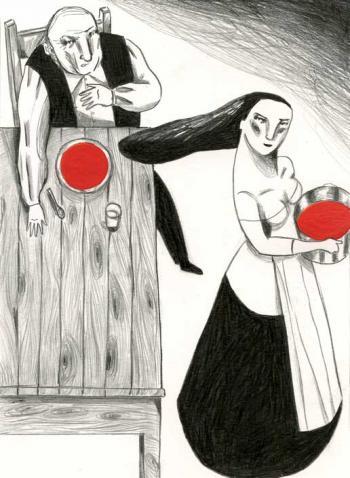
Told with a great sense for atmosphere, rich in imagery and symbols and replete with dramatic twists (making ideal operatic material, as showcased by the eponymous opera by Dimitri Shostakovich based on the novella), Leskov skilfully works on the reader’s emotions with regard to his (anti)heroine, shifting from repulsion about her woeful acts to inspiring sympathy for her by the end. A powerful tale of love, death, violence, lust and murder that for me was in the same league as my favourite novella by Pushkin so far, The Queen of Spades.
Can we so deeply long for something or someone that we are no longer able to perceive possible restraints or obstacles as real? If so, Leskov seems to suggest, it will be a rude awakening.
(Illustrations by Ignasi Blanch)
When Ivan Turgenev in 1859 pusblished A Hamlet of the Shchigrovsky District(one of the Sketches from a Hunter's Album), 19th century literary Russia was under the spell of Shakespeare, discussing the universality of his drama’s, exploring if his archetypes could be transposed to other countries and societies, if the morality of his tales could be considered valid regardless of time and place and class issues. Likely such questions were on Nikolaj Leskov’s mind too when he chose to mirror Turgenev’s Shakespearean title in his own A Lady Macbeth from the District of Mtsensk in 1865 - perhaps his best-known story.
Thinking of Macbeth and the role of his lady in the play, one scene particularly comes to my mind: ’Here’s the smell of the blood still. All the perfumes of Arabia will not sweeten this little hand. Oh, Oh, Oh!’ And as one can tell from the title of Leskov’s novella, readers might not be surprised to find blood on the little elegant hands of the protagonist, the young merchant’s wife Katerina Lvovna Izmailova.
Unlike Shakespeare’s Lady Macbeth however, Leskov’s provincial lady (Mtsensk is a small town near to Oryol, Leskov’s place of birth) will not murder out of greed for power, but out of greed for love.
Trapped in a tedious, loveless marriage of convenience with an old man, childless, having nothing to occupy herself with and indifferent to reading Katerina Lvovna loses all scruples and moral restraint once she has experienced the sweetness of love in the arms of the gallant farmhand Sergei. Fondling his curls with tenderness, once she starts believing in the luring promise of love and freedom, in a state of idyllic delusion shrewdly nourished by her shallow lover and complicit, passion pushes her to horrible acts to safeguard what she has been craving for and denied so far. Unlike Katerina, Sergei however isn’t driven by passion or love, but by the pursuit of wealth and improvement of his position.
As this is a 19th century tale our adulterous anti-heroine obviously isn’t going to get away from this situation unharmed and where there are echoes of Emma Bovary’s ennui and flight into adultery, the wrecking forces unleashed by passion in A lady Macbeth of the district of Mtsensk not only reach a dimension beyond good and evil but the intensity of the darkness and destruction that Katerina Lvovna brings upon herself is of an entirely different order, which makes our poor Emma look rather lame in comparison to Leskov’s fiery and tragic antiheroine.
Besides the slipping into murder as a solution, there are other parallels with Shakespeare’s ominous lady. Katerina too suffers from hallucinations (taking on the form of a giant tom-cat in her bed) but unlike Sharespeare’s Lady, as much as this might be also the result of the unexpressed guilt Katerina Lvovna feels for the things she has done, her conscience doesn’t seem really disturbed, as it isn’t ambition and the blind pursuit of power that brings her to her odious acts, but loving with ferocity and obsession. Leskov subtly evokes that it is the hitherto absence of love in her life which turns her into a ruthless and cold criminal ending up in a spiral of violence and with blood on her hands, once Sergei has roused that need to love and to be loved in her.
Told with a great sense for atmosphere, rich in imagery and symbols and replete with dramatic twists (making ideal operatic material, as showcased by the eponymous opera by Dimitri Shostakovich based on the novella), Leskov skilfully works on the reader’s emotions with regard to his (anti)heroine, shifting from repulsion about her woeful acts to inspiring sympathy for her by the end. A powerful tale of love, death, violence, lust and murder that for me was in the same league as my favourite novella by Pushkin so far, The Queen of Spades.
Can we so deeply long for something or someone that we are no longer able to perceive possible restraints or obstacles as real? If so, Leskov seems to suggest, it will be a rude awakening.
(Illustrations by Ignasi Blanch)

Read
June 26, 2020
Murder. Bloody Murder.
How powerful and intense is Lady Macbeth of Mtsensk? When I closed the book, I had the distinct feeling I just read one of those 300-page Russian novels compressed into a mere 45 pages.
Oh, yes, this 1865 Nikolai Leskov tale contains 15 chapters of rapid-fire action. Do the math - each chapter is only about 3 pages long. This to say, not a lot of frills, no room for idle chatter - the tempo of Lady Macbeth of Mtsensk a constant prestissimo, literary counterpart of Antonio Vivaldi's Four Seasons. Spoiler Alert: in order to do this novella a measure of justice, I allude to chapters at the beginning, middle and end.
The great Russian author frames his tale thusly: prosperous merchant landowner, fifty-something Zinovy Ismailov lost his wife of twenty years. Most disappointingly, the couple had no children.
Zinovy desperately wants an heir and sends a matchmaker to propose to Katerina Lvovna, age twenty-three, a young lady of pleasing appearance with her lively black eyes and very black, almost blue-black hair. Katerina has no choice; she’s from a dirt poor family.
For five long years, Katerina endures the boredom of her life with strict husband Zinovy, a joyless, isolated, day to day existence, her only freedom moving from room to room, forever gazing out the windows at her husband’s estate. And to add more torment, Boris, Zinovy’s ancient father, is also present in the house, a cantankerous curmudgeon habitually blaming poor Katerina for not blessing Zinovy with a child, most unjust since Katerina would actually welcome a child to take the edge off her boredom. Also, as we discover later in the story, the issue lies with Zinovy not Katerina.
Poor, poor Katerina. And to think, during her girlhood, she spent her hours in freedom, passionately and enthusiastically running through fields, swimming and splashing in the river, taking delight in simply being alive.
But then the drama: damage at a distant Ismailov mill forces Zinovy to leave town in order to oversee repairs. Shortly thereafter, one fine, sunny day, all alone, sitting at a window, Katerina feels compelled to venture outside among the estate’s peasant-slaves.
She meets strong, dark, handsome lady's man Sergei, a new farmhand. Events quickly move apace – Sergei comes into Katerina’s bedroom, Katerina’s heart erupts like a long dormant volcano, the couple make passionate love and continue their steamy, romantic affair every day for a week until grouchy old Boris catches wind of what’s been happening.
Boris whips Sergei and locks the peasant Romeo in the cellar. Katerina begs Boris to release Sergei but Boris refuses and threatens to beat her as well.
Surprise, old man! Her heart now awakened and inflamed, Katerina is no longer the little, passive, obedient wife Boris takes her to be. Net, net - no beating for Katerina. Katerina makes her move: she seasons Boris' evening meal of mushrooms with poison. The next morning, after a night of excruciating pain, ancient Boris dies "just as the rats died in his storehouses." The old geezer is buried without anyone on the estate or in town giving his death a second thought.
The new, transformed Katerina assumes full charge of the estate: strutting around the house, giving orders, even having Sergei, her lover, recover from his wounds in her husband's bed. Ah, such unorthodox happenings in 1865! Katerina does give each servant money to look the other way, but still. The tale (and murders) continue but allow me to pause here to spotlight four important points:
1. One scalding hot afternoon, Katerina closes the shutters and rests in bed with Sergei. In a sort of daze, bathed in sweat, she feels it's time to wake up but she can't; she begins to caress a cat between her and Sergei, a cat rubbing itself against her, a gray, fat cat with whiskers like a village headman, a cat that "thrusts his blunt snout into her resilient breast and sings a soft song, as if telling her of love." Katerina wonders about this cat then wakes with a start.
What to make of this dream? Of course, many are the symbolic associations with cats: some negative (darkness, pending misfortune, witchcraft, evil)), some positive (sensuality, intuition, rebirth). And to have this fat, gray cat sing Katerina a song (Leskov doesn't say what song) and stroke her with prominent whiskers. Aaaaah!!
2. That night, Katerina has a harrowing, bone-chilling nightmare: the cat returns, only this time the cat has the face of her old, now dead father-in-law Boris. Boris the cat speaks to Katerina, about the little treat she prepared for him, about his return from the cemetery, about his eyes all rotted out. Katerina looks closely; she can see "in place of eyes there are two fiery circles spinning, spinning in opposite directions!"
One good thing about this nightmare: Katerina wakes with a scream, so awake she can hear husband Zinovy downstairs, his return following a long absence. Thus alerted, Katerina rouses Sergei and devises a plan.
Such a nightmare! However, as we continue reading, by means of the intensity, the flames of her obsessive love, it appears Katerina possesses the extraordinary power to burn off any memory of her feline nightmare.
3. Marxism casts its long shadow, as if the primal force of Katerina's obsessive love, her rebellion against all those years of boredom, her resentment at being from a poor family, her bitterness at having no say as to a husband, her being relegated to passive wife status, a little nonentity brought to a rich man's house for the sole purpose of giving him a child, an heir, adds powder to the keg of historical dynamite that sets off the 1917 Russian Revolution. POW!
Likewise with Sergei. a handsome lover (think of a young Omar Sharif) who knows his status as peasant-slave farmhand locks him into living (you call this living?) a life with no more freedom and beauty than a farm animal. POW! Gotta revolution! 52 years later, around 1917, for millions of Russian peasant-slaves, the term Bolshevik and name of Vladimir Lenin acquire almost sacred, supercharged meaning.
4. "A most cheerless picture: a handful of people, torn away from the world and deprived of any shadow of hope for a better future, sinking into the cold black mud of the dirt road. Everything around them is horribly ugly: the endless mud, the gray sky, the leafless, wet broom, and in its splayed branches a ruffled crow." The concluding chapters of the novella contain the ring of Aleksandr Solzhenitsyn and The Gulag Archipelago. My goodness, such suffering.
If you would dearly love to read a hefty 19th century classic Russian novel but never seem to be able to find the time, Lady Macbeth of Mtsensk is your book. Set aside 90 minutes, settle in, join Katerina as she sits at her window - and then undergoes a complete rebirth thanks to a heart aflame.
A special thanks to Goodreads friend Ilse for writing her fine review that alerted me to this Nikolai Leskov masterpiece.

Russian author Nikolai Leskov, 1831-1895
"In our parts such characters sometimes turn up that, however many years ago you met them, you can never recall them without an inner trembling. To the number of such characters belongs the merchant's wife Katerina Lvovna Izmailova, who once played out a terrible drama, after which our gentlefolk, in someone's lucky phrase, started calling her "the Lady Macbeth of Mtsensk." ---- Nikolai Leskov, Lady Macbeth of Mtsensk

May 15, 2021
It’s an age-old mundane story. Boy meets girl. He’s poor, she’s a bit higher on the social ladder, trapped in a loveless marriage. Boy and girl start a passionate affair wrought with vulgarity. Then they go on a stone-cold murder spree for lust and financial gain.
I really start to think that there was no market for anything even remotely non-depressingly bleak in classic Russian literature. Nikolai Leskov is of that school of thought, apparently, and although lesser known than the “greats” he gives even Dostoyevsky a run for his money here. You see, Dostoyevsky in his bleakness tries to telegraph his beliefs in the universal truths as he sees them, but Leskov in this short novella (which is known to many through the lens of the opera by Shostakovich) just lays the bleak ugliness bare, with no preaching or moralizing or handholding — he leaves the conclusions up to the reader.
Katerina Lvovna is unhappily married to a much older merchant - a marriage of convenience - and is bored out of her mind. It’s mentioned a few times that she’s not a reader, so there nothing to occupy the mindnumbingly dull hours of the day except sudden overpowering lust for a vulgar young clerk Sergei known for his good looks and shameless womanizing.
The road from cuckolding to stone-cold remorseless murders turns out to be very short.
This story is told in a very matter-of-fact voice, quasi-neutrally, with no overwrought tones or moralizing that are so prominent in the works of the more famous Dostoyevsky and Tolstoy — the authors that for many readers embody the classic period of Russian literature. And that approach works in a chilling sobering way. The ugliness of life and souls sometimes just *is*, and great passions lead to pathetic ends, and you are left in the end of story going, ‘Well then...’
Horrible people do horrible things under the guise of all-consuming obsession added to sociopathy, portrayed in a very effective manner, complex despite its seeming simplicity. Leskov unsettlingly well understands his characters and paints the darkness of the whole thing incredibly well. Evil is mundane when you get to the bottom of it.
I hated everyone in this story and loved everything about how it was done - the tone, the atmosphere, the feeling of utmost cynicism that comes from seeing people as pretty horrible creatures.
4 stars.
—————
The full text of the novella in Pevear/Volokhonsky translation (a decent one, I read it side-by-side with the original) is on the The Hudson Review site here: https://hudsonreview.com/2013/02/the-...
——————
Recommended by: Nastya
“In the evening, Boris Timofeich ate a bit of buckwheat kasha with mushrooms and got heartburn; then suddenly there was pain in the pit of his stomach; he was seized with terrible vomiting, and towards morning he died, just as the rats died in his storehouses, Katerina Lvovna having always prepared a special food for them with her own hands, using a dangerous white powder entrusted to her keeping.”
I really start to think that there was no market for anything even remotely non-depressingly bleak in classic Russian literature. Nikolai Leskov is of that school of thought, apparently, and although lesser known than the “greats” he gives even Dostoyevsky a run for his money here. You see, Dostoyevsky in his bleakness tries to telegraph his beliefs in the universal truths as he sees them, but Leskov in this short novella (which is known to many through the lens of the opera by Shostakovich) just lays the bleak ugliness bare, with no preaching or moralizing or handholding — he leaves the conclusions up to the reader.
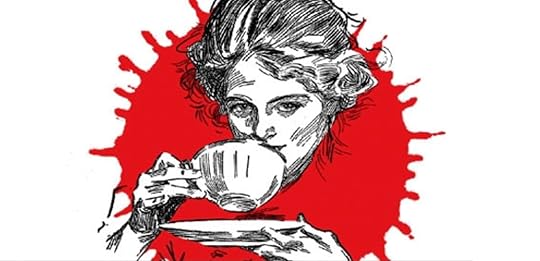
Katerina Lvovna is unhappily married to a much older merchant - a marriage of convenience - and is bored out of her mind. It’s mentioned a few times that she’s not a reader, so there nothing to occupy the mindnumbingly dull hours of the day except sudden overpowering lust for a vulgar young clerk Sergei known for his good looks and shameless womanizing.
The road from cuckolding to stone-cold remorseless murders turns out to be very short.
“Katerina Lvovna was not a lover of reading, and besides there were no books in their house except for the lives of the Kievan saints. Katerina Lvovna lived a boring life in the rich house of her father-in-law during the five years of her marriage to her unaffectionate husband; but, as often happens, no one paid the slightest attention to this boredom of hers.”
This story is told in a very matter-of-fact voice, quasi-neutrally, with no overwrought tones or moralizing that are so prominent in the works of the more famous Dostoyevsky and Tolstoy — the authors that for many readers embody the classic period of Russian literature. And that approach works in a chilling sobering way. The ugliness of life and souls sometimes just *is*, and great passions lead to pathetic ends, and you are left in the end of story going, ‘Well then...’
Horrible people do horrible things under the guise of all-consuming obsession added to sociopathy, portrayed in a very effective manner, complex despite its seeming simplicity. Leskov unsettlingly well understands his characters and paints the darkness of the whole thing incredibly well. Evil is mundane when you get to the bottom of it.
I hated everyone in this story and loved everything about how it was done - the tone, the atmosphere, the feeling of utmost cynicism that comes from seeing people as pretty horrible creatures.
4 stars.
—————
The full text of the novella in Pevear/Volokhonsky translation (a decent one, I read it side-by-side with the original) is on the The Hudson Review site here: https://hudsonreview.com/2013/02/the-...
——————
Recommended by: Nastya

January 28, 2018
”It was a tedious life that Katerina Lvovna had lived in her rich father-in-law’s house, for the five long years of her marriage to a husband who showed her little affection. But, as is so often the case, no one paid the slightest attention to the boredom that was wearing her down.”

Katerina Lvovna married Zinovy Borisych Izmailov, not because she loved him, but because he offered a proposal. She was not especially pretty, but I would say that she was striking and benefited from the rosy hue of youth. ”She was approaching twenty-four; she was short, but slender, her neck looked as though it had been sculpted from marble, her shoulders were full and round, her bust firm, her nose straight and delicate, and her eyes black and lively; she had a white, high forehead, and so black was her hair that it possessed an almost bluish tint.” She came from a poor family and could not afford to dream of fairy tales.
Zinovy must have married her to produce an heir because servants were used for the housework and fieldwork, but here we are five years into the marriage and her stomach had not blossomed. In the movie version titled ”Lady Macbeth” (2016), the director William Oldroyd had a very interesting interpretation of why Katerina was not getting pregnant. Very little was expected of her, but a bit of housework might have been welcome to relieve the tediousness of her days. Her husband and father-in-law were gone much of the time on business. Unfortunately, Katerina was not much of a reader, but even if she had been, there was only one book in the whole house: Kiev Lives of the Holy Fathers.
A house without books is a house without a soul. I shudder to think of myself trapped between those walls, without even a book to help me escape to somewhere else. There is a special kind of desperation that grows with only a ticking clock to relieve the oppressive boredom of being alone with idle hands in your lap and an undernourished mind in need of stimulation.
That stimulation came in the form of a peasant lad named Sergei.
He was bold and pretty to look at. He was in trouble at the last place he worked for, being too bold with the owner’s wife. He was a Lothario, a rake in all the insinuations of the word. It helped that he was handsome, but frankly any man showing any interested in Katerina could have breached her knickers. And sex with Sergei was way more interesting than anything she may have experienced under the clumsy hands of Zinovy.
The lovers were bold and careless, and so it was no great surprise that they were caught by Boris Timofeich Izmailov, the grumpy father-in-law. He threw Sergei in a storeroom and locked the door. Boris ate a mushroom stew that evening, had a great pain in his stomach, and was dead by morning.
*Raised eyebrow* How convenient?
The affair was one of the worst kept secrets, and even the other merchants and peasants began to refer to her as Lady Macbeth of Mtsensk. Sex and ambition were a potent mix for creating disastrous circumstances.
Needless to say, bodies continued to pile up at the Izmailov household.
Not without a cost.
Katrina started experiencing the..”Is this a dagger which I see before me?”...type hallucinations. ”Katerina Lvovna looked, and then began to scream at the top of her voice. Once again the cat was lying in between her and Sergei, but this time it had the head of Boris Timofeich, bloated and swollen as it had been on his corpse, and instead of eyes it had two fiery circles that kept spinning and spinning in opposite directions.”
The unravelling of a guilty mind.
The movie version is a wonderful interpretation of this novella. Oldroyd does make changes to the original story, but they are very interesting alterations. Usually, I read the book before I watch the movie, but in this case I elected to reverse that order, and I’m glad that I did. Both the movie and the novella are a wonderful part of the Macbeth canon of literature. If you are a fan of the play, like I am, you will definitely want to experience both the movie and the book.
The other novellas are also very good. Nikolai Leskov struggled with his relationship with religion his whole life, and those endeavors are reflected in these novellas. In Pamphalon the Entertainer, he has a character who forsakes his noble heritage, gives away all his possessions, and lives in the desert, becoming something less than a normal man. ”The former nobleman, who had stood for thirty years exposed to the wind and the fiery sun, had practically ceased to possess a human appearance. His eyes had grown completely colourless, his sun-scorched flesh had gone black and withered, and clung to his bones, his arms and legs had dried up, and his overgrown fingernails had turned inwards and were growing into the palms of his hands.” For all of this suffering, he came no closer to finding the peace he sought.
There is also Musk-Ox in the story of the same name. He is a young man who had forelocks that reminded people of the beast of burden. He, too, was continually searching for enlightenment and went to considerable lengths to try and discover the truth of living a righteous life. It proved to be a burden too great to bear.
The stories thematically go so well together. These are considered Leskov’s five greatest short stories, and each story left me with plenty to ponder. Highly recommended to those who have enjoyed Russian novels in the past and also for those Shakespeare fans who will enjoy another interpretation of that great tale of ambition and the consequences that come from “winning.”
If you wish to see more of my most recent book and movie reviews visit http://www.jeffreykeeten.com
I also have a Facebook blogger page at: https://www.facebook.com/JeffreyKeeten

Katerina Lvovna married Zinovy Borisych Izmailov, not because she loved him, but because he offered a proposal. She was not especially pretty, but I would say that she was striking and benefited from the rosy hue of youth. ”She was approaching twenty-four; she was short, but slender, her neck looked as though it had been sculpted from marble, her shoulders were full and round, her bust firm, her nose straight and delicate, and her eyes black and lively; she had a white, high forehead, and so black was her hair that it possessed an almost bluish tint.” She came from a poor family and could not afford to dream of fairy tales.
Zinovy must have married her to produce an heir because servants were used for the housework and fieldwork, but here we are five years into the marriage and her stomach had not blossomed. In the movie version titled ”Lady Macbeth” (2016), the director William Oldroyd had a very interesting interpretation of why Katerina was not getting pregnant. Very little was expected of her, but a bit of housework might have been welcome to relieve the tediousness of her days. Her husband and father-in-law were gone much of the time on business. Unfortunately, Katerina was not much of a reader, but even if she had been, there was only one book in the whole house: Kiev Lives of the Holy Fathers.
A house without books is a house without a soul. I shudder to think of myself trapped between those walls, without even a book to help me escape to somewhere else. There is a special kind of desperation that grows with only a ticking clock to relieve the oppressive boredom of being alone with idle hands in your lap and an undernourished mind in need of stimulation.
That stimulation came in the form of a peasant lad named Sergei.
He was bold and pretty to look at. He was in trouble at the last place he worked for, being too bold with the owner’s wife. He was a Lothario, a rake in all the insinuations of the word. It helped that he was handsome, but frankly any man showing any interested in Katerina could have breached her knickers. And sex with Sergei was way more interesting than anything she may have experienced under the clumsy hands of Zinovy.
The lovers were bold and careless, and so it was no great surprise that they were caught by Boris Timofeich Izmailov, the grumpy father-in-law. He threw Sergei in a storeroom and locked the door. Boris ate a mushroom stew that evening, had a great pain in his stomach, and was dead by morning.
*Raised eyebrow* How convenient?
The affair was one of the worst kept secrets, and even the other merchants and peasants began to refer to her as Lady Macbeth of Mtsensk. Sex and ambition were a potent mix for creating disastrous circumstances.
Needless to say, bodies continued to pile up at the Izmailov household.
Not without a cost.
Katrina started experiencing the..”Is this a dagger which I see before me?”...type hallucinations. ”Katerina Lvovna looked, and then began to scream at the top of her voice. Once again the cat was lying in between her and Sergei, but this time it had the head of Boris Timofeich, bloated and swollen as it had been on his corpse, and instead of eyes it had two fiery circles that kept spinning and spinning in opposite directions.”
The unravelling of a guilty mind.
The movie version is a wonderful interpretation of this novella. Oldroyd does make changes to the original story, but they are very interesting alterations. Usually, I read the book before I watch the movie, but in this case I elected to reverse that order, and I’m glad that I did. Both the movie and the novella are a wonderful part of the Macbeth canon of literature. If you are a fan of the play, like I am, you will definitely want to experience both the movie and the book.
The other novellas are also very good. Nikolai Leskov struggled with his relationship with religion his whole life, and those endeavors are reflected in these novellas. In Pamphalon the Entertainer, he has a character who forsakes his noble heritage, gives away all his possessions, and lives in the desert, becoming something less than a normal man. ”The former nobleman, who had stood for thirty years exposed to the wind and the fiery sun, had practically ceased to possess a human appearance. His eyes had grown completely colourless, his sun-scorched flesh had gone black and withered, and clung to his bones, his arms and legs had dried up, and his overgrown fingernails had turned inwards and were growing into the palms of his hands.” For all of this suffering, he came no closer to finding the peace he sought.
There is also Musk-Ox in the story of the same name. He is a young man who had forelocks that reminded people of the beast of burden. He, too, was continually searching for enlightenment and went to considerable lengths to try and discover the truth of living a righteous life. It proved to be a burden too great to bear.
The stories thematically go so well together. These are considered Leskov’s five greatest short stories, and each story left me with plenty to ponder. Highly recommended to those who have enjoyed Russian novels in the past and also for those Shakespeare fans who will enjoy another interpretation of that great tale of ambition and the consequences that come from “winning.”
If you wish to see more of my most recent book and movie reviews visit http://www.jeffreykeeten.com
I also have a Facebook blogger page at: https://www.facebook.com/JeffreyKeeten

July 20, 2026
There are a set of 5 stories within this collection. Each of them borders on novella territory.
For me the title story was the one that stood out. It’s known in English by the title given in this edition, although the translator comments it would be more accurately rendered in English as A Lady MacBeth of the Mtsensk District. At the outset, the central character is introduced as Katerina Lvovna Izmailova, a woman “approaching twenty-four,” and in the fifth year of marriage to a wealthy local merchant, a widower who is over 50. Katerina married this man “not because she loved him or was in any way attracted to him, but because he had sought her hand and she, being a girl from a poor family, could not afford to be choosy.” The couple have no children, and the merchant’s first marriage was also childless – a suggestion of impotence perhaps?
With servants to do the housework and with no children, Katerina is completely bored and lonely. Whilst her husband is away on business she falls head over heels for one of her husband’s workers, the handsome young Sergei, even though she is warned about him being a womaniser. Actions have consequences…
At the beginning of this story I viewed Katerina with an element of sympathy. By the middle of the story I viewed her with revulsion, but by the end I once again felt a degree of sympathy for her. This was despite me telling myself that she deserved none. It takes a skilful writer to manipulate my emotions in that way. 4.5 stars for this one.
The only other story worth reading is The Sealed Angel. It focuses on a community of “Old Believers” and revolves around the theft of the holiest of their icons, an object which they regard with an extraordinary degree of reverence. There was quite an exciting denouement to this one. In the Introduction to this edition (which as per my policy I read after the stories themselves) it’s suggested that many people found the final conclusion implausible. I can see why people thought that, though it didn’t spoil the story for me. Four stars.
In Musk Ox, the narrator tells us the story of Vasily Petrovich Bogoslovsky, who describes himself as “a man of the Bible.” He is also described as an “agitator” and a “dissenter.” He is a deeply dissatisfied man, who rails against society without having any coherent idea about how to change it. Every idea, every group of people, is dismissed as “nonsense.” He struck me as an all-round misanthrope, and the story did not engage me. Two stars.
“Pamphalon the Entertainer” is set within the medieval Byzantine Empire. At the beginning our protagonist, one Hermius, is a man of noble birth and a wealthy and powerful bishop. He is though horrified at the corruption and debauchery he sees all around him. The story asks the question, “Should a good man remain part of an immoral system?” Leskov tells us his answer but I’m not going to give it away. 2.5 stars.
Unfortunately the collection ends with what I thought was the weakest of the stories, A Winter’s Day. It’s set within a single house, amongst the aristocratic owners and their servants. Various people come and go. Reading it, I had the thought that it was almost more of a play than a prose story. With one possible exception, all of the characters are selfish, duplicitous, and greedy, and the motivations of everyone boil down to money and sex (I suppose that latter bit is reasonably true to life). The Introduction comments that this story was written during the last year of Leskov’s life, and he seems to have developed a deeply cynical view of human nature. 1.5 stars.
Lady MacBeth of Mtsensk is worth reading as a standalone, but I wouldn’t particularly recommend the rest of these stories.
For me the title story was the one that stood out. It’s known in English by the title given in this edition, although the translator comments it would be more accurately rendered in English as A Lady MacBeth of the Mtsensk District. At the outset, the central character is introduced as Katerina Lvovna Izmailova, a woman “approaching twenty-four,” and in the fifth year of marriage to a wealthy local merchant, a widower who is over 50. Katerina married this man “not because she loved him or was in any way attracted to him, but because he had sought her hand and she, being a girl from a poor family, could not afford to be choosy.” The couple have no children, and the merchant’s first marriage was also childless – a suggestion of impotence perhaps?
With servants to do the housework and with no children, Katerina is completely bored and lonely. Whilst her husband is away on business she falls head over heels for one of her husband’s workers, the handsome young Sergei, even though she is warned about him being a womaniser. Actions have consequences…
At the beginning of this story I viewed Katerina with an element of sympathy. By the middle of the story I viewed her with revulsion, but by the end I once again felt a degree of sympathy for her. This was despite me telling myself that she deserved none. It takes a skilful writer to manipulate my emotions in that way. 4.5 stars for this one.
The only other story worth reading is The Sealed Angel. It focuses on a community of “Old Believers” and revolves around the theft of the holiest of their icons, an object which they regard with an extraordinary degree of reverence. There was quite an exciting denouement to this one. In the Introduction to this edition (which as per my policy I read after the stories themselves) it’s suggested that many people found the final conclusion implausible. I can see why people thought that, though it didn’t spoil the story for me. Four stars.
In Musk Ox, the narrator tells us the story of Vasily Petrovich Bogoslovsky, who describes himself as “a man of the Bible.” He is also described as an “agitator” and a “dissenter.” He is a deeply dissatisfied man, who rails against society without having any coherent idea about how to change it. Every idea, every group of people, is dismissed as “nonsense.” He struck me as an all-round misanthrope, and the story did not engage me. Two stars.
“Pamphalon the Entertainer” is set within the medieval Byzantine Empire. At the beginning our protagonist, one Hermius, is a man of noble birth and a wealthy and powerful bishop. He is though horrified at the corruption and debauchery he sees all around him. The story asks the question, “Should a good man remain part of an immoral system?” Leskov tells us his answer but I’m not going to give it away. 2.5 stars.
Unfortunately the collection ends with what I thought was the weakest of the stories, A Winter’s Day. It’s set within a single house, amongst the aristocratic owners and their servants. Various people come and go. Reading it, I had the thought that it was almost more of a play than a prose story. With one possible exception, all of the characters are selfish, duplicitous, and greedy, and the motivations of everyone boil down to money and sex (I suppose that latter bit is reasonably true to life). The Introduction comments that this story was written during the last year of Leskov’s life, and he seems to have developed a deeply cynical view of human nature. 1.5 stars.
Lady MacBeth of Mtsensk is worth reading as a standalone, but I wouldn’t particularly recommend the rest of these stories.

Read
July 6, 2020Of the five stories that make up this collection, I enjoyed two (Lady macbeth of Mtsensk (1864) & The Sealed Angel (1873)), two challenged my will to read (Pamphalon the Entertainer (1887) & A winter's Day (1894)), and one (Musk Ox (1863)) left me indifferent.
Having read a couple of sparkling reviews of The Steel Flea, I was more than half expecting to be impressed by Leskov, but after these five stories I am nonplussed, I feel perhaps a worry, or a concern, or maybe I just have the thought that you can read these Leskov stories as sociology - here are tales arising from the lower rungs of late nineteenth century Russia society - in terms of the kinds of people we meet in these stories they remind me of Maxim Gorky's autobiography - merchants, craftsmen, peasants, rather than the aristocrats and gentry of Tolstoy, Turgenev and Dostoyevsky. Much of the story telling in these stories seems fairly flat or naive, maybe it reminds me of those icons featuring a saint in the central panel surrounded by boxes showing scenes from his life in boxes, and maybe that is not accidental, Leskov is very interested in traditional Russian Art, perhaps this flat effect of slightly cartoonish episodes that cumulatively give a powerful sense of character was what he aimed to achieve, when it works well I felt it was a kind of Russian picaresque, but in the stories which drained me of energy and I had to wear crampons to climb through them, the effect was tiring and unrewarding like a nightmarish version of The Arabian Nights.
It bothered me that Musk Ox opened the collection, the parts which drew on Leskov's autobiography - visiting monasteries with his grandmother and going fishing with novice monks were lovely, but the centre of the story is a portrait of the title character, and only through a heroic effort can I contextualise this possibly as a whither Russia story.
The title story, is a jolly murder ballad, it is moderately musical. It is unusual in that the physical strength of this Lady Macbeth has a role to play in the story, it is also dramatic, its a fun piece of fiction. Despite the title it is not very Macbeth like - it is a very free interpretation of the idea.
The Sealed Angel is a picaresque heist story centred on icons and Old Believers, though there is a lot of discussion about icons, I found it relatively fun, particularly imagining it being made into a film - a team of builders desperate to steal their icon back from a Bishop, which in the way of heist stories requires them to walk a good way round Russia in order to organise their heist, but what force on heaven or earth can keep a team of builders separate from their beloved icon?
On the plus side Pamphalon the Entertainer, reminded me of one the stories at the end of The Glass Bead Game - a man has fled the world to sit on top of a pillar outside a village and pray for his salvation, one day God (or somebody in that kind of line of business) speaks unto him and tells him to seek out Pamphalon in the city of Damascus - at this stage I began to think that all these stories were quests of one kind or another - to be better ensure his own salvation. All of which is fine and well and good, but this story really goes on - the sensation of infinity was very frightening; reading a page up to the last letter then tumbling over and starting all over again - perhaps reading this story was a foretaste of one of the not nice afterlifes awaiting literate sinners, unending stories that seem to get progressively less interesting. At the stage of his life when Leskov wrote this he was under the influence of Tolstoy - late Tolstoy as religious teacher. Which perhaps made this story frighteningly worthy like a lunch of ungarnished celery stalks.
But if I thought Pamphalon the Entertainer was an arid hike through a mountain valley shunned even by glaciers that was only because I was innocent and had not started to read A Winter's day. If I could hack away about ninety percent of this story it would be quite fun, thee would be a sharp movement from scene to scene, a story of rapid comings and goings as we are very approximately move from the top of a household - a grand lady receiving a visitor down to the bottom - a maid and the cook, as in a puzzle, one character leaves the stage and then another enters, there is a slightly farcical transmission of a sum on money from one character to another at one stage which is fun. Unfortunately as it is on top of those bare bones are thick fatty slabs of backbiting dialogue which I found very tedious.
Leskov - a mixed bag. Or maybe you have to be in the right frame for each story.
Having read a couple of sparkling reviews of The Steel Flea, I was more than half expecting to be impressed by Leskov, but after these five stories I am nonplussed, I feel perhaps a worry, or a concern, or maybe I just have the thought that you can read these Leskov stories as sociology - here are tales arising from the lower rungs of late nineteenth century Russia society - in terms of the kinds of people we meet in these stories they remind me of Maxim Gorky's autobiography - merchants, craftsmen, peasants, rather than the aristocrats and gentry of Tolstoy, Turgenev and Dostoyevsky. Much of the story telling in these stories seems fairly flat or naive, maybe it reminds me of those icons featuring a saint in the central panel surrounded by boxes showing scenes from his life in boxes, and maybe that is not accidental, Leskov is very interested in traditional Russian Art, perhaps this flat effect of slightly cartoonish episodes that cumulatively give a powerful sense of character was what he aimed to achieve, when it works well I felt it was a kind of Russian picaresque, but in the stories which drained me of energy and I had to wear crampons to climb through them, the effect was tiring and unrewarding like a nightmarish version of The Arabian Nights.
It bothered me that Musk Ox opened the collection, the parts which drew on Leskov's autobiography - visiting monasteries with his grandmother and going fishing with novice monks were lovely, but the centre of the story is a portrait of the title character, and only through a heroic effort can I contextualise this possibly as a whither Russia story.
The title story, is a jolly murder ballad, it is moderately musical. It is unusual in that the physical strength of this Lady Macbeth has a role to play in the story, it is also dramatic, its a fun piece of fiction. Despite the title it is not very Macbeth like - it is a very free interpretation of the idea.
The Sealed Angel is a picaresque heist story centred on icons and Old Believers, though there is a lot of discussion about icons, I found it relatively fun, particularly imagining it being made into a film - a team of builders desperate to steal their icon back from a Bishop, which in the way of heist stories requires them to walk a good way round Russia in order to organise their heist, but what force on heaven or earth can keep a team of builders separate from their beloved icon?
On the plus side Pamphalon the Entertainer, reminded me of one the stories at the end of The Glass Bead Game - a man has fled the world to sit on top of a pillar outside a village and pray for his salvation, one day God (or somebody in that kind of line of business) speaks unto him and tells him to seek out Pamphalon in the city of Damascus - at this stage I began to think that all these stories were quests of one kind or another - to be better ensure his own salvation. All of which is fine and well and good, but this story really goes on - the sensation of infinity was very frightening; reading a page up to the last letter then tumbling over and starting all over again - perhaps reading this story was a foretaste of one of the not nice afterlifes awaiting literate sinners, unending stories that seem to get progressively less interesting. At the stage of his life when Leskov wrote this he was under the influence of Tolstoy - late Tolstoy as religious teacher. Which perhaps made this story frighteningly worthy like a lunch of ungarnished celery stalks.
But if I thought Pamphalon the Entertainer was an arid hike through a mountain valley shunned even by glaciers that was only because I was innocent and had not started to read A Winter's day. If I could hack away about ninety percent of this story it would be quite fun, thee would be a sharp movement from scene to scene, a story of rapid comings and goings as we are very approximately move from the top of a household - a grand lady receiving a visitor down to the bottom - a maid and the cook, as in a puzzle, one character leaves the stage and then another enters, there is a slightly farcical transmission of a sum on money from one character to another at one stage which is fun. Unfortunately as it is on top of those bare bones are thick fatty slabs of backbiting dialogue which I found very tedious.
Leskov - a mixed bag. Or maybe you have to be in the right frame for each story.

July 27, 2017
Αν κάτι παρακινεί την Κατερίνα Λβόβνα να ενεργήσει με τον τρόπο που περιγράφεται στο έργο αυτό πρέπει να είναι σίγουρα η πλήξη. Στην οπερατική εκδοχή της (υπάρχουν δύο για την ακρίβεια), από τον Shostakovich, υπάρχει στο ξεκίνημα του έργου ένα τραγούδι που λέει η ηρωίδα και αφορά ακριβώς αυτό το ζήτημα:
"Το μερμήγκι σέρνει το αχυράκι του
το μικρό σπουργίτι υφαίνει τη φωλιά του
οι εργάτες κουβαλάνε το αλεύρι
και μονάχα εγώ δεν έχω τίποτα να κάνω
μέσα στη μοναξιά και τη μελαγχολία
μόνο για μένα το φως της μέρας είναι στυφό,
την γυναίκα ενός εμπόρου".
Η Κατερίνα διαλέγει έναν βάναυσο τρόπο για να βρει τον δρόμο που θα την οδηγήσει στην ελευθερία, είναι έρμαιο των παθών της και μοιάζει να μην διαθέτει συνείδηση. Τα σχεδόν μεταφυσικά όνειρα και λοιπά περιστατικά που αναφέρονται μέσα στη νουβέλα μοιάζουν ως εξωτερίκευση αυτής ακριβώς της καταπιεσμένης ενοχής.
Σπουδαίο έργο. Τόσο σύντομο αλλά τόσο μεστό, συμπυκνώνει μια εκδοχή της πραγματικότητας όπου με αργά, σταθερά και καθοδικά βήματα περιγράφεται η ζωή μιας καταπιεσμένης γυναίκας, μιας μέγαιρας, μιας υποδειγματικής Λαίδης Μάκβεθ, και αποδεικνύει ότι κανένας δεν γεννιέται τέρας, ωστόσο μπορεί να γίνει στην πορεία.
*** Επίσης ακριβώς λόγω της συντομίας του κειμένου, μπόρεσα να εντοπίσω μια λέξη ψάχνοντας στα τυφλά μέσα στις λέξεις του πρωτοτύπου (δεν ξέρω ρώσικα και δεν μπορώ καν να αναγνωρίσω την δομή μιας απλής πρότασης, τα γράμματα του κυριλλικού αλφαβήτου μου φαίνονται απλώς σαν ακατανόητα σημάδια) μια λέξη που πάντα με παραξένευε να την βλέπω στις ελληνικές μεταφράσεις των ρώσικων κειμένων: "Πατερούλης". Είναι μια λέξη που δεν απευθύνεται αυστηρά από το παιδί στον γονιό, αλλά από κάθε νέο προς κάποιον γηραιότερο και υποθέτω πως εκφράζει κάτι ανάμεσα σε φιλία και σεβασμό. Στα ρώσικα λοιπόν η λέξη είναι тятенька και από όσο κατάφερα να καταλάβω προφέρεται κάπως σαν "τγιάτενκα".
Ιδού λοιπόν από εμένα, με πολλή αγάπη η άχρηστη πληροφορία της ημέρας!
"Το μερμήγκι σέρνει το αχυράκι του
το μικρό σπουργίτι υφαίνει τη φωλιά του
οι εργάτες κουβαλάνε το αλεύρι
και μονάχα εγώ δεν έχω τίποτα να κάνω
μέσα στη μοναξιά και τη μελαγχολία
μόνο για μένα το φως της μέρας είναι στυφό,
την γυναίκα ενός εμπόρου".
Η Κατερίνα διαλέγει έναν βάναυσο τρόπο για να βρει τον δρόμο που θα την οδηγήσει στην ελευθερία, είναι έρμαιο των παθών της και μοιάζει να μην διαθέτει συνείδηση. Τα σχεδόν μεταφυσικά όνειρα και λοιπά περιστατικά που αναφέρονται μέσα στη νουβέλα μοιάζουν ως εξωτερίκευση αυτής ακριβώς της καταπιεσμένης ενοχής.
Σπουδαίο έργο. Τόσο σύντομο αλλά τόσο μεστό, συμπυκνώνει μια εκδοχή της πραγματικότητας όπου με αργά, σταθερά και καθοδικά βήματα περιγράφεται η ζωή μιας καταπιεσμένης γυναίκας, μιας μέγαιρας, μιας υποδειγματικής Λαίδης Μάκβεθ, και αποδεικνύει ότι κανένας δεν γεννιέται τέρας, ωστόσο μπορεί να γίνει στην πορεία.
*** Επίσης ακριβώς λόγω της συντομίας του κειμένου, μπόρεσα να εντοπίσω μια λέξη ψάχνοντας στα τυφλά μέσα στις λέξεις του πρωτοτύπου (δεν ξέρω ρώσικα και δεν μπορώ καν να αναγνωρίσω την δομή μιας απλής πρότασης, τα γράμματα του κυριλλικού αλφαβήτου μου φαίνονται απλώς σαν ακατανόητα σημάδια) μια λέξη που πάντα με παραξένευε να την βλέπω στις ελληνικές μεταφράσεις των ρώσικων κειμένων: "Πατερούλης". Είναι μια λέξη που δεν απευθύνεται αυστηρά από το παιδί στον γονιό, αλλά από κάθε νέο προς κάποιον γηραιότερο και υποθέτω πως εκφράζει κάτι ανάμεσα σε φιλία και σεβασμό. Στα ρώσικα λοιπόν η λέξη είναι тятенька και από όσο κατάφερα να καταλάβω προφέρεται κάπως σαν "τγιάτενκα".
Ιδού λοιπόν από εμένα, με πολλή αγάπη η άχρηστη πληροφορία της ημέρας!

November 12, 2017
It was powerful and horrible. Didn't like it, the choices of the characters were horrible for everyone involved and, frankly speaking, unsatisfying. Deeply unsettling. A cautionary tale? Maybe.
The genius of the author is unquestionable. Still, the subject is madly horrific. Basically, what the author has given us a glimpse of, is a total disrepect for human lives inherent to some people. Had these people undewent a psychiatric review, they would have blipped as 'born killers' with human identity disorders. When I read this, I felt this novel was really the worst possible service to humanity due to gruesomeness of the subject.
The genius of the author is unquestionable. Still, the subject is madly horrific. Basically, what the author has given us a glimpse of, is a total disrepect for human lives inherent to some people. Had these people undewent a psychiatric review, they would have blipped as 'born killers' with human identity disorders. When I read this, I felt this novel was really the worst possible service to humanity due to gruesomeness of the subject.

February 23, 2026
لسکوف نویسنده مهم اما کمتر شناخته شده در ایران است که برای روسها اهمیت ویژهای دارد. معروفترین کار او همین لیدی مکبث است که به خباثت نهان و ذاتی بشر میپردازد. روسهای زیادی ارادت خودشان را به شکسپیر نشان دادند. تورگنیف بر خلاف تالستوی که به شدت از شکسپیر متنفر بود، دو سه نوولا و داستان کوتاه با الهام از داستان و اشخاص شکسپیری نوشت که مهمترین آنها شاه لیر استپها است. با این همه ملیترین و محلیشدهترین و معروفترین این سری از داستانهای روسی نیز همین کتاب لسکوف است که در عین الهام، تمایز خودش را با شکسپیر حفظ میکند. دقیقا مانند اقتباسهایی که کوروساوا از شکسپیر در سینما کرد. با این وجود شاید برای خوانندگان امروزی داستانی زیادی کوتاه و کلاسیک و احتمالا تا حد زیادی قابل پیشبینی باشد. با این برای آشنایی و ورود به جهان این نویسنده انتخاب مناسبی است.

July 1, 2019
Ανατρέχοντας στην πηγή…
Για όσους έχουν δει την συγκλονιστική ταινία του Αντρέι Βάιντα “Αχόρταγη για ηδονή” υπάρχει επιτακτική ανάγκη να διαβάσουν το μικρό αριστουργηματικό διήγημα του Λέσκοφ “Λαίδη Μάκβεθ”…
Χωρίς να αγγίζει την οξυδερκή αλλά και διεισδυτική ματιά του Βάιντα, το μικρό αυτό διήγημα αναδεικνύει την καταπιεσμένη γυναίκα η οποία μέσα από την ίδια την κοινωνία αλλά και τον παράφορο έρωτα της για τον νεαρό Σεργκέι μεταμορφώνεται σε κάτι διαβολικό…
Χωρίς λυρισμούς και γλωσσικά στολίδια, ο Λέσκοφ φτιάχνει μια σκοτεινή ιστορία αναδομώντας έναν σαιξπηρικό χαρακτήρα ενώ παράλληλα είναι αυστηρός στην κρίση του χωρίς ωστόσο να καταφεύγει σε διδακτισμούς…
5/5
Για όσους έχουν δει την συγκλονιστική ταινία του Αντρέι Βάιντα “Αχόρταγη για ηδονή” υπάρχει επιτακτική ανάγκη να διαβάσουν το μικρό αριστουργηματικό διήγημα του Λέσκοφ “Λαίδη Μάκβεθ”…
Χωρίς να αγγίζει την οξυδερκή αλλά και διεισδυτική ματιά του Βάιντα, το μικρό αυτό διήγημα αναδεικνύει την καταπιεσμένη γυναίκα η οποία μέσα από την ίδια την κοινωνία αλλά και τον παράφορο έρωτα της για τον νεαρό Σεργκέι μεταμορφώνεται σε κάτι διαβολικό…
Χωρίς λυρισμούς και γλωσσικά στολίδια, ο Λέσκοφ φτιάχνει μια σκοτεινή ιστορία αναδομώντας έναν σαιξπηρικό χαρακτήρα ενώ παράλληλα είναι αυστηρός στην κρίση του χωρίς ωστόσο να καταφεύγει σε διδακτισμούς…
5/5

September 17, 2022
Lady Macbeth of Mtsensk
Ah, this is what happens when one runs a sharp wedge insistently into a sensitive spot . And, let’s be honest, this was not something quite minor what was happening right before her eyes . So, in a sense, of course I was not surprised with the end, it was expected that that will put her in a towering passion, and touched off her most immediate feelings…But, on the other hand, I was amazed at the rarity of their emotional involvement, which was offset by the unwarranted and excessive vehemence they showed later on .
I confess I have been hooked tightly with this embittered short story, even embarrassed by a shattering explosion of feeling, as the startling incidents that the storyteller tells so inflamed my mind :)
At first glance it might seem quite understandable that this Russian Emma Bovary, an unremarkable, insipid woman, had exchanged her portly, parochial consort for a young Lovelace, who felt nothing for her , though there is such a dramatic gap between the original Lovelace in Clarissa of Samuel Richardson, and this strange Russian peasant, with whom Katerina ventures her happiness. This was indeed the probability, of such an energetic step taken by a woman, who, after years of a disappointing, tedious marriage, would be ‘emotionally’ ready for it.
Of course I was not myself ready for how they were easily led astray, especially the demonic element in one’s nature, and how these two took pleasure in feeling themselves stronger and purer in their ‘morals’ and thinking. I mean, let’s be honest , for my part I find it more honest in a woman to follow her instincts with freedom and passion than to practise the betrayal of her husband, either in their time together physically or even just thinking of another. By the by, this does not mean that I want to defend any behaviour, just that I don’t understand why to complicate life too much, when it is already complicated even without this added on…
On the other side, it can happen that any woman can innocently be swept up in a sudden adventure and that she might commit actions she would have considered impossible an hour beforehand . But there is no way to excuse or understand or forgive, but only to condemn, such a giddy, reckless and irrational behaviour and her actions that are hasty, foolish, eventually fully base and mean, cruel to the highest degree, that crowned the destiny of this poor, unfortunate woman.
In a nutshell, I have enjoyed how the author told his tale with all the captivating charm of a lively, creative nature. The truth is that I was shaken by it, and, as I’ve been reading, I felt couple of times appalled, but also engrossed and thrilled. Yet, curious thing to say, the storyteller told it in such an eager, unaffected way that it seemed more like an account of the symptoms of a fever or some other illness than anything objectionable. One thing is certain though, one learns a lot about the reality of life :)
NB: of course I'll plunge into the next 5 stories. Happy reading to me! :)
Ah, this is what happens when one runs a sharp wedge insistently into a sensitive spot . And, let’s be honest, this was not something quite minor what was happening right before her eyes . So, in a sense, of course I was not surprised with the end, it was expected that that will put her in a towering passion, and touched off her most immediate feelings…But, on the other hand, I was amazed at the rarity of their emotional involvement, which was offset by the unwarranted and excessive vehemence they showed later on .
I confess I have been hooked tightly with this embittered short story, even embarrassed by a shattering explosion of feeling, as the startling incidents that the storyteller tells so inflamed my mind :)
At first glance it might seem quite understandable that this Russian Emma Bovary, an unremarkable, insipid woman, had exchanged her portly, parochial consort for a young Lovelace, who felt nothing for her , though there is such a dramatic gap between the original Lovelace in Clarissa of Samuel Richardson, and this strange Russian peasant, with whom Katerina ventures her happiness. This was indeed the probability, of such an energetic step taken by a woman, who, after years of a disappointing, tedious marriage, would be ‘emotionally’ ready for it.
Of course I was not myself ready for how they were easily led astray, especially the demonic element in one’s nature, and how these two took pleasure in feeling themselves stronger and purer in their ‘morals’ and thinking. I mean, let’s be honest , for my part I find it more honest in a woman to follow her instincts with freedom and passion than to practise the betrayal of her husband, either in their time together physically or even just thinking of another. By the by, this does not mean that I want to defend any behaviour, just that I don’t understand why to complicate life too much, when it is already complicated even without this added on…
On the other side, it can happen that any woman can innocently be swept up in a sudden adventure and that she might commit actions she would have considered impossible an hour beforehand . But there is no way to excuse or understand or forgive, but only to condemn, such a giddy, reckless and irrational behaviour and her actions that are hasty, foolish, eventually fully base and mean, cruel to the highest degree, that crowned the destiny of this poor, unfortunate woman.
In a nutshell, I have enjoyed how the author told his tale with all the captivating charm of a lively, creative nature. The truth is that I was shaken by it, and, as I’ve been reading, I felt couple of times appalled, but also engrossed and thrilled. Yet, curious thing to say, the storyteller told it in such an eager, unaffected way that it seemed more like an account of the symptoms of a fever or some other illness than anything objectionable. One thing is certain though, one learns a lot about the reality of life :)
NB: of course I'll plunge into the next 5 stories. Happy reading to me! :)

November 11, 2022
This short story is too dark a tale that I believe I couldn't, in all fairness, see the author's mastery behind it. This is a story of passion, committing heinous crimes in the name of passion, and finally paying the penalty for her crimes and sins.
True to the titular name, the main character Katerina Lvovna, a wealthy merchant's wife, resembles Lady Macbeth of Shakespeare in her criminal intentions. But I thought she also resembles Madam Bovary in her amour. With her lover who is her accomplice, she commits three murders without any remorse so that they could live a happy, comfortable life together. But crimes and sins don't go unpunished. And she was spotted in the third act. Having been found guilty, both are sent for penal servitude in Siberia. However, Katerina's greater punishment is not this. Her greater punishment is to see her lover turn cold and indifferent towards her and drift away from her towards other pretty paths. The one man for whom she had debased herself, abandons her. But there is "Lady Macbeth" still living in her.
This short story was quite a difficult read for me. I couldn't stomach the various crimes which are described inartistically. This could possibly be a flaw in the translation, but those unpolished expressions made me quail in horror. The whole emotion I felt was one of disgust and I didn't feel one iota of sympathy for the woman. Perhaps, Leskov wanted none for her. I don't know. I couldn't fathom what Leskov want to convey to the readers through this story. I'm sure there was an underlying dark irony which, due to my sensitiveness, was lost on me. This review is NOT on the merit of one of Leskov's most appreciated works but on a more personal scale of my own reading experience.
More of my reviews can be found at http://piyangiejay.com/
True to the titular name, the main character Katerina Lvovna, a wealthy merchant's wife, resembles Lady Macbeth of Shakespeare in her criminal intentions. But I thought she also resembles Madam Bovary in her amour. With her lover who is her accomplice, she commits three murders without any remorse so that they could live a happy, comfortable life together. But crimes and sins don't go unpunished. And she was spotted in the third act. Having been found guilty, both are sent for penal servitude in Siberia. However, Katerina's greater punishment is not this. Her greater punishment is to see her lover turn cold and indifferent towards her and drift away from her towards other pretty paths. The one man for whom she had debased herself, abandons her. But there is "Lady Macbeth" still living in her.
This short story was quite a difficult read for me. I couldn't stomach the various crimes which are described inartistically. This could possibly be a flaw in the translation, but those unpolished expressions made me quail in horror. The whole emotion I felt was one of disgust and I didn't feel one iota of sympathy for the woman. Perhaps, Leskov wanted none for her. I don't know. I couldn't fathom what Leskov want to convey to the readers through this story. I'm sure there was an underlying dark irony which, due to my sensitiveness, was lost on me. This review is NOT on the merit of one of Leskov's most appreciated works but on a more personal scale of my own reading experience.
More of my reviews can be found at http://piyangiejay.com/

March 17, 2021
" Fazem mal em não ler Leskov, é um verdadeiro escritor."
Liev Tolstói
Lidas as primeiras páginas pensei que tinha comprado gato por lebre, parecia-me uma histórinha com pouco tempero incapaz de fazer justiça à fama que tem.
Porém, rapidamente a meada começou a desenrolar-se a um ritmo desvairado e o assombro não parou até ao final.
Lady MacBeth do Distrito de Mtzensk, é um livro primoroso com uma história tenebrosa e personagens pavorosas. Lê-se de um fôlego e é melhor não fazer juízos de valor ou procurar motivação ou justificação para o que vai acontecendo, somente embarcar nesta montanha russa e preparar-se para apanhar um murro no estômago a cada página.
Achei que o sr. Leskov foi muito machista (para não dizer misógino) com o desfecho. Sem spoilar, havia ali um terceiro elemento que merecia igual tratamento. Quem já leu, diga-me o que pensa.
Posto isto, para quem gosta de russos e para quem leu MacBeth de Shakespeare e gostou, esta é uma leitura indispensável.
Liev Tolstói
Lidas as primeiras páginas pensei que tinha comprado gato por lebre, parecia-me uma histórinha com pouco tempero incapaz de fazer justiça à fama que tem.
Porém, rapidamente a meada começou a desenrolar-se a um ritmo desvairado e o assombro não parou até ao final.
Lady MacBeth do Distrito de Mtzensk, é um livro primoroso com uma história tenebrosa e personagens pavorosas. Lê-se de um fôlego e é melhor não fazer juízos de valor ou procurar motivação ou justificação para o que vai acontecendo, somente embarcar nesta montanha russa e preparar-se para apanhar um murro no estômago a cada página.
Achei que o sr. Leskov foi muito machista (para não dizer misógino) com o desfecho. Sem spoilar, havia ali um terceiro elemento que merecia igual tratamento. Quem já leu, diga-me o que pensa.
Posto isto, para quem gosta de russos e para quem leu MacBeth de Shakespeare e gostou, esta é uma leitura indispensável.

December 13, 2017
Κάτι μεταξύ παραμυθιού και δράματος, μια πολύ σύντομη ιστορία που θυμίζει έντονα Shakespeare, εξ ου και ο τίτλος, όχι μόνο σε περιεχόμενο αλλά και σε ποιότητα.

April 18, 2011
Another beautiful book from the Hesperus Press. I so wax lyrical about the beauty of these editions I almost feel i should be earning commission but seriously, they are lovely. They are a press which focuses on making accessible, either through new translations or simply a new edition, what they state are 'unjustly neglected' or simply little known works by otherwise well-known authors. They are always small works, in this case the story itself is only 58 pages long, and this one is written by a writer, Nikolai Leskov, totally unknown to me prior to my reading this for the first time back in 2004.
The title is a misleading one I feel as whenever I read Macbeth there is no getting away from the realization that at least at the beginning of the play Lady Macbeth is the driving force of evil. She goads and encourages and flatters and belittles her weak spouse until he does her bidding and it is only as she comes to see how she has lost control of her husband, that he is literally beyond her in evil (perhaps with the slaughter of Macduff's family), that her madness and regret sweep her into the deep tragedy we encounter at the close of the play.
In Leskov's story, Katerina, the seemingly eponymous heroine, is a character of deep tragedy from the start. Her loveless marriage and stifling boredom
'A boredom so profound that it makes even the thought of hanging yourself seem like fun'
draws her into the dangerous orbit of her steward
'His insolent and handsome face was framed by dark stubble and curls as black as pitch'.
Now i am not sure what the male equivalent of a cock tease is but Sergei is definitely one. He is vicious and manipulative and confident in his sexuality and, like so many powerful predators, he can cleverly shrink back into the shadows and indeed present himself as the played upon and the manipulated, the one who cowers under Katerina's shadow.(It is pointedly mentioned by Leskov that at their trial he elicits sympathy, she receives none) Sergei is the Lady Macbeth in this story, but it is his goading and disingenuous pronouncements of undying affection which rule and lead.
The final denoument brings not a sense of justice or relief or just deserts suffered but a waste and an over-riding sense of sadness which weighs down. Leskov writes wonderfully. It is the understated or the unexplicit nature of his announcing the oncoming evil which is amazingly powerful just because of its understatement.
So Boris Timofeyevich decided: his decision, however was never to be put into effect
or again
Leskov has created not, as some would have it, a monster but a character of horrendously skewed adoration. Katerina is blind to Sergei and this blinds her in so many other ways. It introduces the destructive force of paranoia and rank jealousy. At one point in the introduction the writer Gilbert Adair compares her to the hard as nails vicious 'double-crossing dames' of noir fiction and yet I do not see this. Sergei is that, Katerina, though in no way innocent or unjustly punished, is the foil, the wielded knife or pressed down pillow, Sergei is the wielder and his betrayal is monstrously cruel.
She carries out appalling crimes Interestingly she is compared, unfavourably to Madame Bovary: now call me contrary but the weird thing is, i have far more sympathy and sadness for Katerina Lvovna Izmailova then I ever feel for Emma Bovary.
The title is a misleading one I feel as whenever I read Macbeth there is no getting away from the realization that at least at the beginning of the play Lady Macbeth is the driving force of evil. She goads and encourages and flatters and belittles her weak spouse until he does her bidding and it is only as she comes to see how she has lost control of her husband, that he is literally beyond her in evil (perhaps with the slaughter of Macduff's family), that her madness and regret sweep her into the deep tragedy we encounter at the close of the play.
In Leskov's story, Katerina, the seemingly eponymous heroine, is a character of deep tragedy from the start. Her loveless marriage and stifling boredom
'A boredom so profound that it makes even the thought of hanging yourself seem like fun'
draws her into the dangerous orbit of her steward
'His insolent and handsome face was framed by dark stubble and curls as black as pitch'.
Now i am not sure what the male equivalent of a cock tease is but Sergei is definitely one. He is vicious and manipulative and confident in his sexuality and, like so many powerful predators, he can cleverly shrink back into the shadows and indeed present himself as the played upon and the manipulated, the one who cowers under Katerina's shadow.(It is pointedly mentioned by Leskov that at their trial he elicits sympathy, she receives none) Sergei is the Lady Macbeth in this story, but it is his goading and disingenuous pronouncements of undying affection which rule and lead.
The final denoument brings not a sense of justice or relief or just deserts suffered but a waste and an over-riding sense of sadness which weighs down. Leskov writes wonderfully. It is the understated or the unexplicit nature of his announcing the oncoming evil which is amazingly powerful just because of its understatement.
So Boris Timofeyevich decided: his decision, however was never to be put into effect
or again
Leskov has created not, as some would have it, a monster but a character of horrendously skewed adoration. Katerina is blind to Sergei and this blinds her in so many other ways. It introduces the destructive force of paranoia and rank jealousy. At one point in the introduction the writer Gilbert Adair compares her to the hard as nails vicious 'double-crossing dames' of noir fiction and yet I do not see this. Sergei is that, Katerina, though in no way innocent or unjustly punished, is the foil, the wielded knife or pressed down pillow, Sergei is the wielder and his betrayal is monstrously cruel.
She carries out appalling crimes Interestingly she is compared, unfavourably to Madame Bovary: now call me contrary but the weird thing is, i have far more sympathy and sadness for Katerina Lvovna Izmailova then I ever feel for Emma Bovary.

May 12, 2021
In this tiny page count (just 55 pages) we get one of the most complex and compelling portraits of woman's lust, obsession and unravelling. The way she sinks deeper and deeper into her compulsion, the way she justifies her actions. The ways murders start as an impersonal act and she gets closer and closer to her victims after that.
And she always believable, I've read countless stories about a woman killing her children to start new relationships.
And Leskov never judges, she is still a human to him, she is no Cathy Ames from East of Eden and I utterly prefer this kind of evil to devil incarnate. The more human evil is, the horrifying.
And atmosphere is incredible, the desolation you feel, the madness is in the air. For example the scene with herself, her lover and her husband was full of suspense and anxiety. What a deliciously dark story!
And she always believable, I've read countless stories about a woman killing her children to start new relationships.
And Leskov never judges, she is still a human to him, she is no Cathy Ames from East of Eden and I utterly prefer this kind of evil to devil incarnate. The more human evil is, the horrifying.
And atmosphere is incredible, the desolation you feel, the madness is in the air. For example the scene with herself, her lover and her husband was full of suspense and anxiety. What a deliciously dark story!

March 9, 2026
Katerina Lhvóvna anda, anda pelos quartos vazios, começa a bocejar de fastio, sobe a escada para os aposentos do casal, situados num alto e pequeno mezanino. Senta-se também ali, vê pela janela como, junto aos celeiros, pesam cânhamo ou despejam farinha fina, boceja novamente e fica então contente; dormita uma horinha ou mais. Mas acorda, e novo o mesmo tédio russo, aquele tédio de um casa de mercador que, como dizem, até torna alegre o enforcar-se.
“Madame Bovary”, “Anna Karenina”, “Effi Briest”. Já leram? Sabem o que têm em comum? Isso, são clássicos escritos por homens sobre mulheres casadas com velhos e/ou bananas, mal-amadas, para não usar o vernáculo que me apetece usar, enfadadas com as suas vidas de burguesinhas, que acabam por ser infiéis. E o final? Também conhecem, certo? Assim sendo, está resumido o enredo de “Lady Macbeth de Mtsensk”, uma novela em que os diálogos parecem Shakespeare canalizado pelo mestre Yoda.
“Madame Bovary”, “Anna Karenina”, “Effi Briest”. Já leram? Sabem o que têm em comum? Isso, são clássicos escritos por homens sobre mulheres casadas com velhos e/ou bananas, mal-amadas, para não usar o vernáculo que me apetece usar, enfadadas com as suas vidas de burguesinhas, que acabam por ser infiéis. E o final? Também conhecem, certo? Assim sendo, está resumido o enredo de “Lady Macbeth de Mtsensk”, uma novela em que os diálogos parecem Shakespeare canalizado pelo mestre Yoda.

May 28, 2021
Lady Macbeth of the Mtsensk District is an 1865 novella by Nikolai Leskov, a Russian novelist, short-story writer, playwright, and journalist. It tells the story of a young bride who seems to have too much time on her hands and becomes bored. She becomes entangled in an affair with a young laborer and ends up murdering her father-in-law to cover it up. One thing leads to another and she does the same to her husband. As the story continues she murders a young nephew.
And as if that's not enough murder there's still one more while she's also committing suicide. This is a story of an unhappy life. I am part of a book group that discussed this novel, and some present thought this woman was a victim of her cultural and social surroundings. I have mixed feelings. I suppose anybody who commits murder could be argued to be a victim of their surroundings, but it's still a bad thing to do. Thus I don't feel much sympathy for the woman.
Dmitri Shostakovich wrote a 1934 opera based on this story which with the use of music accentuates the emotions involved that would motivate so much murder. But as presented in this novella I didn't detect much description of emotions. It came across more as a cold description of actions taken in the style of a newspaper article.
And as if that's not enough murder there's still one more while she's also committing suicide. This is a story of an unhappy life. I am part of a book group that discussed this novel, and some present thought this woman was a victim of her cultural and social surroundings. I have mixed feelings. I suppose anybody who commits murder could be argued to be a victim of their surroundings, but it's still a bad thing to do. Thus I don't feel much sympathy for the woman.
Dmitri Shostakovich wrote a 1934 opera based on this story which with the use of music accentuates the emotions involved that would motivate so much murder. But as presented in this novella I didn't detect much description of emotions. It came across more as a cold description of actions taken in the style of a newspaper article.

August 20, 2016
okuyanus yayınlarının ex-libris serisi aslında biraz kıyıda köşede kalmış türkçeye çevrilmemiş ama zamanının önemli biraz daha gotik kitaplarını biraraya getiren bir seri. yazar Nikolai Leskov da 19. yy rus yazarlarının en az tanınanlarından. kıyıda köşede kalmış da olsa dilin sadeliği gerçek ve gerçeküstünün birbirine geçişleri -[konu biraz sıradan gelebilir; karı koca ilişkleri - ihanet-çıkar-para-kötülük vs.-] bence dikkate değer. zaten kısacık bir kitap kocaa Rus külliyatında bir Leskov u da tanımadan geçmeyelim derim.

January 31, 2018
No fancy pancy, no thousand adjectives and psychologic mambojambo. That is left to us. The book is well written, the story could be real. Mr Leskow leaves it to us to think about the psychology of his characters.
- had Katharina a latent psychiatric disease?
- is it her fault or is the society's? was it all because she wanted a better life for herself in a world where this was impossible if being a woman and poor?
- is it a parabole - love makes us do crazy shit?
- who do you hate more - Katharina or Sergey? I think that Mr.Leskow thought of his main female character quite fondly...
- is Katharina a strong character?
Note to self - I have to read Tess D´Urberville again, and Madam Bovary again...
This book was written in 1865 !!!!!!!!
I read it in german, there is an old german style, the same way Buddenbrooks was written...so I could not help thinking at how different the two female main characters are - Katharina - calculated and strong willed, Tony Buddenbrook, weak, aiming to please, accepting her destiny as a "stupid goose". I would not have called Katharina a stupid goose, might end up poisoned.
- had Katharina a latent psychiatric disease?
- is it her fault or is the society's? was it all because she wanted a better life for herself in a world where this was impossible if being a woman and poor?
- is it a parabole - love makes us do crazy shit?
- who do you hate more - Katharina or Sergey? I think that Mr.Leskow thought of his main female character quite fondly...
- is Katharina a strong character?
Note to self - I have to read Tess D´Urberville again, and Madam Bovary again...
This book was written in 1865 !!!!!!!!
I read it in german, there is an old german style, the same way Buddenbrooks was written...so I could not help thinking at how different the two female main characters are - Katharina - calculated and strong willed, Tony Buddenbrook, weak, aiming to please, accepting her destiny as a "stupid goose". I would not have called Katharina a stupid goose, might end up poisoned.

January 8, 2019
(lido em 2014)
Já tinha lido vários livros sobre a temática do adultério, como por exemplo, entre outros, «O Primo Basílio», «Effi Briest», «Anna Karenina», «Madame Bovary».
E quando pensava que sobre esta temática nada mais me surpreenderia,eis que aparece este livro de 90 páginas, «Lady Macbeth de Mtsensk»
Tal como a Luísa de Eça, também Katerina sofre de um imensurável tédio, é casada com um homem mais velho que se ausenta em trabalho e não tem filhos. Arranja um amante.
As semelhanças entre Luísa e Katerina terminam aqui.
Obsessivamente apaixonada, Katerina não olha a meios para atingir os fins:
«Como nós nos divertíamos, nos sentávamos nas longas noites de Outono, e acompanhávamos as pessoas com morte atroz, para fora deste mundo.»
Uma mulher com tais características, posteriormente rejeitada, é capaz da mais inimaginável e sinistra atitude.
O final petrificou-me.
Excerto:
«Nesses infernais sons, despedaçadores de almas, que completam todo o horror desse quadro, ressoam os conselhos da mulher do bíblico Job: Amaldiçoa o dia do teu nascimento e morre.
Quem não quer ouvir bem essas palavras, quem a ideia da morte, nessa triste situação, não seduz mas assusta, então terá de se empenhar em abafar essas vozes uivantes com algo ainda mais hediondo. Um homem simples compreende isso lindamente: ele põe então em liberdade toda sua simplicidade feroz, começa a fazer estupidezes e a escarnecer de si próprio, das pessoas e dos sentimentos. Já não sendo particularmente meigo, torna-se então, nessa situação, extremamente mau.
Já tinha lido vários livros sobre a temática do adultério, como por exemplo, entre outros, «O Primo Basílio», «Effi Briest», «Anna Karenina», «Madame Bovary».
E quando pensava que sobre esta temática nada mais me surpreenderia,eis que aparece este livro de 90 páginas, «Lady Macbeth de Mtsensk»
Tal como a Luísa de Eça, também Katerina sofre de um imensurável tédio, é casada com um homem mais velho que se ausenta em trabalho e não tem filhos. Arranja um amante.
As semelhanças entre Luísa e Katerina terminam aqui.
Obsessivamente apaixonada, Katerina não olha a meios para atingir os fins:
«Como nós nos divertíamos, nos sentávamos nas longas noites de Outono, e acompanhávamos as pessoas com morte atroz, para fora deste mundo.»
Uma mulher com tais características, posteriormente rejeitada, é capaz da mais inimaginável e sinistra atitude.
O final petrificou-me.
Excerto:
«Nesses infernais sons, despedaçadores de almas, que completam todo o horror desse quadro, ressoam os conselhos da mulher do bíblico Job: Amaldiçoa o dia do teu nascimento e morre.
Quem não quer ouvir bem essas palavras, quem a ideia da morte, nessa triste situação, não seduz mas assusta, então terá de se empenhar em abafar essas vozes uivantes com algo ainda mais hediondo. Um homem simples compreende isso lindamente: ele põe então em liberdade toda sua simplicidade feroz, começa a fazer estupidezes e a escarnecer de si próprio, das pessoas e dos sentimentos. Já não sendo particularmente meigo, torna-se então, nessa situação, extremamente mau.
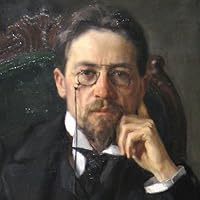
June 27, 2023
Tra i primi componimenti narrativi di successo di Nikolai Semenovic Leskov [1831-1895] spicca “Una Lady Macbeth del distretto di Mcensk” scritto nel 1865: protagonista Katerina L’vovna, “una ragazza povera senza la possibilità di scegliersi un fidanzato” che per questo accetta di sposare il ricco mercante vedovo e senza figli, l’ormai cinquantenne Zinovij Ismajlov proprietario terriero e allevatore; tra i due coniugi non viene a crearsi un sentimento di affetti né nascono figli e la giovane moglie, maltrattata psicologicamente dal marito e spesso lasciata sola anche per molti giorni perché l’uomo è impegnato nei suoi commerci, viene presa da profonda noia e tristezza, vive una vita priva di sentimenti e di novità e in questo stato d’animo apatico e passivo basta un piccolo capriccio, un’idea bizzarra, per portare sconvolgimento dei sensi e dell’animo…
A questo componimento breve di Leskov che riecheggia in forma romanzata la nota tragedia di Shakespeare, nulla manca per piacere e impressionare il lettore per la presenza di tutti quei sentimenti che infiammano l’animo romantico che c’è in ognuno di noi: amore, odio, passione, gelosia, delitto, tutti questi ingredienti letterari sapientemente e con mano sicura mescolati dall’autore ne fanno un’opera di piacevolissimo intrattenimento letterario.
A questo componimento breve di Leskov che riecheggia in forma romanzata la nota tragedia di Shakespeare, nulla manca per piacere e impressionare il lettore per la presenza di tutti quei sentimenti che infiammano l’animo romantico che c’è in ognuno di noi: amore, odio, passione, gelosia, delitto, tutti questi ingredienti letterari sapientemente e con mano sicura mescolati dall’autore ne fanno un’opera di piacevolissimo intrattenimento letterario.

February 2, 2011
Lady Macbeth of Mtsensk is a short novella set in Russian province in the second half of 19th century. The subject matter is pretty powerful: passion, adultery, murder and betrayal. Yet, for all that, the book is very unsentimental and true to life. It is full of dark humour and the characters are very real and believable. It is a shame that it does not seem particularly well-known in the West, for it is, in my opinion, one of the best works in Russian literature.

June 25, 2018
এই বইটি মূলত মুজতবা আলী এর অনুবাদ বই। এই মানুষটি মূল রুশ ভাষা থেকে বইটি অনুবাদ করেছেন! বইটি হচ্ছে Nikolai Leskov এর Lady Macbeth of the Mtsensk District। অসাধারন এক ট্র্যাজিক কাহিনী। নামেই বোঝা যাচ্ছে করুণ হিংস্র দুঃখবিষাদময় গল্প হবে। নায়িকার অন্ধ হিংস্র কিন্তু তীব্র প্রেম মুগ্ধ করার মত ছিল।

February 15, 2022
Безусловно, это сильная вещь, но что-то в ней не дотягивает, не состыковывается идеально, не складывается в органичную картину. Катерина Львовна - сильная русская женщина, из тех, что добьется своего, чего бы ей это ни стоило, даже без подпитки сильными чувствами или страстями; а уж полюбив, она получает силу, сравнимую с ядерным реактором. Как могла она, с такой страстной душой, которая требует такой же по силе накал страсти со стороны партнёра и которая не будет довольствоваться имитацией чувств, как могла она с ее крепким купеческим практическим чутьем, умом и смёткой не заприметить в Сергее человека, не испытывающего к ней любви, корыстного, мелкого и подлого? Да и полюбить его как могла? Хорошо, даже если взять расхожую истину про злую любовь, приводящую к козлам, все равно, когда он сбросил маску на этапе в Сибирь, прямо хлестнул, что никогда не любил, почему она, такая трезвомыслящая, такая цельная, не способная довольствоваться малым, продолжала любить это ничтожество, недостойное ее мизинца? Эта нестыковка разрушает то мощное впечатление, которое оставляет эта повесть. Если называть вещи своими именами, Катерина Львовна - чудовище, способная убить людей, с которыми прожила много лет, убить даже невинного ребенка. Душила она, не Сергей. Душила, будучи беременной, будущей матерью. Потом мы увидим, что ее собственный ребенок ничего для нее не значил. Но что это за человек? В ее иерархии ценностей человеческая жизнь - ничто, на первом месте даже не любовь, сложно назвать ее чувства любовью, это нездоровая страсть, даже похоть, которая сильнее даже материнского инстинкта, сильнее женской гордости, сильнее здравого смысла. Сергей - тоже чудовище, но с другой иерархией ценностей. Если Катерина Львовна - персонаж самобытный, встречающийся один на сотню, то Сергей - очень и очень распространенный даже и сейчас тип героев-любовников, когда приятное с полезным нужно непременно объединить, если "любить", то обязательно с выгодой. В раскрытии характера этой низкой душонки, такой распространенной, Николай Семёнович был необыкновенно проницателен.

May 31, 2022
În aceste povestiri am fost scutită de imaginile grotești din Pelerinul vrăjit, în care animalele erau chinuite; totuși Leskov reușește să arate de câte lucruri sunt capabili oamenii. De dragul cuiva, pentru a demonstra ori obține ceva sau pentru că, pur și simplu, ei cred că procedează corect. Chiar dacă ultima parte a antologiei nu a fost pe placul meu, limbajul acesta învechit mă încântă de fiecare dată.
Leskov nu e printre autorii ruși pe care îi prefer eu și nici măcar nu pot explica exact de ce. Poate pentru că se folosește atât de des de religie pentru a crea tipologii de personaje, iar psihologia umană este mult mai complexă și extinsă. Nu știu ce o fi cu poporul rus de se pricepe atât de bine la oameni, dar tare îmi place să citesc ceva care se poate raporta atât de ușor la realitate. În privința asta, Leskov e tocmai bun, așa că recomand această antologie cel puțin pentru primele trei povestiri. Recenzia aici: https://bit.ly/3bM9VYv.
,,De-atunci s-a scurs aproape un sfert de veac și s-au schimbat multe: unii nu mai sunt, alții sunt acum prea departe, iar pentru noi, pe care întâmplarea ne aduse la un loc după o lungă despărțire, nu era lipsit de interes să ne supunem reciproc unui examen: să vedem ce anume și cum s-a evaporat din noi, ce a rămas și ce formă și ce nuanță a luat.''
Leskov nu e printre autorii ruși pe care îi prefer eu și nici măcar nu pot explica exact de ce. Poate pentru că se folosește atât de des de religie pentru a crea tipologii de personaje, iar psihologia umană este mult mai complexă și extinsă. Nu știu ce o fi cu poporul rus de se pricepe atât de bine la oameni, dar tare îmi place să citesc ceva care se poate raporta atât de ușor la realitate. În privința asta, Leskov e tocmai bun, așa că recomand această antologie cel puțin pentru primele trei povestiri. Recenzia aici: https://bit.ly/3bM9VYv.
,,De-atunci s-a scurs aproape un sfert de veac și s-au schimbat multe: unii nu mai sunt, alții sunt acum prea departe, iar pentru noi, pe care întâmplarea ne aduse la un loc după o lungă despărțire, nu era lipsit de interes să ne supunem reciproc unui examen: să vedem ce anume și cum s-a evaporat din noi, ce a rămas și ce formă și ce nuanță a luat.''

March 29, 2022
Katerina Lvovna lived a boring life in the rich house of her father-in-law during the five years of her marriage to her unaffectionate husband; but, as often happens, no one paid the slightest attention to this boredom of hers.
Deliciously graphic and bleak, I have enjoyed the Shostakovich opera for years but despite being familiar with plot found myself delighted with the wry execution. I am back at work and aside from lamenting my latest Covid infection it is the death of our espresso machine which has dampened the last few days. I find myself lacking context today, that said I fear it will be decades when I don't reflect on Lvovna's woolen stockings and the cost such required.
Deliciously graphic and bleak, I have enjoyed the Shostakovich opera for years but despite being familiar with plot found myself delighted with the wry execution. I am back at work and aside from lamenting my latest Covid infection it is the death of our espresso machine which has dampened the last few days. I find myself lacking context today, that said I fear it will be decades when I don't reflect on Lvovna's woolen stockings and the cost such required.

March 12, 2015
Full of passion, jealousy and obsession, this short story is highly interesting and enjoyable. Leskov's description of the emotional and moral dilemma, as well as the erotic frenzy, of the heroine is exceptional and realistic.

August 24, 2014
This is a wonderful collection of four stories about the little people of Russia (serfs, manual labourers, monks, etc.) in the middle of the nineteenth century. The characters are at least two levels down in the social hierarchy from the Great Nobles portrayed by Tolstoy and at least one level down from the lower nobility and bourgeois who appear in Dostoyevsky's works. Thus it affords a great way for the reader to round out the picture of nineteenth century society by Russia's two most famous writers of the period.
The most brilliant story in the collection is Lady McBeth au Village that provided the story line for Dmitri Chostakovitch's great opera Lady Macbeth du district de Mtsensk. Lady McBeth is a story of savage love that justifies the cost of buying the book on its own. For history buffs, I would also recommend l'Ange Scellé which describes the 'old-believer' movement. You may also want to read the other two stories if the first two have really hooked you.
The most brilliant story in the collection is Lady McBeth au Village that provided the story line for Dmitri Chostakovitch's great opera Lady Macbeth du district de Mtsensk. Lady McBeth is a story of savage love that justifies the cost of buying the book on its own. For history buffs, I would also recommend l'Ange Scellé which describes the 'old-believer' movement. You may also want to read the other two stories if the first two have really hooked you.

October 27, 2011
Nasty, brutish and short. I liked it a lot.
Displaying 1 - 30 of 554 reviews