

What do you think?

The Private Journals of Edvard Munch: We Are Flames Which Pour Out of the Earth
Scandinavia's most famous painter, the Norwegian Edvard Munch (1863–1944), is probably best known for his painting The Scream, a universally recognized icon of terror and despair. (A version of The Scream was stolen from the Edvard Munch Museum in Oslo, Norway, in August 2004, and has not yet been recovered.) But Munch considered himself a writer as well as a painter. Munch began painting as a teenager and, in his young adulthood, studied and worked in Paris and Berlin, where he evolved a highly personal style in paintings and works on paper. And in diaries that he kept for decades, he also experimented with reminiscence, fiction, prose portraits, philosophical speculations, and surrealism. Known as an artist who captured both the ecstasies and the hellish depths of the human condition, Munch conveys these emotions in his diaries but also reveals other facets of his personality in remarks and stories that are alternately droll, compassionate, romantic, and cerebral.
This English translation of Edvard Munch's private diaries, the most extensive edition to appear in any language, captures the eloquent lyricism of the original Norwegian text. The journal entries in this volume span the period from the 1880s, when Munch was in his twenties, until the 1930s, reflecting the changes in his life and his work. The book is illustrated with fifteen of Munch's drawings, many of them rarely seen before. Though excerpts from these diaries have been previously published elsewhere, no translation has captured the real passion and poetry of Munch's voice. This translation lets Munch speak for himself and evokes the primal passion of his diaries. J. Gill Holland's exceptional work adds a whole new level to our understanding of the artist and the depth of his scream.
This English translation of Edvard Munch's private diaries, the most extensive edition to appear in any language, captures the eloquent lyricism of the original Norwegian text. The journal entries in this volume span the period from the 1880s, when Munch was in his twenties, until the 1930s, reflecting the changes in his life and his work. The book is illustrated with fifteen of Munch's drawings, many of them rarely seen before. Though excerpts from these diaries have been previously published elsewhere, no translation has captured the real passion and poetry of Munch's voice. This translation lets Munch speak for himself and evokes the primal passion of his diaries. J. Gill Holland's exceptional work adds a whole new level to our understanding of the artist and the depth of his scream.
224 pages, Paperback
First published June 24, 2004
About the author
Edvard Munch
170 books97 followersEdvard Munch was a Norwegian painter and printmaker whose intensely evocative treatment of psychological themes built upon some of the main tenets of late 19th-century Symbolism and greatly influenced German Expressionism in the early 20th century. One of his most well-known works is The Scream of 1893.
Ratings & Reviews
Friends & Following
Create a free account to discover what your friends think of this book!
Community Reviews
Displaying 1 - 23 of 23 reviews

June 21, 2014
List of Illustrations
Foreword, by Frank Høifødt
Acknowledgments
Introduction: We Are Flames Which Pour Out of the Earth
Brief Chronology
--The Private Journals of Edvard Munch: We Are Flames Which Pour Out of the Earth
Foreword, by Frank Høifødt
Acknowledgments
Introduction: We Are Flames Which Pour Out of the Earth
Brief Chronology
--The Private Journals of Edvard Munch: We Are Flames Which Pour Out of the Earth

October 11, 2025
قسمت زیادی از ژورنال دربارهی روابطش با زنان است. قدم زدنها در جنگل، مهتاب، صخرههای که شبیه صورتهای معوج هستند در نقاشیهای مونک هم دیده میشوند. مونک در جستوجوی عشق است. عشق آزاد. زنانی که یا در آغوششان ذوب میشود یا از بیوفایی و فریبکاریشان در رنج است.
گاهی از خودش میگوید از ترس اینکه بیماریهای فیزیکی و روانی موروثی در خانوادهاش در خودش هم بروز پیدا میکند.
I am walking along a narrow path. A steep precipice on one side, it is a deep bottomless in depth a depth bottomlessly deep Across on the other side are meadows, mountains, houses, people. I am walking and staggering along the precipice.
I am in the act of danger of falling down, but I throw myself toward the meadow, the houses, mountains, people. I whirl about in the vibrant life— but I must return to the path along the precipice. That is my way, which I must walk. I am careful lest I fall. Once again in toward life and people. But I must return to the path along the precipice. Because it is my path, until I plunge into the deep.
گاهی از خودش میگوید از ترس اینکه بیماریهای فیزیکی و روانی موروثی در خانوادهاش در خودش هم بروز پیدا میکند.
I am walking along a narrow path. A steep precipice on one side, it is a deep bottomless in depth a depth bottomlessly deep Across on the other side are meadows, mountains, houses, people. I am walking and staggering along the precipice.
I am in the act of danger of falling down, but I throw myself toward the meadow, the houses, mountains, people. I whirl about in the vibrant life— but I must return to the path along the precipice. That is my way, which I must walk. I am careful lest I fall. Once again in toward life and people. But I must return to the path along the precipice. Because it is my path, until I plunge into the deep.

September 3, 2026
کتاب جذابیتهای خاص خودش رو داره. چاپ نشر اتفاق خیلی شکیله، ترجمه خوبه، مشکلات ویرایشی خیلی کم داره. شصت و سه یادداشت از مونک داخلشه و در آخر هم بیست و چهار نقاشی مونک چاپ شده.
مسائل مختلفی رو میشه از یادداشتها برداشت کرد:
ارتباط عاطفی با خانواده
ارتباط با زنها
عشق
توهم
افسردگی
روش کار نقاشی
پیتر واتکینز دهه هفتاد میلادی فیلم بیوگرافی شبه مستند از زندگی مونک ساخته. باید دید.
مسائل مختلفی رو میشه از یادداشتها برداشت کرد:
ارتباط عاطفی با خانواده
ارتباط با زنها
عشق
توهم
افسردگی
روش کار نقاشی
پیتر واتکینز دهه هفتاد میلادی فیلم بیوگرافی شبه مستند از زندگی مونک ساخته. باید دید.


April 15, 2015
36
One evening I was walking
out on a hilly path
near Kristiania—
with two
comrades. It
was a time when life
had ripped my
soul open.
The sun was going down—had
dipped in flames
below the horizon.
It was like
a flaming sword
of blood slicing through
the concave of heaven.
The sky was like
blood—sliced with
strips of fire
—the hills turned
deep blue
the fjord—cut in
cold blue, yellow, and
red colors—
The exploding
bloody red—on
the path and hand railing
—my friends turned
glaring yellow white—
—I felt
a great scream
—and I heard,
yes, a great
scream—
the colors in
nature—broke
the lines of nature
—the lines and colors
vibrated with motion
—these oscillations of life
brought not only
my eye into oscillations,
it brought also my
ears into oscillations—
so I actually heard
a scream—
I painted
the picture Scream then.
One evening I was walking
out on a hilly path
near Kristiania—
with two
comrades. It
was a time when life
had ripped my
soul open.
The sun was going down—had
dipped in flames
below the horizon.
It was like
a flaming sword
of blood slicing through
the concave of heaven.
The sky was like
blood—sliced with
strips of fire
—the hills turned
deep blue
the fjord—cut in
cold blue, yellow, and
red colors—
The exploding
bloody red—on
the path and hand railing
—my friends turned
glaring yellow white—
—I felt
a great scream
—and I heard,
yes, a great
scream—
the colors in
nature—broke
the lines of nature
—the lines and colors
vibrated with motion
—these oscillations of life
brought not only
my eye into oscillations,
it brought also my
ears into oscillations—
so I actually heard
a scream—
I painted
the picture Scream then.

June 29, 2017
"My art is a self-confession. In it I seek to understand what terms the world and I are on...I have always thought and felt that my art might also help others understand their search for sanity."

December 13, 2022
"If seeking old places
and memories
It is like stepping
in one’s own
tracks in the snow—
one breaks them up and
destroys them—
—One will also stand guard
over memories"
At it's strongest moments it uses the constraint of this style to say something very penetrating in this fragmented manner. At it's worse (which is essentially the middle half out the book) he is goes into tedious detail about things, essentially fighting against his own style rather than just writing in prose.
During this portion it's quite literally just a journal and isn't interesting.
The last half picks back up where he starts writing about his feelings on art.
and memories
It is like stepping
in one’s own
tracks in the snow—
one breaks them up and
destroys them—
—One will also stand guard
over memories"
At it's strongest moments it uses the constraint of this style to say something very penetrating in this fragmented manner. At it's worse (which is essentially the middle half out the book) he is goes into tedious detail about things, essentially fighting against his own style rather than just writing in prose.
During this portion it's quite literally just a journal and isn't interesting.
The last half picks back up where he starts writing about his feelings on art.
March 16, 2021
Shoud've stayed private. Or maybe it was a bad translation.
1 star for this one:
16
I am like
the sleepwalker who
walks on the ridge
of a roof—
sure-footed and calm
he walks without seeing
without hearing—
Oh someone shouts at
him—louder and
louder—he wakes up
and he falls off
of the roof—down
from his dreams—
Don’t do that
to me—that
—I walk
calmly in my dreams
which are my life—
—only like that
can I live
1 star for this one:
16
I am like
the sleepwalker who
walks on the ridge
of a roof—
sure-footed and calm
he walks without seeing
without hearing—
Oh someone shouts at
him—louder and
louder—he wakes up
and he falls off
of the roof—down
from his dreams—
Don’t do that
to me—that
—I walk
calmly in my dreams
which are my life—
—only like that
can I live

December 22, 2016
كاش كسي ترجمه كند

October 18, 2014
I was looking for one of my favourite quotes by Munch, but unfortunately it wasn't in this collection. I really liked his style of writing and all the extra information added later about his life was very interesting.
June 2, 2025
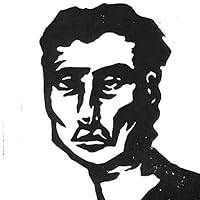
He was an interesting poet.
June 17, 2021
(Gostava de adicionar, aqui, nesta review, a minha obra favorita de Edvard Munch, mas adicionar imagens no goodreads é uma dor de cabeça…)
Munch, pintor da escola do expressionismo, é um dos expoentes máximos da arte como representação do íntimo e do emocional portanto as suas obras têm o caráter de cada uma delas expressar os seus próprios sentimentos, vivências e desafios. Talvez seja dos pintores cujas pinturas nos são, dentro dos seus possíveis, o mais objetivas, de entre toda a arte. Não é indiferente a nenhum observador as cores usadas, os jogos e combinações entre as mesmas, o ambiente envolvente, as expressões faciais dos rostos pintados, e todo um outro conjunto de propriedades, que como apreciador "superficial" me escapam. No entanto, são, facilmente, absorvidas emoções como ansiedade, inquietação e melancolia...o excelso da sua mundialmente conhecida obra "O grito". Basta uma pequena pesquisa por entre a biografia de Edvard Munch para rápido depreendermos a incondicionalidade das suas obras, isto é, não podiam representar algo de diferente daquilo que na realidade são. Uma vida marcada pelo profundo sofrimento com a morte prematura dos pais e dos irmãos, pela prevalência acentuadas de doenças mentais na sua família até a lutas contra o alcoolismo, em fases futuras da sua vida. Ligando o seu trajeto de vida às as suas obras (como não podia deixar de ser), despertou-se em mim a curiosidade em aceder ao seu não muito extenso espólio literário. São evidentes e mais próximos os conflitos interiores de Edvard, os tramas de amor e todas as dificuldades na exposição do seu maior dom, numa época onde a dispersão da arte não era tão banal como é hoje.
Em termos de conteúdo, foi uma leitura interessante, permitindo aceder, para além do que a pintura disponibiliza, às motivações de aquele que é um dos mais insignes artistas. Por outro lado, a edição não me pareceu a melhor, o que, de alguma forma, retira proveito a uma leitura com um belo conteúdo.
A obra que mais admiro de Munch é o quadro nomeado de "Between the clock and the bed". Do lado esquerdo de Edvard o relógio, imparável e fatal. De um outro, a cama, a morada do fim.
Partilho aqui o texto onde Munch descreve o momento da criação de "O grito":
"One evening I was walking
out on a hilly path
near Kristiania—
with two
comrades. It
was a time when life
had ripped my
soul open.
The sun was going down—had
dipped in flames
below the horizon.
It was like
a flaming sword
of blood slicing through
the concave of heaven.
The sky was like
blood—sliced with
strips of fire
—the hills turned
deep blue
the fjord—cut in
cold blue, yellow, and
red colors—
The exploding
bloody red—on
the path and hand railing
—my friends turned
glaring yellow white—
64 the private journals of edvard munch—I felt
a great scream
—and I heard,
yes, a great
scream—
the colors in
nature—broke
the lines of nature
—the lines and colors
vibrated with motion
—these oscillations of life
brought not only
my eye into oscillations,
it brought also my
ears into oscillations—
so I actually heard
a scream—
I painted
the picture Scream then."
Munch, pintor da escola do expressionismo, é um dos expoentes máximos da arte como representação do íntimo e do emocional portanto as suas obras têm o caráter de cada uma delas expressar os seus próprios sentimentos, vivências e desafios. Talvez seja dos pintores cujas pinturas nos são, dentro dos seus possíveis, o mais objetivas, de entre toda a arte. Não é indiferente a nenhum observador as cores usadas, os jogos e combinações entre as mesmas, o ambiente envolvente, as expressões faciais dos rostos pintados, e todo um outro conjunto de propriedades, que como apreciador "superficial" me escapam. No entanto, são, facilmente, absorvidas emoções como ansiedade, inquietação e melancolia...o excelso da sua mundialmente conhecida obra "O grito". Basta uma pequena pesquisa por entre a biografia de Edvard Munch para rápido depreendermos a incondicionalidade das suas obras, isto é, não podiam representar algo de diferente daquilo que na realidade são. Uma vida marcada pelo profundo sofrimento com a morte prematura dos pais e dos irmãos, pela prevalência acentuadas de doenças mentais na sua família até a lutas contra o alcoolismo, em fases futuras da sua vida. Ligando o seu trajeto de vida às as suas obras (como não podia deixar de ser), despertou-se em mim a curiosidade em aceder ao seu não muito extenso espólio literário. São evidentes e mais próximos os conflitos interiores de Edvard, os tramas de amor e todas as dificuldades na exposição do seu maior dom, numa época onde a dispersão da arte não era tão banal como é hoje.
Em termos de conteúdo, foi uma leitura interessante, permitindo aceder, para além do que a pintura disponibiliza, às motivações de aquele que é um dos mais insignes artistas. Por outro lado, a edição não me pareceu a melhor, o que, de alguma forma, retira proveito a uma leitura com um belo conteúdo.
A obra que mais admiro de Munch é o quadro nomeado de "Between the clock and the bed". Do lado esquerdo de Edvard o relógio, imparável e fatal. De um outro, a cama, a morada do fim.
Partilho aqui o texto onde Munch descreve o momento da criação de "O grito":
"One evening I was walking
out on a hilly path
near Kristiania—
with two
comrades. It
was a time when life
had ripped my
soul open.
The sun was going down—had
dipped in flames
below the horizon.
It was like
a flaming sword
of blood slicing through
the concave of heaven.
The sky was like
blood—sliced with
strips of fire
—the hills turned
deep blue
the fjord—cut in
cold blue, yellow, and
red colors—
The exploding
bloody red—on
the path and hand railing
—my friends turned
glaring yellow white—
64 the private journals of edvard munch—I felt
a great scream
—and I heard,
yes, a great
scream—
the colors in
nature—broke
the lines of nature
—the lines and colors
vibrated with motion
—these oscillations of life
brought not only
my eye into oscillations,
it brought also my
ears into oscillations—
so I actually heard
a scream—
I painted
the picture Scream then."

March 13, 2026
Ero molto curiosa di leggere i diari di Munch, essendo uno dei miei artisti preferiti, ma ammetto che mi hanno delusa molto.
Non sono veri e propri diari, sono più che altro poesie e scritti di getto, senza una vera logica e senza nessuna data o riferimento storico. Credevo di trovarmi di fronte qualcosa di più simile alle Lettere a Theo di Van Gogh, quindi almeno qualche scritto inerente i suoi quadri, come li ha dipinti, qualcosa come la celebre visione che ha dato origine all'urlo, ma non è stato così.
Parla quasi sempre di donne, e non ne parla neanche benissimo.
La maggior parte del tempo non capivo neanche cosa c'era scritto. Forse il norvegese non è neanche così facile da tradurre.
Non sono veri e propri diari, sono più che altro poesie e scritti di getto, senza una vera logica e senza nessuna data o riferimento storico. Credevo di trovarmi di fronte qualcosa di più simile alle Lettere a Theo di Van Gogh, quindi almeno qualche scritto inerente i suoi quadri, come li ha dipinti, qualcosa come la celebre visione che ha dato origine all'urlo, ma non è stato così.
Parla quasi sempre di donne, e non ne parla neanche benissimo.
La maggior parte del tempo non capivo neanche cosa c'era scritto. Forse il norvegese non è neanche così facile da tradurre.

September 25, 2026
خیلی کتاب جالبی بود. دوست داشتم.
بخشی از کتاب:
زمستان بود و ما تمام روز در پشت پنجره خیره به بیرون نشسته بودیم. زن و مردِ ساکنِ خانهی مقابل تمام مدت با یکدیگر در جدل و دعوا بودند.
روزی در گرماگرم مشاجرهشان شیطان پدیدار شد.
پشت سرشان ایستاده بود و میخندید. بدنش سیاهرنگ بود و شاخهایی بزرگ روی پیشانی داشت، همراه با سُم و دمِ اسب.
سرانجام روزی زن و شوهر را به چنگال گرفته و به جهنم خواهد کشاند؛ بههمین خاطر است که لبخند میزند.
گاهی وقتها هنگام تاریکی هوا بزها را میدیدیم که در اتاق پهلویی مشغول چرا بودند؛ همانجایی که شیطان بود.
بزها که بدرفتاری میکردند، شیطان میگرفتشان و ولشان نمیکرد تا که خدا به دادشان برسد.
بخشی از کتاب:
زمستان بود و ما تمام روز در پشت پنجره خیره به بیرون نشسته بودیم. زن و مردِ ساکنِ خانهی مقابل تمام مدت با یکدیگر در جدل و دعوا بودند.
روزی در گرماگرم مشاجرهشان شیطان پدیدار شد.
پشت سرشان ایستاده بود و میخندید. بدنش سیاهرنگ بود و شاخهایی بزرگ روی پیشانی داشت، همراه با سُم و دمِ اسب.
سرانجام روزی زن و شوهر را به چنگال گرفته و به جهنم خواهد کشاند؛ بههمین خاطر است که لبخند میزند.
گاهی وقتها هنگام تاریکی هوا بزها را میدیدیم که در اتاق پهلویی مشغول چرا بودند؛ همانجایی که شیطان بود.
بزها که بدرفتاری میکردند، شیطان میگرفتشان و ولشان نمیکرد تا که خدا به دادشان برسد.

November 15, 2021
Никогда не была фанаткой Мунка. Но мне очень понравилось читать его дневники. Его поэзия и мысли, его интерпретации, даже набросок- вариация картины Смерти Марата чего стоит. Как здорово он смешивает то, что с ним происходит и отображает на визуальном языке! У него были своеобразные взгляды на женщин, я их не разделяю,но это его право и его история, при всем при этом его творчество представляется истинным и довольно сакральным. Прочитала в общем и посмотрела наброски с удовольствием.
Подобная книга к слову также недавно появилась в переводе на русском у издательства АСТ.
Подобная книга к слову также недавно появилась в переводе на русском у издательства АСТ.
August 1, 2024
Portraits to this level show the meaning of abstraction and expressionism in art. Many say why did Picasso or Matisse paint such simple portraits? In reality that is a construct, his portraits demonstrate he is a great drawer.

September 6, 2026
he is one of my favorites and it felt so special (and invasive…) to be able to read how some of his most famous pieces came to be.
it’s an extremely personal and raw exploration of his headspace and life.
it’s an extremely personal and raw exploration of his headspace and life.
May 11, 2022
a fascinating human

November 14, 2022
Good. One can get a glimpse of life and thinking of Edvard Munch.

September 4, 2024
Anther view of munch.
Read
July 8, 2025“The sky was like
blood—sliced with
strips of fire
—the hills turned
deep blue
the fjord—cut in
cold blue, yellow, and
red colors—
The exploding
bloody red—on
the path.”
— Edvard M.
blood—sliced with
strips of fire
—the hills turned
deep blue
the fjord—cut in
cold blue, yellow, and
red colors—
The exploding
bloody red—on
the path.”
— Edvard M.

August 12, 2026
Tanto amato oggi quanto incompreso prima

April 22, 2008
Maybe it's the translation?
Displaying 1 - 23 of 23 reviews