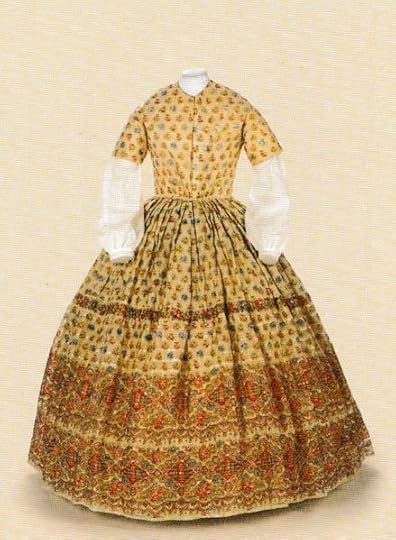
This richly illustrated and lively social history explores the creation, consumption and spectacle of fashionable dress in Aotearoa New Zealand from 1840 to the early 1900s. Dressmakers were essential contributors to the development of New Zealand, and as a colonial outpost of the British Empire, New Zealand’s 19th century dress culture was heavily shaped by international trends. Interactions with Māori, the demands of settler lifestyle and the country’s geography all added another layer.
Dressed: Fashionable dress in Aotearoa New Zealand 1840 to 1910 teems with the fascinating, busy lives of early businesswomen, society women and civic figures. Featuring dresses and fashionable accessories from museums throughout Aotearoa New Zealand, and including over 300 images, this major book makes a significant contribution to histories of colonial dress.
Claire's research interests lie primarily in New Zealand's fashion history and associated industries, including textile design, retail, marketing, publishing and photography, and 20th century and contemporary craft, in particular studio jewellery. Current research includes Te Papa’s 19th-century dress collection, and the changing relationship between nature and clothing.
(Deserved) Winner of the Ockham New Zealand Book Awards for Booksellers Aotearoa New Zealand Award Illustrated Non-Fiction (2022)
I think this is the most beautiful book I have ever seen!
Just look at it! The delicate, soft pink used, the front cover lightly padded which just makes one want to stroke it!
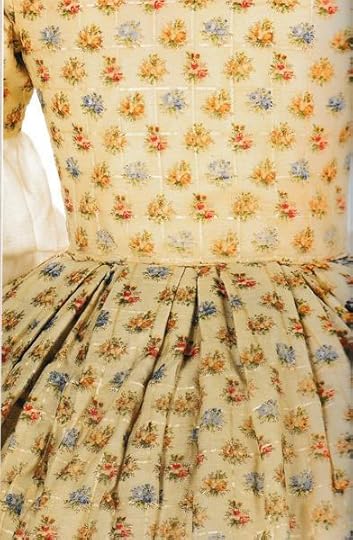
It isn't only the exterior that is well presented the photographs are beautifully done.
They often have a more detailed close up.
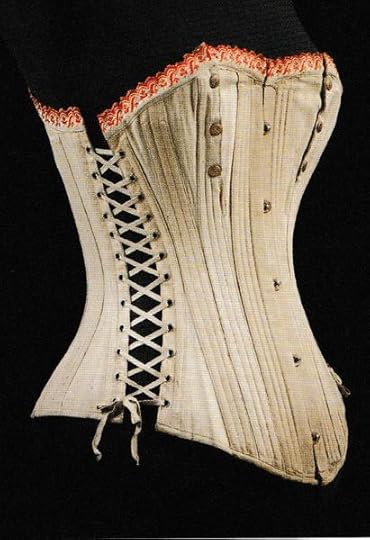
Some of the garments may look more like instruments from a torture chamber - a maternity corset (also to be used whilst breastfeeding)
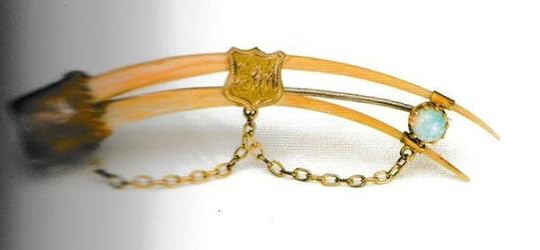
This book doesn't shy away from the controversial. The trade in feathers caused the extinction or near extinction of many species. I have no quarrel with feathers being used used for feather cloaks or for muffs (NZ/Aotearoa had no native animals, although my aging memory thinks a species of rat arrived with the Māori) and people have to keep warm somehow! I just hope this poor Huia wasn't only killed for it's beak!
In spite of efforts to protect it, the last known sighting of a Huia was 1907. [source:this book]
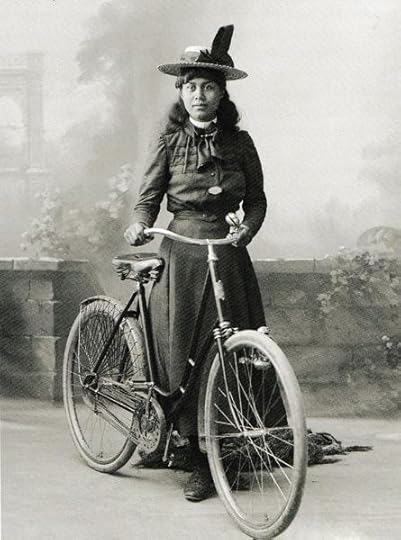
Towards the end of this book, clothing was changing for the more practical - some of the fashions in the early part of this book must have been a nightmare for these pioneering women! Here is Māori nurse Hannah Hippolite wearing a shorter skirt - & knickerbockers were controversial, but popular.
This book is published by Te Papa (our national museum) & the end covers some of the techniques & difficulties in preserving these often fragile treasures. I volunteer at our local museum and know that we even need special mannequins to avoid the clothes being further damaged. I'm going to a meeting at the museum tomorrow & will try to take a picture of a couple of the wedding dresses we have just acquired.
I'm sure you have already guessed this, but I highly recommend this book!
This book is stunning! First I gobbled up the photographs, poring over each one. Then I went back through the text, which is incredibly well-researched and interesting. Then I had another look at the photographs, which are amazing. I have to admit I only skimmed over the chapter on fur and feathers, it was too heartbreaking.
A sumptuous book filled with images of the most exquisite Victorian clothing sourced from museums throughout NZ, beautifully photographed and full of fascinating information about the people who wore them. There are chapters on Māori fashion, feathermania, mourning traditions, shopping and home sewing – a fabulous resource for historical fiction writers.
This book is a treasure from the padded, soft pink cover, through the beautifully detailed illustrations and well researched history of colonial fashion in New Zealand. The author has not just focused on the costume styles, but included detail of the fabrics and accessories used during this time; the manufacture, and importation of the fabrics; patterns used to create the clothing; the interweaving of British fashion with native accessories; historical notes of those who owned the illustrated costumes and the dressmakers who created them were included.
A book I shall spend a winters day browsing again.
A thoroughly deserved winner of the Ockham New Zealand Book Awards for Booksellers Aotearoa New Zealand Award Illustrated Non-Fiction (2022).




 The delicate, soft pink used, the front cover lightly padded which just makes one want to stroke it!