A collection of memoirs, sketches, anecdotes, essays, memories and mini-travelogues
اس کتاب میں علی اکبر ناطق نے اپنے بچپن،لڑکپن اورنوجوانی کےدلچسپ واقعات تحریر کیے ہیں۔یہ ایک انوکھی کتاب ہے،جونہ خاکے ہیں،نہ خودنوشت۔لیکن انتہائی دلچسپ اورقابل ِ مطالعہ کتاب ہے۔علی اکبرناطق نے بہت سادہ اسلوب اپنے بچپن اورلڑکپن کی یادوں کوقارئین کے سامنے پیش کیاہے۔یہ یادیں قاری کو اپنی اپنی سی لگتی ہیں۔یہ سب کچھ ہمارےارد گردبکھراہواہے اورایسے بہت سے حادثات اورواقعات سب کے ساتھ پیش آئے ہیں۔یہی اپنائیت اورمصنف کی سچ بیانی قاری کی مکمل توجہ حاصل کرلیتی ہے اوروہ پوری کتاب پڑھنے پرمجبورہوجاتاہے۔یہ سچ مچ کچے گھروں، عام لوگوں کی کہانیاں ہیں۔
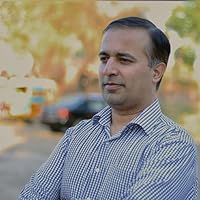
Ali Akbar Natiq began working as a mason, specializing in domes and minarets, to contribute to the family income while he read widely in Urdu and Arabic. Acclaimed as one of the brightest stars in Pakistan's literary firmament, Natiq has published two volumes of poetry and one collection of short stories.
अली अकबर नातिक़ का जन्म 1976 में ओकारा, पाकिस्तान में हुआ था। मैट्रिक करने के बाद उन्होंने अपने परिवार के गुज़ारे के लिए एक राजमिस्त्री के रूप में काम करना शुरू किया और गुंबदों और मीनारों के माहिर मिस्त्री बन गए। उन्होंने उर्दू और अरबी साहित्य खूब पढ़ा और प्राइवेट से बीए की डिग्री हासिल की। उन्होंने उर्दू पत्रिकाओं में अपनी शुरुआती कहानियों और कविताओं के प्रकाशन के साथ ही साहित्य की दुनिया में अपना खास मुकाम बना लिया। उन्हें उर्दू में लिखने वाले बेहतरीन युवा लेखकों में से एक माना जाता है।
Ali Akbar Natiq is a natural teller of tales. These can at times be rather tall tales and sometimes very tall tales but in the final analysis they are almost always very amusing and lyrically told tales. This book is part memoir (largely childhood, adolescence and young adulthood); part a series of sketches of people and places (mostly from and around his village near Okara, Okara and other small neighboring towns, and Lahore), part travelogue (essentially in Skardu valley and its surrounds), part myth and mythology as overhead; and, part additional snippets and accounts that are not easily categorized. But one thing is for sure. They are highly interesting and written with affection, inspiration and flair. I have had lots on my plate these past few days but found it very hard to put down the book and hence read it in two sittings, often chuckling or laughing out aloud for also on offer in this book is Natiq's special brand of wit.
Despite the vast overall cast of characters in 'Kachay gharon ki kahanian,' certain eclectic, often idiosyncratic and rather distinctive characters make more frequent and fairly memorable appearances. These include: real and imagined but always fearsome snakes; irate and thuggish Arab bedouin employers; various and highly independent-minded asses and mules; leftist intellectuals of dubious integrity; local landlords of despotic tendencies; false pirs of avaricious bent; pedantic and dogmatic mullahs with narrow horizons; village wits, fools, laggards and no-gooders; literary icons and their hangers on; and saintly, affectionate elders from the foggy days of childhood.
Natiq's memories and exploits display a free sprit and uninhibited approach to existence. Hence it is not unsurprising that we came across, inter alia, incidents such as at least two near drownings; a very young Natiq shoved and pushed and almost ending up in Mohtarma Benazir Bhutto's lap; a much older Natiq trying to get sucked up by the marshland in Deosai plateau; and, escapades and exploits of various enormity and peril in the Arab wilderness, as member of a wedding band, as a stealer of Jamun tree wood, and, as a teenaged Ghengis Khan zealously waging war on the back of a donkey, like a modern day Sancho Panza.
Sancho Panza he may have appeared in that particular instance but Natiq is more Quixotic than anything in his general enthusiasm to take on the world and all the wondrous variety it offers, in his humanity, simplicity and forthrightness, in his self-dignity as well as sense of exaltedness, and in his ability to look for and manufacture a battle where chances of orchestrating one were rather remote. And what a remarkable life he has led, overcoming adversity and lack of opportunity with great spirit and resolve. While this book provides several glimpses of the idyllic nature of rural existence with limited means and he narrates much that is heart-warming; there is also adversity, at times privation and several seemingly insurmountable challenges to getting an education and creating employment opportunities. A particularly touching episode is when he bicycles several miles in his shabby work attire to find out if he had passed his BA exam, with barely enough in his pocket to purchase the gazettes that published results. An artisan specializing in building mosques, an exploited and badly treated day laborer in Arab lands, a milk-collector for a multi-national, what appears to sustain and propel him in mundaneness, monotony and adversity, is his deep and abiding love for literature.
Often constrained financially he nevertheless manages to educate himself, read widely and deeply and hone his craft. Taking a break in the sweltering heat while working as a mason, his respite lies in the shade of a tree and a book. A life full of challenges and yet also great rejoicing in all that it offers. Nature (which is ubiquitous and resplendent in his writings), friendships, seasons, diversity of human experience, close-knit communities, humor, an structured lifestyle that allows freedom to roam, wander, experience and explore, and above all literary expression are what reflect brightly in the various cleverly titled chapters of this book.
A library built by the sensitive poet-bureaucrat Mustafa Zaidi in a new Union Council building quenched the thirst of a young Natiq, who later would read his moving poems in moonlight filtering through a large, leafy tree in a bare courtyard adjacent to a mosque he was building as an artisan. Amazing how a poet helps continue the legacy of poetry through an act of vision and generosity and how two poets are connected across the decades by the power of the written word.
How do we gauge and judge any foibles and prejudices that someone may have? After all, our life experiences are so very different and our biases and propensities ingrained in us at such an early formative stage. It is no different with Natiq. When he goes with the flow and listens to his heart he can be irrepressible, joyous and much more embracing and accepting of life beyond usual human categorizations, biases and classifications. When he scrutinizes and analyzes too much we find that he can find it hard to break the shackles of a certain parochialism - whether based on sectarian identity, a rural distrust of the urban, or a class resentment towards the elites - economic, political and literary. None of this is surprising because we also know of structured and entrenched exploitation along these very parameters on the basis of majoritarianism as well as privileges of birth, wealth, power and access. Prejudice begets prejudice. Bigotry begets bigotry. However, we expect more of writers as we expect too much of them and we imagine them to be always imbued with a sense of universality and forgiveness. In real life that is not always the case, and understandably so. However, literature does exalt and it its that exalting state where Natiq the writer is at his most sublime. The self-love too that Natiq at times displays in some of his writings is partially to create drama and partially the defense mechanism of someone who has had to make his own way in a world that provides scarce opportunities to those not born with them. Whether in the world of economic opportunity or in the literary sphere. But the uplifting thing in all of this is not only Natiq's own resounding self-confidence and belief in his abilities but the wide and genuine admiration he has garnered from literary luminaries as well as the large and loyal following of his readers. If then Natiq feels like writing letters to Ghalib and imagining Ghalib's responses to him, who dare interrupt or question this exalted exchange?
It is rare that my review of a book would include so much on the writer himself/herself. But then this book is essentially a series of windows into Natiq's life and it is impossible therefore not to comment on it. From a young child who along with his brothers was caught in a ferocious hailstorm while cutting fodder for the cattle and got a memorable battering to a young man who supervised donkeys transporting dates in the Arab wilderness to someone who sells out the first edition of his books within weeks of their publishing, Natiq has elbowed, bellowed and willed himself to earn and keep his rightful place as one of the most gifted and widely read contemporary Urdu writers. More power to him.
P.S. (This edition is decently printed but I am told that Book Corner is going to print it soon to add it to their vast list of Natiq publications. That is good news indeed for one can be sure that it will be beautifully brought out).
علی اکبر ناطق ایک فطری قصہ گو ہیں جو یادوں، روایات اور ذاتی تجربات کو دلچسپ انداز میں بیان کرتے ہیں۔ ان کی کتاب کچے گھروں کی کہانیاں بیک وقت یادداشت، سفرنامہ اور سماجی تبصرہ ہے۔
ناطق اپنی تحریر کے ذریعے ہمیں اپنے بچپن کے گاؤں اوکاڑہ سے لے کر لاہور کی مصروف گلیوں، پھر پردیس میں گزرے دنوں اور آخر میں گلگت بلتستان کے دلکش مناظر تک لے جاتے ہیں۔ اس کتاب میں بیان کیے گئے زیادہ تر قصے ان کی خودنوشت میں بھی موجود ہیں۔ اگر آپ وہ کتاب پڑھ چکے ہیں تو اس میں کچھ زیادہ نیا نہیں ملے گا۔ لیکن اگر آپ نے وہ کتاب نہیں پڑھی یا ناطق کی تحریر سے ابھی آشنا نہیں ہیں، تو یہ کتاب آپ کے لیے ایک دلچسپ تجربہ ثابت ہو سکتی ہے۔