

What do you think?

人的自我寻求
《人的自我寻求》从分析人的空虚、孤独与焦虑入手,解释现代人面临的严重心理困境,并进一步指出,造成这一混乱的根源是价值核心的丧失、自我感的丧失、语言的丧失和悲剧感的丧失等社会历史和文化心理的因素。然后通过强调自我意识是人不同于动物的独特标志;力图论证它是人的自由赖以存在的基础。最后试图通过对自由、良心、勇气等传统价值作新的阐释而重新确立人格整合的目标。
罗洛·梅把欧洲的存在主义哲学和心理学思想介绍到美国。开创了以探讨人的存在价值和生存意义为主题的美国存在心理学及人本主义心理学中主张自我选择的研究取向。他的20余部专著以其丰富的思想内涵带给现代人深刻的精神启示。
罗洛·梅把欧洲的存在主义哲学和心理学思想介绍到美国。开创了以探讨人的存在价值和生存意义为主题的美国存在心理学及人本主义心理学中主张自我选择的研究取向。他的20余部专著以其丰富的思想内涵带给现代人深刻的精神启示。
246 pages, Hardcover
First published April 1, 1953
About the author
Rollo May
70 books880 followersRollo May (April 21, 1909 – October 22, 1994) was an American existential psychologist. He authored the influential book Love and Will during 1969.
Although he is often associated with humanistic psychology, his philosophy was influenced strongly by existentialist philosophy. May was a close friend of the theologian Paul Tillich. His works include Love and Will and The Courage to Create, the latter title honoring Tillich's The Courage to Be.
Biography
May was born in Ada, Ohio in 1909. He experienced a difficult childhood, with his parents divorcing and his sister becoming schizophrenic. His educational career took him to Michigan State College majoring in English and Oberlin College for a bachelor's degree, teaching for a time in Greece, to Union Theological Seminary for a BD during 1938, and finally to Teachers College, Columbia University for a PhD in clinical psychology during 1949. May was a founder and faculty member of Saybrook Graduate School and Research Center in San Francisco.[1]
He spent the final years of his life in Tiburon on San Francisco Bay, where he died in October 1994.
Accomplishments
May was influenced by American humanism, and interested in reconciling existential psychology with other philosophies, especially Freud's.
May considered Otto Rank (1884-1939) to be the most important precursor of existential therapy. Shortly before his death, May wrote the foreword to Robert Kramer's edited collection of Rank’s American lectures. “I have long considered Otto Rank to be the great unacknowledged genius in Freud’s circle,” wrote May (Rank, 1996, p. xi).
May used some traditional existential terms in a slightly different fashion than others, and he invented new words for traditional existentialist concepts. Destiny, for example, could be "thrownness" combined with "fallenness" — the part of our lives that is determined for us, for the purpose of creating our lives. He also used the word "courage" to signify resisting anxiety.
He defined certain "stages" of development:
Innocence – the pre-egoic, pre-self-conscious stage of the infant.
An innocent is only doing what he or she must do. However, an innocent does have a degree of will in the sense of a drive to fulfill needs.
Rebellion – the rebellious person wants freedom, but does not yet have a good understanding of the responsibility that goes with it.
Decision – The person is in a transition stage in their life such that they need to be more independent from their parents and settle into the "ordinary stage". In this stage they must decide what to do with their life, and fulfilling rebellious needs from the rebellious stage.
Ordinary – the normal adult ego learned responsibility, but finds it too demanding, and so seeks refuge in conformity and traditional values.
Creative – the authentic adult, the existential stage, self-actualizing and transcending simple egocentrism.
These are not "stages" in the traditional sense. A child may certainly be innocent, ordinary or creative at times; an adult may be rebellious. The only association with certain ages is in terms of importance: rebelliousness is more important for a two year old or a teenager.
May perceived the sexual mores of the 1960s and 1970s, as well as commercialization of sex and pornography, as having influenced society such that people believed that love and sex are no longer associated directly. According to May, emotion has become separated from reason, making it acceptable socially to seek sexual relationships and avoid the natural drive to relate to another person and create new life. May believed that sexual freedom can cause modern society to neglect more important psychological developments. May suggests that the only way to remedy the cynical ideas that characterize our times is to rediscover the importance of caring for another, which May describes as the opposite of apathy.
His first book, The Meaning of Anxiety, was based on his d
Although he is often associated with humanistic psychology, his philosophy was influenced strongly by existentialist philosophy. May was a close friend of the theologian Paul Tillich. His works include Love and Will and The Courage to Create, the latter title honoring Tillich's The Courage to Be.
Biography
May was born in Ada, Ohio in 1909. He experienced a difficult childhood, with his parents divorcing and his sister becoming schizophrenic. His educational career took him to Michigan State College majoring in English and Oberlin College for a bachelor's degree, teaching for a time in Greece, to Union Theological Seminary for a BD during 1938, and finally to Teachers College, Columbia University for a PhD in clinical psychology during 1949. May was a founder and faculty member of Saybrook Graduate School and Research Center in San Francisco.[1]
He spent the final years of his life in Tiburon on San Francisco Bay, where he died in October 1994.
Accomplishments
May was influenced by American humanism, and interested in reconciling existential psychology with other philosophies, especially Freud's.
May considered Otto Rank (1884-1939) to be the most important precursor of existential therapy. Shortly before his death, May wrote the foreword to Robert Kramer's edited collection of Rank’s American lectures. “I have long considered Otto Rank to be the great unacknowledged genius in Freud’s circle,” wrote May (Rank, 1996, p. xi).
May used some traditional existential terms in a slightly different fashion than others, and he invented new words for traditional existentialist concepts. Destiny, for example, could be "thrownness" combined with "fallenness" — the part of our lives that is determined for us, for the purpose of creating our lives. He also used the word "courage" to signify resisting anxiety.
He defined certain "stages" of development:
Innocence – the pre-egoic, pre-self-conscious stage of the infant.
An innocent is only doing what he or she must do. However, an innocent does have a degree of will in the sense of a drive to fulfill needs.
Rebellion – the rebellious person wants freedom, but does not yet have a good understanding of the responsibility that goes with it.
Decision – The person is in a transition stage in their life such that they need to be more independent from their parents and settle into the "ordinary stage". In this stage they must decide what to do with their life, and fulfilling rebellious needs from the rebellious stage.
Ordinary – the normal adult ego learned responsibility, but finds it too demanding, and so seeks refuge in conformity and traditional values.
Creative – the authentic adult, the existential stage, self-actualizing and transcending simple egocentrism.
These are not "stages" in the traditional sense. A child may certainly be innocent, ordinary or creative at times; an adult may be rebellious. The only association with certain ages is in terms of importance: rebelliousness is more important for a two year old or a teenager.
May perceived the sexual mores of the 1960s and 1970s, as well as commercialization of sex and pornography, as having influenced society such that people believed that love and sex are no longer associated directly. According to May, emotion has become separated from reason, making it acceptable socially to seek sexual relationships and avoid the natural drive to relate to another person and create new life. May believed that sexual freedom can cause modern society to neglect more important psychological developments. May suggests that the only way to remedy the cynical ideas that characterize our times is to rediscover the importance of caring for another, which May describes as the opposite of apathy.
His first book, The Meaning of Anxiety, was based on his d
Ratings & Reviews
Friends & Following
Create a free account to discover what your friends think of this book!
Community Reviews
Displaying 1 - 30 of 305 reviews

March 19, 2009
I got this book for 10 cents at a library used book sale. It sat on my book shelf for two years and I picked it up just to flip through it and it couldn't have been a better time. It is exactly what I was looking for, talk about a meaningful coincidence. It was written in the 1950's by the great existential psychologist Rollo May and it is still valid in today’s world. May discusses the importance of becoming your own person and how we find meaning within ourselves. He also talks about the struggle against dependency and taking responsibility for our own lives. I can't say enough about the great work that this book is. It has definately changed the way I look at myself and how I do therapy with my clients.

February 17, 2016

In this book, I noticed parallelisms between Rollo May's insights with those of Erich Fromm, especially on the aspect of freedom and irrational authority. But the difference is, May's style is rather free-flowing and spontaneous as contrasted with Fromm's somewhat repetitive with rigorously referenced writing.
Condemning ourselves is the quickest way to get a substitute sense of worth. People who have almost, but not quite, lost their feeling of worth generally have very strong needs to condemn themselves, for that is the most ready way of drowning the bitter ache of feelings of worthlessness and humiliation. It is as though the person were saying to himself, “I must be important that I am so worth condemning,” or “Look how noble I am: I have such high ideals and I am so ashamed of myself that I fall short.” A psychoanalyst once pointedly remarked that when someone in psychoanalysis berates himself at great length for picayune sins, he feels like asking, “Who do you think you are?” The self-condemning person is very often trying to show how important he is that God is so concerned with punishing him.
May discusses the phenomenon of man's inability to deal with his own condition of being alone, the anxiety that causes one to feel when being confronted with the reality of having to deal with ones own existence within ones own context. The resulting fear, anxiety, and even panic of confronting this reality of being alone, or with people who do not want to face it when they call the state as 'loneliness.'
Loneliness is such an omnipotent and painful threat to many persons that they have little conception of the positive values of solitude, and even at times are very frightened at the prospect of being alone. Many people suffer from “the fear of finding oneself alone,” remarks André Gide, “and so they don’t find themselves at all.
...
And did not Spinoza's refusing to flee from excommunication by his church and community mean the same inner battle of integrity, the same struggle for the power not to be afraid of aloneness, without which the noble Ethics, certainly one of the great works of all time, could not have been written?
...
Man, furthermore, must make his choices as an individual, for individuality is one side of one’s consciousness of one’s self. We can see this point clearly when we realize that consciousness of one’s self is always a unique act—I can never know exactly how you see yourself and you never can know exactly how I relate to myself. This is the inner sanctum where each man must stand alone. This fact makes for much of the tragedy and inescapable isolation in human life, but it also indicates again that we must find the strength in ourselves to stand in our own inner sanctum as individuals.
He draws his insights from occasional tidbits with Kierkegaard, Nietzsche and Kafka, whom he considers to have been influential on his thought with regards to the condition of man. He also integrated key psychodynamic concepts which are essential in the practice of therapy, case analyses, and so on.
I am quite adamant, however on his overemphasis on matriarchal authority, which he blames as being a great factor for the neurosis of his young male patients. This is perhaps due to what he had analyzed based on his practice, but to pay so much blame on matriarchy at the expense of neglecting other factors, I see it to be biased for his part. The only portion on this book that might convince me of impartiality is his statement of considering social factors that would vary as per condition of each patient. Overall, the book is easy to understand and his insights are straightforward with brutal honesty. I can't say that it is rigorously written in academic style, but it is helpful especially for practicing psychologists geared towards the existential-humanistic orientation.

August 6, 2024
حرف اصلی آقای رولو می در این کتاب اینه که او معتقده انسان بزرگترین مشکلی که داره تهی بودنشه و این تهی بودن با "خودآگاهی" برطرف میشه.کتاب از سه بخش و هشت فصل تشکیل شده. چهار پنج فصل اول برای من جذابیت بیشتری داشت.کتابی بود که آدم رو به فکر میبرد و لحن خشک و سنگینی نداشت.نویسنده گاهی اوقات با مثال از شخصیتهای داستانهای کافکا و آلبرکامو و فاکنر و سایر نویسنده های بزرگ دنیا مطالبش رو توضیح میداد. همچنین از نظرات فلاسفه ای چون کیرکگور هم استفاده میکرد. در مورد ترجمه این نکته رو بگم وقتی یک اثر غیر ایرانی میخونم دوست دارم اصالت اثر حفظ بشه و مترجمی که در مثالهای آورده شده مسائلی ذکر کرده که با فرهنگ و اعتقادات رولو می همخوانی نداره.مثلا سبزی پلو شب عید و استاد شجریان در مثالهای مترجم بود! البته از یک طرف دیگه چندین پینوشت خوب و مفید از جانب مترجم بود که به مطالعه کمک شایانی میکرد...در ادامه خیلی خلاصه و کوتاه در مورد هر فصل یه توضیحات اندکی میدم:
در فصل اول کتاب آقای رولو می اساسی ترین مشکل بشر امروزی رو ( کتاب اواسط قرن بیستم نوشته شده) تهی بودن میدونه. او منظورش از تهی بودن رو توضیح میده. ویژگی دیگر انسان از نظر او تتهایی است.مثل مورد قبل منظورش از تنهایی و بالخصوص تنهایی در فرهنگ آمریکایی رو بررسی میکنه. در این بین علت ترس از تنهایی رو هم بیان میکنه.سومین ویژگی انسان امروز که اون رو بدتر از دو ویژگی قبلی در نظر میگیره، دلهره و اضطرابه.مثل دو مورد قبلیش با یک بیان شیوا و ساده اضطراب رو توضیح میده و آثار سوء اون رو بررسی میکنه.مثالهایی که رولو می در حین توضیح دادن این مفاهیم به کار میبره به فهم و درک مطلب کمک خوبی میکنه.
تو فصل دوم آقای می ریشه مشکل بشر رو شرح میده و اون رو عدم خودشناسی میدونه. یعنی معتقده بشری که بزرگترین مشکلش از نظراو تهی بودن است، ریشه این تهی بودن در عدم خودشناسی و از دست رفتن احساس شخصیت فردی است. این قضیه رو باز میکنه. از نقش کوتاهی زبان در برقراری ارتباط شخصی بین افراد میگه و در ادامه توضیح میده به خاطر این مشکلات، حتی رابطه انسان با طبیعت به هم خورده.او معتقده جامعه به آدمهایی نیاز داره که باید خودشان باشند، یعنی کسانی که در رویای با دنیای بیرون متکی به نیروی شخصی و درونی خود باشند. در انتهای این فصل صحبت در مورد این نیروی شخصی و درونی رو موکول به فصل سوم میکنه.
فصل سوم ابتدا در مورد خویشتن و احساس وجود خویشتن مباحثی رو مطرح میکنه و از لزوم خودآگاهی حرف میزنه.به اینجا میرسه که دو نقد به تاکید بر خودآگاهی پاسخ میده، نقد اول کسانی که توجه زیاد به خود رو باعث این میدونند که انسان بیش از حد درونگرا میشه و نقد دوم اینه که عده ای معتقدند توجه به خود ممکنه باعث غرور بشه. رولو می در صفحات به هر دوی این نقدها پاسخ میده و قضیه رو بررسی میکنه.در ادامه بحث خودآگاهی به مبحث بدن هر فرد میرسه و معتقده توجه ما به بدن و سلامتیمون و احساسات شخصی به خودآگاهی کمک میکنه، او معتقده جسم و روان به هم مرتبط و تاثیرگذارند.
عنوان فصل چهارم " تقلا برای خود بودن " است و در این فصل هم در مورد سختی های رسیدن به خودآگهی صحبت میشه. رولو می در این فصل و به کمک یکی از داستانهای اسطوره ای یونان باستان، سرگذشت اورستس رو بازگویی میکنه که در واقع تلاشی است برای رهایی از سلطه مادر.
در فصل پنجم از آزادی و ارتباط و تاثیرش با قدرت درونی حرف میزنه.ابتدا میگه چه چیزهایی آزادی نیست و سپس به تعریف خودش از آزادی میپردازه و در مورد آزادی و ساختار و موارد دیگه صحبت میکنه.
فصل ششم کتاب تحت عنوان " وجدان خلاق" ابتدا داستان آدم و پرومته رو نقد میکنه و سپس نقش دین و تاثیری که داره رو بررسی میکنه.مطالب این فصل برای من انسجام نداشت و به نظرم نیاز به هرس کاری داشت.
فصل هفتم با عنوان "جرات، فضیلت بلوغ " ابتدا به تعریف جرات میپردازه .مطالب این بخش شیرین و خواندنی و جالب بود.در ادامه از عشق میگه که من متوجه نشدم این بخش چرا تو این فصل آورده شده و در انتها هم جرات رو لازمه رویایی با حقیقت میدونه و در این مورد توضیحاتی میده تا این فصل به بهترین شکل تمام بشه.
فصل انتهایی کتاب عنوانش هست "انسان، فرارونده از زمان". در این فصل به این مطلب میپردازه که برخی از ما فکر میکنیم که تو بد دوره ای زندگی میکنیم و ای کاش تو یک دوره و عصر دیگر زندگی میکردیم. رولو می در ادامه این دیدگاه رو نقد میکنه و سعی میکنه این طرز فکر رو به چالش بکشونه و دیدگاه خودش رو ارائه بده.
در فصل اول کتاب آقای رولو می اساسی ترین مشکل بشر امروزی رو ( کتاب اواسط قرن بیستم نوشته شده) تهی بودن میدونه. او منظورش از تهی بودن رو توضیح میده. ویژگی دیگر انسان از نظر او تتهایی است.مثل مورد قبل منظورش از تنهایی و بالخصوص تنهایی در فرهنگ آمریکایی رو بررسی میکنه. در این بین علت ترس از تنهایی رو هم بیان میکنه.سومین ویژگی انسان امروز که اون رو بدتر از دو ویژگی قبلی در نظر میگیره، دلهره و اضطرابه.مثل دو مورد قبلیش با یک بیان شیوا و ساده اضطراب رو توضیح میده و آثار سوء اون رو بررسی میکنه.مثالهایی که رولو می در حین توضیح دادن این مفاهیم به کار میبره به فهم و درک مطلب کمک خوبی میکنه.
تو فصل دوم آقای می ریشه مشکل بشر رو شرح میده و اون رو عدم خودشناسی میدونه. یعنی معتقده بشری که بزرگترین مشکلش از نظراو تهی بودن است، ریشه این تهی بودن در عدم خودشناسی و از دست رفتن احساس شخصیت فردی است. این قضیه رو باز میکنه. از نقش کوتاهی زبان در برقراری ارتباط شخصی بین افراد میگه و در ادامه توضیح میده به خاطر این مشکلات، حتی رابطه انسان با طبیعت به هم خورده.او معتقده جامعه به آدمهایی نیاز داره که باید خودشان باشند، یعنی کسانی که در رویای با دنیای بیرون متکی به نیروی شخصی و درونی خود باشند. در انتهای این فصل صحبت در مورد این نیروی شخصی و درونی رو موکول به فصل سوم میکنه.
فصل سوم ابتدا در مورد خویشتن و احساس وجود خویشتن مباحثی رو مطرح میکنه و از لزوم خودآگاهی حرف میزنه.به اینجا میرسه که دو نقد به تاکید بر خودآگاهی پاسخ میده، نقد اول کسانی که توجه زیاد به خود رو باعث این میدونند که انسان بیش از حد درونگرا میشه و نقد دوم اینه که عده ای معتقدند توجه به خود ممکنه باعث غرور بشه. رولو می در صفحات به هر دوی این نقدها پاسخ میده و قضیه رو بررسی میکنه.در ادامه بحث خودآگاهی به مبحث بدن هر فرد میرسه و معتقده توجه ما به بدن و سلامتیمون و احساسات شخصی به خودآگاهی کمک میکنه، او معتقده جسم و روان به هم مرتبط و تاثیرگذارند.
عنوان فصل چهارم " تقلا برای خود بودن " است و در این فصل هم در مورد سختی های رسیدن به خودآگهی صحبت میشه. رولو می در این فصل و به کمک یکی از داستانهای اسطوره ای یونان باستان، سرگذشت اورستس رو بازگویی میکنه که در واقع تلاشی است برای رهایی از سلطه مادر.
در فصل پنجم از آزادی و ارتباط و تاثیرش با قدرت درونی حرف میزنه.ابتدا میگه چه چیزهایی آزادی نیست و سپس به تعریف خودش از آزادی میپردازه و در مورد آزادی و ساختار و موارد دیگه صحبت میکنه.
فصل ششم کتاب تحت عنوان " وجدان خلاق" ابتدا داستان آدم و پرومته رو نقد میکنه و سپس نقش دین و تاثیری که داره رو بررسی میکنه.مطالب این فصل برای من انسجام نداشت و به نظرم نیاز به هرس کاری داشت.
فصل هفتم با عنوان "جرات، فضیلت بلوغ " ابتدا به تعریف جرات میپردازه .مطالب این بخش شیرین و خواندنی و جالب بود.در ادامه از عشق میگه که من متوجه نشدم این بخش چرا تو این فصل آورده شده و در انتها هم جرات رو لازمه رویایی با حقیقت میدونه و در این مورد توضیحاتی میده تا این فصل به بهترین شکل تمام بشه.
فصل انتهایی کتاب عنوانش هست "انسان، فرارونده از زمان". در این فصل به این مطلب میپردازه که برخی از ما فکر میکنیم که تو بد دوره ای زندگی میکنیم و ای کاش تو یک دوره و عصر دیگر زندگی میکردیم. رولو می در ادامه این دیدگاه رو نقد میکنه و سعی میکنه این طرز فکر رو به چالش بکشونه و دیدگاه خودش رو ارائه بده.

Read
September 6, 2018جانم به این کتاب، لذت بردم از خواندنش امیدوارم لذت ببرید. کتابی روان و خوش خوان که باعث تفکر میشه، نویسنده به زیبایی از مطالب کتاب های دبگه برای فهم مطلب استفاده کرده و برداشت های جالبی از آن ها ارائه داده که آدم رو مشتاق می کنه که بعداز خواندن اون کتابا دوباره به سراغش بیاد، ترجمه هم با پی نوشت ها زیبا تر شده است، دست مترجم درد نکنه.
... ....
هدف انسان از زندگی باید برآوردن، شکوفا ساختن و به کار گرفتن آزادانه، صادقانه و مسئولانه طبیعت و توانایی شخصی خویشتن باشد.
...
معیار های سنجش خوشبختی صداقت، انسجام شخصیت، جرأت و عشق در ارتباط با جهان و لحضات زندگی است.
... ....
هدف انسان از زندگی باید برآوردن، شکوفا ساختن و به کار گرفتن آزادانه، صادقانه و مسئولانه طبیعت و توانایی شخصی خویشتن باشد.
...
معیار های سنجش خوشبختی صداقت، انسجام شخصیت، جرأت و عشق در ارتباط با جهان و لحضات زندگی است.

February 1, 2020
Somehow this book manages to be both great and completely average at the same time. Below, I will attempt to explain.
Contemporaries with Erich Fromm on the one hand and Rogers and Maslow on the other, Rollo May tracks a course between them. Like his contemporaries, May was writing at a time where the field was trying to find a way beyond Freud. According to May, and he was onto something in this regard, the fundamental psychological malady of the day has (in 1953) changed since Freud's time. The neurotics of Freud's era, who were unsuccessfully coping with the Victorian morals and bourgeoisie family headed by the paterfamilias, had by 1950s America given way. May fairly depicts the liberalization of the American culture, including the sexual mores, since the 1920s and carrying through the 1950s. However, that had not given rise to a liberated man. Instead, we found a man in 1950s America who was equally unfree. However, 1950s man--not unlike his 2020s counterpart--often did not even know what was ailing him. What May describes is a piece with what David Riesman had diagnosed as the outer-directed personality and what William Whyte had depicted as the organization man. What we have, says May, and I would tend to agree, is the loneliness (in the sense of the Lonely Crowd) and anxiety of modern man.
After going over the roots of the predicament and the etiology of the malady, May launches into what could aptly be called a neo-Freudian counter to Roger's and Maslow's humanistic psychology. At times it was incredibly insightful; at other times, it was infuriatingly limited; and at yet other times, painstakingly plodding in the writing and analysis. In short, it captured the best and the worst of the Freudian tradition. In his diagnosis, May was in abundant company, including the authors mentioned above. He was also clearly following in the footsteps of Freud and among others Karen Horney. In this vein, one of the frustrating limitations of the Freudian and neo-Freudian tradition was the use of individual case histories as evidence to support their theories. May was a product of this tradition and falls victim to this limitation. At best, an individual case history is an illustration; it is by no means a proof of concept. There are more than a few striking examples where this led May askew and on occasion to gross over-generalization. As a diagnostic tool for the culture, his replacement of the Orestes complex for Oedipus still seems incredibly off the mark. American has, historically and until the very recent past, been a culture that left the business and public sphere to men and largely delegated the home quarter's to the wives. While there are certainly individuals who deal with overbearing mothers, America has never been a matriarchy outside of the domestic quarters.
With that said, May is at other times surprisingly insightful; subject to his method, he is hit or miss; and with the hits, they strike a cord. 1950s man is, according to May, in an existential bind. Like the boys in Lord of the Flies, man finds himself stationed on the the pale blue dot, the third rock from the sun, without any gods except the ones he himself creates. Meanwhile, unlike the species, each individual is born completely helpless and dependent on the parents. The challenge for man (the species) is to grow up into maturity beyond the imaginary gods and beasts that he creates to bolster and scare himself. The challenge for the individual is to grow up and gain independence from the parents that he was so dependent on in infancy, childhood, and adolescence. May, taking a positive step in Freudian theory, no longer theorizes only about the stages of development in literal childhood; he now also speaks about the maturity man the individual and man the species must achieve.
The space we find man the individual and man the species is not an auspicious one, says May. Man and the American culture (the 1950s) is at a transitional moment. The frontier has been conquered; the Victorian morals have been helplessly outdated since the 1920s; the bourgeoisie values no longer provide direction. Yet we have not replaced them with a workable personality type and workable values to follow. Gone are pioneers who tamed the West, gone are the titans of industry - these were the old outer-directed man - outer directed towards conquering the frontier. Gone is the John Wayne swashbuckler; he took his cues from himself - this was the inner-directed man. The new outer directed personality takes his cues from the others; he gets his values and rewards from his parents, from his friends, and from society. Man can never satisfactorily get his cues from the other; that is like walking around taking ones cues from a mirror. These don't work; they are hollow. The outer-directed man is the hallow man, hallow in the midst of a crowd. Unsurprisingly, without values and a direction coming from his core self, the new outer-directed man is afflicted by anxiety. We know this outer-directed man; he is still with us in the boys, girls, men, and women of 2020. This is the the VSCO girl; this the teen and twenty something who live off of the likes on The Gram; this is the twenty something and thirty something who feed off of their matches on Tinder. However, the outlook is not much better for the rebel with or without a cause. May provides insight about the rebellion that has permeated American culture since the 1920s. May, following Nietzsche's striking insight about cultures, values, and the origin of the negation, shows the nature of rebellion. Rebellion is still rebellion against a dominant system of norms and values; rebellion takes the norms and values as given and then exists as a negation of them. Reading the limitations of the rebellions of the 1920s and 1950s, May has predicted the shortcomings of the rebellions to come in the 1960s through 1990s. The rebel has not really moved beyond his parent's and society's values. He assumes those values as the order; his defiance is their negation. However, he has not yet created a new set of values. Freedom, according to May, is moving beyond the outer-directed personality, beyond taking his values from parents and society; it is moving beyond rebellion and values that exists as negation.
The prescriptions May provides for finding true freedom, in moving beyond outer-directedness and rebellion are, not surprisingly, not wholly satisfactory. Otherwise May would be hailed as the greatest psychologist and philosopher of his generation. We will keep working on those answers.
Contemporaries with Erich Fromm on the one hand and Rogers and Maslow on the other, Rollo May tracks a course between them. Like his contemporaries, May was writing at a time where the field was trying to find a way beyond Freud. According to May, and he was onto something in this regard, the fundamental psychological malady of the day has (in 1953) changed since Freud's time. The neurotics of Freud's era, who were unsuccessfully coping with the Victorian morals and bourgeoisie family headed by the paterfamilias, had by 1950s America given way. May fairly depicts the liberalization of the American culture, including the sexual mores, since the 1920s and carrying through the 1950s. However, that had not given rise to a liberated man. Instead, we found a man in 1950s America who was equally unfree. However, 1950s man--not unlike his 2020s counterpart--often did not even know what was ailing him. What May describes is a piece with what David Riesman had diagnosed as the outer-directed personality and what William Whyte had depicted as the organization man. What we have, says May, and I would tend to agree, is the loneliness (in the sense of the Lonely Crowd) and anxiety of modern man.
After going over the roots of the predicament and the etiology of the malady, May launches into what could aptly be called a neo-Freudian counter to Roger's and Maslow's humanistic psychology. At times it was incredibly insightful; at other times, it was infuriatingly limited; and at yet other times, painstakingly plodding in the writing and analysis. In short, it captured the best and the worst of the Freudian tradition. In his diagnosis, May was in abundant company, including the authors mentioned above. He was also clearly following in the footsteps of Freud and among others Karen Horney. In this vein, one of the frustrating limitations of the Freudian and neo-Freudian tradition was the use of individual case histories as evidence to support their theories. May was a product of this tradition and falls victim to this limitation. At best, an individual case history is an illustration; it is by no means a proof of concept. There are more than a few striking examples where this led May askew and on occasion to gross over-generalization. As a diagnostic tool for the culture, his replacement of the Orestes complex for Oedipus still seems incredibly off the mark. American has, historically and until the very recent past, been a culture that left the business and public sphere to men and largely delegated the home quarter's to the wives. While there are certainly individuals who deal with overbearing mothers, America has never been a matriarchy outside of the domestic quarters.
With that said, May is at other times surprisingly insightful; subject to his method, he is hit or miss; and with the hits, they strike a cord. 1950s man is, according to May, in an existential bind. Like the boys in Lord of the Flies, man finds himself stationed on the the pale blue dot, the third rock from the sun, without any gods except the ones he himself creates. Meanwhile, unlike the species, each individual is born completely helpless and dependent on the parents. The challenge for man (the species) is to grow up into maturity beyond the imaginary gods and beasts that he creates to bolster and scare himself. The challenge for the individual is to grow up and gain independence from the parents that he was so dependent on in infancy, childhood, and adolescence. May, taking a positive step in Freudian theory, no longer theorizes only about the stages of development in literal childhood; he now also speaks about the maturity man the individual and man the species must achieve.
The space we find man the individual and man the species is not an auspicious one, says May. Man and the American culture (the 1950s) is at a transitional moment. The frontier has been conquered; the Victorian morals have been helplessly outdated since the 1920s; the bourgeoisie values no longer provide direction. Yet we have not replaced them with a workable personality type and workable values to follow. Gone are pioneers who tamed the West, gone are the titans of industry - these were the old outer-directed man - outer directed towards conquering the frontier. Gone is the John Wayne swashbuckler; he took his cues from himself - this was the inner-directed man. The new outer directed personality takes his cues from the others; he gets his values and rewards from his parents, from his friends, and from society. Man can never satisfactorily get his cues from the other; that is like walking around taking ones cues from a mirror. These don't work; they are hollow. The outer-directed man is the hallow man, hallow in the midst of a crowd. Unsurprisingly, without values and a direction coming from his core self, the new outer-directed man is afflicted by anxiety. We know this outer-directed man; he is still with us in the boys, girls, men, and women of 2020. This is the the VSCO girl; this the teen and twenty something who live off of the likes on The Gram; this is the twenty something and thirty something who feed off of their matches on Tinder. However, the outlook is not much better for the rebel with or without a cause. May provides insight about the rebellion that has permeated American culture since the 1920s. May, following Nietzsche's striking insight about cultures, values, and the origin of the negation, shows the nature of rebellion. Rebellion is still rebellion against a dominant system of norms and values; rebellion takes the norms and values as given and then exists as a negation of them. Reading the limitations of the rebellions of the 1920s and 1950s, May has predicted the shortcomings of the rebellions to come in the 1960s through 1990s. The rebel has not really moved beyond his parent's and society's values. He assumes those values as the order; his defiance is their negation. However, he has not yet created a new set of values. Freedom, according to May, is moving beyond the outer-directed personality, beyond taking his values from parents and society; it is moving beyond rebellion and values that exists as negation.
The prescriptions May provides for finding true freedom, in moving beyond outer-directedness and rebellion are, not surprisingly, not wholly satisfactory. Otherwise May would be hailed as the greatest psychologist and philosopher of his generation. We will keep working on those answers.

February 10, 2020
In Man’s Search for Himself, existential psychologist Rollo May remarks that many modern people are “hollow” in so far as they experience only a vague and general sense of who they are and how they feel.
May posits that this lack of “authentic” selfhood is due to a habitual avoidance of mortality and compulsive distraction away from inner life.
May advocates for ‘knowing the self’ via an embodied moment to moment awareness.
What may is ultimately describing is a type of existential awakening, characterized by the experience of equanimity and vitality that emerges when one arrives in the present moment, “chooses self” and abides in freedom and responsibility.
Why only 4/5 stars?
May is unbelievably good at times.
And sort of lame at others.
May is no lightweight intellectual.
But he’s not quite a heavyweight either.
That being said.
This is a really good book.
And there is much in it that is worth reading and pondering.
4 stars ⭐️ ⭐️ ⭐️ ⭐️
May posits that this lack of “authentic” selfhood is due to a habitual avoidance of mortality and compulsive distraction away from inner life.
May advocates for ‘knowing the self’ via an embodied moment to moment awareness.
What may is ultimately describing is a type of existential awakening, characterized by the experience of equanimity and vitality that emerges when one arrives in the present moment, “chooses self” and abides in freedom and responsibility.
Why only 4/5 stars?
May is unbelievably good at times.
And sort of lame at others.
May is no lightweight intellectual.
But he’s not quite a heavyweight either.
That being said.
This is a really good book.
And there is much in it that is worth reading and pondering.
4 stars ⭐️ ⭐️ ⭐️ ⭐️

August 4, 2018
My therapist recommended this book after noticing that our conversations tended to gravitate towards existential queries about the meaning of life. If you’re like me and find yourself in similar conversations, frequently asking what’s the purpose of anything or feeling stuck in a rut with life’s mundane routines and relationships, then this book is for you.
I found Rollo May’s theories and analysis fairly easy to follow considering my only exposure to psychology was a general undergrad course 10+ years ago. Rollo May leads the reader through an assessment of the current state of society in relation to the individual. Note, though this book was written in the 1950’s Rollo May’s societal assessment still holds for our politically polarized and capitalistic times. Following, he goes on to provide a path, backed by logical reasoning and analysis, for how the individual can raise above the confines of society. It’s essentially a substantive manifesto for how to obtain self-realization (to know ones self; a slight difference from self-actualization).
The impact of this book on my life and general perspective has been life changing. I highly recommend it to anyone, and everyone, especially if you just need a new perspective to uplift your mood.
Now, I believe that given our digital and social media age, you might be able to follow the instragram account or YouTube channel of some “self-love” or “walking in your light” guru rather than take on this book. And sure, that’s great. But, I must point out that you’re going to miss out on a deeper discussion that goes beyond curated hollow platitudes packaged into 1-3 minute vignettes, 20 second gifs, and daily mantras. Reading this book will have a deeper, life changing, impact; at least it did for me.
I found Rollo May’s theories and analysis fairly easy to follow considering my only exposure to psychology was a general undergrad course 10+ years ago. Rollo May leads the reader through an assessment of the current state of society in relation to the individual. Note, though this book was written in the 1950’s Rollo May’s societal assessment still holds for our politically polarized and capitalistic times. Following, he goes on to provide a path, backed by logical reasoning and analysis, for how the individual can raise above the confines of society. It’s essentially a substantive manifesto for how to obtain self-realization (to know ones self; a slight difference from self-actualization).
The impact of this book on my life and general perspective has been life changing. I highly recommend it to anyone, and everyone, especially if you just need a new perspective to uplift your mood.
Now, I believe that given our digital and social media age, you might be able to follow the instragram account or YouTube channel of some “self-love” or “walking in your light” guru rather than take on this book. And sure, that’s great. But, I must point out that you’re going to miss out on a deeper discussion that goes beyond curated hollow platitudes packaged into 1-3 minute vignettes, 20 second gifs, and daily mantras. Reading this book will have a deeper, life changing, impact; at least it did for me.

May 29, 2018
احساس تهی بودن معمولا ناشی از آن است که فرد خود را در تأثیرگذاری بر زندگی خود و دنیایی که در آن به سر میبرد نا توان احساس میکند. پوچی درون وقتی پیش می آید که فرد به دفعات به این نتیجه رسیده است که برای زندگی خود نتوانسته است گام موثری بردارد و با نظر دیگران را درباره خود تغییر دهد و یا در محیط زندگی خود تاثیر قابل ملاحظه ای داشته باشد. یاس و احساس پوچی و بیهودگی از همین احساس ناتوانی سر چشمه میگیرد. وقتی انسان به حالتی میرسد که برایش فرقی نمیکند که چه چیز و یا چه احساسی و فکری داشته باشد، دیگر دنبال چیزی نمیرود و نسبت به امورو مسائل بی اعتنا میماند.بی احساسی و بی تفاوتی در امور و مسائل زندگی خود یک نوع دفاع روانی در مقابله با دلهره ها و دلشورههای زندگی است. هر وقت کسی به دفعات و پی در پی با خطرهایی رویاروی میشود که قدرت پیشگیری یا دفع آن را ندارد آخرین چاره اش پرهیز از خود خطر و عامل آن است.
- (مردم) اما هنوز صحبت زیادی نکرده اند که معلوم می شود از معشوق یا شریک زندگی خود انتظار برآوردن یک کمبود و پر کردن جایی خالی در زندگی خویشتن را دارند و شکایتشان از این است که همسر یا معشوقشان قادر به پر کردن خلائی که در خود احساس میکنند نیست.
- سردرگمی و درهم ریختگی شناخت شخص از اینکه کی و چی است و چه باید بکند دردناکترین حالتی است که اضطراب برای شخص ببار می آورد.
- اضطراب روان آزار وسیله ای است که طبیعت ما در اختیار ما گذاشته تا بدانیم که مسأله ای داریم و بهتر است حلش کنیم.
- برای سلامتِ بیماری که مبتلا به سل است، تا زمانی که تب دارد، امید بهبود وجود دارد، اما در مراحل پیشرفته بیماری و زمانی که بدن " تسلیم شده است" تب می رود و زمانی نمیگذرد که بیمار میمیرد. در مورد افراد و ملتها نیز وضع به همین قرار است، همینکه فرد یا ملتی امید فائق آمدن بر مشکلات خود را از دست بدهد دل مرده و بی علاقه خواهد شد و نخواهد توانست برای رفع اضطرابهای خود گامی مثبت بردارد.
- همراه با از دست رفتن احساس شخصیت فردی زبان مان نیز برای القا واقعیت احساسهایمان به یکدیگر ناکارآمد است، و این عامل مهمی در به وجود آوردن احساس تنهایی است که ما دچار آن هستیم.
-تا نیاز دیگران به ما پیش نیاید
احساس "من" بودن در ما پیش نمی اید.
- "خود" همیشه در ارتباط با دیگران به وجود می اید و رشد میکند. اما اگر احساس "من" بودن فقط و فقط بازتاب اوضاع و احوال جامعه ای باشد که "من" در آن بار آمده و به سر برده است مسأله مسئولیت فرد از قبال جامعه ناچیز انگاشته می شود. در دنیای ما که همانند بودن بزرگترین مانع "خود" بودن است و در جامعه ما که جور بودن با الگو و سرمشقِ از پیش تعیین شده هنجار است. و "مورد قبول دیگران بودن" رستگاری به حساب می اید دو مطلب را باید با هم و در کنار هم در نظر داشته باشیم: یکی اینکه آنچه "ما" هستیم در ارتباط با دیگران شکل گرفته است و دیگر اینکه ما توان و ظرفیت آن را داریم که "خود" را بسازیم.
- در کتاب عهد عتیق (تورات) جمله "نامتان را پاک خواهم کرد" به معنی محو و نابود کردن هویت و از بین بردن آثار وجودی است و تهدیدی است سخت تر و خوفناک تر از تهدید به مرگ.
- هر موجود جانداری که استعدادهای بالقوه و ذاتیش به کارگرفته نشود موجودی ناقص می ماند؛ درست همانطور که استفاده نکردن از پا انسان را ناتوان از راه رفتن می کند. اما با راه نرفتن شما فقط توانایی پای خود را از دست نمی دهید، جریان خون، فعالیت قلب و توانایی سایر اعضای بدن و کل وجود شما رو به ضعف می گذارد. به همین شکل اگر انسان نتواند استعدادهای شخصی و بالقوه خود را به کار بیندازد تأثیرش برجهانی که در آن بسر می برد محدود می شود و بیمار می گردد و جوهر و اصل و عصاره روان رنجوری در همین ناتوانی است. وقتی شرایط خصمانه و ناموافق بیرونی و تضادهای درونی گذشته و حال موجب متوقف شدن بروز و شکوفایی استعدادهای درونی و ذاتی انسان می شود ناراحتی و بیمارگونگی روانی پیش می آید. به گفته ویلیام بلیک "لذت ازلی و فناپذیر در توانمند بودن به انجام کار و برآوردن قصد و نیت است... کسی که می خواهد ولی عمل نمیکند به طاعون وجود مبتلا میشود."
- محکوم کردن و تحقیر خود برای کسب احترام و ارزش در نظردیگران روشی ناکارآمد است زیرا شخص از رویارویی صادقانه و مثبت با مشکل انزواو احساس کم ارزش بودن بازمیدارد.
- دولت هایی که ازادی مردمشان را سلب میکنند باید نفرت آنان را به طرف آدم ها و گروه های خارج سوق بدهند وگرنه مردم یا طغیان میکنند یا دچار روان پریشی جسمی می شوند و یا از دیدگاه روانشناسی خواهند مرد و به هر حال مردمی نخواهند بود که کشورشان را ازآن خود بدانند و برایش به جنگ بروند.
- هسته اصلی و مرکزی اخلاق ما نفرت و آزردگی خاطر است.
-خودکشی روانشناختی نیز وجود دارد و آن این است که شخص با عمل به خصوصی به زندگی خوئ پایان نمیدهد بلکه می میرد چون بی آنکه خود کاملا آگاه باشد نزیستن را انتخاب کرده است.
-زندگی فردی، آزاد و شخصی هیچکس آغاز نمیشود، مگر زمانی که فهمیده باشد که در حالی که میتوانسته نزیستن را انتخاب کند ، زیستن را انتخاب کرده است.
- روان رنجوری به واسطه دین وقتی پیش می آید که خداوند به صورت یک بابای کیهانی تصویر می شود؛ بابایی که در پناه او همه نیازها و خواست های انسان بدون هیچ رنج و زحمت و دلهره و اضطراب برآورده می شود. چنین تصور از خدا و دین نوعی دلیل تراشی برای سبک کردن دلهره و اضطرابِ ناشی از درک این واقعیت است که انسان در عمق وجود خود خویشتن را تنها می بیند و می داند که در نهایت هر امری باید خودش برای خودش تصمیم بگیرد و عمل کند.
آنچه انسان را بر آن می دارد که فضای خالی را "تو"
خطاب کند وحشت کامل از تنهایی (و بی پشت و پناه) بودن است.
-جرأت ظرفیت رویارویی با دلواپسی و اضطرابی است که با بدست آوردن آزادی به انسان دست می دهد.
-با در نظر گرفتن اوضاع و احوال زمانه ای که در ان به سر می بریم واژه ای که می شود در مقابل واژه جرأت قرارداد " همنوایی غیر ارادی" است.
-آنچه برای مردم سخت و مهیب به نظر میرسد خارج از گروه بودن، "تابلو" شدن، و ناجور جلوه کردن است. بی جرأتی مردم از ترس کنار گذاشته شدن، طرد اجتماعی، مسخره شدن و تنها ماندن است و میدانند که اگر با جمع هماهنگ باشند به این مصیبت ها گرفتار نخواهند شد.
-آنچه این روزها کم است جرأت دوستانه، گرم، شخصی، اصیل و سازنده از نوع جرأت سقراط و اسپینوزا است.
- در متهورانه وجودِ جرأت بسته به این است که کودک تحمل اخم و تخم پدر و مادرش را دارد یا نه و یا جسارت جدا ماندن از بچه های دیگر و دشمن داشتن را دارد یا نه و یا اینکه نقشی را که، به طور ناخودآگاه برای امنیت خود انتخاب کردهایستادگی در فکر و عقیده است یا سعی در مطیع بودن، و"ضعیف نشان دادن" خود برای محبوب بودن نزد دیگران.
- بزرگترین مانع رشد جرأت در انسان این است که برای زندگی خود راه و روشی را در پیش بگیردکه با ذات او هماهنگ نیست و چون هماهنگ نیست قدرت و توان آن را ندارد.
تلخ ترین احساس خواری و حقارت است زیرا شخص می داند خودش عامل خواری و و حقارت خود بوده است. اگر کسی به علت قویتر بودن دشمن و یا- شرکت نکردن در مبارزه شکست خورده باشد دردش به آن اندازه نیست که بداند ترسو و بزدل بوده و از ترس و بزدلی به پیروزی دشمن کمک کرده است. این خیانت به خویشتن است و احساس تلخی آن از تلخی هر احساس دیگری بیشتر است.
-از دیدگاه روانشناسی زمان فقط گذشت دقایق و ساعت ها نیست بلکه معنی حالات و تجربه هایی است که برای شخص پیش می آید؛ یعنی آنچه زمان را برای انسان مهم می سازد حالات، امیدها، دلهره ها و رشد وحرکتی است که در آن برای انسان وجود دارد.
-جنگ ها، اوضاع و احوال اقتصادی، دلهره ها و پیشرفتها و موفقیت های زمان در ما موثر هست اما هیچ جامعه "منسجمی" نمی تواند به جای افراد و برای افراد کاری انجام دهد و یا آنان را در شناخت خویشتن و اتخاذ تصمیم های مسئولانه برای خویشتن یاری کند، و همچنین هیچ اوضاع ناراحت کننده جهانی و اجتماعی نمیتواند فرد را از تصمیم گرفتن برای خودش ، حتی اگر تصمیم درباره سرنوشت شخصی خودش باشد محروم سازد.
- (مردم) اما هنوز صحبت زیادی نکرده اند که معلوم می شود از معشوق یا شریک زندگی خود انتظار برآوردن یک کمبود و پر کردن جایی خالی در زندگی خویشتن را دارند و شکایتشان از این است که همسر یا معشوقشان قادر به پر کردن خلائی که در خود احساس میکنند نیست.
- سردرگمی و درهم ریختگی شناخت شخص از اینکه کی و چی است و چه باید بکند دردناکترین حالتی است که اضطراب برای شخص ببار می آورد.
- اضطراب روان آزار وسیله ای است که طبیعت ما در اختیار ما گذاشته تا بدانیم که مسأله ای داریم و بهتر است حلش کنیم.
- برای سلامتِ بیماری که مبتلا به سل است، تا زمانی که تب دارد، امید بهبود وجود دارد، اما در مراحل پیشرفته بیماری و زمانی که بدن " تسلیم شده است" تب می رود و زمانی نمیگذرد که بیمار میمیرد. در مورد افراد و ملتها نیز وضع به همین قرار است، همینکه فرد یا ملتی امید فائق آمدن بر مشکلات خود را از دست بدهد دل مرده و بی علاقه خواهد شد و نخواهد توانست برای رفع اضطرابهای خود گامی مثبت بردارد.
- همراه با از دست رفتن احساس شخصیت فردی زبان مان نیز برای القا واقعیت احساسهایمان به یکدیگر ناکارآمد است، و این عامل مهمی در به وجود آوردن احساس تنهایی است که ما دچار آن هستیم.
-تا نیاز دیگران به ما پیش نیاید
احساس "من" بودن در ما پیش نمی اید.
- "خود" همیشه در ارتباط با دیگران به وجود می اید و رشد میکند. اما اگر احساس "من" بودن فقط و فقط بازتاب اوضاع و احوال جامعه ای باشد که "من" در آن بار آمده و به سر برده است مسأله مسئولیت فرد از قبال جامعه ناچیز انگاشته می شود. در دنیای ما که همانند بودن بزرگترین مانع "خود" بودن است و در جامعه ما که جور بودن با الگو و سرمشقِ از پیش تعیین شده هنجار است. و "مورد قبول دیگران بودن" رستگاری به حساب می اید دو مطلب را باید با هم و در کنار هم در نظر داشته باشیم: یکی اینکه آنچه "ما" هستیم در ارتباط با دیگران شکل گرفته است و دیگر اینکه ما توان و ظرفیت آن را داریم که "خود" را بسازیم.
- در کتاب عهد عتیق (تورات) جمله "نامتان را پاک خواهم کرد" به معنی محو و نابود کردن هویت و از بین بردن آثار وجودی است و تهدیدی است سخت تر و خوفناک تر از تهدید به مرگ.
- هر موجود جانداری که استعدادهای بالقوه و ذاتیش به کارگرفته نشود موجودی ناقص می ماند؛ درست همانطور که استفاده نکردن از پا انسان را ناتوان از راه رفتن می کند. اما با راه نرفتن شما فقط توانایی پای خود را از دست نمی دهید، جریان خون، فعالیت قلب و توانایی سایر اعضای بدن و کل وجود شما رو به ضعف می گذارد. به همین شکل اگر انسان نتواند استعدادهای شخصی و بالقوه خود را به کار بیندازد تأثیرش برجهانی که در آن بسر می برد محدود می شود و بیمار می گردد و جوهر و اصل و عصاره روان رنجوری در همین ناتوانی است. وقتی شرایط خصمانه و ناموافق بیرونی و تضادهای درونی گذشته و حال موجب متوقف شدن بروز و شکوفایی استعدادهای درونی و ذاتی انسان می شود ناراحتی و بیمارگونگی روانی پیش می آید. به گفته ویلیام بلیک "لذت ازلی و فناپذیر در توانمند بودن به انجام کار و برآوردن قصد و نیت است... کسی که می خواهد ولی عمل نمیکند به طاعون وجود مبتلا میشود."
- محکوم کردن و تحقیر خود برای کسب احترام و ارزش در نظردیگران روشی ناکارآمد است زیرا شخص از رویارویی صادقانه و مثبت با مشکل انزواو احساس کم ارزش بودن بازمیدارد.
- دولت هایی که ازادی مردمشان را سلب میکنند باید نفرت آنان را به طرف آدم ها و گروه های خارج سوق بدهند وگرنه مردم یا طغیان میکنند یا دچار روان پریشی جسمی می شوند و یا از دیدگاه روانشناسی خواهند مرد و به هر حال مردمی نخواهند بود که کشورشان را ازآن خود بدانند و برایش به جنگ بروند.
- هسته اصلی و مرکزی اخلاق ما نفرت و آزردگی خاطر است.
-خودکشی روانشناختی نیز وجود دارد و آن این است که شخص با عمل به خصوصی به زندگی خوئ پایان نمیدهد بلکه می میرد چون بی آنکه خود کاملا آگاه باشد نزیستن را انتخاب کرده است.
-زندگی فردی، آزاد و شخصی هیچکس آغاز نمیشود، مگر زمانی که فهمیده باشد که در حالی که میتوانسته نزیستن را انتخاب کند ، زیستن را انتخاب کرده است.
- روان رنجوری به واسطه دین وقتی پیش می آید که خداوند به صورت یک بابای کیهانی تصویر می شود؛ بابایی که در پناه او همه نیازها و خواست های انسان بدون هیچ رنج و زحمت و دلهره و اضطراب برآورده می شود. چنین تصور از خدا و دین نوعی دلیل تراشی برای سبک کردن دلهره و اضطرابِ ناشی از درک این واقعیت است که انسان در عمق وجود خود خویشتن را تنها می بیند و می داند که در نهایت هر امری باید خودش برای خودش تصمیم بگیرد و عمل کند.
آنچه انسان را بر آن می دارد که فضای خالی را "تو"
خطاب کند وحشت کامل از تنهایی (و بی پشت و پناه) بودن است.
-جرأت ظرفیت رویارویی با دلواپسی و اضطرابی است که با بدست آوردن آزادی به انسان دست می دهد.
-با در نظر گرفتن اوضاع و احوال زمانه ای که در ان به سر می بریم واژه ای که می شود در مقابل واژه جرأت قرارداد " همنوایی غیر ارادی" است.
-آنچه برای مردم سخت و مهیب به نظر میرسد خارج از گروه بودن، "تابلو" شدن، و ناجور جلوه کردن است. بی جرأتی مردم از ترس کنار گذاشته شدن، طرد اجتماعی، مسخره شدن و تنها ماندن است و میدانند که اگر با جمع هماهنگ باشند به این مصیبت ها گرفتار نخواهند شد.
-آنچه این روزها کم است جرأت دوستانه، گرم، شخصی، اصیل و سازنده از نوع جرأت سقراط و اسپینوزا است.
- در متهورانه وجودِ جرأت بسته به این است که کودک تحمل اخم و تخم پدر و مادرش را دارد یا نه و یا جسارت جدا ماندن از بچه های دیگر و دشمن داشتن را دارد یا نه و یا اینکه نقشی را که، به طور ناخودآگاه برای امنیت خود انتخاب کردهایستادگی در فکر و عقیده است یا سعی در مطیع بودن، و"ضعیف نشان دادن" خود برای محبوب بودن نزد دیگران.
- بزرگترین مانع رشد جرأت در انسان این است که برای زندگی خود راه و روشی را در پیش بگیردکه با ذات او هماهنگ نیست و چون هماهنگ نیست قدرت و توان آن را ندارد.
تلخ ترین احساس خواری و حقارت است زیرا شخص می داند خودش عامل خواری و و حقارت خود بوده است. اگر کسی به علت قویتر بودن دشمن و یا- شرکت نکردن در مبارزه شکست خورده باشد دردش به آن اندازه نیست که بداند ترسو و بزدل بوده و از ترس و بزدلی به پیروزی دشمن کمک کرده است. این خیانت به خویشتن است و احساس تلخی آن از تلخی هر احساس دیگری بیشتر است.
-از دیدگاه روانشناسی زمان فقط گذشت دقایق و ساعت ها نیست بلکه معنی حالات و تجربه هایی است که برای شخص پیش می آید؛ یعنی آنچه زمان را برای انسان مهم می سازد حالات، امیدها، دلهره ها و رشد وحرکتی است که در آن برای انسان وجود دارد.
-جنگ ها، اوضاع و احوال اقتصادی، دلهره ها و پیشرفتها و موفقیت های زمان در ما موثر هست اما هیچ جامعه "منسجمی" نمی تواند به جای افراد و برای افراد کاری انجام دهد و یا آنان را در شناخت خویشتن و اتخاذ تصمیم های مسئولانه برای خویشتن یاری کند، و همچنین هیچ اوضاع ناراحت کننده جهانی و اجتماعی نمیتواند فرد را از تصمیم گرفتن برای خودش ، حتی اگر تصمیم درباره سرنوشت شخصی خودش باشد محروم سازد.

September 24, 2025
شاید بزرگترین دلیلی که ما به سراغ خواندن این کتاب میرویم همین باشد که بخواهیم انسانی باشیم در جستجوی خویشتن. و انتخاب کنیم که در چه مسیری از زندگی قدم برداریم.
به نظر برای مطالعه صرفا یک اثر روانشناسانه، نامناسب و حیف باشد.
ارکان کیفیت ایده آل هر فرد برای داشتن معنای شخصی شامل: آزاداندیشی، مسئولیت پذیری، جرئت، محبت (عشق) و انسجام روانی میشود.
این کتاب با بررسی دلایل بحران هویت در آمریکای قبل از سال ۱۹۵۳ (انتشار کتاب) در محیطی کاملا متفاوت (از ایران) به یافتن و طرح این سوال میپردازد که چرا در جهان امروز انسان احساس تهی بودن میکند. یکی از دلایلی که این کتاب همچنان تازگی و موضوعیت خود را حفظ کرده، پرداختن به اصل مسئله وجود انسان است نه محیط و شرایط.
در این نوشته با نظری مضاعف به کیرکگور، نیچه و فروید تا حد زیادی به این دلایل به صورت کامل پرداخته شده و رولو می معتقد است این سه اندیشمند زودتر از دیگران سرگشتگی انسان امروزی را پیشبینی کرده بودند.
با تاکید به شناخت خویشتن و شناسایی استعدادهای شخصی و تبدیل تواناییهای بالقوه به بالفعل، آنرا از مهمترین عوامل انتخابگری آگاه و یافتن معنا برای زندگی به حساب آورده است.
ظاهرا یک ترجمه بیشتر از این کتاب موجود نیست و در تنظیم آن تا حدودی سانسور و سلیقه مترجم هم گاهی به شکلی ناپسند به کار رفته. برای مثال: گاه پاورقی هایی شخصی و نسبتا بی ربط. یا روبهروی اسم پیامبران (ص یا ع) قید شده که مسما در متن اصلی این چنین نبوده. و پیشوند حضرت را برای مسیح و دیگران به کار برده. همچنین غلطهای املایی و ویراست در متن جملات به چشم میخورد.
به نظر برای مطالعه صرفا یک اثر روانشناسانه، نامناسب و حیف باشد.
ارکان کیفیت ایده آل هر فرد برای داشتن معنای شخصی شامل: آزاداندیشی، مسئولیت پذیری، جرئت، محبت (عشق) و انسجام روانی میشود.
این کتاب با بررسی دلایل بحران هویت در آمریکای قبل از سال ۱۹۵۳ (انتشار کتاب) در محیطی کاملا متفاوت (از ایران) به یافتن و طرح این سوال میپردازد که چرا در جهان امروز انسان احساس تهی بودن میکند. یکی از دلایلی که این کتاب همچنان تازگی و موضوعیت خود را حفظ کرده، پرداختن به اصل مسئله وجود انسان است نه محیط و شرایط.
در این نوشته با نظری مضاعف به کیرکگور، نیچه و فروید تا حد زیادی به این دلایل به صورت کامل پرداخته شده و رولو می معتقد است این سه اندیشمند زودتر از دیگران سرگشتگی انسان امروزی را پیشبینی کرده بودند.
با تاکید به شناخت خویشتن و شناسایی استعدادهای شخصی و تبدیل تواناییهای بالقوه به بالفعل، آنرا از مهمترین عوامل انتخابگری آگاه و یافتن معنا برای زندگی به حساب آورده است.
ظاهرا یک ترجمه بیشتر از این کتاب موجود نیست و در تنظیم آن تا حدودی سانسور و سلیقه مترجم هم گاهی به شکلی ناپسند به کار رفته. برای مثال: گاه پاورقی هایی شخصی و نسبتا بی ربط. یا روبهروی اسم پیامبران (ص یا ع) قید شده که مسما در متن اصلی این چنین نبوده. و پیشوند حضرت را برای مسیح و دیگران به کار برده. همچنین غلطهای املایی و ویراست در متن جملات به چشم میخورد.

December 3, 2017
Edebiyat, şiir ve felsefeden anlayan bir terapistin danışanlarından edindiği bilgiyi kendi bilgisiyle harmanladığı bir metni okumak ne kadar da zevkli.
Bencilliğin kendini sevmeyle eşitlendiği, narsizmi gıdıklayan bir yönetimsellik düzeninde hayatın paradoksal bilgisini edinmek çok zor ve bu yüzden çok kıymetli. Korkaklık cesaretin, bireysel toplumsalın, tarih güncelin zıddı değil, bu kitap bu bilgiyi akıcı bir dille aktarıyor.
Özgürlük, bağımlılık, yaratıcı bilinç, cesaret, kendin olmak, sevgi, hafıza, zaman ve ruhsal zenginleşme üzerine bir kitap. Diğer kitaplarını da okumayı iple çekiyorum.
Bencilliğin kendini sevmeyle eşitlendiği, narsizmi gıdıklayan bir yönetimsellik düzeninde hayatın paradoksal bilgisini edinmek çok zor ve bu yüzden çok kıymetli. Korkaklık cesaretin, bireysel toplumsalın, tarih güncelin zıddı değil, bu kitap bu bilgiyi akıcı bir dille aktarıyor.
Özgürlük, bağımlılık, yaratıcı bilinç, cesaret, kendin olmak, sevgi, hafıza, zaman ve ruhsal zenginleşme üzerine bir kitap. Diğer kitaplarını da okumayı iple çekiyorum.

February 17, 2018
It happens to the best of us. 10 pages in and you realize that the book is not what you assumed it to be, but the Contents and length (150 pages) lures you to finish it nevertheless.
'Man's Search for Himself' by American Existential Psychologist Rollo May is a book that intentionally sacrifices depth for accessibility while tackling the What, Why and Hows of Anxiety in as simple words as possible. Backed by years of clinical experience, May continuously cites psychoanalytic literature, parables and personal anecdotes to gradually drive home 'the point' of the chapter. The problem is that he repeats this policy for each chapter with more added digressions.
This is not to take anything away from the book and its verbose explanations! In fact, each topic from loneliness, struggle to be, to the creative conscience is articulated and developed quite carefully with lots of case studies which did help clear a lot of my earlier doubts and would certainly be great for the psychologically uninitiated. But on a personal level, this approach overfed the practical and starved the philosophical me of any new insights. I would much prefer formal books that retain a technical level of rigour to investigate on a more solemn note. On the other hand, I am sure I would have written much differently about this book, had I met it 3 years back.
Verdict: For Psychoanalysis, cut the middlemen and rush to books by founding fathers post-haste, everybody else heavily uses them in their own books anyway.
'Man's Search for Himself' by American Existential Psychologist Rollo May is a book that intentionally sacrifices depth for accessibility while tackling the What, Why and Hows of Anxiety in as simple words as possible. Backed by years of clinical experience, May continuously cites psychoanalytic literature, parables and personal anecdotes to gradually drive home 'the point' of the chapter. The problem is that he repeats this policy for each chapter with more added digressions.
This is not to take anything away from the book and its verbose explanations! In fact, each topic from loneliness, struggle to be, to the creative conscience is articulated and developed quite carefully with lots of case studies which did help clear a lot of my earlier doubts and would certainly be great for the psychologically uninitiated. But on a personal level, this approach overfed the practical and starved the philosophical me of any new insights. I would much prefer formal books that retain a technical level of rigour to investigate on a more solemn note. On the other hand, I am sure I would have written much differently about this book, had I met it 3 years back.
Verdict: For Psychoanalysis, cut the middlemen and rush to books by founding fathers post-haste, everybody else heavily uses them in their own books anyway.

February 28, 2019
در کل کتاب خیلی خوبی بود. به ویژه بخشهای آغازین کتاب که به تبیین و تشریح دلهره و تنهایی و احساس ملال در انسان و ریشههای بروز این حالات پرداخته است درخشان و خواندنی بود. با این همه، به نظرم نویسنده نتوانسته کتاب را با همین کیفیت پیش ببرد، در واقع، بخشهای میانی و پایانی کتاب که در آن راهکار نویسنده برای رهایی از دلهره و تنهایی و ملال تبیین شده است عملا فاقد پیوستگی و انسجام است و به نوعی نشان از این دارد که نویسنده «درد» را بهخوبی دیده و تحلیل کرده، اما «درمان» این درد و «راهکار» برونرفت از این معضل را نیافته یا نتوانسته بهخوبی تبیین کند. به هر روی، کتاب خوب و قدرتمندی است و به ویژه چند بخش ابتدایی آن بسیار خواندنی است

August 13, 2020
endişe yalnızlık boşluk,
pek çok psikosomatik hastalığın altında yatan bu duyguların derinliklerine inen bir benlik yolculuğu kitabı.
Rahatsızlıkların kökeninden bahsederken, ressamlara, filozoflara tarihçilere uzanan bir yelpaze sunuyor Rollo May. Doğayla iletişimini koparma ve duyarsızlaşma süreçlerine giren modern insanın, nasıl kendiliğinden ve yaratıcı benliğe geçiş yapabileceğini anlatıyor. Kitap boyunca, tragedyalardan, tablolardan, masallardan, vaka örneklerinden alıntılarla...
Birey olma deneyimi ve benlik bilinci nasıl oluşur bölümünde çocukluktan bu yana getirdiğimiz örüntülerin yetişkinliği nasıl etkilediği ele alınıyor. Rollo May, Cesaret ve Sevgiye Önsöz bölümleriyle bence zirveye ulaşmış. Keyifle ve kendinize kazı çalışması şeklinde okunacak bir yapıt! Müthiş.
pek çok psikosomatik hastalığın altında yatan bu duyguların derinliklerine inen bir benlik yolculuğu kitabı.
Rahatsızlıkların kökeninden bahsederken, ressamlara, filozoflara tarihçilere uzanan bir yelpaze sunuyor Rollo May. Doğayla iletişimini koparma ve duyarsızlaşma süreçlerine giren modern insanın, nasıl kendiliğinden ve yaratıcı benliğe geçiş yapabileceğini anlatıyor. Kitap boyunca, tragedyalardan, tablolardan, masallardan, vaka örneklerinden alıntılarla...
Birey olma deneyimi ve benlik bilinci nasıl oluşur bölümünde çocukluktan bu yana getirdiğimiz örüntülerin yetişkinliği nasıl etkilediği ele alınıyor. Rollo May, Cesaret ve Sevgiye Önsöz bölümleriyle bence zirveye ulaşmış. Keyifle ve kendinize kazı çalışması şeklinde okunacak bir yapıt! Müthiş.

June 16, 2020
.. الكتاب رائع حجز مكانه بجوار " الإنسان يبحث عن معنى "
مرشح لأصحاب الأزمات الوجودية .
و لكل معنى بالحرية و التفرد و الأصالة ستجد هنا ما يمنحك دفقة لا بأس بها من الرضا عن الذات ما لم تكن حداثيا أو ما بعد حداثى ، و ستجد غالبا جانبا كان خفيا عليك بشأن هذه المعانى .
سيد " رولو ماى " سعدت بصحبة كتابك .
مرشح لأصحاب الأزمات الوجودية .
و لكل معنى بالحرية و التفرد و الأصالة ستجد هنا ما يمنحك دفقة لا بأس بها من الرضا عن الذات ما لم تكن حداثيا أو ما بعد حداثى ، و ستجد غالبا جانبا كان خفيا عليك بشأن هذه المعانى .
سيد " رولو ماى " سعدت بصحبة كتابك .

December 30, 2014
از دیدگاه روان شناسی زمان فقط گذشت دقایق و ساعتها نیست بلکه معنی حالات و تجربه هایی است که برای شخص پیش می آید.
یعنی آنچه زمان را برای فرد مهم می سازد حالات امیدها دلهره ها و رشد و حرکتی است که در آن برای انسان وجود دارد.
یعنی آنچه زمان را برای فرد مهم می سازد حالات امیدها دلهره ها و رشد و حرکتی است که در آن برای انسان وجود دارد.

March 2, 2020
کتاب مهمی ست که یالوم به این کتاب و سایر آثار می بارها اشاره کرده است. ولی ترجمه کتاب یک افتضاح تمام عیار
نمیدانم سبزی پلو با ماهی شب عید یا استاد شجریان یا سیمین بهبهانی و ملاهادی سبزواری در کتاب چه می کردند؟
نمیدانم سبزی پلو با ماهی شب عید یا استاد شجریان یا سیمین بهبهانی و ملاهادی سبزواری در کتاب چه می کردند؟

September 30, 2019
اگر "روان درمانی اگزیستانسیال" یالوم را خواندهاید و مثل بنده لذت بردهاید من این کتاب را به شما توصیه میکنم. همان طور که دیدهاید یالوم بارها و بارها به آرای رولو می ارجاع میدهد و اساسا ارجاعات یالوم من را به خواندن این کتاب راغب کرد و خیلی خوشحالم که خواندمش. اگر عمری باقی باشد و ساعت های شبانه روز از 24 ساعت به 25 ساعت افزایش یابد قول میدهم تا قبل از پایان سال 98 کتاب مهم تر رولو می یعنی"عشق و اراده" را هم بخوانم.
فعلا چیز دیگری ندارم ولی شاید بعدا آمدم و یادداشت کامل تری نوشتم. عجالتا این دردانهها از کتاب تقدیم شما:
"امروزه ما ملالت و حوصله سر رفتن دهههای گذشته را تمسخر میکنیم و جدی نمیگیریم اما تهی بودن که اکنون بر ما عارض شده از حد حوصله سر رفتن به حد پوچی رسیده و این خطرناکتر است."
"انسان امروزی در غرب ۴۰۰ سال است که با تعقل و همگرایی بار آمده و سعی کرده جنبه هایی از وجودش را که با تعقل و همگرایی هماهنگ نیست سرکوب کند و موفق نشده. گزافه نخواهد بود اگر بگوییم انسان امروزی با احساس تهی بودن از این میترسد که اگر پیوندش با دیگران گسسته شود طلسم کارایی در امور را از دست میدهد و در پرتگاه روان پریشی قرار خواهد گرفت."
"دلهره یکی دیگر از ویژگیهای انسان امروزی است. آسیب اضطراب خیلی بیشتر از آسیب احساس تنهایی و تهی بودن است. احساس تنهایی و تهی بودن به خودی خود چندان آزاردهنده نیست، آسیب آن در این است که شخص را به درد و نا آرامی اضطراب مبتلا میکند.
با هر کس که روزنامه میخواند لازم نیست بگوییم که ما در عصر اضطراب به سر میبریم. او خود به این واقعیت واقف است!"
"در این زمان که پیشرفت های علمی و فنی ما را بیش از هر زمان به یکدیگر پیوند داده است فردیت باید معنی دیگری غیر از «ما که سیر شدیم گور پدر دیگران!» به خود بگیرد."
"در سده ۱۹ و اوایل سده ۲۰ تصور میشد خرد پاسخگو و حلال همه مشکلات است و اراده میتواند هر خواستی را برآورده کند و عامل بازدارنده «احساس» است که باید کنار گذاشته شود. حالا بیا و ببین! کار خرد شد دلیل یابی روشنفکرانه و در خدمت قطعه قطعه کردن شخصیت انسان قرار گرفت!"
"خنده های آنچنانی که با قهقهههای گوش خراش همراه است ممکن است مانند مشروب الکلی موجب تخفیف ناراحتی روحی شود اما مانند الکل، بعد از فروکش کردن اثر مستی، احساس تنهایی و تهی بودن باز میگردد.
بعضی خنده ها انتقامجویانه هستند مثل خنده در پیروزی بر دشمن و نشانه ش این است که با تبسم همراه نیست. خنده در خشم و عصبانیت. در عکس های باقی مانده از هیتلر میتوان این خندهها را دید. اما آیا شکلک درآوردن تبسم است؟!"
"از آغاز سده ۱۹ علاقه به طبیعت جنبه فنی به خود گرفت و فکر تفوق بر طبیعت و استفاده مادی از آن رو به افزایش گذاشت. جهان غم زده شد. البته غمناکی و فروکش کردن شور و شوق ارتباط با طبیعت از سده ۱۷ آغاز شده بود. دکارت جدایی بین جسم و ذهن را مطرح کرد و نتیجه جدایی ذهن و جسم این بود که مطالب مربوط به تجربیات درونی ذهن کار گذاشته شود و به جنبه های مکانیکی و قابل اندازهگیری وجود توجه بیشتری بشود."
"روان درمانی ما را با طبیعت انسان و تضادهای درونی اما ناخودآگاه او آشنا کرده است.
در جریان روان درمانی درمانگر با درگیری و تقلی شدید درونی انسان برای تامین احترام فردی و حفظ قدر و منزلت های شخصی او آشنا میشود.
بسیار شده است که در مدت کمی بعد از این که فرد میپذیرد نمیتواند به خودش دروغ بگوید و باید مشکلی را که دارد جدی بگیرد خود را قادر به حل مسأله و رفع مشکل خود میبیند."
"خودآگاهی والاترین کیفیتی است که انسان از آن برخوردار است. خودآگاهی باعث میشود انسان بین خود و جهانی که در آن به سر میبرد تمایز قایل شود. به زمان و گذشت آن توجه داشته باشد. از گذشته بیاموزد و برای آینده نقشه بکشد. با وقوف به گذشت زمان میتواند به بالندگی خود بیندیشد.
خودآگاهی زمینه ساز توانایی انسان به ساختن و پرداختن نماد است."
"درک حالات انسانی همیشه فراتر از روش هایی که آنها را برای درک حالات انسانی به کار میگیریم حاصل میشود."
"حالت فاشیستی در کسانی دیده میشود که مضطرب، خالی، نامطمئن از خود و ناامید هستند و با خود بزرگ بینی و تحقیر دیگران حقارت درونی خود را پنهان میکنند."
"برای رفع بیماری های روان تنی یا بیماری های مزمن بهترین کار این است که به بدن خود گوش دهیم تا بفهمیم چه کاری باید بکنیم و چه کاری نباید بکنیم. مقدار اشاره ها و راهنمایی های که بعضی ها با گوش دادن به بدن خود میتوانند دریافت کنند حیرت انگیز است. در تامین سلامت جسمی و روانی توجه به این اشاره ها و راهنمایی ها بسیار مفید و سودمند است. بدن ما یک ماشین جدا از ما نیست."
"آیا پاسخ به این سوال که چرا مادران زمان ما نسبت به پسران شان احساس مالکیت و تسلط دارند نمیتواند این باشد که آنها در تضاد بین دو نقشی که بر عهده دارند (همسر بودن و رییس خانه بودن) از مردان خود سخت رنجیده و مایوس شده اند؟"
"دشمن هر کسی وابستگی و فراتر نرفتن او از وابستگی به اهل خانه خودش است.
تابوی ازدواج با محارم که در همه جوامع وجود دارد ارزش منطقی و روانشناختی دارد زیرا به وارد شدن خون تازه و ژن تازه میانجامد و به افزایش امکانات تغییر و بهبود کمک میکند.
ازدواج با محارم به خودی خود برای فرزند آسیب جسمانی ندارد، عیب آن این است که ویژگیهای ارثی پدر و مادر در کودک تقویت میشود و کودک از امکانات ازدواج با دیگران بی نصیب میماند."
"هر انسانی که آزادی خودش را سلب شده میبیند جای خالی آن را با چیز دیگری پر میکند و آن آزادی درونی او است که به صورت نفرت و خشم به کسی که آزادی اش را سلب کرده دیده میشود. خشم و نفرت چیزی است که جلوی خودکشی روانی و روحی فرد را میگیرد. خشم پاسخی است بر سرکوب ازادی. مثل این است که بگوید «بر من پیروز شده ای اما من حق دارم از تو متنفر باشم.» در روان رنجوری های جدی خشم تنها پناهگاهی است که فرد میتواند عزتش را حفظ کند."
"آزادی و اختیار درونی را در رفتارهای قهرمانانه میتوان متجلی و متظاهر دید. مثل رفتار سقراط که خوردن زهر را بر پذیرفتن آن چه نادرست میدانست ترجیح داد.
اما حتی در زندگی روزانه و در رویارویی با درگیری های معمول، آزادی و اختیار درونی را میتوان در رفتار کسانی دید که در آشفتگی جامعه حفظ سلامت و انسجام شخصیت خود کوشا هستند. آزادی در این است که در ساختن شخصیت خود بکوشیم. چنان که نیچه گفته توانایی در رسیدن به آنچه واقعاً هستیم"
"معمولا وقتی انسان بخشی از نیازها و خواست های شدید خود را رها میکند شناخت او از زندگی و احساس او به وجود امکاناتی که قبلاً از آنها آگاه نبوده افزایش مییابد. وقتی انسان آگاهانه بین زندگی و مرگ، زندگی را انتخاب میکند مسوولیت زندگی خود را میپذیرد و نظم و قاعده شخصی خودش را پیدا میکند. نیچه این نظم خودساخته را عشق به سرنوشت خودساخته نام نهاده و اسپینوزا آن را اطاعت از قوانین حیات نامیده."
"ارزشهای موردنظر من و شما و مشکلاتتان در پایبندی به آن ها به دوران و زمانه ای بستگی دارد که در آن به سر میبریم.
در دورانهای گذار از یک اندیشه به اندیشه دیگر که هر فکری با شک و ناباوری همراه است پذیرش ارزش ها و پایبندی به آنها آسان نیست.
گوته که طرفدار سنت نیست نوشته: هر دورانی که ایمان بر آن حکومت داشته دورانی شکوهمند بوده و هر دورانی که شک غالب بوده سترون بوده زیرا بی ایمانی سترون است و هیچ کس از سترونی خوشنود نیست"
"اطاعت بی چون و چرا چگونه میتواند اخلاقی باشد؟! اگر معنی اخلاق اطاعت محض باشد سگ میتواند خیلی اخلاقی تر از انسان تربیت شود. سگی که خوب تربیت شده باشد خیلی بیشتر از صاحبش اخلاقی خواهد بود زیرا نافرمانی نمیکنند و از صاحبش خوشبخت تر خواهد بود و اگر گاهی نافرمانی کرد احساس عذاب وجدان نخواهد داشت و دچار روان رنجوری نخواهدشد."
"هیچ اثر هنری اگر صادقانه نباشد زیبا نخواهد بود و تا جایی که خود به خودی است نماینده درک و بینش هنرمند است. به همین دلیل کارهای هنری کودکان زیباست.
در هر خطی که یک انسان به میل درونی خود میکشد توازن مشاهده میشود. ضرباهنگ سازگاری که کل جهان از آن برخوردار است هم در حرکت اتم ها و هم در حرکت ستارگان وجود دارد. اما از لحظهای که کودک شروع به تقلید میکند یا برای تمجید بزرگسالان نقاشی میکشد کارهایش خشک و محدود میشود."
"وقتی شخص وضع قانون را حق پدر و مادر خود میداند ولی اعتقاد و راه دیگری را پیش میگیرد در واقع حاکمیت آنها را بر خود پذیرفته و ایستادگی در برابر آنها احساس گناه به بار میآورد.
این مشکلی است که «جوزف ک» قهرمان داستان محاکمه کافکا دچار آن شده است. او توقیف شده و توقیف کنندگان دلیل توقیف او را نمیدانند و خود را فقط مجری دستوری که از بالا رسیده معرفی میکنند.
اگر سقراط میخواست از قانون محاکمه کنندگان پیروی کند چه میشد؟!"
"حفظ و حمایت کودک در بچگی و فرستادن او به مدرسه چه ارتباطی با دوست داشتن دارد؟
انتظار عشق و محبت به خاطر این خدمات مثل این است که مردم به پلیس راهنمایی به خاطر برقرار کردن نظم در عبور و مرور عشق بورزند!
فداکاری میتواند وسیله معامله و چانه زدن بین پدر و مادر با فرزند قرار بگیرد و ربطی به رشد شخصیت و احترام به ارزش ها نداشته باشد.
عشقی که ما از فرزند خود دریافت میکنیم متناسب با ظرفیت ما در عشق ورزیدن است نه فداکاری ما"
"زندگی در لحظه ابدی معنایش فقط شور و حرارت زندگی نیست (گرچه شناخت خویشتن همیشه بر حرارت و شور آن چه تجربه میکنیم میافزاید) معنی اش این است که تصمیمات فرد آزادانه و مسئولانه همراه با شناخت خویشتن و هماهنگ با ویژگی های منحصر به فرد خودش باشد."
فعلا چیز دیگری ندارم ولی شاید بعدا آمدم و یادداشت کامل تری نوشتم. عجالتا این دردانهها از کتاب تقدیم شما:
"امروزه ما ملالت و حوصله سر رفتن دهههای گذشته را تمسخر میکنیم و جدی نمیگیریم اما تهی بودن که اکنون بر ما عارض شده از حد حوصله سر رفتن به حد پوچی رسیده و این خطرناکتر است."
"انسان امروزی در غرب ۴۰۰ سال است که با تعقل و همگرایی بار آمده و سعی کرده جنبه هایی از وجودش را که با تعقل و همگرایی هماهنگ نیست سرکوب کند و موفق نشده. گزافه نخواهد بود اگر بگوییم انسان امروزی با احساس تهی بودن از این میترسد که اگر پیوندش با دیگران گسسته شود طلسم کارایی در امور را از دست میدهد و در پرتگاه روان پریشی قرار خواهد گرفت."
"دلهره یکی دیگر از ویژگیهای انسان امروزی است. آسیب اضطراب خیلی بیشتر از آسیب احساس تنهایی و تهی بودن است. احساس تنهایی و تهی بودن به خودی خود چندان آزاردهنده نیست، آسیب آن در این است که شخص را به درد و نا آرامی اضطراب مبتلا میکند.
با هر کس که روزنامه میخواند لازم نیست بگوییم که ما در عصر اضطراب به سر میبریم. او خود به این واقعیت واقف است!"
"در این زمان که پیشرفت های علمی و فنی ما را بیش از هر زمان به یکدیگر پیوند داده است فردیت باید معنی دیگری غیر از «ما که سیر شدیم گور پدر دیگران!» به خود بگیرد."
"در سده ۱۹ و اوایل سده ۲۰ تصور میشد خرد پاسخگو و حلال همه مشکلات است و اراده میتواند هر خواستی را برآورده کند و عامل بازدارنده «احساس» است که باید کنار گذاشته شود. حالا بیا و ببین! کار خرد شد دلیل یابی روشنفکرانه و در خدمت قطعه قطعه کردن شخصیت انسان قرار گرفت!"
"خنده های آنچنانی که با قهقهههای گوش خراش همراه است ممکن است مانند مشروب الکلی موجب تخفیف ناراحتی روحی شود اما مانند الکل، بعد از فروکش کردن اثر مستی، احساس تنهایی و تهی بودن باز میگردد.
بعضی خنده ها انتقامجویانه هستند مثل خنده در پیروزی بر دشمن و نشانه ش این است که با تبسم همراه نیست. خنده در خشم و عصبانیت. در عکس های باقی مانده از هیتلر میتوان این خندهها را دید. اما آیا شکلک درآوردن تبسم است؟!"
"از آغاز سده ۱۹ علاقه به طبیعت جنبه فنی به خود گرفت و فکر تفوق بر طبیعت و استفاده مادی از آن رو به افزایش گذاشت. جهان غم زده شد. البته غمناکی و فروکش کردن شور و شوق ارتباط با طبیعت از سده ۱۷ آغاز شده بود. دکارت جدایی بین جسم و ذهن را مطرح کرد و نتیجه جدایی ذهن و جسم این بود که مطالب مربوط به تجربیات درونی ذهن کار گذاشته شود و به جنبه های مکانیکی و قابل اندازهگیری وجود توجه بیشتری بشود."
"روان درمانی ما را با طبیعت انسان و تضادهای درونی اما ناخودآگاه او آشنا کرده است.
در جریان روان درمانی درمانگر با درگیری و تقلی شدید درونی انسان برای تامین احترام فردی و حفظ قدر و منزلت های شخصی او آشنا میشود.
بسیار شده است که در مدت کمی بعد از این که فرد میپذیرد نمیتواند به خودش دروغ بگوید و باید مشکلی را که دارد جدی بگیرد خود را قادر به حل مسأله و رفع مشکل خود میبیند."
"خودآگاهی والاترین کیفیتی است که انسان از آن برخوردار است. خودآگاهی باعث میشود انسان بین خود و جهانی که در آن به سر میبرد تمایز قایل شود. به زمان و گذشت آن توجه داشته باشد. از گذشته بیاموزد و برای آینده نقشه بکشد. با وقوف به گذشت زمان میتواند به بالندگی خود بیندیشد.
خودآگاهی زمینه ساز توانایی انسان به ساختن و پرداختن نماد است."
"درک حالات انسانی همیشه فراتر از روش هایی که آنها را برای درک حالات انسانی به کار میگیریم حاصل میشود."
"حالت فاشیستی در کسانی دیده میشود که مضطرب، خالی، نامطمئن از خود و ناامید هستند و با خود بزرگ بینی و تحقیر دیگران حقارت درونی خود را پنهان میکنند."
"برای رفع بیماری های روان تنی یا بیماری های مزمن بهترین کار این است که به بدن خود گوش دهیم تا بفهمیم چه کاری باید بکنیم و چه کاری نباید بکنیم. مقدار اشاره ها و راهنمایی های که بعضی ها با گوش دادن به بدن خود میتوانند دریافت کنند حیرت انگیز است. در تامین سلامت جسمی و روانی توجه به این اشاره ها و راهنمایی ها بسیار مفید و سودمند است. بدن ما یک ماشین جدا از ما نیست."
"آیا پاسخ به این سوال که چرا مادران زمان ما نسبت به پسران شان احساس مالکیت و تسلط دارند نمیتواند این باشد که آنها در تضاد بین دو نقشی که بر عهده دارند (همسر بودن و رییس خانه بودن) از مردان خود سخت رنجیده و مایوس شده اند؟"
"دشمن هر کسی وابستگی و فراتر نرفتن او از وابستگی به اهل خانه خودش است.
تابوی ازدواج با محارم که در همه جوامع وجود دارد ارزش منطقی و روانشناختی دارد زیرا به وارد شدن خون تازه و ژن تازه میانجامد و به افزایش امکانات تغییر و بهبود کمک میکند.
ازدواج با محارم به خودی خود برای فرزند آسیب جسمانی ندارد، عیب آن این است که ویژگیهای ارثی پدر و مادر در کودک تقویت میشود و کودک از امکانات ازدواج با دیگران بی نصیب میماند."
"هر انسانی که آزادی خودش را سلب شده میبیند جای خالی آن را با چیز دیگری پر میکند و آن آزادی درونی او است که به صورت نفرت و خشم به کسی که آزادی اش را سلب کرده دیده میشود. خشم و نفرت چیزی است که جلوی خودکشی روانی و روحی فرد را میگیرد. خشم پاسخی است بر سرکوب ازادی. مثل این است که بگوید «بر من پیروز شده ای اما من حق دارم از تو متنفر باشم.» در روان رنجوری های جدی خشم تنها پناهگاهی است که فرد میتواند عزتش را حفظ کند."
"آزادی و اختیار درونی را در رفتارهای قهرمانانه میتوان متجلی و متظاهر دید. مثل رفتار سقراط که خوردن زهر را بر پذیرفتن آن چه نادرست میدانست ترجیح داد.
اما حتی در زندگی روزانه و در رویارویی با درگیری های معمول، آزادی و اختیار درونی را میتوان در رفتار کسانی دید که در آشفتگی جامعه حفظ سلامت و انسجام شخصیت خود کوشا هستند. آزادی در این است که در ساختن شخصیت خود بکوشیم. چنان که نیچه گفته توانایی در رسیدن به آنچه واقعاً هستیم"
"معمولا وقتی انسان بخشی از نیازها و خواست های شدید خود را رها میکند شناخت او از زندگی و احساس او به وجود امکاناتی که قبلاً از آنها آگاه نبوده افزایش مییابد. وقتی انسان آگاهانه بین زندگی و مرگ، زندگی را انتخاب میکند مسوولیت زندگی خود را میپذیرد و نظم و قاعده شخصی خودش را پیدا میکند. نیچه این نظم خودساخته را عشق به سرنوشت خودساخته نام نهاده و اسپینوزا آن را اطاعت از قوانین حیات نامیده."
"ارزشهای موردنظر من و شما و مشکلاتتان در پایبندی به آن ها به دوران و زمانه ای بستگی دارد که در آن به سر میبریم.
در دورانهای گذار از یک اندیشه به اندیشه دیگر که هر فکری با شک و ناباوری همراه است پذیرش ارزش ها و پایبندی به آنها آسان نیست.
گوته که طرفدار سنت نیست نوشته: هر دورانی که ایمان بر آن حکومت داشته دورانی شکوهمند بوده و هر دورانی که شک غالب بوده سترون بوده زیرا بی ایمانی سترون است و هیچ کس از سترونی خوشنود نیست"
"اطاعت بی چون و چرا چگونه میتواند اخلاقی باشد؟! اگر معنی اخلاق اطاعت محض باشد سگ میتواند خیلی اخلاقی تر از انسان تربیت شود. سگی که خوب تربیت شده باشد خیلی بیشتر از صاحبش اخلاقی خواهد بود زیرا نافرمانی نمیکنند و از صاحبش خوشبخت تر خواهد بود و اگر گاهی نافرمانی کرد احساس عذاب وجدان نخواهد داشت و دچار روان رنجوری نخواهدشد."
"هیچ اثر هنری اگر صادقانه نباشد زیبا نخواهد بود و تا جایی که خود به خودی است نماینده درک و بینش هنرمند است. به همین دلیل کارهای هنری کودکان زیباست.
در هر خطی که یک انسان به میل درونی خود میکشد توازن مشاهده میشود. ضرباهنگ سازگاری که کل جهان از آن برخوردار است هم در حرکت اتم ها و هم در حرکت ستارگان وجود دارد. اما از لحظهای که کودک شروع به تقلید میکند یا برای تمجید بزرگسالان نقاشی میکشد کارهایش خشک و محدود میشود."
"وقتی شخص وضع قانون را حق پدر و مادر خود میداند ولی اعتقاد و راه دیگری را پیش میگیرد در واقع حاکمیت آنها را بر خود پذیرفته و ایستادگی در برابر آنها احساس گناه به بار میآورد.
این مشکلی است که «جوزف ک» قهرمان داستان محاکمه کافکا دچار آن شده است. او توقیف شده و توقیف کنندگان دلیل توقیف او را نمیدانند و خود را فقط مجری دستوری که از بالا رسیده معرفی میکنند.
اگر سقراط میخواست از قانون محاکمه کنندگان پیروی کند چه میشد؟!"
"حفظ و حمایت کودک در بچگی و فرستادن او به مدرسه چه ارتباطی با دوست داشتن دارد؟
انتظار عشق و محبت به خاطر این خدمات مثل این است که مردم به پلیس راهنمایی به خاطر برقرار کردن نظم در عبور و مرور عشق بورزند!
فداکاری میتواند وسیله معامله و چانه زدن بین پدر و مادر با فرزند قرار بگیرد و ربطی به رشد شخصیت و احترام به ارزش ها نداشته باشد.
عشقی که ما از فرزند خود دریافت میکنیم متناسب با ظرفیت ما در عشق ورزیدن است نه فداکاری ما"
"زندگی در لحظه ابدی معنایش فقط شور و حرارت زندگی نیست (گرچه شناخت خویشتن همیشه بر حرارت و شور آن چه تجربه میکنیم میافزاید) معنی اش این است که تصمیمات فرد آزادانه و مسئولانه همراه با شناخت خویشتن و هماهنگ با ویژگی های منحصر به فرد خودش باشد."

September 19, 2018
This is not a dogmatic book, nor a self help book, it's an honest enquiry in who you are besides the actions, desires or fears that drives your life.
The fact that was written in 1952, is a sign that Rolo May was a visionary in the field of self enquiring, ant the fact that the book is still valid today, you realise that beside progress, we didn't evolved much.
The tone, the wording and the examples are so so compelling and he doesn't need to convince you of his findings and ideas, it's just a matter of your courage to accept and to start looking, for once, inside you for your answers.
"we must rediscover the sources of strength and integrity within ourselves""
Enjoy.
The fact that was written in 1952, is a sign that Rolo May was a visionary in the field of self enquiring, ant the fact that the book is still valid today, you realise that beside progress, we didn't evolved much.
The tone, the wording and the examples are so so compelling and he doesn't need to convince you of his findings and ideas, it's just a matter of your courage to accept and to start looking, for once, inside you for your answers.
"we must rediscover the sources of strength and integrity within ourselves""
Enjoy.

September 29, 2018
یک کتاب تقریبا خوب ، از چند لحاظ ؛
اول اینکه تو اون دسته کتابایی قرارش میدم که حرف حساب برای گفتن داره ولی نیاز به هرس شاخ و برگ های اضافیم داره و خیلی از بخش ها و صفحات کتاب نبودش از ارزش کتاب نخواهد کاست .
دوم ترجمه قابل قبولش که تو این عرصه درب و داغون ترجمه ها نمره قبولی می گیره .
سوم موضوعات کتاب هر چند پراکنده بود ولی موضوعات محوری و اساسی تو خودآگاهی به حساب میان و کتابام تو این زمینه شمارشون خیلی کمه پس هر کسی که تو زمینه خود آگاهی قدم برمیداره رو من تحسین میکنم .
در کل کتابیه که از خوندنش پشیمون نیستم ، ارزش یک بار خوندن رو داره حتی با وجود مخالفت هایی که با خیلی از عقاید رولو می داشتم
اول اینکه تو اون دسته کتابایی قرارش میدم که حرف حساب برای گفتن داره ولی نیاز به هرس شاخ و برگ های اضافیم داره و خیلی از بخش ها و صفحات کتاب نبودش از ارزش کتاب نخواهد کاست .
دوم ترجمه قابل قبولش که تو این عرصه درب و داغون ترجمه ها نمره قبولی می گیره .
سوم موضوعات کتاب هر چند پراکنده بود ولی موضوعات محوری و اساسی تو خودآگاهی به حساب میان و کتابام تو این زمینه شمارشون خیلی کمه پس هر کسی که تو زمینه خود آگاهی قدم برمیداره رو من تحسین میکنم .
در کل کتابیه که از خوندنش پشیمون نیستم ، ارزش یک بار خوندن رو داره حتی با وجود مخالفت هایی که با خیلی از عقاید رولو می داشتم

November 2, 2011
I found this book at the Salvation Army & purchased it for .99 cents, which is probably the least I've ever paid for a book that I would grow to adore. What made me connect with this book most is how timeless it is, the emotions expressed about that time period resonate completely with modern times. I'd reccomend this book to anyone whose at a cross roads in their life & is looking for lit that can shed some light on our internal conflicts with the world around us & our place in it.

November 23, 2014
One of the best books I've read in my life. There's something special about the last few century authors - it's very intriguing that the same stuff they've been writing about years and even centuries ago are so actual and real nowadays, as they've predicted the battles that human race will need to go through in 21st century. Simply astonishing book.

October 29, 2023
A good recommendation for those who love Yalom

February 4, 2025
Gerçekten herkesin okuması gereken bir kitap olduğunu düşünüyorum

February 3, 2022
So I'm kinda biased because I found this book towards the end of my process of writing my own book Introspect, and I gave it 5 stars because I'm so grateful to Rollo for writing about exactly the same thing that I'm interested in and trying to articulate. He weaves in a lot more historical context and knowledge than I have, and talks about things like mythology in ways that I wish I were better at. It's a fairly short and breezy book just over 100 pages, and it hits several key points really hard and really well. "Self-contempt is a substitute for self-worth" is a banger, and he elaborates well on why. His bit on puritanism vs libertinism feels very contemporary.
It's also an interesting sort of time capsule as a book that was written in 1953, which I think almost makes it doubly valuable to read in 2022 because you get to see what was current and contemporary then, what has changed (the meaning of the word "neurotic" I think has shifted or diluted somewhat), and what seems universal. I'll definitely be re-reading this one again. People reading purely for pleasure might find bits of it tedious, but I think it's still very accessible.
It's also an interesting sort of time capsule as a book that was written in 1953, which I think almost makes it doubly valuable to read in 2022 because you get to see what was current and contemporary then, what has changed (the meaning of the word "neurotic" I think has shifted or diluted somewhat), and what seems universal. I'll definitely be re-reading this one again. People reading purely for pleasure might find bits of it tedious, but I think it's still very accessible.

January 30, 2018
Прекрасен! Удивително е как едно описание на "съвременния човек", писано преди повече от 65 години, изглежда толкова актуално и днес. Някои исторически детайли може и да са различни, но в същността си не чак толкова. Роло Мей доста достъпно и прецизно описва пътя на човека към себе си. Говори за празнотата, самотата и най-големия ни бич - тревожността. Може би днес не изглеждаме точно като герои на Кафка, защото вдигаме твърде много шум, но проблемът с противоположностите е, че те имат общ корен. Разбира се, в тези по-малко от 300 страници няма как да бъде твърде изчерпателен, но това е една отлична книга за начало (а и не само) за всеки, който иска да разбере малко по-добре себе си, за да не бъде животът "някакъв безполезен епизод, който пречи на иначе блаженото състояние на не-съществуване" (Фред Алън, цитиран от Мей). Една важна разлика между неговото и нашите поколения ми се струва това, че човек все повече осъзнава нуждата от търсене на себе си. Роло Мей може да даде не просто хляб, а цяло пиршество за тази нужда.

January 19, 2025
I just cannot bring myself to finish this. I speed read my way to 75%. It's not structured coherently and consistently. All the chaptes have titles but seem to all be making the same points. The chapters ramble and quote the same 15 or so well-known international thinkers, or recount vague anecdotes to illustrate May's psychological points. Once in a while, there's insightful or memorable lines, usually written in analysis of a more famous writer's quote.
Basically, all the memorable and insightful content of this book could be reduced to 4 pages, and the rest is extremely vague fluff. He talks about history in the vaguest possible illusions and generalizations, then never elaborates. I wouldn't recommend this to anybody with a well developed self and psychological understanding.
Basically, all the memorable and insightful content of this book could be reduced to 4 pages, and the rest is extremely vague fluff. He talks about history in the vaguest possible illusions and generalizations, then never elaborates. I wouldn't recommend this to anybody with a well developed self and psychological understanding.

March 26, 2018
كنت ابحث في الكتاب عن شيء بعينه بوجدت اشياء اخريات، مع ذلك، فان الكتاب جميل جداً
رغم انه يحيد عن موضوعه كثيراً في الفصول الأخيرة لكن الغاية تحققت على أية الحال
رغم انه يحيد عن موضوعه كثيراً في الفصول الأخيرة لكن الغاية تحققت على أية الحال

April 3, 2022
"One of the few blessings of living in an age of anxiety is that we are forced to become aware of ourselves. When our society, in its time of upheaval in standards and values, can give us no clear picture of “what we are and what we ought to be,” as Matthew Arnold puts it, we are thrown back on the search for ourselves. The painful insecurity on all sides gives us new incentive to ask, Is there perhaps some important source of guidance and strength we have overlooked?"
Man's Search for Himself is a book that has been mentioned over and over again in many of the other books on philosophy I've read, so I decided to finally read it.
Although there were some interesting bits of writing here, the book suffers from a problem that is somewhat common among its philosophical contemporaries. That is; I found much of the writing here overly verbose, and the excessive pontificating, especially in the latter part, a bit frustrating...
Author Rollo Reece May was an American existential psychologist and author of the influential book Love and Will. He is often associated with humanistic psychology and existentialist philosophy, and alongside Viktor Frankl, was a major proponent of existential psychotherapy.
Rollo May:
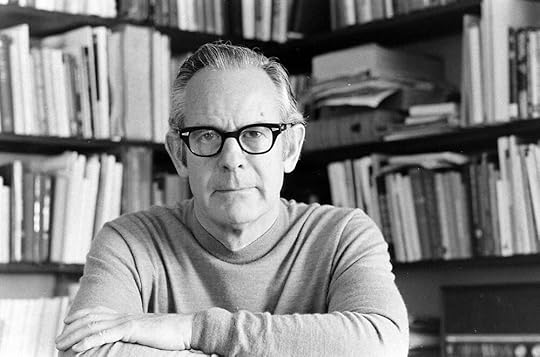
May opens the book by describing the existential crisis that modern mankind faces. He describes the concept of "hollow men." He also mentions man's social-seeking tendencies; and talks at length about loneliness.
He talks about facing danger here:
May also says that Nietzsche was not calling for a return to the conventional belief in God, but he was pointing out what happens when a society loses its center of values. May talks at length on this topic here, as well.
Also discussed here briefly are the collectivist ideologies of Fascism and Communism.
**************************
This one was a mixed bag for me. I found some of this writing very interesting and insightful, while other parts of the book had me becoming super-frustrated byMay's long-winded prose...
2.5 stars.
Man's Search for Himself is a book that has been mentioned over and over again in many of the other books on philosophy I've read, so I decided to finally read it.
Although there were some interesting bits of writing here, the book suffers from a problem that is somewhat common among its philosophical contemporaries. That is; I found much of the writing here overly verbose, and the excessive pontificating, especially in the latter part, a bit frustrating...
Author Rollo Reece May was an American existential psychologist and author of the influential book Love and Will. He is often associated with humanistic psychology and existentialist philosophy, and alongside Viktor Frankl, was a major proponent of existential psychotherapy.
Rollo May:
May opens the book by describing the existential crisis that modern mankind faces. He describes the concept of "hollow men." He also mentions man's social-seeking tendencies; and talks at length about loneliness.
He talks about facing danger here:
"As the fever in our example is a symptom of the battle between the bodily powers and the infecting germs, so anxiety is evidence of a battle between our strength as a self on one side and a danger which threatens to wipe out our existence as a self on the other. The more the threat wins, the more then our awareness of ourselves is surrendered, curtailed, hemmed in. But the greater our self-strength—that is, the greater our capacity to preserve our awareness of ourselves and the objective world around us—the less we will be overcome by the threat."
May also says that Nietzsche was not calling for a return to the conventional belief in God, but he was pointing out what happens when a society loses its center of values. May talks at length on this topic here, as well.
Also discussed here briefly are the collectivist ideologies of Fascism and Communism.
**************************
This one was a mixed bag for me. I found some of this writing very interesting and insightful, while other parts of the book had me becoming super-frustrated byMay's long-winded prose...
2.5 stars.

September 24, 2018
I read this book before reading Eric Fromm's "Escape from Freedom" and I expected to be different (in contents) but similar in its own way. I expected a psychological book about the search of people's own self-identity after the end of the II World War. But that wasn't what I expected.
The book is a benchmark in its field, so the ideas exposed in it are very valuable. But, when you read it, you find a very few psychological references and, insted of them, you can find a lot of phylosophical, biblical or theatral references to explain a psychological fact. I didn't expect an explanation so poorly valued by science. And also, the book is like a continuous replay of the same ideas explained in different no-scientific ways.
The book is a benchmark in its field, so the ideas exposed in it are very valuable. But, when you read it, you find a very few psychological references and, insted of them, you can find a lot of phylosophical, biblical or theatral references to explain a psychological fact. I didn't expect an explanation so poorly valued by science. And also, the book is like a continuous replay of the same ideas explained in different no-scientific ways.

May 18, 2018
"الواقع هو أن هدف الإنسان أن يحيا كل لحظة في حرية وصدق ومسئولية، من ثم فالمرء في كل لحظة يحقق بقدر ما يمكنه طبيعته ومهمته التطورية، وبهذه الطريقة يمر المرء بخبرة الفرح والسعادة التي تصاحب تحقيق ذات المرء"
بتلك الكلمات ختم الكاتب كتابه وهي تعتبر ملخص الكتاب .. لأي مدى نحقق كبشر الحرية ، ولأي مدى نزعم أننا أحرار، سيفاجئك الكتاب بالكثير مما تتصوره حقيقة عن نفسك وهو محض زيف،
لأي مدى يلعب مفهوم الحرية دورا في المسئولية والوعي لتحقيق الصدق مع الذات الذي هو الوسيلة الوحيدة لأن تكون أقرب لذاتك..
الكتاب يستحق ٥ نجمات إلا في بعض الإطالة والخروج عن الموضوع وبعض الأخطاء في الترجمة التي أثرت في سياق الموضوع
أنصح به جدا
بتلك الكلمات ختم الكاتب كتابه وهي تعتبر ملخص الكتاب .. لأي مدى نحقق كبشر الحرية ، ولأي مدى نزعم أننا أحرار، سيفاجئك الكتاب بالكثير مما تتصوره حقيقة عن نفسك وهو محض زيف،
لأي مدى يلعب مفهوم الحرية دورا في المسئولية والوعي لتحقيق الصدق مع الذات الذي هو الوسيلة الوحيدة لأن تكون أقرب لذاتك..
الكتاب يستحق ٥ نجمات إلا في بعض الإطالة والخروج عن الموضوع وبعض الأخطاء في الترجمة التي أثرت في سياق الموضوع
أنصح به جدا
Displaying 1 - 30 of 305 reviews