
What do you think?
Rate this book

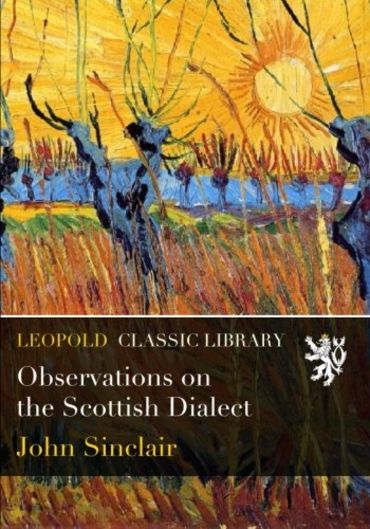
Books in English, Irish, Scottish, Welsh Literature contain the works of English, Irish, Scottish, and Welsh authors. Titles include: Gill's Irish Reciter. A Selection of Gems from Ireland's Modern Literature, The Pocket Library of English Literature: Elizabethan & Jacobean Pamphlets, Lectures on the English comic writers, Three Centuries of Scottish Literature. Vol. I. The Reformation to the Union, Three Centuries of Scottish Literature. Vol. II - the Union to Scott, and The Influence of Gothic Literature on Sir Walter Scott.
Also in this BookBooks on British and Irish Theatre mainly contain the full scripts of plays that were written in Britain and Ireland. The theatre flourished in Elizabethan times, led by William Shakespeare, was paused during the Puritan period, but restored in the late 17th century. Other titles provide critical analysis of plays. A long list of British and Irish plays written and performed between the 16th and 20th centuries has been preserved, some examples being: the full complement of Shakespeare's plays, Golden Texts from the Works of William Shakespeare, Marlowe's The Tragical History of Doctor Faustus, Sweet Lavender, The Mob, The Case of Rebellious Susan, Tristram & Iseult, The Sorcerer, and The Admirable Crichton.
And in this BookBooks about Travel in Great Britain describe travel, tourism and adventures in England, Scotland and Wales, which have their unique and intertwined histories and specific features. Titles include: A Journal of an Excursion Round the South-Eastern Coast of England, A Walk Through Southampton: Including a Survey of Its Antiquities, Authorised Guide to the Tower of London, Ruined Abbeys and Castles of Great Britain, The Derbyshire Tourist's Guide and Travelling Companion, The Land's End: A Naturalist's Impressions in West Cornwall, Tourist's Guide to North Devon and the Exmoor District, and Tourist's Guide to Warwickshire.
About usLeopold Classic Library’s aim is to provide readers with the highest quality reproductions of fiction and non-fiction literature that has stood the test of time. Our titles are produced from scans of the original books and as a result may sometimes have imperfections. To ensure a high-quality product we have:
If You can't find the book You're looking for, please write to us. We will look for it in our catalog and find the best price for You in our eBay store.
Come home to the books that made a difference!
Thank you for your interest in our books!
Paperback
Published January 27, 2016
