The entire Who's Who of postmodern thought―Derrida, Foucault, Baudrillard, Lyotard and others, can trace their philosophical ancestry to Nietzsche's radical relativism.
کتاب، حاوی پاسخهای نیچه به تراژدی زندگیست. تراژدی زندگی یا همان بحرانی که فلسفه مدرن، از پاسخگویی به آن عاجز است. مدرنیته یا عصر روشنگری در اروپا، معرف دورهای از تاریخ فلسفه است که با مفاهیمی همچون خرد، پیشرفت، علم و سوژه فراتاریخی تعریف میشود. نیچه با مفاهیمی همچون ابرمرد، اراده معطوف به قدرت، مرگ خدا، بازگشت ابدی، آپولونی و دیونیزوسی، گفتمان مدرنیته را به چالش میکشد. کتاب حاوی چکیده نظرات نیچه، در نقد عقلگرایی، نقد سوژه مدرن و نقد علمگراییست. نیچه نظریه سوژه مدرن را با مفهوم اراده معطوف به قدرت کاملا ویران میکند. همچنین با ارائه مفهوم ابرمرد، به نقد اخلاق برابری مدرنیته میپردازد. نیچه عقیده دارد که با مرگ خدا، تفکر متافیزیکی و سنتی از درجه اعتبار ساقط میشود و خلاءی ایجاد میکند که علم و عقل قادر به پر کردن آن نیست. نیچه با ارائه مفهوم مرگ خدا، خط بطلانی بر عقاید سقراط و افلاطون میکشد. افلاطون در کتاب جمهور، مساله مرگ را با طرح مفهوم عالم مثل و مدینه فاضله توجیه میکند. نیچه با ارائه مفهوم بازگشت ابدی، گفتمان افلاطون را به چالش میکشد. کتاب همچنین شامل عقاید نیچه درباب حقیقت است. نیچه عقیده دارد که هیچ حقیقتی در کار نیست و همه مقصدها و معناها، تنها بیانی دیگر از دگرگونی یک اراده برتر است که همان خواست قدرت میباشد. به عبارت دیگر، هر حقیقتی، تأویلی بنابر خواست اراده است. بخش پایانی کتاب شامل نظریات جسته و گریخته تعدادی از فلاسفه پستمدرن، از جمله فوکو میشود. کتاب، در این بخش از یک نقص بزرگ رنج میبرد. برای مثال، آنارشیسم، به عنوان یک مساله جدی، در نظریات فوکو و دریدا نادیده گرفته شده. نویسنده همچنین در خلال نتیجهگیری خود از پستمدرنیسم، به صورت تلویحی، آموزههای مکتب فرانکفورت را زیر سوال میبرد. بخش دوم کتاب از نظر فلسفی، بسیار دست و پا شکسته عمل میکند. در کنار این همه، مترجم از زبان فلسفی کتاب شکست خورده است.
مجموعه ای از یادداشتهایی موجز و مختصر درباره ساختمان و بنای فلسفهٔ نیچه و تاثیراتی که روی متفکران پستمدرن گذاشت است.اگر خواننده قبل از این کتاب چند اثر شاخص نیچه را مفصل و دقیق مطالعه کرده باشد و از طریق کتابهای مقدماتی با اندیشه های پستمدرن هم کم وبیش آشنایی داشته باشد ،به نظر نمیرسد که کتاب بتواند گره ای برایش باز کند.اما برای مخاطبی که با زبان ثقیل و مبهم ِ نیچه و همچنین اکثرِ پستمدرن ها در کتابهای تالیفی خودشان میانه ای ندارد و از انها پرهیز میکند، شاید دست مدد رسانی باشد.هرچند که بایستی گوشزد کرد که بسیار کوتاه و اجمالی به مباحث میپردازد. پرسپکتیویسمِ نیچه ای،شکاکیِ نیچه ای،تبارشناسی از نوع فوکو و نیچه،ناباوری به کلان-روایت ها در لیوتار و نیچه و... از جمله موضوعاتی ست که کتاب بررسی میکند.
دو ستاره ای که داده ام به اصل کتاب است نه به ترجمه ی آن
کتابی است مختصر و برای آشنایی کلی با نیچه و شنیدن نام برخی فلاسفه ی پست مدرنیست مفید
بخش مربوط به نیچه اش روان بود و قابل فهم. خبری از ظرایف و جزئیات نبود اما کلیات را به نظرم خوب درآورده بود. از آنجا که بحث به پست مدرنیسم رسید مقداری ابهام وارد متن شد - خصوصا همان ابتدا و در بحث از دوسوسور. نویسنده کوشیده بود با اشاراتی مختصر به دریدا، لیوتار، فوکو و رورتی نسبت اونها با نیچه رو مشخص کنه. بخش فوکو و دریدا باز بهتر درآمده بود. در بخش رورتی خبری از فلسفه اش نبود و صرفا یکی از نتایجش را گفته بود. بخش لیوتار گنگ تر از باقی بخش ها بود. در صفحات پایانی هم فهرستی از اصطلاحات نیچه ای و مربوط با نیچه با توضیحات سرراست و ساده آمده بود که به نظرم برای آشنایی مفید بود
اصل حرف نویسنده این بود که نیچه را اگر به جنبه ی سلبی اش فروبکاهیم با پست مدرن ها بیشتر جور است اما در نظر گرفتن وجهه ی ایجابی اش که در اواخر عمر بروز بیشتری هم می یابد، او را دور می کند از آنها. از دیگر حرف های نویسنده این بود که پرسپکتیویسم نیچه در فنومنالیسم او ریشه دارد - یعنی چون شناخت ما منحصر است به تجربیاتمان، نمی توان از منظری مطلق به امور نگریست
من این کتاب رو از آغاز تا حدود صفحه ی سی خوندم - یعنی تا پایان بخش توضیح آراء نیچه - اما وقتی وارد بخش پست مدرنیسم و نسبتش با نیچه شدم به دلیل ابهامات متن انگلیسی رو کنارش خوندم. بعد از حدود ده بیست صفحه رفت و آمد میان اصل و ترجمه، کلا ترجمه را کنار گذاشتم و باقی کتاب را صرفا از روی اصل انگلیسی خوندم
ترجمه از نظر اصطلاحات به شدت مشکل دارد ( مثلا ترجمه ی سوژه به موضوع، ترجمه ی اسنشیالیزم به اصالت جوهر و ... ). مترجم آشنایی با فلسفه نداشته ظاهرا. همین کافی است تا بگویم قطعا اگر می خواهید کتاب را بخوانید متن انگلیسی کنارتان باشد یا اصلا متن انگلیسی را بخوانید. نظر من این است که کتاب اگر ویرایش شود قابل احیا است. به شدت تأسف آور است که کتاب ظاهرا تا سال نود به چاپ چهارم هم رسیده اما خبری از ویرایش این فجایع درش نیست
Nietzsche believed that 2,000 years of Christian beliefs were coming to an end. Nearly all of the key ideas in Western thought were just "metaphysics." He wanted to confront this honestly. He said, "At last the horizon appears free again to us, even granted that it's not bright, at last our ships may venture out again. . . . the sea, our sea lied open again; perhaps there never has been such an 'open sea.'"
Nietzsche seemed to know he was a prophet. In photographs, he has a ridiculous walrus moustache and wild staring eyes. He believed he was writing for an appreciative future audience. He described himself as a "posthumous" philosopher.
For Nietzsche, the only real "truth" about us and the world was the irrepressible "Will to power." Human beings only create "truths" for themselves that help them to survive as a species. "Knowledge" and "Truth" are concepts that human beings invent.
He agreed with Heraclitus that the universe is always in chaos. Any attempt at finding convention is only invented by ourselves to impose order on this chaos. Even mathematics and logical deduction are contrivances or "presuppositions with which nothing in the real world corresponds."
Metaphysical truths simply do not exist. Language is "metaphorical." Thus, language enables human self-deception. Words can simplify and "freeze" the chaos. But that is all. The chaos is still there. For example, language encourages us to believe that we are separate entities with a transcendent "ego" or "I."
Christian values originated among subject peoples, many of whom were slaves. Thus it is a slave morality. They are values born out of resentment and repression. They are the result of a projected hostility. Christianity is a "herd morality" that produces people that are timid and pessimistic. Nietzsche wanted a more superior individual. He did not want to suppress the instincts and thwart creative energy. It produces dull, static, and conformist societies that dampen human potential and achievement. Societies built on such doctrines merely answer the needs of the weak and insecure.
Nietzsche was convinced that Christianity would eventually self-destruct. Even science is only a limited method of examining natural phenomena. Science cannot create a new set of coherent values. Eventually, the modern world will find itself with deep feelings of disillusionment and pessimistic nihilism.
Part of the problem in reading Nietzsche is that it all depends on which bit you read, just like with the Bible or the Qur'an. Sometimes he is hostile to science and at other times he is full of admiration for its achievements. Maybe all we can do with his writings is to celebrate the many paradoxes it produces.
Ultimately, everything comes down to "the Will to Power." But that is never clearly defined.
The Ubermensch can be translated as either Superman or Overman. Overmen are powerful, strong, and healthy individuals. They live an earthly and sensuous life. They are free from the belief in some transcendent reality and the restrictions of a herd morality. This idea would influence existentialism. We would have to create ourselves. Who we are is decided by the choices we make and the acts we perform. We become artists of ourselves.
Human beings seem to have a craving for eternal transcendent truths. As a result they deceive themselves with fantasies. They give themselves a teleological value.
Much of the rest of the book compares Nietzsche with such philosophers as Rorty, Foucault, Lyotard, Derrida, and Saussure.
‘great individuals…these men are integral, entire and hewn out of stone –they are not bound by convention’
According to Nietzsche any other philosophical views are basically superfluous pernicious nonsense --this may provoke censure however, I have to concur with Foucault that Nietzsche marks the threshold beyond which contemporary philosophy can begin to start thinking again; and he will no doubt continue for a long while to dominate its advance --in his extraordinarily distinctive perspectives and beliefs.
His influence on 20th century philosophy and literature is profound, whose radical ideologies and theories certainly stand-out as nothing short of revolutionary. Whether or not one considers parts [or the entire] of his life’s analysis to be phenomenal or objectionable, there is no doubt that his ideas sparked an immense transformative chain of causations. For instance, his radical scepticism and cynical views on religion certainly created an unforgettable wave --disturbing society’s entrenched beliefs and values, within refreshing revolutionary premise.
‘Power produces knowledge …knowledge and power directly imply one another […] this world; without beginning nor end transforms itself’
If there is any justification behind Nietzsche being named as one of the greatest, first ‘postmodernist’ thinkers and a genius’ remains a personal opinion –as explored and exemplified by Derrida, Rorty, Foucault, and Lyotard. Indeed ‘the only valued tribute to thought such as Nietzsche’s is to use it, reshape it, make it groan and protest’, as in a world of altering landscapes there will always be constancy and deviation of thought –hence, one can always draw something from Nietzsche –with his legacy lingering on into 21st century modern perspectives.
Robinson, the writer who examined the philosophical connection between Nietzsche, who opposed the philosophies of Kant and Descartes and Decisively put forward an important anti-modernist stance, and postmodernism, the process that was born in response to modernism and that we live today.
To explain this logic of connection a little more, the idea of rationality, which was the main topic of Kant's first period from beginning to end and Descartes' first period, is the basic tenet of modernism. In other words, accepting the information we receive by passing it through the filter of reason, otherwise not accepting that information constitutes the essence of modernism. The knowledge of the world and the truth has also completely come under the yoke of reason, and absolute positivism has been sought in every actual work. Nietzsche also criticized this essence of modernism, as he said of Christian morality, "God is dead., "he said. Modernist thought, which replaced reason by killing God, was inadequate, and was characterized by inconsistency because it put reason and man at the center. In this sense, a harsh criticism of modernism has led Nietzsche to be associated with postmodernist thought. I think that the postmodenist system of post-thought thinking will also be associated with Nietzsche.
Robinson combines the Decadence of postmodernism with Nietzsche's anti-morality as a second link, and matches it with Nietzsche's moral criticism that one can easily step outside the existing understanding of morality and ethics in a postmodern work.
Is Nietzsche a postmodenist? is he the founder? Are the Nietzsche myths the road map of postmodernism? This could be a big topic of discussion. 21. While the philosophical world was just beginning this discussion in the first quarter of the century, Nietzsche has already carried himself to the following centuries with his thoughts.
نیچه، اندیشمندی است که به نقدی صریح از مبانی اخلاقی و فلسفی مدرنیسم پرداخت. او به ایدهآلیسم، خردباوری، کلگرایی و ذاتگرایی و سوژه دکارتی حمله کرد و انسان را اسیر دست بازیهای زبانی دانست وهرگونه خودِ واحد و پیشبنیاد را نفی کرد. این نظرات او بر پستمدرنیسم و فیلسوفان پستمدرنی چون فوکو و دریدا تاثیرعمیقی گذاشت.
نیچه مهمترین و اثرگذارترین فیلسوف بر پستمدرنیسم محسوب میشود. به ویژه کسانی چون فوکو، دریدا، بودریار، لیوتار و دلوز بیش از دیگران تحت تاثیر اندیشههای او بودهاند.
مهمترین نظریه نیچه که اندیشمندان پست مدرن را متوجه خود کرده دیدگاه او درباره حقیقت است. او در آثار خود حقیقت به معنای رایج فلسفی آن را به انتقاد گرفته است.
نیچه، باورها و نگرشهای متافیزیکی را توهم و دروغ می داند و حقایقی که در تجربه های عملی آدمیان ظاهر می شود را می ستاید. همچنین دیدگاه او در مورد خود و هویت نیز تاثیر خاصی بر اندیشمندان پست مدرن گذاشت.
نیچه میگوید هویت چیزی استوار و واجد انسجام نیست بلکه ساختاری فرهنگی است که در شرایط حاکم بر جامعه شکل می گیرد و ماهیت پایداری ندارد. این نگرش اساس تحلیل پست مدرنها در خصوص معنای شخصیت و هویت فرد است.
Tiny pocketbook with just 77 tightly constructed pages, yet it paraphrases both Nietzsche and postmodernism. Excellent primer and a good starting point for understanding the basic ideas and the philosophers who put the ideas out there. Minimally sourced and not indexed. No bibliography. Just a clean, non-jargoned, introduction. As a side note, Robinson hedges on whether Nietzsche was a postmodernist, suggests he was more of a phenomenologist.
خواندن کتاب: توصیه می شود. ترجمه: خوب پیچیدگی خوانش: متوسط کتاب در حدود ۱۰۰ صفحه است و بدون مقدمه زیاد رفته سراغ اصل مطلب و نظریات نیچه در مواجهه با نسبی گرایی، زبان، بنیادگرایی، علم محوری، perspectivisim, حقیقت و واقعیت را بصورت خلاصه ولی عمیق ( که طبیعتا کاری سخت و در برخی موارد ناشدنی است) را بصورت دسته بندی شده ارائه میکند و سپس نظریات نیچه را با نظریات افراد موثر در پست مدرنیسم مانند دریدا، فوکو، لیوتار و ... بطور خلاصه مقایسه میکند. بخش اخر کتاب با عنوان مفاهیم کلیدی ، عالی است خلاصه ای است از تفکرات پست مدرنیستی نیچه. طبق نظر نویسنده " تنها در صورتی میتوانیم نیچه را پست مدرن بنامیم که اثار متاخر اور ا در نطر نگیریم" با این وجود نمیتوانیم تاثیر قابل ملاحظه او را بر روی متفکران پست مدرن نادیده بگیریم.
از خوندنش لذت بردم و برام لحظات دلنشینی را رقم زد.
Great little book I bought from a use book store on my rambles in Dublin for €4.
It's a great introduction to Neitzsche and his philosophies as well as his influences. The part in the back which explains Neitzsche's key ideas in very short, concise, informative and digestable paragraphs is excellent. A must read for those beginning study on Neitzsche or even for those struggling with his ideas. An interesting work even still if you are familiar with Neitzsche to any degree.
I really enjoy this series of books because you can do a full reading of them in 1-2 hours without missing huge chunks of information because of it's writing style which isn't found with other more heavily written philosophy texts and secondary texts.
if, as you have said, all the interesting people are missing in heaven, where can i find you Nietzsche?
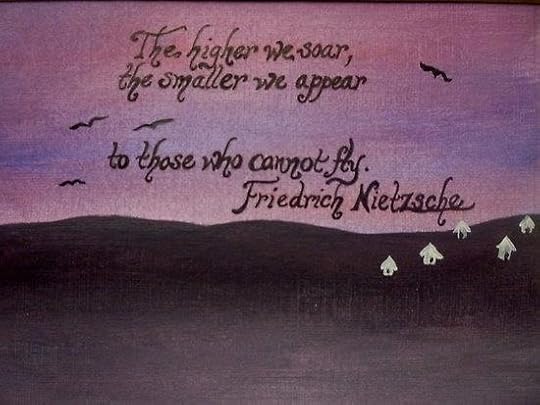
In some remote corner . . . of the universe there was once a star on which clever animals invented knowledge. It was the most arrogant and mendacious moment of ‘universal history’ . . . _Nietzsche
In 1995 Totem Books U.S.A. published Dave Robinson’s book “Nietzsche and Postmodernism.” This book highlights the postmodern writings of Friedrich Nietzsche. Friedrich was born 1844 and died in 1900. He was a philology professor at the University of Basel, Germany. Also, he was a music composer, poet, and cultural critic. His father was a Lutheran minister. At a young age, Friedrich chose not to accept Christian beliefs; and instead he adopt a nihilistic anti-philosopher position based on the belief that Christian teachings, the physical sciences, and Western political thought were “overridden with relativism and falsehoods.” He also held firm to the notion that humans are driven by an internal force called “will to power.” This self serving force and the falsehood of life after death formed the foundation of his thinking about the unworthiness of popular social values. His writings overtime profoundly influenced dictums that became known as the postmodern thought revolution of the late 20th and 21st centuries. Dave Robinson’s book discusses Nietzsche’s gender biases and his many contradictory social perspectives. He also writes about the impact Nietzsche had on falsehoods anchored in the contemporary western scientific and political movements of his time. A friend asked me to discuss my perspective about how postmodernism impacts the many agnostic, tech-economic, virus infected, war challenged, and politically combatant world of today. After reading Dave Robinson’s book, I am looking forward to having this conversation! (P)
I haven't read a lot of Nietzsche nor do I know much about his works. So, when I saw this small edition in a used bookstore I had to pick it up. This is a great, short overview essay that is an introduction to Nietzsche's thinking. Of course, it is by no means comprehensive - but, Robinson does a good job outlining some critical components of Nietzsche's philosophy. In fact, I would recommend to anyone who hasn't encountered Nietzsche in any way to use this as a starting guide.
As for Postmodernism I have to admit it is a bit lacking structurally on just what and how it fits with Nietzsche. The right players are there - Lyotard, Baldrillard, Foucault and Rorty but the connection is light. I would say this book is really more 2 separate parts - intro the Nietzsche and intro to Postmodernism with a lightweight connection between them.
All in all, I really like the presentation and the glossary in the back. I would love to have a full series of these books for all of the major philosophers. (4 stars - I wish Derrida in 90 minutes would have been written like this!)
Nietzsche was undeniably one of the most influential philosophers, his thoughts can be and were interpreted in many different ways throughout history. This short book gives an introduction to Nietzsche in regards to the philosophy of postmodernism, and how he has contributed to the works of many 20th century philosophers.
I would definitely recommend this short essay to anyone who is new to Nietzsche's philosophy and/or the basics of postmodernism, as it is a very easy read, and the wording is very straightforward. There is even a guide at the back, explaining the mentioned philosophical concepts that might be foreign to the reader. If, however, you are someone who is already well-read in Nietzsche, I don't think this particular book will add any meaningful insight to you.
All in all, it's a quick, easy read, that nicely sums up Nietzsche's skepticism, and the questions he posed to his changing world, questions that are still, if not even more, relevant today.
Ridiculously accessible, but still pervasively interesting.
If you've got a degree in postmodern Nietzschean studies there'll be nothing new for you here, but if you're mere analytical mortal like me and you want to see the genealogy of postmodern themes through Nietzsche then I doubt that you could do any better.
I can imagine a more pretentious and haughty version of myself (if such a thing is ontologically possible) would criticize the book for it's simplicity or reductiveness.
However to that version of myself I say: calm down mate, it's just a little reader. If it annoys you that much just go ahead and read The Journal of Pretentiousness Studies.
"Nietzsche and Postmodernism" is a way unreasonable title for a 100 pages book, trying to "cover" general ideas attributed to Nietzsche. But the only beneficial point would be to get a general insight on what even Nietzsche talked about and besides it's an uncomplicated introduction.
انقدر سنگین و پر و پیمون بود که سرم درد گرفته چون همزمان داشتم یه خلاصهای از هر صفحهی کتاب رو برای یه بنده خدایی تایپ میکردم ولی در عوضش کلی ایده و زاویهدید بهم هدیه داده که با خودم تحلیلشون کنم و چکیدهم رو برای خودم داشته باشم سریعا به یه کاغذ و قلم احتیاج دارم که ثبتشون کنم.
خود کتاب 4ستاره ترجمه 2 ستاره در کل 3 ستاره در کل کتاب خیلی خوب و آموزنده به زبان ساده بود که ترجمه پیچیدش کرده بود و وحدت کلامی هم نداشت وگیج کننده میشد
A fantastic book that outlines Nietzschean thought in a general sense in light of the classical understanding of existentialism. This book not only was a delight to read, but it was refreshing to engage in such a light-hearted analysis of Nietzsche in light of existential thought, rather than a critical examination of his works, etc.
What I liked about Robinson's treatment the most was evaluation of Nietzsche's doctrines, split up into distinct names and categorized in light of the origination of such doctrines as they formulated in his various philosophical works throughout his life. This portion will continue to make for a good reference tool when discussing the doctrines of Nietzsche.
I'm very novice in the realm of philosophy, and thanks to a friend of mine I started to like it. I have always heard about Nietzsche and his work, obviously not deep, but I had some misconceptions about him. I have to say that he has really interesting thoughts and very different from other philosophers that I've read. I think he was "wild" in the way that he thought, I don't know if he was very serious or may be he was a "joker" but my point is that he really gave some good ideas about truth and knowledge. Not my favorite, but definitely different than others.
دلیل وجودی انطباق طبیعت باقوانینی که شمافیزیکدانان مغرورانه از آن صحبت می دارید، صرفا مرتبط با توهم خودتان وکاربرد نابجای لغات است... رفتار اشیاهرگز قاعده مندو منطبق باروش خاصی نیست و اصولا در وجود اشیا تردیداست... اشیا تحت محدودیت های منبعث ضرورت خاص بازهم از حیثیت چندانی برخوردارنمی شود... آنچه ما به عنوان علم می شناسیم، هنوز تحت تاثیر گمراه کننده زبان است.
http://pure-commander.persianblog.ir/... این کتاب به ترجمهی ابوتراب سهراب و فروزان نیکوکار آراء نیچه بهصورتِ مُخَلّص است و کمی هم دربارهی پستمدرنیسم. احتمالا قلمِ یکی از دومترجم خیلی خوب است و قلمِ آن دیگری پیچیده و سخت. البته اگر مثلِ من در خواندنِ «نیچه» دچارِ شائبه شوید و هی نیچه را «نتیجه» بخوانید هم که نورٌ علی نور میشود! نشر و پژوهشِ «فروزان» این کتاب را چاپ کرده.
It was an ordinary book in my opinion, good for general knowledge in philosophy but by reading this you couldn't know much about Nietzsche's Ideas and idealogies. it is just a kind of a long article about Nietzsche without payning much attecntion to the details.