

What do you think?

Arman
"Armand" Emanuela Bova prati osetljivog naslovnog junaka i ljude u njegovoj orbiti tokom jednog dana. Tu je Žan, Armanova bogata ljubavnica; njegov nezgodni i besparni stari prijatelj Lusijen; i Lusijenova mlađa sestra Margaret, koja je nespretna i siromašna kao i njen brat. Bovov dar za detalje i nijanse upoređivan je sa Prustovim darom, a u "Armandu" je ovo najvidljivije. Od zapažanja načina na koji Margaret ulazi u sobu „a da vrata nije previše otvorila, jer je sigurno bila navikla da se uvlači i izvlači“, tumačeći suptilnost svakog gesta, Bov uspeva da prikaže emocionalne dubine svojih likova kroz posmatranje površinskih slojeva njihovih karaktera.
132 pages, Paperback
First published January 1, 1927
About the author
Emmanuel Bove
79 books89 followersEmmanuel Bove, born in Paris as Emmanuel Bobovnikoff in 1898, died in his native city on Friday 13 July 1945, the night on which all of France prepared for the large-scale celebration of the first 'quatorze juillet' since World War II. He would probably have taken no part in the festivities. Bove was known as a man of few words, a shy and discreet observer. His novels and novellas were populated by awkward figures, 'losers' who were always penniless. In their banal environments, they were resigned to their hopeless fate. Bove's airy style and the humorous observations made sure that his distressing tales were modernist besides being depressing: not the style, but the themes matched the post-war atmosphere precisely.
Ratings & Reviews
Friends & Following
Create a free account to discover what your friends think of this book!
Community Reviews
Displaying 1 - 30 of 41 reviews

August 2, 2022
Scrupulous reproduction of every tiny detail and every emotional nuance makes Emmanuel Bove’s narration especially impressive and convincing.
A few ordinary days in life of four persons… In their everyday life nothing seems to happen to them…
Armand is kept by his rich lover so he has no special concerns…
Unexpectedly Armand encounters his old poor friend Lucien…
An accidental meeting with Lucien’s younger sister disturbs the quotidian equilibrium… The rich mistress becomes very displeased…
Even if nothing seems to happen the most insignificant event may change the entire course of life.
A few ordinary days in life of four persons… In their everyday life nothing seems to happen to them…
Armand is kept by his rich lover so he has no special concerns…
The comfort in which I had been living for twelve months had brutally put an end to all my old habits. I could say more. It seemed to me that I no longer had anything against people. Those who complained seemed embittered or lacking in clear-sightedness because of their poverty.
Unexpectedly Armand encounters his old poor friend Lucien…
This man had never been happy. For years he had lived alone, anxious, worried about his fragile state of health, despised by the people who knew him by sight. I felt sorry I had failed to make allowances for him.
An accidental meeting with Lucien’s younger sister disturbs the quotidian equilibrium… The rich mistress becomes very displeased…
Even if nothing seems to happen the most insignificant event may change the entire course of life.

December 5, 2023
Todavía están a tiempo de hacer, con el permiso de Jon Fosse, el gran descubrimiento del año. Un escritor, este Emmanuel Bove, del que Becket decía que era el mayor de los autores franceses desconocidos y que Vila-Matas llevó a la portada de una de sus más célebres novelas, «Doctor Pasavento». Por añadidura, tanto si leen este de «Armand» como si se decantan por «Mis amigos», su novela más conocida, no duden de que será uno de los mejores libros que lean ustedes en 2023.
“Yo miraba a los transeúntes. Era una de las distracciones de mi padre. Desde que murió, libre del temor de que me sorprendiera imitándolo, me dedico meticulosamente y sin gran afición a observar cómo va y viene la gente y a recrearme en el contraste de sus fisonomías"Gracias a un venturoso golpe de fortuna, Armand ha conseguido el amor de Jeanne, una acaudalada mujer mayor que le proporcionará una vida despreocupada… siempre que cumpla unas reglas que ella misma supervisará concienzudamente.
“La holgura con la que llevaba viviendo más de doce meses había expulsado sin miramientos todas mis costumbres. Hablaba más. Me parecía que había dejado ya de tener razón en contra de los demás hombres. Los que se quejaban me parecía que eran unos amargados o que carecían de perspicacia debido a su pobreza”El encuentro fortuito con una antigua amistad, Lucien, con el que compartió no hace mucho una vida de pobreza y necesidad, despierta en él algo así como el síndrome del impostor, una vergüenza por ocupar una posición que no le corresponde y que lo ha alejado del sitio al que siente pertenecer, el que representa Lucien, que, envidioso de la situación de Armand, aprovechará la primera ocasión que se le presente para intentar destruir su privilegiada situación.
"Sólo cuando estoy recién arreglado, y por unos pocos minutos, tengo la sensación de estar a gusto. En esos momentos tengo chispa al hablar. Me muevo con soltura. Soy otro hombre"Este es el escueto argumento que Bove desarrolla minuciosamente con una escritura glacial, parca, que dota a los personajes de una frialdad de insecto, por lo medido de sus movimientos, por la desconfianza que los guía, …
“No me atreví a despegar los labios, ni a hacer ruido al respirar, ni siquiera a hacer un gesto, por temor a que, al creer que iba a hablar, un silencio la desilusionase demasiado”… por las pocas palabras que cruzan entre ellos, como si la comunicación se realizara mediante el rozamiento de unas antenas invisibles.
“Por la forma de respirar, por las manos, por el rostro, e incluso por la ropa, intenté adivinar en qué estaba pensando… que estuviese ante mí sin que detalle alguno revelase su pensamiento me irritó”Todo contribuye al extrañamiento que sentimos al leer a Bove, la sensibilidad exacerbada que exhiben sus personajes, …
“Abrí la puerta, sólo lo necesario para pasar, porque la oscuridad del rellano no la hiciera sentirse más desvalida”… sus insólitos comentarios,…
“… el aire era tan límpido que veía acercarse a los insectos y me daba tiempo a cerrar los ojos”… sus sorprendentes comportamientos, ...
“Estaba en medio de la habitación. Cuando no sé a qué dedicarme, me quedo siempre en medio de una habitación, para estar a la misma distancia de las ocupaciones que podrían venírseme a la cabeza”… sus miedos, …
“No se había abrochado el cuello del camisón por temor a estrangularse durante el sueño”… sus manías.
“Me di cuenta de que me había llevado dos pañuelos. Estuve a punto de tirar uno, de tanto como me desagrada llevar encima algo inútil.En fin, Bove es capaz de construir un mundo que extrañamente se nos aparece tan ajeno como reconocible y poblado de personajes solitarios, inadaptados, que nos conmueven por sus miserias, por la incapacidad de dirigir sus vidas, por sus miradas diferentes e hipersensibles a un exterior que se les resiste.

December 10, 2025
“Armand” opens in the hush of comfort: a man sheltered by Jeanne, his wealthy older lover, living as if the past had turned to dust, no longer to be touched. Yet the door to the past does not stay shut. When Armand meets Lucien, an old friend still poor and awkward, the encounter becomes a mirror — reflecting the poverty and unease he has tried to banish, but which lingers like a shadow at the edge of his life.
Isolation hums through the novel like a low, persistent note. Armand, sensitive yet self-absorbed, longs for connection but cannot speak his true feelings. He pushes others away even as he aches for intimacy. His life with Jeanne is not a triumph but a retreat, a self-imposed exile from the authenticity of his former self.
The illusion of stability falters when Armand makes an unexpected choice that endangers his security. Beneath this act lies a conviction that fortune cannot last, that his nature — one of Bove’s “lost, desperate isolated characters” — will inevitably reassert itself.
Bove’s gift is detail. He notices the smallest gestures, the pauses between words, the flicker of thought.
The novel suggests that the truth of human experience is found not in grand events or high drama, but in the mundane, everyday moments and the subtle mental reactions to them. His language is simple, his tone pitch-perfect and his precise concatenation of minute observations, at times sensory, at times emotional, creates a strong sense of place and character psychology. Samuel Beckett once praised Bove for his “sense of detail touching,” and Armand embodies that praise.
Although Bove’s depiction of women is not flawless, he paints Jeanne’s final scene with immaculate strokes of the brush. At that irreversible moment, Bove achieves something rare, he captures the spirit of quietly excruciating reality and renders a woman with startling authenticity. Jeanne’s resolve shines with absolute clarity: once the door to yesterday has closed, no force can reopen it.
Written in the aftermath of World War I, the novel captures the experience of a "lost generation" dealing with widespread unemployment and a sense of aimlessness and muted despair. The quiet misfortune and banality of the characters' lives reflect the post-war atmosphere of the time.
In the end, "Armand" is less a portrait of one man than a mirror of fragile human existence, its truths still unsettlingly close.
Isolation hums through the novel like a low, persistent note. Armand, sensitive yet self-absorbed, longs for connection but cannot speak his true feelings. He pushes others away even as he aches for intimacy. His life with Jeanne is not a triumph but a retreat, a self-imposed exile from the authenticity of his former self.
The illusion of stability falters when Armand makes an unexpected choice that endangers his security. Beneath this act lies a conviction that fortune cannot last, that his nature — one of Bove’s “lost, desperate isolated characters” — will inevitably reassert itself.
Bove’s gift is detail. He notices the smallest gestures, the pauses between words, the flicker of thought.
The novel suggests that the truth of human experience is found not in grand events or high drama, but in the mundane, everyday moments and the subtle mental reactions to them. His language is simple, his tone pitch-perfect and his precise concatenation of minute observations, at times sensory, at times emotional, creates a strong sense of place and character psychology. Samuel Beckett once praised Bove for his “sense of detail touching,” and Armand embodies that praise.
Although Bove’s depiction of women is not flawless, he paints Jeanne’s final scene with immaculate strokes of the brush. At that irreversible moment, Bove achieves something rare, he captures the spirit of quietly excruciating reality and renders a woman with startling authenticity. Jeanne’s resolve shines with absolute clarity: once the door to yesterday has closed, no force can reopen it.
Written in the aftermath of World War I, the novel captures the experience of a "lost generation" dealing with widespread unemployment and a sense of aimlessness and muted despair. The quiet misfortune and banality of the characters' lives reflect the post-war atmosphere of the time.
In the end, "Armand" is less a portrait of one man than a mirror of fragile human existence, its truths still unsettlingly close.
October 10, 2024
Avec la deuxième œuvre que je lis de cet auteur, je suis déjà sûr qu'Emmanuel Bove a créé tout un monde à lui. Il l’a discrètement donné à nous, ses trop rares lecteurs, et je veux l’explorer livre après livre. C'est un monde modeste, plein de détails anodins, mais qui, relevés par un style minutieux et clair, deviennent des images inédites, d'un lyrisme simple et surprenant:
C'est un monde d’où les autres sont presque absents, des êtres assez ternes, mais dont on essaie constamment de se rapprocher, en faisant des efforts maladroits. Les relations humaines à peine s'ébauchent, mais les traces de ces contacts sont toujours décrites avec finesse et une attention enfantine: “Mon attention, comme celle des enfants, se portait sur tout ce qui bougeait.”
La narration, laconique et ralentie, donne toute la place et tout le temps aux choses les plus banales pour nous surprendre comme des présences étranges. Elles émergent, comme on dit, “dans une autre lumière”, celle d’un regard aliéné. Dans cette lumière, l’ombre des objets et des hommes revêt autant d’importance qu’eux-mêmes:
Les choses prennent aussi des métamorphoses inquiétantes:
Comme vous avez déjà deviné de ces citations - ces petites descriptions qui ressemblent à des instantanés photographiques - le style d'Emmanuel Bove est très visuel. Il devient même infra-visuel. À l'improviste, le narrateur nous porte jusqu’à l'intérieur de son corps:
Qui aurait pensé décrire ses yeux clos ainsi: "j’avais les yeux ouverts derrière les paupières", et les autres sensations qui rendent le corps prisonnier de sa propre peau?
Pour l'attention minutieuse aux gestes et pour le silence qui les entoure, Bove est dans la littérature française ce que Robert Bresson sera un peu plus tard dans le cinéma. Dans les films de Bresson, il y a de longs silences et beaucoup de gros plans sur les mains.
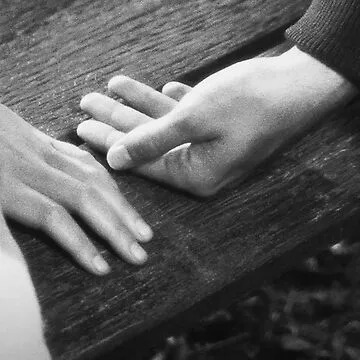
Maintenant, regardez ces deux petites scènes écrites par Bove. La première est la rencontre avec Lucien dans la rue, du début du roman. La deuxième est un long au revoir entre Armand et la sueur de Lucien:
Dans son récit précédent, le chef-d'œuvre Mes amis , les rencontres avec les autres sont épisodiques, multiples, mais toujours insuffisantes. En revanche, dans ce livre, l’auteur se concentre sur un double portrait. Armand et Lucien, les deux protagonistes, sont parfois presque interchangeables:
Ce n’est pas un portrait psychologique, ou seulement de manière indirecte: il est esquissé par les regards furtifs mais pénétrants d’Armand qui découvre, ou plutôt est découvert par son vieil ami dans la rue; il est reflété dans la pantomime des gestes gauches qu’ils font l’un devant l’autre; il s’exprime par leur silence et prend forme dans la distance insurmontable qui les sépare.
Emmanuel Bove est un génie de l'humilité et de la discrétion. Pour le comparer, non seulement à un cinéaste, mais aussi à un autre écrivain trop peu connu, son contemporain, je dirais qu'il est le frère spirituel de Robert Walser dans la littérature française.
Lucien demeurait dans une vieille maison dont la façade s’effritait. On était tenté d’arracher chaque écaille, ainsi que l’écorce des arbres, pour trouver dessous un mur lisse et frais.
[...] Le plafond était bas. Parce que je n’avais pas eu l’occasion de le faire depuis longtemps, je levai la main pour le toucher. C’est ridicule de l’avouer, mais j’aime toucher un plafond.
C'est un monde d’où les autres sont presque absents, des êtres assez ternes, mais dont on essaie constamment de se rapprocher, en faisant des efforts maladroits. Les relations humaines à peine s'ébauchent, mais les traces de ces contacts sont toujours décrites avec finesse et une attention enfantine: “Mon attention, comme celle des enfants, se portait sur tout ce qui bougeait.”
Nous fîmes quelques pas sur le boulevard, avec indécision, sans paraître nous connaître, et nous nous arrêtâmes à côté d’un arbre plus jeune que les autres qui, près de nous, eut un peu l’air d’un tiers.
La narration, laconique et ralentie, donne toute la place et tout le temps aux choses les plus banales pour nous surprendre comme des présences étranges. Elles émergent, comme on dit, “dans une autre lumière”, celle d’un regard aliéné. Dans cette lumière, l’ombre des objets et des hommes revêt autant d’importance qu’eux-mêmes:
Quoique j’avançasse, l’ombre des réverbères conservait la même inclinaison. À l’horizon, les nuages de la veille se pressaient les uns contre les autres comme si, sous d’autres cieux, d’autres nuages les empêchaient de passer.
Son menton était éclairé par les flammes du poêle. La lumière glissait parfois jusqu’à ses oreilles dont l’ombre pointue s’allongeait et diminuait tour à tour. Son visage, de demeurer impassible sous les reflets mobiles qui l’éclairaient, me parut plus triste encore.
Les chaises eurent une ombre, lourde à cause des vêtements qu’elles portaient.
Les aiguilles d’une horloge marquaient une heure. Le cadran était vide comme les rues. Bien qu’il n’y eût point de soleil, les rares passants avaient une ombre, si légère qu’elle semblait glisser au-dessus du sol éclatant de blancheur.
Lucien marchait à mon côté, la tête dans les épaules, comparant son ombre à la mienne. Parfois, pour qu’elle fût aussi longue, il se redressait, me dépassait un peu.
Mon ombre ne tourna pas avec moi. Je restai seul devant la porte entr’ouverte de l’antichambre où pendaient des habits plus hauts que des hommes.
Des nuages blancs, si petits que leur ombre entière suivait les rues, traversaient maintenant le ciel sans se toucher.
Les choses prennent aussi des métamorphoses inquiétantes:
Une seule goutte tomba du ciel. D’autres suivirent. Il allait pleuvoir.
Je m’amusai à penser que ces gouttes étaient des balles de fusil, qu’en faisant des zigzags j’eusse pu les éviter. L’une d’elles perça mon chapeau, une autre, mon pied.
De la poussière volait dans l’air et, quand le vent cessait brusquement, tombait comme de la pluie.
Comme vous avez déjà deviné de ces citations - ces petites descriptions qui ressemblent à des instantanés photographiques - le style d'Emmanuel Bove est très visuel. Il devient même infra-visuel. À l'improviste, le narrateur nous porte jusqu’à l'intérieur de son corps:
Je fermai les yeux avec l’espoir que dans l’obscurité je changerais, que ma détresse n’était que passagère. Mais j’avais les yeux ouverts derrière les paupières. La lumière jaune qui les traversait, très faible, me rappelait que le lustre était encore allumé. À cause de ce même désir qui me fait mordre les biscuits entiers de manière qu’ils me révèlent le demi-cercle de mes dents, je fermai les mains avec force pour que mes ongles laissassent une empreinte sur ma chair.
Qui aurait pensé décrire ses yeux clos ainsi: "j’avais les yeux ouverts derrière les paupières", et les autres sensations qui rendent le corps prisonnier de sa propre peau?
Pour l'attention minutieuse aux gestes et pour le silence qui les entoure, Bove est dans la littérature française ce que Robert Bresson sera un peu plus tard dans le cinéma. Dans les films de Bresson, il y a de longs silences et beaucoup de gros plans sur les mains.
Maintenant, regardez ces deux petites scènes écrites par Bove. La première est la rencontre avec Lucien dans la rue, du début du roman. La deuxième est un long au revoir entre Armand et la sueur de Lucien:
Je suivais une rue si étroite que les fouets des voitures me touchaient en passant, lorsqu’une main se posa sur mon épaule.
Je la regardai, puis me tournai.
C’était Lucien.
Elle recula, le bras allongé pour me laisser la main. Je la serrai, m’efforçant, comme dans les jeux, de la retenir ainsi.
Mais bientôt je ne tins plus que l’extrémité de ses doigts.
À la fin, à cause d’un passant, je la lâchai. Il y eut, entre nous, tout de suite, un large espace. Elle me fit encore face, une seconde. Je la vis des pieds à la tête. Sa main libérée eut un geste gracieux, plus gracieux que l’autre main qui n’avait jamais été captive.
Dans son récit précédent, le chef-d'œuvre Mes amis , les rencontres avec les autres sont épisodiques, multiples, mais toujours insuffisantes. En revanche, dans ce livre, l’auteur se concentre sur un double portrait. Armand et Lucien, les deux protagonistes, sont parfois presque interchangeables:
Enfin je m’effaçai. Il se retourna parce que chaque fois qu’il quittait un lieu il craignait d’oublier quelque chose, puis il entra. Les rôles m’apparurent un instant renversés. Il habitait l’appartement. Je lui rendais visite.
Lucien, attentif à tous mes gestes, s’efforçait de les deviner pour les exécuter avant moi.
Ce n’est pas un portrait psychologique, ou seulement de manière indirecte: il est esquissé par les regards furtifs mais pénétrants d’Armand qui découvre, ou plutôt est découvert par son vieil ami dans la rue; il est reflété dans la pantomime des gestes gauches qu’ils font l’un devant l’autre; il s’exprime par leur silence et prend forme dans la distance insurmontable qui les sépare.
Emmanuel Bove est un génie de l'humilité et de la discrétion. Pour le comparer, non seulement à un cinéaste, mais aussi à un autre écrivain trop peu connu, son contemporain, je dirais qu'il est le frère spirituel de Robert Walser dans la littérature française.

April 5, 2015
She came up to me and kissed me several times. I saw myself against her body in a mirror. She thought I had closed my eyes. I had my arms round her waist. Her head rested on my shoulder.
Temper tantrum Gods watching the pool of floor skirts and Muppet or Peanuts parental trouser the Gods' Gods legs of do for me. Armand in the safety of wealthy bosoms. He's getting restless as the pet. Rip off the arms of the fly on the grounded know-it-all. He hasn't been the hungry young man acquainted with hungry young men tricks. Revenge tasteless cold. I can imagine it was a lot of borrowing money from other poor people, before. Poor people in books and in real life always seem to circulate a little bit of money far. If he didn't then he definitely likes the Benevolent little lord looks of himself now. A friend from back then is back, an unwelcome reminder. Lucien's eyes he feels undressing his fine clothes. I don't trust Armand's lofty looks. Come to visit, hollow promises from a high window take their time coming down. Oh no, how embarrassing. This old thing? Will his benefactress Jeanne be proud or a hindrance? Armand reminded me of someone I knew. She felt sorry for her friend getting dumped if she herself was still dating someone "good". I felt like the requirement for how much she cared was so strong it could sit next to her and make bitchy comments when the other girl left the room. But what about Me? Ego demands. Armand's feelings about anyone else hinge on how he likes to feel about himself. This is so life support they make a circle of hands like a family portrait. A pity party, relief party. Make up, break up sex dull. Is he going to be dressed by his girlfriend forever? Like to see her as fat in an ill-fitting kimono or oppressively slobbering him? Forever, as long as they let him. Lucien has a little sister. An injured baby bird in his grips. Another window to bear down his favorite tune. She has none of it, Lucien walks off his strings. Jeanne has her own puppet conditions.
Armand reminds me a lot of Bove's character from My Friends. The attacker nursing themselves in the aftermath related to one another. I don't feel this the most strongly about either, though, months after reading both books. I want Armand's eye, even unforgiving of Jeanne's awkwardness. The reptile tears pooling to carry them away aside. I don't trust Armand but I felt like I could see everything. When he says he feels love, tenderness, pity. He's given away when it gives away to what he wants next. It's another in the room with him breathing new lives when nothing is true. I don't know why, really, the way Bove writes his liars feels like the opposite of what they are saying is so light. I feel like I could avoid "hell is other people" if this was the eye.
Temper tantrum Gods watching the pool of floor skirts and Muppet or Peanuts parental trouser the Gods' Gods legs of do for me. Armand in the safety of wealthy bosoms. He's getting restless as the pet. Rip off the arms of the fly on the grounded know-it-all. He hasn't been the hungry young man acquainted with hungry young men tricks. Revenge tasteless cold. I can imagine it was a lot of borrowing money from other poor people, before. Poor people in books and in real life always seem to circulate a little bit of money far. If he didn't then he definitely likes the Benevolent little lord looks of himself now. A friend from back then is back, an unwelcome reminder. Lucien's eyes he feels undressing his fine clothes. I don't trust Armand's lofty looks. Come to visit, hollow promises from a high window take their time coming down. Oh no, how embarrassing. This old thing? Will his benefactress Jeanne be proud or a hindrance? Armand reminded me of someone I knew. She felt sorry for her friend getting dumped if she herself was still dating someone "good". I felt like the requirement for how much she cared was so strong it could sit next to her and make bitchy comments when the other girl left the room. But what about Me? Ego demands. Armand's feelings about anyone else hinge on how he likes to feel about himself. This is so life support they make a circle of hands like a family portrait. A pity party, relief party. Make up, break up sex dull. Is he going to be dressed by his girlfriend forever? Like to see her as fat in an ill-fitting kimono or oppressively slobbering him? Forever, as long as they let him. Lucien has a little sister. An injured baby bird in his grips. Another window to bear down his favorite tune. She has none of it, Lucien walks off his strings. Jeanne has her own puppet conditions.
Armand reminds me a lot of Bove's character from My Friends. The attacker nursing themselves in the aftermath related to one another. I don't feel this the most strongly about either, though, months after reading both books. I want Armand's eye, even unforgiving of Jeanne's awkwardness. The reptile tears pooling to carry them away aside. I don't trust Armand but I felt like I could see everything. When he says he feels love, tenderness, pity. He's given away when it gives away to what he wants next. It's another in the room with him breathing new lives when nothing is true. I don't know why, really, the way Bove writes his liars feels like the opposite of what they are saying is so light. I feel like I could avoid "hell is other people" if this was the eye.

February 1, 2026
https://kansasbooks.blogspot.com/2026...
“Cayó del cielo una gota. Luego siguieron otras. Iba a llover.
Me entretuve imaginando que aquellas gotas eran balas de fusil y que haciendo eses habría podido evitarlas. Una me atravesó el sombrero, y otra el pie.”
Vuelvo a acercarme a Emmanuel Bove huyendo, quizás, del riesgo de emprender una lectura que me dejará fría. Con Emmanuel Bove ya sé que no existe ese peligro así que por una vez he necesitado adentrarme en terreno seguro. Normalmente Bove no cuenta en sus historias grandes eventos ni giros dramáticos, sino que a través de sus personajes, normalmente hombres ordinarios, descompone la vida cotidiana en un intento por mostrar lo que mueve a la condición humana. Ya llevo unas cuantas crónicas de novelas de Emmanuel Bove, y en todas siempre he destacado lo mismo: que la verdadera acción está en la psicología de sus personajes, que el revulsivo de una vida se encuentra normalmente en lo pequeño de la vida cotidiana, en los pequeños gestos, en una decisión tomada. En Bove el tema central siempre será la soledad y el aislamiento de sus personajes aunque se encuentren rodeados de gente. Armand fue publicada por primera vez en 1926 y sería el segundo libro de Bove y esta atmósfera del periodo de entreguerras siempre está muy presente: sus personajes masculinos son una clara consecuencia de los miedos y la fragilidad de una gran guerra que no solo puede haberlos dejados agotados físicamente sino devastados emocionalmente. Esta experiencia de guerra, sobre todo en Armand, aunque en ningún momento se hable de ella en la novela, está muy presente por cómo es Armand, y por cómo enfrenta a la vida. Realmente ni siquiera estoy segura de que personajes como Armand sean conscientes de como han acabado sobreviviendo a esta experiencia pero sí son conscientes de que necesitan seguridad, amistad y una posición social que los dote de entidad y sobre todo de identidad. En todas sus novelas buscan desesperadamente esto y esta misma desesperación los hará estar permanentemente alejados del objetivo.
“Mi situación desahogada era para él un accidente. No iba a durar. Aunque yo me obligaba a pensar a diario que estaba destinado a la vida que llevaba, que lo que había sido un accidente era la otra vida.”
En esta segunda novela de Emmanuel Bove seguimos a un personaje llamado Armand que vive en Paris con Jeanne, una mujer mucho mayor que él que lo mantiene y con quien ha encontrado seguridad y una cierta estabilidad en tiempos muy volátiles. La novela se centra sobre todo en su encuentro con Lucien, en el pasado un íntimo amigo suyo que la guerra separó. Este encuentro desencadena unas tensiones en el hasta ahora seguro mundo de Armand, aunque no son tensiones drámaticas que lleven a grandes giros porque realmente este encuentro con Lucien ha despertado en Armand la memoria del pasado de pobreza antes de la guerra. En un mundo en el que las clases sociales y las jerarquías se han revelado fugaces y cambiantes, y la guerra ha decidido quién ha sobrevivido, Armand aparentemente ha salido adelante y se ha construido un mundo seguro. Su encuentro con Lucien, que sigue siendo más pobre que las ratas y que malvive, le hace ser consciente de que este mundo que se ha construido no es del todo seguro y que es totalmente provisional.
“Esa misma noche pretexté para salir después de cenar una necesidad de aislamiento que Jeanne respetaba sin entenderla, al tiempo que se persuadía a sí misma, con esa idea en segundo plano, que se le ocurría para todo, de que había que saber sacrificarse en los tiempos presentes para ser dichoso en el futuro y de que una mujer no debía oponerse nunca a los deseos de un hombre si tenia empeño en que le durase.”
Emmanuel Bove no edulcora, y es quizás uno de los escritores más realistas con los que me he encontrado. La mente de Armand tampoco se autoengaña, sabe muy bien que el amor no existe o que directamente está sobrevalorado en su mundo de inestabilidades y en todo momento es consciente de que Jeanne aunque es su mundo seguro, puede ser perfectamente provisional porque el hecho de que ella sea la fundadora de algo que ansiaba, rutina, sustento y sensación de confort, su vida sigue salpicada de una especie de insatisfacción o hastío existencial. Esta rutina se viene un poco abajo cuando por casualidad conoce a Marguerite, la hermana de Lucien que le da a Armand una falsa sensación de validación. Su vida junto a Jeanne es lo que es, el repentino encuentro con una chica de su edad, confirma esa sensación de validación, también totalmente ilusoria. Y sin embargo, Bove sigue siendo perfectamente realista y el mismo Armand, tampoco se autoengaña a la hora de contemplar a Marguerite: “Tenía buen cuidado en no resistirse a mí porque, en su pensamiento, era ese hombre a quien debía amar y que no se presentaba más que una vez. Creía en la ocasión. Siempre tenía miedo de no tener buen criterio. La excepción le hacía las veces de piedra de toque. Por eso, por lo excepcional que era mi presencia en su cuarto, tuvo la seguridad de que yo era esa ocasión que tanto tiempo llevaba esperando.” Armand es incapaz de sentir ninguna emoción, y ya anteriormente me había encontrado con estos personajes bovianos, frágiles, dependientes y patéticos, que buscan en los demás algo que ellos son incapaces de dar. En este sentido, Armand es otra de estas novelas a las que nos tiene acostumbrados Bove, muy sutil en su penetración de la psicología humana, en la que la banalidad de una existencia se convierte en un ejercicio de cómo la literatura es capaz de ahondar en la condición humana.
"- ¡Tú sí que eres feliz!
Aquel hombre no había sido nunca feliz. Llevaba años viviendo solo, intranquilo, preocupado por su salud endeble, despreciado por quienes lo conocían de vista. Me entró el remordimiento de haber carecido de indulgencia relacionado con él."
“Tenía delante una calle recta que iba cuesta arriba. Eché a andar por la calle en cuesta." La sociedad que Bove dibuja es silenciosa, opresiva y cotidiana. París no es grandiosa ni heroica, ni glamurosa; está hecha de precariedad, jerarquías tácitas, soledad y dependencia. La calle, en particular, cumple un papel esencial en las novelas de Bove en las que sus personajes pasean continuamente en un intento por encontrar un norte que no existe: es el espacio donde la fragilidad de los personajes se hace visible. “No soy feliz. Lucien… no soy feliz. No sabes, Lucien, cuánto me gustaría a veces ser libre, hacer lo quisiera, volver a casa cuando me apeteciera.” Las calles son además el lugar donde Armand descubre que su vida es temporal e ilusoria porque el encuentro casual con Lucien desbarata esa falsa seguridad en la que vivía. Al cerrar la novela vuelvo a tener la misma sensación que tengo cuando leo a Bove, que por sus novelas no ha pasado el tiempo, no tanto por la sobriedad y la sencillez de su narrativa sino porque sus personajes son como un reflejo del hombre contemporáneo: alguien que sobrevive más que vive, que busca protección y estabilidad a costa de su propia autenticidad. El desprecio que Armand siente hacia Lucien no deja de ser un miedo real porque le recuerda quién es realmente bajo esa falsa sensación de estabilidad que se ha creado y además, su dependencia de Jeanne, el impulso fugaz hacia Marguerite y la presencia silenciosa de la ciudad son la evidencia de cómo nos construimos, cómo elegimos sobrevivir sin exponernos y cómo la verdadera tensión de la vida se encuentra en lo cotidiano, en lo que aceptamos y en lo que tememos enfrentar. Leer a Armand es verse en un espejo: un hombre que podría ser cualquiera de nosotros, atrapado entre miedo, deseo y conformismo, y que sin embargo sigue intentando existir.
"De pronto sentí un dolor en el alma, tan breve como una punzada. Seguí andando, con el corazón en un puño, temiendo que el mismo dolor me repitiera, que fuera a más a continuación, que fuese el síntoma de una enfermedad grave."
♫♫♫ Instant crush - Daft Punk ♫♫♫
“Cayó del cielo una gota. Luego siguieron otras. Iba a llover.
Me entretuve imaginando que aquellas gotas eran balas de fusil y que haciendo eses habría podido evitarlas. Una me atravesó el sombrero, y otra el pie.”
Vuelvo a acercarme a Emmanuel Bove huyendo, quizás, del riesgo de emprender una lectura que me dejará fría. Con Emmanuel Bove ya sé que no existe ese peligro así que por una vez he necesitado adentrarme en terreno seguro. Normalmente Bove no cuenta en sus historias grandes eventos ni giros dramáticos, sino que a través de sus personajes, normalmente hombres ordinarios, descompone la vida cotidiana en un intento por mostrar lo que mueve a la condición humana. Ya llevo unas cuantas crónicas de novelas de Emmanuel Bove, y en todas siempre he destacado lo mismo: que la verdadera acción está en la psicología de sus personajes, que el revulsivo de una vida se encuentra normalmente en lo pequeño de la vida cotidiana, en los pequeños gestos, en una decisión tomada. En Bove el tema central siempre será la soledad y el aislamiento de sus personajes aunque se encuentren rodeados de gente. Armand fue publicada por primera vez en 1926 y sería el segundo libro de Bove y esta atmósfera del periodo de entreguerras siempre está muy presente: sus personajes masculinos son una clara consecuencia de los miedos y la fragilidad de una gran guerra que no solo puede haberlos dejados agotados físicamente sino devastados emocionalmente. Esta experiencia de guerra, sobre todo en Armand, aunque en ningún momento se hable de ella en la novela, está muy presente por cómo es Armand, y por cómo enfrenta a la vida. Realmente ni siquiera estoy segura de que personajes como Armand sean conscientes de como han acabado sobreviviendo a esta experiencia pero sí son conscientes de que necesitan seguridad, amistad y una posición social que los dote de entidad y sobre todo de identidad. En todas sus novelas buscan desesperadamente esto y esta misma desesperación los hará estar permanentemente alejados del objetivo.
“Mi situación desahogada era para él un accidente. No iba a durar. Aunque yo me obligaba a pensar a diario que estaba destinado a la vida que llevaba, que lo que había sido un accidente era la otra vida.”
En esta segunda novela de Emmanuel Bove seguimos a un personaje llamado Armand que vive en Paris con Jeanne, una mujer mucho mayor que él que lo mantiene y con quien ha encontrado seguridad y una cierta estabilidad en tiempos muy volátiles. La novela se centra sobre todo en su encuentro con Lucien, en el pasado un íntimo amigo suyo que la guerra separó. Este encuentro desencadena unas tensiones en el hasta ahora seguro mundo de Armand, aunque no son tensiones drámaticas que lleven a grandes giros porque realmente este encuentro con Lucien ha despertado en Armand la memoria del pasado de pobreza antes de la guerra. En un mundo en el que las clases sociales y las jerarquías se han revelado fugaces y cambiantes, y la guerra ha decidido quién ha sobrevivido, Armand aparentemente ha salido adelante y se ha construido un mundo seguro. Su encuentro con Lucien, que sigue siendo más pobre que las ratas y que malvive, le hace ser consciente de que este mundo que se ha construido no es del todo seguro y que es totalmente provisional.
“Esa misma noche pretexté para salir después de cenar una necesidad de aislamiento que Jeanne respetaba sin entenderla, al tiempo que se persuadía a sí misma, con esa idea en segundo plano, que se le ocurría para todo, de que había que saber sacrificarse en los tiempos presentes para ser dichoso en el futuro y de que una mujer no debía oponerse nunca a los deseos de un hombre si tenia empeño en que le durase.”
Emmanuel Bove no edulcora, y es quizás uno de los escritores más realistas con los que me he encontrado. La mente de Armand tampoco se autoengaña, sabe muy bien que el amor no existe o que directamente está sobrevalorado en su mundo de inestabilidades y en todo momento es consciente de que Jeanne aunque es su mundo seguro, puede ser perfectamente provisional porque el hecho de que ella sea la fundadora de algo que ansiaba, rutina, sustento y sensación de confort, su vida sigue salpicada de una especie de insatisfacción o hastío existencial. Esta rutina se viene un poco abajo cuando por casualidad conoce a Marguerite, la hermana de Lucien que le da a Armand una falsa sensación de validación. Su vida junto a Jeanne es lo que es, el repentino encuentro con una chica de su edad, confirma esa sensación de validación, también totalmente ilusoria. Y sin embargo, Bove sigue siendo perfectamente realista y el mismo Armand, tampoco se autoengaña a la hora de contemplar a Marguerite: “Tenía buen cuidado en no resistirse a mí porque, en su pensamiento, era ese hombre a quien debía amar y que no se presentaba más que una vez. Creía en la ocasión. Siempre tenía miedo de no tener buen criterio. La excepción le hacía las veces de piedra de toque. Por eso, por lo excepcional que era mi presencia en su cuarto, tuvo la seguridad de que yo era esa ocasión que tanto tiempo llevaba esperando.” Armand es incapaz de sentir ninguna emoción, y ya anteriormente me había encontrado con estos personajes bovianos, frágiles, dependientes y patéticos, que buscan en los demás algo que ellos son incapaces de dar. En este sentido, Armand es otra de estas novelas a las que nos tiene acostumbrados Bove, muy sutil en su penetración de la psicología humana, en la que la banalidad de una existencia se convierte en un ejercicio de cómo la literatura es capaz de ahondar en la condición humana.
"- ¡Tú sí que eres feliz!
Aquel hombre no había sido nunca feliz. Llevaba años viviendo solo, intranquilo, preocupado por su salud endeble, despreciado por quienes lo conocían de vista. Me entró el remordimiento de haber carecido de indulgencia relacionado con él."
“Tenía delante una calle recta que iba cuesta arriba. Eché a andar por la calle en cuesta." La sociedad que Bove dibuja es silenciosa, opresiva y cotidiana. París no es grandiosa ni heroica, ni glamurosa; está hecha de precariedad, jerarquías tácitas, soledad y dependencia. La calle, en particular, cumple un papel esencial en las novelas de Bove en las que sus personajes pasean continuamente en un intento por encontrar un norte que no existe: es el espacio donde la fragilidad de los personajes se hace visible. “No soy feliz. Lucien… no soy feliz. No sabes, Lucien, cuánto me gustaría a veces ser libre, hacer lo quisiera, volver a casa cuando me apeteciera.” Las calles son además el lugar donde Armand descubre que su vida es temporal e ilusoria porque el encuentro casual con Lucien desbarata esa falsa seguridad en la que vivía. Al cerrar la novela vuelvo a tener la misma sensación que tengo cuando leo a Bove, que por sus novelas no ha pasado el tiempo, no tanto por la sobriedad y la sencillez de su narrativa sino porque sus personajes son como un reflejo del hombre contemporáneo: alguien que sobrevive más que vive, que busca protección y estabilidad a costa de su propia autenticidad. El desprecio que Armand siente hacia Lucien no deja de ser un miedo real porque le recuerda quién es realmente bajo esa falsa sensación de estabilidad que se ha creado y además, su dependencia de Jeanne, el impulso fugaz hacia Marguerite y la presencia silenciosa de la ciudad son la evidencia de cómo nos construimos, cómo elegimos sobrevivir sin exponernos y cómo la verdadera tensión de la vida se encuentra en lo cotidiano, en lo que aceptamos y en lo que tememos enfrentar. Leer a Armand es verse en un espejo: un hombre que podría ser cualquiera de nosotros, atrapado entre miedo, deseo y conformismo, y que sin embargo sigue intentando existir.
"De pronto sentí un dolor en el alma, tan breve como una punzada. Seguí andando, con el corazón en un puño, temiendo que el mismo dolor me repitiera, que fuera a más a continuación, que fuese el síntoma de una enfermedad grave."
♫♫♫ Instant crush - Daft Punk ♫♫♫

December 27, 2025
Nema osobe koju znam, a da joj, u ovom ili onom trenutku, nisam sva ozarena govorila da obavezno pogleda Vendersov film „Savršeni dani“. Kasnije bih dobijala upitne grimase i ocenu: „Ali ovde se ništa ne dešava i ništa mi nije jasno.“ Apsolutno isti utisak sam imala i kada sam pročitala ovu knjigu, kada sam htela da apsolutno svima koji, poput mene, kasne sa upoznavanjem dela Emanuela Bova, kažem: Ljudi, to je to! Savršeno!
Onda sam shvatila da, valjda, mora da dođe taj trenutak kada „ništa“ počne da dobija smisao. Kada vrtoglavo proračunato spuštanje šešira na sto i njegovo ponovno uzimanje, sedanje i ustajanje kratkog daha, povlađivanje drugima do granice samoponištenja i bolna samospoznaja da nema nikoga na svetu ko bi se, parafraziram, sad sažalio, odjednom postanu iskustvo dostojno čitaoca koji knjigu drži u rukama. Sesti ili ustati, prikladno jesti ili neprikladno spustiti kašiku na sto, biti bolno svestan neizgovorenih reči i istovremeno opsesivno proračunavati treba li ili ne spustiti taj šešir, samo su neki od perfektno opisanih momenata onoga što bismo danas, bez mnogo dvoumljenja, verovatno nazvali socijalnom anksioznošću. Kod Bova, međutim, to nije dijagnoza, već egzistencijalno stanje, način postojanja u svetu koji ne pruža nikakvo uporište.
Nisam slučajno spomenula Vendersa i jedan od svojih omiljenih filmova: kada sam posle čitanja saznala da je Bov bio jedna od Vendersovih inspiracija, samo sam pomislila da sve ima smisla! To „ni o čemu“, ovde je ispričano toliko precizno i tiho da postaje neprijatno blisko.
Onda sam shvatila da, valjda, mora da dođe taj trenutak kada „ništa“ počne da dobija smisao. Kada vrtoglavo proračunato spuštanje šešira na sto i njegovo ponovno uzimanje, sedanje i ustajanje kratkog daha, povlađivanje drugima do granice samoponištenja i bolna samospoznaja da nema nikoga na svetu ko bi se, parafraziram, sad sažalio, odjednom postanu iskustvo dostojno čitaoca koji knjigu drži u rukama. Sesti ili ustati, prikladno jesti ili neprikladno spustiti kašiku na sto, biti bolno svestan neizgovorenih reči i istovremeno opsesivno proračunavati treba li ili ne spustiti taj šešir, samo su neki od perfektno opisanih momenata onoga što bismo danas, bez mnogo dvoumljenja, verovatno nazvali socijalnom anksioznošću. Kod Bova, međutim, to nije dijagnoza, već egzistencijalno stanje, način postojanja u svetu koji ne pruža nikakvo uporište.
Nisam slučajno spomenula Vendersa i jedan od svojih omiljenih filmova: kada sam posle čitanja saznala da je Bov bio jedna od Vendersovih inspiracija, samo sam pomislila da sve ima smisla! To „ni o čemu“, ovde je ispričano toliko precizno i tiho da postaje neprijatno blisko.

January 12, 2023
Briljantna novela.
Ovo se mene, na prvo čitanje, i više dopalo od Mojih prijatelja. Slabost su mi minimalistički, kamerni narativi, nabijeni (eruptivnom) neverbalnom komunikacijom. Idealan sinopsis za tv dramu.
Ovo se mene, na prvo čitanje, i više dopalo od Mojih prijatelja. Slabost su mi minimalistički, kamerni narativi, nabijeni (eruptivnom) neverbalnom komunikacijom. Idealan sinopsis za tv dramu.

August 8, 2021
Da li će vam se pisanje Emanuela Bova dopasti ili ne, intimno je pitanje. Ustvrdiću, međutim, da ga je veoma važno čitati, naročito u ovom stampedu FOMO sveta, spremnom da nas sve podavi u licemernim submisivnostima (uz spektakl, dabome!).
Nije on pisac-revolucionar, niti ispravljač krivih drina, ni prorok, ni sudija, ni zastrašivač, ni upozoritelj, ni navoditelj, niti savetnik, ni zloslutnik, te ne treba očekivati ni moral, ni pravdu, ni pravac. Ni pouku.
Bov nam, glasom protagoniste Armana, negda ubogog, čija se svakodnevica upristojila od kako se preselio kod starije ljubavnice Žane, priča kako se situacija zapliće (ili je tačnije reći: raspliće?) nakon slučajnog susreta sa prijateljem Lisijenom. A taj Lisjen, osim što Armana zna i u starom odelu, ima mlađu sestru, devičicu Margerit. “I kada komenator želi ovako, na što neutralniji način da ocrta radnju romana” – kako lepo primećuje prevodilac i pogovornik Bojan Savić Ostojić – “oseća se da na neki način izdaje Bova”.
To je zato što je Emanuel Bov – uviđavnost: destilat obzira, nepatvorena diskrecija, suptilna, gotovo mitski čista, a zdrava i spontana koliko samo čovečnost može biti. Na stranu zanatska besprekornost, izuzetan osećaj za scenu i detalj, pa i odmerenost i tačnost – sve su mu to neosporna blaga, kojima su se služili i drugi da daleko stignu. Ovoliku, pak, otvorenost i ovaj stepen ljubaznosti, širokogrudosti i dobrote – ne samo prema svojim likovima i čitaocu, nego i prema hartiji, i prema kiši! – izuzetnost je kakvom se malo ko može podičiti.
Učinilo mi se isprva – da olakšam dušu – kako su Moji prijatelji uspelije napisani, čak i bolje prevedeni od Armana. Nije. Stoje u kontrapunktu, kao i prevodi, nezavisno, a nerazdvojivo tačno koliko treba.
Čitajte Bova, zdravlja radi.
Nije on pisac-revolucionar, niti ispravljač krivih drina, ni prorok, ni sudija, ni zastrašivač, ni upozoritelj, ni navoditelj, niti savetnik, ni zloslutnik, te ne treba očekivati ni moral, ni pravdu, ni pravac. Ni pouku.
Bov nam, glasom protagoniste Armana, negda ubogog, čija se svakodnevica upristojila od kako se preselio kod starije ljubavnice Žane, priča kako se situacija zapliće (ili je tačnije reći: raspliće?) nakon slučajnog susreta sa prijateljem Lisijenom. A taj Lisjen, osim što Armana zna i u starom odelu, ima mlađu sestru, devičicu Margerit. “I kada komenator želi ovako, na što neutralniji način da ocrta radnju romana” – kako lepo primećuje prevodilac i pogovornik Bojan Savić Ostojić – “oseća se da na neki način izdaje Bova”.
To je zato što je Emanuel Bov – uviđavnost: destilat obzira, nepatvorena diskrecija, suptilna, gotovo mitski čista, a zdrava i spontana koliko samo čovečnost može biti. Na stranu zanatska besprekornost, izuzetan osećaj za scenu i detalj, pa i odmerenost i tačnost – sve su mu to neosporna blaga, kojima su se služili i drugi da daleko stignu. Ovoliku, pak, otvorenost i ovaj stepen ljubaznosti, širokogrudosti i dobrote – ne samo prema svojim likovima i čitaocu, nego i prema hartiji, i prema kiši! – izuzetnost je kakvom se malo ko može podičiti.
Učinilo mi se isprva – da olakšam dušu – kako su Moji prijatelji uspelije napisani, čak i bolje prevedeni od Armana. Nije. Stoje u kontrapunktu, kao i prevodi, nezavisno, a nerazdvojivo tačno koliko treba.
Čitajte Bova, zdravlja radi.

August 15, 2021
Bova li mu uBOVog! DA, uradio je TO ponovo!
Navazdušavanim GESTOVIMA je naposletku potrebno da se ispuhaju u prozračje izgovorenih REČI, samo što su kod Bova, poput balona, pre-ispunjeni vazduhom, pa umesto onog BPRRRRRRR, uvek dobijemo samo onaj mali, čujno-stidušni, CIK, nalik gumenim lutkicama...
Navazdušavanim GESTOVIMA je naposletku potrebno da se ispuhaju u prozračje izgovorenih REČI, samo što su kod Bova, poput balona, pre-ispunjeni vazduhom, pa umesto onog BPRRRRRRR, uvek dobijemo samo onaj mali, čujno-stidušni, CIK, nalik gumenim lutkicama...

October 18, 2023
You have to be awfully smart to write so wonderfully dumb a character as Armand. Told from inside that fuck-odd head, Bove intersperses sentences of shockingly absurd admission with a drollness that betrays the darker shadows of needles waiting to pop balloons. So wonderfully fuzzy and idiot, clever Bove.

October 17, 2023
“Досад, кад год сам био несрећан, налазио сам утеху у неправди. Чинило ми се да је време дужно да добро и зло подели на равне части. Али превише сам искористио осећање да сам жртва. […] Понизност више није била плодна. Људи су имали право када је реч о мени. Нисам био достојан ни да ме ико воли ни да ме ико штити. Први пут у животу схватих да се ниједно биће на земљи ме би удостојило да се сажали на мене.”
Емануел Бов у “Арману” сведеним и суздржаним стилом приказује поновни сусрет двојице старих пријатеља. Без преког залажења у њихову личну повест и давања подробне психолошке анализе, већ првенствено уз помоћ посматрања и детаљних описа њихове невербалне комуникације Бов упечатљиво дочарава ефекат који су дистантност и проток времена имали на њихове личности.
Нарација која прати мисли насловног јунака даје увид и у његово опхођење према другима. Кључне Арманове одлике су његова осећајност и поводљивост које директно утичу на његове односе - било пријатељске или романтичне, које тежи да очува по сваку цену. Непрестаним повлађивањем и понашањем у складу с очекивањима, не успева да изгради сопствени карактер. Судбоносни сусрет из прошлости с проблематичним Лисјеном који ће утицати на његове животне околности, довешће Армана до преломног момента и одлуке да започне из почетка.
“Живот се у међувремену наставио. Осетих код свих око мене стрпљиву вољу да живот учине угоднијим. У тренутку кад сам ја отпочињао испочетка, каскајући за њима, то ме је веома растужило.”
Емануел Бов у “Арману” сведеним и суздржаним стилом приказује поновни сусрет двојице старих пријатеља. Без преког залажења у њихову личну повест и давања подробне психолошке анализе, већ првенствено уз помоћ посматрања и детаљних описа њихове невербалне комуникације Бов упечатљиво дочарава ефекат који су дистантност и проток времена имали на њихове личности.
Нарација која прати мисли насловног јунака даје увид и у његово опхођење према другима. Кључне Арманове одлике су његова осећајност и поводљивост које директно утичу на његове односе - било пријатељске или романтичне, које тежи да очува по сваку цену. Непрестаним повлађивањем и понашањем у складу с очекивањима, не успева да изгради сопствени карактер. Судбоносни сусрет из прошлости с проблематичним Лисјеном који ће утицати на његове животне околности, довешће Армана до преломног момента и одлуке да започне из почетка.
“Живот се у међувремену наставио. Осетих код свих око мене стрпљиву вољу да живот учине угоднијим. У тренутку кад сам ја отпочињао испочетка, каскајући за њима, то ме је веома растужило.”
October 21, 2021
Какво необично наизглед обично онеобичавање!
Не знам како да другачије срочим утисак. Буквално сам сваком реченицом била изненађена, тиме шта открива и на који начин, а поготово како је природна, једноставна, ту на свом месту. Врхунски
Не знам како да другачије срочим утисак. Буквално сам сваком реченицом била изненађена, тиме шта открива и на који начин, а поготово како је природна, једноставна, ту на свом месту. Врхунски

September 4, 2026
اونقدری که ازش شنیده بودم و انتظار داشتم واقعا نبود
خیلی قشنگ تر میشد به چنین داستانی پرداخت...
خیلی قشنگ تر میشد به چنین داستانی پرداخت...

January 28, 2026
Auch wenn mich diese distanzierte Kälte, diese Entfremdung nicht anspricht, ist Emmanuel Bove eine großartige Entdeckung, so etwas wie der Vater der Existenzialisten oder der französische Kafka.

December 31, 2023
Αφήγηση σε ελάσσονα τόνο, τα καθημερινά και ελάχιστα στο μικροσκόπιο, στο κέντρο μια φαινομενικά απλή ιστορία δοσμένη με την υποκειμενική θεώρηση του κεντρικού ήρωα, του Αρμάν. Οι μικρές καθημερινές λεπτομέρειες γίνονται σημαίνοντα του εσωτερικού κόσμου των ηρώων και των βαθύτερων επιπέδων της ιστορίας. Η ατμόσφαιρα του βιβλίου είναι υποβλητική, ένα ημίφως υπαινικτικό ημίφως που κάνει τους ήρωες να φαίνονται μοναδικοί μέσα στην απλή καθημερινότητά τους. Βιβλίο για πολλές αναγνώσεις.

August 16, 2026
اگر توان مطالعه رمانی رو دارید که در ۱۳۲ صفحه مجموع مکالماتش حدود ۲ صفحه است و ۱۳۰ صفحه رو با توصیف پر کرده اَرمان برای شماست!

Read
August 8, 2021„Arman“ Emanuela Bova je, na neki način, direktni nastavak knjige „Moji prijatelji“. I dok je u prvom romanu glavni junak tragao za bilo kim ko bi mu postao prijatelj, što je sve dovodilo do niza komičnih situaciju, junak druge knjige je okružen ljudima, ali, kao povodljiv i nezreo, čini sve samo da bi oni ostali oko njega. Naravno, katarza na kraju romana je neizbežna.
Neobičan je taj Bov. Kao i njegov život, takva su i njegova dela. Različita od svega drugog. Ili ga prihvatite i volite takvog kakav jeste ili ga ne volite. Bojan Savić Ostojić je u svom pogovoru ove knjige za Bova iskoristio izraz koji ga najbolje definiše – „krišom veliki pisac“. To je to.
Više o knjizi možete pročitati u malo dužem tekstu na ovom linku: http://www.bookvar.rs/roman-emanuela-...
Neobičan je taj Bov. Kao i njegov život, takva su i njegova dela. Različita od svega drugog. Ili ga prihvatite i volite takvog kakav jeste ili ga ne volite. Bojan Savić Ostojić je u svom pogovoru ove knjige za Bova iskoristio izraz koji ga najbolje definiše – „krišom veliki pisac“. To je to.
Više o knjizi možete pročitati u malo dužem tekstu na ovom linku: http://www.bookvar.rs/roman-emanuela-...

Read
July 28, 2021Leo a Emmanuel Bove después de varios años. El primer libro suyo que leí fue "Mes amis", editado por Colette, quién lo descubrió y lo publicó.
Armand es una historia que parece inconclusa porque me deja en la cima de la colina, con muchas posibles opciones frente a mí y sin certeza. Pero eso es parte del estilo de Bove. Eso y esa muy particular forma de escribir y narrar.
Armand es una historia que parece inconclusa porque me deja en la cima de la colina, con muchas posibles opciones frente a mí y sin certeza. Pero eso es parte del estilo de Bove. Eso y esa muy particular forma de escribir y narrar.

October 4, 2026
Jeanne is more sensitive in the morning... She needs to regain consciousness on her own... I have to leave her alone so that she has time to come to herself, to think about the various parts of herself, one at a time, because she is afraid some disease may have struck her in the night, just as people fear someone may have died during their absence.
Bove always manages reach deep into my guts and twist them all around. I feel so emotional while reading, like I've just come down with something. I don't know how really to describe it, but I bet he could.
Bove always manages reach deep into my guts and twist them all around. I feel so emotional while reading, like I've just come down with something. I don't know how really to describe it, but I bet he could.

December 30, 2023
Terminar el año como lo comencé, con Emmanuel Bove, ha sido todo un acierto. ¡Broche de oro!
"Las aceras mojadas, negras como si fueran nuevas, relucían, salpicadas de guijarros blancos. El viento se había secado. Sorprendidas, iluminadas en transparencia por la luna, las nubes, como si se hubiesen enfriado, estaban quietas."
"Sacó las piernas de la cama; las miró por turno; se esforzó, volviéndose, en verlas por detrás, como si se hubiera ido siguiendo."
"Las aceras mojadas, negras como si fueran nuevas, relucían, salpicadas de guijarros blancos. El viento se había secado. Sorprendidas, iluminadas en transparencia por la luna, las nubes, como si se hubiesen enfriado, estaban quietas."
"Sacó las piernas de la cama; las miró por turno; se esforzó, volviéndose, en verlas por detrás, como si se hubiera ido siguiendo."

January 25, 2024
Σπουδαίος λακωνικός χωρίς πολλά πολλά και φιοριτούρες υφαίνει με μαεστρία ένα μυθιστόρημα με ελάχιστους διαλόγους και ένα ατμοσφαιρικό λογοτεχνικό σκηνικό που άνετα θα απολάμβανα σε μια βουβή παράσταση δημιουργώντας την ένταση από τις περιγραφές του περιβάλλοντος. Το θέμα δεν είναι η πλοκή αλλά η συγκίνηση που σου δημιουργεί, και τα σημεία στα οποία ταυτίζεσαι! Ο τρόπος αφήγησης των πραγμάτων που ωθεί τον ήρωα στο να θεωρεί την δυστυχία πιο σπουδαία από την ευτυχία. Αριστουργημα! Μετά τον Τομας Χάρντι αυτό το βιβλίο το είχα ανάγκη!

April 16, 2025
Mijn voorkeur gaat uit naar mes amis maar dit was ook heel gaaf. Een soort spiritueel vervolg vanuit de andere hoek bekeken.


November 16, 2024
Caveat emptor As a person who struggles with books in foreign languages rather than read a translation, I can lose a battle with French. I read Armand. a work of only about 110 pages (in the Flammarion critical edition with absurd obvious critical observations) over a busy month, on planes, buses and—largely--away from home. As is my habit when reading French or German, I do not overuse a dictionary and sometimes avoid using one at all. If I missed anything in this work, please feel free to correct. Bove’s prose is simple yet delightfully idiosyncratic. It makes him a pleasure to read in the original French, even if I am presented, frustratingly, with ample lacunae due to my own atrophied and never properly mastered French.
C’est vrai ce que m’a dit Lucien? (Pg. 145)
In his second novel, Armand (1927), Emmanuel Bove regurgitates many of the themes of his earlier work, Mes Amis (1924). Not that this is a criticism. Bove is a complete master of presenting uncomfortable psychological situations that make a reader cringe. His inaugural novel presented a deeply flawed narrator, Victor Bâton, a slightly disabled World War I veteran living on a meager pension who sabotages any chance of happiness with his own odd behavior, most specifically that of coming onto unavailable women in an inappropriate manner.
Fast forward to Bove’s second novel where the narrator is—once again—a World War I veteran of little means and without a job. The only difference is that Armand (no last name is ever presented) is a kept man, living in luxury with an older (but not terribly older) woman of means, Jeanne. Armand takes his new life and relative luxury for granted; the relationship is comfortable but not described by the first-person narrator as overflowing with love or libido, though the couple has been together for hardly a year and should still be in a honeymoon phase. Armand purports to understand woman and his relationship with Jeanne as one of comfort and relative opulence compared to his earlier poverty.
As in Mes Amis, a reader of later 20th Century French novels will be reminded of Camus’ Meursault*, a deeply flawed narrator who has a unique Weltanschauung in which he utterly refuses to acknowledge responsibility; Meursault’s mantra is Ce n’est pas de ma faute (That isn’t my fault). Like both L’Etranger and La Chute, things get weird in Armand after a brief inexplicable incident forces the narrator to reflect and react to why others, i.e. society, view him with utter scorn. While Armand is not in the state of denial that Meursault is--it is Meursault’s fault—Armand, as the novel progresses, finds himself in numerous situations where he has to “beg pardon” for his completely unacceptable behavior.
A reader can easily become frustrated with the first six chapters. There is little “action” to speak of and the narrative is sustained only by the interesting manner that Armand perceives his surroundings. Rain falls strangely. Clouds reflect light on pavement, again, strangely. Anyone familiar with Bove’s prose will understand just how bizarre common descriptions are presented with poetic license that discombobulates the reader.
Suddenly, in chapter 7, Armand clumsily shows up at the apartment of the much younger sister of a former friend back from his days of poverty, Lucien. For some irresistible Dostoyevsky reason, he is drawn to this inappropriately young waif--not quite a Lolita, but also not a fully formed adult-- and foolishly, inexplicably, makes an oafish pass. The results are all too predictable, especially to a reader versed in Mes Amis.
Poor Armand! His fate, i.e. his Fall, is all but certain. And here Bove is at his best, describing uncomfortable confrontations with scintillating nuance that makes a reader squirm and put down the book but only to catch breath and admire. Any man of the world who has ever been in a partner’s “dog house” will recognize the minimal dialogue and uncomfortable weight of the silence of two people in the same room or in the same bed who are no longer getting along. It is a mark of Bove’s brilliance that the dialogue is so sparse in the later scenes with Armand and Jeanne. Sparse not only because there is a rupture in the relationship but because the descriptions of a half-opened mouth, or the protagonist trying to silently crawl into a bed in which he is no longer welcome are filled with mundane details, e.g. pocket change in trousers that shouldn’t jingle, by a writer of complete genius; I had no idea just how many French words there are for falling asleep or not being completely asleep there are until the scenes when Armand joins Jeanne in bed; erotic it is not. The reader squirms and enjoys. Never has Schadenfreude been better presented. Armand is a creep who has been outed, and many a male reader will just let out a sigh of relief and think, “Better him than me,” and then go back to enjoying the subtle descriptions of a relationship in the stage of utter dissolution, augmented with odd descriptions which meld the external surroundings with Armand’s inner unease. His little finger trembles before his others. Like a Dostoyevsky character, Armand is hyper aware of details that the average person does not perceive. However, this hyper awareness is hardly a gift.
Why is Armand not currently in print in English? The NYRB imprint has republished Janet Louth’s translation of Mes Amis (1986) but not her translation of Armand (1987). In the case of Bove’s first two novels, they do seem to work better if read in succession. And both are exemplary works of 20th Century French literature that obviously influenced both Samuel Beckett and Albert Camus. Why does Bove remain largely forgotten?
*I have been chastised in MA English programs for comparing themes in early works with themes in books written later. While it is acceptable, to surmise that Bove influenced Camus and Beckett, it is a faux pas to just compare themes in a 1920’s novel with those in works that appeared decades later. However, I feel like breaking these rules for a Goodreads review.
C’est vrai ce que m’a dit Lucien? (Pg. 145)
In his second novel, Armand (1927), Emmanuel Bove regurgitates many of the themes of his earlier work, Mes Amis (1924). Not that this is a criticism. Bove is a complete master of presenting uncomfortable psychological situations that make a reader cringe. His inaugural novel presented a deeply flawed narrator, Victor Bâton, a slightly disabled World War I veteran living on a meager pension who sabotages any chance of happiness with his own odd behavior, most specifically that of coming onto unavailable women in an inappropriate manner.
Fast forward to Bove’s second novel where the narrator is—once again—a World War I veteran of little means and without a job. The only difference is that Armand (no last name is ever presented) is a kept man, living in luxury with an older (but not terribly older) woman of means, Jeanne. Armand takes his new life and relative luxury for granted; the relationship is comfortable but not described by the first-person narrator as overflowing with love or libido, though the couple has been together for hardly a year and should still be in a honeymoon phase. Armand purports to understand woman and his relationship with Jeanne as one of comfort and relative opulence compared to his earlier poverty.
As in Mes Amis, a reader of later 20th Century French novels will be reminded of Camus’ Meursault*, a deeply flawed narrator who has a unique Weltanschauung in which he utterly refuses to acknowledge responsibility; Meursault’s mantra is Ce n’est pas de ma faute (That isn’t my fault). Like both L’Etranger and La Chute, things get weird in Armand after a brief inexplicable incident forces the narrator to reflect and react to why others, i.e. society, view him with utter scorn. While Armand is not in the state of denial that Meursault is--it is Meursault’s fault—Armand, as the novel progresses, finds himself in numerous situations where he has to “beg pardon” for his completely unacceptable behavior.
A reader can easily become frustrated with the first six chapters. There is little “action” to speak of and the narrative is sustained only by the interesting manner that Armand perceives his surroundings. Rain falls strangely. Clouds reflect light on pavement, again, strangely. Anyone familiar with Bove’s prose will understand just how bizarre common descriptions are presented with poetic license that discombobulates the reader.
Suddenly, in chapter 7, Armand clumsily shows up at the apartment of the much younger sister of a former friend back from his days of poverty, Lucien. For some irresistible Dostoyevsky reason, he is drawn to this inappropriately young waif--not quite a Lolita, but also not a fully formed adult-- and foolishly, inexplicably, makes an oafish pass. The results are all too predictable, especially to a reader versed in Mes Amis.
Poor Armand! His fate, i.e. his Fall, is all but certain. And here Bove is at his best, describing uncomfortable confrontations with scintillating nuance that makes a reader squirm and put down the book but only to catch breath and admire. Any man of the world who has ever been in a partner’s “dog house” will recognize the minimal dialogue and uncomfortable weight of the silence of two people in the same room or in the same bed who are no longer getting along. It is a mark of Bove’s brilliance that the dialogue is so sparse in the later scenes with Armand and Jeanne. Sparse not only because there is a rupture in the relationship but because the descriptions of a half-opened mouth, or the protagonist trying to silently crawl into a bed in which he is no longer welcome are filled with mundane details, e.g. pocket change in trousers that shouldn’t jingle, by a writer of complete genius; I had no idea just how many French words there are for falling asleep or not being completely asleep there are until the scenes when Armand joins Jeanne in bed; erotic it is not. The reader squirms and enjoys. Never has Schadenfreude been better presented. Armand is a creep who has been outed, and many a male reader will just let out a sigh of relief and think, “Better him than me,” and then go back to enjoying the subtle descriptions of a relationship in the stage of utter dissolution, augmented with odd descriptions which meld the external surroundings with Armand’s inner unease. His little finger trembles before his others. Like a Dostoyevsky character, Armand is hyper aware of details that the average person does not perceive. However, this hyper awareness is hardly a gift.
Why is Armand not currently in print in English? The NYRB imprint has republished Janet Louth’s translation of Mes Amis (1986) but not her translation of Armand (1987). In the case of Bove’s first two novels, they do seem to work better if read in succession. And both are exemplary works of 20th Century French literature that obviously influenced both Samuel Beckett and Albert Camus. Why does Bove remain largely forgotten?
*I have been chastised in MA English programs for comparing themes in early works with themes in books written later. While it is acceptable, to surmise that Bove influenced Camus and Beckett, it is a faux pas to just compare themes in a 1920’s novel with those in works that appeared decades later. However, I feel like breaking these rules for a Goodreads review.

December 19, 2021
I loved the tender and sensitive voice of Armand. Maybe I should think, he was a liar and don’t believe a word he said, but I believed it and I loved how particular he was about experiencing the world with its every little detail - for instance: how one enters the room, how someone moves in the morning, how one places his hands in his laps, or how the furniture is arranged in a little poor room… the little movements someone’s face is making while at speaking.
And in the second story I loved the sincerity of Madeleine. If I was a French girl I would love to be called Madeleine. No, not because of Proust.
And in the second story I loved the sincerity of Madeleine. If I was a French girl I would love to be called Madeleine. No, not because of Proust.

October 2, 2015
An author of lapidary sensibility. Something about this style that draws one in and repels at the same time.

October 15, 2015
*** 1/2

October 1, 2024
Troisième roman de Bove que je lis et troisième fois que j'adore. Tout petit roman se déroulant sur 48h et racontant tout simplement la rencontre entre un homme devenu bourgeois et un de ses anciens amis sans le sou le roman est d'une précision et d'une acuité psychologique comme j'en ai rarement lu. La manière de décrire chaque geste, chaque regard, chaque parole est d'une minutie renversante. Une page pour décrire comment le personnage quitte ses vêtements et se met au lit sans bruit pour ne pas réveiller sa compagne. Ca paraît fastidieux mais c'est passionnant parce que dans chaque mot, chaque phrase se dessine toute la complexité humaine, toute la singularité du personnage (qui reste très peu lisible, qui n'exprime finalement que très peu ses sentiments). Tout est décrit dans les gestes et dans la manière d'être un corps dans le monde. J'avais lu des comparaisons entre Proust et Bove et sans être du tout un spécialiste de Proust là ça m'est effectivement apparu comme évident dans cette écriture précieuse mais en même temps presque exclusivement descriptive. Ce moment où le personnage allongé pleure et réalise que la peau de ses tempes est plus fine que celle de ses joues et que donc il ressent plus les larmes que lorsqu'il pleure debout, c'est tout bête mais ça m'a bouleversé. Vraiment très grand même si d'une certaine manière décevant d'un pur point de vue romanesque.
J'ai choppé à Gibert un receuil de tous ses romans donc je vais poursuivre mais un auteur qui rentre sans problème dans mon panthéon personnel.
J'ai choppé à Gibert un receuil de tous ses romans donc je vais poursuivre mais un auteur qui rentre sans problème dans mon panthéon personnel.

February 26, 2023
Identical in mood and theme to the rest of Bove's œuvre, but slightly different in style. The plot is paper-thin: kept by a moderately well-off widow, war vet Armand yields to the temptation of kissing the younger sister of his former comrade Lucien. Either out of genuine outrage or sheer jealousy and spite, Lucien immediately spills the beans to Jeanne, who promptly asks Armand to clear out. Like in most of Bove's books, neither man is remotely appealing. They are both emotionally adrift and without pecuniary resources, yet seemingly incapable of doing anything beyond sitting in cafes all day long. Although Armand pities Lucien he has no serious desire to help him out. Once Jeanne has kicked him out, he passively goes back to the neighborhood where he lived before, clearly without any intention of looking for a job. What's special about this iteration of Bove's pet themes of men hollowed out by bad faith and bad luck is that this book happens in slow motion. Bove lingers on minute details of weather, light, temperature, etc that Armand registers subliminally while sleepwalking between Jeanne, Lucien and Marguerite, as if resigned in advance to vacating the temporary harbor where chance has seen fit to station him for a while. Bove probably couldn't have sustained this hypnotic tone throughout a longer piece but it works well in this novella.
(This book has been recently reissued by Editions Sillage ISBN:979-10-91896-99-3 which is not listed on Goodreads)
(This book has been recently reissued by Editions Sillage ISBN:979-10-91896-99-3 which is not listed on Goodreads)
Displaying 1 - 30 of 41 reviews