

What do you think?

Den gode doktoren fra Warszawa
Studentene Mischa og Zofia er forelsket og vil gjerne gifte seg. Men året er 1939, og Polen blir okkupert. De to førsøker å rømme, men blir tvunget tilbake til Warszawa, der de begynner å jobbe på et barnehjem drevet av doktor Korczak. Under umenneskelige forhold kjemper doktoren for hvert enkelt barn, og gir håp i mørket for de etter hvert tusenvis av menneskene som lever innenfor gettoens murer.
Presset på gettoen øker, barnehjemmet trues, og doktor Korczak har mulighet til å redde seg selv, men nekter å forlate barna. Sammen må de møte den store trusselen. Mischa og Zofia kommer bort fra hverandre, men gir ikke opp håpet om at de en gang skal få se hverandre igjen.
Boka er basert på den virkelige historien om Mischa og Zofia, og om legen, forfatteren og pedagogen Janusz Korczak, en glødende forkjemper for barns ukrenkelige verdi.
Presset på gettoen øker, barnehjemmet trues, og doktor Korczak har mulighet til å redde seg selv, men nekter å forlate barna. Sammen må de møte den store trusselen. Mischa og Zofia kommer bort fra hverandre, men gir ikke opp håpet om at de en gang skal få se hverandre igjen.
Boka er basert på den virkelige historien om Mischa og Zofia, og om legen, forfatteren og pedagogen Janusz Korczak, en glødende forkjemper for barns ukrenkelige verdi.
348 pages, Hardcover
First published February 1, 2018
Ratings & Reviews
Friends & Following
Create a free account to discover what your friends think of this book!
Community Reviews
Displaying 1 - 30 of 303 reviews

November 23, 2020
Summary
This book tells us the real-life story of Misha and Sophia, who helps Dr. Korczak take care of two hundred orphanage children and many others amid the extreme Warsaw situations during the Second World War.
What I learned from this book
Can one person change the world?
If you doubt the above sentence, I request you to look at the next three photos and your opinion will be changed forever.


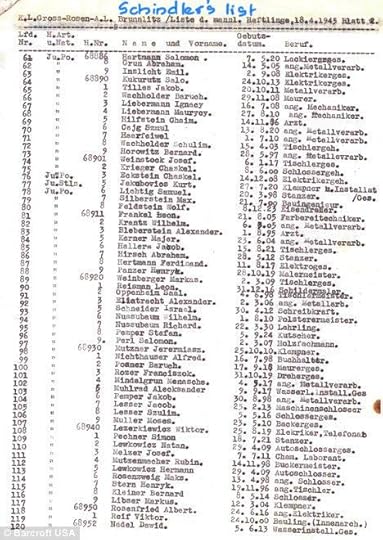
Oskar Schindler, a war profiteer, was so much moved by this little girl in a red coat. The image and violence he witnessed in the Krakow ghetto awakened him and did some malfeasance (according to the Nazi's nihilistic attitude). The sagacious actions taken by Schindler and Itzhak Stern without thinking about its ramifications saved the lives of about 1,100 Jews. This is one of the important portions of history, proving that one person can make a remarkable change in this world.
Dr. Korczak's, Misha's, and Sophia's characters in this novel are similar inspiring ones and show us the importance of each individual in this world and how they can change others lives.
Nuremberg Laws of 1935 and the Warsaw ghetto
Indeed, Hitler did not invent the hatred of Jews. But it is him who took antisemitism to the extreme level. Humanity will never forgive him for his massive extermination of Jews and the barbaric Medical experiments (under the Chief Perpetrator Josef Mengele) he conducted in his Auschwitz concentration camp in Poland. This novel points out the extreme situations people had to face during that period in Auschwitz and Warsaw.
My favourite three lines from this book or related to this book
"You do not leave a sick child alone to face the dark, and you do not leave a child at a time like this.”
"He told the orphans they were going out into the country, so they ought to be cheerful. At last they would be able to exchange the horrible suffocating city walls for meadows of flowers, streams where they could bathe, woods full of berries and mushrooms. He told them to wear their best clothes, and so they came out into the yard, two by two, nicely dressed and in a happy mood. The little column was led by an SS man..."
"It was quite a heavy thought but it wasn't my story so the writing was always at the service of bringing the story of those who had lived through those years. Above all it seemed important to pass on their history and I realized that if I didn't tell Sophia, Misha and Korczak's story in that way then it would be lost – so I just did my very best." (Elizabeth Gifford about her experience of writing this book)
Rating
4/5This might be a difficult book to read as it deals with the darkest areas of history. The author wonderfully depicts the lives of Dr. Korczak, Misha, and Sophia.
"The one thing you can't take away from me is the way I choose to respond to what you do to me. The last of one's freedoms is to choose one's attitude in any given circumstance."
― Viktor E. Frankl
—————————————————————————
You can also follow me on
Instagram | YouTube First Channel | YouTube Second Channel | Twitter | Snapchat | Facebook | TikTok
This book tells us the real-life story of Misha and Sophia, who helps Dr. Korczak take care of two hundred orphanage children and many others amid the extreme Warsaw situations during the Second World War.
What I learned from this book
Can one person change the world?
If you doubt the above sentence, I request you to look at the next three photos and your opinion will be changed forever.
Oskar Schindler, a war profiteer, was so much moved by this little girl in a red coat. The image and violence he witnessed in the Krakow ghetto awakened him and did some malfeasance (according to the Nazi's nihilistic attitude). The sagacious actions taken by Schindler and Itzhak Stern without thinking about its ramifications saved the lives of about 1,100 Jews. This is one of the important portions of history, proving that one person can make a remarkable change in this world.
Dr. Korczak's, Misha's, and Sophia's characters in this novel are similar inspiring ones and show us the importance of each individual in this world and how they can change others lives.
Nuremberg Laws of 1935 and the Warsaw ghetto
Indeed, Hitler did not invent the hatred of Jews. But it is him who took antisemitism to the extreme level. Humanity will never forgive him for his massive extermination of Jews and the barbaric Medical experiments (under the Chief Perpetrator Josef Mengele) he conducted in his Auschwitz concentration camp in Poland. This novel points out the extreme situations people had to face during that period in Auschwitz and Warsaw.
My favourite three lines from this book or related to this book
"You do not leave a sick child alone to face the dark, and you do not leave a child at a time like this.”
"He told the orphans they were going out into the country, so they ought to be cheerful. At last they would be able to exchange the horrible suffocating city walls for meadows of flowers, streams where they could bathe, woods full of berries and mushrooms. He told them to wear their best clothes, and so they came out into the yard, two by two, nicely dressed and in a happy mood. The little column was led by an SS man..."
"It was quite a heavy thought but it wasn't my story so the writing was always at the service of bringing the story of those who had lived through those years. Above all it seemed important to pass on their history and I realized that if I didn't tell Sophia, Misha and Korczak's story in that way then it would be lost – so I just did my very best." (Elizabeth Gifford about her experience of writing this book)
Rating
4/5This might be a difficult book to read as it deals with the darkest areas of history. The author wonderfully depicts the lives of Dr. Korczak, Misha, and Sophia.
"The one thing you can't take away from me is the way I choose to respond to what you do to me. The last of one's freedoms is to choose one's attitude in any given circumstance."
― Viktor E. Frankl
—————————————————————————
You can also follow me on
Instagram | YouTube First Channel | YouTube Second Channel | Twitter | Snapchat | Facebook | TikTok

April 26, 2018
*https://mrsbbookreviews.wordpress.com
4.5 stars
There were many members of the population during one of our bleakest moments in history, World War II and the Holocaust who were everyday heroes. One of the leading characters in The Good Doctor of Warsaw by Elisabeth Gifford is one such hero. Elisabeth Gifford celebrates the work of this good doctor and those who worked with him, through her well rendered historical fiction title, The Good Doctor of Warsaw.
The Good Doctor of Warsaw is one powerful tale indeed. The weight of this story is further increased by the fact that the narrative is based on real events and real figures in history. The figures that populate the pages of this novel are unsung heroes. I have the utmost respect for their actions during the war and their sense of humanity, as well as their protection of others. Reading the back cover of this book I was immediately struck by a deeply troubling fact. It states “Half a million people lived in the Warsaw ghetto. Less than one percent survived to their story. This novel is based on the rue accounts of Misha and Sophia, and on the life of one of Poland’s greatest men, Dr Janusz Korczak”. What a moving set piece to introduce a novel. Having read a fair bit of literature over the years in this area, I am still amazed by the stories that continue to come out of this era. The Good Doctor of Warsaw represents another story that needs to be heard and shared, so the memories of these people and their sufferings are never forgotten.
I must begin this review by acknowledging the level of research the author of The Good Doctor of Warsaw has put into this novel. It is quite a feat. I read through the post script and the author’s note at the end of the book gives the reader a better understanding of the extent of Gifford’s research. It also illuminates how this book was initially born, from the author’s personal interest in the work of Dr Korczak and his theories on how to best nurture children. Gifford felt inspired to write a book dedicated to the remarkable work of this respected figurehead. Gifford herself remarks on the flaws of her first version of the novel, which was overly factual and much too dry for readers to appreciate. With the help of her team, Gifford recreated her novel in the form it sits in today. The Good Doctor of Warsaw is the perfect reimagined historical story. It carefully balances facts with an engaging narrative. It is always tricky to get the balance right in a historical fiction novel, especially those that lean towards including so much fact, but I think Gifford nails it.
The two main protagonists of the tale, Misha and Sophia are carefully outlined by Gifford. Through following the shifting style narration of Misha and Sophia, it does not take long before a bond is formed between the reader and these characters. I genuinely cared deeply for their welfare and desperately hoped that they would rise above the awful circumstances that had been forced upon them. Based on the facts, only a very small percentage of those from the Warsaw ghettos survived. I wasn’t sure how the lives of the leads I grew to care so greatly about would overcome the odds. I will leave it at that as I fear I will spoil the novel for any potential readers.
Along with Misha and Sophia, the reader is given a thorough insight into the man, as well as the vital work of Doctor Korczak. His story is so moving. Doctor Korczak was a selfless man who was devoted to his cause until the bitter end. I appreciated the way in which Gifford wove Korczak’s theories and worked these into the novel ever so subtly. I think we could all learn a thing or two, decades later, from the life changing work of Dr Korczak.
It is a gift to be able to bring elements of history alive in a historical fiction format. The Polish chapter of World War II, as it was for many countries, was a sad, sorry and dark period of our world history. Gifford succeeds in bringing to life the moments of pure monstrosity, as well as the small glimmers of hope that did exist during this time. I have to admit that even though I am quite well versed in the effects of World War II and the Holocaust, I was still visibly moved by a number of scenes in the ghetto (dead bodies remaining on doorsteps for periods of time due to family members having no money to give for a proper burial). The scenes involving the transport trains to Treblinka, also drew a flood of tears for this reader. It is harrowing but eloquently realised.
An evocative and historically well informed story that will be sure to grab a hold of you and not let go, The Good Doctor of Warsaw is a worthy testament to a deep human tragedy in our world history. Let these memories and experiences prevail.
4.5 stars
There were many members of the population during one of our bleakest moments in history, World War II and the Holocaust who were everyday heroes. One of the leading characters in The Good Doctor of Warsaw by Elisabeth Gifford is one such hero. Elisabeth Gifford celebrates the work of this good doctor and those who worked with him, through her well rendered historical fiction title, The Good Doctor of Warsaw.
The Good Doctor of Warsaw is one powerful tale indeed. The weight of this story is further increased by the fact that the narrative is based on real events and real figures in history. The figures that populate the pages of this novel are unsung heroes. I have the utmost respect for their actions during the war and their sense of humanity, as well as their protection of others. Reading the back cover of this book I was immediately struck by a deeply troubling fact. It states “Half a million people lived in the Warsaw ghetto. Less than one percent survived to their story. This novel is based on the rue accounts of Misha and Sophia, and on the life of one of Poland’s greatest men, Dr Janusz Korczak”. What a moving set piece to introduce a novel. Having read a fair bit of literature over the years in this area, I am still amazed by the stories that continue to come out of this era. The Good Doctor of Warsaw represents another story that needs to be heard and shared, so the memories of these people and their sufferings are never forgotten.
I must begin this review by acknowledging the level of research the author of The Good Doctor of Warsaw has put into this novel. It is quite a feat. I read through the post script and the author’s note at the end of the book gives the reader a better understanding of the extent of Gifford’s research. It also illuminates how this book was initially born, from the author’s personal interest in the work of Dr Korczak and his theories on how to best nurture children. Gifford felt inspired to write a book dedicated to the remarkable work of this respected figurehead. Gifford herself remarks on the flaws of her first version of the novel, which was overly factual and much too dry for readers to appreciate. With the help of her team, Gifford recreated her novel in the form it sits in today. The Good Doctor of Warsaw is the perfect reimagined historical story. It carefully balances facts with an engaging narrative. It is always tricky to get the balance right in a historical fiction novel, especially those that lean towards including so much fact, but I think Gifford nails it.
The two main protagonists of the tale, Misha and Sophia are carefully outlined by Gifford. Through following the shifting style narration of Misha and Sophia, it does not take long before a bond is formed between the reader and these characters. I genuinely cared deeply for their welfare and desperately hoped that they would rise above the awful circumstances that had been forced upon them. Based on the facts, only a very small percentage of those from the Warsaw ghettos survived. I wasn’t sure how the lives of the leads I grew to care so greatly about would overcome the odds. I will leave it at that as I fear I will spoil the novel for any potential readers.
Along with Misha and Sophia, the reader is given a thorough insight into the man, as well as the vital work of Doctor Korczak. His story is so moving. Doctor Korczak was a selfless man who was devoted to his cause until the bitter end. I appreciated the way in which Gifford wove Korczak’s theories and worked these into the novel ever so subtly. I think we could all learn a thing or two, decades later, from the life changing work of Dr Korczak.
It is a gift to be able to bring elements of history alive in a historical fiction format. The Polish chapter of World War II, as it was for many countries, was a sad, sorry and dark period of our world history. Gifford succeeds in bringing to life the moments of pure monstrosity, as well as the small glimmers of hope that did exist during this time. I have to admit that even though I am quite well versed in the effects of World War II and the Holocaust, I was still visibly moved by a number of scenes in the ghetto (dead bodies remaining on doorsteps for periods of time due to family members having no money to give for a proper burial). The scenes involving the transport trains to Treblinka, also drew a flood of tears for this reader. It is harrowing but eloquently realised.
An evocative and historically well informed story that will be sure to grab a hold of you and not let go, The Good Doctor of Warsaw is a worthy testament to a deep human tragedy in our world history. Let these memories and experiences prevail.

November 14, 2017
The Good Doctor of Warsaw by Elizabeth Gifford is a story about life in the Warsaw Ghetto during the Second World War and the efforts of Doctor Janusz Korczak's to look after two hundred children in an orphanage and save them from being sent to a concentration camp. The people are badly treated and one young couple Sophia and Misha are forced apart during the German occupation. This is a sad story especially as it was written from true events. I would like to thank NetGalley and Atlantic Books for my e-copy in exchange for an honest review.

July 28, 2018
This is the story of the Warsaw Ghetto told through a lens of romantic love. Misha and Sophie are model human beings - neither has a bad bone in their bodies which I'm afraid didn't make them very interesting or even believable. It felt like they had been created to provide a feel-good feeling in what otherwise is the horrific story of the plight of the Jews in the Warsaw ghetto. If you know absolutely nothing about events in Warsaw this will no doubt be of interest because often it reads like a non-fiction book. The proliferation of facts and scenes recreated from cinematic portrayals of the ghetto is relentless but rarely unfortunately are they dramatized. In short, there are too many facts and not enough imagination. It's a novel written with a lot of love but little artistry. That said, I was probably the wrong audience. It reads like a novel written for children which perhaps is its purpose seeing as it pays homage to the teacher, child psychologist and children's author Dr Korczak.

January 17, 2018
Powerful, compelling and, at times, difficult to read about the suffering...
I’ll be honest and say that when I read Elisabeth Gifford’s previous book, Secrets of the Sea House, I found the story line set in the past much more compelling than that set in the present. So, I was delighted to learn about this book set entirely in the period of the Second World War. The subject matter, well, that’s very far from delightful but the author delivers a powerful, compelling account of the fate of those who struggled for survival in the Warsaw ghetto. Sadly, most of them failed in that struggle. Of the half a million people who lived in the Warsaw ghetto, less than one percent survived to tell their story.
With the benefit of hindsight, one reads about the unfolding events in the ghetto with a mounting sense of horror. I’ll give you an example that sums this up and which sent shivers down my spine. News comes that some of the men imprisoned by the Nazis are to be released to carry out construction work at a site close to Warsaw. ‘It’s a new work camp called Treblinka.’
The inhabitants of the ghetto greet each new atrocity with shock; they simply cannot believe that human beings could do such things to other human beings (and who can blame them). ‘So this is the ghetto, a square mile of hell containing half a million people slowly dying of hunger.’ Gradually the Jewish community begin to realise the objective of the Nazis is their total elimination and their focus switches to trying to ensure the survival of their children at the very least, those who represent their future. ‘Our highest and holiest duty is to ensure that our children survive these tragic times.’
Each day becomes a daily struggle to find food with only goods smuggled in from outside the ghetto keeping people alive – and barely, at that. Diseases, such as typhus, are rife in such squalid conditions. Grotesquely, the presence of disease is welcomed by the Nazi regime because it will do the work of eliminating the Jews more quickly than starvation and deter any contact from the areas of Warsaw outside the ghetto. It also feeds into their appalling belief in the Jewish people as tainted.
However, behind the harrowing depiction of the grotesque treatment meted out to the Jewish community of Warsaw, there is the wonderful love story of Misha and Sophia. ‘If he has Sophia, then he has everything.’ Despite personal tragedies and enforced separation lasting years, they never give up their belief that they will one day build a home together.
The Good Doctor of Warsaw is also a story of courage and dedication. Those qualities are personified in Dr Janusz Korczak. “All I can tell you is that a beautiful life is always a difficult life.” Just when you think nothing can be worse than what you’ve already read, the children of the ghetto are rounded up and taken to the railway station. ‘The march of the children pulls a dark cloud across the sky behind it. Finally, the ghetto understands what the Germans intend. If they can take the children, they will take everybody.’ Dr Korczak remains committed to the welfare of the children under his care to the very end, passing up opportunities to escape himself. As he says, “You do not leave a child alone to face the dark.”
At times, the events in the book are almost unbearably distressing to read but then the book should be uncomfortable reading because it bears witness to one of the greatest atrocities of the Second World War. I praise the author for shining a light on this story of, yes, cruelty and barbarism, but also of courage, resilience and hope. As well as the history of a persecuted community, it’s also the story of real individuals. The author’s website has fascinating photographs of Misha, Sophia, Dr Korczak and the children.
I received an advance reader copy courtesy of NetGalley and publishers, Atlantic Books/Corvus, in return for an honest review.
I’ll be honest and say that when I read Elisabeth Gifford’s previous book, Secrets of the Sea House, I found the story line set in the past much more compelling than that set in the present. So, I was delighted to learn about this book set entirely in the period of the Second World War. The subject matter, well, that’s very far from delightful but the author delivers a powerful, compelling account of the fate of those who struggled for survival in the Warsaw ghetto. Sadly, most of them failed in that struggle. Of the half a million people who lived in the Warsaw ghetto, less than one percent survived to tell their story.
With the benefit of hindsight, one reads about the unfolding events in the ghetto with a mounting sense of horror. I’ll give you an example that sums this up and which sent shivers down my spine. News comes that some of the men imprisoned by the Nazis are to be released to carry out construction work at a site close to Warsaw. ‘It’s a new work camp called Treblinka.’
The inhabitants of the ghetto greet each new atrocity with shock; they simply cannot believe that human beings could do such things to other human beings (and who can blame them). ‘So this is the ghetto, a square mile of hell containing half a million people slowly dying of hunger.’ Gradually the Jewish community begin to realise the objective of the Nazis is their total elimination and their focus switches to trying to ensure the survival of their children at the very least, those who represent their future. ‘Our highest and holiest duty is to ensure that our children survive these tragic times.’
Each day becomes a daily struggle to find food with only goods smuggled in from outside the ghetto keeping people alive – and barely, at that. Diseases, such as typhus, are rife in such squalid conditions. Grotesquely, the presence of disease is welcomed by the Nazi regime because it will do the work of eliminating the Jews more quickly than starvation and deter any contact from the areas of Warsaw outside the ghetto. It also feeds into their appalling belief in the Jewish people as tainted.
However, behind the harrowing depiction of the grotesque treatment meted out to the Jewish community of Warsaw, there is the wonderful love story of Misha and Sophia. ‘If he has Sophia, then he has everything.’ Despite personal tragedies and enforced separation lasting years, they never give up their belief that they will one day build a home together.
The Good Doctor of Warsaw is also a story of courage and dedication. Those qualities are personified in Dr Janusz Korczak. “All I can tell you is that a beautiful life is always a difficult life.” Just when you think nothing can be worse than what you’ve already read, the children of the ghetto are rounded up and taken to the railway station. ‘The march of the children pulls a dark cloud across the sky behind it. Finally, the ghetto understands what the Germans intend. If they can take the children, they will take everybody.’ Dr Korczak remains committed to the welfare of the children under his care to the very end, passing up opportunities to escape himself. As he says, “You do not leave a child alone to face the dark.”
At times, the events in the book are almost unbearably distressing to read but then the book should be uncomfortable reading because it bears witness to one of the greatest atrocities of the Second World War. I praise the author for shining a light on this story of, yes, cruelty and barbarism, but also of courage, resilience and hope. As well as the history of a persecuted community, it’s also the story of real individuals. The author’s website has fascinating photographs of Misha, Sophia, Dr Korczak and the children.
I received an advance reader copy courtesy of NetGalley and publishers, Atlantic Books/Corvus, in return for an honest review.

April 2, 2019
A minha opinião em vídeo: https://youtu.be/AIuVXFSWofE

February 9, 2018
T/W- Mentions of Suicide, scenes of violence, Corpses
I was really pleased to discover that I won a copy of The Good Doctor of Warsaw from Readers First so a big thank you for the opportunity! This is an adult historical fiction novel set during WW2 in Poland, mainly in Warsaw in the Warsaw Ghetto and inspired by true events. The characters Misha and Sophia are in love with each other but as the Nazis invade, they are forced to escape from the city they love before danger hits them. On the other hand, Dr Korczak looks after children in an orphanage and fights to get the essential supplies they need for survival. When the persecution begins, lives in the Ghetto change forever.
It was a well-researched, emotional read from a period of history that I did know some aspects about but not from the settings in Poland. I found the main characters stories of trying to survive thrilling and heartbreaking. The dialogue I felt was realistic and the parts at the end about why the author chose to write this novel, an interesting read in itself.
I was really pleased to discover that I won a copy of The Good Doctor of Warsaw from Readers First so a big thank you for the opportunity! This is an adult historical fiction novel set during WW2 in Poland, mainly in Warsaw in the Warsaw Ghetto and inspired by true events. The characters Misha and Sophia are in love with each other but as the Nazis invade, they are forced to escape from the city they love before danger hits them. On the other hand, Dr Korczak looks after children in an orphanage and fights to get the essential supplies they need for survival. When the persecution begins, lives in the Ghetto change forever.
It was a well-researched, emotional read from a period of history that I did know some aspects about but not from the settings in Poland. I found the main characters stories of trying to survive thrilling and heartbreaking. The dialogue I felt was realistic and the parts at the end about why the author chose to write this novel, an interesting read in itself.

June 23, 2018
An incredibly moving and vividly told story based on true and actual events inspired by the Polish communities affected by the Nazi occupation of World War Two. This was a very well written book - I thoroughly enjoyed it. The Warsaw community is perhaps neglected in historical remembrance; over ninety nine percent of the Jewish ghetto did not survive the war.
I enjoyed all of this book, although at times parts made for difficult reading. How wartime and poverty effected the children of Warsaw was a revelation; again I feel this aspect of history has been largely forgotten. The author structures her writing well and the book is an easy read despite its large amount of chapters.
A highly recommended read for fans of history and contemporary romance. A beautifully tragic and poetic story.
I enjoyed all of this book, although at times parts made for difficult reading. How wartime and poverty effected the children of Warsaw was a revelation; again I feel this aspect of history has been largely forgotten. The author structures her writing well and the book is an easy read despite its large amount of chapters.
A highly recommended read for fans of history and contemporary romance. A beautifully tragic and poetic story.

February 6, 2019
novel based in the warsaw ghetto and based on true events, enjoyed the majority of the novel but felt the latter part of the novel was rushed and didn't fit well with the rest of the novel

June 1, 2020
Terminei este livro de coração partido...
Um romance que conta a história arrepiante e inspiradora de Dr. Janusz Korczak e os meninos de Varsóvia... ainda bem que há quem escreva estes livros para que os heróis silenciosos do holocausto não fiquem esquecidos. Janusz Korczak foi médico, pediatra, autor infantil, pedagogo, ativista social e ficou conhecido como o bom doutor de Varsóvia.
“Se não deixamos uma criança doente sem amparo, também não podemos abandonar uma criança num momento destes.” Dr. Janusz Korczak em Os meninos de Varsóvia de Elisabeth Gifford
Um romance que conta a história arrepiante e inspiradora de Dr. Janusz Korczak e os meninos de Varsóvia... ainda bem que há quem escreva estes livros para que os heróis silenciosos do holocausto não fiquem esquecidos. Janusz Korczak foi médico, pediatra, autor infantil, pedagogo, ativista social e ficou conhecido como o bom doutor de Varsóvia.
“Se não deixamos uma criança doente sem amparo, também não podemos abandonar uma criança num momento destes.” Dr. Janusz Korczak em Os meninos de Varsóvia de Elisabeth Gifford

February 11, 2018
The Good Doctor of Warsaw
I am on chapter 42 of the audiobook version of this story and this is such a powerful story that really touches your heart. Think I am about half way down a box of tissues as this story has really brought home to me that we must never forget.
Continued.
This story is based on the true accounts of Misha, Sophia and also the life of Dr Janusz Korczac.
Based on the events that transpired in Warsaw when the majority of the Jewish people lost their lives when Poland was invaded by the Nazi regime.
It is a story that needs to be told in the hope that peace will prevail in the world and the horrors of the Holocaust will never happen again.
However, that alas seems an impossible dream that their will come a day when the world will be at peace.
The suffering of the Jewish people and the horrors of the gas chambers. Young or old their was no distinction, no pity or compassion was shown.
This narration really brought the story to life for me and made me cry, especially when they took the children.
A very well written and poignant story that deserves much more than five stars. Highly recommended.
I am on chapter 42 of the audiobook version of this story and this is such a powerful story that really touches your heart. Think I am about half way down a box of tissues as this story has really brought home to me that we must never forget.
Continued.
This story is based on the true accounts of Misha, Sophia and also the life of Dr Janusz Korczac.
Based on the events that transpired in Warsaw when the majority of the Jewish people lost their lives when Poland was invaded by the Nazi regime.
It is a story that needs to be told in the hope that peace will prevail in the world and the horrors of the Holocaust will never happen again.
However, that alas seems an impossible dream that their will come a day when the world will be at peace.
The suffering of the Jewish people and the horrors of the gas chambers. Young or old their was no distinction, no pity or compassion was shown.
This narration really brought the story to life for me and made me cry, especially when they took the children.
A very well written and poignant story that deserves much more than five stars. Highly recommended.

June 8, 2024
O poveste impresionantă despre dedicarea unor oameni în creșterea, educarea și ocrotirea copiilor.
Totul are loc în timpul celui de-al doilea razboi mondial într-un ghetou din Varșovia (în cea mai mare parte) și surprinde viețile câtorva oameni impresionanți care au existat în realitate.
Are un puternic impact emoțional.
Totul are loc în timpul celui de-al doilea razboi mondial într-un ghetou din Varșovia (în cea mai mare parte) și surprinde viețile câtorva oameni impresionanți care au existat în realitate.
Are un puternic impact emoțional.

December 14, 2022
"El médico de Varsovia" es una novela muy corta, algo que no suele gustarme en las novelas históricas, pero el libro me ha sorprendido para bien.
La novela empieza unos años previos a la Segunda Guerra Mundial, y todos los judios residentes en Varsovia no esperan que Hitler llegue al poder, y tampoco esperan nada de lo que viene después.
Es verdad que el libro comienza con una historia de amor muy rápida, pero es el comienzo de todo lo que viene detrás, no le ha dado mas importancia de la que debe, por lo que no me ha resultado algo empalagoso, ha sido una introducción a la historia real.
El gran protagonista de la historia es el doctor Korczak, un médico que dirige un orfanato, repleto de niños judíos, que por unas cosas u otras han acabado ahi. Korczak hará lo imposible por cuidarlos, para que no les falta de nada en un momento de la historia muy duro. Os recomiendo si no conocéis a este personaje busquéis su historia y todo lo que hizo por esos niños.
Todo esto ocurrira cuando Alemania ataque a Polonia, y todos los habitantes tenga que vivir y acostumbrarse al gueto, un lugar lleno de enfermedades, de hambruna... un sitio bastante desesperante en el que día y noche estará en continuos bombardeos...
Al ser una historia tan breve no profundiza prácticamente nada en momentos históricos que para mi son bastante importantes, y que hubiera sido interesante saber más o que lo hubiera incluido de alguna manera en la historia, aún así, ha tratado uno tema ( el del Doctor y los niños) que yo personalmente desconocía, y me ha gustado mucho.
Si algo me gusta de estos libros, son las notas de los autores, y aqui no se ha quedado atrás, la autora explica super bien como ha llegado a contar todo, como se ha documentado, que pasó con los personajes...
Recomiendo la historia para amantes de este genero sabiendo que es una historia mas bien simple, pero tambien la recomiendo aquellos que quieran empezar a leer algo sobre este momento histórico.
La novela empieza unos años previos a la Segunda Guerra Mundial, y todos los judios residentes en Varsovia no esperan que Hitler llegue al poder, y tampoco esperan nada de lo que viene después.
Es verdad que el libro comienza con una historia de amor muy rápida, pero es el comienzo de todo lo que viene detrás, no le ha dado mas importancia de la que debe, por lo que no me ha resultado algo empalagoso, ha sido una introducción a la historia real.
El gran protagonista de la historia es el doctor Korczak, un médico que dirige un orfanato, repleto de niños judíos, que por unas cosas u otras han acabado ahi. Korczak hará lo imposible por cuidarlos, para que no les falta de nada en un momento de la historia muy duro. Os recomiendo si no conocéis a este personaje busquéis su historia y todo lo que hizo por esos niños.
Todo esto ocurrira cuando Alemania ataque a Polonia, y todos los habitantes tenga que vivir y acostumbrarse al gueto, un lugar lleno de enfermedades, de hambruna... un sitio bastante desesperante en el que día y noche estará en continuos bombardeos...
Al ser una historia tan breve no profundiza prácticamente nada en momentos históricos que para mi son bastante importantes, y que hubiera sido interesante saber más o que lo hubiera incluido de alguna manera en la historia, aún así, ha tratado uno tema ( el del Doctor y los niños) que yo personalmente desconocía, y me ha gustado mucho.
Si algo me gusta de estos libros, son las notas de los autores, y aqui no se ha quedado atrás, la autora explica super bien como ha llegado a contar todo, como se ha documentado, que pasó con los personajes...
Recomiendo la historia para amantes de este genero sabiendo que es una historia mas bien simple, pero tambien la recomiendo aquellos que quieran empezar a leer algo sobre este momento histórico.

October 1, 2021
Mă număr printre cititorii care preferă, de cele mai multe ori, să citească o carte de istorie în locul unui roman de ficțiune istorică. Mi se pare misiunea unui autor care încearcă să escaladeze acest gen destul de dificilă și extrem de subiectivă, fapt care degenerează în apariția unor titluri mai mult sau mai puțin pertinente pentru unele subiecte. Citind coperta romanului „Bunul doctor din Varșovia”, semnat de Elisabeth Gifford și tradus, în 2021, la editura Meteor Publishing, presimțeam că mă așteaptă încă un volum romanțat despre Holocaust, ceea ce poate nu ar fi atât de rău, dacă nu ar fi în abundență.
Mare mi-a fost mirarea să descopăr un altfel de roman bazate pe fapte reale, în care figura centrală este cea a emeritului pedagog, pediatru și specialist în educație Janusz Korczak, omul care a revoluționat parentingul și creșterea copiilor, deturnând cu succes vechile metode opresive de educare a tinerei generații și stabilind accentul asupra înțelegerii copilului ca individualitate.
Istoria sa este plasată în acest volum într-un context sensibil și acut: cotropirea Poloniei de către forțele naziste și crearea gheto-ului din Varșovia. s-ar putea ca cititorul care descoperă acest volum să aibă vaga impresie că acele vremuri tulburi nu au nimic de a face cu metodele blânde de creștere a pruncilor, or misiunea acestui bun doctor din Varșovia era exact asta. Să păstreze intactă neprihănita condiție a urmașilor, despre care acesta spunea că sunt viitorul unei națiuni.
Alături de povestea lui Korczak (apropo, acesta nu este numele său real, ci un pseudonim ales pentru a suporta mai ușor prigoana antisemită. De facto, numele său era Henryk Goldszmit, fiul unui avocat evreu bogat) este plasată și soarta unui cuplu: Mișa și Sofia, doi tineri apropiați profesorului care se cunosc și se iubesc din primele clipe, dar care, spre regret, nu știu ce vremuri îi așteaptă.
Avalanșa evenimentelor istorice se împletește natural cu istoria tuturor personajelor, care iubesc, suferă, ajung la limita disperării și a tristeții, dar renasc aidoma unei păsări Phoenix. Dacă vreți, acest trio nu este altceva decât o reflecție a scopului (de a educa copii integri) și a rezultatului (de a supraviețui cu demnitate, chiar și atunci când ești trântit la pământ de tăvălugul istoriei.
Narațiunea lui Elisabeth Gifford este fluentă, bine structurată și documentată exact atât cât să nu plictisească cititorul, ci să-l intrige. De fapt autoarea, în post – scriptum, recunoaște că a trunchiat multe date din carte doar pentru a-i conferi un caracter mai lizibil. Din punctul meu de vedere, această mișcare nu a afectat conținutul cărții, care se situează cu succes, în rândul volumelor despre Holocaust fără clișee.
Unica posibilă carență pe care am simțit-o a fost romantismul cuplului Mișa – Sofia, care pe alocuri nu se potrivea organic întregului fundal, dar pot înțelege acest lucru, deoarece este desprins din existența lor reală, în care a fost loc de un happy – end. În rest, romanul este simbolic, descriind cu lux de amănunte starea de ansamblu a gheto-ului din Varșovia, un loc din care doar moartea sau disperarea mai putea scoate supraviețuitori. Din punct de vedere emoțional, cartea lui Gifford este dificil de citit și de digerat, deoarece unele fragmente sunt stupefiante, dar mi se pare relevantă apariția unor astfel de cărți pentru a înțelege un fenomen în deplinătatea sa. Până unde poate fi împins spiritul uman, astfel încât să rămână încă vertical.
Misiunea lui Korczak era nu doar de a supraviețui, ci și de a educa tinerii în spiritul respectului, al iubirii, al compasiunii chiar și în fața călăilor. Acest roman nu este altceva decât un tribut adus cu recunoștință unui om care a reușit să poarte aprinsă lumina pedagogiei într-un secol al beznei ideologice.
Mare mi-a fost mirarea să descopăr un altfel de roman bazate pe fapte reale, în care figura centrală este cea a emeritului pedagog, pediatru și specialist în educație Janusz Korczak, omul care a revoluționat parentingul și creșterea copiilor, deturnând cu succes vechile metode opresive de educare a tinerei generații și stabilind accentul asupra înțelegerii copilului ca individualitate.
Istoria sa este plasată în acest volum într-un context sensibil și acut: cotropirea Poloniei de către forțele naziste și crearea gheto-ului din Varșovia. s-ar putea ca cititorul care descoperă acest volum să aibă vaga impresie că acele vremuri tulburi nu au nimic de a face cu metodele blânde de creștere a pruncilor, or misiunea acestui bun doctor din Varșovia era exact asta. Să păstreze intactă neprihănita condiție a urmașilor, despre care acesta spunea că sunt viitorul unei națiuni.
Alături de povestea lui Korczak (apropo, acesta nu este numele său real, ci un pseudonim ales pentru a suporta mai ușor prigoana antisemită. De facto, numele său era Henryk Goldszmit, fiul unui avocat evreu bogat) este plasată și soarta unui cuplu: Mișa și Sofia, doi tineri apropiați profesorului care se cunosc și se iubesc din primele clipe, dar care, spre regret, nu știu ce vremuri îi așteaptă.
Avalanșa evenimentelor istorice se împletește natural cu istoria tuturor personajelor, care iubesc, suferă, ajung la limita disperării și a tristeții, dar renasc aidoma unei păsări Phoenix. Dacă vreți, acest trio nu este altceva decât o reflecție a scopului (de a educa copii integri) și a rezultatului (de a supraviețui cu demnitate, chiar și atunci când ești trântit la pământ de tăvălugul istoriei.
Narațiunea lui Elisabeth Gifford este fluentă, bine structurată și documentată exact atât cât să nu plictisească cititorul, ci să-l intrige. De fapt autoarea, în post – scriptum, recunoaște că a trunchiat multe date din carte doar pentru a-i conferi un caracter mai lizibil. Din punctul meu de vedere, această mișcare nu a afectat conținutul cărții, care se situează cu succes, în rândul volumelor despre Holocaust fără clișee.
Unica posibilă carență pe care am simțit-o a fost romantismul cuplului Mișa – Sofia, care pe alocuri nu se potrivea organic întregului fundal, dar pot înțelege acest lucru, deoarece este desprins din existența lor reală, în care a fost loc de un happy – end. În rest, romanul este simbolic, descriind cu lux de amănunte starea de ansamblu a gheto-ului din Varșovia, un loc din care doar moartea sau disperarea mai putea scoate supraviețuitori. Din punct de vedere emoțional, cartea lui Gifford este dificil de citit și de digerat, deoarece unele fragmente sunt stupefiante, dar mi se pare relevantă apariția unor astfel de cărți pentru a înțelege un fenomen în deplinătatea sa. Până unde poate fi împins spiritul uman, astfel încât să rămână încă vertical.
Misiunea lui Korczak era nu doar de a supraviețui, ci și de a educa tinerii în spiritul respectului, al iubirii, al compasiunii chiar și în fața călăilor. Acest roman nu este altceva decât un tribut adus cu recunoștință unui om care a reușit să poarte aprinsă lumina pedagogiei într-un secol al beznei ideologice.

April 14, 2019
Um dos meus temas preferidos para ler, são livros sobre a Segunda Guerra Mundial e este livro foi uma excelente surpresa que me chegou às mãos e uma história fantástica que tive o prazer de descobrir.
Baseado em factos e pessoas verídicas, conhecemos o Dr. Korczak, um homem fantástico que fez tudo o que tinha ao seu alcance para melhorar a vida das crianças, mas também Misha e Sofia, um casal que também trabalhou com o Dr. Korczak e a sua história de amor e sobrevivência.
Adorei e foi tão difícil interromper a leitura para trabalhar e só voltar a pegar no livro na viagem de regresso a casa.
Uma história fabulosa e que recomendo, sem reservas!
Vejam a também minha opinião mais detalhada em vídeo, AQUI.
Baseado em factos e pessoas verídicas, conhecemos o Dr. Korczak, um homem fantástico que fez tudo o que tinha ao seu alcance para melhorar a vida das crianças, mas também Misha e Sofia, um casal que também trabalhou com o Dr. Korczak e a sua história de amor e sobrevivência.
Adorei e foi tão difícil interromper a leitura para trabalhar e só voltar a pegar no livro na viagem de regresso a casa.
Uma história fabulosa e que recomendo, sem reservas!
Vejam a também minha opinião mais detalhada em vídeo, AQUI.

February 23, 2021
A very powerful book of the Holocaust. We learn about a man before his time, trying to keep Jewish children safe and happy in Poland. This was also a very sad book for me-as the reader get an intimate look a life in a Jewish ghetto.
January 14, 2019
A rather harrowing story set in Warsaw in 1940. It is based on the true story of Dr Korczak and his attempt to save hundreds of children in his orphanage, which was in the Jewish ghetto.
Some of it made difficult reading, but glad I did finish it. Not a book to say you enjoyed, but left a huge impact.
Some of it made difficult reading, but glad I did finish it. Not a book to say you enjoyed, but left a huge impact.

June 21, 2018
'Half a million people lived in the Warsaw ghetto. Less than one percent survived to tell their story. This novel is based on the true accounts of Misha and Sophia, and on the life of one of Poland’s greatest men, Dr Janusz Korczak.
The Good Doctor of Warsaw is the phenomenal, heart-breaking book from author Elisabeth Gifford. Published by Corvus, it is a book that left me completely bereft and stunned. The story of Sophia and Misha and the harrowing story of the inspirational Dr Janusz Korczak is a story that needs to be heard.
‘You do not leave a sick child alone to face the dark and you do not leave a child at a time like this.’
On finished The Good Doctor of Warsaw, I literally stopped everything I was doing. I have read many books in this genre, as it’s a period in our history that just fascinates me. This….this incredible book just blew me away.
Dr Janusz Korczak was born Henry Goldszmit in 1879 in Poland, the son of a wealthy Jewish lawyer and his wife. In later years, after studying medicine, he became a very popular paediatrician, but soon left medicine to work full time at a children’s orphanage. It was here that he met Stefa Wilczynska. Together they set about protecting the vulnerable children of Warsaw. This is their story…..
The Good Doctor of Warsaw takes the reader through the harrowing years of the occupation and destruction of Warsaw, a city brought to it’s knees by the Nazi regime, a city that has seen terrible injustices against it’s people
‘The Jews will perish from hunger and poverty and only a graveyard will remain of the Jewish question.’ – Ludwig Fischer, Governor of the Warsaw District
Elisabeth Gifford came upon the name Dr Janusz Korczak, while attending a teaching conference many years ago. His philosophy and teachings struck a chord with her and she decided to research his life story. Amazed at what she discovered, Elisabeth Gifford made a decision to share his story with the world by writing a book. As she went about her research she learnt about many folk who were part of the story but it the tale of Misha and Sophia that we get an insight into in the book.
Misha and Sophia were two young students who fell in love before their home became a place of unspeakable horror and death. Misha did some work for Dr Korczak and Sophia supported this work completely. The Good Doctor looked after over two hundred children and their care and protection was his mission in life. He was an advocate for giving children the right to an opinion and was a true believer that each child had their own unique personality. He was a well known figure in the city of Warsaw, very well respected for his work and for looking after the future of the city… these children were the future.
As the Nazi regime rolled it’s way into Poland, no one truly believed the rumours, no one believed the stories of the pure hatred against the Jewish community. The Polish population thrived in a society that celebrated it’s culture and music. Life was good…until the sounds of gun shots rang out and the rumours became a very stark reality.
The Good Doctor of Warsaw is a powerful book. The depiction of the ghetto and it’s inhabitants is soul-destroying and the pure savagery of the Nazi guards is quite distressing
‘Even the air is different here, a persistent smell made up of rotting rubbish, unwashed clothes and sewage. Along each side of the street, thin and listless people in shabby clothes stand by little piles of redundant-looking items…hoping for a sale.Two haggard children bundled in rags come swaying towards Sophia on stick legs, each holding out a hand and chanting as if in a dream. An emaciated teenager with a rope around his frayed coat is stretched out on the flagstones, his sunken face as grey as putty, his eyes closed. Is he alive?’
Sophia and Misha’s story is one of love and hope against the terrifying backdrop of a people and a city that was razed to the ground. Dr Korczak’s story is one of bravery and courage, a story that inspires and saddens, a story that will shock you to the core.
The Good Doctor of Warsaw is not an easy read by any means. I was quite agitated when I finished it, unable to focus on anything. The attempted annihilation of a section of society by one man is very hard to fathom. The hatred in his heart, the anger, the pure malice toward the Jewish community is very difficult to process. As the Warsaw Ghetto was emptied and destroyed, tears rolled down my face. The pure fear among this helpless group of people who, with dignity, walked their last steps toward the trains to the death camps will stay with me forever. I cannot but think of all the shattered lives, the families destroyed by this madness, this evil.
The Good Doctor of Warsaw is a book that strives to keep the memory of these brave, brave people alive in our thoughts and forever in our prayers.
I cannot recommend The Good Doctor of Warsaw enough. Please read it. You will not regret it.
Exceptional. Harrowing. Compelling. True.
A quote from the Postscript
‘He was spared from the gas chambers because he was picked out to play his harmonica in the orchestra. He was forced to play to the crowds walking into the gas chambers every day. After he saw his family go by he always played with eyes shut’
The Good Doctor of Warsaw is the phenomenal, heart-breaking book from author Elisabeth Gifford. Published by Corvus, it is a book that left me completely bereft and stunned. The story of Sophia and Misha and the harrowing story of the inspirational Dr Janusz Korczak is a story that needs to be heard.
‘You do not leave a sick child alone to face the dark and you do not leave a child at a time like this.’
On finished The Good Doctor of Warsaw, I literally stopped everything I was doing. I have read many books in this genre, as it’s a period in our history that just fascinates me. This….this incredible book just blew me away.
Dr Janusz Korczak was born Henry Goldszmit in 1879 in Poland, the son of a wealthy Jewish lawyer and his wife. In later years, after studying medicine, he became a very popular paediatrician, but soon left medicine to work full time at a children’s orphanage. It was here that he met Stefa Wilczynska. Together they set about protecting the vulnerable children of Warsaw. This is their story…..
The Good Doctor of Warsaw takes the reader through the harrowing years of the occupation and destruction of Warsaw, a city brought to it’s knees by the Nazi regime, a city that has seen terrible injustices against it’s people
‘The Jews will perish from hunger and poverty and only a graveyard will remain of the Jewish question.’ – Ludwig Fischer, Governor of the Warsaw District
Elisabeth Gifford came upon the name Dr Janusz Korczak, while attending a teaching conference many years ago. His philosophy and teachings struck a chord with her and she decided to research his life story. Amazed at what she discovered, Elisabeth Gifford made a decision to share his story with the world by writing a book. As she went about her research she learnt about many folk who were part of the story but it the tale of Misha and Sophia that we get an insight into in the book.
Misha and Sophia were two young students who fell in love before their home became a place of unspeakable horror and death. Misha did some work for Dr Korczak and Sophia supported this work completely. The Good Doctor looked after over two hundred children and their care and protection was his mission in life. He was an advocate for giving children the right to an opinion and was a true believer that each child had their own unique personality. He was a well known figure in the city of Warsaw, very well respected for his work and for looking after the future of the city… these children were the future.
As the Nazi regime rolled it’s way into Poland, no one truly believed the rumours, no one believed the stories of the pure hatred against the Jewish community. The Polish population thrived in a society that celebrated it’s culture and music. Life was good…until the sounds of gun shots rang out and the rumours became a very stark reality.
The Good Doctor of Warsaw is a powerful book. The depiction of the ghetto and it’s inhabitants is soul-destroying and the pure savagery of the Nazi guards is quite distressing
‘Even the air is different here, a persistent smell made up of rotting rubbish, unwashed clothes and sewage. Along each side of the street, thin and listless people in shabby clothes stand by little piles of redundant-looking items…hoping for a sale.Two haggard children bundled in rags come swaying towards Sophia on stick legs, each holding out a hand and chanting as if in a dream. An emaciated teenager with a rope around his frayed coat is stretched out on the flagstones, his sunken face as grey as putty, his eyes closed. Is he alive?’
Sophia and Misha’s story is one of love and hope against the terrifying backdrop of a people and a city that was razed to the ground. Dr Korczak’s story is one of bravery and courage, a story that inspires and saddens, a story that will shock you to the core.
The Good Doctor of Warsaw is not an easy read by any means. I was quite agitated when I finished it, unable to focus on anything. The attempted annihilation of a section of society by one man is very hard to fathom. The hatred in his heart, the anger, the pure malice toward the Jewish community is very difficult to process. As the Warsaw Ghetto was emptied and destroyed, tears rolled down my face. The pure fear among this helpless group of people who, with dignity, walked their last steps toward the trains to the death camps will stay with me forever. I cannot but think of all the shattered lives, the families destroyed by this madness, this evil.
The Good Doctor of Warsaw is a book that strives to keep the memory of these brave, brave people alive in our thoughts and forever in our prayers.
I cannot recommend The Good Doctor of Warsaw enough. Please read it. You will not regret it.
Exceptional. Harrowing. Compelling. True.
A quote from the Postscript
‘He was spared from the gas chambers because he was picked out to play his harmonica in the orchestra. He was forced to play to the crowds walking into the gas chambers every day. After he saw his family go by he always played with eyes shut’

December 27, 2023
Omg this book broke my heart . A must read book
January 23, 2022
Overcome. This is why I read books. I have never actually cried reading a book before. This was a first for me. Yet uplifting and full of meaning for the future.

May 27, 2018
Twenty five years ago I read about Janusz Korczak and was truly awestruck by what an amazing human being he was. His story is one I've never forgotten, Even though I know this story well and that Korczak and his orphans ultimately lost their lives in the gas chamber at Treblinka. While reading The Good Doctor of Warsaw I was touched by the events and the selflessness of Korczak and his staff. How their generosity of spirit inspired the children in their care.
The Good Doctor of Warsaw is the story of Misha and Sophia, a couple drawn together by their shared beliefs. Both are from poor families, but both have a willingness to help doctor Korczak care for the orphaned children of Warsaw.
" You know, everyone makes so much of Korczak´s last decision to go with the children to the train. But his whole life was made up of moral decisions. The decision to become a children´s doctor. The decision to give up medicine and his writing career to take care of poor orphans. The decision to go with the Jewish orphans into the ghetto. As for that last decision to go with the children to Treblinka, it was part of his nature. It was who he was. He wouldn´t understand why we are making so much of it today. " quote by Misha Wroblewski.
Misha and Sophia's experiences are both terrifying and heartbreaking, yet their love endured throughout some of the most horrific and terrible events known to man.
The Good Doctor of Warsaw is the story of Misha and Sophia, a couple drawn together by their shared beliefs. Both are from poor families, but both have a willingness to help doctor Korczak care for the orphaned children of Warsaw.
" You know, everyone makes so much of Korczak´s last decision to go with the children to the train. But his whole life was made up of moral decisions. The decision to become a children´s doctor. The decision to give up medicine and his writing career to take care of poor orphans. The decision to go with the Jewish orphans into the ghetto. As for that last decision to go with the children to Treblinka, it was part of his nature. It was who he was. He wouldn´t understand why we are making so much of it today. " quote by Misha Wroblewski.
Misha and Sophia's experiences are both terrifying and heartbreaking, yet their love endured throughout some of the most horrific and terrible events known to man.

April 8, 2019
I had already read about Pan Doctor, but never in a book with such exquisite gentleness in treating a theme that is both terrifying and upsetting: the death of the Orphanage children, whom Pan Doctor did not abandon... The real stories of the characters - very few of which survived - make justice to the memory of the many that did not.
A wonderful book, which I would have finshed much earlier, if I had not a problem with my eyes.
I really recommend it, not just by the story, but also to all those who love children and who would like to know the Pan Doctor's ideas about education and on how to love a child. Infancy, he said, is not a preparation for adulthood - so all children must be respected and given a chance to be happy in their infancy.
He also abhorred any kind of phisical punichedment, so he always opted to speak with the children and reach, together, a fair "punishement" which often was a mere written advertence...
This courageous and sweet man never managed to leave the children to their own fate, he accompannied them to the camps and most probably died together.
Maria Carmo,
Lisbon, 8 April 2019
A wonderful book, which I would have finshed much earlier, if I had not a problem with my eyes.
I really recommend it, not just by the story, but also to all those who love children and who would like to know the Pan Doctor's ideas about education and on how to love a child. Infancy, he said, is not a preparation for adulthood - so all children must be respected and given a chance to be happy in their infancy.
He also abhorred any kind of phisical punichedment, so he always opted to speak with the children and reach, together, a fair "punishement" which often was a mere written advertence...
This courageous and sweet man never managed to leave the children to their own fate, he accompannied them to the camps and most probably died together.
Maria Carmo,
Lisbon, 8 April 2019

October 4, 2019
Um dos meus temas preferidos de leitura, são livros sobre o Holocausto e a Segunda Guerra Mundial. Este é mais um livro que nos leva a reflectir sobre os horrores da guerra mas também como existiram seres humanos maravilhosos ajudando o seu semelhante pondo muitas vezes em risco a sua própria vida.
É um livro baseado em factos reais, na vida do Dr. Janusz Korczak, médico, pedagogo que ajudou a redigir a 1ª Declaração Internacional dos Direitos da Criança e que se recusou a abandonar os seus órfãos, acompanhando os para o campo de extermínio de Treblinka
É um livro baseado em factos reais, na vida do Dr. Janusz Korczak, médico, pedagogo que ajudou a redigir a 1ª Declaração Internacional dos Direitos da Criança e que se recusou a abandonar os seus órfãos, acompanhando os para o campo de extermínio de Treblinka

October 2, 2020
3.5 stelline


June 19, 2021
This was a good story, but I found it hard to get going in the book. Once the story got moving along, it was very interesting.
*Mild language throughout
*Mild language throughout

February 22, 2018
I have read and reviewed both of Elisabeth Gifford's previous novels here on Random Things: Secrets of the Sea House (July 2013) and Return To Fourwinds (October 2014). Whilst I enjoyed both of those books very much, there is something very special about The Good Doctor of Warsaw. It is clear that this author has a strong emotional tie to the subject matter, and indeed, when you read the Author's Notes at the back of the novel it is clear that the story of Dr Janusz Korczak has occupied her thoughts for many years.
Based on true accounts of the lead characters, Misha and Sophie and on the life of one of Poland's greatest men, Dr Janusz Korczak, this book evoked so many emotions in me. I was humbled, enraged, broken hearted and truly caught up in this fascinating and compelling tale.
All of us know about the terrible events that happened in Poland during the Second World War, yet I had never heard of Janusz Korczak and I knew little about the ghetto of Warsaw. Elisabeth Gifford brings the past to life, with incredible writing and superb character creation and the sense of place created will transport the reader right into the heart of the battered city of Warsaw amongst the poverty and fear of the inhabitants of the ghetto.
At it's heart, The Good Doctor of Warsaw is a love story. It details the extraordinary relationship between Misha and Sophie, from their humble beginnings before the war, working with Dr Korczak, caring for the orphaned children of Warsaw. Through their terrifying and heartbreaking experiences during the war years, and how their love endured throughout some of the most horrific and terrible events known to man.
It is not for me to re-tell the story of The Good Doctor of Warsaw as this very accomplished and talented author has done it perfectly. All I can do is urge people to read this book, and learn how 900,000 people perished at Treblinka in just fourteen months. How only one per cent of the population of the ghetto survived to the end of the war, and how the courage and dedication Dr Korczak and his colleagues have made such a lasting impression.
The Good Doctor of Warsaw is an absolute triumph. It is so powerful, so distressing, yet humbling and really quite beautifully written. Highly recommended.
Based on true accounts of the lead characters, Misha and Sophie and on the life of one of Poland's greatest men, Dr Janusz Korczak, this book evoked so many emotions in me. I was humbled, enraged, broken hearted and truly caught up in this fascinating and compelling tale.
All of us know about the terrible events that happened in Poland during the Second World War, yet I had never heard of Janusz Korczak and I knew little about the ghetto of Warsaw. Elisabeth Gifford brings the past to life, with incredible writing and superb character creation and the sense of place created will transport the reader right into the heart of the battered city of Warsaw amongst the poverty and fear of the inhabitants of the ghetto.
At it's heart, The Good Doctor of Warsaw is a love story. It details the extraordinary relationship between Misha and Sophie, from their humble beginnings before the war, working with Dr Korczak, caring for the orphaned children of Warsaw. Through their terrifying and heartbreaking experiences during the war years, and how their love endured throughout some of the most horrific and terrible events known to man.
It is not for me to re-tell the story of The Good Doctor of Warsaw as this very accomplished and talented author has done it perfectly. All I can do is urge people to read this book, and learn how 900,000 people perished at Treblinka in just fourteen months. How only one per cent of the population of the ghetto survived to the end of the war, and how the courage and dedication Dr Korczak and his colleagues have made such a lasting impression.
The Good Doctor of Warsaw is an absolute triumph. It is so powerful, so distressing, yet humbling and really quite beautifully written. Highly recommended.

March 17, 2021
Dr. Janusz Korczak was a Polish Jewish doctor who dedicated his life to the betterment of children.
This is supposed to be his story.
However, in the book the doctor appears as a secondary character to the main love story of Misha and Sophia. Misha and Sophia’s story continues long after Dr. Korczak is gone.
In the Author’s Notes the author goes into great detail about Dr. Korczak which was interesting, not so much the actual book.
One line on page 14 attributed to Dr. Korczak connected with me: “If you want to change the world, change education.”
This is supposed to be his story.
However, in the book the doctor appears as a secondary character to the main love story of Misha and Sophia. Misha and Sophia’s story continues long after Dr. Korczak is gone.
In the Author’s Notes the author goes into great detail about Dr. Korczak which was interesting, not so much the actual book.
One line on page 14 attributed to Dr. Korczak connected with me: “If you want to change the world, change education.”

April 7, 2019
Já li alguns livros sobre a temática do Holocausto. Por exemplo os da Luize Valente, que gostei muito. Mas são livros que, apesar de incluírem alguns factos históricos e datas e números e de falarem em situações de que já todos ouvimos falar, acabam por ter uma grande componente de fantasia, principalmente no que toca às personagens centrais e às suas histórias.
Este livro foi dos mais fortes que li até ao momento, por ter tanto dado histórico factual, por nos contar a história de pessoas reais e por envolver, em grande parte, crianças.
O livro começa em Janeiro de 1945, já depois de os soviéticos invadirem a Polónia, mostrando o estado de devastação em que Varsóvia ficou.
E depois vamos para Maio de 1937, ainda antes do início da II Guerra Mundial.
E conhecemos uma Varsóvia ainda algo próspera e vamos aos poucos entrando na chegada da II Guerra Mundial, quando tudo eram ainda boatos e não se percebia bem o que estava a acontecer. E havia um certo descrédito por parte dos judeus de que certos boatos que não podiam ser verdade, por serem totais aberrações. Mas as notícias vão chegando, de outros países e de outras zonas da Polónia.
Misha e Sophia são um casal de estudantes que se conhece e apaixona e foge à ocupação nazi da Polónia, mas que é obrigado a regressar a Varsóvia e ao gueto da capital polaca. E Misha dedica-se a ajudar no trabalho do Dr Janus Korczak.
É quando se entra efectivamente na II Guerra Mundia que o livro atinge aquele ponto a partir do qual é sempre a subir.
A construção dos muros em volta de Varsóvia para fazer o gueto para os judeus, o desespero, o agravar da situação, a fome, a falta de condições, o contrabando para combater alguma fome, a morte, as lutas, as denúncias de alguns polacos (nem todos os polacos eram judeus e dos que não eram muitos tiveram o papel de denunciar judeus, levando à sua morte).
Felizmente no meio de toda esta desgraça, havia algumas pessoas boas, que se arriscaram muito para salvar os judeus.
Alguns polacos. Alguns soldados nazis (em troco de dinheiro, mas ainda assim). Misha, Sofia e as suas famílias. E o Dr Janus Korckak, um médico, psicólogo e pediatra que, antes da II Guerra mundial geria um orfanato, com base em teorias de grande respeito e amor pelas crianças e de conseguir sempre o melhor para elas. Depois do gueto de Varsóvia, ainda ajudou muitas outras crianças e, apesar da escassez de alimentos, fazia de tudo para lhes arranjar qualquer coisa de comer. E fazia de tudo, sobretudo, para as crianças continuarem a ser felizes e a não se aperceberem bem do horror que se estava a passar. Porque a sua instituição representava um pilar de esperança, dignidade e vida de cuidados e amor.
Misha e Sofia também são personagens reais (na contracapa vemos uma foto deles num dia especial, bem como uma foto do Dr Korczak com algumas crianças). Quando as coisas pioram, Misha e Sofia têm o seu amor algo dificultado pelas vicissitudes, tendo de estar separados muito tempo, lutando para sobreviver. Mas, como eles próprios dizem, a força do amor é tudo. Podem não ter mais nada, mas enquanto houver amor e se tiverem um ao outro, têm tudo.
O meu maior problema com este livro foi que eu li a sinopse na contracapa, mas não li a frase da capa.
E então, não sei porquê mas achei que o Dr Korczak tinha conseguido salvar as crianças do gueto. As do orfanato dele e muitas outras. Infelizmente não foi o que aconteceu e das cerca de 500000 pessoas dentro do gueto, talvez se tenham safado 1%.
Chorei muito, muito, muito. A parte das crianças (todas, as do orfanato do Dr, de outros orfanatos e de escolas) a serem encaminhadas e encafuadas no comboio que as levou directamente para Treblinka, onde todas as pessoas que lá chegavam eram directamente metidas numa câmara de gás, foi absolutamente horrível.
De todas as crianças que estavam no orfanato do Dr salvaram-se creio que duas, porque não foram apanhadas na corrente devido a andarem escapulidos nos seus contrabandos para arranjar comida.
O choque de todos, que nunca acreditaram que fosse possível tal coisa, até mesmo o choque dos polacos, que ainda não tinham percebido bem a dimensão das atrocidades, esse momento é crucial no livro. O momento em que as pessoas se dão bem conta da loucura a que estavam entregues.
A escrita é bastante fluída, os capítulos são curtos, é um livro que se lê rápido, principalmente do meio para a frente. A autora consegue pegar nos factos históricos e fazer-nos esquecer em certos momentos que são factos históricos, e faz-nos ter esperança que tudo corra bem. Mas depois quando não correm, trata tudo com tanto respeito, dá-nos tempo para sentir dor, dá-nos tempo para sentir emoção, dá-nos tempo para chorar, porque ao mesmo que a história é horrível é tratada com muita sensibilidade.
O livro conclui com a continuação da história de Misha e Sofia e deixa-nos fortes mensagens sobre o trabalho do Dr Korczak com as crianças, tendo sido inclusivamente com base no seu trabalho documentado que, anos mais tarde, foi elaborada a Declaração Universal dos Direitos das Crianças.
É um livro fortíssimo, que nos conta um episódio mais isolado da II Guerra Mundial que foi a criação do gueto de Varsóvia e do “campo de trabalho” de Treblinka. Como é natural, é um livro muito duro de se ler, porque por mais que a história se saiba, temos sempre aquela incredulidade. Voltamos sempre a questionar como é que foi possível isto acontecer. E parece que estamos sempre a querer mudar o curso da história. Queremos gritar para as páginas, queremos pedir por favor que pare a loucura e pedir que as coisas não aconteçam. E estas histórias são boas para recordar este vergonhoso episódio da história da Humanidade e, mais do que tudo, para homenagear um povo que sofreu atrocidades inimagináveis sem merecer. E, em particular, para homenagear estes “heróis silenciosos” que fizeram tudo o que puderam para ajudar a salvar ou a manter a dignidade deste povo.
Este livro foi dos mais fortes que li até ao momento, por ter tanto dado histórico factual, por nos contar a história de pessoas reais e por envolver, em grande parte, crianças.
O livro começa em Janeiro de 1945, já depois de os soviéticos invadirem a Polónia, mostrando o estado de devastação em que Varsóvia ficou.
E depois vamos para Maio de 1937, ainda antes do início da II Guerra Mundial.
E conhecemos uma Varsóvia ainda algo próspera e vamos aos poucos entrando na chegada da II Guerra Mundial, quando tudo eram ainda boatos e não se percebia bem o que estava a acontecer. E havia um certo descrédito por parte dos judeus de que certos boatos que não podiam ser verdade, por serem totais aberrações. Mas as notícias vão chegando, de outros países e de outras zonas da Polónia.
Misha e Sophia são um casal de estudantes que se conhece e apaixona e foge à ocupação nazi da Polónia, mas que é obrigado a regressar a Varsóvia e ao gueto da capital polaca. E Misha dedica-se a ajudar no trabalho do Dr Janus Korczak.
É quando se entra efectivamente na II Guerra Mundia que o livro atinge aquele ponto a partir do qual é sempre a subir.
A construção dos muros em volta de Varsóvia para fazer o gueto para os judeus, o desespero, o agravar da situação, a fome, a falta de condições, o contrabando para combater alguma fome, a morte, as lutas, as denúncias de alguns polacos (nem todos os polacos eram judeus e dos que não eram muitos tiveram o papel de denunciar judeus, levando à sua morte).
Felizmente no meio de toda esta desgraça, havia algumas pessoas boas, que se arriscaram muito para salvar os judeus.
Alguns polacos. Alguns soldados nazis (em troco de dinheiro, mas ainda assim). Misha, Sofia e as suas famílias. E o Dr Janus Korckak, um médico, psicólogo e pediatra que, antes da II Guerra mundial geria um orfanato, com base em teorias de grande respeito e amor pelas crianças e de conseguir sempre o melhor para elas. Depois do gueto de Varsóvia, ainda ajudou muitas outras crianças e, apesar da escassez de alimentos, fazia de tudo para lhes arranjar qualquer coisa de comer. E fazia de tudo, sobretudo, para as crianças continuarem a ser felizes e a não se aperceberem bem do horror que se estava a passar. Porque a sua instituição representava um pilar de esperança, dignidade e vida de cuidados e amor.
Misha e Sofia também são personagens reais (na contracapa vemos uma foto deles num dia especial, bem como uma foto do Dr Korczak com algumas crianças). Quando as coisas pioram, Misha e Sofia têm o seu amor algo dificultado pelas vicissitudes, tendo de estar separados muito tempo, lutando para sobreviver. Mas, como eles próprios dizem, a força do amor é tudo. Podem não ter mais nada, mas enquanto houver amor e se tiverem um ao outro, têm tudo.
O meu maior problema com este livro foi que eu li a sinopse na contracapa, mas não li a frase da capa.
E então, não sei porquê mas achei que o Dr Korczak tinha conseguido salvar as crianças do gueto. As do orfanato dele e muitas outras. Infelizmente não foi o que aconteceu e das cerca de 500000 pessoas dentro do gueto, talvez se tenham safado 1%.
Chorei muito, muito, muito. A parte das crianças (todas, as do orfanato do Dr, de outros orfanatos e de escolas) a serem encaminhadas e encafuadas no comboio que as levou directamente para Treblinka, onde todas as pessoas que lá chegavam eram directamente metidas numa câmara de gás, foi absolutamente horrível.
De todas as crianças que estavam no orfanato do Dr salvaram-se creio que duas, porque não foram apanhadas na corrente devido a andarem escapulidos nos seus contrabandos para arranjar comida.
O choque de todos, que nunca acreditaram que fosse possível tal coisa, até mesmo o choque dos polacos, que ainda não tinham percebido bem a dimensão das atrocidades, esse momento é crucial no livro. O momento em que as pessoas se dão bem conta da loucura a que estavam entregues.
A escrita é bastante fluída, os capítulos são curtos, é um livro que se lê rápido, principalmente do meio para a frente. A autora consegue pegar nos factos históricos e fazer-nos esquecer em certos momentos que são factos históricos, e faz-nos ter esperança que tudo corra bem. Mas depois quando não correm, trata tudo com tanto respeito, dá-nos tempo para sentir dor, dá-nos tempo para sentir emoção, dá-nos tempo para chorar, porque ao mesmo que a história é horrível é tratada com muita sensibilidade.
O livro conclui com a continuação da história de Misha e Sofia e deixa-nos fortes mensagens sobre o trabalho do Dr Korczak com as crianças, tendo sido inclusivamente com base no seu trabalho documentado que, anos mais tarde, foi elaborada a Declaração Universal dos Direitos das Crianças.
É um livro fortíssimo, que nos conta um episódio mais isolado da II Guerra Mundial que foi a criação do gueto de Varsóvia e do “campo de trabalho” de Treblinka. Como é natural, é um livro muito duro de se ler, porque por mais que a história se saiba, temos sempre aquela incredulidade. Voltamos sempre a questionar como é que foi possível isto acontecer. E parece que estamos sempre a querer mudar o curso da história. Queremos gritar para as páginas, queremos pedir por favor que pare a loucura e pedir que as coisas não aconteçam. E estas histórias são boas para recordar este vergonhoso episódio da história da Humanidade e, mais do que tudo, para homenagear um povo que sofreu atrocidades inimagináveis sem merecer. E, em particular, para homenagear estes “heróis silenciosos” que fizeram tudo o que puderam para ajudar a salvar ou a manter a dignidade deste povo.

August 14, 2020
Antes de mais quero agradecer à Porto Editora por me ter cedido este exemplar para poder ler e dar a minha mais sincera opinião.
Já lá vão 75 anos desde a libertação dos campos de concentração e ainda hoje os testemunhos são arrebatadores.
Acho que já perdi a conta à quantidade de livros sobre o holocausto e segunda guerra mundial que li nestes últimos anos, mas a cada livro, a cada história, a cada testemunho continuo a impressionar-me, a chorar como uma bebé. Continuo sem acreditar nas monstruosidades que foram cometidas contra os judeus, continuo a achar imperdoável tudo o que aconteceu, e todos os dias penso que é impossível ainda existirem apoiantes do nazismo.
Mas infelizmente eles ainda existem e tentam entrar no sistema político dos países, tentam impor as suas leis, tentam chegar à presidência de um país. E eu não percebo, será que não conhecem a história, será que nunca ouviram os testemunhos dos sobreviventes, será que nunca leram os livros??
Agora que terminei de ler este livro só penso nas crianças que estavam sob protecção do Dr. Korczak, na forma que cada uma delas teve para suportar tudo aquilo, na forma que Korczak teve para continuar a lutar por essas crianças mesmo sabendo que se poderia ter livrado do campo de Treblinka.
200 crianças mais os seus professores, incluindo o Dr. Korczak foram levados à força, tal como muitos outros judeus que estavam no gueto de Varsóvia, para o campo de Treblinka e poucos sobreviveram. Muitos outros morreram no gueto a lutarem contra as tropas alemãs, a lutarem pela sua casa, ou pelo que restava dela. Os que tinham conseguido escapar antes de serem levados para os campos de concentração ou simplesmente assassinados nas rua do gueto, dispersaram-se por diferentes países e diferentes localidades, uns foram para a Rússia, outros para Inglaterra, outras até para os Estados Unidos, mas todos eles tiveram que viver com as memórias daqueles terríveis anos no gueto.
Este livro para além de contar a história do Dr. Korczak, de Misha e de Sophia, conta também a história de todos os judeus habitantes do gueto de Varsóvia, conta o que realmente aconteceu do lado de dentro dos muros.
É realmente um livro marcante, duro de ler, tentar imaginar como eram as ruas, como viviam ou sobreviviam as pessoas, quase sem comida, sempre com medo de serem mortos. Todos os que gostamos das histórias sobre o holocausto, sabemos que quando lemos estes livros, não estamos a ler um livro bonito, ou divertido, mas sim um livro cheio de sofrimento, cheio de dor, de mágoa, de terror, mas mesmo assim continuamos a ler mais e mais livros deste tema, pois gostamos de ler uma verdadeira história, aquela que conta verdadeiros acontecimentos.
Apesar de não gostar muito que os livros deste género tenham a história do Holocausto romantizada, acredito que é a maneira mais fácil para os autores escrevem sobre o tema, e também é a forma mais simples para conseguirmos ler, pois se só existissem descrições de assassinatos, de pessoas a morrer à fome, dos campos de concentração, sem um pouco de esperança, então estaríamos a chorar do início ao fim do livro, e acreditem isso não é fácil.
A classificação deste livro é de 5 estrelas.
Já lá vão 75 anos desde a libertação dos campos de concentração e ainda hoje os testemunhos são arrebatadores.
Acho que já perdi a conta à quantidade de livros sobre o holocausto e segunda guerra mundial que li nestes últimos anos, mas a cada livro, a cada história, a cada testemunho continuo a impressionar-me, a chorar como uma bebé. Continuo sem acreditar nas monstruosidades que foram cometidas contra os judeus, continuo a achar imperdoável tudo o que aconteceu, e todos os dias penso que é impossível ainda existirem apoiantes do nazismo.
Mas infelizmente eles ainda existem e tentam entrar no sistema político dos países, tentam impor as suas leis, tentam chegar à presidência de um país. E eu não percebo, será que não conhecem a história, será que nunca ouviram os testemunhos dos sobreviventes, será que nunca leram os livros??
Agora que terminei de ler este livro só penso nas crianças que estavam sob protecção do Dr. Korczak, na forma que cada uma delas teve para suportar tudo aquilo, na forma que Korczak teve para continuar a lutar por essas crianças mesmo sabendo que se poderia ter livrado do campo de Treblinka.
200 crianças mais os seus professores, incluindo o Dr. Korczak foram levados à força, tal como muitos outros judeus que estavam no gueto de Varsóvia, para o campo de Treblinka e poucos sobreviveram. Muitos outros morreram no gueto a lutarem contra as tropas alemãs, a lutarem pela sua casa, ou pelo que restava dela. Os que tinham conseguido escapar antes de serem levados para os campos de concentração ou simplesmente assassinados nas rua do gueto, dispersaram-se por diferentes países e diferentes localidades, uns foram para a Rússia, outros para Inglaterra, outras até para os Estados Unidos, mas todos eles tiveram que viver com as memórias daqueles terríveis anos no gueto.
Este livro para além de contar a história do Dr. Korczak, de Misha e de Sophia, conta também a história de todos os judeus habitantes do gueto de Varsóvia, conta o que realmente aconteceu do lado de dentro dos muros.
É realmente um livro marcante, duro de ler, tentar imaginar como eram as ruas, como viviam ou sobreviviam as pessoas, quase sem comida, sempre com medo de serem mortos. Todos os que gostamos das histórias sobre o holocausto, sabemos que quando lemos estes livros, não estamos a ler um livro bonito, ou divertido, mas sim um livro cheio de sofrimento, cheio de dor, de mágoa, de terror, mas mesmo assim continuamos a ler mais e mais livros deste tema, pois gostamos de ler uma verdadeira história, aquela que conta verdadeiros acontecimentos.
Apesar de não gostar muito que os livros deste género tenham a história do Holocausto romantizada, acredito que é a maneira mais fácil para os autores escrevem sobre o tema, e também é a forma mais simples para conseguirmos ler, pois se só existissem descrições de assassinatos, de pessoas a morrer à fome, dos campos de concentração, sem um pouco de esperança, então estaríamos a chorar do início ao fim do livro, e acreditem isso não é fácil.
A classificação deste livro é de 5 estrelas.
Displaying 1 - 30 of 303 reviews