

What do you think?

Keats: A Brief Life in Nine Poems and One Epitaph
A dazzling new look into the short but intense, tragic life and remarkable work of John Keats, one of the greatest lyric poets of the English language, seen in a whole new light, not as the mythologized Victorian guileless nature-lover, but as the subversive, bawdy complex cynic whose life and poetry were lived and created on the edge.
In this brief life, acclaimed biographer Lucasta Miller takes nine of Keats's best-known poems—"Endymion"; "On First Looking into Chapman’s Homer"; "Ode to a Nightingale"; "To Autumn"; "Bright Star" among them—and excavates how they came to be and what in Keats's life led to their creation. She writes of aspects of Keats's life that have been overlooked, and explores his imagination in the context of his world and experience, paying tribute to the unique quality of his mind.
Miller, through Keats’s poetry, brilliantly resurrects and brings vividly to life, the man, the poet in all his complexity and spirit, living dangerously, disdaining respectability and cultural norms, and embracing subversive politics. Keats was a lower-middle-class outsider from a tragic and fractured family, whose extraordinary energy and love of language allowed him to pummel his way into the heart of English literature; a freethinker and a liberal at a time of repression, who delighted in the sensation of the moment.
We see how Keats was regarded by his contemporaries (his writing was seen as smutty) and how the young poet’s large and boisterous life—a man of the metropolis, who took drugs, was sexually reckless and afflicted with syphilis—went straight up against the Victorian moral grain; and Miller makes clear why his writing—considered marginal and avant-garde in his own day—retains its astonishing originality, sensuousness and power two centuries on.
In this brief life, acclaimed biographer Lucasta Miller takes nine of Keats's best-known poems—"Endymion"; "On First Looking into Chapman’s Homer"; "Ode to a Nightingale"; "To Autumn"; "Bright Star" among them—and excavates how they came to be and what in Keats's life led to their creation. She writes of aspects of Keats's life that have been overlooked, and explores his imagination in the context of his world and experience, paying tribute to the unique quality of his mind.
Miller, through Keats’s poetry, brilliantly resurrects and brings vividly to life, the man, the poet in all his complexity and spirit, living dangerously, disdaining respectability and cultural norms, and embracing subversive politics. Keats was a lower-middle-class outsider from a tragic and fractured family, whose extraordinary energy and love of language allowed him to pummel his way into the heart of English literature; a freethinker and a liberal at a time of repression, who delighted in the sensation of the moment.
We see how Keats was regarded by his contemporaries (his writing was seen as smutty) and how the young poet’s large and boisterous life—a man of the metropolis, who took drugs, was sexually reckless and afflicted with syphilis—went straight up against the Victorian moral grain; and Miller makes clear why his writing—considered marginal and avant-garde in his own day—retains its astonishing originality, sensuousness and power two centuries on.
368 pages, Hardcover
Published April 19, 2022
Ratings & Reviews
Friends & Following
Create a free account to discover what your friends think of this book!
Community Reviews
Displaying 1 - 30 of 84 reviews
Want to Read
July 25, 2022It's a shame we know so little about Keats.
This biography seems to me too speculative.
The sources are for the most part generously cited.
But when the author states her own views "perhaps," and "may," and "seems" are too often used.
It's as if there isn't much room for new findings.
This biography seems to me too speculative.
The sources are for the most part generously cited.
But when the author states her own views "perhaps," and "may," and "seems" are too often used.
It's as if there isn't much room for new findings.

August 28, 2026
I’ve always found Keats to be the least interesting of the major Romantic poets, but I am fascinated by unconventional biographies and this is just one of those. It takes Keat’s most famous poems as entry points into his life, giving close readings of the poems and taking up their backstories. I got no closer to liking the poems, but I did enjoy the stories behind them. It also inspired me to do a running etymology of the word ‘cockney’ from its origins through the centuries and the whole thing was worth it just for that.

August 5, 2022
In her biography, Keats: A Brief Life in Nine Poems and One Epitaph, Lucasta Miller breathes life into John Keats, the person. The strength of her work lies in portraying Keats as a fully embodied, living, breathing human being with both feet planted firmly on the ground while his genius soared to dazzling heights.
Keats emerges as a sensitive, complex figure. He was considered an outsider in class and social status. He came from a dysfunctional family; was abandoned by his mother; was plagued with money-issues as an adult; had no fixed abode; possessed an undying passion for sensual language and word play; and harbored a fierce commitment to composing poetry. Keats’ genius was cut short when he died at the young age of twenty-five. He struggled during his life and did not receive the recognition and acclaim he was to receive after his death. He is now considered one of the greatest poets in English Literature. His poems, especially his Odes, are a staple diet in literature anthologies.
Miller explores nine of Keats’ most famous poems and his epitaph. She begins each chapter by citing the poem or a short excerpt from it if it is lengthy. She then contextualizes the poem by discussing the circumstances that gave birth to it. Where was Keats living when he wrote it? Who was he with? What did his conversations and letters reveal about his thinking? What was the catalyst that triggered its composition? What/who were his influences?
Miller analyzes Keats’ family background; education; prolific letter-writing, especially to his brother George and sister-in-law Georgiana; living arrangements; and the conversations recorded by his friends. These form the backdrop to her discussion and interpretation of Keats’ most famous poems. But whereas her work presents a commendable guide to Keats’ life, and whereas she paints a compelling picture of Keats the individual, her interpretation of his poems is subject to debate, especially her predilection for seeing in them evidence of Keats’ ostensible ambivalence toward women, his frustrations, and his political leanings.
Keats’ poems, especially his Odes, deserve better than to be reduced to historical, sociological, or psychological evidence for what Keats the man was experiencing at the time. These poems are sensuous, beautiful, and brilliant works of literature that stand on their own merit. They are not fodder for sociology, psychology, or history. Any interpretation of the poems should be grounded in the actual words of the texts themselves since once pen is put to paper, a work of literature takes on a life of its own regardless of who, what, when, where, how, or why it is written. To read Keats’ poems as statements about Keats the man or as indicators of the internal conflicts within the mind of Keats the man is to perform a disservice to Keats the poet.
Keats the poet deserves more than this. And so do the poems that attest to his genius.
My book reviews are also available at www.tamaraaghajaffar.com
Keats emerges as a sensitive, complex figure. He was considered an outsider in class and social status. He came from a dysfunctional family; was abandoned by his mother; was plagued with money-issues as an adult; had no fixed abode; possessed an undying passion for sensual language and word play; and harbored a fierce commitment to composing poetry. Keats’ genius was cut short when he died at the young age of twenty-five. He struggled during his life and did not receive the recognition and acclaim he was to receive after his death. He is now considered one of the greatest poets in English Literature. His poems, especially his Odes, are a staple diet in literature anthologies.
Miller explores nine of Keats’ most famous poems and his epitaph. She begins each chapter by citing the poem or a short excerpt from it if it is lengthy. She then contextualizes the poem by discussing the circumstances that gave birth to it. Where was Keats living when he wrote it? Who was he with? What did his conversations and letters reveal about his thinking? What was the catalyst that triggered its composition? What/who were his influences?
Miller analyzes Keats’ family background; education; prolific letter-writing, especially to his brother George and sister-in-law Georgiana; living arrangements; and the conversations recorded by his friends. These form the backdrop to her discussion and interpretation of Keats’ most famous poems. But whereas her work presents a commendable guide to Keats’ life, and whereas she paints a compelling picture of Keats the individual, her interpretation of his poems is subject to debate, especially her predilection for seeing in them evidence of Keats’ ostensible ambivalence toward women, his frustrations, and his political leanings.
Keats’ poems, especially his Odes, deserve better than to be reduced to historical, sociological, or psychological evidence for what Keats the man was experiencing at the time. These poems are sensuous, beautiful, and brilliant works of literature that stand on their own merit. They are not fodder for sociology, psychology, or history. Any interpretation of the poems should be grounded in the actual words of the texts themselves since once pen is put to paper, a work of literature takes on a life of its own regardless of who, what, when, where, how, or why it is written. To read Keats’ poems as statements about Keats the man or as indicators of the internal conflicts within the mind of Keats the man is to perform a disservice to Keats the poet.
Keats the poet deserves more than this. And so do the poems that attest to his genius.
My book reviews are also available at www.tamaraaghajaffar.com

April 26, 2022
Three and a half. Very engaging biography and a pleasure to read the poems again as well, as always.

June 17, 2022
Lucasta Miller builds her biography of John Keats around nine of his most well known and loved poems. She explains what was going on in Keats' life during the time he wrote each of the poems as well taking an in-depth look at the poems themselves and discussing how they were received by his contemporaries and how they have been seen through time.
It's amazing to realize that Keats, who is considered to be among the greats of the English canon, wrote only a few short years and tragically died from tuberculosis at the age of 25. Miller's treatment strips away some of the persistent myths and brings to the fore the complexities and ambivalences that existed both in the man and in his poems. The complexity and ambiguity found in his amazing writing are still being re-interpreted and discussed some 200 years after his death.
I enjoyed this gem of a book very much and highly recommend it for anyone interested in the life and work of Keats, in the Romantic era in general, and/or in the social and cultural milieu of England's Regency period.
It's amazing to realize that Keats, who is considered to be among the greats of the English canon, wrote only a few short years and tragically died from tuberculosis at the age of 25. Miller's treatment strips away some of the persistent myths and brings to the fore the complexities and ambivalences that existed both in the man and in his poems. The complexity and ambiguity found in his amazing writing are still being re-interpreted and discussed some 200 years after his death.
I enjoyed this gem of a book very much and highly recommend it for anyone interested in the life and work of Keats, in the Romantic era in general, and/or in the social and cultural milieu of England's Regency period.

May 17, 2022
This is the third book this year I have read weaving biography with the artistic work of the subject. This book was not unenjoyable because I really knew so little about Keats’s short life and was, therefore interested in the details. I also enjoyed Ms Miller’s analysis of the poems she chose. However, there was one thing that kept bothering me and that was the repetition of facts. It was as if each chapter ( and the Prologue)) had been written to stand alone. I have not read where this is so. It happened enough to distract me. _Yes, yes, I know he said that. You told me in the Prologue And in Chapter 2!_
Let’s say 3 1/2 stars.
Now, I must put in a plug for Marianne Faithfull’s album She Walks in Beauty. ⭐️⭐️⭐️⭐️⭐️
Let’s say 3 1/2 stars.
Now, I must put in a plug for Marianne Faithfull’s album She Walks in Beauty. ⭐️⭐️⭐️⭐️⭐️
March 11, 2024
picked this book up completely on a whim and entirely unfamiliar with keats’ works but what a delightful read this turned out to be !! the romantic poets truly came alive in this book and i got so engrossed in their moment in history i fear im going to have to find similar books to this for all the romantic poets. keats was definitely the underdog of the early 1800s poetry scene but his writing is beautiful especially in his letters and journals that honestly was my favorite part of read about idk loved this very much definitely the exact kind of nerdy thing i love i genuinely applauded when i finished this

August 1, 2024
The author’s idea of approaching the short life of Keats via sustained analysis of nine of his poems worked wonderfully. Loved getting a deep dive into Ode on a Grecian Urn in particular.

March 12, 2021
The reverence with which Ms. Miller recognises Keats talent only underlines for me her bravery in choosing the structure she chose. The entire poem and then the chapter. Her own prose is just a tonal shift and a joy to read as well. The contrast is her unsentimental positioning of her subject not only within his time but within all the circumstances of his life against her appreciation of his work. It’s such an honest appraisal in language so precise, but never judgemental, we are left to make our own compromises. Can’t put it down!
Beauty is truth, truth is beauty. I don’t think having 200 years to analyse this statement has been well spent and i don’t agree its an objective truism that Keats wishes to illuminate. I think its simply subjective that giving and receiving the momentary truth between people is more beautiful than the objective chameleon that we experience as truth. The tableau on the Grecian urn is an opportunity to witness the truth of intent we never see, we see the obfuscation and justification from intention completed or abandoned afterwards. Keats ideal to hold in time to scrutinise a purity that unpredictable consequence will unequally distribute makes complete sense in isolation or in the poems entirety in my untrained and malleable opinion.
An historian could not infer even as a biographer what a literary scholar can hold to be self evident about an artists character drawn from his work to sustain or gain fame or even rent and food. In 200 more years new scholars will extrapolate even more abstract interpretations, its only important to notice it will still be Keats and for those readers I hope the language is as precise and wonderful to read as Lucasta Miller. Personally as a 16 year old Keats was my favourite and he still is and it didn’t require an interpreter then or now.
Beauty is truth, truth is beauty. I don’t think having 200 years to analyse this statement has been well spent and i don’t agree its an objective truism that Keats wishes to illuminate. I think its simply subjective that giving and receiving the momentary truth between people is more beautiful than the objective chameleon that we experience as truth. The tableau on the Grecian urn is an opportunity to witness the truth of intent we never see, we see the obfuscation and justification from intention completed or abandoned afterwards. Keats ideal to hold in time to scrutinise a purity that unpredictable consequence will unequally distribute makes complete sense in isolation or in the poems entirety in my untrained and malleable opinion.
An historian could not infer even as a biographer what a literary scholar can hold to be self evident about an artists character drawn from his work to sustain or gain fame or even rent and food. In 200 more years new scholars will extrapolate even more abstract interpretations, its only important to notice it will still be Keats and for those readers I hope the language is as precise and wonderful to read as Lucasta Miller. Personally as a 16 year old Keats was my favourite and he still is and it didn’t require an interpreter then or now.

December 23, 2022
What I didn't know about John Keats would fill a book. And in fact did. A fascinating account, thoughtfully arranged as the title suggests. The poems are printed in full, and Miller's explications of them are judicious and clear. I had no idea that Keats had trained for a year as a doctor, that he nursed his mother and younger brother in their fatal illnesses (tuberculosis), that Fanny Brawne's father also died of the disease, as did Keats himself at age 25. I also had no idea that he wrote what posterity has decided were his greatest poems all in the space of about six months. The last chapter is very painful reading. He definitely did not "cease upon the midnight with no pain." For once the blurbs on the back of the book are accurate: "approachable, unstuffy...untangles the richly sensuous language of Keats's poems"; "satisfying, engaging, and accessible." And thoroughly researched, with personal accounts of the author's own walks around Hampstead Heath and the surrounding neighborhoods, where Keats lived at various times.

February 22, 2023
This is one of those books where I have to be careful about too many outside influences crowding my perception.
A couple of years ago, I read a book on William Wordsworth, a contemporary of this poet, and the author painted Keats in a specific light. (My remembered perception in RADICAL WORDSWORTH by Jonathan Bate is of Keats and all the other second generation Romantic poets being these whiny upstarts who didn’t understand the scope of Wordsworth’s later career.)
I also read THE BRONTE MYTH by this here author, which I suppose has less of an impact on how I see this book than how I see, say, the recently released Frances O’Connor biopic, “Emily.” :P Suffice to say, I doubt I’ll be a fan of this movie, with a characterization of the sisters that seems to stand in contrast with Miller’s research.
But I have a lot less emotional investment wrapped up in John Keats. (I love me the Bronte sisters, but let’s stay on track here, self.) In fact, I’m a little perturbed about how little I remember, though I know I studied him in grammar school, as well as in college as an English major. I’m pretty sure I recall a high school teacher indeed positing that Keats was describing, wait for it, a Grecian urn in “Ode on a Grecian Urn.” Meanwhile, Miller posits was more of a metaphorical urn anyway, so he could most thoroughly make his imagery come alive. For me, my most visceral reaction was to hearing narrator Sally Scott read “La Belle Dame Sans Merci.” There, it was like communing with my past self, who must have particularly fallen for the goblin market tableau of a naïve lover being lured away into an everlasting trap.
But anywho. To take a step back, John Keats was a short-lived Romantic poet (from England, early 19th century.) Miller uses analysis of nine of his most famous poems, plus the epitaph on his gravestone, to dissect his life. The analysis, I suppose, could be a little hit or miss; parsing poetic language can be a dry subject, particularly for a Team Prose person like me, I suppose. I was more interested in the parsing of Keats’s story.
Granted, Miller is far from the first biographer of Keats, so part of her uniqueness, beyond the poetry analysis, is assessing those past writers as well. It’s a way to talk about the biases of history, too; like with THE BRONTE MYTH, Miller found the Victorian period rife with censorship. The Keats from her research was more radical, more sexual, and alas, more antisemitic, too. :/ In RADICAL WORDSWORTH, Bate made his subject the “not like other Romantic poets” trope, but here it’s Keats: his effusive language (aided, perhaps, by an unusual stint into a medical career) and especially his middle class background, for which he was derided by critics. And Lord Byron in particular, which makes me assume I'll be reading a biography about him for the BookTube Prize next. :P
The third element Miller brings to this book is herself; she lives in the heath where Keats did, before his death in Rome, and she visits his old haunts, perhaps to posit that the past isn’t quite distant. Lots of things change, particularly the specifics of political and cultural affiliations. And Keats, Miller argued, cared about his material environs, not just disembodied “nature” and “beauty.” Maybe it’s meant to make him more accessible, since most of us might understand better responding to the events of his day, both private and public, vs lofty, disembodied ideas.
Still, there’s something…external, I suppose, in lauding Keats’s work because he was so short-lived, and his death was so tragic (Miller will remind you repeatedly that he died at 25 of tuberculosis.) If Keats had lived as long as Wordsworth, say, maybe critics would think of his life as more “complete,” and not be as enamored with the idea of him? Or at least the idea of all that lost potential. It’s a quibble, ultimately; the poetry Keats did leave behind is strong, and that’s all that matters there. To go by Miller’s analysis, he understood the nuances of the human experience, and what he termed “negative capability,” which is to sit more comfortably with mystery and doubt than many of his contemporaries did. So, it took a little bit for “the establishment” to accept him, but he’s definitely in the canon now. Poetry in general is too remote to feel many effects of so-called “cancel culture,” too, so he’s likely to stay there for good.
A couple of years ago, I read a book on William Wordsworth, a contemporary of this poet, and the author painted Keats in a specific light. (My remembered perception in RADICAL WORDSWORTH by Jonathan Bate is of Keats and all the other second generation Romantic poets being these whiny upstarts who didn’t understand the scope of Wordsworth’s later career.)
I also read THE BRONTE MYTH by this here author, which I suppose has less of an impact on how I see this book than how I see, say, the recently released Frances O’Connor biopic, “Emily.” :P Suffice to say, I doubt I’ll be a fan of this movie, with a characterization of the sisters that seems to stand in contrast with Miller’s research.
But I have a lot less emotional investment wrapped up in John Keats. (I love me the Bronte sisters, but let’s stay on track here, self.) In fact, I’m a little perturbed about how little I remember, though I know I studied him in grammar school, as well as in college as an English major. I’m pretty sure I recall a high school teacher indeed positing that Keats was describing, wait for it, a Grecian urn in “Ode on a Grecian Urn.” Meanwhile, Miller posits was more of a metaphorical urn anyway, so he could most thoroughly make his imagery come alive. For me, my most visceral reaction was to hearing narrator Sally Scott read “La Belle Dame Sans Merci.” There, it was like communing with my past self, who must have particularly fallen for the goblin market tableau of a naïve lover being lured away into an everlasting trap.
But anywho. To take a step back, John Keats was a short-lived Romantic poet (from England, early 19th century.) Miller uses analysis of nine of his most famous poems, plus the epitaph on his gravestone, to dissect his life. The analysis, I suppose, could be a little hit or miss; parsing poetic language can be a dry subject, particularly for a Team Prose person like me, I suppose. I was more interested in the parsing of Keats’s story.
Granted, Miller is far from the first biographer of Keats, so part of her uniqueness, beyond the poetry analysis, is assessing those past writers as well. It’s a way to talk about the biases of history, too; like with THE BRONTE MYTH, Miller found the Victorian period rife with censorship. The Keats from her research was more radical, more sexual, and alas, more antisemitic, too. :/ In RADICAL WORDSWORTH, Bate made his subject the “not like other Romantic poets” trope, but here it’s Keats: his effusive language (aided, perhaps, by an unusual stint into a medical career) and especially his middle class background, for which he was derided by critics. And Lord Byron in particular, which makes me assume I'll be reading a biography about him for the BookTube Prize next. :P
The third element Miller brings to this book is herself; she lives in the heath where Keats did, before his death in Rome, and she visits his old haunts, perhaps to posit that the past isn’t quite distant. Lots of things change, particularly the specifics of political and cultural affiliations. And Keats, Miller argued, cared about his material environs, not just disembodied “nature” and “beauty.” Maybe it’s meant to make him more accessible, since most of us might understand better responding to the events of his day, both private and public, vs lofty, disembodied ideas.
Still, there’s something…external, I suppose, in lauding Keats’s work because he was so short-lived, and his death was so tragic (Miller will remind you repeatedly that he died at 25 of tuberculosis.) If Keats had lived as long as Wordsworth, say, maybe critics would think of his life as more “complete,” and not be as enamored with the idea of him? Or at least the idea of all that lost potential. It’s a quibble, ultimately; the poetry Keats did leave behind is strong, and that’s all that matters there. To go by Miller’s analysis, he understood the nuances of the human experience, and what he termed “negative capability,” which is to sit more comfortably with mystery and doubt than many of his contemporaries did. So, it took a little bit for “the establishment” to accept him, but he’s definitely in the canon now. Poetry in general is too remote to feel many effects of so-called “cancel culture,” too, so he’s likely to stay there for good.
August 29, 2026
Good, if a little speculative for a biography.
I maintain his epitaph remains my all time favourite (if one is allowed to have favourite epitaphs).
I maintain his epitaph remains my all time favourite (if one is allowed to have favourite epitaphs).
July 17, 2026
Excellent for being a three-in-one book that had 9 of his poems, their biographical lens/historical context and some literary analysis. Very efficient use of my time that wants to know all of these things!
June 4, 2023
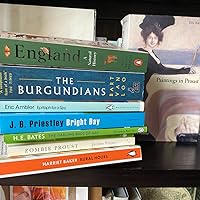
4.5 rounded up. This book will surely appeal to all sorts of readers wanting to know more about the life and work of Keats; for me it was the perfect read after a visit to Keats House in Hampstead, London. I had hardly known more than a few titles and lines of his poetry before visiting, however, I had the immense fortune to be led around the house by an excellent guide who really brought Keats, and his tragic story, to life. It left several of us in tears. Had I known this book existed, I would have bought it right after the tour. Luckily, I happened upon it a few weeks later while browsing in a bookstore in Amsterdam, and it turned out to be a perfect accompaniment to the Keats House tour, fleshing out some of the details of Keats' life as well as providing reasonable immersions into his best known works. I'm sure there are Keats scholars who would take exception to some of the author's suppositions, but she always framed them as such, so a careful reader wouldn't take them as gospel. And thank goodness for the survival of Keats' letters! The house guide had mentioned how wonderful they were and this book quotes from them at length, allowing the reader to better appreciate Keats as a person grappling with the grand questions of existence rather than just as a poetic genius. This was an immensely enjoyable read for me, perfect for the layperson who wants to know more about Keats and his best works without diving into a scholarly tome. Highly recommend.

June 9, 2022
Having made the pilgrimage already to Keats House and to the Roman cemetery where Keats was buried and to the apartment in Rome where Keats died, and loving, too, so many of the poems, and enraptured by both the poem and the film “Bright Star,” I came to this book prepared to love it, and I did. I especially loved the chapters where sufficient facts exist to create a plausible narrative about how and why Keats did certain things. I likewise adored getting to know the poem about Isabel and her gruesome pot of basil—Miller’s gloss on that is rich and deep. I sometimes felt, mid-book, that there were too few facts to stretch all the way across to the conjectures, and that the resulting close readings were not quite as credible, but by the time I came to the last two chapters, about Fanny Brawne and the epitaph, I was in thrall to Miller’s scholarship and her personal passion for Keats again. It made me change my rating to five stars.

February 18, 2021
I think I’ve been a bit harsh, only giving it a 3, but then again it’s about Keats so should have been a 5.
I loved the idea - pick nine poems and weave a story about his life around them.
The thing is, for me, it lacked warmth, and emotion. It should have made me cry at the end.
I loved the idea - pick nine poems and weave a story about his life around them.
The thing is, for me, it lacked warmth, and emotion. It should have made me cry at the end.
February 22, 2024
There is always an certain cloud of ambivalence surrounding John Keats, the English Romantic poet who died at the age of 24. This ambivalence is not only found in his poetry, but extends into his short life. Miller’s book connects his work from nine of his best known works to his difficult life. Among the famous works ae “Ode on a Grecian Urn,” and “Ode to a Nightingale.
Keats had a difficult childhood, and in adulthood suffered from constant financial stress as well as health problems stemming from the tuberculosis that first killed his brother and then would take his life as well. He was often depressed (feeling “vapourish” as he called it) but he always found relief in sitting down to write. His life is fairly well-documented because of his correspondence that discussed much of his daily life, as well as published memories by friends and acquaintances. Miller uses this documentation as a backdrop to the writing of his poetry and in some cases, the date and even time of day is known when he worked on a particular poem.
Miller raises the question of how Keats’ art, his poetry, responded to the often grim and even sordid reality of his life. “Was it escapist denial and needful catharsis? Did it gesture toward something beyond, or was it all a dream? Should it incorporate ugliness, sorry, and pain, or tune them out?”
Keats’ answer was an ambivalent one. In a letter to his brother he came up with the now famous concept of “negative capability”, a state in which “a man is capable of being in uncertainties. Mysteries, doubts, without any irritable reaching after face.” Shakespeare for Keats embraced the uncertainties of human experience, especially in his great tragedies which confront despair and human frailty and at the same time make great art out of them.
A reader can see this same tendency in “Ode to a Nightingale” which opens with an aching heart, caused by “the weariness, the fever, and the fret . . . where to think is to be full of sorrow and leaden-eyed despairs.” The nightingale become a symbol of escape on the “wings of Poetry.” The conclusion is a complex one as the poem asks if transcending the world is a “vision, or a waking dream?” “Do I wake or sleep.”
The same pattern occurs in “Ode on a Grecian Urn” with its images of struggle and escape, all depicted visually on an ancient Grecian urn. The poem ends with the famous line, “Beauty is truth, truth beauty – that is all ye know on earth, and all ye need to know.”
Keats is a complex poet who mirrors the complexities of life, and is no doubt why his reputation as a poet has lasted. Although Keats had high aspirations as a poet; ironically, during during his life time he had no realization that what he had accomplished would become lasting and memorable
Keats had a difficult childhood, and in adulthood suffered from constant financial stress as well as health problems stemming from the tuberculosis that first killed his brother and then would take his life as well. He was often depressed (feeling “vapourish” as he called it) but he always found relief in sitting down to write. His life is fairly well-documented because of his correspondence that discussed much of his daily life, as well as published memories by friends and acquaintances. Miller uses this documentation as a backdrop to the writing of his poetry and in some cases, the date and even time of day is known when he worked on a particular poem.
Miller raises the question of how Keats’ art, his poetry, responded to the often grim and even sordid reality of his life. “Was it escapist denial and needful catharsis? Did it gesture toward something beyond, or was it all a dream? Should it incorporate ugliness, sorry, and pain, or tune them out?”
Keats’ answer was an ambivalent one. In a letter to his brother he came up with the now famous concept of “negative capability”, a state in which “a man is capable of being in uncertainties. Mysteries, doubts, without any irritable reaching after face.” Shakespeare for Keats embraced the uncertainties of human experience, especially in his great tragedies which confront despair and human frailty and at the same time make great art out of them.
A reader can see this same tendency in “Ode to a Nightingale” which opens with an aching heart, caused by “the weariness, the fever, and the fret . . . where to think is to be full of sorrow and leaden-eyed despairs.” The nightingale become a symbol of escape on the “wings of Poetry.” The conclusion is a complex one as the poem asks if transcending the world is a “vision, or a waking dream?” “Do I wake or sleep.”
The same pattern occurs in “Ode on a Grecian Urn” with its images of struggle and escape, all depicted visually on an ancient Grecian urn. The poem ends with the famous line, “Beauty is truth, truth beauty – that is all ye know on earth, and all ye need to know.”
Keats is a complex poet who mirrors the complexities of life, and is no doubt why his reputation as a poet has lasted. Although Keats had high aspirations as a poet; ironically, during during his life time he had no realization that what he had accomplished would become lasting and memorable

December 28, 2022
There might not be much left to say about Keats, but the approach taken by Lucasta Miller appeals to me a lot. Instead of getting lost in melodramatic fact and speculation like so many other bios of famous people, she always has her eye on target: getting insight into Keats's poetry. This made a lot of sense to me, since being interested in his poetry was the main reason I picked up the book.
A Brief Life will probably work best if you just got interested in Keats' poetry, or if you're somewhat familiar with Keats and his time, but have never read a book focused exclusively on him. It should also work well for lit majors, or anyone doing a lit course: the story is relatively short and engaging, so you won't get bogged down with endless minutiae. Oh, and you're going to get a master class in how to use historical context to write about poetry without getting lost in speculation, or specialist jargon to boot.
Sally Scott as narrator might be less impressive that the writer, but she's doing a fine job.
A Brief Life will probably work best if you just got interested in Keats' poetry, or if you're somewhat familiar with Keats and his time, but have never read a book focused exclusively on him. It should also work well for lit majors, or anyone doing a lit course: the story is relatively short and engaging, so you won't get bogged down with endless minutiae. Oh, and you're going to get a master class in how to use historical context to write about poetry without getting lost in speculation, or specialist jargon to boot.
Sally Scott as narrator might be less impressive that the writer, but she's doing a fine job.
February 19, 2024
I picked this up in another instance of author recognition - “The Bronte Myth” had an intriguing premise - and this too, is atypical in that it’s a biographical criticism / close-reading hybrid. So…its focused narrative is right up my alley.
This is a response to Keats as a myth in the popular imagination - “which tends to make him more ethereal than he really was” - the idea is to pluck Keats out of the ether and into his historical / biographical contexts.
I suppose I am the right audience: guilty of thinking of Keats as Ben Whishaw in ‘Bright Star’ & who has a familiarity with, but not a deep knowledge of his poems.
And the result is:
Had a few moments of surprise reading through LM’s poetic interpretations; “Ode on a Grecian Urn is eerily beautiful, it strikes me (again), that even if an author is 'apolitical', those concerns can still influence in subtle ways. And my image of Keats is revised.
If nothing else, I took my tattered college-era copies of Norton Anthologies down from the shelf - what other poems have I forgotten?
This is a response to Keats as a myth in the popular imagination - “which tends to make him more ethereal than he really was” - the idea is to pluck Keats out of the ether and into his historical / biographical contexts.
I suppose I am the right audience: guilty of thinking of Keats as Ben Whishaw in ‘Bright Star’ & who has a familiarity with, but not a deep knowledge of his poems.
And the result is:
Had a few moments of surprise reading through LM’s poetic interpretations; “Ode on a Grecian Urn is eerily beautiful, it strikes me (again), that even if an author is 'apolitical', those concerns can still influence in subtle ways. And my image of Keats is revised.
If nothing else, I took my tattered college-era copies of Norton Anthologies down from the shelf - what other poems have I forgotten?

May 18, 2022
Makes me want to read Keats's letters. Here's this, from one to his brother Tom in 1818 while he was touring Scotland, on the dancing he'd seen there:
"they kickit & jumpit with mettle extraordinary, & whiskit, & fleckit, & toe'd it, & go'd it, and twirld it, & wheel'd it, & stampt it, & sweated it, tattooing the floor like mad."
Lucasta Miller reads these nine poems in light of Keats's past experience as a doctor-in-training, ever after aware of the physicality of the human body, and sees in his preference for ambiguity (his "negative capability") a kinship with his hero Shakespeare. I love that his theories were so slapdash, on the fly and half-formed, and yet he explored them in poems we're still intrigued and enchanted by.
"they kickit & jumpit with mettle extraordinary, & whiskit, & fleckit, & toe'd it, & go'd it, and twirld it, & wheel'd it, & stampt it, & sweated it, tattooing the floor like mad."
Lucasta Miller reads these nine poems in light of Keats's past experience as a doctor-in-training, ever after aware of the physicality of the human body, and sees in his preference for ambiguity (his "negative capability") a kinship with his hero Shakespeare. I love that his theories were so slapdash, on the fly and half-formed, and yet he explored them in poems we're still intrigued and enchanted by.

April 1, 2023
Briefly Poetic!
This excellent work allows the reader to selectively sample some of Keats' best work. Ms. Miller begins each chapter with the poem itself. Then, she provides background information surrounding the poets' life and explains some of the imagery of the poem. If you have the Audible format for whisper-sync, it is read in a high-quality voice. I had read the complete collection of all Keats' work, but found this to be an enjoyable addition to hear some of the poetry read aloud. And, the biographical information is actually better than that in the Delphi classic Complete Collection.
Bullfinch's Mythology is an excellent resource for explaining some of the mythical allusions and references in Keats poetry if you are reading all of his work. But, if you are interested in a more concise route to Keats, I think many people could enjoy Lucasta Miller's book on a time-budget.
This excellent work allows the reader to selectively sample some of Keats' best work. Ms. Miller begins each chapter with the poem itself. Then, she provides background information surrounding the poets' life and explains some of the imagery of the poem. If you have the Audible format for whisper-sync, it is read in a high-quality voice. I had read the complete collection of all Keats' work, but found this to be an enjoyable addition to hear some of the poetry read aloud. And, the biographical information is actually better than that in the Delphi classic Complete Collection.
Bullfinch's Mythology is an excellent resource for explaining some of the mythical allusions and references in Keats poetry if you are reading all of his work. But, if you are interested in a more concise route to Keats, I think many people could enjoy Lucasta Miller's book on a time-budget.

December 27, 2023
What a great way to reconstruct a life. Miller digs deep into Keats’s poetry and delivers quite a portrait. As a guy who considers himself a lifelong English Lit major, it was an absolute thrill to read her close readings, especially with “On Autumn.”

February 12, 2024
Rating: 4.5 stars
Excellent. It turned me into a full-on Keats stan. The look into the complicated mess of the Romantic era, and the poet at the centre of it all... I thoroughly enjoyed it. I almost read like a Regency Era novel—personally, not a single dull moment.
I highly recommend to anyone who likes Keats' poetry.
Excellent. It turned me into a full-on Keats stan. The look into the complicated mess of the Romantic era, and the poet at the centre of it all... I thoroughly enjoyed it. I almost read like a Regency Era novel—personally, not a single dull moment.
I highly recommend to anyone who likes Keats' poetry.
April 28, 2024
A study of nine of Keats’ poems and what the motivation in his life contributed to each one. To die at 25 and to leave a legacy like this is pure genius.

December 20, 2022
I struggled a bit to work out who this book is for. It's too unsystematic and superficial to be any sort of serious introduction. Recent scholarship is lightly touched on and moved away from before it gets really interesting and occasionally there is a slightly dutiful and secondhand feel to some of the writing (e.g. the passage on Peterloo and 'To Autumn'). Occasionally I felt the book was about to veer off into personal memoir but it always pulls back and that is to Lucasta Miller's credit I think. The choice of poems is sound but unsurprising. Overall though I was glad to have read it despite reservations.

August 21, 2022
This is a fine overview for someone who knows nothing about Keats. There is far too much speculation (Keats did his internship by the Thames, so he must've seen women who were drowning victims; he had access to laudanum, so he must used it). I found the choice of poems to be odd and the analysis commonplace, save for an over-insistence on sexual innuendo. Well, of course. I also did not find descriptions of the author's personal life added relevance.
Still, it was a pleasure to again spend some time with "one whose name was writ in water."
Still, it was a pleasure to again spend some time with "one whose name was writ in water."

June 9, 2022
Wow, was this good. There isn't much I knew about Keats before reading this. Though he only lived 25 years, his was an interesting life. Miller is a miracle worker, not only does she give a good story, but she sends you to Keats' work. Often I went and was glad I did. This is a very illuminating biography. Usually I buy something like it, start it and give it up. This book gave me Keats, and I am happy for the experience.

July 23, 2022
I don't read much poetry. I often find it difficult, tedious and opaque. I chose this book, because I was hoping that it would enable me to appreciate this "great" poet by drawing me in to some of his greatest poems. All I can say is that it didn't. Apparently, this is a subject that has been studied to death, and the narrative is weighed down by all of that academic history.
Others may love this book -- just the wrong book for me.
Others may love this book -- just the wrong book for me.

January 25, 2022
Only just finished this so getting my thoughts together. Not perfect (no such thing) but still completely incredible and the most vivid and relatable story of Keats - or indeed any biography that I’ve read. Brilliant, insightful, devastating.

August 7, 2022
Very informative book about John Keats, one of the more major poets I haven’t read much (since college, of course) or known much about. Heavily recommended.
As the title suggests, the author tells his story using nine of his poems and his grave’s epitaph as vehicles. Not a bad way to do it, as it also allows the author to go to town on the poems themselves. And so she does. Her treatment of each poem is rather straightforward. There’s not much to disagree with. I’ve always, even in college, skimmed over the mythological references in poems, and in Keats there are a lot. If you feel the same, feel free to skip those. She doesn’t harken on them for long. Keats’ poems are evocative on their own, and she doesn’t detract from them. Miller does add to them a little, but they retain their own power. Keats remains one of the few powerful poets to retain his power long after his death. You’ve probably heard of his two famous lines about beauty and truth. They remain famous for a reason.
Miller particularly excelled at ruminating about Keats’s letters, of which there were a great many, as was typical of his time. If you could write letters, you did so. A lot. (By the way, I swear a letter-writing craze should establish itself. People will feel better, and think better. And mail-carriers would keep their jobs.) It is in these letters, as in those of Dickinson, and of course the Victorians, that his genius can be better understood.
Keats, like Emily Dickinson, also had a habit of writing first drafts of his poems in his letters to people. I’m not aware of this being done as often by anyone else, and it’s lucky they did: Their drafts have lasted because of this. What would you give for a first draft of “To be or not to be” from Shakespeare, found in a letter written to his brother George in America? We have these letters, from John to George Keats, to thanks for many first drafts of his poems, and for the one and done mention of “negative capability”—itself an interesting philosophy that Keats explained once in the same letter. Miller gets much more mileage out of these letters for her biography than she does for the poems themselves. The book should’ve been titled with those.
Another thing she does well here is to shed a little light on a few others, especially Samuel Taylor Coleridge, whom I knew nothing about, save what he wrote and that he was an irritable opium addict. There’s not much new about Lord Byron here, but she does paint the hippie/commune feel of the time, which explains that whole Byron/Mary Shelley/Percy Shelley/Claire Clairmont/John Polidori thing a whole lot better. Byron and Shelley must’ve been geniuses of charisma.
The last reason to read this is that the author thankfully dispels myths about Keats I long felt couldn’t be completely true, myths you still read and hear about. Shelley created that whole victim/Romantic Era/overly sentimental vacuum around John Keats, and Miller takes a little time to wash that somewhat away. John Keats wasn’t overly sentimental. He was confused about love and romance—as most men 18-25 are—and he was flat-out sad and depressed. His youngest brother died of TB and he nursed him until he died. His father died young. His mother abandoned them and died young, also of TB, and was also nursed by Keats until she died. Keats himself contracted TB and also died young. He was sad because he led a sad life. And he thought death was everywhere because, in his reality, death was everywhere. He did, after all, die in his mid-20s, and he’d probably contracted TB from his dying brother, so he’d been sick with it for 3 of those years. And, of course, he was broke all the time.
For too long it has been taught that Keats was a tragic, fragile flower. He wasn’t. He was a guy, very imperfect, and he led a sad life and was sad because of it. He accomplished a lot of great writing in just three years. Being sad doesn’t mean you’re weak. It just means you’re sad.
As the title suggests, the author tells his story using nine of his poems and his grave’s epitaph as vehicles. Not a bad way to do it, as it also allows the author to go to town on the poems themselves. And so she does. Her treatment of each poem is rather straightforward. There’s not much to disagree with. I’ve always, even in college, skimmed over the mythological references in poems, and in Keats there are a lot. If you feel the same, feel free to skip those. She doesn’t harken on them for long. Keats’ poems are evocative on their own, and she doesn’t detract from them. Miller does add to them a little, but they retain their own power. Keats remains one of the few powerful poets to retain his power long after his death. You’ve probably heard of his two famous lines about beauty and truth. They remain famous for a reason.
Miller particularly excelled at ruminating about Keats’s letters, of which there were a great many, as was typical of his time. If you could write letters, you did so. A lot. (By the way, I swear a letter-writing craze should establish itself. People will feel better, and think better. And mail-carriers would keep their jobs.) It is in these letters, as in those of Dickinson, and of course the Victorians, that his genius can be better understood.
Keats, like Emily Dickinson, also had a habit of writing first drafts of his poems in his letters to people. I’m not aware of this being done as often by anyone else, and it’s lucky they did: Their drafts have lasted because of this. What would you give for a first draft of “To be or not to be” from Shakespeare, found in a letter written to his brother George in America? We have these letters, from John to George Keats, to thanks for many first drafts of his poems, and for the one and done mention of “negative capability”—itself an interesting philosophy that Keats explained once in the same letter. Miller gets much more mileage out of these letters for her biography than she does for the poems themselves. The book should’ve been titled with those.
Another thing she does well here is to shed a little light on a few others, especially Samuel Taylor Coleridge, whom I knew nothing about, save what he wrote and that he was an irritable opium addict. There’s not much new about Lord Byron here, but she does paint the hippie/commune feel of the time, which explains that whole Byron/Mary Shelley/Percy Shelley/Claire Clairmont/John Polidori thing a whole lot better. Byron and Shelley must’ve been geniuses of charisma.
The last reason to read this is that the author thankfully dispels myths about Keats I long felt couldn’t be completely true, myths you still read and hear about. Shelley created that whole victim/Romantic Era/overly sentimental vacuum around John Keats, and Miller takes a little time to wash that somewhat away. John Keats wasn’t overly sentimental. He was confused about love and romance—as most men 18-25 are—and he was flat-out sad and depressed. His youngest brother died of TB and he nursed him until he died. His father died young. His mother abandoned them and died young, also of TB, and was also nursed by Keats until she died. Keats himself contracted TB and also died young. He was sad because he led a sad life. And he thought death was everywhere because, in his reality, death was everywhere. He did, after all, die in his mid-20s, and he’d probably contracted TB from his dying brother, so he’d been sick with it for 3 of those years. And, of course, he was broke all the time.
For too long it has been taught that Keats was a tragic, fragile flower. He wasn’t. He was a guy, very imperfect, and he led a sad life and was sad because of it. He accomplished a lot of great writing in just three years. Being sad doesn’t mean you’re weak. It just means you’re sad.
Displaying 1 - 30 of 84 reviews