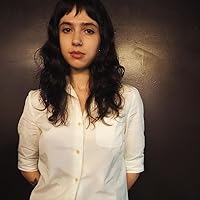
“One Sunday in April [2020], out of 322 cardiac calls [in New York City], 241 patients died, a death rate of 75 percent.” Remember COVID? The book I finished reading, First Responder by Jennifer Murphy, is a memoir of this EMT’s experiences on the street with Park Slope Volunteer Ambulance Corps largely during COVID. It is a stark behind-the-scenes tour of prehospital emergency medicine that is both entertaining and disheartening.
Much of what she wrote about treating patients and navigating all the non-treatment aspects of emergency response, particularly as a volunteer, resonated with me even though her agency and my agency differ so greatly. I appreciate her respect and appreciation for emergency response: “While the street was unforgiving, wearing our boots down to their soles, it was part of us, this world. For all its worn-down atrocities, painfully slow nights, and unspeakable tragedies, the radio also dispatched magic. That’s what people didn’t understand about the street. The horrific was wed to the wondrous. It was sacred to me, being out there. Being with my partners and patients.… The ambulance infused my life with meaning. It meant the world to be part of a tribe of rescuers who went out each night to chariot the sick and injured to hospitals and act in defense of life.“ For me, sometimes I miss it and sometimes I don’t, but my time in response (and in risk reduction) is sacred.
The book is long, probably longer than it needs to be, but in those pages she embraces and shares her vulnerabilities. She writes about her friends in FDNY who died on 9/11, boyfriends, EMS partners, her actual job, and the quirkiness of responders. “The stories I acquired on the street had the potential to horrify civilians and made me feel lonely and sick if they went unshared. Not everyone on a first date wanted to hear about the baby who got hit by a car while they were sniffing aromatic wines. But first responders did. First responders would listen to anything.” Lol. At times the book reads like a detailed diary. Yet I can’t identify what I’d omit. It’s just long.
The chapters that detail the COVID period are the best because they are a raw, first-person account of the heroics and bullshittery that occurred. That was a rough period here in the Denver metro area, and took a toll on my tribe in response roles, but it was devastatingly difficult in NYC.
It definitely delivered what the subtitle promised: a memoir of life, death, and love on New York City’s front lines. I’m glad I read it.