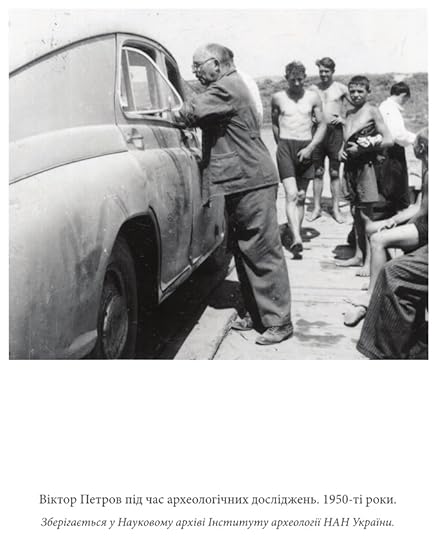
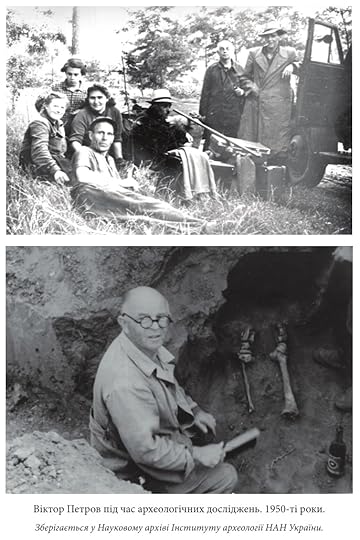
Історія кохання Віктора Петрова й Софії Зерової – одна із найзагадковіших в українській культурі ХХ століття. Взаємини, що почалися у 1920-ті роки й були формально оформлені шлюбом через 35 років після першого знайомства, були предметом численних розважань – від наукових публікацій Романа Корогодського й Юрія Шевельова до художніх інтерпретацій в прозі Софії Андрухович. При цьому збережені Софією Федорівною Зеровою листи Петрова до неї ніколи не публікувалися в повному обсязі. Пропоноване видання стане першою, науково коментованою публікацією всіх 330 листів, що зберігаються в Центральному державному архіві-музеї літератури і мистецтва України й походять здебільшого з періоду 1950–1956 років, коли Петров після повернення із Західної Німеччини мешкав і працював у Москві.
Viktor Petrov (ukr. Віктор Петров) - Ukrainian ethnographer-archeologist and fiction writer.
For his scientific works as ethnographer-archeologist written in Ukrainian and printed under the real name Viktor Petrov (ukr. Віктор Петров) please use this author-profile: Віктор Петров)
For his fiction works as a fiction writer written in Ukrainian and printed under pseudonym V. Domontovych (ukr. В. Домонтович) please use this author-profile: В. Домонтович)
Не знаю, що я очікував тут прочитати, певно, щось як у найбільш цитованому листі Петрова (номер 178 у цьому виданні), де про коробку цукерок, що впала зі столу, життя, що розламувалось на шматки тощо, але річ у тому, що це виняток: Петров не був схильний до відвертостей навіть в листуванні з коханою.
«Вот видишь, в чем заключается разница между содержанием Твоего письма и моего: Ты пишешь о высоких и печальных вещах, о композиторах и музыке, а я все об обыденных и банальных, как и надлежит человеку с видом Санчо Пансо, с сугубо прозаической натурой».
Петров, звісно, іронізує, але листи справді доволі прозаїчні, переважно про побутові речі. Що спільного у Петрова цих листів, і скажімо, Петрова зі спогадів Шевельова? Лише одна фраза. Шевельов згадує, як у серпні 1946-го Петров казав йому за чаркою: «Усі мої бажання завжди здійснюються!». 11 вересня 1953-го Петров писав у листі до Зерової: «Я думаю, что это так будет, потому что иначе не может быть, потому что я этого хочу, а то, чего я кгода-либо хотел, всегда осуществлялось».
This book was published in 2021 and is already out of print (it was apparently published in a limited number of copies), but it is still largely unnoticed and lacks meaningful commentaries from our historians. I found all the talks about this book as “a story of love in letters” quite ridiculous, as it is obvious that these letters are (1) purposefully deceptive, “deintellectualized,” and empty (as both correspondents understood very well that the letters are carefully read and analyzed by the KGB); (2) bewilderingly one-sided (Софія Зерова accurately kept the papers of both her husbands, Микола Зеров and Віктор Петров, including these private letters written by Віктор Петров to her personally, and willingly handed them over to archives but — quite illogically, if you think about it — disposed of all her own letters written in response, and the reasons for this should be a matter of a very serious analysis, in my opinion). To my surprise, nobody reflects upon and comments on the most important aspects of these letters, which are definitely not what they look like and require a professional interpretation and historical commentary. This book has a preface by our historian Андрій Портнов, and it is OK as an introduction to the story of relationships between Софія Зерова and Віктор Петров, but it does not answer many, many questions that any attentive reader might have reading these letters. In short, it just represents the correspondence as “a story of love,” which is only a small part of what these letters are in reality, I believe.
(You can download a high-quality pdf on the page of Інститут історії України НАН України.)
So, what do we have here? The book contains letters written by Віктор Петров to Софія Зерова during the period from 1950 to 1956, when Віктор Петров had already returned to the USSR from Germany (where he was on a secret mission as a Soviet spy/agent) but was kept in Moscow all this time and wasn’t allowed to relocate to Kyiv despite his pressing requests; Софія Зерова, though, lived in Kyiv, as ever, and apparently had no intention to move to Moscow, even temporarily (again — we need a professional historical commentary about all these “technical” inconsistencies, right?). They saw each other often (Віктор Петров spent several weeks or even months in Kyiv every year during his vacations or in relation to his work) but most of the time still lived apart and communicated through these letters. As we know, eventually, Віктор Петров was allowed to relocate to Kyiv permanently, received a proper job there, and finally married Софія Зерова, the love of his life. As I said, the correspondence is one-sided, as Софія Зерова later destroyed all her own letters written in response, but it was originally a normal, two-sided exchange of letters between two people. Now we have only Віктор Петров’s part of it and should recreate the true nature of their “conversation” hypothetically. Of course, if you think about these letters as “a story of love,” commenting on them and the personalities of both correspondents feels quite awkward and even indecent probably — after all, it was a private story of private people. However, I can see that these letters contain traces of much more serious aspects of their lives and roles in history (alas, not investigated properly as of now), so I allowed myself to “decipher” some of them and reflect upon all this.
The most obvious thing that looks bewildering and even striking here is how extremely boring, mundane, banal these letters are. We do not know much about the personality of Софія Зерова but Віктор Петров was apparently an exceptionally intelligent and interesting person, and he definitely had a lot on his mind to think about and to talk to other people, especially those ones whom he loved and respected. But if you think that his letters to “the love of his life” would be meaningful and sparkling with awesome reflections or at least some curious observations and remarks, you would be bitterly disappointed )). The letters are purposefully “deintellectualized,” as I said, as they contain mostly Віктор Петров’s comments on weather, health, petty everyday concerns, etc., represented with a peculiar mixture of self-irony and placidity. If you judge the letters “as is,” you would have a perfect portrait of a narrow-minded commoner with zero ambitions, zero desires, zero interests in life. It was undoubtedly an intentional “hollowing-out” of anything meaningful from the correspondence mandatorily perused by the KGB, and at the beginning of the book, you even feel giddy from the ridiculousness of all this and giggle looking at this “game.” However, at some point, you start feeling positively tired and seriously disappointed from it, because when a person talks about weather, health, shopping, buying new postcards, receiving letters and writing new ones, and what he does every day overall FOR YEARS, you start to suspect that there was nothing behind all this stupid stuff in real life. That these two people indeed never had any meaningful conversations between them and that they enjoyed living their private lives as humbly as possible. Knowing the “personal anamnesis” of Віктор Петров before this period and taking a reasonable guess about why exactly he was kept in Moscow at the time and not allowed to return to Kyiv, you understand that they persued a very particular purpose of maintaining a long-distance relationship during all these years and yet not revealing anything essential about themselves and their true thoughts for the KGB perlustrators, but the resulting correspondence is a very sad and depressing sight, honestly. (And no, there is even not much “love” there, because their true relationship was, of course, their private business, not a subject for watchful eyes of the KGB, and Віктор Петров almost never allowed himself to talk about it sincerely, except for a couple of places, maybe, although his letters are full of tender care and shallow clinginess towards Софія Зерова. If you have read those passionate love letters of Комаха to Вер — they are NOT what Віктор Петров was writing to Софія Зерова.)
Sometimes you have a feeling that Віктор Петров is already a very, very old person who does not want anything from life anymore, while in reality he was still the same sharp intellect and immensely effective scientist who was digging archeological artefacts in expeditions every year and writing tons of important materials about them, he was learning the Scythian language (“Ты спрашиваешь, над чем я работаю? О, не удивляйся. В ученых занятиях бывают тоже вспышки страстей. Вот такая вспыхнула и у меня. В течение почти месяца я занимаюсь скифским языком. И теперь в рубрике анкеты о знании языков я ко всем прочим смогу приписать: скифский язык. Это другие пишут докторские диссертации, которые утилитаристы. Я же предпочитаю предаваться бурным научным страстям, диссертаций не писать, а заниматься такими странными вещами, как скифский язык.”), and he was only 56-62 years old during this period and definitely not so feeble and senile as you may imply from these letters (“При входе в парк сделана широкая двойная лестница — в два проема, а между ними по ступенькам стекает вода. Вода течет, шумит, однотонно журчит. Оба дня — вчера и сегодня — сидел на скамье и усердно дремал.”).
Nevertheless, reading all this nonsense about weather and other ridiculous rubbish, you wonder whether it was possible to write these letters differently, to make them still “inpenetrable” for the KGB but at least not so boringly empty and repetitive. I asked myself how Софія Зерова found them and whether she was as tired and disappointed with them as I was? Or maybe she was his “Ірця” (“якась тепла рожева маленька жінка”; “Вона кохає мене. Хіба ж цього мало?”) and never expected much anyway?
But no, I believe that she was his “Тася” (and judging from the additional materials published in the “Vivat” edition of “Доктор Серафікус,” Тася is a much more independent and stronger character than what you may think from the main text of the novel; moreover — spoiler alert — these materials end with a beginning of a new, promising relationship between Комаха and Тася, probably the main subject of planned Part Two of the book).
Софія Зерова was definitely not a passive and infantile character, and she most probably was defining a lot in their relationship, even if we don’t know how exactly. You can see traces of Софія Зерова’s negative reaction to Віктор Петров’s peculiar manner of maintaining a long-distance relationship in his letters. First of all, you can notice that she apparently answered him more rarely than he was writing to her: he often complains that she writes not so often as he would expect and constantly whines about her “inaccuracy” in this regard. Sometimes half of the contents of his letters is dedicated to this matter. I understand her completely; it is not easy to answer totally empty and stupid letters that arrive every 3-4 days, without even waiting for her responses to the previous ones. Софія Зерова was clearly not very enthusiastic about their correspondence IN SUCH MANNER. Near the end of the book, you can see that she even directly asked him not to write to her about this damn weather ))), about which he answered with offended and aggrieved feelings (ironically, yes, but still visibly injured):
“Кстати, по поводу кулинарии и погоды. Так как в последнем своем письме Ты возражаешь, чтобы я писал Тебе о погоде, в дальнейшем я буду воздерживаться и о погоде писать не буду. Я, как Ты знаешь, человек покладистый. Остается невыясненным: следует ли писать о непогоде или вообще нельзя писать ни о погоде, ни о непогоде? Ты еще можешь сообщить об этом, так как числа до 19–20 Ты можешь писать, т. е. чтобы письмо было получено мною не позже 19–20-го… Кулинарный же вопрос был мною затронут не по отношению ко мне, а к Тебе, так как в Немешаево собиралась ехать Ты, а не я, и аргументировал желательность для Тебя поездки на дачу также этим благоприятным обстоятельством, не говоря о благоприятной погоде (видишь, о погоде я не пишу, а именно отмечаю: «не говоря»…).”
You can also see that Софія Зерова tried to talk about more meaningful things herself, i.e., to modify this correspondence in order to make it more adequate and sustainable in the long run, but Віктор Петров almost always ironized over such attempts or just refused to keep the conversation on such matters. For example, she obviously liked theater and tried to tell him about her impressions and interesting things she watched but he just jokingly rebuked her in response that her theater-going took her precious time from writing letters to him as often as he wanted. He almost never wrote about something more interesting than the weather and his everyday life, only very rarely about movies (and mostly very shortly and ironically).
All this feels stifling and obtrusive from Віктор Петров’s side, and you can only wonder whether Софія Зерова was actually happy about their relationship. It is very difficult to understand this without HER LETTERS, but at some point (near the end of the book), you can see some signs of a crisis in this relationship, from which you can conclude that Софія Зерова was not only protesing against something but even offering to discontinue their relationship if the things would not improve, and that Віктор Петров was actually very concerned about all this. This is probably the only time in these letters when Віктор Петров looks sincere, serious, and very, very careful, apparently understanding that this is not a proper time for irony and jokes.
“Ты получила мое письмо, где я излагал возможное расположение сроков на предстоящее время: жизнь складывается так, как она складывается. В какой-то мере это зависит от нас, в какой-то не зависит. Весьма часто в поступках другого мы видим только поступки другого, между тем часто — и даже, возможно, чаще, чем мы это думаем, — это бывают поступки не столько этого другого, сколько поступки нас самих. Если хочешь: поступки другого это только зеркало, в котором отражаемся мы лично и наши собственные поступки. Если бы Ты захотела поразмыслить над этим, то Ты бы нашла прямое объяснение для всего того, что Ты хочешь или хотела бы отнести на мой счет, или же на счет как будто бы, на первый взгляд, моих поступков. Дорогая моя! Ты пишешь: «Мне кажется, что при таком положении дел лучше каждому из нас итти своей дорогой!» Увы, как часто, как много раз, в продолжение уже почти четверти столетия — видишь, как много лет!.. — я пытался, чтобы Ты шла не только своей, но и моей дорогой! Но разве для Тебя это ново или неожиданно, что Ты всегда жила только своей дорогой. Разве Ты можешь это не делать или что-либо изменить в этом? Увы, Ты всегда свою дорогу и возможность итти своей дорогой ставила выше всего и готова была ломать все ради утверждения «своедорожности»! Вспомни последние случаи в последние годы, любой из этих случаев… Не пойми эти строки как препирательство или упреки. В них нет ни того, ни другого! В них нет ничего кроме сожаления или немного горечи, примешивающейся к сожалению.”
“Следует ли продолжать начатое обсуждение о своих путях? Что касается меня, то я всегда был убежден, что Ты никогда не изменяла себе и всегда ходила неизменно только своими путями. Разве могло быть когда-либо иначе? У каждого человека в его жизни есть свои узлы и эти узлы время от времени повторяются. «Своя дорога» это один из Твоих жизненных узлов, от которых нельзя ни избавиться, ни отречься. Вспомни свой рассказ, как в свои студенческие годы Ты, идя со своим приятелем, шла по одной стороне улицы, а он на другой стороне. Так что здесь нет проблемы. Ты всегда делала и говорила, как Ты хотела. Можно было просить, умолять, настаивать или не настаивать, плакать, но если Тебе хотелось итти по тротуару на другой стороне улицы, то Ты шла, вопреки всему, на другой стороне. Так было, так есть. С этим приходится считаться и попросту до конца принимать, что я делал, и делаю, и, очевидно, буду продолжать делать. Если от этого разговора об «общечеловеческом» обратиться к «конкретно-историческому», то я полагал, что Ты обсудишь все спокойно. В самом деле, можно ли было бы приехать где-либо в середине апреля, чтобы в конце мая возвращаться, а в начале, середине или конце июля, через месяц или же меньше вторично ехать?.. Здесь могло быть одно решение: соединить командировочную поездку и экспедиционную в одну. Другой возможности на сегодня я не видел и не вижу. Зимой не удалось поехать, остается лето. Факты есть факты и с фактами приходится считаться, независимо от того, хотим ли мы этого или не хотим. Дорогой Сонь! Что Ты куксишься? Ты, очевидно, устала, безмерно устала, изнемогла и Тебе нужно отдохнуть. Конечно, отдыхать это искусство, но если оно сразу не дается, нужно заставить себя отдыхать… Не знаю, как это придумать сделать. Не придумаю ничего лучше кроме санатория, хоть Ты и не хочешь об этом слышать? Сегодня как раз передавали по радио, что процедура упрощается. Не нужно проходить через комиссию, достаточно заключения лечащего врача. И все. Можно же достать путевку. Сделай это! Я же обещал Тебе раньше. И еще раз повторяю то же. Отдохни и не ворчи на меня!.. Ей богу, я ничем не провинился и не заслужил, чтобы заставлять Тебя ворчать. Будь хорошей.”
“… Дискуссия о «своих дорогах» оказалась одинаково полезной как для Тебя, так и для меня. Польза дискуссии оказалась обоюдной… … Все мы живем так, как мы можем жить, и иначе мы жить не можем. В пределах этого возможного я всегда старался сделать для Тебя все, что я мог сделать. Думаю, что ничего больше и иначе сделать было нельзя. Остается стараться не делать ничего такого, что было бы другому тягостно… Сейчас, когда от жизни осталось столько, сколько осталось, несколько больше или же меньше, самое главное ничем не отягощать жизнь, а тем более вопросами, как сложится жизнь; прожиты более трудные дни, и все же мы живем (...). Я решительно и окончательно запретил себе во время поездки думать о чем-либо, кроме своих языковых балтийских студий, прожевывания жвачки старых языковых текстов или же чтения вчерашней газеты, если газетный киоск у станционного перехода по лестнице был открыт и в нем продавались газеты. Когда же я не еду в город, то у меня есть два занятия: это сидение до обалдения за столом где-нибудь с 6–7 утра до 10 вечера, работа и в добавление к этому – мысли, память о Тебе. Таков круг моей жизни, в которой больше ничего нет….”
Well, I’ve also just read in В’ячеслав Брюховецький’s “Віктор Петров у двобої з Левіафаном: Біоґрафічні розвідки й літературознавчі констатації” a chapter that questions the actual role of Софія Зерова overall and in Віктор Петров’s life in particular. Here, he assumes that she could have been a KGB agent herself, independently of Віктор Петров (or maybe she also kept an eye on Віктор Петров specifically, as I assume). There are many little details in her biography that indirectly support this hypothesis; in the context of these letters, for example, take a note on the hilarious and weird “сага про пальто” (and commentaries of В’ячеслав Брюховецький on this). She was definitely not just a “simple Тася,” or, more exactly, “Тася” was not so simple as she may look like (and isn’t it funny that Тася, Таїсія Павлівна, was also called “товаришка Валерія” in the same additional materials of the “Vivat” edition of “Доктор Серафікус”?). And why, why did Софія Зерова destroy her own letters? What did she want to conceal? And why are there zero photographs where Віктор Петров and Софія Зерова together? Even after 12 years of official marriage?
So yeah, these letters are potentially an incredibly interesting material that could be a key to Віктор Петров and Софія Зерова’s relationship and their non-trivial biographies, but they are unfortunately still “undeciphered” and not commented/interpreted properly by historians. Without such commentaries, they are quite a sad and empty reading that leaves too much space for assumptions and hypotheses that may be interesting but totally wrong, of course.