

What do you think?

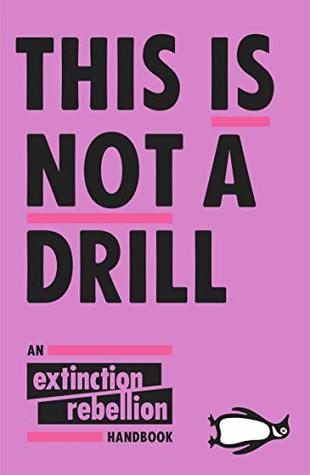
Questa non è un’esercitazione: Extinction Rebellion - una guida
Questo libro parla di una ribellione: una ribellione in corso.
Extinction Rebellion è infatti un movimento attivista globale che sta ispirando un’intera generazione ad agire sull’attuale quanto tragica crisi climatica che sta investendo il nostro pianeta. Una crisi che non ha precedenti nella storia e minaccia di compromettere irrimediabilmente gli ecosistemi e il futuro delle prossime generazioni.
In tutto il mondo la biodiversità è a rischio. L’inquinamento dei mari e la tossicità dell’aria superano ogni limite fissato dalla legge. Nessuno può più permettersi di sminuire, negare o lasciare insolute le crisi ecologiche. D’ora in avanti saremo costretti ad affrontare sempre più incendi indomabili, fenomeni metereologici estremi, carestie e siccità.
Ognuno di noi ha il dovere di agire. Questa è la nostra ultima possibilità di fare qualcosa.
La nostra ultima possibilità di salvare il mondo così come lo conosciamo. Non abbiamo un pianeta di riserva.
Queste pagine forniscono informazioni, fatti, spunti di riflessione e consigli. Insegnano come diventare parte del movimento di Extinction Rebellion e sono al tempo stesso un manifesto che ci scuote dalla letargia collettiva e ci invita a essere parte attiva della storia futura del pianeta, sottolineando l’importanza di agire ora, prima che sia troppo tardi.
Perché questa non è un’esercitazione.
Extinction Rebellion è infatti un movimento attivista globale che sta ispirando un’intera generazione ad agire sull’attuale quanto tragica crisi climatica che sta investendo il nostro pianeta. Una crisi che non ha precedenti nella storia e minaccia di compromettere irrimediabilmente gli ecosistemi e il futuro delle prossime generazioni.
In tutto il mondo la biodiversità è a rischio. L’inquinamento dei mari e la tossicità dell’aria superano ogni limite fissato dalla legge. Nessuno può più permettersi di sminuire, negare o lasciare insolute le crisi ecologiche. D’ora in avanti saremo costretti ad affrontare sempre più incendi indomabili, fenomeni metereologici estremi, carestie e siccità.
Ognuno di noi ha il dovere di agire. Questa è la nostra ultima possibilità di fare qualcosa.
La nostra ultima possibilità di salvare il mondo così come lo conosciamo. Non abbiamo un pianeta di riserva.
Queste pagine forniscono informazioni, fatti, spunti di riflessione e consigli. Insegnano come diventare parte del movimento di Extinction Rebellion e sono al tempo stesso un manifesto che ci scuote dalla letargia collettiva e ci invita a essere parte attiva della storia futura del pianeta, sottolineando l’importanza di agire ora, prima che sia troppo tardi.
Perché questa non è un’esercitazione.
216 pages, Paperback
First published June 1, 2019
About the author
Extinction Rebellion
10 books36 followersExtinction Rebellion (abbreviated as XR) is a UK-founded global environmental movement, with the stated aim of using nonviolent civil disobedience to compel government action to avoid tipping points in the climate system, biodiversity loss, and the risk of social and ecological collapse.
Ratings & Reviews
Friends & Following
Create a free account to discover what your friends think of this book!
Community Reviews
Displaying 1 - 30 of 366 reviews

October 18, 2019
The peaceful and important protest against a mass extinction couldn´t be shown more disproportionate in mass media.
What extinction rebellion does and wants:
In contrast to WWF, Greenpeace, Fridays for future, etc., who mainly deal with general environmental and climate change topics, the very dark and depressing facts are brought to a broader audience by extinction rebellion. Things that are not going to happen as the worst-case scenarios for climate change, but have already happened and are happening just right now and.... once again a species extinct. There are no numbers, as no politician cares to create enough jobs for biologists to do fieldwork, so we don´t even know how many we exterminate. So or so many millions, but basically indifferent, because it happens anyway.
Think a moment about how much one hears about oilsand, rainforest destruction, mass extinction, biodiversity loss, etc. in contrast to climate change. The large problem of the instrumentalization of the climate change topic by governments is that they use it to avoid other topics and to a certain extent each NGO has to deal with the problem that people get conditioned to forget the other topics about this omnipresent "Oh my god, the poor polar bear." It´s quite handy for a political party to talk about long-time goals and ignore the problems that could, but shouldn´t, be solved today.
Mass media and governments would never dare to criticize Gandhi, Martin Luther King,... but against a new movement with exactly the same principle to nonviolent, civil disobedience, they dare to use each unfair rhetorical and psychological trick to make the population believe that they are chaotic extremists, close to real criminals.
If there would be any kind of intelligent, sustainable public transport system instead of roads with cars, there would be no such evil possibility as to bring the whole system to a hold for a short amount of time and to be denunciated as anarchistic, dangerous lunatics cause one doesn´t like that nearly all life will die out.
Cause I already mentioned Gandhi, I will add the quote.
“First they ignore you, then they laugh at you, then they fight you, then you win.”
No matter if it is the occupy Wall Street movement, Fridays for future, alternative political parties or anything just a little bit progressive, it gets flamed, hatetrolled and overaggressively attacked by certain pitiful people. History will show them as embarrassing footnotes before a brighter age began.
A wiki walk can be as refreshing to the mind as a walk through nature in this, yuck, ugh, boo, completely overrated real-life outside books:
https://en.wikipedia.org/wiki/Extinct...
https://en.wikipedia.org/wiki/Holocen...
https://en.wikipedia.org/wiki/Categor...
What extinction rebellion does and wants:
In contrast to WWF, Greenpeace, Fridays for future, etc., who mainly deal with general environmental and climate change topics, the very dark and depressing facts are brought to a broader audience by extinction rebellion. Things that are not going to happen as the worst-case scenarios for climate change, but have already happened and are happening just right now and.... once again a species extinct. There are no numbers, as no politician cares to create enough jobs for biologists to do fieldwork, so we don´t even know how many we exterminate. So or so many millions, but basically indifferent, because it happens anyway.
Think a moment about how much one hears about oilsand, rainforest destruction, mass extinction, biodiversity loss, etc. in contrast to climate change. The large problem of the instrumentalization of the climate change topic by governments is that they use it to avoid other topics and to a certain extent each NGO has to deal with the problem that people get conditioned to forget the other topics about this omnipresent "Oh my god, the poor polar bear." It´s quite handy for a political party to talk about long-time goals and ignore the problems that could, but shouldn´t, be solved today.
Mass media and governments would never dare to criticize Gandhi, Martin Luther King,... but against a new movement with exactly the same principle to nonviolent, civil disobedience, they dare to use each unfair rhetorical and psychological trick to make the population believe that they are chaotic extremists, close to real criminals.
If there would be any kind of intelligent, sustainable public transport system instead of roads with cars, there would be no such evil possibility as to bring the whole system to a hold for a short amount of time and to be denunciated as anarchistic, dangerous lunatics cause one doesn´t like that nearly all life will die out.
Cause I already mentioned Gandhi, I will add the quote.
“First they ignore you, then they laugh at you, then they fight you, then you win.”
No matter if it is the occupy Wall Street movement, Fridays for future, alternative political parties or anything just a little bit progressive, it gets flamed, hatetrolled and overaggressively attacked by certain pitiful people. History will show them as embarrassing footnotes before a brighter age began.
A wiki walk can be as refreshing to the mind as a walk through nature in this, yuck, ugh, boo, completely overrated real-life outside books:
https://en.wikipedia.org/wiki/Extinct...
https://en.wikipedia.org/wiki/Holocen...
https://en.wikipedia.org/wiki/Categor...

July 16, 2019
Review now available on Plant Based News.
“We refuse to bequeath a dying planet to future generations by failing to act now. We act in peace, with ferocious love of these lands in our hearts. We act on behalf of life.”
The energy from Extinction Rebellion is entirely contagious; it is passionate and driven, though it is also logical and peaceful. It is the movement environmentalism so desperately needed. And their rhetoric is persuasive and energising.
“THIS IS NOT A DRILL: An Extinction Rebellion Handbook” captures all their arguments and reasons for action. It includes entries from leading member detailing the history and rise of the movement along with snippets from political figures lending their aid and voices to the ideals of the group. All in all, it’s a clear manifesto of everything the group does and does not stand for. It proposes by the end, that each reader will have become an Extinction Rebellion Activist. And it’s hard not to be convinced by their positive energy because they truly believe that change is possible if enough people come together.
I believe that every vegan ought to back it with all the energy they can muster, and they need to help guide it so it can realise that it needs to take a stronger and more proactive stance on veganism if they wish to achieve their own aims. Declaring a climate emergency is important. Getting governments and local councils to listen is vital. None of these successes matter, though, if there are no steps in place afterwards to tackle the climate crisis. We need to propose solutions and we need to change the entire system if we are to survive. We simply cannot carry on the same way and Extinction Rebellion realise this, but they need to consider it in much more detail.
The movement has done much for environmentalism; it has made it a pressing concern for today’s youth, and they have become active and involved in a truly worthy cause. I also welcome the inclusiveness of the movement. We need as many people involved as possible to tackle the biggest issue the world faces. I also applaud Extinction Rebellion for suggesting that vegan food should be brought along to their gatherings. However, it simply isn’t enough.
We need to tackle climate change with diet change and more of Extinction Rebellion members need to realise this. They need to become vegans and they need align themselves with vegan groups because we both have the same environmentalist agenda. It’s important that we work together to achieve change. Animal agriculture is the leading cause for the climate crisis and a group that claims to rebel against the system needs to take this into stronger consideration; they need to rebel against the standard diet system and become plant based.
If Extinction Rebellion wish to push their ideals further, veganism is the logical next step.
FBR | Twitter | Facebook | Insta | Academia
“We refuse to bequeath a dying planet to future generations by failing to act now. We act in peace, with ferocious love of these lands in our hearts. We act on behalf of life.”
The energy from Extinction Rebellion is entirely contagious; it is passionate and driven, though it is also logical and peaceful. It is the movement environmentalism so desperately needed. And their rhetoric is persuasive and energising.
“THIS IS NOT A DRILL: An Extinction Rebellion Handbook” captures all their arguments and reasons for action. It includes entries from leading member detailing the history and rise of the movement along with snippets from political figures lending their aid and voices to the ideals of the group. All in all, it’s a clear manifesto of everything the group does and does not stand for. It proposes by the end, that each reader will have become an Extinction Rebellion Activist. And it’s hard not to be convinced by their positive energy because they truly believe that change is possible if enough people come together.
I believe that every vegan ought to back it with all the energy they can muster, and they need to help guide it so it can realise that it needs to take a stronger and more proactive stance on veganism if they wish to achieve their own aims. Declaring a climate emergency is important. Getting governments and local councils to listen is vital. None of these successes matter, though, if there are no steps in place afterwards to tackle the climate crisis. We need to propose solutions and we need to change the entire system if we are to survive. We simply cannot carry on the same way and Extinction Rebellion realise this, but they need to consider it in much more detail.
The movement has done much for environmentalism; it has made it a pressing concern for today’s youth, and they have become active and involved in a truly worthy cause. I also welcome the inclusiveness of the movement. We need as many people involved as possible to tackle the biggest issue the world faces. I also applaud Extinction Rebellion for suggesting that vegan food should be brought along to their gatherings. However, it simply isn’t enough.
We need to tackle climate change with diet change and more of Extinction Rebellion members need to realise this. They need to become vegans and they need align themselves with vegan groups because we both have the same environmentalist agenda. It’s important that we work together to achieve change. Animal agriculture is the leading cause for the climate crisis and a group that claims to rebel against the system needs to take this into stronger consideration; they need to rebel against the standard diet system and become plant based.
If Extinction Rebellion wish to push their ideals further, veganism is the logical next step.
FBR | Twitter | Facebook | Insta | Academia

January 22, 2022
Impressive by Global North standards, but are Global South demands irrelevant?
-- Extinction Rebellion (“XR”) has compiled numerous voices for specific topics in an accessible collection, ranging between business-as-usual liberalism to transformative radicalism. The following 3 steps are how I currently judge Global North environmentalism, from the bare-minimum to the critically-optimal (the ordering below is not based on prioritization):
1) Global North mass movement potential?: (score: 3/5)
--XR curiously originates from the birthplace of Industrial Capitalism (UK); while it is described as a global environmental movement, it is clearly based in the Global North. So, let us start here and evaluate XR’s potential of building transformative mass movements in the Global North.
--XR’s foundation is in nonviolent civil disobedience:
a) The rhetoric does play to liberal whitewashing of MLK + Gandhi (+ Mandela), obscuring the diverse interactions/disputes/contradictions within each of these contexts.
-ex. Andreas Malm directly challenges the supposed monopoly of nonviolent successes by considering the dynamic symbiosis between mainstream nonviolence + “radical flank”: https://www.goodreads.com/review/show...
-ex. Compare the “enlightened” liberal framing of To Kill a Mockingbird (enlightened liberal middle-class lawyer saves the day for hopeless African-Americans vs. racist rural-poor mob) vs. the censored radical (esp. race + class struggles) histories like Hammer and Hoe: Alabama Communists During the Great Depression (activism in Alabama led by poor black communists), while Black Against Empire: The History and Politics of the Black Panther Party starts to connect the global context: Communist/Third World decolonization were great challenges pressuring Western liberalism to compromise domestically with the welfare state; it's not a coincidence that derailing USSR/Third World industrialization was paired with Neoliberalism's assault on domestic welfare states.
-ex. Vijay Prashad expands on the latter, exposing liberal enlightened handout myths by considering the censored radicalism of the Global South: The Darker Nations: A People's History of the Third World
-ex. Arundhati Roy re-examines the whitewashing of Gandhi (https://www.goodreads.com/review/show...) and MLK/Mandela (https://www.goodreads.com/review/show...)
-ex. Gerald Horne details the slave revolts that overturned slavery (rather than liberal enlightenment); also Non-Violence: A History Beyond the Myth, The Overthrow of Colonial Slavery, 1776-1848, etc.
…“When I give food to the poor, they call me a saint. When I ask why the poor have no food, they call me a communist.” -Hélder Câmara.
--Similarly, the XR book includes a neat essay comparing War on Drugs/addiction with addiction to fossil fuel; “enlightened” liberals may describe the War on Drugs as a “failure” (similar with global trade and global poverty), but what about their functions supporting liberal capitalism's class power/profits? Also, the binary choice presented was Prohibition’s abstinence (conservative) vs. harm-reduction (“enlightened” liberalism). This is because sobriety requires transformative prioritization of social needs (socialism): https://www.goodreads.com/review/show...
b) There are scattered details towards a more radical direction. There is the obvious lesson from the Yellow Vests that liberal technocracy cannot resolve the ecological crisis, as it is actually a social crisis requiring a Just Transition. Note: the XR's mass movement mobilization target of 1-3% of the population would be critiqued by No Shortcuts: Organizing for Power in the New Gilded Age, which distinguishes "mobilization" vs. "organization" and focuses more on what it takes to win workers over (esp. in this case the workers in the fossil fuel industries): https://youtu.be/nTNf3Y5QZag
...Considerations of protest strategies: media broadcast, targeting the 1-3% population required in active mass movements, how to engage with police, etc. Regarding police, what about the military (both a major polluter and the boot preserving Fossil Capitalism while stamping on the Global South), in particular engaging with anti-war veterans? As for the anarchist direct action/participatory democracy/citizen’s councils, what distinguishes David Graeber (not a contributor, but cited) is his synthesis of micro tactics (https://www.goodreads.com/review/show...) with macro geopolitics (https://www.goodreads.com/review/show...).
...After all, geopolitics is a mess with anarchists; in one XR essay: “And right now, in north-east Syria, a system of ‘bottom up’ democracy has been put into place, and it’s working. Thanks to the collapse of the Assad regime in that region, the chance was opened up to set up a new way of self-governing. […] In Syria it was war that opened the opportunity for radical change.” Yikes.
2) Capitalism’s structures exposed?: (score: 4/5)
--Kate Raworth single-handedly carried this step (I’ve reviewed her book here: https://www.goodreads.com/review/show...). While sharing similar revolutionary reforms as college Mariana Mazzucato, Mazzucato seems to think she still needs to sugar-coat capitalism to be taken seriously (see: https://www.goodreads.com/review/show...). Raworth is more straight-forwards:
a) Degenerative (externalizing costs and privatizing to maximize profits) vs. Regenerative (internalizing planetary boundaries, circular design, reversing privatization to revive the Commons to directly target social needs, etc.)
b) Divisive (endless accumulation resulting in vast inequalities) vs. Distributive (in particular pre-distribution recognizing the actual value-creators of social wealth, rather than just redistributive taxes after perverse capitalist properties rights over production/finance/land/resources).
c) Growth (financial returns, private bank’s debt-money) vs. Post-growth (beyond a market society: family/Commons/State).
--To better address Global North green transition:
-Less is More: How Degrowth Will Save the World
-People' Power: Reclaiming the Energy Commons
-The Red Deal: Indigenous Action to Save Our Earth
3) Global South demands addressed?: (score: 2/5)
--Always the most difficult for the Global North, even amongst leading progressives/radicals like Naomi Klein (https://www.goodreads.com/review/show...) and Noam Chomsky (https://www.goodreads.com/review/show...). We can debate how relevant Global South demands are at certain stages of Global North movements, but I cannot accept the censorship of such demands.
--Thank goodness XR at least passes the first hurdle focusing on Global North’s ecological footprint rather than liberal environmentalism/environmental science’s obsession with global overpopulation (opening the door to eco-fascism): https://www.goodreads.com/review/show...
--However, XR is stuck at the next hurdle of actually addressing Global South demands. The Global South essays are entirely occupied by disaster descriptions, obscuring the agency/innovations of the Global South. The relevant Global North rhetoric is all there (“movement of movements” recognizing the South/indigenous as the more experienced, “international solidarity” for “economic justice”, etc.), so do yourself a favor and read the actual demands:
a) A People’s Green New Deal: https://www.goodreads.com/review/show...
b) The Agrarian Question: https://www.goodreads.com/review/show...
-- Extinction Rebellion (“XR”) has compiled numerous voices for specific topics in an accessible collection, ranging between business-as-usual liberalism to transformative radicalism. The following 3 steps are how I currently judge Global North environmentalism, from the bare-minimum to the critically-optimal (the ordering below is not based on prioritization):
1) Global North mass movement potential?: (score: 3/5)
--XR curiously originates from the birthplace of Industrial Capitalism (UK); while it is described as a global environmental movement, it is clearly based in the Global North. So, let us start here and evaluate XR’s potential of building transformative mass movements in the Global North.
--XR’s foundation is in nonviolent civil disobedience:
a) The rhetoric does play to liberal whitewashing of MLK + Gandhi (+ Mandela), obscuring the diverse interactions/disputes/contradictions within each of these contexts.
The social science is totally clear on this: violence does not optimize the chance of successful, progressive outcomes. In fact, it almost always leads to fascism and authoritarianism. The alternative, then, is non-violence. This option was, of course, important in the twentieth century, used successfully by the civil rights movement in America and the Indian independence movement. From all the studies, the message is clear: if you practise non-violence, you are more likely to succeed.…This non-violent “success” features the horrendous inequalities of today’s US race relations, India (+ South Africa), far worse than many of the real-world socialist countries not discussed (avoided, likely assumed as “totalitarian” “regimes”). We cannot just consider the surface events, but must look deeper into the underlying violent structures either challenged or left intact (much of which is assumed as natural under liberalism):
-ex. Andreas Malm directly challenges the supposed monopoly of nonviolent successes by considering the dynamic symbiosis between mainstream nonviolence + “radical flank”: https://www.goodreads.com/review/show...
-ex. Compare the “enlightened” liberal framing of To Kill a Mockingbird (enlightened liberal middle-class lawyer saves the day for hopeless African-Americans vs. racist rural-poor mob) vs. the censored radical (esp. race + class struggles) histories like Hammer and Hoe: Alabama Communists During the Great Depression (activism in Alabama led by poor black communists), while Black Against Empire: The History and Politics of the Black Panther Party starts to connect the global context: Communist/Third World decolonization were great challenges pressuring Western liberalism to compromise domestically with the welfare state; it's not a coincidence that derailing USSR/Third World industrialization was paired with Neoliberalism's assault on domestic welfare states.
-ex. Vijay Prashad expands on the latter, exposing liberal enlightened handout myths by considering the censored radicalism of the Global South: The Darker Nations: A People's History of the Third World
-ex. Arundhati Roy re-examines the whitewashing of Gandhi (https://www.goodreads.com/review/show...) and MLK/Mandela (https://www.goodreads.com/review/show...)
-ex. Gerald Horne details the slave revolts that overturned slavery (rather than liberal enlightenment); also Non-Violence: A History Beyond the Myth, The Overthrow of Colonial Slavery, 1776-1848, etc.
…“When I give food to the poor, they call me a saint. When I ask why the poor have no food, they call me a communist.” -Hélder Câmara.
--Similarly, the XR book includes a neat essay comparing War on Drugs/addiction with addiction to fossil fuel; “enlightened” liberals may describe the War on Drugs as a “failure” (similar with global trade and global poverty), but what about their functions supporting liberal capitalism's class power/profits? Also, the binary choice presented was Prohibition’s abstinence (conservative) vs. harm-reduction (“enlightened” liberalism). This is because sobriety requires transformative prioritization of social needs (socialism): https://www.goodreads.com/review/show...
b) There are scattered details towards a more radical direction. There is the obvious lesson from the Yellow Vests that liberal technocracy cannot resolve the ecological crisis, as it is actually a social crisis requiring a Just Transition. Note: the XR's mass movement mobilization target of 1-3% of the population would be critiqued by No Shortcuts: Organizing for Power in the New Gilded Age, which distinguishes "mobilization" vs. "organization" and focuses more on what it takes to win workers over (esp. in this case the workers in the fossil fuel industries): https://youtu.be/nTNf3Y5QZag
...Considerations of protest strategies: media broadcast, targeting the 1-3% population required in active mass movements, how to engage with police, etc. Regarding police, what about the military (both a major polluter and the boot preserving Fossil Capitalism while stamping on the Global South), in particular engaging with anti-war veterans? As for the anarchist direct action/participatory democracy/citizen’s councils, what distinguishes David Graeber (not a contributor, but cited) is his synthesis of micro tactics (https://www.goodreads.com/review/show...) with macro geopolitics (https://www.goodreads.com/review/show...).
...After all, geopolitics is a mess with anarchists; in one XR essay: “And right now, in north-east Syria, a system of ‘bottom up’ democracy has been put into place, and it’s working. Thanks to the collapse of the Assad regime in that region, the chance was opened up to set up a new way of self-governing. […] In Syria it was war that opened the opportunity for radical change.” Yikes.
2) Capitalism’s structures exposed?: (score: 4/5)
--Kate Raworth single-handedly carried this step (I’ve reviewed her book here: https://www.goodreads.com/review/show...). While sharing similar revolutionary reforms as college Mariana Mazzucato, Mazzucato seems to think she still needs to sugar-coat capitalism to be taken seriously (see: https://www.goodreads.com/review/show...). Raworth is more straight-forwards:
a) Degenerative (externalizing costs and privatizing to maximize profits) vs. Regenerative (internalizing planetary boundaries, circular design, reversing privatization to revive the Commons to directly target social needs, etc.)
b) Divisive (endless accumulation resulting in vast inequalities) vs. Distributive (in particular pre-distribution recognizing the actual value-creators of social wealth, rather than just redistributive taxes after perverse capitalist properties rights over production/finance/land/resources).
c) Growth (financial returns, private bank’s debt-money) vs. Post-growth (beyond a market society: family/Commons/State).
--To better address Global North green transition:
-Less is More: How Degrowth Will Save the World
-People' Power: Reclaiming the Energy Commons
-The Red Deal: Indigenous Action to Save Our Earth
3) Global South demands addressed?: (score: 2/5)
--Always the most difficult for the Global North, even amongst leading progressives/radicals like Naomi Klein (https://www.goodreads.com/review/show...) and Noam Chomsky (https://www.goodreads.com/review/show...). We can debate how relevant Global South demands are at certain stages of Global North movements, but I cannot accept the censorship of such demands.
--Thank goodness XR at least passes the first hurdle focusing on Global North’s ecological footprint rather than liberal environmentalism/environmental science’s obsession with global overpopulation (opening the door to eco-fascism): https://www.goodreads.com/review/show...
--However, XR is stuck at the next hurdle of actually addressing Global South demands. The Global South essays are entirely occupied by disaster descriptions, obscuring the agency/innovations of the Global South. The relevant Global North rhetoric is all there (“movement of movements” recognizing the South/indigenous as the more experienced, “international solidarity” for “economic justice”, etc.), so do yourself a favor and read the actual demands:
a) A People’s Green New Deal: https://www.goodreads.com/review/show...
b) The Agrarian Question: https://www.goodreads.com/review/show...

November 8, 2019
"We hold the following to be true: This is our darkest hour."
A short collection of short essays that make it clear that we are very much in the crisis now where, within the Sixth Mass Extinction, mankind faces its own very possible extinction. These authors have studied mass movements and figure that they only need 3.5% of the population to get active, if they have any hope to save us. "Mass movements" of resistance, as it turns out, rarely involve very many people, most people being sort of oblivious and distracted and not reading or voting or whatever. Lemings? They of course want long term solutions only, not quick fixes; too late for that now.
"In times of universal deceit, telling the truth is a revolutionary act"--George Orwell
This group, Extinction Rebellion, invites you to read the little quick book and join mass protests everywhere, to resist, to refuse as it is clear nation-states and corporations are willing to destroy the planet for short term profits:
https://en.wikipedia.org/wiki/Extinct...
Extinction Rebellion's website, at the time of the group's inception in the UK, stated the following aims:
1) Government must tell the truth by declaring a climate and ecological emergency, working with other institutions to communicate the urgency for change.
2) Government must act now to halt biodiversity loss and reduce greenhouse gas emissions to net-zero by 2025.
3) Government must create, and be led by the decisions of, a citizens' assembly on climate and ecological justice.
I think it is far too late to expect significant changes in governmental policy by 2025 (see Trump on leaving the mild, ineffectual Paris Accords, but I also think you do have to speak against the madness, regardless. Keep pushing that boulder up the hill, as Camus would tell you. Do the right thing, be the right person, even if Rome/the world burns.
A short collection of short essays that make it clear that we are very much in the crisis now where, within the Sixth Mass Extinction, mankind faces its own very possible extinction. These authors have studied mass movements and figure that they only need 3.5% of the population to get active, if they have any hope to save us. "Mass movements" of resistance, as it turns out, rarely involve very many people, most people being sort of oblivious and distracted and not reading or voting or whatever. Lemings? They of course want long term solutions only, not quick fixes; too late for that now.
"In times of universal deceit, telling the truth is a revolutionary act"--George Orwell
This group, Extinction Rebellion, invites you to read the little quick book and join mass protests everywhere, to resist, to refuse as it is clear nation-states and corporations are willing to destroy the planet for short term profits:
https://en.wikipedia.org/wiki/Extinct...
Extinction Rebellion's website, at the time of the group's inception in the UK, stated the following aims:
1) Government must tell the truth by declaring a climate and ecological emergency, working with other institutions to communicate the urgency for change.
2) Government must act now to halt biodiversity loss and reduce greenhouse gas emissions to net-zero by 2025.
3) Government must create, and be led by the decisions of, a citizens' assembly on climate and ecological justice.
I think it is far too late to expect significant changes in governmental policy by 2025 (see Trump on leaving the mild, ineffectual Paris Accords, but I also think you do have to speak against the madness, regardless. Keep pushing that boulder up the hill, as Camus would tell you. Do the right thing, be the right person, even if Rome/the world burns.

May 29, 2020
Interesting and important, but the essays vary a bit in quality I think.

September 28, 2019
I finished reading the Extinction Rebellion handbook four days ago and had a lot of thoughts about it, yet didn’t feel like writing a review. This is very unusual and reflects the range of emotions the book provoked. Basically, I knew any review would end up being very self-involved. My reaction was largely emotional because, not to put too fine a point on it, the information on climate change was familiar. I already think about it all the time. Just today I was drafting a (very unsatisfactory) journal paper on ways to meet the UK’s 2050 Climate Change Act target. Nonetheless, I learned quite a bit about Extinction Rebellion’s ethos and tactics, which I found very interesting. I’d heard of their activists deliberately trying to get arrested and wondered about the rationale. This approach invites comparison with the turn-of-the-millennium globalisation protest tactics discussed by David Graeber in Possibilities: Essays on Hierarchy, Rebellion, and Desire. The handbook makes clear that XR seeks to learn from previous movements across the world. In this case, I wonder if they’re trying to dissolve the threat of arrest by inviting it? I appreciated the acknowledgement that only those with white and other privilege do so. I also noted the focus on capital cities as foci of disruptive protest, as these are where the political and economic power resides. Not a new idea, of course, but the London bridge-blocking was an impressive operationalisation of it. Overall, the short essays that comprise the book provide an engaging and well chosen range of voices and topics. Some are philosophical, others practical. Some offer personal testimony of climate change’s effects, other speculate about the future. I highly recommend them.
Alright, now for the self-involved part. Let’s put the scale of the climate crisis aside for a moment and unpack some emotions. The two main feelings I had upon finishing ‘This Is Not A Drill’ were guilt and hope, both of which were quite painful. Guilt because it reminded me how much better I am at giving things up for the environment than proactively doing them. I stopped flying in 2008, got rid of my car in 2009, and try to buy as few new things as I can. After ten years, it has become normal for me to consider the environmental impact of my individual decisions, and try to gently encourage my loved ones to do the same. While keenly aware of the futility of doing this within a fossil fuel based capitalist system, of course. What I haven’t done is got involved in any environmental organisations. Stupid as it sounds, I’m shy and meeting strangers is scary. I want to support Extinction Rebellion, but have not yet come across an opportunity when I could drag along a more extroverted friend for support. Also I don’t have any practical skills that would be helpful, as I’m very much an indoor creature. Deep down, though, I know these excuses are very weak and am ashamed of them. The planet is dying and I’m anxious about unfamiliar social situations! Ridiculous.
The other feeling, hope, comes with a great deal of ambivalence. This handbook suggests that XR might have greater potential to make progress than any other recent environmental movement I’ve come across. Seeing children on strike for climate change is moving and inspiring on the one hand, but also makes me so sad for them. They shouldn't need to go on strike. When I was their age and for many years after, I genuinely thought the environment could be saved and that the global economic system’s self-destructive tendencies could be reigned in. I’d place the turning point in 2010, when the UK coalition government was elected. In the years prior to that, the financial crisis had apparently shown the irreparable flaws of neoliberal economics and the UK had passed the Climate Change Act. Greece was in crisis, but a sense of positive possibilities still persisted. There was even one glorious afternoon when I thought the UK might one day elect a Green-Lib Dem coalition. (This was before Nick Clegg betrayed us all, OK. Remember the brief burst of Cleggmania?) Then David Cameron became Prime Minister and began systematically defunding, dismantling, and privatising the UK public sector. Environmental protection was dismissed as red tape. Frankly, it’s been all downhill for the UK since then, and to a broad extent the world more generally. During the first year of the coalition, I worked in local government and wrote briefing notes for my colleagues on each fresh horror the government served up. I also ran an angry blog on the same theme, until my entire team was made redundant due to budget cuts.
That process of losing hope since 2010 has been painful. It’s not just about the environment, of course. While sustainability has been greenwashed into meaninglessness, it does at least attempt to capture the interdependence of social, economic, and environmental spheres of life. Neoliberalism destroys all three. Since 2010, wealth inequality has increased, the welfare state has been shredded, and climate change has proceeded inexorably. I think Paul Kingsnorth’s Confessions of a Recovering Environmentalist and Other Essays comes closest to articulating this loss of hope. Since 2016, of course, it’s got much worse. The vote to leave the EU was bad enough, although my initial reaction to that was largely characterised by bewilderment. Waking up to find Trump had won, though, was a physical blow to the chest. I saw the news and thought, That’s it. All hope of a better world is lost. Humanity will never explore the stars. We’ll die out in the ruins of our own fucking idiocy, taking most of the planet’s biodiversity with us. And that was before I realised how monstrous big tech and surveillance capitalism are. Despite this existential despair, I still try my best not to live wastefully. Probably just in an effort to exert some control over a tiny part of the terrifyingly huge, chaotic, and self-destructive world.
With a cheery outlook like this, is it any wonder I have anxiety? Anyway, ‘This Is Not A Drill’ talks convincingly about effective disruption, the speed at which political change can happen, and how many people can be mobilised. It squarely blames capitalism for climate change and firmly insists that private cars should not be in cities. It includes two inspiring essays from actual UK MPs. Thus, there is an unusual level of conviction about the whole book. I read a lot about climate change, much of it quite theoretical and better at analysis of causes than plausible solutions. The difference here is palpable. Reading the XR handbook, I felt an unfamiliar spark of hope. Yet I’m afraid to feel at all hopeful because there is so much wealth, power, and narcissistic malevolence behind fossil fuels, big tech, and globalised finance. How can we expropriate the billionaires who profit from climate change and fully intend to buy their way out of its effects? (One small crumb of comforting schadenfreude, incidentally, is that even the Koch brothers and others whose impact on the world has been unequivocally evil are mortal. Can’t buy your way out of dying, motherfuckers.)
As you might gather, I am filled with rage about the disastrous state of the world. On the one hand, I want to be hopeful and to feel like the future might not be apocalyptic. On the other, losing hope is so brutally painful that I don’t want to go through it again. I’m suspicious of feeling hopeful, as it could so easily just be a delusion. But is caring intensely while filled with despair really any better? The scale and terror of climate change make it very difficult to think clearly about, especially if you are an anxious person, and the XR handbook navigates this very effectively. I expect other readers will find themselves having a lot of intense feelings about it too.
I’ll end with a quote that hit me particularly hard:
I’ve read history books that try to analyse why it all kicked off in 1848, 1918, 1968, and 1989. Given how difficult it is to understand the reasons for abrupt transformative change with the convenient benefit of hindsight, it’s surely impossible to guess when they are about to occur. The last few years have been disorientating in their sense of perpetual chaotic disaster, but maybe that could change. Surely things can’t keep getting worse. I must still be clinging to some hopeful idealism, otherwise why would I keep searching in books for insights that could make the world better? There are enough such insights here to jolt me out of intellectual analysis and into self-examination. A book about climate change that balances realism and hope so deftly is a rare thing indeed.
Alright, now for the self-involved part. Let’s put the scale of the climate crisis aside for a moment and unpack some emotions. The two main feelings I had upon finishing ‘This Is Not A Drill’ were guilt and hope, both of which were quite painful. Guilt because it reminded me how much better I am at giving things up for the environment than proactively doing them. I stopped flying in 2008, got rid of my car in 2009, and try to buy as few new things as I can. After ten years, it has become normal for me to consider the environmental impact of my individual decisions, and try to gently encourage my loved ones to do the same. While keenly aware of the futility of doing this within a fossil fuel based capitalist system, of course. What I haven’t done is got involved in any environmental organisations. Stupid as it sounds, I’m shy and meeting strangers is scary. I want to support Extinction Rebellion, but have not yet come across an opportunity when I could drag along a more extroverted friend for support. Also I don’t have any practical skills that would be helpful, as I’m very much an indoor creature. Deep down, though, I know these excuses are very weak and am ashamed of them. The planet is dying and I’m anxious about unfamiliar social situations! Ridiculous.
The other feeling, hope, comes with a great deal of ambivalence. This handbook suggests that XR might have greater potential to make progress than any other recent environmental movement I’ve come across. Seeing children on strike for climate change is moving and inspiring on the one hand, but also makes me so sad for them. They shouldn't need to go on strike. When I was their age and for many years after, I genuinely thought the environment could be saved and that the global economic system’s self-destructive tendencies could be reigned in. I’d place the turning point in 2010, when the UK coalition government was elected. In the years prior to that, the financial crisis had apparently shown the irreparable flaws of neoliberal economics and the UK had passed the Climate Change Act. Greece was in crisis, but a sense of positive possibilities still persisted. There was even one glorious afternoon when I thought the UK might one day elect a Green-Lib Dem coalition. (This was before Nick Clegg betrayed us all, OK. Remember the brief burst of Cleggmania?) Then David Cameron became Prime Minister and began systematically defunding, dismantling, and privatising the UK public sector. Environmental protection was dismissed as red tape. Frankly, it’s been all downhill for the UK since then, and to a broad extent the world more generally. During the first year of the coalition, I worked in local government and wrote briefing notes for my colleagues on each fresh horror the government served up. I also ran an angry blog on the same theme, until my entire team was made redundant due to budget cuts.
That process of losing hope since 2010 has been painful. It’s not just about the environment, of course. While sustainability has been greenwashed into meaninglessness, it does at least attempt to capture the interdependence of social, economic, and environmental spheres of life. Neoliberalism destroys all three. Since 2010, wealth inequality has increased, the welfare state has been shredded, and climate change has proceeded inexorably. I think Paul Kingsnorth’s Confessions of a Recovering Environmentalist and Other Essays comes closest to articulating this loss of hope. Since 2016, of course, it’s got much worse. The vote to leave the EU was bad enough, although my initial reaction to that was largely characterised by bewilderment. Waking up to find Trump had won, though, was a physical blow to the chest. I saw the news and thought, That’s it. All hope of a better world is lost. Humanity will never explore the stars. We’ll die out in the ruins of our own fucking idiocy, taking most of the planet’s biodiversity with us. And that was before I realised how monstrous big tech and surveillance capitalism are. Despite this existential despair, I still try my best not to live wastefully. Probably just in an effort to exert some control over a tiny part of the terrifyingly huge, chaotic, and self-destructive world.
With a cheery outlook like this, is it any wonder I have anxiety? Anyway, ‘This Is Not A Drill’ talks convincingly about effective disruption, the speed at which political change can happen, and how many people can be mobilised. It squarely blames capitalism for climate change and firmly insists that private cars should not be in cities. It includes two inspiring essays from actual UK MPs. Thus, there is an unusual level of conviction about the whole book. I read a lot about climate change, much of it quite theoretical and better at analysis of causes than plausible solutions. The difference here is palpable. Reading the XR handbook, I felt an unfamiliar spark of hope. Yet I’m afraid to feel at all hopeful because there is so much wealth, power, and narcissistic malevolence behind fossil fuels, big tech, and globalised finance. How can we expropriate the billionaires who profit from climate change and fully intend to buy their way out of its effects? (One small crumb of comforting schadenfreude, incidentally, is that even the Koch brothers and others whose impact on the world has been unequivocally evil are mortal. Can’t buy your way out of dying, motherfuckers.)
As you might gather, I am filled with rage about the disastrous state of the world. On the one hand, I want to be hopeful and to feel like the future might not be apocalyptic. On the other, losing hope is so brutally painful that I don’t want to go through it again. I’m suspicious of feeling hopeful, as it could so easily just be a delusion. But is caring intensely while filled with despair really any better? The scale and terror of climate change make it very difficult to think clearly about, especially if you are an anxious person, and the XR handbook navigates this very effectively. I expect other readers will find themselves having a lot of intense feelings about it too.
I’ll end with a quote that hit me particularly hard:
Check out the previous global rebellious episodes: 1848, 1918, 1968, 1989, 2012. It starts somewhere, the news spreads, and millions of people come out on to the streets around the world.
The lesson is you don’t wait until everyone is ready, because you’ll be waiting forever. You just need to go and do it.
I’ve read history books that try to analyse why it all kicked off in 1848, 1918, 1968, and 1989. Given how difficult it is to understand the reasons for abrupt transformative change with the convenient benefit of hindsight, it’s surely impossible to guess when they are about to occur. The last few years have been disorientating in their sense of perpetual chaotic disaster, but maybe that could change. Surely things can’t keep getting worse. I must still be clinging to some hopeful idealism, otherwise why would I keep searching in books for insights that could make the world better? There are enough such insights here to jolt me out of intellectual analysis and into self-examination. A book about climate change that balances realism and hope so deftly is a rare thing indeed.
August 13, 2019
I found this a pretty disappointing and frustrating book. In particular Part 1, 'Tell the Truth', was virtually useless - all declaration and assertion, hardly any science. Considering that this book is likely to be bought/read by the at-least-almost converted and the already converted, I think it needed much more in the way of exemplary science, less of the pithy slogans. There is certainly not enough to persuade the doubters or uninitiated, let alone those simply seeking more knowledge and information.
Part 2 on what is to be done - 'Act Now' - was better, though here too several chapters were empty verbiage or jargon. There were some good chapters on organisation - how many people you need, how to feed the protesters etc. - and some interesting chapters on a different kind of economics and different economies. The chapters on political organisation were rather vague. I liked Rowan Williams' Afterword, but overall I wanted something more detailed, more specific and factual, and more prescriptive, - not because I want to be told what to do or think, but I want to go beyond the slogans and into specific discussion and education.
Part 2 on what is to be done - 'Act Now' - was better, though here too several chapters were empty verbiage or jargon. There were some good chapters on organisation - how many people you need, how to feed the protesters etc. - and some interesting chapters on a different kind of economics and different economies. The chapters on political organisation were rather vague. I liked Rowan Williams' Afterword, but overall I wanted something more detailed, more specific and factual, and more prescriptive, - not because I want to be told what to do or think, but I want to go beyond the slogans and into specific discussion and education.

July 25, 2019
“There is no planet B. This is where we will live, or go extinct as a species.” I’m periodically prone to melancholy musings on the impending end of the world. Reading this punchy collection of 35 essays was a way of taking those feelings seriously and putting them to constructive use. You’ve likely heard of Extinction Rebellion: a peaceful environmental activism movement that began in the UK and has now spread worldwide, it demands that governments face the facts about the climate crisis and do something about it, now. Fittingly, the book is divided into two sections: “Tell the Truth” plainly sets out the basics of climate breakdown and the effects we expect to see, including the disproportionate toll it will have on the poor and marginalized, and on island nations like the Maldives; “Act Now” is a practical call to arms with pieces by politicians, economists and protest organizers.
Not surprisingly, experts are calling for radical societal change: we must move away from the car culture; we cannot continue to equate success with economic growth; we must reorganize how cities function. “We are not looking at adjustments any more. It’s a complete overhaul,” Leeds University’s Professor of Urban Futures, Paul Chatterton, writes. But what did surprise me about reading This Is Not a Drill is that it’s not depressing. It’s actually rather exciting to see how many great minds and ordinary folk are aware of the climate crisis and working to mitigate it. We might not have political will at the highest levels, but grassroots movements involving just 3% of the citizenry have been shown to effect social change. I want to be part of that 3%. After I finished reading I signed up to ER’s mailing list, and though it’s not at all in my comfort zone, I’m going to consider taking part in their next public disruption.
I came away from this book with a feeling of camaraderie: we’re all in this together, and so we can only tackle it together. Post-apocalyptic fiction envisions violent, everyone-for-themselves scenarios, but it doesn’t have to be that way. ER demonstrations are said to be characterized by energy, music, laughter and good food. One word keeps appearing throughout the essays: “love.” There is righteous anger here, yes, but that’s outweighed by love – love of our planet, our only home, and the creatures it nurtures; love of the human race, the family that encompasses us all. While the authors are not unanimously optimistic, there is a sense that there is dignity in working towards positive change, whether or not we ultimately succeed. Plus, “It might just work,” former Archbishop of Canterbury Rowan Williams concludes in his afterword.
If you feel hopeless when you think about the state of the environment, I encourage you to pick this up, even if you only skim through and read a handful of the essays. The handbook achieves a fine balance between academics and laypeople; forthright assertions and creative ideas; grief and enthusiasm. It’s also strikingly designed, with the pink cover matching the ER boat and heavy use of the sorts of recurring icons and slogans you might recognize from their banners: skulls and hourglasses share space with bees, birds, butterflies and a Tree of Life. My only real quibble is that I would have liked a short bio of each contributor, either at the close of each essay or in an appendix, because while a few of these authors are household names, many are not, and it would be useful to know their bona fides.
Don’t miss these pieces: “Climate Sorrow” by psychotherapist Susie Orbach, “A Political View” by Green Party MP Caroline Lucas, “A New Economics” by Oxbridge economist Kate Raworth, and “The Civil Resistance Model” by Roger Hallam of Extinction Rebellion.
Some favorite lines:
“Being human is not about individual survival or escape. It’s a team sport. Whatever future humans have, it will be together.” (from “Survival of the Fittest,” by American media theorist Douglas Rushkoff)
“It’s interesting and important to note that the people who are most effective are often the least attached to the effectiveness of their actions. Being detached from the outcome, and in love with the principles and the process, can help mitigate against burn-out.” (from “The Civil Resistance Model” by Roger Hallam)
“We may or may not escape a breakdown. But we can escape the toxicity of the mindset that has brought us here. And in so doing we can recover a humanity that is capable of real resilience.” (from the Afterword by Rowan Williams)
“if you are alive at this moment in history, it is because you are here to do a job. So what is your place in these times?” (from “What Is Your Place in These Times?” by Gail Bradbrook, co-founder of Extinction Rebellion)
Originally published, with images, on my blog, Bookish Beck.
Not surprisingly, experts are calling for radical societal change: we must move away from the car culture; we cannot continue to equate success with economic growth; we must reorganize how cities function. “We are not looking at adjustments any more. It’s a complete overhaul,” Leeds University’s Professor of Urban Futures, Paul Chatterton, writes. But what did surprise me about reading This Is Not a Drill is that it’s not depressing. It’s actually rather exciting to see how many great minds and ordinary folk are aware of the climate crisis and working to mitigate it. We might not have political will at the highest levels, but grassroots movements involving just 3% of the citizenry have been shown to effect social change. I want to be part of that 3%. After I finished reading I signed up to ER’s mailing list, and though it’s not at all in my comfort zone, I’m going to consider taking part in their next public disruption.
I came away from this book with a feeling of camaraderie: we’re all in this together, and so we can only tackle it together. Post-apocalyptic fiction envisions violent, everyone-for-themselves scenarios, but it doesn’t have to be that way. ER demonstrations are said to be characterized by energy, music, laughter and good food. One word keeps appearing throughout the essays: “love.” There is righteous anger here, yes, but that’s outweighed by love – love of our planet, our only home, and the creatures it nurtures; love of the human race, the family that encompasses us all. While the authors are not unanimously optimistic, there is a sense that there is dignity in working towards positive change, whether or not we ultimately succeed. Plus, “It might just work,” former Archbishop of Canterbury Rowan Williams concludes in his afterword.
If you feel hopeless when you think about the state of the environment, I encourage you to pick this up, even if you only skim through and read a handful of the essays. The handbook achieves a fine balance between academics and laypeople; forthright assertions and creative ideas; grief and enthusiasm. It’s also strikingly designed, with the pink cover matching the ER boat and heavy use of the sorts of recurring icons and slogans you might recognize from their banners: skulls and hourglasses share space with bees, birds, butterflies and a Tree of Life. My only real quibble is that I would have liked a short bio of each contributor, either at the close of each essay or in an appendix, because while a few of these authors are household names, many are not, and it would be useful to know their bona fides.
Don’t miss these pieces: “Climate Sorrow” by psychotherapist Susie Orbach, “A Political View” by Green Party MP Caroline Lucas, “A New Economics” by Oxbridge economist Kate Raworth, and “The Civil Resistance Model” by Roger Hallam of Extinction Rebellion.
Some favorite lines:
“Being human is not about individual survival or escape. It’s a team sport. Whatever future humans have, it will be together.” (from “Survival of the Fittest,” by American media theorist Douglas Rushkoff)
“It’s interesting and important to note that the people who are most effective are often the least attached to the effectiveness of their actions. Being detached from the outcome, and in love with the principles and the process, can help mitigate against burn-out.” (from “The Civil Resistance Model” by Roger Hallam)
“We may or may not escape a breakdown. But we can escape the toxicity of the mindset that has brought us here. And in so doing we can recover a humanity that is capable of real resilience.” (from the Afterword by Rowan Williams)
“if you are alive at this moment in history, it is because you are here to do a job. So what is your place in these times?” (from “What Is Your Place in These Times?” by Gail Bradbrook, co-founder of Extinction Rebellion)
Originally published, with images, on my blog, Bookish Beck.

June 14, 2024
From the Declaration of Rebellion: "We refuse to bequeath a dying planet to future generations by failing to act now. We act in peace, with ferocious love of these lands in our hearts. We act on behalf of life."
From the foreword: "Together, as diverse species and diverse cultures, we have the creative power to stop extinction through non-cooperation at every level, beginning with us, expanding the rebellion into 'ever-widening, never-ascending circles' of interconnected life and freedom."
How it all began: "in a small English town" fifteen people who set out to change how we think and talk about our planet and to take action toward saving it. They began in the fall of 2018. By the spring of 2019 they had motivated people all over the world to take part in peaceful protests to bring awareness to our climate crisis and take positive action toward saving our planet.
In the first essay, "Die, Survive or Thrive," Farhana Yamin writes: "The struggle for climate justice is also the struggle for racial, gender, sexual and economic equality."
In "Scientists' Warnings Have Been Ignored," Professor William J. Ripple and Nicholas R. Houtman" refer to Rachel Carson's book, Silent Spring and how she effectively moved the United States toward making policies to protect the environment, "including the formation of the US Environmental Protection Agency in 1970.".
They write: "We are advocating for evidence-based solutions to the emerging planetary catastrophe, following in the footsteps of other warnings issued by scientists before us."
In "Fighting the Wrong War," JS Rafaeli with Neil Woods writes on the topic of harm reduction, meeting people where they are at and offering alternatives to "eliminate our carbon dependence." While we may not be able to quit using fossil fuels overnight, through progressive action we can move towards using alternative solutions that are not as harmful to our environment.
"Harm reduction is about looking truthfully at where we are at as a starting point, helping others to confront the situation honestly - and managing the necessary transformations without undue trauma."
In "Climate Sorrow" Susie Orback writes, "If we look at how moved and concerned children are when they hear about endangered bears, we see the tap root for political action." She addresses accepting our "feelings of grief and fear," while provoking, "conversations that touch the hearts of others," moving toward outward action on climate change rather than "internal denial" of it.
This is just a sampling of the many essays that urge us to take action now. As Caroline Lucas MP writes in "A Political View" - "It's time for politicians to stop arguing among themselves, stop blaming their opponents and unite behind the need for transformative change."
Finally, Kate Raworth in A New Economics writes, "This degenerative industrial system must now be transformed into a regenerative one: an economy powered by renewable energy in which resources are never used up but are used again and again so that waste from one process becomes food for the next."
She goes on to point out that nature provides this model in "decomposing plants and animals into life's molecular building blocks, then building them back up again and again."
Raworth also talks about transforming our divisive economies into distributive economies. From extreme wealth that benefits a tiny minority to distributing wealth so that everyone may benefit.
Raworth writes, "For the first time in human history, innovations in four key technologies - how we generate energy, how we make things, how we communicate and how we share knowledge are giving us the chance to create economies that are far more distributive by design."
From the foreword: "Together, as diverse species and diverse cultures, we have the creative power to stop extinction through non-cooperation at every level, beginning with us, expanding the rebellion into 'ever-widening, never-ascending circles' of interconnected life and freedom."
How it all began: "in a small English town" fifteen people who set out to change how we think and talk about our planet and to take action toward saving it. They began in the fall of 2018. By the spring of 2019 they had motivated people all over the world to take part in peaceful protests to bring awareness to our climate crisis and take positive action toward saving our planet.
In the first essay, "Die, Survive or Thrive," Farhana Yamin writes: "The struggle for climate justice is also the struggle for racial, gender, sexual and economic equality."
In "Scientists' Warnings Have Been Ignored," Professor William J. Ripple and Nicholas R. Houtman" refer to Rachel Carson's book, Silent Spring and how she effectively moved the United States toward making policies to protect the environment, "including the formation of the US Environmental Protection Agency in 1970.".
They write: "We are advocating for evidence-based solutions to the emerging planetary catastrophe, following in the footsteps of other warnings issued by scientists before us."
In "Fighting the Wrong War," JS Rafaeli with Neil Woods writes on the topic of harm reduction, meeting people where they are at and offering alternatives to "eliminate our carbon dependence." While we may not be able to quit using fossil fuels overnight, through progressive action we can move towards using alternative solutions that are not as harmful to our environment.
"Harm reduction is about looking truthfully at where we are at as a starting point, helping others to confront the situation honestly - and managing the necessary transformations without undue trauma."
In "Climate Sorrow" Susie Orback writes, "If we look at how moved and concerned children are when they hear about endangered bears, we see the tap root for political action." She addresses accepting our "feelings of grief and fear," while provoking, "conversations that touch the hearts of others," moving toward outward action on climate change rather than "internal denial" of it.
This is just a sampling of the many essays that urge us to take action now. As Caroline Lucas MP writes in "A Political View" - "It's time for politicians to stop arguing among themselves, stop blaming their opponents and unite behind the need for transformative change."
Finally, Kate Raworth in A New Economics writes, "This degenerative industrial system must now be transformed into a regenerative one: an economy powered by renewable energy in which resources are never used up but are used again and again so that waste from one process becomes food for the next."
She goes on to point out that nature provides this model in "decomposing plants and animals into life's molecular building blocks, then building them back up again and again."
Raworth also talks about transforming our divisive economies into distributive economies. From extreme wealth that benefits a tiny minority to distributing wealth so that everyone may benefit.
Raworth writes, "For the first time in human history, innovations in four key technologies - how we generate energy, how we make things, how we communicate and how we share knowledge are giving us the chance to create economies that are far more distributive by design."

October 12, 2019
I wanted this to be a handbook (like the title says it is), but apart from the last ten pages it's not a "How to" guide. In fact, it's not much of a guide of any kind, but a very mixed bag of short "essays", using the term loosely, about different aspects of the Exctinction Rebellion and Climate Change. I prefer more cohesive books, but there were some interesting tidbits.

unfinished-or-abandoned
August 7, 2025edit: not a bad book!
and I remain committed to environmental and social issues, whether or not this book inspired/engaged me 🙂
🌟 🌟
abandoned around page 114/115, end of chapter 17 (of 29), a little ways into part two of the book.
I can't remember anything I read from it, and I think beyond understanding abit more about Extinction Rebellion (about which i was curious) there wasn't much in it for me.
it's probably even become abit dated between me starting to read it (whenever ago) and stopping! 😉
🌟 🌟
accessed as a paperback book.
and I remain committed to environmental and social issues, whether or not this book inspired/engaged me 🙂
🌟 🌟
abandoned around page 114/115, end of chapter 17 (of 29), a little ways into part two of the book.
I can't remember anything I read from it, and I think beyond understanding abit more about Extinction Rebellion (about which i was curious) there wasn't much in it for me.
it's probably even become abit dated between me starting to read it (whenever ago) and stopping! 😉
🌟 🌟
accessed as a paperback book.

September 28, 2019
I have mixed feelings about this book.
I love the message, at least the part of needing to do something to change what is happening now with our planet. I also think that they might have a decent idea as to how to effect that change. However, as a book, I hated it. The fact that it is written by so many different authors, making chapters only about 3 pages long and al lot of them kind of saying the same thing but slightly different was highly annoying. But the main thing that made this book annoying was the fact that for the first 100 pages they only explain why we need to do something against climate change and say that we should rebel, maybe even put our lives on the line, but don't explain how this rebellion will help the cause of climate change. Start with why we should join, sure, but then at least also explain what your aim is exactly and how what you do will help.
I love the message, at least the part of needing to do something to change what is happening now with our planet. I also think that they might have a decent idea as to how to effect that change. However, as a book, I hated it. The fact that it is written by so many different authors, making chapters only about 3 pages long and al lot of them kind of saying the same thing but slightly different was highly annoying. But the main thing that made this book annoying was the fact that for the first 100 pages they only explain why we need to do something against climate change and say that we should rebel, maybe even put our lives on the line, but don't explain how this rebellion will help the cause of climate change. Start with why we should join, sure, but then at least also explain what your aim is exactly and how what you do will help.

March 3, 2020
At the time of writing, the world is freaking out about Covid-19 aka the Coronavirus. That made me wonder what it would be like if similar levels of effort and urgency were expended on the climate crisis which, unlike the Coronavirus is not a relatively minor and short term threat. Why are our priorities so confused?
This Is Not A Drill: An Extinction Rebellion Handbook is split into two parts. The first deals with the scale of the current issue and concludes that we are now in the sixth mass extinction event and we will face catastrophe if we do not act swiftly and robustly. The second part is about how we, the concerned citizens of planet Earth, should respond.
Extinction Rebellion conclude that conventional campaigning doesn’t work, and neither does violence. Large numbers of people need to create significant economic disruption and break the law.
Some chapters work, some are less successful, however overall I felt persuaded that radical change is possible and there are some great ideas about how that might happen. What is required is a paradigm shift. We have to come up with new ways to live, making more from less, and acknowledge that there are only collective solutions to the crisis. The speed with which this all has to happen is the most daunting aspect but this book makes a persuasive argument.
4/5
This Is Not A Drill: An Extinction Rebellion Handbook is split into two parts. The first deals with the scale of the current issue and concludes that we are now in the sixth mass extinction event and we will face catastrophe if we do not act swiftly and robustly. The second part is about how we, the concerned citizens of planet Earth, should respond.
Extinction Rebellion conclude that conventional campaigning doesn’t work, and neither does violence. Large numbers of people need to create significant economic disruption and break the law.
Some chapters work, some are less successful, however overall I felt persuaded that radical change is possible and there are some great ideas about how that might happen. What is required is a paradigm shift. We have to come up with new ways to live, making more from less, and acknowledge that there are only collective solutions to the crisis. The speed with which this all has to happen is the most daunting aspect but this book makes a persuasive argument.
4/5

October 19, 2021
ไม่ใช่หนังสือวิทยาศาสตร์มาอธิบายว่าทำไมโลกร้อน โลกร้อนเกิดจากอะไร มันเลยยยช่วงเสลานั้นมานานเเล้วครับ
นี่คือเเถลงการณ์ที่บอกเราว่า มันจะหายนะเเล้วนะเว้ย (หรือจริงหายนะไปหนักเเล้ว) พี่ควรเเก้ไขเเล้วนะ หาทางเปลี่ยนเเปลงระบบที่ทำลายเราอยู่ตอนนี้ได้เเล้วนะ นี่เรื่องเร่งด่วน ไม่มีเวลามาผัดผ่อนเเล้วเว้ยย
นอกจากเอาสถานการณ์ปาหน้าเเล้ว พี่เขายังเเถมวิธีการเเก้ไขด้วยครับ ปัญหาด้านสิ่งเเวดล้อมไม่ใช่เเค่เรื่องธรรมชาตินะ มันคือปัญหาของระบบเศรษฐกิจเเละสังคมด้วย การทำให้ปัญหาสิ่งเเวดล้อมเป็นเรื่องปัจเจก ไม่ใช่เรื่องเศรษฐกิจสังคมนี่คือความผิดเพี้ยนอย่างใหญ่หลวงที่ต้องรีบเเก้ไขเลย
ถึงเวลาที่ระบบทั้งหมดต้องรีบเเก้ไข ทำทุกอย่างที่เราทำได้ทั้งในฐานะปัจเจก เเละ พลเมืองของสังคมโลก
ดังชื่อหนังสือเล่มนี้บอกไว้ นี่ไม่ใช่เรื่องล้อเล่นเเล้วครับ
นี่คือเเถลงการณ์ที่บอกเราว่า มันจะหายนะเเล้วนะเว้ย (หรือจริงหายนะไปหนักเเล้ว) พี่ควรเเก้ไขเเล้วนะ หาทางเปลี่ยนเเปลงระบบที่ทำลายเราอยู่ตอนนี้ได้เเล้วนะ นี่เรื่องเร่งด่วน ไม่มีเวลามาผัดผ่อนเเล้วเว้ยย
นอกจากเอาสถานการณ์ปาหน้าเเล้ว พี่เขายังเเถมวิธีการเเก้ไขด้วยครับ ปัญหาด้านสิ่งเเวดล้อมไม่ใช่เเค่เรื่องธรรมชาตินะ มันคือปัญหาของระบบเศรษฐกิจเเละสังคมด้วย การทำให้ปัญหาสิ่งเเวดล้อมเป็นเรื่องปัจเจก ไม่ใช่เรื่องเศรษฐกิจสังคมนี่คือความผิดเพี้ยนอย่างใหญ่หลวงที่ต้องรีบเเก้ไขเลย
ถึงเวลาที่ระบบทั้งหมดต้องรีบเเก้ไข ทำทุกอย่างที่เราทำได้ทั้งในฐานะปัจเจก เเละ พลเมืองของสังคมโลก
ดังชื่อหนังสือเล่มนี้บอกไว้ นี่ไม่ใช่เรื่องล้อเล่นเเล้วครับ

June 27, 2019
The Extinction Rebellion handbook is immediately one of the most important books of the year. An incredibly urgent collection of essays, pleas and consolations. With its marvelous diversity in authorship, it can make for a rollercoaster-like reading experience. An absolute gem of a book; a must-read for everyone.

July 1, 2019
Had the intended existential crisis.
July 21, 2019
Read this. Then pass it on to a friend. Then get yourself another copy. Repeat.

September 14, 2019
3.5 stars

December 8, 2019
My teenaged niece encouraged me to buy this. I love her. I love the spirit behind the movement that makes her engage with it. I believe climate change is happening, has happened and that we need an epic paradigm shift to even begin down the path of curtailing it.
Perhaps I just don’t like didactic writing. Remember how Swift wrote his ‘Modest Proposal’ in response to the plight of the mistreated Irish Communities of the C18th? It was funny, cutting, outrageous. There’s non of that here. The handbook claims to give us ‘practical instructions for [. . .] how to react’ . . . and I feel my hackles rising, when all I want is to nod and agree. Probably because I’m not part of the 3.5% ER want to engage. I think I’d of been more of a suffragist than a suffragette. . . (if I’d of been brave enough to engage in rebellion at all)😊
That we need change is clear, but over-simplifications,telling omissions and conflations (I found some references to events in Yemen and Syria peculiarly slanted) flawed the well-rounded view I hoped this book would give me.
Chapters by the ex president of the Maldives, Mohamed Nasheed and Professor Paul Chatterton were fantastic. I wish there had been more of this sort of stuff- it had a background of empirical reasoning that I respond well to. The section that dealt with recipes for rebels, gently shafting some dude in negotiations over a boat, and an arts factory in which ‘people end up ‘sharing plates, dipping in, sharing mouthfuls’ made me roll my eyes . . .and then feel guilty.
And guilt is what it’s all about. I feel guilty for having a car, having a mortgage, having an employer that would definitely frown on my being arrested, not protesting, scoffing at a vulval boat and only giving 2 stars to this handbook. It made me feel a lot of stuff. It made me write a longer review than I’ve ever written before. So it clearly is provocative, I just can’t class it as a particularly ‘good read’.
The first pages state that ER ‘act in peace, with ferocious love of these lands in our hearts’. That’s lovely and I’ll endeavour to have that motto in my mind above all else when I think of this book. But right now, having just finished it, I only feel that the process of lumping through it felt akin to those times when I’ve had to explain to a vegan why I’m still only a mere vegetarian.
Perhaps I just don’t like didactic writing. Remember how Swift wrote his ‘Modest Proposal’ in response to the plight of the mistreated Irish Communities of the C18th? It was funny, cutting, outrageous. There’s non of that here. The handbook claims to give us ‘practical instructions for [. . .] how to react’ . . . and I feel my hackles rising, when all I want is to nod and agree. Probably because I’m not part of the 3.5% ER want to engage. I think I’d of been more of a suffragist than a suffragette. . . (if I’d of been brave enough to engage in rebellion at all)😊
That we need change is clear, but over-simplifications,telling omissions and conflations (I found some references to events in Yemen and Syria peculiarly slanted) flawed the well-rounded view I hoped this book would give me.
Chapters by the ex president of the Maldives, Mohamed Nasheed and Professor Paul Chatterton were fantastic. I wish there had been more of this sort of stuff- it had a background of empirical reasoning that I respond well to. The section that dealt with recipes for rebels, gently shafting some dude in negotiations over a boat, and an arts factory in which ‘people end up ‘sharing plates, dipping in, sharing mouthfuls’ made me roll my eyes . . .and then feel guilty.
And guilt is what it’s all about. I feel guilty for having a car, having a mortgage, having an employer that would definitely frown on my being arrested, not protesting, scoffing at a vulval boat and only giving 2 stars to this handbook. It made me feel a lot of stuff. It made me write a longer review than I’ve ever written before. So it clearly is provocative, I just can’t class it as a particularly ‘good read’.
The first pages state that ER ‘act in peace, with ferocious love of these lands in our hearts’. That’s lovely and I’ll endeavour to have that motto in my mind above all else when I think of this book. But right now, having just finished it, I only feel that the process of lumping through it felt akin to those times when I’ve had to explain to a vegan why I’m still only a mere vegetarian.

November 30, 2019
Well, I'm not sure about this y'all.. while I appreciate a lot of what Extinction Rebellion stands for, I am also skeptical about some of their strategies and ideas for future politics and the economy. About this book itself, however: it feels a bit rushed, and very repetitive. It could have done with an extra round of editting. And I am severely allergic to people making big scientific claims without giving any sources, which is unfortunately exactly what this book does. It would have been SO much stronger, had there been a bibliography and actual references to research papers and books.

June 21, 2019
A very necessary book to read in our times. I thought it really did an excellent job of being simultaneously informative, alarming, and also giving a more positive rallying cry for action.
Would highly recommend to anyone with an interest in our current climate crisis.
Would highly recommend to anyone with an interest in our current climate crisis.

June 19, 2019
The most important book you will read. A gut punch followed by a loving hug and sense of empowerment. Tell everyone, act now.

September 12, 2019
Timely collection of essays which helped me better understand the Extinction Rebellion's perspective and reasons for tactics like civil disobedience in seeking to disrupt the status quo and bring about radical change.
Before reading this book I hadn't fully grasped:
- In a top 10 list of planetary threats, all but one have got WORSE since 1992
- the UK spends £10.5 billion a year in fossil fuel subsidies?!
- the Colombian Amazon is the second most biodiverse habitats on the planet. Yet the war on drugs and use of chemicals is wiping out species we don't even know yet exist
- 90% of Lake Chad has been lost in just 50 years
- assuming climate change is a separate concern to the economy, human rights and idetbify concern is a fallacy as all social justice issues will get worse with a planetary emergency
- The 2018 northern hemisphere heatwave reduced yields of staples like wheat and potatoes by a quarter in the UK
- roughly four environmental campaigners are killed weekly in the majority world
- the ER movement did not come out of nowhere but has roots in a keen understanding of societal change and the factors necessary to drive it. It's borne out of the fact that conventional campaigning has led to no meaningful change
Before reading this book I hadn't fully grasped:
- In a top 10 list of planetary threats, all but one have got WORSE since 1992
- the UK spends £10.5 billion a year in fossil fuel subsidies?!
- the Colombian Amazon is the second most biodiverse habitats on the planet. Yet the war on drugs and use of chemicals is wiping out species we don't even know yet exist
- 90% of Lake Chad has been lost in just 50 years
- assuming climate change is a separate concern to the economy, human rights and idetbify concern is a fallacy as all social justice issues will get worse with a planetary emergency
- The 2018 northern hemisphere heatwave reduced yields of staples like wheat and potatoes by a quarter in the UK
- roughly four environmental campaigners are killed weekly in the majority world
- the ER movement did not come out of nowhere but has roots in a keen understanding of societal change and the factors necessary to drive it. It's borne out of the fact that conventional campaigning has led to no meaningful change

September 30, 2019
"The signs are loud and clear. From the Earth. From science. [...] From our daily lives. The life on this planet, and our own future, is under severe threat."
It's unlikely that you have never come across anything related to the Extinction Rebellion. May that be flyers or stickers, posts or hashtags online or people with banners and flags on the streets. It's a movement with the aim of using civil disobedience and nonviolent resistance to compel government action on climate breakdown.

I have personally always had questions about the tone they chose: a forceful one, occasionally aggressive, while always claiming to act out of love and a sense of community. I'm saying this as an outsiders perspective who cares about the same things they do, which is what drew me to this book.
This Is Not A Drill is a collection of essays and stories that captures all the essential values and information the movements holds, written by a multitude of people. Among them psychotherapists, activists, politicians and economists. They were insightful and most of all: important. The climate breakdown is an issue not to ignore, it's inevitably part of our future, whether we care about it or not.
This book helped me to understand the way the XR chooses to act. They understand the grand scope of things, they understand that if we really want to prevent our own extinction, it won't be enough to recycle our household rubbish and drink our lattes out of reusable cups. It's a systematic change that we need, because we have people in power that need to make certain decisions in order for us individuals to stand a chance.
"Personal ethical choice is undeniably important, for both the drugs trade and the environment. But as thinkers and campaigners, we cannot let these discussions be weaponised to derail the push for systematic change. Those who created the problems will try and make them yours to solve - don't let them."
I think this is an insightful, if not essential read, especially for people who feel in a position to question the use of protests. The people out there are people that are scared, and that want the change that we all should fight for.
It's unlikely that you have never come across anything related to the Extinction Rebellion. May that be flyers or stickers, posts or hashtags online or people with banners and flags on the streets. It's a movement with the aim of using civil disobedience and nonviolent resistance to compel government action on climate breakdown.
I have personally always had questions about the tone they chose: a forceful one, occasionally aggressive, while always claiming to act out of love and a sense of community. I'm saying this as an outsiders perspective who cares about the same things they do, which is what drew me to this book.
This Is Not A Drill is a collection of essays and stories that captures all the essential values and information the movements holds, written by a multitude of people. Among them psychotherapists, activists, politicians and economists. They were insightful and most of all: important. The climate breakdown is an issue not to ignore, it's inevitably part of our future, whether we care about it or not.
This book helped me to understand the way the XR chooses to act. They understand the grand scope of things, they understand that if we really want to prevent our own extinction, it won't be enough to recycle our household rubbish and drink our lattes out of reusable cups. It's a systematic change that we need, because we have people in power that need to make certain decisions in order for us individuals to stand a chance.
"Personal ethical choice is undeniably important, for both the drugs trade and the environment. But as thinkers and campaigners, we cannot let these discussions be weaponised to derail the push for systematic change. Those who created the problems will try and make them yours to solve - don't let them."
I think this is an insightful, if not essential read, especially for people who feel in a position to question the use of protests. The people out there are people that are scared, and that want the change that we all should fight for.

June 19, 2019
A wholly necessary book for the environmental activist. Discussing current political discussions, scientific breakthroughs, and our own ideologies surrounding environmentalism, This is Not a Drill succeeds in its mission provoke and educate. With its plethora of authors and essays, we get many different views on the serious topic of climate change and consumerism.
My favorite essay is the one discussing environmentalism and climate change through the lens of drug addiction and harm reduction. What war are we fighting? A climate war or a drug war? When illegal drugs rely so much on plants, there's no regulation of those plants, or for the workers--making it an unsafe environment with potentially deadly effects. But if we use harm reduction as a means to meet everyone and our earth halfway, could we possibly help what's going on? It was so intriguing and brought to light so many things that are not made obvious.
Though, perhaps best of all is the end of all the essays in which there are many diagrams and to-do lists for how to create a march and keep protesters going, how to block a road, and how to block a bridge. It was just incredible to see that in a book and to finally have that "Aha!" moment from the other side of the protest line.
Overall, this was a great book that I'd have to recommend to those interested in saving our planet.
Review cross-listed here!
My favorite essay is the one discussing environmentalism and climate change through the lens of drug addiction and harm reduction. What war are we fighting? A climate war or a drug war? When illegal drugs rely so much on plants, there's no regulation of those plants, or for the workers--making it an unsafe environment with potentially deadly effects. But if we use harm reduction as a means to meet everyone and our earth halfway, could we possibly help what's going on? It was so intriguing and brought to light so many things that are not made obvious.
Though, perhaps best of all is the end of all the essays in which there are many diagrams and to-do lists for how to create a march and keep protesters going, how to block a road, and how to block a bridge. It was just incredible to see that in a book and to finally have that "Aha!" moment from the other side of the protest line.
Overall, this was a great book that I'd have to recommend to those interested in saving our planet.
Review cross-listed here!

September 15, 2019
A book for our times. This is a collection of pieces by various folks connected in some way with the British E/R group. The pieces walk the narrow line between motivation and despair. B/c if you see how urgent the matter is, you are liable to despair that anything can still be done. Some of the pieces try to live in this post-despairing space where we move forward even through catastrophe--finding the best ways to be human even then.
I'm glad I read this, and urge all to read it. But expect to be challenged. E/R holds that it is too late to make small changes and lobby in the usual ways, advocating civil disobedience to draw attention to the issues. We'll see where this takes me. I have 2 young grandsons and I often think about what we are leaving them to deal with. I also think about how much this is impacted by global inequality. Some of the poorest have possession of, say, the Amazon rainforest. Do they have to stay poor to protect this resource that we all benefit from? In all fairness, don't we need to compensate Brazil enormously to keep them from "developing" the rainforest? The pieces also address the socio-economic inequality aspects of the problems, which make it seem even more of a challenge. And then the worst of it is that our current US leaders are doing everything they can to keep from addressing any of these issues.
Lord help us!
I'm glad I read this, and urge all to read it. But expect to be challenged. E/R holds that it is too late to make small changes and lobby in the usual ways, advocating civil disobedience to draw attention to the issues. We'll see where this takes me. I have 2 young grandsons and I often think about what we are leaving them to deal with. I also think about how much this is impacted by global inequality. Some of the poorest have possession of, say, the Amazon rainforest. Do they have to stay poor to protect this resource that we all benefit from? In all fairness, don't we need to compensate Brazil enormously to keep them from "developing" the rainforest? The pieces also address the socio-economic inequality aspects of the problems, which make it seem even more of a challenge. And then the worst of it is that our current US leaders are doing everything they can to keep from addressing any of these issues.
Lord help us!

November 27, 2019
While I'm really into the ideas of Extinction Rebellion, I could not enjoy this book. I really think something has to change soon, and that climate change is a threat to us all. Extinction Rebellion is a group that hopes to fight climate change by standing up to the governments and politics with a form of "peaceful activism". They encourage people to get arrested, by breaking the law in a peaceful way.
I don't think this is the way to go. I agree that the government needs to listen to the people, we as individuals can't really bring down our emission if we're not supported by politics. But rebellion, even if it is peaceful, as described in this book, just makes me shudder. It's preachy, repetitive and downright dangerous. The book does not give helpful tips for protesting, there's just a bunch of short stories that keep repeating the same message over and over.
So, three stars, I would not read this book again. It does have the right message and I guess some people could find it useful. But I feel that this is more to involve people and give them a place to belong than to actually achieve a standstill on climate change.
I read this as an audiobook on Storytel. The narrator had a pleasant voice. It was about 6-7 hours of listening.
I don't think this is the way to go. I agree that the government needs to listen to the people, we as individuals can't really bring down our emission if we're not supported by politics. But rebellion, even if it is peaceful, as described in this book, just makes me shudder. It's preachy, repetitive and downright dangerous. The book does not give helpful tips for protesting, there's just a bunch of short stories that keep repeating the same message over and over.
So, three stars, I would not read this book again. It does have the right message and I guess some people could find it useful. But I feel that this is more to involve people and give them a place to belong than to actually achieve a standstill on climate change.
I read this as an audiobook on Storytel. The narrator had a pleasant voice. It was about 6-7 hours of listening.

January 3, 2020
A stirring collection of short essays on the climate emergency and on the action that Extinction Rebellion seeks to carry out and encourage others in. I likely could relate the most to Susie Orbach’s contribution on “Climate Sorrow,” because I find the enormity of the predicament we have put ourselves in so overwhelming. I also found the short chapter on “A New Economics” interesting.
I don’t know if gluing themselves to buildings will have the desired effect, and I’m not sure I’m ready to get out my own bottle of superglue and set of locks, but good on them. They’re also reasonably encouraging about people being supportive in ways short of superglue and arrests. I liked the comparisons the authors made to other years in which dramatic changes occurred quickly in the world (eg 1989) and to other times when society had mobilized quickly and collectively (eg WW2), which does leave you with the sense that - if the will is there - the necessary action is feasible.
I don’t know if gluing themselves to buildings will have the desired effect, and I’m not sure I’m ready to get out my own bottle of superglue and set of locks, but good on them. They’re also reasonably encouraging about people being supportive in ways short of superglue and arrests. I liked the comparisons the authors made to other years in which dramatic changes occurred quickly in the world (eg 1989) and to other times when society had mobilized quickly and collectively (eg WW2), which does leave you with the sense that - if the will is there - the necessary action is feasible.

October 29, 2020
This is just necessary reading! whether you want to join the rebellion or not. There is certain information and understanding we all need to have about out situation on the planet right now. If you don’t feel dutiful and loving towards the planet or don’t care about climate change, its important that we all do what we can TO care. Because its absolutely essential!

July 15, 2019
The Afterword captures this book perfectly: “But what makes [this book] more than a jeremiad or an apocalypse is the sheer energy of conviction here, the conviction that change is worthwhile, whether or not it ‘succeeds’.”
Displaying 1 - 30 of 366 reviews