

What do you think?

La Ville sans vent #1
Arkas Reise
Mit ihrem treuen Pferd ist Arka auf dem gefährlichen Weg in das sagenumwobene Hyperborea. Die dreizehnjährige Kriegerin sucht dort ihren Vater, den sie noch nie gesehen hat. Die Stadt ist ein geheimnisvoller Ort, sie liegt im rauen Gebirge und wird von einer magischen Kuppel geschützt, die nicht nur Feinde abwehrt, sondern auch die kalten Winde der schneebedeckten Gipfel. Und außerdem die letzte Stadt der Welt, in der Magie noch erlaubt ist. Einer der mächtigen Magier soll Arkas Vater sein. Doch das abgeschottete Leben der großen Magier in den hohen Türmen macht es Arka fast unmöglich, ihn zu finden. Einen überraschenden Verbündeten findet sie in dem Magier Lastyanax. Der talentierte und ehrgeizige junge Mann hat es aus der Armut zum Minister geschafft. Und auch er verfolgt eine Mission: Er sucht einen Mörder, der in der Stadt sein Unwesen treibt und sogar seinen früheren Mentor getötet hat. Doch wie sollen sie einen Täter finden, der keine Spuren hinterlässt außer einem eisigen Windhauch? Und welches Rätsel steckt hinter Arkas Herkunft?
Bei der Suche nach der Wahrheit bekommen es Arka und Lastyanax mit finsterer Magie und einem tödlichen Fluch zu tun und müssen sich den Geistern ihrer Vergangenheit stellen. Gemeinsam kommen sie einer Intrige auf die Spur, die nicht nur ihre Freundschaft auf die Probe stellt, sondern Hyperborea in den Grundfesten erschüttert.
Bei der Suche nach der Wahrheit bekommen es Arka und Lastyanax mit finsterer Magie und einem tödlichen Fluch zu tun und müssen sich den Geistern ihrer Vergangenheit stellen. Gemeinsam kommen sie einer Intrige auf die Spur, die nicht nur ihre Freundschaft auf die Probe stellt, sondern Hyperborea in den Grundfesten erschüttert.
500 pages, Hardcover
First published June 3, 2020
About the author
Eléonore Devillepoix
7 books68 followersOriginaire de Normandie, diplômée de la Sorbonne en philosophie et de la London School of Economics en politique environnementale, Éléonore Devillepoix est attachée parlementaire au Parlement Européen à Bruxelles depuis 2019.
La construction de son premier roman, "La ville sans vent" (2020), s’est achevée à sa sortie des bancs universitaires, grâce à l’esprit critique de sa famille et au forum d’auteurs Plume d’Argent.
Quand elle n'est pas occupée à écrire, elle joue au quidditch moldu avec les Ghent Gargoyles et l'équipe nationale belge.
La construction de son premier roman, "La ville sans vent" (2020), s’est achevée à sa sortie des bancs universitaires, grâce à l’esprit critique de sa famille et au forum d’auteurs Plume d’Argent.
Quand elle n'est pas occupée à écrire, elle joue au quidditch moldu avec les Ghent Gargoyles et l'équipe nationale belge.
Ratings & Reviews
Friends & Following
Create a free account to discover what your friends think of this book!
Community Reviews
Displaying 1 - 30 of 366 reviews

June 2, 2020
Bon c'était pas vraiment bien.
Premier point, j'ai remarqué pas mal de grossophobie dans ce roman : pas mal de personnages désagréables sont décrits comme gros.
Deuxième point, les valides faut que vous arrêtiez d'écrire des personnages handicapées sans faire vos recherches avant. Quand le personnage en fauteuil roulant se trouve être un traître drogué car il ne "supporte [pas] le calvaire de son fauteuil roulant", c'est dangereux et blessant au plus haut point putain. Et surtout encore un cliché lié à cette représentation.
Troisième point, je sais pas comment ça va se développer dans les prochains tomes (que je ne lirais pas) mais la trope "enemy to lover" pour moi ça marche pas quand c'est un ptit mec privilégié qui bully une fille pauvre orpheline et qui finit par l'embrasser à un moment où il se retrouve tristounet.
Sinon bah les personnages sont quasi tous antipathiques. Le perso principal masculin, mage et ministre à 19ans, est vraiment clairement un con. Ok il apprends un peu au fur et à mesure du tome mais il reste rageant et j'ai peu de sympathie pour lui. Il utilise son amie sur laquelle il a un crush pour avancer sa carrière en l'envoyant en rendez-vous galant avec un vieux type, elle accepte mais en échange veut qu'il pousse pour le droit des femmes maintenznt qu'il est ministre. Ok berk mais ok. Mais quand il la voit en couple avec quelqu'un d'autre il se dit genre à quoi bon. C'est quoi ce genre se façon de penser ?? Alors ok il veut faire bouger les choses pour les personnes pauvres car il vient du bas de la cité mais s'était quasiment jamais rendu compte de sa vie que les femmes avaient 0 droit ???
Le personnage le plus sympathique est une jeune fille de 13 ans mais difficile de recommander ce roman à des jeunes filles de cet âge car c'est aussi un roman pas mal sur de la politique et des meurtres, souvent un peu ennuyeux.
Donc ok il y a un discours dans le roman sur les inégalités de classes, les privilèges de certains, les droits des femmes. Ok il y a un tournoi de magie sympa et un univers un peu original, mais vraiment c'est pas un super roman.
Premier point, j'ai remarqué pas mal de grossophobie dans ce roman : pas mal de personnages désagréables sont décrits comme gros.
Deuxième point, les valides faut que vous arrêtiez d'écrire des personnages handicapées sans faire vos recherches avant. Quand le personnage en fauteuil roulant se trouve être un traître drogué car il ne "supporte [pas] le calvaire de son fauteuil roulant", c'est dangereux et blessant au plus haut point putain. Et surtout encore un cliché lié à cette représentation.
Troisième point, je sais pas comment ça va se développer dans les prochains tomes (que je ne lirais pas) mais la trope "enemy to lover" pour moi ça marche pas quand c'est un ptit mec privilégié qui bully une fille pauvre orpheline et qui finit par l'embrasser à un moment où il se retrouve tristounet.
Sinon bah les personnages sont quasi tous antipathiques. Le perso principal masculin, mage et ministre à 19ans, est vraiment clairement un con. Ok il apprends un peu au fur et à mesure du tome mais il reste rageant et j'ai peu de sympathie pour lui. Il utilise son amie sur laquelle il a un crush pour avancer sa carrière en l'envoyant en rendez-vous galant avec un vieux type, elle accepte mais en échange veut qu'il pousse pour le droit des femmes maintenznt qu'il est ministre. Ok berk mais ok. Mais quand il la voit en couple avec quelqu'un d'autre il se dit genre à quoi bon. C'est quoi ce genre se façon de penser ?? Alors ok il veut faire bouger les choses pour les personnes pauvres car il vient du bas de la cité mais s'était quasiment jamais rendu compte de sa vie que les femmes avaient 0 droit ???
Le personnage le plus sympathique est une jeune fille de 13 ans mais difficile de recommander ce roman à des jeunes filles de cet âge car c'est aussi un roman pas mal sur de la politique et des meurtres, souvent un peu ennuyeux.
Donc ok il y a un discours dans le roman sur les inégalités de classes, les privilèges de certains, les droits des femmes. Ok il y a un tournoi de magie sympa et un univers un peu original, mais vraiment c'est pas un super roman.
May 12, 2020
Mais quel coup de coeur ! Je ne m'attendais absolument pas en commençant ce roman à trouver l'un de mes nouveaux romans préférés du genre.
Au bout de 20 pages, j'étais déjà conquise, et plus le roman avançait, plus j'étais impressionnée par sa qualité. En fait, il a tant de qualités que je ne sais même pas par où commencer. Je crois que tout m'a plu.
L'écriture de l'auteure est parfaite. L'univers est extrêmement riche et bien construit. L'intrigue, bien qu'elle suive une trame assez classique de la fantasy, est très bien ficelée. Les personnages principaux sont hyper attachants. Le tout est totalement addictif, et si j'admets qu'il pourrait y avoir quelques longueurs pour ceux qui n'aiment pas les romans qui prennent leur temps, pour ma part je ne me suis pas ennuyée une seule seconde.
La fin donne évidemment envie de lire la suite, pour connaître la suite de cette histoire et tout simplement retrouver ces personnages qui me manquent déjà quelques heures après avoir terminé ma lecture !
J'espère de tout coeur que ce roman aura le succès qu'il mérite, et je serai la première à le mettre entre toutes les mains. D'ailleurs je l'ai d'ores et déjà précommandé !
Au bout de 20 pages, j'étais déjà conquise, et plus le roman avançait, plus j'étais impressionnée par sa qualité. En fait, il a tant de qualités que je ne sais même pas par où commencer. Je crois que tout m'a plu.
L'écriture de l'auteure est parfaite. L'univers est extrêmement riche et bien construit. L'intrigue, bien qu'elle suive une trame assez classique de la fantasy, est très bien ficelée. Les personnages principaux sont hyper attachants. Le tout est totalement addictif, et si j'admets qu'il pourrait y avoir quelques longueurs pour ceux qui n'aiment pas les romans qui prennent leur temps, pour ma part je ne me suis pas ennuyée une seule seconde.
La fin donne évidemment envie de lire la suite, pour connaître la suite de cette histoire et tout simplement retrouver ces personnages qui me manquent déjà quelques heures après avoir terminé ma lecture !
J'espère de tout coeur que ce roman aura le succès qu'il mérite, et je serai la première à le mettre entre toutes les mains. D'ailleurs je l'ai d'ores et déjà précommandé !

March 15, 2021
J'ai eu un peu de mal au début, notamment avec Arka, mais j'ai rapidement été prise par l'histoire et l'univers ! J'ai beaucoup aimé Lastyanax et l'influence grecque que l'on ressent partout ! Le mystère était prenant et j'ai fini par ne plus pouvoir lâcher ce livre !
Chronique sur le blog : http://redbluemoon.unblog.fr/2021/03/...
Chronique sur le blog : http://redbluemoon.unblog.fr/2021/03/...
October 24, 2025
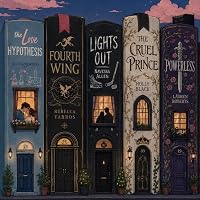
Llegué aquí por esta portada preciosa y me quedé por una fantasía de historia. ¡Bienvenidos a Hiperbórea!
📜 ¿De qué va?
Hiperbórea es una ciudad enclavada dentro de una cúpula, con altísimas torres y canales en todos sus niveles, donde el medio de transporte son tortugas gigantes y una década son diez días en vez de años (mi cerebro protestaba cada que leía eso). Lastyanax es un mago recién graduado de 19 años que pretende investigar el supuesto asesinato de su mentor. Por su parte, Arka es una chica de 13 años que acaba de llegar a la ciudad con la esperanza de encontrar al padre que nunca ha conocido. Sus caminos se encontrarán en una odisea de misterio, magia, intrigas políticas y muchas aventuras.
✨Opinión.
🐢 Una delicia de historia, bien pensada y bien ejecutada. Me ha fascinado Hiperbórea, las descripciones de la ciudad y sus peculiaridades me absorbían y mi imaginación volaba. Last y Arka son unos protagonistas ideales, él tan serio y meticuloso, ella tan caótica y adorable, se complementaron a la perfección. Mi favorita fue ella, sin duda, me hizo reír muchas veces.
"A veces Arka se preguntaba a qué lugar misterioso se escabullía su mente crítica desde el momento en que una idea estúpida se le metía en la cabeza y el instante en que se daba cuenta de que lo era". Ay, mi niña, me ha pasado 🤣.
🐢 La autora nos cuenta en sus agradecimientos la importante influencia que ha tenido de Harry Potter y, en parte, se nota. Magos en túnica, algún personaje (Fretón por ejemplo, que me recuerda muchísimo a Draco) y de repente ciertas vibes. Pero lo cierto es que son meros detalles porque todo lo demás ha seguido su propio camino y el resultado es bastante original y creativo.
🐢 Devillepoix es agregada parlamentaria y parte de su experiencia en el ámbito político lo ha plasmado en el de esta ciudad de una manera fácil de comprender y además amena. Al inicio tenemos un glosario con términos hiperbóreos y un organigrama de mucha ayuda.
🐢 Hay magia y algunas criaturas, acción, villanos y enfrentamientos; pese al tono relajado de la obra, también hay escenas con cierta violencia por lo que no lo considero apto para el público infantil, asimismo, se tocan temas como la desigualdad de clases y de género aunque siento que en eso faltó más peso. Lo que no hay es romance, aclaro por si a alguien le interesa este punto, aquí no es. Tanto a Last como a Arka les agrada alguien (de sus respectivas edades obviamente) pero de pasada.
📜 Este libro es el primero de una bilogía que continúa con La hija del bosque, que he quedado con muchas ganas de leer. Si bien se dan algunos descubrimientos y se ata uno que otro cabo, el final es abierto.
📜 ¿De qué va?
Hiperbórea es una ciudad enclavada dentro de una cúpula, con altísimas torres y canales en todos sus niveles, donde el medio de transporte son tortugas gigantes y una década son diez días en vez de años (mi cerebro protestaba cada que leía eso). Lastyanax es un mago recién graduado de 19 años que pretende investigar el supuesto asesinato de su mentor. Por su parte, Arka es una chica de 13 años que acaba de llegar a la ciudad con la esperanza de encontrar al padre que nunca ha conocido. Sus caminos se encontrarán en una odisea de misterio, magia, intrigas políticas y muchas aventuras.
✨Opinión.
🐢 Una delicia de historia, bien pensada y bien ejecutada. Me ha fascinado Hiperbórea, las descripciones de la ciudad y sus peculiaridades me absorbían y mi imaginación volaba. Last y Arka son unos protagonistas ideales, él tan serio y meticuloso, ella tan caótica y adorable, se complementaron a la perfección. Mi favorita fue ella, sin duda, me hizo reír muchas veces.
"A veces Arka se preguntaba a qué lugar misterioso se escabullía su mente crítica desde el momento en que una idea estúpida se le metía en la cabeza y el instante en que se daba cuenta de que lo era". Ay, mi niña, me ha pasado 🤣.
🐢 La autora nos cuenta en sus agradecimientos la importante influencia que ha tenido de Harry Potter y, en parte, se nota. Magos en túnica, algún personaje (Fretón por ejemplo, que me recuerda muchísimo a Draco) y de repente ciertas vibes. Pero lo cierto es que son meros detalles porque todo lo demás ha seguido su propio camino y el resultado es bastante original y creativo.
🐢 Devillepoix es agregada parlamentaria y parte de su experiencia en el ámbito político lo ha plasmado en el de esta ciudad de una manera fácil de comprender y además amena. Al inicio tenemos un glosario con términos hiperbóreos y un organigrama de mucha ayuda.
🐢 Hay magia y algunas criaturas, acción, villanos y enfrentamientos; pese al tono relajado de la obra, también hay escenas con cierta violencia por lo que no lo considero apto para el público infantil, asimismo, se tocan temas como la desigualdad de clases y de género aunque siento que en eso faltó más peso. Lo que no hay es romance, aclaro por si a alguien le interesa este punto, aquí no es. Tanto a Last como a Arka les agrada alguien (de sus respectivas edades obviamente) pero de pasada.
📜 Este libro es el primero de una bilogía que continúa con La hija del bosque, que he quedado con muchas ganas de leer. Si bien se dan algunos descubrimientos y se ata uno que otro cabo, el final es abierto.

April 15, 2022
Asi jedny z nejčistších čtyř hvězdiček.
Na Bezvětrném městě mě baví hned několik věcí. V první řadě to, že kde se vzalo, tu se vzalo. Nikdo o něm nevěděl, nikdo vehementně nečekal na překlad, nikdo jej předtím kvůli překladu z francouzštiny nečetl.
Věc druhá - s jakou lehkostí to autorka všechno přenáší na papír. Není to komplikovaný, je to vlastně dost jednoduchý, hbitý a přímočarý s kapkou humoru. Nebudu říkat, že nejsou místa, která by si nezasloužila ten krok hlouběji, protože jsou. Ale jako celek to bylo krásně plnohodnotný.
Věc třetí - je to jiný, svěží. Jak po stránce budování světa (ale amazonky pořád trochu bolí), tak v rámci intenzity vztahových záležitostí, které nehrají úplně první housle, ani druhý. Ani magie se nedere dopředu, i když by se z prvních stránek mohlo zdát, že otěže přebere právě ona. Ty aspekty jsou trošku překopaný, hodnotově jinde, než na co jsme většinou zvyklí.
Hyperborea je město, které má sedm úrovní, želvy, které zastávají taxi službu, ministerstva, která mohla opravdu kápnout víc božské, minimálně to pro vyrovnávání a nakonec je to dějiště tak trošku detektivní zápletky, která otřese všemi úrovněmi.
A ono to všechno začíná skoro jako middle-gradka, u které se nakonec ale taky moc neohřejeme.
Těším se na dvojku, těším.
Na Bezvětrném městě mě baví hned několik věcí. V první řadě to, že kde se vzalo, tu se vzalo. Nikdo o něm nevěděl, nikdo vehementně nečekal na překlad, nikdo jej předtím kvůli překladu z francouzštiny nečetl.
Věc druhá - s jakou lehkostí to autorka všechno přenáší na papír. Není to komplikovaný, je to vlastně dost jednoduchý, hbitý a přímočarý s kapkou humoru. Nebudu říkat, že nejsou místa, která by si nezasloužila ten krok hlouběji, protože jsou. Ale jako celek to bylo krásně plnohodnotný.
Věc třetí - je to jiný, svěží. Jak po stránce budování světa (ale amazonky pořád trochu bolí), tak v rámci intenzity vztahových záležitostí, které nehrají úplně první housle, ani druhý. Ani magie se nedere dopředu, i když by se z prvních stránek mohlo zdát, že otěže přebere právě ona. Ty aspekty jsou trošku překopaný, hodnotově jinde, než na co jsme většinou zvyklí.
Hyperborea je město, které má sedm úrovní, želvy, které zastávají taxi službu, ministerstva, která mohla opravdu kápnout víc božské, minimálně to pro vyrovnávání a nakonec je to dějiště tak trošku detektivní zápletky, která otřese všemi úrovněmi.
A ono to všechno začíná skoro jako middle-gradka, u které se nakonec ale taky moc neohřejeme.
Těším se na dvojku, těším.

May 23, 2023
Ce roman est une belle découverte; j'ai bien accroché à l'intrigue et c'est un véritable plaisir à lire! L'écriture de l'autrice est bien travaillée sans être "lourde"; la lecture reste donc très agréable et fluide.
Cela m'a pris quelques pages pour rentrer complètement dans l'histoire dû au vocabulaire très spécifique à l'univers et qui peut être déroutant au départ. J'ai vu un peu plus tard qu'il y a un glossaire (caché tout à la fin du livre dans le format poche), qui est très utile et m'a pas mal aidé pour m'y retrouver.
J'ai beaucoup aimé l'univers; il est riche, bien construit et vraiment bien trouvé.
Les inégalités sociales et hommes/femmes y sont très marquées; j'ai énormément apprécié qu'elles soient bien montrées et dénoncées.
J'ai eu un peu peur au départ par rapport à la présence importante d'enjeux politiques car ce n'est pas vraiment ce vers quoi je suis attirée en règle générale mais cet aspect est vraiment bien passé au final.
L'intrigue démarre doucement mais monte en puissance au fil du roman. Il se passe beaucoup de choses pendant le dernier quart.
Vivement que je découvre la suite!
Cela m'a pris quelques pages pour rentrer complètement dans l'histoire dû au vocabulaire très spécifique à l'univers et qui peut être déroutant au départ. J'ai vu un peu plus tard qu'il y a un glossaire (caché tout à la fin du livre dans le format poche), qui est très utile et m'a pas mal aidé pour m'y retrouver.
J'ai beaucoup aimé l'univers; il est riche, bien construit et vraiment bien trouvé.
Les inégalités sociales et hommes/femmes y sont très marquées; j'ai énormément apprécié qu'elles soient bien montrées et dénoncées.
J'ai eu un peu peur au départ par rapport à la présence importante d'enjeux politiques car ce n'est pas vraiment ce vers quoi je suis attirée en règle générale mais cet aspect est vraiment bien passé au final.
L'intrigue démarre doucement mais monte en puissance au fil du roman. Il se passe beaucoup de choses pendant le dernier quart.
Vivement que je découvre la suite!

April 8, 2020
Une fantasy jeunesse qui su totalement m'emporter !
L’histoire est bien écrite, pleine d’action et de rebondissement. Tout s’imbrique bien et à chaque fois qu’on découvre un nouvel élément dans l’enquête, le mystère s’épaissit. Ça se lit très vite et très bien : j’étais totalement dans l’histoire. Sur la fin, tout s’enchaine et il n’est plus possible de lâcher le livre. J’ai apprécié cet univers bien pensé et construit, c’était juste dommage qu’on ne voit pas un peu plus de magie.
Les personnages sont très attachants et le lien qui se tissait entre mentor et disciple était plaisant à voir. Arka apporte cette touche de jeunesse et de fraicheur, d’insouciance et d’action. Last quant à lui nous offre une approche plus mature de l’univers, entre magouilles politiques, enquête et doutes. J’ai apprécié de pouvoir avoir les deux pans dans un livre jeunesse.
J’ai également apprécié la réflexion féministe introduite par le personnage de Pyrrha qui se bat pour ses droits, mais également celui d’Arka, une femme vive et combattante qui ne se laisse jamais marcher sur les pieds, et ne manque jamais de répartie.
Ma chronique
L’histoire est bien écrite, pleine d’action et de rebondissement. Tout s’imbrique bien et à chaque fois qu’on découvre un nouvel élément dans l’enquête, le mystère s’épaissit. Ça se lit très vite et très bien : j’étais totalement dans l’histoire. Sur la fin, tout s’enchaine et il n’est plus possible de lâcher le livre. J’ai apprécié cet univers bien pensé et construit, c’était juste dommage qu’on ne voit pas un peu plus de magie.
Les personnages sont très attachants et le lien qui se tissait entre mentor et disciple était plaisant à voir. Arka apporte cette touche de jeunesse et de fraicheur, d’insouciance et d’action. Last quant à lui nous offre une approche plus mature de l’univers, entre magouilles politiques, enquête et doutes. J’ai apprécié de pouvoir avoir les deux pans dans un livre jeunesse.
J’ai également apprécié la réflexion féministe introduite par le personnage de Pyrrha qui se bat pour ses droits, mais également celui d’Arka, une femme vive et combattante qui ne se laisse jamais marcher sur les pieds, et ne manque jamais de répartie.
Ma chronique

May 8, 2022
Čím to, že si Bezvětrné město získává jednoho čtenáře za druhým? Včetně mě?
Přemýšlela jsem nad tím a možností je několik.
Hned tou první je styl psaní - je to tak krásně napsané, že máte pocit, že se vracíte ke knize vydané kolem roku 2000, kdy ještě neexistovaly mainstreamové YA tituly. Knihy pro mládež byly více popisné, v ledasčem dětštější, než jsme teď zvyklí, ale zároveň dost vyspělé, aby se nebály poměrně rafinovaných politických taškařic.
A to tady máme. Politické taškařice. Magický svět. Nedobytné město plné pravidel, které je odstupňované na úrovně. Jsou tady společenské rozdíly a nevraživost mezi vrstvami. Vlastně celý ten svět na mě působil velice živě - má pravidla, historii, kontext. Je svůj a hezky představitelný.
Střídají se tu POV různých postav různých věků, přičemž hlavní slovo dostává slečna, která se sice místy chová dost jako děcko, ale musíte brát v úvahu, že ona děcko je. Její povaha nebude každému úplně sympatická, ale je akceptovatelná a stejně jako u dalších postav velmi dobře vykreslená a s pochopitelnou motivací. Je radost sledovat, s čím vším si musí poradit a jak to udělá. A ještě jak se to prolíná s dospělejšími POV - ňamka.
Z hlediska děje potkáte tolik božích prvků - například závod, vztah mistr x učeň outsider, ale třeba i soutěž a vraždy ve vysokých politických kruzích. Některé dějové zákruty jsou skutečně těžko odhadnutelné.
Ve výsledku mě překvapilo, kolik “věcí se tam stalo” a někdy i “co se tam stalo”, taky že si to drží tempo od začátku až do konce a že ani na chvíli jsem neztratila pozornost. Bavilo mě to číst, bavilo mě se k tomu vracet a moc se těším na to, co bude dál.
Jo a pokud jste zaslechli šeptandu, že to má podobný vibe jako Arcane, tak v té politické rovině jo, stopro. A prostředím taky trochu.
Přemýšlela jsem nad tím a možností je několik.
Hned tou první je styl psaní - je to tak krásně napsané, že máte pocit, že se vracíte ke knize vydané kolem roku 2000, kdy ještě neexistovaly mainstreamové YA tituly. Knihy pro mládež byly více popisné, v ledasčem dětštější, než jsme teď zvyklí, ale zároveň dost vyspělé, aby se nebály poměrně rafinovaných politických taškařic.
A to tady máme. Politické taškařice. Magický svět. Nedobytné město plné pravidel, které je odstupňované na úrovně. Jsou tady společenské rozdíly a nevraživost mezi vrstvami. Vlastně celý ten svět na mě působil velice živě - má pravidla, historii, kontext. Je svůj a hezky představitelný.
Střídají se tu POV různých postav různých věků, přičemž hlavní slovo dostává slečna, která se sice místy chová dost jako děcko, ale musíte brát v úvahu, že ona děcko je. Její povaha nebude každému úplně sympatická, ale je akceptovatelná a stejně jako u dalších postav velmi dobře vykreslená a s pochopitelnou motivací. Je radost sledovat, s čím vším si musí poradit a jak to udělá. A ještě jak se to prolíná s dospělejšími POV - ňamka.
Z hlediska děje potkáte tolik božích prvků - například závod, vztah mistr x učeň outsider, ale třeba i soutěž a vraždy ve vysokých politických kruzích. Některé dějové zákruty jsou skutečně těžko odhadnutelné.
Ve výsledku mě překvapilo, kolik “věcí se tam stalo” a někdy i “co se tam stalo”, taky že si to drží tempo od začátku až do konce a že ani na chvíli jsem neztratila pozornost. Bavilo mě to číst, bavilo mě se k tomu vracet a moc se těším na to, co bude dál.
Jo a pokud jste zaslechli šeptandu, že to má podobný vibe jako Arcane, tak v té politické rovině jo, stopro. A prostředím taky trochu.

July 14, 2022
J'ai beaucoup aimé ma lecture ! L'univers créé est vraiment génial et on s'attache très vite aux personnages ❤️ je vais avoir du mal à ne pas enchaîner direct avec le tome 2 de cette duologie 😭

March 24, 2023
Godenlief, wat een magnifiek verhaal was dit. Ik kan niet eens één citaat uitkiezen.
Arka kauwde teleurgesteld op een pluk haar en nam de omgeving geconcentreerd in zich op. Het waren niet echt optimale omstandigheden. Ze was verdwaald, haar paard was gevlucht, ze had niets te eten, een slang die zo groot was als een huis wachtte op haar kans haar te verorberen en de mist was nog altijd even dicht.
'Wij zijn de Duivelse Drieling!' brulde Ari.
'Wat een achterlijke naam,' zei Arka. 'Willen jullie nou alweer een pak slaag?'
Ik had een hele tijd ongeduldig naar dit boek uitgekeken en uiteindelijk moest ik effe snel zijn als ik het wilde laten signeren ook. Je weet wel, voor de uiterste kleine kans dat ik het goed zou vinden. Maar De Stad Zonder Wind heeft me van mijn sokken geblazen, echt waar.
Arka, het hoofdpersonage, is dertien jaar. Vanuit een objectief perspectief kun je je afvragen of ze wel echt realistisch is, want ze gedraagt zich alsof ze al een pak ouder is. Ze is ontzettend slim en kritisch, ze is grappig, ze kan keigoed met wapens omgaan en is een krak in gevechten, haar achtergrond is ontzettend interessant, ga zo maar door. Maar na een tijdje wordt duidelijk waarom dat zo is. Als je dus eerst nog met gefronste wenkbrauwen zit te lezen: heb geduld. Persoonlijk was ik al vanaf het eerste woord compleet verkocht. Zulke onverschrokken, dappere, volwassen personages kom je maar heel zelden tegen. Ik ben echt overdonderd, ik vind haar magnifiek.
Lastyanax - heb ik dat juist geschreven? Ja - is iets minder interessant, want gewoon iets minder buitengewoon, maar ook hij is op een totaal andere manier zeker wel opmerkelijk. Er is een duidelijk verschil tussen de twee hoofdpersonages zichtbaar en toch complementeren ze elkaar heel goed.
(Terzijde: Zij is dertien, hij negentien. Gevolg: dit is eens een boek waar niks van liefde tussen de twee hoofdpersonages speelt. Geweldig!)
En de meeste andere personages waren ook heel aangenaam. Pyrrha vind ik wat verwarrend, want haar humeur draait om als een blad aan een boom. Eerst dacht ik dat daar een diplomatiek spelletje achter school, maar dat blijkt niet zo te zijn, het is eerder iets persoonlijks. Alleen komt dat er niet echt goed uit, vind ik. Maar verder is iedereen machtig interessant en is er een hele resem aan verschillende personages vertegenwoordigd. Het is ook tof dat er zo nu en dan eens iemand anders een vertelstandpunt krijgt, naast Arka of Lastyanax. Alkander is een vuile klootzak, maar ja, die moeten er nu eenmaal ook zijn.
De Nederlandse vertaling is van Hester Tollenaar & Arthur Wevers. Ik ken alleen de eerste naam. In het begin vreesde ik er een beetje voor, omdat er ergens een stel rare haakjes stonden midden in een dialoog en ook omdat er kort na elkaar twee woorden te veel stonden, waardoor ik dacht dat de redactie niet veel soeps ging zijn, maar in totaal komt dat toch maar een paar keer voor. Bovendien las de hele tekst ontzettend vlot, en je merkt dat de vertalers en Devillepoix zelf er heel goed op gelet hebben dat de dialogen ook echt als dialogen overkomen. Je kunt je voorstellen dat je zelf zo spreekt. Een heel goede vertelstijl en een heel goede vertaling met een grote vocabulaire.
De wereld is ontzettend intrigerend en ik kan niet wachten om er in Boek 2 meer over te lezen. We leren nu al een beetje van de wereld buiten Hyperborea dankzij Arka en haar verleden, maar de stad zelf wordt natuurlijk veel meer vormgegeven en is echt geweldig. De beschrijvingen van de stad laten je dromen over een plek die doet denken aan kruising van Venetië, de steden uit de Ghibli-films en De Spiegelpassante van Christelle Dabos - een vergelijking die ik eigenlijk wel op meer vlakken kan trekken.
Er gebeurt ontzettend veel in dit boek. De korte inhoud zet je op het verkeerde been: Arka komt al snel aan in Hyperborea, maar ze ontmoet Lastyanax niet meteen, er gebeurt eerst nog wel wat anders. Maar hoe dan ook zit je elke bladzijde op het puntje van je zetel en je adem stokt geregeld in je keel, geloof me maar. Eens de echte problemen aan het licht komen, wordt bovendien ook duidelijk dat er vrijwel niemand te vertrouwen is, dat alle personages oude geheimen verbergen en dat er reusachtige intriges gaande zijn. Plotwendingen komen dan ook meermaals voor, wanneer er weer eens iemand iets doet dat iets onthult zonder dat je dat ooit zag aankomen.
De cover is ook bijzonder knap, hé. Kijk naar die tekeningen en die details!
In principe komt het dus gewoon hierop neer: De Stad Zonder Wind is geweldig! Laat alles waar je mee bezig bent vallen, en léés het!
9,2/10
Nog eentje om het af te leren? Vooruit dan.
Arka sprong opgewonden overeind, met de gebakskruimels nog in haar mondhoeken. 'Ooo, dus we moeten speurwerk doen om de moordenaar te vinden, toch, meester? Als u een verdachte heeft, kan ik hem bespioneren. Of ik kan bij iemand inbreken om het moordwapen te zoeken. En als er gevochten moet worden, ben ik ook...'
Arka kauwde teleurgesteld op een pluk haar en nam de omgeving geconcentreerd in zich op. Het waren niet echt optimale omstandigheden. Ze was verdwaald, haar paard was gevlucht, ze had niets te eten, een slang die zo groot was als een huis wachtte op haar kans haar te verorberen en de mist was nog altijd even dicht.
'Wij zijn de Duivelse Drieling!' brulde Ari.
'Wat een achterlijke naam,' zei Arka. 'Willen jullie nou alweer een pak slaag?'
Ik had een hele tijd ongeduldig naar dit boek uitgekeken en uiteindelijk moest ik effe snel zijn als ik het wilde laten signeren ook. Je weet wel, voor de uiterste kleine kans dat ik het goed zou vinden. Maar De Stad Zonder Wind heeft me van mijn sokken geblazen, echt waar.
Arka, het hoofdpersonage, is dertien jaar. Vanuit een objectief perspectief kun je je afvragen of ze wel echt realistisch is, want ze gedraagt zich alsof ze al een pak ouder is. Ze is ontzettend slim en kritisch, ze is grappig, ze kan keigoed met wapens omgaan en is een krak in gevechten, haar achtergrond is ontzettend interessant, ga zo maar door. Maar na een tijdje wordt duidelijk waarom dat zo is. Als je dus eerst nog met gefronste wenkbrauwen zit te lezen: heb geduld. Persoonlijk was ik al vanaf het eerste woord compleet verkocht. Zulke onverschrokken, dappere, volwassen personages kom je maar heel zelden tegen. Ik ben echt overdonderd, ik vind haar magnifiek.
Lastyanax - heb ik dat juist geschreven? Ja - is iets minder interessant, want gewoon iets minder buitengewoon, maar ook hij is op een totaal andere manier zeker wel opmerkelijk. Er is een duidelijk verschil tussen de twee hoofdpersonages zichtbaar en toch complementeren ze elkaar heel goed.
(Terzijde: Zij is dertien, hij negentien. Gevolg: dit is eens een boek waar niks van liefde tussen de twee hoofdpersonages speelt. Geweldig!)
En de meeste andere personages waren ook heel aangenaam. Pyrrha vind ik wat verwarrend, want haar humeur draait om als een blad aan een boom. Eerst dacht ik dat daar een diplomatiek spelletje achter school, maar dat blijkt niet zo te zijn, het is eerder iets persoonlijks. Alleen komt dat er niet echt goed uit, vind ik. Maar verder is iedereen machtig interessant en is er een hele resem aan verschillende personages vertegenwoordigd. Het is ook tof dat er zo nu en dan eens iemand anders een vertelstandpunt krijgt, naast Arka of Lastyanax. Alkander is een vuile klootzak, maar ja, die moeten er nu eenmaal ook zijn.
De Nederlandse vertaling is van Hester Tollenaar & Arthur Wevers. Ik ken alleen de eerste naam. In het begin vreesde ik er een beetje voor, omdat er ergens een stel rare haakjes stonden midden in een dialoog en ook omdat er kort na elkaar twee woorden te veel stonden, waardoor ik dacht dat de redactie niet veel soeps ging zijn, maar in totaal komt dat toch maar een paar keer voor. Bovendien las de hele tekst ontzettend vlot, en je merkt dat de vertalers en Devillepoix zelf er heel goed op gelet hebben dat de dialogen ook echt als dialogen overkomen. Je kunt je voorstellen dat je zelf zo spreekt. Een heel goede vertelstijl en een heel goede vertaling met een grote vocabulaire.
De wereld is ontzettend intrigerend en ik kan niet wachten om er in Boek 2 meer over te lezen. We leren nu al een beetje van de wereld buiten Hyperborea dankzij Arka en haar verleden, maar de stad zelf wordt natuurlijk veel meer vormgegeven en is echt geweldig. De beschrijvingen van de stad laten je dromen over een plek die doet denken aan kruising van Venetië, de steden uit de Ghibli-films en De Spiegelpassante van Christelle Dabos - een vergelijking die ik eigenlijk wel op meer vlakken kan trekken.
Er gebeurt ontzettend veel in dit boek. De korte inhoud zet je op het verkeerde been: Arka komt al snel aan in Hyperborea, maar ze ontmoet Lastyanax niet meteen, er gebeurt eerst nog wel wat anders. Maar hoe dan ook zit je elke bladzijde op het puntje van je zetel en je adem stokt geregeld in je keel, geloof me maar. Eens de echte problemen aan het licht komen, wordt bovendien ook duidelijk dat er vrijwel niemand te vertrouwen is, dat alle personages oude geheimen verbergen en dat er reusachtige intriges gaande zijn. Plotwendingen komen dan ook meermaals voor, wanneer er weer eens iemand iets doet dat iets onthult zonder dat je dat ooit zag aankomen.
De cover is ook bijzonder knap, hé. Kijk naar die tekeningen en die details!
In principe komt het dus gewoon hierop neer: De Stad Zonder Wind is geweldig! Laat alles waar je mee bezig bent vallen, en léés het!
9,2/10
Nog eentje om het af te leren? Vooruit dan.
Arka sprong opgewonden overeind, met de gebakskruimels nog in haar mondhoeken. 'Ooo, dus we moeten speurwerk doen om de moordenaar te vinden, toch, meester? Als u een verdachte heeft, kan ik hem bespioneren. Of ik kan bij iemand inbreken om het moordwapen te zoeken. En als er gevochten moet worden, ben ik ook...'

November 14, 2021
‚Die Stadt ohne Wind: Arkas Reise‘ von Éléonore Devillepoix hat mich zuerst mit diesem wunderschönen Cover gecatcht. Doch auch der Klappentext klang vielversprechend und ich bin mit ziemlich hohen Erwartungen an die Geschichte rangegangen. Und diese wurden sowas von erfüllt, ach was, übertroffen!
Ich weiß gar nicht, von was ich zuerst schwärmen soll. Von der Idee, der Welt, den Figuren? Denn alles an dieser Geschichte ist so besonders und einzigartig, allen voran die Stadt, in der die Handlung spielt: Hyperborea, die Stadt ohne Wind. Denn sie liegt geschützt unter einer Kuppel, die nicht nur Kälte fernhält, sondern auch Feinde. Die Bewohner Hyperboreas wohnen in hohen Türmen, die in sieben Ebenen aufgeteilt sind. In der ersten, untersten Ebene wohnen die Ärmsten, in der siebten und obersten Ebene die Magier. Denn in Hyperborea ist Magie noch erlaubt, im Gegensatz zum besetzten Napoca.
Doch nicht nur der Aufbau gefiel mir gut, sondern auch die vielen, vielen Details in der Stadt selbst. Die Fortbewegung per Schildkröte, die politische Organisation oder auch die Unterschiede der Ebenen. Das detailreiche und vielseitige Magiesystem erschließt sich erst im Laufe der Geschichte, die Möglichkeiten und Besonderheiten erfährt man also nach und nach. So kommt es automatisch zu einigen Überraschungen, denn die Magie Hyperboreas kennt keine Grenzen.
Arka ist eine sehr junge Protagonistin, doch in ihrem 13-jährigen Leben hat sie schon viel erlebt. Schließlich hat sie die Reise nach Hyperborea alleine mit der Hilfe ihres Ponys Zwerg bewältigt, über die rauen Berge, durch die Kälte. Sie ist auf der Suche nach ihrem Vater und findet sich auf einmal in einer ihr unbekannten Welt wieder, in der nicht jeder alle Möglichkeiten hat und vor allem Frauen der Zugang zu vielem verwehrt wird. Arka ist etwas vorlaut und redet, wie ihr der Mund gewachsen ist, sie ist unglaublich anpassungsfähig und versucht, aus jeder Situation das für sie Beste herauszuholen. In ihr steckt so viel mehr, als es den Anschein macht und ich mag ihre Art, Dinge anzupacken, total! Sie ist überhaupt eine tolle Person und selbst wenn man oft merkt, dass sie jung ist, hat mich das nie gestört. Sie ist einfach authentisch und trotz ihres manchmal ruppigen Wesens so liebenswert.
Durch eine Verkettung von Zufällen stößt sie auf den Magier Lastyanax, der dem Tod seines Mentors auf den Grund geht. Das Gespann ist erst ein Team wider Willen, doch mit der Zeit.. Ich liebe ihre Kabbeleien und lustigen Sprüche, ihre Vorgehensweise und ihrer beider Mut, etwas ändern zu wollen.
Doch auch die vielen Nebenfiguren sind herrlich ausgearbeitet, seien es Verbündete oder Gegner. Denn das ist oftmals nicht so klar, denn finstere Magie hat sich in Hyperborea ausgebreitet, vor der niemand sicher ist.
Man merkt, dass eigentlich alles diese Geschichte lesenswert macht. Sei es die Magie der Erzählung oder die eindrucksvolle Welt. Sei es die Idee hinter der Geschichte, die ich so neu und besonders finde. Oder seien es die tollen Charaktere, so vielschichtig und sympathisch. Einfach eine Geschichte, die begeistert und die man gelesen haben sollte. Wegen ihrer Einzigartigkeit, ihres Ideenreichtums und ihres Zaubers. 5 Sterne und Jahreshighlight!
Ich weiß gar nicht, von was ich zuerst schwärmen soll. Von der Idee, der Welt, den Figuren? Denn alles an dieser Geschichte ist so besonders und einzigartig, allen voran die Stadt, in der die Handlung spielt: Hyperborea, die Stadt ohne Wind. Denn sie liegt geschützt unter einer Kuppel, die nicht nur Kälte fernhält, sondern auch Feinde. Die Bewohner Hyperboreas wohnen in hohen Türmen, die in sieben Ebenen aufgeteilt sind. In der ersten, untersten Ebene wohnen die Ärmsten, in der siebten und obersten Ebene die Magier. Denn in Hyperborea ist Magie noch erlaubt, im Gegensatz zum besetzten Napoca.
Doch nicht nur der Aufbau gefiel mir gut, sondern auch die vielen, vielen Details in der Stadt selbst. Die Fortbewegung per Schildkröte, die politische Organisation oder auch die Unterschiede der Ebenen. Das detailreiche und vielseitige Magiesystem erschließt sich erst im Laufe der Geschichte, die Möglichkeiten und Besonderheiten erfährt man also nach und nach. So kommt es automatisch zu einigen Überraschungen, denn die Magie Hyperboreas kennt keine Grenzen.
Arka ist eine sehr junge Protagonistin, doch in ihrem 13-jährigen Leben hat sie schon viel erlebt. Schließlich hat sie die Reise nach Hyperborea alleine mit der Hilfe ihres Ponys Zwerg bewältigt, über die rauen Berge, durch die Kälte. Sie ist auf der Suche nach ihrem Vater und findet sich auf einmal in einer ihr unbekannten Welt wieder, in der nicht jeder alle Möglichkeiten hat und vor allem Frauen der Zugang zu vielem verwehrt wird. Arka ist etwas vorlaut und redet, wie ihr der Mund gewachsen ist, sie ist unglaublich anpassungsfähig und versucht, aus jeder Situation das für sie Beste herauszuholen. In ihr steckt so viel mehr, als es den Anschein macht und ich mag ihre Art, Dinge anzupacken, total! Sie ist überhaupt eine tolle Person und selbst wenn man oft merkt, dass sie jung ist, hat mich das nie gestört. Sie ist einfach authentisch und trotz ihres manchmal ruppigen Wesens so liebenswert.
Durch eine Verkettung von Zufällen stößt sie auf den Magier Lastyanax, der dem Tod seines Mentors auf den Grund geht. Das Gespann ist erst ein Team wider Willen, doch mit der Zeit.. Ich liebe ihre Kabbeleien und lustigen Sprüche, ihre Vorgehensweise und ihrer beider Mut, etwas ändern zu wollen.
Doch auch die vielen Nebenfiguren sind herrlich ausgearbeitet, seien es Verbündete oder Gegner. Denn das ist oftmals nicht so klar, denn finstere Magie hat sich in Hyperborea ausgebreitet, vor der niemand sicher ist.
Man merkt, dass eigentlich alles diese Geschichte lesenswert macht. Sei es die Magie der Erzählung oder die eindrucksvolle Welt. Sei es die Idee hinter der Geschichte, die ich so neu und besonders finde. Oder seien es die tollen Charaktere, so vielschichtig und sympathisch. Einfach eine Geschichte, die begeistert und die man gelesen haben sollte. Wegen ihrer Einzigartigkeit, ihres Ideenreichtums und ihres Zaubers. 5 Sterne und Jahreshighlight!
April 11, 2020
J’ai adoré l’univers présenté : le conflit entre les mages et les amazones, le système de magie, l’architecture et le fonctionnement de cette ville-tour… Toute l’histoire est centrée sur la politique et les conflits qu’elle engendre dans la cité : que ce soit les magouilles avec la pègre du premier niveau ou les manipulations des hauts placés du septième, on découvre toute la perversité de ce système corrompu jusqu’à la moelle.
J’ai très rapidement accroché au personnage d’Arka : son franc-parler, sa façon de penser, de voir la ville…
Pour ce qui est de Lastyanax… j’ai apprécié le détester : il est par moment imbuvable et a vraiment un caractère de cochon, mais il fini par s’attacher à la jeune fille et à lui faire confiance.
L’écriture de l’autrice est fluide et surtout très détaillée, ce qui nous donne un aperçu de l’étendu et de la complexité de son univers. C’est ce qui m’a maintenu durant le récit malgré son rythme lent, et cela promet de bonnes découvertes dans le prochain tome. Car au vu de la tournure que prend l’histoire sur le dernier chapitre (et de l’intitulé de l’ouvrage sur le site de l’éditeur), ce volume est un premier tome (pour mon plus grand plaisir) ! ^^
En bref, une excellente lecture, dont j'ai maintenant hâte de découvrir la suite ! ^^
J’ai très rapidement accroché au personnage d’Arka : son franc-parler, sa façon de penser, de voir la ville…
Pour ce qui est de Lastyanax… j’ai apprécié le détester : il est par moment imbuvable et a vraiment un caractère de cochon, mais il fini par s’attacher à la jeune fille et à lui faire confiance.
L’écriture de l’autrice est fluide et surtout très détaillée, ce qui nous donne un aperçu de l’étendu et de la complexité de son univers. C’est ce qui m’a maintenu durant le récit malgré son rythme lent, et cela promet de bonnes découvertes dans le prochain tome. Car au vu de la tournure que prend l’histoire sur le dernier chapitre (et de l’intitulé de l’ouvrage sur le site de l’éditeur), ce volume est un premier tome (pour mon plus grand plaisir) ! ^^
En bref, une excellente lecture, dont j'ai maintenant hâte de découvrir la suite ! ^^

May 13, 2022
Hľadáte príbeh nabitý akciou, ktorý vás strhne od prvej strany? Takto potom na Bezvetrne mesti rovno zabudnite. Lenže ak hľadáte prepracovaný pomaly plynúci príbeh, ste na správnom mieste.
Na prvý pohľad vám kniha vyrazí dych svojou obálkou. Jednoduchá a zároveň luxusná. Pre mňa úplne neznáma autorka vytvorila pokrokové mesto pod kupolou. Hyperborea je mesto chránené sklenenou kupolou a zároveň je rozdelené do siedmych úrovní, pričom v tej najvyššej sa nachádzajú kúzelníci. Nečakajte žiadne ,,abraka dabra”, ale zložitý systém mágie pomocou pečatí a symbolov.
Okrem nevšedného druhu mágie príbeh dopĺňajú násilne vráždy ministrov, hľadanie ich vraha, či spor s amazónkami. Napriek tomu, že kniha je označená ako young adult, nečakajte žiadny typický young adult príbeh napriek tomu, že hrnidami sú takmer trinásť ročná Arca a devätnásť ročný Lastyanax, ktorí majú za sebou neľahkú minulosť, ale ani v budúcnosti ich nečaká žiadna prechádzka ružovou záhradou.
Táto francúzka autorka dokázala vytvoriť pre mňa výnimočný svet, v ktorom spojila mágiu, násilie, politiku a boj s osudom do dokonalej podoby a zatiaľ to vyzerá tak, že som našla svoju top knihu tohto roka.
Za poskytnutie knihy veľmi pekne ďakujem vydavateľstvu Host a verím, že sa čoskoro môžem tešiť aj na druhý diel.
Na prvý pohľad vám kniha vyrazí dych svojou obálkou. Jednoduchá a zároveň luxusná. Pre mňa úplne neznáma autorka vytvorila pokrokové mesto pod kupolou. Hyperborea je mesto chránené sklenenou kupolou a zároveň je rozdelené do siedmych úrovní, pričom v tej najvyššej sa nachádzajú kúzelníci. Nečakajte žiadne ,,abraka dabra”, ale zložitý systém mágie pomocou pečatí a symbolov.
Okrem nevšedného druhu mágie príbeh dopĺňajú násilne vráždy ministrov, hľadanie ich vraha, či spor s amazónkami. Napriek tomu, že kniha je označená ako young adult, nečakajte žiadny typický young adult príbeh napriek tomu, že hrnidami sú takmer trinásť ročná Arca a devätnásť ročný Lastyanax, ktorí majú za sebou neľahkú minulosť, ale ani v budúcnosti ich nečaká žiadna prechádzka ružovou záhradou.
Táto francúzka autorka dokázala vytvoriť pre mňa výnimočný svet, v ktorom spojila mágiu, násilie, politiku a boj s osudom do dokonalej podoby a zatiaľ to vyzerá tak, že som našla svoju top knihu tohto roka.
Za poskytnutie knihy veľmi pekne ďakujem vydavateľstvu Host a verím, že sa čoskoro môžem tešiť aj na druhý diel.
March 27, 2020
J’ai adoré ce livre. L’univers est riche et recherché, les personnages ont des prénoms atypiques et l’histoire est originale. Je suis restée captivée du début à la fin.

May 1, 2021
Wow wow wow! Non mais quelle histoire magnifique! J’ai absolument tout aimé, la plume magnifique et très recherchée de l’autrice, le monde magique d’Hyperborée, Arka et Lastyanax et leur complicité improbable, le dénouement inattendu et toutes les ficelles de cette histoire terriblement recherchée. Un réel coup de cœur pout cette ville sans vent, vraiment c’est du grand grand talent. La couverture est absolument splendide et il faut féliciter l’imagination débordante de cette jeune autrice si talentueuse. Je me plongerai dans le second tome très très rapidement! Une magnifique découverte de mon côté, point les bons lecteurs adolescents et pour les adultes amateurs de fantasy qui aiment les univers magiques et spectaculaires ✨ à quand l’adaptation cinématographique?

September 13, 2021
3.5, округлим до 4
как-то чувствуется, что книга вне англо-саксонского ЯА - сюжет с элементами детектива, хоть и фэнтези, никакой любовной линии
из минусов - совсем скудно описан мир, хотя потенциал явно есть (такая смесь византии и древней греции)
как-то чувствуется, что книга вне англо-саксонского ЯА - сюжет с элементами детектива, хоть и фэнтези, никакой любовной линии
из минусов - совсем скудно описан мир, хотя потенциал явно есть (такая смесь византии и древней греции)
September 24, 2022
🇬🇧 English review below ⬇
........................................................................................
Dieses Buch fand ich beim Erscheinen zwar nicht gänzlich uninteressant, auf meine Wunschliste ist es aber erst gerückt, als ich die ersten begeisterten Meinungen dazu las. Da es aber dadurch sozusagen ein “nachgerückter” Buchwunsch war, hatte ich gar nicht so große Erwartungen als ich begann und wurde dadurch positiv überrascht.
Eine Stadt aus Türmen, Kanälen und Magie
Was mich ziemlich schnell in seinen Bann gezogen hat, war das Worldbuilding, speziell die Stadt Hyperborea. Die Stadt, die unter einer Kuppel sich vor der rauen Außenwelt schützt und in der daher niemals Wind weht, besteht aus etlichen Türmen, die sich in verschiedene Ebenen gliedern, verbunden sind diese durch ein ausgeklügeltes System von Kanälen, welche sowohl als “Straßen”, als auch als Wasserversorgung dienen. Wie so oft herrscht ein strenges Klassensystem, die oberen Ebenen, die logischerweise durch die Fließrichtung von Wasser, das sauberste Wasser haben, sind den Reichen und Magiern vorbehalten, nach unten hin wird es immer dreckiger bis auf dem Boden nur noch eine eklige Brühe ankommt und die Ärmsten er Armen im ewigen Schatten der Türme leben müssen.
Eine Stadt aus Türmen ist zwar in der Fantasywelt nicht gänzlich neu, die Autorin haucht Hyperborea aber mit vielen detailverliebten Ideen ein ganz eigenes, individuelles Leben ein. So bewegt man sich auf den Kanälen zum Beispiel mit riesigen Schildkröten fort, wobei es da je nach Geld auch verschiedene “Modelle” gibt, von der Moosbedeckten, bis hin zur Vergoldeten. Solche individuellen Details fand ich großartig und zusammen mit einem Schreibstil, der dem/die Leser/in die Stadt bildhaft vor Augen führt, ohne sich in Beschreibungen zu verlieren war es ein echter Genuss zusammen mit Arka diese Stadt zu erkunden.
Ein weiterer Aspekt, den ich im Worldbuilding sehr spannend fand, war, dass Hyperborea kulturell und politisch an das byzantinische Reich angelehnt war. Das habe ich auch noch nicht so häufig erlebt. Vom römischen Reich oder den Griechen inspirierte Fantasywelten, ja, sehr geläufig, Byzanz jedoch stand bei dem, was ich bisher gelesen habe, noch nicht oft Pate.
Und zu guter Letzt in Sachen Worldbuilding, konnte mich auch das Magiesystem überzeugen. Wie dieses funktioniert erfährt man dadurch, dass Arka Unterricht erhält im Verlauf der Handlung ganz gut und es ist ein durchdachtes System, dass auch Grenzen hat. Das gefällt mir immer besser, als wenn einfach alles möglich ist, weil magic baby.
Ein ungleiches Gespann auf den Spuren einer Verschwörung
Das Worldbuilding ist also schon mal eine Eins plus mit Sahnehäubchen, wie sieht es mit den Charakteren aus? Da hätten wir natürlich zuallererst Arka. Als ich auf den ersten Seiten erfuhr, dass sie erst Dreizehn ist, machte ich mir schon Sorgen, denn normalerweise kann ich mit so jungen ProtagonistInnen mittlerweile nicht mehr viel anfangen. Doch meine Skepsis verflog schnell, denn Arka ist in ihren Gedanken und Verhalten sehr reif für ihre dreizehn Jahre. Das mag vielleicht, trotz der Dinge, die sie schon durchleben musste, nicht unbedingt die realistischste Darstellung einer Heranwachsenden sein, machte sie mir persönlich aber als Protagonistin viel sympathischer und ehe ich mich versah, wuchs mir Arka ans Herz, was nicht zuletzt auch an ihren Charakterzügen lag. Sie ist klug und pfiffig, ein bisschen vorlaut, dabei aber nie gemein und hat einen starken Willen.
Den Gegenpart dazu bildet Lastyanax. Er ist ein Magier, der nach dem Tod seines Mentors dessen Amt übernimmt. Er ist ruhig und besonnen, aber auch ehrgeizig, doch er hat das Herz auf dem rechten Fleck. Zusammen sind Arka und Lastyanax ein grundverschiedenes Duo, was ihr Zusammenspiel aber sehr interessant macht und für sowohl lustige als auch rührende Situationen sorgt.
Aber auch abgesehen von den ProtagonistInnen kann das Buch mit seinen Charakteren punkten. Ob es das sture Pony Zwerg, der grummelige Pferdetrainer Kaul oder der quirlige, aber undurchsichtige Magier, die selbstbewusste Phyrra, die einzige weibliche Magierin, an jeder Ecke begegnen einem interessante Charaktere mit Wiedererkennungswert.
Kommen wir zur Handlung. Hier bietet das Buch eine tolle Mischung aus Academia und Verschwörung. Dabei gelingt es der Autorin genau die richtige menge an Geheimnissen einzuflechten, dass man als LeserIn stets neugierig bleibt. Die Auflösung dieser fand ich ebenfalls gelungen, zwar konnte ich die ungefähre Richtung bereits früher in der Handlung erahnen, trotzdem konnten mich einige Details auch überraschen.
Fazit
Zum Glück habe ich mich von den BloggerInnen meines Vertrauens beeinflussen lassen, sonst wäre dieses Jahreshighlight doch glatt an mir vorbeigegangen. Stadt ohne Wind hat alles, was ich mir von einem Fantasybuch wünsche: Sympathische Charaktere, mit denen man mitfiebert, ein atemberaubendes Setting und einen spannenden Plot voller Geheimnisse und Intrigen.
◾◾◾◾◾◾◾◾◾◾◾◾◾◾◾◾◾◾◾◾◾◾◾◾◾◾◾◾◾◾◾◾◾◾◾◾◾◾◾◾◾◾◾◾◾◾◾◾◾◾◾◾◾◾◾◾◾◾◾◾◾◾◾◾
❗Important note: English is not my first language. So that English-speaking community members can still read my review, my review has been translated with the help of a translation program (since I don't have the time to translate it myself every time). I therefore apologize for any mistakes and strange phrasing.
I found this book not entirely uninteresting when it first appeared, but it only made it onto my wish list when I read the first enthusiastic opinions about it. But since it was a "belated" book request, so to speak, I didn't have such high expectations when I started and was pleasantly surprised.
A city of towers, canals and magic
What captivated me quite quickly was the worldbuilding, especially the city of Hyperborea. The city, which is protected from the harsh outside world under a dome and therefore does not have wind, consists of several towers, which are divided into different levels, connected by an elaborate system of canals, which serve both as "streets" and as a water supply. As is so often the case, a strict class system prevails, the upper levels, which logically have the cleanest water due to the direction of water flow, are reserved for the rich and mages, while the lower levels become increasingly filthy until only a disgusting sludge reaches the ground and the poorest of the poor have to live in the eternal shadow of the towers.
A city of towers is not entirely new in the fantasy world, but the author breathes a very individual life into Hyperborea with many detailed ideas. For example, you move along the canals with huge turtles, and there are different "models" depending on the money, from the moss-covered one to the gold-plated one. I found such individual details great and together with a writing style that makes the reader visualise the city without getting lost in descriptions, it was a real pleasure to explore this city together with Arka.
Another aspect of the worldbuilding that I found very exciting was that Hyperborea was culturally and politically based on the Byzantine Empire. I haven't seen that so often either. Fantasy worlds inspired by the Roman Empire or the Greeks, yes, very common, but Byzantium has not often been the inspiration in what I have read so far.
And last but not least, in terms of worldbuilding, I was also convinced by the magic system. You learn quite well how it works when Arka receives lessons in the course of the plot, and it is a well thought-out system that also has its limits. I always like that better than when everything is possible because magic baby.
An unequal team on the trail of a conspiracy
So the worldbuilding is already an A+ with icing on the cake, what about the characters? First of all, of course, there's Arka. When I found out on the first pages that she is only thirteen, I was worried, because normally I don't have much connection with such young protagonists. But my scepticism quickly evaporated, because Arka is very mature in her thoughts and behaviour for her thirteen years. This may not be the most realistic portrayal of an adolescent, despite the things she has already had to live through, but it made her much more likeable to me personally as a protagonist and before I knew it, Arka grew on me, which was not least due to her character traits. She is clever and smart, a bit cheeky, but never mean and has a strong will.
The counterpart to her is Lastyanax. He is a mage who takes over his mentor's position after his death. He is calm and level-headed, but also ambitious, but his heart is in the right place. Together, Arka and Lastyanax are a fundamentally different duo, but this makes their interplay very interesting and makes for both funny and touching situations.
But apart from the protagonists, the book also scores with its characters. Whether it's the stubborn pony Dwarf, the grumpy horse trainer Kaul or the self-confident Phyrra, the only female mage, you meet interesting characters with recognition value at every turn.
Let's move on to the plot. The book offers a great mixture of academia and conspiracy. The author manages to weave in just the right amount of mystery to keep the reader curious. I also found the resolution successful, although I could guess the approximate direction earlier in the plot, some details still surprised me.
Conclusion
Luckily I let myself be influenced by the bloggers I trust, otherwise this highlight of the year would have passed me by. City Without Wind has everything I want from a fantasy book: likeable characters with whom you can sympathise, a breathtaking setting and an exciting plot full of secrets and intrigue.
........................................................................................
Dieses Buch fand ich beim Erscheinen zwar nicht gänzlich uninteressant, auf meine Wunschliste ist es aber erst gerückt, als ich die ersten begeisterten Meinungen dazu las. Da es aber dadurch sozusagen ein “nachgerückter” Buchwunsch war, hatte ich gar nicht so große Erwartungen als ich begann und wurde dadurch positiv überrascht.
Eine Stadt aus Türmen, Kanälen und Magie
Was mich ziemlich schnell in seinen Bann gezogen hat, war das Worldbuilding, speziell die Stadt Hyperborea. Die Stadt, die unter einer Kuppel sich vor der rauen Außenwelt schützt und in der daher niemals Wind weht, besteht aus etlichen Türmen, die sich in verschiedene Ebenen gliedern, verbunden sind diese durch ein ausgeklügeltes System von Kanälen, welche sowohl als “Straßen”, als auch als Wasserversorgung dienen. Wie so oft herrscht ein strenges Klassensystem, die oberen Ebenen, die logischerweise durch die Fließrichtung von Wasser, das sauberste Wasser haben, sind den Reichen und Magiern vorbehalten, nach unten hin wird es immer dreckiger bis auf dem Boden nur noch eine eklige Brühe ankommt und die Ärmsten er Armen im ewigen Schatten der Türme leben müssen.
Eine Stadt aus Türmen ist zwar in der Fantasywelt nicht gänzlich neu, die Autorin haucht Hyperborea aber mit vielen detailverliebten Ideen ein ganz eigenes, individuelles Leben ein. So bewegt man sich auf den Kanälen zum Beispiel mit riesigen Schildkröten fort, wobei es da je nach Geld auch verschiedene “Modelle” gibt, von der Moosbedeckten, bis hin zur Vergoldeten. Solche individuellen Details fand ich großartig und zusammen mit einem Schreibstil, der dem/die Leser/in die Stadt bildhaft vor Augen führt, ohne sich in Beschreibungen zu verlieren war es ein echter Genuss zusammen mit Arka diese Stadt zu erkunden.
Ein weiterer Aspekt, den ich im Worldbuilding sehr spannend fand, war, dass Hyperborea kulturell und politisch an das byzantinische Reich angelehnt war. Das habe ich auch noch nicht so häufig erlebt. Vom römischen Reich oder den Griechen inspirierte Fantasywelten, ja, sehr geläufig, Byzanz jedoch stand bei dem, was ich bisher gelesen habe, noch nicht oft Pate.
Und zu guter Letzt in Sachen Worldbuilding, konnte mich auch das Magiesystem überzeugen. Wie dieses funktioniert erfährt man dadurch, dass Arka Unterricht erhält im Verlauf der Handlung ganz gut und es ist ein durchdachtes System, dass auch Grenzen hat. Das gefällt mir immer besser, als wenn einfach alles möglich ist, weil magic baby.
Ein ungleiches Gespann auf den Spuren einer Verschwörung
Das Worldbuilding ist also schon mal eine Eins plus mit Sahnehäubchen, wie sieht es mit den Charakteren aus? Da hätten wir natürlich zuallererst Arka. Als ich auf den ersten Seiten erfuhr, dass sie erst Dreizehn ist, machte ich mir schon Sorgen, denn normalerweise kann ich mit so jungen ProtagonistInnen mittlerweile nicht mehr viel anfangen. Doch meine Skepsis verflog schnell, denn Arka ist in ihren Gedanken und Verhalten sehr reif für ihre dreizehn Jahre. Das mag vielleicht, trotz der Dinge, die sie schon durchleben musste, nicht unbedingt die realistischste Darstellung einer Heranwachsenden sein, machte sie mir persönlich aber als Protagonistin viel sympathischer und ehe ich mich versah, wuchs mir Arka ans Herz, was nicht zuletzt auch an ihren Charakterzügen lag. Sie ist klug und pfiffig, ein bisschen vorlaut, dabei aber nie gemein und hat einen starken Willen.
Den Gegenpart dazu bildet Lastyanax. Er ist ein Magier, der nach dem Tod seines Mentors dessen Amt übernimmt. Er ist ruhig und besonnen, aber auch ehrgeizig, doch er hat das Herz auf dem rechten Fleck. Zusammen sind Arka und Lastyanax ein grundverschiedenes Duo, was ihr Zusammenspiel aber sehr interessant macht und für sowohl lustige als auch rührende Situationen sorgt.
Aber auch abgesehen von den ProtagonistInnen kann das Buch mit seinen Charakteren punkten. Ob es das sture Pony Zwerg, der grummelige Pferdetrainer Kaul oder der quirlige, aber undurchsichtige Magier, die selbstbewusste Phyrra, die einzige weibliche Magierin, an jeder Ecke begegnen einem interessante Charaktere mit Wiedererkennungswert.
Kommen wir zur Handlung. Hier bietet das Buch eine tolle Mischung aus Academia und Verschwörung. Dabei gelingt es der Autorin genau die richtige menge an Geheimnissen einzuflechten, dass man als LeserIn stets neugierig bleibt. Die Auflösung dieser fand ich ebenfalls gelungen, zwar konnte ich die ungefähre Richtung bereits früher in der Handlung erahnen, trotzdem konnten mich einige Details auch überraschen.
Fazit
Zum Glück habe ich mich von den BloggerInnen meines Vertrauens beeinflussen lassen, sonst wäre dieses Jahreshighlight doch glatt an mir vorbeigegangen. Stadt ohne Wind hat alles, was ich mir von einem Fantasybuch wünsche: Sympathische Charaktere, mit denen man mitfiebert, ein atemberaubendes Setting und einen spannenden Plot voller Geheimnisse und Intrigen.
◾◾◾◾◾◾◾◾◾◾◾◾◾◾◾◾◾◾◾◾◾◾◾◾◾◾◾◾◾◾◾◾◾◾◾◾◾◾◾◾◾◾◾◾◾◾◾◾◾◾◾◾◾◾◾◾◾◾◾◾◾◾◾◾
❗Important note: English is not my first language. So that English-speaking community members can still read my review, my review has been translated with the help of a translation program (since I don't have the time to translate it myself every time). I therefore apologize for any mistakes and strange phrasing.
I found this book not entirely uninteresting when it first appeared, but it only made it onto my wish list when I read the first enthusiastic opinions about it. But since it was a "belated" book request, so to speak, I didn't have such high expectations when I started and was pleasantly surprised.
A city of towers, canals and magic
What captivated me quite quickly was the worldbuilding, especially the city of Hyperborea. The city, which is protected from the harsh outside world under a dome and therefore does not have wind, consists of several towers, which are divided into different levels, connected by an elaborate system of canals, which serve both as "streets" and as a water supply. As is so often the case, a strict class system prevails, the upper levels, which logically have the cleanest water due to the direction of water flow, are reserved for the rich and mages, while the lower levels become increasingly filthy until only a disgusting sludge reaches the ground and the poorest of the poor have to live in the eternal shadow of the towers.
A city of towers is not entirely new in the fantasy world, but the author breathes a very individual life into Hyperborea with many detailed ideas. For example, you move along the canals with huge turtles, and there are different "models" depending on the money, from the moss-covered one to the gold-plated one. I found such individual details great and together with a writing style that makes the reader visualise the city without getting lost in descriptions, it was a real pleasure to explore this city together with Arka.
Another aspect of the worldbuilding that I found very exciting was that Hyperborea was culturally and politically based on the Byzantine Empire. I haven't seen that so often either. Fantasy worlds inspired by the Roman Empire or the Greeks, yes, very common, but Byzantium has not often been the inspiration in what I have read so far.
And last but not least, in terms of worldbuilding, I was also convinced by the magic system. You learn quite well how it works when Arka receives lessons in the course of the plot, and it is a well thought-out system that also has its limits. I always like that better than when everything is possible because magic baby.
An unequal team on the trail of a conspiracy
So the worldbuilding is already an A+ with icing on the cake, what about the characters? First of all, of course, there's Arka. When I found out on the first pages that she is only thirteen, I was worried, because normally I don't have much connection with such young protagonists. But my scepticism quickly evaporated, because Arka is very mature in her thoughts and behaviour for her thirteen years. This may not be the most realistic portrayal of an adolescent, despite the things she has already had to live through, but it made her much more likeable to me personally as a protagonist and before I knew it, Arka grew on me, which was not least due to her character traits. She is clever and smart, a bit cheeky, but never mean and has a strong will.
The counterpart to her is Lastyanax. He is a mage who takes over his mentor's position after his death. He is calm and level-headed, but also ambitious, but his heart is in the right place. Together, Arka and Lastyanax are a fundamentally different duo, but this makes their interplay very interesting and makes for both funny and touching situations.
But apart from the protagonists, the book also scores with its characters. Whether it's the stubborn pony Dwarf, the grumpy horse trainer Kaul or the self-confident Phyrra, the only female mage, you meet interesting characters with recognition value at every turn.
Let's move on to the plot. The book offers a great mixture of academia and conspiracy. The author manages to weave in just the right amount of mystery to keep the reader curious. I also found the resolution successful, although I could guess the approximate direction earlier in the plot, some details still surprised me.
Conclusion
Luckily I let myself be influenced by the bloggers I trust, otherwise this highlight of the year would have passed me by. City Without Wind has everything I want from a fantasy book: likeable characters with whom you can sympathise, a breathtaking setting and an exciting plot full of secrets and intrigue.

May 2, 2022
Bezvětrné město mělo zajímavou startovní pozici. Jednak je to kniha francouzské provenience, což z ní samo o sobě činí poměrně zajímavý a lákavý kousek. A navíc o ní nikde vlastně nepadlo ani slovo – kde se vzala, tu se vzala, zjevila se v edičním plánu nakladatelství Host, kde zaujala svou vcelku minimalistickou obálkou a najednou… byla všude. Nutno říct, že je to jedna z těch knih, která si pozornost právem zaslouží. Jen s tou škatulkou young adult mám – již tradičně – trochu problém.
Eléonore Devillepoixová přinesla čtenářům svižně napsané dobrodružné vyprávění stylově plynule přecházející mezi middle-grade, young adult a regulérní drsnou, dospělou fantasy. Ačkoliv by přinejmenším Last měl mít věk na to slavné YA, autorka ho napsala tak, že kdyby jeho věk nezmínila, nikoho by ani nenapadlo, že to není životem poměrně protřelý třicátník, který už ví, jak to na světě chodí. Pravda, sem tam trochu klopýtnul v některých úvahách, ale jinak rozhodně nepůsobil jako mladíček. Oproti tomu Arka byla typická třináctiletá holka se vším, co k tomu patří. Byla drzá, paličatá, extrémně neposedná a do všeho strkala nos. V částech, kdy čtenáři sledovali vyprávění z jejího úhlu pohledu, se nedalo opravdu ubránit dojmu, že jde o dobře napsané middle-grade. Jednoduchý jazyk, věku úměrná přímá řeč i témata (pokud zrovna nesouvisela s vyšetřováním a hlavní dějovou linkou), která se řešila – škola, přátelství…
Tato kombinace ale nijak netahala za oči ani nerušila při čtení – přechody mezi styly vyprávění nevytrhávaly ze soustředění. Naopak tím autorka dodávala románu příjemnou dynamiku. Tu Eléonore Devillepoixová sem tam okořenila trochou naturalistických popisů i špetkou humoru. Ten je nevtíravý, chytrý a do příběhu zapadá, aniž by z něj dělal frašku.
Bezvětrné město je celkově zdařilým mixem oblíbených motivů, jimž autorka propůjčila dostatek vlastní imaginace, aby je ozvláštnila – její představivost je místy skutečně originální. Za zmínku rozhodně stojí doprava za pomoci systémů kanálů propojujících sedm úrovní města. Těmito kanály se totiž cestující pohybují na obřích želvách. Celá Hyperborea je také chráněna kupolí, která od obyvatel drží stranou přírodní vlivy – tudíž je ve městě víceméně tropické vedro, ačkoliv se nachází vysoko v zasněžených horách. A díky tomu tam také… nefouká vítr. Nicméně proč je pro příběh tak důležité, že v Hyperboree nefouká, to už si musí každý zjistit sám.
Způsobem členění města a tím, jak absurdní byla občas jeho správa a situace, v nichž se postavy ocitly, mi kniha připomínala Cestu do Babylonu od Josiaha Bancrofta (ačkoliv po jazykové stránce je Bezvětrné město někde jinde – je oproti Babylonu daleko jednodušší). Arka ani Lastyanax nejsou postavy, kterým by čtenáři fandily hned od první stránky, ale poměrně brzy si k nim najdu cestu a budou s nimi radosti i strasti náležitě prožívat a bát se o ně.
Eléonore Devillepoixová přinesla čtenářům svižně napsané dobrodružné vyprávění stylově plynule přecházející mezi middle-grade, young adult a regulérní drsnou, dospělou fantasy. Ačkoliv by přinejmenším Last měl mít věk na to slavné YA, autorka ho napsala tak, že kdyby jeho věk nezmínila, nikoho by ani nenapadlo, že to není životem poměrně protřelý třicátník, který už ví, jak to na světě chodí. Pravda, sem tam trochu klopýtnul v některých úvahách, ale jinak rozhodně nepůsobil jako mladíček. Oproti tomu Arka byla typická třináctiletá holka se vším, co k tomu patří. Byla drzá, paličatá, extrémně neposedná a do všeho strkala nos. V částech, kdy čtenáři sledovali vyprávění z jejího úhlu pohledu, se nedalo opravdu ubránit dojmu, že jde o dobře napsané middle-grade. Jednoduchý jazyk, věku úměrná přímá řeč i témata (pokud zrovna nesouvisela s vyšetřováním a hlavní dějovou linkou), která se řešila – škola, přátelství…
Tato kombinace ale nijak netahala za oči ani nerušila při čtení – přechody mezi styly vyprávění nevytrhávaly ze soustředění. Naopak tím autorka dodávala románu příjemnou dynamiku. Tu Eléonore Devillepoixová sem tam okořenila trochou naturalistických popisů i špetkou humoru. Ten je nevtíravý, chytrý a do příběhu zapadá, aniž by z něj dělal frašku.
Bezvětrné město je celkově zdařilým mixem oblíbených motivů, jimž autorka propůjčila dostatek vlastní imaginace, aby je ozvláštnila – její představivost je místy skutečně originální. Za zmínku rozhodně stojí doprava za pomoci systémů kanálů propojujících sedm úrovní města. Těmito kanály se totiž cestující pohybují na obřích želvách. Celá Hyperborea je také chráněna kupolí, která od obyvatel drží stranou přírodní vlivy – tudíž je ve městě víceméně tropické vedro, ačkoliv se nachází vysoko v zasněžených horách. A díky tomu tam také… nefouká vítr. Nicméně proč je pro příběh tak důležité, že v Hyperboree nefouká, to už si musí každý zjistit sám.
Způsobem členění města a tím, jak absurdní byla občas jeho správa a situace, v nichž se postavy ocitly, mi kniha připomínala Cestu do Babylonu od Josiaha Bancrofta (ačkoliv po jazykové stránce je Bezvětrné město někde jinde – je oproti Babylonu daleko jednodušší). Arka ani Lastyanax nejsou postavy, kterým by čtenáři fandily hned od první stránky, ale poměrně brzy si k nim najdu cestu a budou s nimi radosti i strasti náležitě prožívat a bát se o ně.
June 3, 2022
Pokud hledáte akcí a bitvami natřískané fantasy od začátku do konce, tak hledejte dál. Ovšem pokud vám sedí spíše více intrik a politiky, ve které převládádají záhady a napětí okořeněné sem tam nějakou akcí či zvratem, tak jste u Bezvětrného města na správné adrese.
Na knize mě právě nejvíce zaujalo ono prostředí - město, jež je rozdělené do sedmi úrovní, plné kanálů po kterých jeho obyvatelé cestují na želvách, což příběhu dodalo i jistou hravost, rozvernost či rozpustilost. Magický systém mi přišel zajímavý, ale mohl klidně dostat o něco více prostoru - ráda bych se s Arkou podívala více do její výuky. Zrovna tak bych se ráda víc mrkla do jednotlivých úrovní města (tedy kromě první a sedmé ze kterých jsme viděli nejvíc) a na ministry a jejich funkce. Celkově vzato, svět má kniha vážně super - je promyšlený, je uvěřitelný, je funkční. Myslím, že v té hromadě fantasy světů vážně dokáže zaujmout.
Příběh je napsaný ve třetí osobě a vyprávěný z pohledu více postav - hlavně tedy Lastyanaxe a Arky. Postavy jsou to rozmanité a dobře vykreslené - jejich motivy jsou jasné a pochopitelné. Doufám, že se ve dvoce dočkám i mé oblíbené feministky Pyrrhy. Tady bych chtěla zmínit, že více mě bavily právě části Arky, které mi přišly asi trochu více akční (díky závodu, zkouškám…), a jejíž komentáře a svéhlavost příběh… odlehčovaly. Její hovory s Lastem mi sedly a bavily mě. Zmatek jsem v postavách neměla, ale musím říct, že by nebylo špatné jejich pohledy ještě více stylem psaní odlišit (jak jsem si časem všimla… i část třináctileté Arky totiž obsahuje slova jako vyluzovat, obsedantní či licoměrnost), což souvisí i se závěrečným bodem této recenze.
Děj bych zajímavou směsicí odhalování korupce a vyšetřování vraždy protkané Arčiným pátráním po otci a jejím zasvěcováním do magie. Tak akorát, aby to udrželo čtenářovu zvědavost. Rozuzlení pro mě nebylo nějak šokující, ale musím říci, že to má autorka dobře promyšlené a vyplatí se u čtení vážně dávat pozor.
Všimla jsem si, že celkem dost lidí říká, že se tato kniha pohybuje mezi middle grade, YA a fantasy pro dospělé. No, já mám v tomto celkem jasno. Zařadila bych jí díky pomalému tempu, trochu i rozsahu, tématům (politika, postavení a práva žen, sociální rozdíly a nevraživost mezi vrstvami, první zaměstnání právě dostudovaného devatenáctiletého hrdiny), věku hlavních hrdinů (19 a 13) a jak jako celkovému pocitu do NA fantasy 😀 - funkce NA je být mostem mezi YA a fantasy pro dospělé. No a i new adult kniha může být místy hravá 😁.
Na knize mě právě nejvíce zaujalo ono prostředí - město, jež je rozdělené do sedmi úrovní, plné kanálů po kterých jeho obyvatelé cestují na želvách, což příběhu dodalo i jistou hravost, rozvernost či rozpustilost. Magický systém mi přišel zajímavý, ale mohl klidně dostat o něco více prostoru - ráda bych se s Arkou podívala více do její výuky. Zrovna tak bych se ráda víc mrkla do jednotlivých úrovní města (tedy kromě první a sedmé ze kterých jsme viděli nejvíc) a na ministry a jejich funkce. Celkově vzato, svět má kniha vážně super - je promyšlený, je uvěřitelný, je funkční. Myslím, že v té hromadě fantasy světů vážně dokáže zaujmout.
Příběh je napsaný ve třetí osobě a vyprávěný z pohledu více postav - hlavně tedy Lastyanaxe a Arky. Postavy jsou to rozmanité a dobře vykreslené - jejich motivy jsou jasné a pochopitelné. Doufám, že se ve dvoce dočkám i mé oblíbené feministky Pyrrhy. Tady bych chtěla zmínit, že více mě bavily právě části Arky, které mi přišly asi trochu více akční (díky závodu, zkouškám…), a jejíž komentáře a svéhlavost příběh… odlehčovaly. Její hovory s Lastem mi sedly a bavily mě. Zmatek jsem v postavách neměla, ale musím říct, že by nebylo špatné jejich pohledy ještě více stylem psaní odlišit (jak jsem si časem všimla… i část třináctileté Arky totiž obsahuje slova jako vyluzovat, obsedantní či licoměrnost), což souvisí i se závěrečným bodem této recenze.
Děj bych zajímavou směsicí odhalování korupce a vyšetřování vraždy protkané Arčiným pátráním po otci a jejím zasvěcováním do magie. Tak akorát, aby to udrželo čtenářovu zvědavost. Rozuzlení pro mě nebylo nějak šokující, ale musím říci, že to má autorka dobře promyšlené a vyplatí se u čtení vážně dávat pozor.
Všimla jsem si, že celkem dost lidí říká, že se tato kniha pohybuje mezi middle grade, YA a fantasy pro dospělé. No, já mám v tomto celkem jasno. Zařadila bych jí díky pomalému tempu, trochu i rozsahu, tématům (politika, postavení a práva žen, sociální rozdíly a nevraživost mezi vrstvami, první zaměstnání právě dostudovaného devatenáctiletého hrdiny), věku hlavních hrdinů (19 a 13) a jak jako celkovému pocitu do NA fantasy 😀 - funkce NA je být mostem mezi YA a fantasy pro dospělé. No a i new adult kniha může být místy hravá 😁.

May 16, 2022
Nechápu jak se stane, že mi jediná kapitola dokáže tak moc změnit názor na knížku, ale stalo se. Přišla kapitola jedenáct a ukázala mi, jak moc dobře si se mnou autorka celou dobu hraje a jak se vyplatí během čtení dávat pozor a taky trochu přemýšlet. Ono takhle - kapitola jedenáct (a s ní i poslední čtvrtina knížky) je plná neskutečných zvratů, z nichž já jsem čekala přesně žádný. Brada se tak po dočtení válela někde na podlaze a oči jsem valila div mi nevypadly.
On ale ani ten zbytek knížky není nijak špatný. Právě naopak. Tohle bylo hodně hodně povedené čtení, které mě snad už konečně vytáhlo z menší čtecí krizičky. A i když jsem ze začátku moc nechápala, co má autorka v úmyslu a jak všechny ty události souvisí, od třetiny jsem si mohla čtení jen a pouze užívat.
Takhle si zkrátka představuju super čtení - bavil mě děj a jeho tempo, bavil mě svět, v němž se příběh odehrával, bavily mě postavy, bavila mě magie a moc moc moc mě bavil i humor autorky.
Oba palce zvedám nahoru i za to, že se autorce daří ve fantasy příběhu promítat nerovnost lidí - ať už se jedná o jejich původ a bohatství, což se promítá především v rozdělení města Hyperboje do sedmi úrovní nebo ne zrovna potěšující rovnost mezi muži a ženami, která tak možná připomíná moji ofinu (i žralok má méně zubů než ona).
A malý bonus na závěr, obyvatelé města se zde přepravují na želvách. Ano prosím, čtete správně - jezdí městem na želvách. Respektive plují kanálem. Geniální!
pozn. čteno v rámci spolupráce s nakladatelstvím Host.
On ale ani ten zbytek knížky není nijak špatný. Právě naopak. Tohle bylo hodně hodně povedené čtení, které mě snad už konečně vytáhlo z menší čtecí krizičky. A i když jsem ze začátku moc nechápala, co má autorka v úmyslu a jak všechny ty události souvisí, od třetiny jsem si mohla čtení jen a pouze užívat.
Takhle si zkrátka představuju super čtení - bavil mě děj a jeho tempo, bavil mě svět, v němž se příběh odehrával, bavily mě postavy, bavila mě magie a moc moc moc mě bavil i humor autorky.
Oba palce zvedám nahoru i za to, že se autorce daří ve fantasy příběhu promítat nerovnost lidí - ať už se jedná o jejich původ a bohatství, což se promítá především v rozdělení města Hyperboje do sedmi úrovní nebo ne zrovna potěšující rovnost mezi muži a ženami, která tak možná připomíná moji ofinu (i žralok má méně zubů než ona).
A malý bonus na závěr, obyvatelé města se zde přepravují na želvách. Ano prosím, čtete správně - jezdí městem na želvách. Respektive plují kanálem. Geniální!
pozn. čteno v rámci spolupráce s nakladatelstvím Host.

May 22, 2020
Un roman de fantasy français avec une ville sous dôme ? Voilà qui semblait intéressant…
En entrant dans ce roman, je suis passée de très enthousiaste à un peu sceptique avant d’être happée par l’histoire. Alors que je m’attendais à découvrir une ville fantastique (telle que la magnifique couverture me la présentait), j’ai d’abord eu un instant de recul en entamant l’histoire aux côtés d’une adolescente sauvage dans un environnement glacial. Arka est une jeune fille de douze ans qui a émigré de Napoca à Hyperborée afin d’y retrouver son père, un mage qu’elle n’a jamais connu. En parallèle, Lastyanax est un mage de dix-neuf ans qui va enquêter sur la mort de son mentor au plus proche du Basileus, le souverain mythique d’Hyperborée. Dans cette ville sous dôme, une société de style hellénistique ancien côtoie l’évolution technique architecturale. Le tout donne lieu à un mélange intéressant et captivant car il fait appel à la fois au connu et à l’inconnu.
Arka et Lastyanax y évoluent au milieu des intrigues politiques mais aussi des intrigues adolescentes. La structure du roman, encadrée par la prédiction du serpent Python, donne un aspect de tragédie à l’histoire : Arka pourra-t-elle échapper à son destin ? Tout ce qui se passe était-il prédestiné ? Qu’en est-il de la suite ? J’ai adoré voir les éléments de l’enquête se dévoiler petit à petit, même s’il faut avouer que certains coupables sont évidents lors de la lecture.
Le duo Lastyanax-Arka fonctionne particulièrement bien car pour une fois les deux personnages principaux ont plus une relation fraternelle qu’amoureuse. Cela permet de développer d’autres intrigues relationnelles sans tomber dans le banal triangle amoureux, tout en ajoutant une touche d’humour dans leurs interactions. J’ai également beaucoup aimé le personnage de Pyrrha qui permet d’interroger l’égalité hommes-femmes au sein de cette société extrêmement patriarcale où elle est la première mage.
J’ai adoré ce premier tome, qui annonce une suite haute en couleurs. Même si j’ai eu du mal à entrer dans l’histoire, j’ai par la suite été embarquée pour ne plus le lâcher !
En entrant dans ce roman, je suis passée de très enthousiaste à un peu sceptique avant d’être happée par l’histoire. Alors que je m’attendais à découvrir une ville fantastique (telle que la magnifique couverture me la présentait), j’ai d’abord eu un instant de recul en entamant l’histoire aux côtés d’une adolescente sauvage dans un environnement glacial. Arka est une jeune fille de douze ans qui a émigré de Napoca à Hyperborée afin d’y retrouver son père, un mage qu’elle n’a jamais connu. En parallèle, Lastyanax est un mage de dix-neuf ans qui va enquêter sur la mort de son mentor au plus proche du Basileus, le souverain mythique d’Hyperborée. Dans cette ville sous dôme, une société de style hellénistique ancien côtoie l’évolution technique architecturale. Le tout donne lieu à un mélange intéressant et captivant car il fait appel à la fois au connu et à l’inconnu.
Arka et Lastyanax y évoluent au milieu des intrigues politiques mais aussi des intrigues adolescentes. La structure du roman, encadrée par la prédiction du serpent Python, donne un aspect de tragédie à l’histoire : Arka pourra-t-elle échapper à son destin ? Tout ce qui se passe était-il prédestiné ? Qu’en est-il de la suite ? J’ai adoré voir les éléments de l’enquête se dévoiler petit à petit, même s’il faut avouer que certains coupables sont évidents lors de la lecture.
Le duo Lastyanax-Arka fonctionne particulièrement bien car pour une fois les deux personnages principaux ont plus une relation fraternelle qu’amoureuse. Cela permet de développer d’autres intrigues relationnelles sans tomber dans le banal triangle amoureux, tout en ajoutant une touche d’humour dans leurs interactions. J’ai également beaucoup aimé le personnage de Pyrrha qui permet d’interroger l’égalité hommes-femmes au sein de cette société extrêmement patriarcale où elle est la première mage.
J’ai adoré ce premier tome, qui annonce une suite haute en couleurs. Même si j’ai eu du mal à entrer dans l’histoire, j’ai par la suite été embarquée pour ne plus le lâcher !

May 13, 2020
Je tiens tout d’abord à remercier Hachette Romans et NetGalley France pour l’envoi de ce roman. J’avais hâte de découvrir ce roman il faut dire que Hachette Romans a beaucoup parlé en amont de sa sortie qui était prévue bien avant mais confinement oblige la date a été reportée pour pouvoir faire une meilleure promotion à ce roman qui sortira donc finalement le 3 juin.
Tout d’abord, on a un héroïne forte qui part suite à l’incendie de son village à la recherche de son père. Arka a des pouvoirs et se rend dans une grande ville avec pleins de mages. C’est une fille forte au caractère bien trempé qui sait ce qu’elle veut et elle y arrive par tous les moyens. C’est comme cela qu’elle arrive à gagner la course de chevaux ou encore qu’elle devient la disciple de Lastyanax. Ce dernier est un génie de la magie qui arrive à devenir ministre d’Hyperborée. Il se rencontre de façon inattendue et finalement se rapproche très vite même s’ils sont assez opposés l’un de l’autre ils arrivent à se compléter. Lastyanax est à la recherche du coupable ayant tué son mentor parce qu’il sait au fond de lui que ce n’est pas une mort naturelle et Arka va l’y aider. L’histoire n’est pas si simple que cela et l’intrigue est passionnante. Le suspens est court tout au long du roman et on arrive à être surpris à plusieurs reprises. Beaucoup de choses ne sont pas comme on ne croyait et la fin est absolument surprenante ! J’ai adoré ! La fantaisie n’est pas mon style préféré, souvent je n’aime pas les grandes descriptions, mais je dois dire que dans ce livre, je ne me suis pas sentie lassée par ces dernières. Le style est vraiment bon et tout s’enchaîne à une vitesse folle, les temps morts ne sont pas nombreux et même si certains passages sont plus lents ils sont clairement nécessaires à l’histoire et ils ont leur importance.
En résumé, La Ville sans Vent a été une lecture passionnante, j’ai adoré ce premier tome qui assure une suite dans le même ton ! J’ai trouvé le monde d’Arka très riche entre mages, amazones, une ville très impressionnante et des personnages assez forts. On ne s’ennuie pas une seule seconde grâce à un excellent style d’écriture qui narre à la perfection cette histoire au grand suspens agrémentée d’action. C’est un bon coup de cœur ♡ vivement la suite !
Tout d’abord, on a un héroïne forte qui part suite à l’incendie de son village à la recherche de son père. Arka a des pouvoirs et se rend dans une grande ville avec pleins de mages. C’est une fille forte au caractère bien trempé qui sait ce qu’elle veut et elle y arrive par tous les moyens. C’est comme cela qu’elle arrive à gagner la course de chevaux ou encore qu’elle devient la disciple de Lastyanax. Ce dernier est un génie de la magie qui arrive à devenir ministre d’Hyperborée. Il se rencontre de façon inattendue et finalement se rapproche très vite même s’ils sont assez opposés l’un de l’autre ils arrivent à se compléter. Lastyanax est à la recherche du coupable ayant tué son mentor parce qu’il sait au fond de lui que ce n’est pas une mort naturelle et Arka va l’y aider. L’histoire n’est pas si simple que cela et l’intrigue est passionnante. Le suspens est court tout au long du roman et on arrive à être surpris à plusieurs reprises. Beaucoup de choses ne sont pas comme on ne croyait et la fin est absolument surprenante ! J’ai adoré ! La fantaisie n’est pas mon style préféré, souvent je n’aime pas les grandes descriptions, mais je dois dire que dans ce livre, je ne me suis pas sentie lassée par ces dernières. Le style est vraiment bon et tout s’enchaîne à une vitesse folle, les temps morts ne sont pas nombreux et même si certains passages sont plus lents ils sont clairement nécessaires à l’histoire et ils ont leur importance.
En résumé, La Ville sans Vent a été une lecture passionnante, j’ai adoré ce premier tome qui assure une suite dans le même ton ! J’ai trouvé le monde d’Arka très riche entre mages, amazones, une ville très impressionnante et des personnages assez forts. On ne s’ennuie pas une seule seconde grâce à un excellent style d’écriture qui narre à la perfection cette histoire au grand suspens agrémentée d’action. C’est un bon coup de cœur ♡ vivement la suite !

May 20, 2020
C'est un premier tome de fantasy jeunesse/young adult qui envoie vraiment du lourd ! L'univers est original et très prenant, et j'ai adoré découvrir la cité d'Hyperborée dont l'architecture est remarquable puisqu'elle est divisée verticalement en 7 niveaux en fonction des différentes classes de population. La ville est évidemment gouvernée par les mages vivant au sommet, qui servent pour la plupart leurs propres intérêts 🧙
Magie, intrigues politiques, complots, meurtres, enquêtes et courses à dos de tortue entre les différents niveaux de la ville rythment l'histoire, ce qui fait que l'action est très présente et qu'on ne s'ennuie à aucun moment ! 🐢
J'ai trop aimé les personnages, surtout Arka qui est une jeune fille hyper débrouillarde qui n'a pas la langue dans sa poche et qui a tendance à déclencher un certain nombre de catastrophes, ce qui la rend super attachante. L'évolution de sa relation avec Lastyanax, son mentor, est juste géniale et j'ai beaucoup aimé suivre leur duo, pourtant plutôt mal assorti au départ, mais qui a su très vite me conquérir et me faire sourire !
C'est vraiment un petit coup de coeur et je conseille x1000 cette lecture à ceux qui aiment la fantasy et les complots politiques, parce qu'ils seront servis ! 😁
Et pour couronner le tout, la couverture est juste sublime ! 🤩
5 / 5
Magie, intrigues politiques, complots, meurtres, enquêtes et courses à dos de tortue entre les différents niveaux de la ville rythment l'histoire, ce qui fait que l'action est très présente et qu'on ne s'ennuie à aucun moment ! 🐢
J'ai trop aimé les personnages, surtout Arka qui est une jeune fille hyper débrouillarde qui n'a pas la langue dans sa poche et qui a tendance à déclencher un certain nombre de catastrophes, ce qui la rend super attachante. L'évolution de sa relation avec Lastyanax, son mentor, est juste géniale et j'ai beaucoup aimé suivre leur duo, pourtant plutôt mal assorti au départ, mais qui a su très vite me conquérir et me faire sourire !
C'est vraiment un petit coup de coeur et je conseille x1000 cette lecture à ceux qui aiment la fantasy et les complots politiques, parce qu'ils seront servis ! 😁
Et pour couronner le tout, la couverture est juste sublime ! 🤩
5 / 5
April 14, 2020
J'ai d'abord été attiré par la couverture de ce roman, puis le résumé m'a également beaucoup attiré quand je m'y suis penché.
Dans ce roman de fantasy on suit Arka qui rejoins la ville d'Hyperborée dans le but d'y vivre heureuse et libre d'exercer sa magie comme elle l'entend. On suit également le jeune mage Lastyanax, qui vient tout juste de finir ses études.
Un mystère s'abat alors sur la ville d'Hyperborée, le mentor du jeune Lastyanax est assasiné. Commence alors une enquête avec de nombreux rebondissements.
Même si l'introduction des personnages m'a parut longue à certain moment, on se rend très vite compte que toutes ces longueurs ont un réel intérêt pour l'enquête: des détails sont dissimulés tout le long du récit et la fin est très intéressante.
J'ai beaucoup aimé cette lecture, et j'attend impatiemment la suite.
Dans ce roman de fantasy on suit Arka qui rejoins la ville d'Hyperborée dans le but d'y vivre heureuse et libre d'exercer sa magie comme elle l'entend. On suit également le jeune mage Lastyanax, qui vient tout juste de finir ses études.
Un mystère s'abat alors sur la ville d'Hyperborée, le mentor du jeune Lastyanax est assasiné. Commence alors une enquête avec de nombreux rebondissements.
Même si l'introduction des personnages m'a parut longue à certain moment, on se rend très vite compte que toutes ces longueurs ont un réel intérêt pour l'enquête: des détails sont dissimulés tout le long du récit et la fin est très intéressante.
J'ai beaucoup aimé cette lecture, et j'attend impatiemment la suite.
September 30, 2020
3.5/5
Je suis assez perplexe face à cette lecture. Je n'ai jamais était captivée au point de dévorer plus de 100 pages d'un coup mais je ne l'ai pas pour autant détestée. Je ne me suis pas nécessairement attachée aux personnages et j'ai trouvé l'intrigue parfois un peu trop complexe. C'est le premier livre de cette autrice et commencer par de la fantasy, ça ne doit pas être simple donc pour cela, bravo. Mais peut-être a-t-elle voulu en faire trop? C'est du moins mon ressenti. Cependant l'histoire tient debout et je pense lire le second tome. Une chose dont je suis certaine néanmoins est que j'aurais aimé voir plus souvent Pyrrha et Pétrocle que je trouvais très intéressants.
Je suis assez perplexe face à cette lecture. Je n'ai jamais était captivée au point de dévorer plus de 100 pages d'un coup mais je ne l'ai pas pour autant détestée. Je ne me suis pas nécessairement attachée aux personnages et j'ai trouvé l'intrigue parfois un peu trop complexe. C'est le premier livre de cette autrice et commencer par de la fantasy, ça ne doit pas être simple donc pour cela, bravo. Mais peut-être a-t-elle voulu en faire trop? C'est du moins mon ressenti. Cependant l'histoire tient debout et je pense lire le second tome. Une chose dont je suis certaine néanmoins est que j'aurais aimé voir plus souvent Pyrrha et Pétrocle que je trouvais très intéressants.

July 31, 2020
Un très bon roman fantasy qui en profite pour parler de fait divers tel que la lutte des classes, la disparité hommes/ femmes leur droits, et non-droit. L'auteure utilise notre réalité pour parler de plusieurs fait tel que les colonies en donnant le point de vu des colons notamment sur un personnage qu'on voit à la fin - un avocat-. Enfin, aucuns de ses personnages ne sont parfaits et c'est ce qui rend ce livre très interessant et change de ce qu'on a l'habitude de lire :)

June 16, 2020
Une bonne lecture, un univers vraiment original et une intrigue bien construite, mais j’ai trouvé que c’était un peu lent dans l’ensemble et je suis un peu restée sur ma faim... à voir ce que ça donnera par la suite !
April 18, 2024
4.75
c’est pas un coup de cœur mais vraiment une excellente excellente lecture !!
la plume de l’autrice est fluide, vive et édulcorée ! les changements de points de vue sont hyper bien gérés, le suspens aussi. j’ai adoré le rythme du roman :)
les personnages sont attachants, j’ai adoré la relation entre Arka et Lastyanax mais aussi entre d’autres personnages (je ne dirai rien pour ne pas spoiler).. et Le Nabot !! j’adore les animaux grincheux ma passion 🫶🏼
l’univers est riche et original, je ne m’attendais pas du tout à tant de détails pour du young adult ! l’ambiance de l’Antiquité avec non seulement le nom des personnages, le système hiérarchique de la cité et le mode de vie des personnages m’a beaucoup plu ! j’ai aimé les sujets soulevés par l’autrice : les relations entre les différentes classes qui vivent à différents niveaux, l’égalité hommes/femmes (même si j’aurais aimé plus de développement sur ce point, et j’espère l’obtenir dans le second tome).
je me suis complètement fait avoir par certains retournements de situation et certaines révélations..
la fin est maîtrisée, les personnages sont secoués et malmenés et j’ai hâte de découvrir de nouveaux horizons dans le second tome ! et l’épilogue m’intrigue beaucoup !
c’est pas un coup de cœur mais vraiment une excellente excellente lecture !!
la plume de l’autrice est fluide, vive et édulcorée ! les changements de points de vue sont hyper bien gérés, le suspens aussi. j’ai adoré le rythme du roman :)
les personnages sont attachants, j’ai adoré la relation entre Arka et Lastyanax mais aussi entre d’autres personnages (je ne dirai rien pour ne pas spoiler).. et Le Nabot !! j’adore les animaux grincheux ma passion 🫶🏼
l’univers est riche et original, je ne m’attendais pas du tout à tant de détails pour du young adult ! l’ambiance de l’Antiquité avec non seulement le nom des personnages, le système hiérarchique de la cité et le mode de vie des personnages m’a beaucoup plu ! j’ai aimé les sujets soulevés par l’autrice : les relations entre les différentes classes qui vivent à différents niveaux, l’égalité hommes/femmes (même si j’aurais aimé plus de développement sur ce point, et j’espère l’obtenir dans le second tome).
je me suis complètement fait avoir par certains retournements de situation et certaines révélations..
la fin est maîtrisée, les personnages sont secoués et malmenés et j’ai hâte de découvrir de nouveaux horizons dans le second tome ! et l’épilogue m’intrigue beaucoup !

April 16, 2021
un presque coup de coeur inattendu !
quelques longueurs au début, des petites choses à redire mais un univers très chouette, qui annonce un T2 TRES cool et des persos secondaires qui mériteraient plus de place (Pirrah & Calcique)
quelques longueurs au début, des petites choses à redire mais un univers très chouette, qui annonce un T2 TRES cool et des persos secondaires qui mériteraient plus de place (Pirrah & Calcique)
December 3, 2020
Une fantasy qui change des fantasy de base, j’ai adoré et j’ai très hâte de lire le tome 2 !!
Displaying 1 - 30 of 366 reviews