

What do you think?

Remembering Simplified Hanzi 1: How Not to Forget the Meaning and Writing of Chinese Characters
At long last the approach that has helped thousands of learners memorize Japanese kanji has been adapted to help students with Chinese characters. Book 1 of Remembering Simplified Hanzi covers the writing and meaning of the 1,000 most commonly used characters in the simplified Chinese writing system, plus another 500 that are best learned at an early stage. (Book 2 adds another 1,500 characters for a total of 3,000.)
Of critical importance to the approach found in these pages is the systematic arranging of characters in an order best suited to memorization. In the Chinese writing system, strokes and simple components are nested within relatively simple characters, which can, in turn, serve as parts of more complicated characters and so on. Taking advantage of this allows a logical ordering, making it possible for students to approach most new characters with prior knowledge that can greatly facilitate the learning process.
Guidance and detailed instructions are provided along the way. Students are taught to employ "imaginative memory" to associate each character’s component parts, or "primitive elements," with one another and with a key word that has been carefully selected to represent an important meaning of the character. This is accomplished through the creation of a "story" that engagingly ties the primitive elements and key word together. In this way, the collections of dots, strokes, and components that make up the characters are associated in memorable fashion, dramatically shortening the time required for learning and helping to prevent characters from slipping out of memory.
Of critical importance to the approach found in these pages is the systematic arranging of characters in an order best suited to memorization. In the Chinese writing system, strokes and simple components are nested within relatively simple characters, which can, in turn, serve as parts of more complicated characters and so on. Taking advantage of this allows a logical ordering, making it possible for students to approach most new characters with prior knowledge that can greatly facilitate the learning process.
Guidance and detailed instructions are provided along the way. Students are taught to employ "imaginative memory" to associate each character’s component parts, or "primitive elements," with one another and with a key word that has been carefully selected to represent an important meaning of the character. This is accomplished through the creation of a "story" that engagingly ties the primitive elements and key word together. In this way, the collections of dots, strokes, and components that make up the characters are associated in memorable fashion, dramatically shortening the time required for learning and helping to prevent characters from slipping out of memory.
432 pages, Paperback
First published February 1, 2009
Ratings & Reviews
Friends & Following
Create a free account to discover what your friends think of this book!
Community Reviews
Displaying 1 - 10 of 10 reviews

October 18, 2009
Chinese teachers tend to allude obliquely to some wonderful way that the characters relate to each other -- but this is the first book that I've seen that attempts to make this into a real method. You create little stories or mnemonics for each character, which then build into the next character, and so on.
UPDATE: It took five years to get around to it, but I have finally finished this book! At least in its capacity as a textbook or work book...it'll still be a useful reference for people even if you don't bother to finish it.
It's important to stress that this book is focused entirely on writing Chinese script, not learning useful words. The characters are arranged based on their radicals, which means you see certain connections between them.
You see even more connections if you bother to go through and write the pinyin in the margins, which takes DAYS. It's a crazy thing to do. But you have to be a little crazy to study Chinese as a second language anyway.
UPDATE: It took five years to get around to it, but I have finally finished this book! At least in its capacity as a textbook or work book...it'll still be a useful reference for people even if you don't bother to finish it.
It's important to stress that this book is focused entirely on writing Chinese script, not learning useful words. The characters are arranged based on their radicals, which means you see certain connections between them.
You see even more connections if you bother to go through and write the pinyin in the margins, which takes DAYS. It's a crazy thing to do. But you have to be a little crazy to study Chinese as a second language anyway.

December 22, 2016
I loved this book. Heisig's approach is great and what I really appreciate about the book is the sequence of characters. I've combined mnemonics with the power of an SRS (Anki) and went through the book in 5 months. I also added the pinyin and pronounciation to my flashcards and although I don't make a concious effort to learn them, they just stick by sheer repetition (when I'm focusing on the characters).
It's certainly a handful, and before I dive into the second book, I'll take a few weeks break to let my mind consolidate all the characters.
It's certainly a handful, and before I dive into the second book, I'll take a few weeks break to let my mind consolidate all the characters.

February 26, 2013
Effektives Gedächtnistraining auch für Selbstlerner
Das Lernen von chinesischen Schriftzeichen ist hauptsächlich eine Gedächtnisübung: Nur ein überraschend kleiner Teil der Zeichen sind tatsächliche Piktogramme, und so muss der Lerner sich einfach merken, was ein spezielles Zeichen bedeutet. Dadurch, dass die allermeisten Zeichen sich aber aus anderen Teilzeichen zusammensetzen, kann eine Systematik das Lernen erleichtern: Eine solche Systematik wird hier vorgestellt. Durch möglichst verrückte kleine Geschichten, deren Inhalt aus den Teilzeichen entsteht, soll die Bedeutung leichter im Gehirn abspeicherbar sein. Ein Beispiel gefällig? Das Zeichen für "herbeirufen" besteht aus den Teilzeichen für "Mund" und "Schwert". Meine persönliche Geschichte dazu ist nun: Der Piratenkapitän klemmt sich das Schwert in den Mund, um wild gestikulierend seine Kumpane herbeizurufen.
Der Vergleich mit einem ähnlichen Werk, Learning Chinese Characters, ist interessant: Bei Heisig lernt man zunächst mal keine Aussprache, sondern nur Bedeutungen, bei Matthews kommt die Aussprache und der Ton dazu - das ist zwar vollständiger, stellt aber auch eine doppelt so große Herausforderung für den Lerner dar, an der man leicht scheitern kann, gerade wenn man Selbstlerner ist. Die Empfehlung Heisigs, immer von der deutschen Bedeutung hin zu den Zeichen, und nicht umgekehrt, zu lernen, und dabei die Zeichen immer auch hinzuschreiben beim Memorieren, hat für mich einen entscheidenden Durchbruch gebracht.
Kurz: Die Methode funktioniert für mich sehr gut. In Verbindung mit der zugehörigen Website, die einen kostenlosen, wirklich gut gemachten Online-Vokabeltrainer mit Flashcards und Terminfunktion bietet (leider aktuell nur für traditionelle Zeichen), ist das für mich die zur Zeit beste Methode, chinesische Zeichen zu lernen. Ein Mangel ist bei Heisig im Gegensatz zu Matthews, dass die Reihenfolge der Zeichen nicht optimiert ist - so lernt man bei Heisig in den ersten paar Lektionen die Zeichen für "keusch" und "starrköpfig" - das Zeichen für "ich" dagegen erst in Lektion 22 (!). Nicht wirklich alltagstauglich.
Leider ist, zumindest in der deutschen Übersetzung dieses Werks, die Sprache irgendwie daneben: Ein salbadernder, laberiger und pseudo-umgangssprachlicher Stil macht das Lernen schwerer als nötig - hier wäre eine etwas distanziertere, kühlere Sprache hilfreich gewesen. Die Materialqualität aber ist gut: Große Zeichen, gutes Papier, schöne Aufmachung.
Das Lernen von chinesischen Schriftzeichen ist hauptsächlich eine Gedächtnisübung: Nur ein überraschend kleiner Teil der Zeichen sind tatsächliche Piktogramme, und so muss der Lerner sich einfach merken, was ein spezielles Zeichen bedeutet. Dadurch, dass die allermeisten Zeichen sich aber aus anderen Teilzeichen zusammensetzen, kann eine Systematik das Lernen erleichtern: Eine solche Systematik wird hier vorgestellt. Durch möglichst verrückte kleine Geschichten, deren Inhalt aus den Teilzeichen entsteht, soll die Bedeutung leichter im Gehirn abspeicherbar sein. Ein Beispiel gefällig? Das Zeichen für "herbeirufen" besteht aus den Teilzeichen für "Mund" und "Schwert". Meine persönliche Geschichte dazu ist nun: Der Piratenkapitän klemmt sich das Schwert in den Mund, um wild gestikulierend seine Kumpane herbeizurufen.
Der Vergleich mit einem ähnlichen Werk, Learning Chinese Characters, ist interessant: Bei Heisig lernt man zunächst mal keine Aussprache, sondern nur Bedeutungen, bei Matthews kommt die Aussprache und der Ton dazu - das ist zwar vollständiger, stellt aber auch eine doppelt so große Herausforderung für den Lerner dar, an der man leicht scheitern kann, gerade wenn man Selbstlerner ist. Die Empfehlung Heisigs, immer von der deutschen Bedeutung hin zu den Zeichen, und nicht umgekehrt, zu lernen, und dabei die Zeichen immer auch hinzuschreiben beim Memorieren, hat für mich einen entscheidenden Durchbruch gebracht.
Kurz: Die Methode funktioniert für mich sehr gut. In Verbindung mit der zugehörigen Website, die einen kostenlosen, wirklich gut gemachten Online-Vokabeltrainer mit Flashcards und Terminfunktion bietet (leider aktuell nur für traditionelle Zeichen), ist das für mich die zur Zeit beste Methode, chinesische Zeichen zu lernen. Ein Mangel ist bei Heisig im Gegensatz zu Matthews, dass die Reihenfolge der Zeichen nicht optimiert ist - so lernt man bei Heisig in den ersten paar Lektionen die Zeichen für "keusch" und "starrköpfig" - das Zeichen für "ich" dagegen erst in Lektion 22 (!). Nicht wirklich alltagstauglich.
Leider ist, zumindest in der deutschen Übersetzung dieses Werks, die Sprache irgendwie daneben: Ein salbadernder, laberiger und pseudo-umgangssprachlicher Stil macht das Lernen schwerer als nötig - hier wäre eine etwas distanziertere, kühlere Sprache hilfreich gewesen. Die Materialqualität aber ist gut: Große Zeichen, gutes Papier, schöne Aufmachung.

December 8, 2008
This is almost the book I wanted to write myself...almost. It assumes that you want to learn the chinese pronounciation after learning the meaning and that I don't like. And clearly the stories or mnemonics that the author devises are not necessarily going to be as good as whatever you might have come up with yourself...but this is still a darn good idea and definitely several steps in the right direction. I certainly want a copy.

April 28, 2012
I didn't like the fact that about half way through he stops providing stories for the keywords.
January 24, 2026
Das Buch wurde mir von einer Freundin empfohlen, die selbst danach gelernt hat. Für sie hält das Versprechen nicht, die Zeichen nicht zu vergessen. Allerdings ist sie sehr gut darin, oberflächlich ähnliche Zeichen voneinander zu unterscheiden, womit viele andere Lernende Probleme haben. Ich selbst habe das Buch nur teilweise durchgearbeitet. Seitdem folge ich weiterhin dem Konzept, das ich prinzipiell für sehr gut halte:
-Zeichen werden in Komponenten zerlegt.
-Neue Zeichen werden aufbauend auf bereits bekannten Komponenten gelernt.
-Zeichen mit wiederholt vorkommenden Komponenten sind so gruppiert, dass sie zeitgleich gelernt werden.
Für mich persönlich funktioniert es jedoch nicht 3000 Zeichen ohne Kontext auswendig zu lernen. Ich habe deshalb nur so lange mit dem Buch gearbeitet, bis es mir leicht fiel, auch komplexere Zeichen selbstständig in ihre Komponenten zu zerlegen. Die Methode nutze ich weiterhin, jedoch nicht streng nach Buch. Nach einer anfänglichen Phase mit den 300 wichtigsten Zeichen setze ich sie nun angepasst an mein Haupt-Kursmaterial und ergänzt um die Aussprache ein. Dabei folge ich lose dem Prinzip von Blueprint Mandarin , ohne die Aussprache stark zu überfokussieren.
Meine Hauptkritikpunkte am Buch sind:
Erfundene Bedeutungen: Teilweise werden Bedeutungen erfunden. Es ist dabei nicht immer klar, dass diese Bedeutungen konstruiert sind, sodass man Quatsch lernt. Bei sehr abstrakten Bedeutungen kann es zwar helfen, etwas Konkreteres zu erfinden, dies ist jedoch kulturell stark unterschiedlich und sollte daher nicht vorgegeben werden.
Unterschiedliche Bedeutungen für Radikal und eigenständiges Zeichen: Teilweise werden unterschiedliche Bedeutungen verwendet, je nachdem, ob ein Zeichen als eigenständiges Zeichen oder als Radikal/Komponente verwendet wird. Eine andere Bedeutung für eine Komponente zu verwenden verstärkt das Lernen der eigentlichen Bedeutung nicht.
Unveränderliche Schlüsselwörter: Die Anweisung, genau die eine vorgegebene Bedeutung pro Zeichen und nicht weitere Bedeutungen zu lernen, erscheint mir nicht mehr zeitgemäß. Digital kann man einfach konsequent einen gesamten Datensatz durchsuchen und Doppeltbelegungen vermeiden. Ich finde es deutlich einfacher, Schlüsselwörter zu verwenden, die besser zu meinem übrigen Lehrmaterial passen. Besonders problematisch ist die Situation, in der mehrere Zeichen Synonyme sind. In diesen Fällen werden teils sehr obskure Begriffe herangezogen, nur um unterschiedliche Keywords zu erzwingen. In der Folge speichere ich mit der Übersetzung auch den Stil (z. B. „veraltet“), ohne dass dies im Chinesisch der Fall ist.
Fehlende Aussprache: Die Idee stammt aus Lehrmaterial für Japanisch, wo die Aussprache nichts mit den Zeichen zu tun hat. Bei Chinesisch gibt es phonetische Komponenten, was zwar die Komplexität sehr erhöht, meiner Meinung nach aber sinnvol direkt mitgelernt werden kann. Auch wenn ich anderem Lehrmaterial folge, versuche ich weiterhin, Zeichen zu gruppieren. Dabei reduziere ich diese Gruppen auf Zeichen, die eine phonetische Komponente mit exakt der gleichen Aussprache haben.
Auch gefällt mir der Stil des Buches nicht, aber ich würde das Buch jedem empfehlen, um die Methode zu lernen. Da ich immer noch Anfänger bin, bleibt offen, wie wichtig es ist, genau wie das Buch es vorschlägt zu lernen, oder ob meine Anpassungen sinnvoll sind.
-Zeichen werden in Komponenten zerlegt.
-Neue Zeichen werden aufbauend auf bereits bekannten Komponenten gelernt.
-Zeichen mit wiederholt vorkommenden Komponenten sind so gruppiert, dass sie zeitgleich gelernt werden.
Für mich persönlich funktioniert es jedoch nicht 3000 Zeichen ohne Kontext auswendig zu lernen. Ich habe deshalb nur so lange mit dem Buch gearbeitet, bis es mir leicht fiel, auch komplexere Zeichen selbstständig in ihre Komponenten zu zerlegen. Die Methode nutze ich weiterhin, jedoch nicht streng nach Buch. Nach einer anfänglichen Phase mit den 300 wichtigsten Zeichen setze ich sie nun angepasst an mein Haupt-Kursmaterial und ergänzt um die Aussprache ein. Dabei folge ich lose dem Prinzip von Blueprint Mandarin , ohne die Aussprache stark zu überfokussieren.
Meine Hauptkritikpunkte am Buch sind:
Erfundene Bedeutungen: Teilweise werden Bedeutungen erfunden. Es ist dabei nicht immer klar, dass diese Bedeutungen konstruiert sind, sodass man Quatsch lernt. Bei sehr abstrakten Bedeutungen kann es zwar helfen, etwas Konkreteres zu erfinden, dies ist jedoch kulturell stark unterschiedlich und sollte daher nicht vorgegeben werden.
Unterschiedliche Bedeutungen für Radikal und eigenständiges Zeichen: Teilweise werden unterschiedliche Bedeutungen verwendet, je nachdem, ob ein Zeichen als eigenständiges Zeichen oder als Radikal/Komponente verwendet wird. Eine andere Bedeutung für eine Komponente zu verwenden verstärkt das Lernen der eigentlichen Bedeutung nicht.
Unveränderliche Schlüsselwörter: Die Anweisung, genau die eine vorgegebene Bedeutung pro Zeichen und nicht weitere Bedeutungen zu lernen, erscheint mir nicht mehr zeitgemäß. Digital kann man einfach konsequent einen gesamten Datensatz durchsuchen und Doppeltbelegungen vermeiden. Ich finde es deutlich einfacher, Schlüsselwörter zu verwenden, die besser zu meinem übrigen Lehrmaterial passen. Besonders problematisch ist die Situation, in der mehrere Zeichen Synonyme sind. In diesen Fällen werden teils sehr obskure Begriffe herangezogen, nur um unterschiedliche Keywords zu erzwingen. In der Folge speichere ich mit der Übersetzung auch den Stil (z. B. „veraltet“), ohne dass dies im Chinesisch der Fall ist.
Fehlende Aussprache: Die Idee stammt aus Lehrmaterial für Japanisch, wo die Aussprache nichts mit den Zeichen zu tun hat. Bei Chinesisch gibt es phonetische Komponenten, was zwar die Komplexität sehr erhöht, meiner Meinung nach aber sinnvol direkt mitgelernt werden kann. Auch wenn ich anderem Lehrmaterial folge, versuche ich weiterhin, Zeichen zu gruppieren. Dabei reduziere ich diese Gruppen auf Zeichen, die eine phonetische Komponente mit exakt der gleichen Aussprache haben.
Auch gefällt mir der Stil des Buches nicht, aber ich würde das Buch jedem empfehlen, um die Methode zu lernen. Da ich immer noch Anfänger bin, bleibt offen, wie wichtig es ist, genau wie das Buch es vorschlägt zu lernen, oder ob meine Anpassungen sinnvoll sind.
August 18, 2021
if you want to acquire with chinese language, you on the right way! It's astonishing how meaningful signs are. Reading this book properly touches philosophy, lingual and imagine train. Prompt here, that i will read it before end of summer. I am go through half of it, and i know the signs in news. I am trying to study foreign languages from russia. If you want talk about smth - you are welcome.
Telegram: @zlavvka
Discord: rud4_ko#8561
Telegram: @zlavvka
Discord: rud4_ko#8561

December 1, 2025
Great idea, but why on earth isn’t pinyin included? It’s not like it would take any more space. It’s not just helpful as a pronunciation guide, but also often necessary to ever look up a character. And can you ever really know a character if you have no clue what it might sound like??

August 26, 2024
The hardest thing I've ever done fuck this book Jesus Christ the amount of time I spent of this is ridiculous fuck you heisig
10/10 this shit is genius
10/10 this shit is genius
February 13, 2017
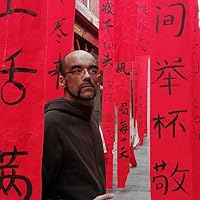
(lido em Chengdu, China)
Displaying 1 - 10 of 10 reviews