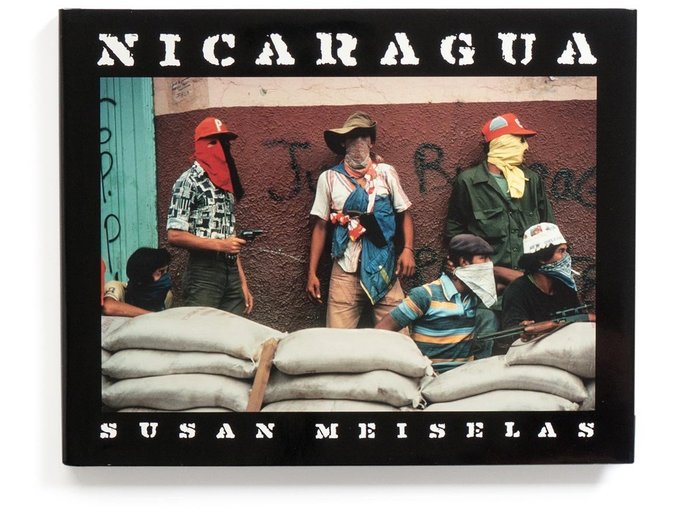
দ্য জাগুয়ার স্মাইল বইয়ে সালমান রুশদি অত্যন্ত চিত্তাকর্ষক ভঙ্গিতে লাতিন আমেরিকার ছোট দেশ নিকারাগুয়ার ভূগোল, রাজনীতি, মানুষ ও কবিতার ইন্দ্রিয় আবিষ্ট-করা ছবি এঁকেছেন। ১৯৮৬ সালে, সান্দিনিস্তাদের বিরুদ্ধে মার্কিনিদের কুৎসিত নেপথ্যযুদ্ধের সময়টাতে, অগ্নিগর্ভ নিকারাগুয়ায় তাঁর স্মরণীয় ভ্রমণের গল্প শোনাতে গিয়ে রুশদি রাষ্ট্র ও ব্যক্তির এবং ইতিহাস ও নৈতিকতার মধ্যেকার সংঘাতে কম্পমান একটি জাতির প্রকৃত আত্মপরিচয়ের আখ্যানকে তুলে ধরেছেন এই বইয়ে।
Sir Ahmed Salman Rushdie is an Indian-born British and American novelist. His work often combines magic realism with historical fiction and primarily deals with connections, disruptions, and migrations between Eastern and Western civilizations, typically set on the Indian subcontinent. Rushdie's second novel, Midnight's Children (1981), won the Booker Prize in 1981 and was deemed to be "the best novel of all winners" on two occasions, marking the 25th and the 40th anniversary of the prize. After his fourth novel, The Satanic Verses (1988), Rushdie became the subject of several assassination attempts and death threats, including a fatwa calling for his death issued by Ruhollah Khomeini, the supreme leader of Iran. In total, 20 countries banned the book. Numerous killings and bombings have been carried out by extremists who cite the book as motivation, sparking a debate about censorship and religiously motivated violence. In 2022, Rushdie survived a stabbing at the Chautauqua Institution in Chautauqua, New York. In 1983, Rushdie was elected a fellow of the Royal Society of Literature. He was appointed a Commandeur de l'Ordre des Arts et des Lettres of France in 1999. Rushdie was knighted in 2007 for his services to literature. In 2008, The Times ranked him 13th on its list of the 50 greatest British writers since 1945. Since 2000, Rushdie has lived in the United States. He was named Distinguished Writer in Residence at the Arthur L. Carter Journalism Institute of New York University in 2015. Earlier, he taught at Emory University. He was elected to the American Academy of Arts and Letters. In 2012, he published Joseph Anton: A Memoir, an account of his life in the wake of the events following The Satanic Verses. Rushdie was named one of the 100 most influential people in the world by Time magazine in April 2023. Rushdie's personal life, including his five marriages and four divorces, has attracted notable media attention and controversies, particularly during his marriage to actress Padma Lakshmi.
I loved the breadth and brilliance of Rushdie's Midnight's Children, admired his clever, biting and sly portrait of Benazir Bhutto (the 'Virgin Ironpants') in Shame, was confused with the immature ramblings of Grimus, bored with the Satanic Verses, but to some extent sympathised with the author's viewpoint in The Jaguar Smile.
One of many anti-American, or at least pro-socialist, books that seeks to cast doubt on US involvement on foreign soil in the name of political freedom and the expansion of market, this one is also somewhat of a travelogue and occasionally entertaining. As in almost all Rushdie books, the reader is assumed to be well-read and to be able to catch all the literary allusions which so amuse the author himself, just as they did his hero James Joyce.
If you are a Rushdie afficianado then you will love this book, otherwise you might find its greatest virtue is its brevity.
An interesting insight into Nicaragua, with the author bringing the optimism and fears in the country oost-revolution to live, but with sometimes a lack of journalistic detachment It was like returning back to normal, but normality here was of a violent, exceptional type.
Salman Rushdie narrates a trip to Nicaragua in 1986. It is a country in full turmoil, with three generations of dictators just ousted and the revolutionary government being sanctioned by the US. Only three million people live in a country as large as Wales and England together. The CIA budget under Reagan was annually USD 400 million to destabilize the country, led by its FSNL government.
In short sections a clear love for poetry becomes apparent and the people of the country seem genuine in their want for change and in their good intentions. But dark undertones of press censure are definitely present and not glossed over by the author. Also the economical hardships are very clear, with the country importing three times more than exporting, making the economic sanctions of the US devastating, leading to 500% inflation and a 40% black market economy. Just do as we say, and all your troubles will disappear is the summarised stance of the US, but the governors and ministers in their early 30s, propelled by the revolution, are not keen to back down.
The Jaguar Smile: A Nicaraguan Journey is a book that very well captures a time and a spirit of both apprehension and hope for the future. In the end developments didn't turn out as utopian or dystopian as feared, and it is fair to surmise that the common man in Nicaragua is not much helped in the end by grand visions of revolution and socialist change.
This was an interesting book by Rushdie about his travels to Sandinista-run Nicaragua in 1986 shortly after finishing Satanic Verses. It is an insiders look at this short-lived period of history that eventually led to the Noriega dictatorship and bloodshed. Not an essential part of his canon, it is nonetheless an interesting non-fiction book from Rushdie trying to see behind the propaganda of this particular world spotlight at the time with Reagan preparing to overthrow this socialist regime in the background.
"নিকারাগুয়ায়" তিনি বলেন,"প্রত্যেককেই কবি বলে বিবেচনা করা হয়, উল্টোটি প্রমাণিত না হওয়া পর্যন্ত।" এই কবিদের দেশে সালমান রুশদি ভ্রমণ করেছিলেন ১৯৮৬ সালে, সমাজতন্ত্রী সান্দিনিস্তা বিপ্লবীদের চূড়ান্ত বিজয়ের সপ্তম বর্ষপূর্তিতে। যে দেশটির জীবিতদের বোঝার জন্য, লেখকের মনে হয়েছিলো, মৃতদের দিয়ে শুরু করা উচিত। কারণ "দেশটি প্রেতে পরিপূর্ণ ছিলো।" দীর্ঘ স্বৈরাচারী শাসনের ফলে দেশটিতে জমে উঠেছিলো লাশ আর কান্না। ছিলো অর্থনৈতিক, রাজনৈতিক আর মনস্তাত্ত্বিক নানান সমস্যা। রুশদি তার তিন সপ্তাহের সফরের অভিজ্ঞতা ও পর্যবেক্ষণ বর্ণনা করেছেন বইতে। খুব গভীর কোনো বই না। কিন্তু পড়তে পড়তে পাঠকের মনে হতেই পারে, পৃথিবীর সব বিপ্লব আর বিপ্লববিধ্বস্ত জনপদের গল্প কোনো এক অদৃশ্য জাদুবলে একই রকম হয়ে যায়, একই রকম নিয়তি বয়ে বেড়াতে হয় সবাইকে।
Nicaragua, July 1986 - Rushdie's first nonfiction endeavor is my first Rushdie read. I can see why Christopher Hitchens liked him. In some ways, Rushdie reminds me of Hitchens. They're both well read, articulate, and can admire a thing while simultaneously being critical of it. Here, true to form, Rushdie is reverent but not without reservations.
"One didn't have to like people to believe in their right not to be squashed by the United States; but it helped, it certainly helped."
Like the majority of Americans in the first half of the 1980's, I was relatively oblivious to the Reagan administration's policy regarding Nicaragua. Even had I known, I most assuredly would not have lost any sleep over it. Central America was barely on the periphery of my sphere of concern. It was not until the 'Iran-Contra Affair' (1985 - 1987) that I took notice. The sad truth of it is that even then I cared very little one way or the other. In 1985 I still held on to the illusion* that our elected leaders had our best interests at heart, even if they had to sometimes ignore the rule of law to pursue those interests.
*The last shreds of that illusion spontaneously combusted in November, 2016.
If you are unfamiliar with 'Iran-Contra' suffice it to say that the CIA, with the full knowledge of the Reagan Administration, had arguably formed the Contra, a counter-revolutionary resistance force in Nicaragua, and then unarguably continued to fund them after congress, via the Boland Amendment, deemed it illegal and unconstitutional. They did so by selling arms to Khomeini's muslim fundamentalist regime in Iran, and then funneling the proceeds to the Contras.
"In a nearby village, the Contra had recently kidnapped more than two dozen children, many of them girls aged between ten and fourteen, 'for the use of the Contra fighters'... One girl had escaped and got home. The villagers had heard that five other children had escaped, but had been lost in the jungle. That was five weeks ago, and they had to be presumed dead. 'It's so sad going there now,' Mary said. 'The whole village just cries all the time'."
Is Salman Rushdie just a "communist stooge" (as conservative radio host Rush Limbaugh has allegedly proclaimed), or is he a purveyor of truth? With over three decades to reflect on Rushdie's visit to Central America, I am seriously leaning toward the latter.
I "saved" this book for several years, thinking it would be another Rushdie book to savour. When I finally read it, I felt that it was mere journalism, OK, maybe well-written journalism, but.... I did not find the flavour of Central America (though I have never been to Nicaragua), but rather the observations of a keen mind in a situation that was quite unfamiliar. The resulting book, I fear, shows that unfamiliarity. I thought, "Yes, Rushdie, from another Third World country with a certain style of contradiction, would understand Nicaragua and the revolutionary process with a special eye." I think the latter (process) turned out to be largely true, but not the former (Nicaragua). I would recommend this book to all authors who might feel that they could produce an excellent book on a place they know little about. Travel writers are excused, because they write about travel, not necessarily deep insights. But a major novelist ? I thought it would be better.
Salman Rushie reiste 1986 nach Nicaragua. Das Land befindet sich im Stadium nach einer Diktatur, bei Rauswurf die Staatskasse noch geplündert. Das kennt man so. Rushdie trifft Politiker und Dichter, teilweise sind sie es beides. Er schildert die Reise durch das Land und die sozialen Probleme. Wie wird es weiter gehen? Gut zu lesen.
Rushdie visited Nicaragua in 1986. He arrived with strong political leanings that favored the Sandinista efforts. His heart was with the peasant underclass, with the revolutionary poets and priests, with those who resisted the oppression and greed of the Samosa government and the policies of the US in Central America. I enjoyed Rushdie’s nonfiction writing much more than I have enjoyed any of his magical realism. Even if not an unbiased look at what was happening in Nicaragua in the mid-1980s, his championing of Nicaragua’s martyrs and suffering masses shines a needed light on many that history has forgotten. 3.5 stars
I didn't know much about Nicaragua or the Contra War of the 80s, as I was only in gradeschool at the time. I didn't pick this book up because I wanted to find out more about the topic either. I picked it up, because I thought it would a short novel I could finish off before the new year. I was the definition of a blank slate. Imagine my surprise when I realized that this was actually a work of non-fiction.
As a blank slate, I can't really rate this book based on how accurate Rushdie's depiction of the state of things was. I can only judge it on his prose, and his ability to explain what he is personally setting out to explain. On those terms, the book is very successful. I was very surprised that in such a brief work, I found myself comfortably knowledgable about most of the involved parties, including the Sandanistas, the east coast Misurasata, and various sects of the Contra movement. Rushdie's verdict in the end is an almost ambiguous one, coming hesitantly down on the side of the Sandanistas, with some reservations. Perhaps I'm naive, but his findings appeared to be the honest opinion of a neutral observer, and not any kind of liberal propaganda.
Outside of the politics, he also paints a picture of the citizens of the country, who are a resiliant and hopeful and poetic people. This jives pretty accurately with my impressions of various Central American friends from college, and the stories they shared about their lives.
Now, this book was written in 1987, and as a glimpse at that particular moment of time, I think this book is very effective. Rushdie sees a certain righteousness in the Sandanista movement, but warns that with power comes certain temptations, and admits that the leaders he met with were questionably equipped to deal with those temptations. The title, in fact, comes from a limerick in which a little girl wearing a smile rides away on a jaguar. When she returns, the girl is gone, and now the jaguar is wearing the smile. Far from being propaganda, Rushdie awknowledges with his title that the politics of Nicaragua are dangerous and ambiguous. History would show that neither the Sandanistas or the Contras or even the Americans who became involved turned out to be truely just in their actions.
But I guess that's always the way when politics and religion are concerned: people frequently end up doing the wrong things for the what they feel are the right reasons. "The Jaguar Smile" captures that pretty succinctly.
In 1986, the Indian writer Salman Rushdie traveled to Nicaragua. In this book, he recounts his journey. He spoke with many people, both farmers and other citizens, as well as leading figures. This is my first encounter with the country. My impression is that it is a country of contradictions, one that, from a revolutionary background, is seeking democratization—there's a chapter devoted to the creation of the constitution—and is trying to distance itself from the US. At the end, there's a chapter emphasizing the theme of censorship; it turns out that nuanced views are possible on this topic as well. Rushdie offers a fairly multifaceted picture, albeit not from the perspective of the so-called contras, who were still engaged in a guerrilla war with the Sandinistas in 1986. So many names are mentioned, it makes my head spin. This is travel literature that, unlike most travel books I've read, doesn't focus so much on tourism and/or landscapes, but rather on a political and social perspective. It's valuable to learn about, or rather, get an introduction to, Nicaragua from an informed foreigner. JM
Rushdie spent 3 weeks in Nicaragua in 1986. The Sandanistas rose up against the brutal Somoza regime in 1979. The Sandanistas had won their revolution only to have a segment of the population - the Contras - try to keep them from governing. I do remember this period in history, but more because of the US backing the Contras, and the ensuing scandal. I understand that we did not want yet another Communist country in our backyard, but we should just keep our nose out of another country's internal struggles.
There is a Preface to the 1997 edition in the Kindle edition I read. Rushdie comments that he got some backlash over this from both the Left and the Right. I found that interesting and was happy to read where Rushdie found it possible to criticize both sides, though he found plenty of praise for the efforts of the Sandanistas. Rushdie spent more time with the Sandanistas, but did talk to a couple of people who did not back them, though not to any of the Contras themselves. This did not quite make it balanced, but I appreciated what effort he made in this regard.
This short memoir was very interesting. Shame on me for not having read Salman Rushdie before, but the writing style in this had me wishing I had. Of course, a memoir and a novel are entirely different. I can hope Rushdie might have relied on his novel writing style in this memoir. I think this is 4-stars, but perhaps not strongly so.
The Jaguar Smile is Salman Rushdie's first full-length non-fiction book, which he wrote in 1987 after visiting Nicaragua. The book is subtitled A Nicaraguan Journey and relates his travel experiences, the people he met as well as views on the political situation then facing the country. The book was written during a break the author took from writing his controversial novel, The Satanic Verses.
After a period of political and economic turmoil under dictator Anastasio Somoza Debayle, the leftist Sandinista National Liberation Front (commonly known by the initial FSLN or as the Sandinistas) came to power in Nicaragua in 1979 supported by much of the populace and elements of the Catholic church. The government was initially backed by the U.S. under President Jimmy Carter, but the support evaporated under the presidency of Ronald Reagan in light of evidence that the Sandinistas were providing help to the FMLN rebels in El Salvador.
Rushdie's three-week trip to Nicaragua in the summer of 1986 was at the invitation of Sandinista Association of Cultural Workers which was billed as, "the umbrella organisation that brought writers, artists, musicians, craftspeople, dancers and so on, together under the same roof".
I appreciated both Rushdie's candid appraisal of the situation as well as his trips to both the Pacific and the Caribbean Coast.
A slim little book about Salman Rushdie visiting Nicaragua 7 years after the revolution. I'm a sucker for writers who are trying to be skeptical about a revolution but sort of fall for it anyway. Recommended reading if you've forgotten how awful the U.S.-backed Contras were.
Este fue el primer libro de Salman Rushdie que habia leido. Me llamó la atención porque habia visitado Nicaragua un par de meses antes de que lo econtrara en una librería en San Salvador. Entonces, no lo leí por el autor sino el tema. Este libro consiste de sus entrevistas y observaciones del gobierno Nicaraguense en la época de la guerra civil. Sin embargo, si piensas que el Sr. Rushdie es periodista, este libro te va a decepcionar porque a veces parece que el autor tiene predisposición hacia el gobierno sandanista de Nicaragua -- aunque lucha justificar la censura de la prensa. Es interesante leer ante todo porque Daniel Ortega que era presidente en las ochenta cuando se escribió el libro es presidente hoy en dia (después de un periódo largo de no ser presidente). Entonces, éste es un ejemplo en Centroamérica en el cual los revolucionarios ganaron, se convertieron en políticos, y siguieron participando en el proceso democrático. (También, es el caso en El Salvador, pero el FMLN solo acaba de ganar la presidencia en 2009...) Estes ejemplos de ex-guerrilleros que llegan al poder me interesan mucho mas que nada porque quiero que los revolucionarios demuestren una manera más humanitaria de gobernar. Lo confieso, quiero creer en ellos, pero primero necesito ver las promesas cumplidas. En Nicaragua, hasta el momento, no tengo muchas quejas pero entiendo que hay mucho más que hacer. La otra cosa que me interesó mucho fue aprender de la involucramiento de los EEUU en la guerra civil de Nicaragua. Por supuesto, ya lo sabía, pero todavía es increíble pensar en la situación -- pequeñita Nicaragua contra los EEUU! Aunque los EEUU finaziaron a la Contra, todavía no puedo creer que no atacaran el país directamente con el ejército americano. (Gracias a dios no pasó.) El temor del comunismo en ese época era tan exagerado... Al fin, fue el contexto que me gustó en este libro, no la redacción del Sr. Rushdie. Pero lo recomiendo porque todo de nosotros deben tratar de comprender la historia que Centroamérica lastimosamente ha vivido.
This isn't a badly written book by any means. Rushdie is, of course, a great writer, and when he's describing the nonpolitical people and places he visited in Nicaragua it's an interesting book. But what he had to say in this book overall really bugged me. I read it along with Kinzer's book about Nicaragua, "Blood of Brothers", and Kinzer has profoundly different things to say about the Sandinistas than does Rushdie. At one point, he actually mocks and criticizes an unfavorable story about the Sandinistas written by Kinzer for the NY Times. This was particularly obnoxious considering Kinzer had been living in Managua for a really long time, and Rushdie was there for all of about 3 weeks. (Yeah, he wrote a book about a country he'd been in for 3 weeks) In the intro to this book, Rushdie notes that while appearing on a radio show in the US while promoting the book the conservative host (maybe Limbaugh?) asked how long he'd been a "Communist stooge". Sadly, after reading this book, I nearly agree with that radio host.
Rushdie seems so naive in this book. He comes off as a mouth-piece for the Sandinistas. He rightly speaks of the horrible things the American-backed Contras did during the war. But he finds ways to apologize for everything the Sandinistas did. History has very much proven that the Sandinistas weren't great people. They imprisoned, tortured, and also executed their opposition. They stifled dissent and free expression. I don't blame Rushdie for wanting to see a revolution in Central America succeed. I'm very much disgusted by all the Reagan administration did in Nicaragua myself. But give me a break, Rushdie should have been a little more evenhanded here with the criticism. Instead, this book comes off as a long love letter to the Sandinistas.
Halusin lukea Nicaraguasta ja tämä oli ainoa kirja, jonka Helmetistä löysin. Vuonna 1980-luvulla maassa oli, ainakin Rushdien näkökulmasta, toiveikas ilmapiiri. Noin 40 vuotta myöhemmin on surullista havaita, ettei Nicaragualle käynyt hyvin.
”Kun olin taas huvilassani, vuoret näyttivät iltavalossa niin rauhanomaisilta, että oli vaikea uskoa niillä väijyvään vaaraan. Nicaraguassa piili usein hirviö kauniin ulkokuoren alla.”
I discovered this in the Latin America section in Stanfords, quite unaware that Salman Rushdie had written it, and central America was somewhere I have always wanted to travel around.
Rusdie’s trip of three weeks was made at the invitation of the Sandinista Association of Cultural workers and he was there at the seven year anniversary of the Sandinista’s rise to power. While there he conversed with the President, Daniel Ortega, ministers (most of whom are poets) the owner of the recently closed La Prensa newspaper, aid workers and a midwife and her cow.
Nicaragua, which Rushdie clearly falls in love with, is portrayed very much as the little guy standing up to the big ;un (The US under Reagan) as the revolutionary government is besieged by the Contra and it’s backers. It’s always hard to tell just how truthful or unbiased narratives like this are. But to be fair to El Escritor hindu, as he is known, he does not shy away from asking fairly probing questions where he can, and presses the government on it’s closure of La Prensa numerous times, and he admits failings in the book of people who he didn’t get to interview.
It’s a slim book. Rushdie articulately mixing in facts with bits of his journeys around the country and his conversations with those in power and those without. The Jaguar Smile should be seen as a postcard, a snapshot of a time and a place, a place that I myself long to go. (blog review here)
Prima data după ce am văzut coperta, am crezut ca este o carte cu basme, pentru copii. După ce am citit descrierea am bănuit ca voi găsi o poveste emoționantă trăită in Nicaragua anului 1986. Când am început sa o citesc, gândul m-a dus la un roman istoric. Dar se pare ca niciuna dintre variantele de mai sus nu este adevărata, dar nici in totalitate falsa. Autorul Salman Rushdie pleacă intr-o calatorie in Nicaragua, o țara frământată de revolte, dictatura, sărăcie și speranta intr-o lume mai buna. Sincer, nu am mai citit nimic despre acest autor, dar dacă toate cărțile lui sunt scrise in aceasta maniera, nu cred ca voi citi prea curând alta opera. Autorul dorește ca aceasta carte sa fie un jurnal personal in care își exprima, printre altele, preferințele muzicale, talentul artistic și, in același timp, un mini-roman istoric - o combinație fatală din punctul meu de vedere. Evenimentele nu au o așezare cronologica, fragmentele nu au nicio explicatie pentru aranjarea haotica, decât simplul fapt ca autorul a intrat atunci in posesia lor( de exemplu: in timpul călătoriei spre un oraș), redandu-le exact așa, fără a depune un minim efort pentru a le aranja. Apoi, discuțiile cu “campesinos” despre literatura au fost redate doar pentru a glorifica țările dezvoltate ale Americii. In niciun caz pentru descrierea culturii locale. Cât a baut autorul, faptul ca a amestecat romul cu Coca Cola și apoi s-a dus afara sa cânte, cât de credincios sau nu era, ce talent si ce voce avea etc, toate acestea subliniază latura de “jurnal personal” a cărții. Chiar cred ca puteam trai și fără aceste detalii, eventual le puteam citi intr-o opera autobiografica. Nu mi-a plăcut romanul deloc dar am aflat informații interesante despre țara cu cel mai mare deficit de locuitori din America.
Around-the-world #143: Nicaragua 🇳🇮. A rare non-fiction work by Salman Rushdie, the author is invited to visit Nicaragua under the Sandinist government (in 1986, at the time of the US supprt for the Contras) , hangs out with various people of power, tries to be neutral and critical, but cannot hide his sympathy for the (Communist?) government. Even though this is excellently written, it feels too much like random snapshots taken by a tourist. I like his novels better.
A surprisingly good little book about the post-Somoza era Nicaragua, ruled by the leader of the „Frente Sandinista”, Daniel Ortega. Rushdie's visit to this country comes at the height of the war between the Sandinista power and the Contras troops and ends up with this volume, which depicts a Latin American country in which: almost everyone is or, at least has the character of a poet; the authorities accept the financial and material aid of the USSR and Cuba, but they are reluctant to enforce typical communist measures; the confrontations with the US-funded Contras troops are so frequent that they seem to have become somewhat of a banality.
To sum up, an interesting and engaging read by which Rushdie proves that he is a very good writer also of observational non-fiction, not only of memorable novels.
3.45/5 stars rounding down. I read this book twice, about ten years apart. I remembered liking it and decided to pick it up again. I found parts of it interesting, but Rushdie's skilled fiction prose rarely rears its head in this nonfiction book. His politics here make sense and are mostly reasonable, but there's little scenery other than him hobnobbing with politicians and poets (many of whom are also politicians in revolutionary Nicaragua). Still, the book is worth reading if you would like to read a great novelist's takes on a 1980s conflict in which an embattled country tries to carve out a space free from American interference. And there are a few interesting scenes, scarce though they are.
I was a child in the 80s during the Contra years with Nicaragua and President Reagan. This expose opened my eyes to the unwanted involvement of US in the development of a new government. The author is clearly anti-American which he was very upfront in saying at the beginning. I could clearly see his bias. Apparently, there were three groups, America supported the Contra, which was kidnapping young men to be soldiers. Then Cuba and SU was sending monetary support to Sandinistas. And the third group were just wanting to be left alone in order to build their own nation. I think Rushdie did an amazing job sharing the feelings of ordinary Nicaraguans and the powerful Nicaraguans. This is definitely not a book I would recommend to the patriotic.
সালামান রুশদি নিকারাগুয়ায় গিয়ে পৌঁছুতে পৌঁছুতে বিপ্লবের সাত বছর পেড়িয়ে গেছে। এখন বিপ্লব বললেই তো আর বিপ্লব হয় না। নির্দিষ্ট কিছু প্রচার মাধ্যম আর পরাশক্তি অনুমোদন না দিলে বিপ্লব বরং টাইরানি বলে প্রচারিত হয়। সৌভাগ্যক্রমে রুশদি সেই ধাতের লোক নন। স্বচ্ছ চোখেই দেখেছেন এবং লিখেছেন। কিঞ্চিত অবাক হতে হয় কবি-সাহিত্যিক বলে ভাবুক আর অলস বলে পরিচিত লোকেরা রাষ্ট্র চালাবার হাল ধরেছেন এবং জনগণের সর্বোচ্চ বিকাশের লক্ষ্যে কাজ করছেন। এসব রোমান্টিক কথা। কারণ যখন সাম্রাজ্যবাদী আর উপনিবেশিক শক্তি আপনার অস্তিত্বই সহ্য করতে পারছে না তখন এমন কল্যাণকর-সাম্যের রাষ্ট্র প্রতিষ্ঠার কাজ পাহাড় ঠেলে আগবার চেয়ে কম কঠিন কিছু না। পদে পদে অর্থনৈতিক নিষেধাজ্ঞা বা সশস্ত্র বিরোধী গোষ্ঠীতে মিলিয়ন মিলিয়ন ঢেলে দেয়ার পর এসব স্বপ্ন বরং দুঃস্বপ্নে বদলে যায়। নিকারাগুয়ার সান্দানিস্তা সরকারেরও নাভিশ্বাস উঠে সারে তাতে আর বিস্ময় কি! তবে সাম্যের মিঠা মিঠা কথা না গুঁজে রুশদি বরং নানা মাত্রায় নিকারাগুয়ার মানুষের অতীত-বর্তমান আর ভবিষ্যতের দিকে খানিক আলো ফেলে দেখতে চেয়েছেন। মিঠা কথার বাইরেও বিপ্লবের কষ্ট আর আহত তরুণদেরও দেখেছেন এবং দেখিয়েছেন। রাষ্ট্রীয় সফরে আহত নারী যোদ্ধার বিষাদ লুকিয়ে ফেলার চেষ্টা করেননি। তারচেয়ে বড় ব্যাপার রাষ্ট্রীয় সফরে খোদ রাষ্ট্রীয় লোকজনের উপস্থিতিতে তার সামনে সেই নারী অবলীলায় নিজের ক্ষোভ প্রকাশ করতে পেরেছেন। উদারনৈতিক-গণতান্ত্রিক রাষ্ট্র ব্যবস্থায় কি এমনটা বিরল নয়? তাছাড়া যুদ্ধকালীন পরিস্থিতির বরাত দিলেও স্থানীয় প্রচার মাধ্যমকে নিয়ন্ত্রণের ব্যাপারটিকে কঠোর দৃষ্টিতেই দেখেছেন রুশদি এবং তা নিয়ে অপেক্ষাকৃত তরুণ নীতিনির্ধারকদের সাথে তর্কেও জড়িয়েছেন। তবে এত কম সম্পদ থাকার পরও, মূল্যস্ফীতি বা ধুঁকতে থাকা অর্থনীতিকে সারাই করে এগিয়ে যাওয়ার স্বপ্ন বুকে নিয়ে চলা ওর্তেগা, রামিরেস বা কার্দেনাল শেষ পর্যন্ত আর পারেননি। সোভিয়েত পতনের স্রোতের সাথে সাথে এই স্বপ্নও ভেসে যায়। তবে বলার অপেক্ষা রাখে না পৃথিবীর ছোট্ট একটা দেশের কিছু মানুষ তাদের ক্ষমতার সর্বোচ্চটা দিয়ে চেষ্টা করেছিলেন। নিশ্চয়ই এখানেই ইতিহাসের শেষ নয়।
অনুবাদের ভাষা প্রায় সময়ই অস্বচ্ছ এবং দুর্বোধ্য। তাছাড়া কৃষ্ণ-কৌতুক, শিশুযত্নকেন্দ্র বা পোশাক পার্টির মতন শব্দের অর্থ বাংলা ভাষার মধ্যে বেঁচে থাকা মানুষের কাছে কতটুক অর্থ রাখে তা জানি না।
I wasn’t going to write a review and I’m still not really going to, but the epilogue was so beautifully written that I can’t just say nothing. It doesn’t surprise me to say I think Rushdie’s best insights were about the act of storytelling rather than about Nicaragua itself.
“History is lived forward but is written in retrospect. To live in the real world was to act without knowing the ending. The act of living a real life differed, I mused, from the act of making a fictional one, too, because you were stuck with your mistakes. No revisions, no second drafts.” (135)
“Unhappy endings might seem more realistic than happy ones, but reality often contained a streak of fantasy that realism lacked. In the real world, there were monsters and giants; but there was also the immeasurable power of the will. It was entirely possible that Nicaragua’s will to survive might prove stronger than the American weapons. We would just have to see.” (135)
Maybe I've been hit too much with South American magic realism, that I thought this was Rushdie's foray in novel form, rather than his journalistic look at the Sandinista and Nicaragua. I actually enjoy Rushdie more in his non-fiction, than his fiction. Again, I don't emotionally connect as well with magic realism that is often in Rushdie's fiction.
The issues of Nicaragua, as Rushdie notes in his afterward, feel dated and more as a sort of a period piece from the Cold War, but that was also its strength. The issues and crises of the moment almost always fade with time, and when they don't it is because our view of history changes them, not the events themselves. The big issues of art, literature, democracy, self-governance, corporate and oligarch power, violence, poverty, and on and on, still remain a striking part of the human condition and Rushdie explores these with aplomb.
Книжката е малко като снимка от старите ленти. Пробуди носталгия в мен по детството, когато пращахме колети на другарчетата от Никарагуа. Трогателни ми се сториха усилията на Салман Рушди да бъде положително настроен към идеите на сандинистката революция, явно обезпечила пътуването му до страната. Научих доста неща за Никарагуа, които са били актуални преди десетилетия. Все пак малко или повече повдигна завесата пред тази непозната и интересна страна, а също така ми даде материал за разсъждения.