

What do you think?

Louise Rick #10
A Harmless Lie
A woman is haunted by a heartwrenching decision she made as a teenager in this darkly atmospheric, deeply emotional thriller from #1 internationally bestselling global superstar Sara Blaedel.
Detective Louise Rick is on a beach in Thailand when the panicked call from her father comes through. Louise′s beloved brother, Mikkel, has attempted suicide. His wife, Trine, left him days earlier, walking out the door one day with no warning and leaving Mikkel devastated.
Louise rushes home to Osted, the small, insular Danish town where she grew up and where Mikkel still lives. But the more Louise learns about Trine--a devoted wife and the mother of two young children--and her state of mind in the days before she left Mikkel, the more Louise begins to wonder whether Trine really meant to leave him. Or whether something much darker may have taken place.
As the local police begin to suspect that Mikkel may have had a hand in Trine's disappearance, Louise struggles to clear his name but is forced to confront some hard truths: Small towns always hide secrets. The past always comes back to haunt you. And lies are never harmless.
Detective Louise Rick is on a beach in Thailand when the panicked call from her father comes through. Louise′s beloved brother, Mikkel, has attempted suicide. His wife, Trine, left him days earlier, walking out the door one day with no warning and leaving Mikkel devastated.
Louise rushes home to Osted, the small, insular Danish town where she grew up and where Mikkel still lives. But the more Louise learns about Trine--a devoted wife and the mother of two young children--and her state of mind in the days before she left Mikkel, the more Louise begins to wonder whether Trine really meant to leave him. Or whether something much darker may have taken place.
As the local police begin to suspect that Mikkel may have had a hand in Trine's disappearance, Louise struggles to clear his name but is forced to confront some hard truths: Small towns always hide secrets. The past always comes back to haunt you. And lies are never harmless.
304 pages, Paperback
First published November 15, 2019
About the author
Sara Blaedel
37 books2,066 followersSara Blaedel is the author of the #1 international bestselling series featuring Detective Louise Rick. Her books are published in thirty-seven countries. In 2014 Sara was voted Denmark’s most popular novelist for the fourth time. She is also a recipient of the Golden Laurel, Denmark’s most prestigious literary award.
In 2016 she published the first book "The Undertakers Daughter" in a new trilogy set in Racine, Wisconsin:
Already widowed by the age of forty, Ilka Nichols Jensen, a school portrait photographer, leads a modest, regimented, and uneventful life in Copenhagen. Until unexpected news rocks her quiet existence: Her father–who walked out suddenly and inexplicably on the family more than three decades ago–has died. And he’s left her something in his will: his funeral home. In Racine, Wisconsin.
In 2016 she published the first book "The Undertakers Daughter" in a new trilogy set in Racine, Wisconsin:
Already widowed by the age of forty, Ilka Nichols Jensen, a school portrait photographer, leads a modest, regimented, and uneventful life in Copenhagen. Until unexpected news rocks her quiet existence: Her father–who walked out suddenly and inexplicably on the family more than three decades ago–has died. And he’s left her something in his will: his funeral home. In Racine, Wisconsin.
Ratings & Reviews
Friends & Following
Create a free account to discover what your friends think of this book!
Community Reviews
Displaying 1 - 30 of 240 reviews

May 15, 2022
I have a soft spot for these Nordic mysteries and I've read several in this series. Louise Rick is a character I've come to know and appreciate. This outing finds Louise trying to come to terms with a personal heartbreak when's case is brought right to her doorstep. A missing teenager,who went missing 20 years previously, body is found and it has ties to the present concerning Louise's own brother and sister in law.
A well constructed book, and another positive entry in this series. Things are never as straightforward as they appear. Was quite surprised by the way it ended and wonder where Louise will end up next.
A well constructed book, and another positive entry in this series. Things are never as straightforward as they appear. Was quite surprised by the way it ended and wonder where Louise will end up next.

July 18, 2023
Het meisje onder de boom is het tiende deel van de Louise Rick serie. Ik las eerder nog niets van Sara Blaedel, mede doordat er ook geen andere boeken van haar in Kobo Plus zitten en ik gehoord had van meerdere lezers dat dit boek perfect als standalone te lezen was. Enerzijds kan ik deze mensen daarin bijtreden, anderzijds mis je toch wel heel wat precies uit het provéleven dan vooral van Louise. Als we puur naar de zaak kijken die zich voordoet (de vondst van een lang vermist meisje) dan is het inderdaad perfect apart te lezen. Susan wordt na 25 jaar aangetroffen in een rotsspleet die volledig dicht was door een omgevallen boom. Ze heeft echter een hoofdtrauma wat erop duidt dat ze geslagen moet zijn/gevallen moet zijn op een steen. De politie start een onderzoek en de vriendinnen van het slachtoffer worden één voor één opgespoord. Daar blijkt echter het schoentje te wringen, want 1 van hen, nota bene Louise’s schoonzus is verdwenen. Op de koop toe ondernam Louise’s broer een zelfmoordpoging en wordt hij aanzien als diegene die Trine (zijn vrouw) wat heeft aangedaan en uit schuld zichzelf van het leven wou beroven. Kortom een heleboel draden die verweven worden in dit boek. Het moordmysterie hangt soms wel rommelig aan elkaar en namen en plaatsen haalde ik soms dooreen of kon ik moeilijk de uitgestippelde route nog van volgen. Ook het privéleven van Louise, waar ik dus niet alles van meekreeg, zorgde er soms voor dat ik moeilijk kon volgen. Dit alles bij elkaar genomen is Het meisje onder de boom is dus niet slecht, maar zeker geen topper. Ik geef het boek 3.5 sterren.
https://elinevandm.wordpress.com/2023...
https://elinevandm.wordpress.com/2023...

April 6, 2022
This is the 10th book in a series featuring Louise Rick, a detective with the Copenhagen police. I’ve read most of the installments in this collection and feel it is best to not view this one as a starting point or standalone.
Louise is on leave prior to taking a new position and vacationing in Thailand where she’s just been left behind as her son and her partner, Eik and his daughter, have gone on without her. Her future plans now on hold, Louise is more than wiling to rush home when she gets a call that her brother Mikkel has attempted suicide because his wife, Trine, had left him.
Once she arrives home in Osted, Louise learns that there is a lot more going on. Her brother is now a suspect in Trine’s disappearance. Meanwhile, the body of a young girl who vanished over 25 years ago while on a school trip has been found. At loose ends, Louise decides to help the police clear Mikkel’s name and figure out what happened to Trine. It becomes clear, however, that the recently unearthed body and Trine, along with her old schoolmates, might be connected.
This was an OK read but the plot really didn’t grab me and I wasn’t pulled along by any great suspense or gripping story. I like Louise as as character and also some of the others mentioned in the novel are familiar as well. I will definitely read the next book, but I hope there will be more substance to it and that Louise will get her personal and professional life back on track.
Thank you to NetGalley and Penguin Group Dutton for the e-book ARC to read and review.
Louise is on leave prior to taking a new position and vacationing in Thailand where she’s just been left behind as her son and her partner, Eik and his daughter, have gone on without her. Her future plans now on hold, Louise is more than wiling to rush home when she gets a call that her brother Mikkel has attempted suicide because his wife, Trine, had left him.
Once she arrives home in Osted, Louise learns that there is a lot more going on. Her brother is now a suspect in Trine’s disappearance. Meanwhile, the body of a young girl who vanished over 25 years ago while on a school trip has been found. At loose ends, Louise decides to help the police clear Mikkel’s name and figure out what happened to Trine. It becomes clear, however, that the recently unearthed body and Trine, along with her old schoolmates, might be connected.
This was an OK read but the plot really didn’t grab me and I wasn’t pulled along by any great suspense or gripping story. I like Louise as as character and also some of the others mentioned in the novel are familiar as well. I will definitely read the next book, but I hope there will be more substance to it and that Louise will get her personal and professional life back on track.
Thank you to NetGalley and Penguin Group Dutton for the e-book ARC to read and review.

January 24, 2025
Két eltűnés, egy jelenidőben, egy 25 évvel ezelőtt. Naná, hogy összefüggenek. Két nyomozó, Louise és Camilla - igaz, utóbbi valójában újságíró, előbbi meg szabadságon van, de a nyomozó ugye a szabadsága alatt is nyomozó. Például nem megkérdezi, hogy „Drágám, hol van a tej?”, hanem KIDERÍTI. Mindez egyetlen regényben, ami tökéletes illusztrációja annak, miben is különbözik a skandináv krimi a hagyományos krimiktől. Nem, nem a hideg meg az alkohol miatt. (Maigret amúgy is többet iszik, mint az északi detektívek zöme.) Hanem mert amíg az általában vett krimi esetén a bűncselekmény megfejtéséhez szükséges jelek a külvilágban vannak, addig a skandináv krimi esetén magukban a szereplőkben – a múltjukban, a motivációikban, lelkük sötét zugaiban, rövid láncra verve. A szereplők közül egyik persze maga az elkövető, de ez olyan triviális, hogy szót sem érdemes ejteni róla. Fontosabb, hogy közéjük tartoznak a nyomozók is – mert igen, az ő lelkükben rejtőző titkok, az ő problémáik is aktívan befolyásolják az események alakulását. Az, hogy Camilla kamasz fia apa lesz, Louise pedig párkapcsolati válságban van, éppolyan fontos, mint hogy X.Y. hol volt június 18-án éjjel fél egykor. Az pedig, hogy ebben a konkrét esetben az első számú gyanúsított Louise öccse, Mikkel, kifejezetten kulcsmomentum, ami érdekfeszítő (bár talán nem kellőképpen kivesézett) morális kérdéseket vet fel azzal kapcsolatban, hogy ha a potenciális elkövető a saját tesónk, akkor lehetséges-e egyáltalán egyszerre jó testvérnek és jó nyomozónak lenni.
A bűncselekményhez való hozzáállás különbsége leginkább ott mutatkozik meg, amikor Blædel a párhuzamos visszatekintő fejezetek eszközéhez nyúl, fiktív jelenetek sorában mutatva meg, mi is történt 1995 szörnyű nyarán. Ez a hagyományos krimi felől nézve egész egyszerűen szentségtörés – nincs ugyanis helye olyan síknak a szövegben, amit a detektív nem lát, vele ellentétben az olvasó meg igen. Ezt a zsáner törvényei tiltják – itt a skandináv krimi egyértelműen a szépirodalom vizein kalózkodik. Ugyanakkor ez valahol törvényszerűen következik a tárgyalt műfaj alapvetéséből – abból, hogy a rejtvény itt nem logikai kategória, hanem lélektani (esetleg társadalomszociológiai). És hát ebből következik az is, ami miatt ezek a címekre gyakran azt találjuk mondani, hogy „jó könyv, nem jó krimi” (és ez bizony nem a legrosszabbik eset). Mert ugyan a nyomozói munka folyamata (a krimik alapszabályainak megfelelően) kifejezetten hitelesen van odatéve, maga a megfejtés sokszor nem a detektívek érdemének tűnik, inkább csak olyan, mintha egy idő után a rejtvény az átélt stressz hatására annyira kifáradna, hogy megoldja saját magát.
(Azért még mindig nem értem pontosan, mi abban a pláne, hogy egy sorozatot a tizedik résszel akarnak bevezetni a magyar piacra. Igaz, hogy a maga az ügy valóban olvasható önállóan is, de azért Louise-nak és Camillának is az előtörténete bővelkedik eseményekben, amelyeket ez a kötet nemes egyszerűséggel elspoilerez – ez nem sok jót ígér az esetleges eljövendő kiadások szempontjából.)
A bűncselekményhez való hozzáállás különbsége leginkább ott mutatkozik meg, amikor Blædel a párhuzamos visszatekintő fejezetek eszközéhez nyúl, fiktív jelenetek sorában mutatva meg, mi is történt 1995 szörnyű nyarán. Ez a hagyományos krimi felől nézve egész egyszerűen szentségtörés – nincs ugyanis helye olyan síknak a szövegben, amit a detektív nem lát, vele ellentétben az olvasó meg igen. Ezt a zsáner törvényei tiltják – itt a skandináv krimi egyértelműen a szépirodalom vizein kalózkodik. Ugyanakkor ez valahol törvényszerűen következik a tárgyalt műfaj alapvetéséből – abból, hogy a rejtvény itt nem logikai kategória, hanem lélektani (esetleg társadalomszociológiai). És hát ebből következik az is, ami miatt ezek a címekre gyakran azt találjuk mondani, hogy „jó könyv, nem jó krimi” (és ez bizony nem a legrosszabbik eset). Mert ugyan a nyomozói munka folyamata (a krimik alapszabályainak megfelelően) kifejezetten hitelesen van odatéve, maga a megfejtés sokszor nem a detektívek érdemének tűnik, inkább csak olyan, mintha egy idő után a rejtvény az átélt stressz hatására annyira kifáradna, hogy megoldja saját magát.
(Azért még mindig nem értem pontosan, mi abban a pláne, hogy egy sorozatot a tizedik résszel akarnak bevezetni a magyar piacra. Igaz, hogy a maga az ügy valóban olvasható önállóan is, de azért Louise-nak és Camillának is az előtörténete bővelkedik eseményekben, amelyeket ez a kötet nemes egyszerűséggel elspoilerez – ez nem sok jót ígér az esetleges eljövendő kiadások szempontjából.)

September 19, 2022
"Fear has a way of growing when you're alone".
This is only the second novel that I've read by the prolific Danish crime writer, Sara Blaedel. The previous one was the introductory installment in the Louise Rick series, The Midnight Witness, which wasn't exactly my cup of tea, thus I later avoided Blaedel's new releases as my opinion about the author was rather unfavorable. It was only recently that I decided to give Blaedel one more chance as I keep reading in author interviews and Q+As around the web that many of them feel, especially those originating from the Nordic countries, that they share a special kinship with the creator of the Louise Rick saga that consists of 12 books so far. One example is the Icelandic Queen of Crime Fiction, Yrsa Sigurðardóttir who, in the relevant question posed by our magazine in a recent Q+A (that you can fully check here), which she was kind enough to answer, stated that she discerns certain similarities with Blaedel in terms of protagonist development and the realism that pervades both the authors' novels. Blaedel's name has become one of the most popular and acclaimed ones in contemporary Scandinavian crime fiction and each new release by her is extensively reviewed and discussed around the web. The Louise Rick series is one of the most well-known Danish novel sequences of classic police procedurals blended with thriller and whodunit elements while retaining the trademark traits of the genre: dual timelines, multiple perspective narrative, strong female leads, and gloomy settings.
To read my full review, visit https://tapthelinemag.com/post/a-harm...
This is only the second novel that I've read by the prolific Danish crime writer, Sara Blaedel. The previous one was the introductory installment in the Louise Rick series, The Midnight Witness, which wasn't exactly my cup of tea, thus I later avoided Blaedel's new releases as my opinion about the author was rather unfavorable. It was only recently that I decided to give Blaedel one more chance as I keep reading in author interviews and Q+As around the web that many of them feel, especially those originating from the Nordic countries, that they share a special kinship with the creator of the Louise Rick saga that consists of 12 books so far. One example is the Icelandic Queen of Crime Fiction, Yrsa Sigurðardóttir who, in the relevant question posed by our magazine in a recent Q+A (that you can fully check here), which she was kind enough to answer, stated that she discerns certain similarities with Blaedel in terms of protagonist development and the realism that pervades both the authors' novels. Blaedel's name has become one of the most popular and acclaimed ones in contemporary Scandinavian crime fiction and each new release by her is extensively reviewed and discussed around the web. The Louise Rick series is one of the most well-known Danish novel sequences of classic police procedurals blended with thriller and whodunit elements while retaining the trademark traits of the genre: dual timelines, multiple perspective narrative, strong female leads, and gloomy settings.
To read my full review, visit https://tapthelinemag.com/post/a-harm...

May 25, 2022
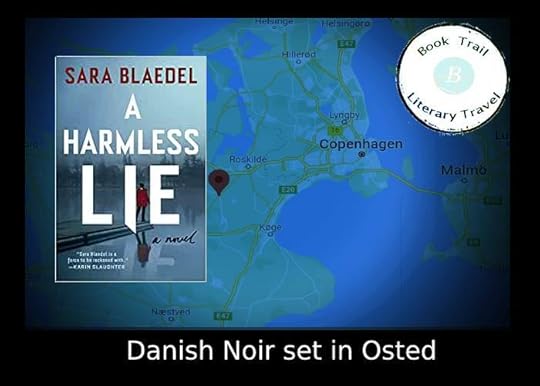
Visit the locations in the novel
If you haven't read a Blaedel book before then you really need to.
Gripping Danish drama with great characterisation and a chilling setting

December 4, 2019
Hvis du har elsket Sara Blædels tidligere bøger, så vil du også elske denne. Skrevet i det vanligt flydende sprog, og med en handling der fastholder fra første side. Pigen under træet er dog på mange områder anderledes i de tidligere bind i serien, og det er denne del der kan skille vandene.
Vi oplever Louise Rick i en helt ny rolle, da hun nu står på de pårørendes side. Det er problematisk for hende ikke at have alle de sædvanlige ressourcer til rådighed, og det gør hende på et tidspunkt helt handlingslammet. Gudskelov får et hjælpekit hende på banen igen, og der er da stadig kilder hun kan udnytte selvom hun reelt har fri.
Bogen skifter løbende mellem fortid og nutid, og det fungerer rigtigt godt. Løbende får læserne flere brikker til det store puslespil, men til tider var det langt mere spændende at følge fortidens hændelser end den nutidige efterforskning.
Det er ikke krimidelen der er dominerende i dette bind, og det savnede jeg en del. Til gengæld viser Sara sin store evne for at beskrive relationer mellem mennesker og fortidens synder. Ungdommens oplevelser, forskellige familierelationer og hvordan fortidens valg skaber fremtidens billede. Det er interessant læsning, men måske ikke det jeg forventer af en krimi.
En god, underholdende bog, der dog mangler noget på spændingskurven.
Vi oplever Louise Rick i en helt ny rolle, da hun nu står på de pårørendes side. Det er problematisk for hende ikke at have alle de sædvanlige ressourcer til rådighed, og det gør hende på et tidspunkt helt handlingslammet. Gudskelov får et hjælpekit hende på banen igen, og der er da stadig kilder hun kan udnytte selvom hun reelt har fri.
Bogen skifter løbende mellem fortid og nutid, og det fungerer rigtigt godt. Løbende får læserne flere brikker til det store puslespil, men til tider var det langt mere spændende at følge fortidens hændelser end den nutidige efterforskning.
Det er ikke krimidelen der er dominerende i dette bind, og det savnede jeg en del. Til gengæld viser Sara sin store evne for at beskrive relationer mellem mennesker og fortidens synder. Ungdommens oplevelser, forskellige familierelationer og hvordan fortidens valg skaber fremtidens billede. Det er interessant læsning, men måske ikke det jeg forventer af en krimi.
En god, underholdende bog, der dog mangler noget på spændingskurven.

March 28, 2022
I’m usually the type who needs to start any kind of series from the beginning. Heck, I’m the kind of person who dislikes walking into a movie five minutes after it starts. So, although I wouldn’t normally pick up a mystery series for the first time and dive right into book #10, I’ve heard enough glowing things about Sara Blaedel’s Detective Louise Rick series that I decided to give this latest installment a try.
A HARMLESS LIE starts with a gut-punch of a scene set in 1995. A girl, having just survived a serious blow to the head, retreats into a cave to find shelter. From there, the narrative cuts away to the present day, and to a beach in Phuket, Thailand, where Louise Rick is spending some time resting and recuperating prior to a new assignment as a homicide detective (she previously had been involved in missing persons).
Unbeknownst to everyone other than the people involved, Louise is also nursing a broken heart. Her partner has expressed a desire to focus on building his relationship with his newly discovered birth daughter rather than resuming his romance with Louise. The two of them, along with Louise’s foster son, have continued on to the next leg in their planned around-the-world trip, while Louise has elected to stay behind in Thailand.
But her self-reflection and self-pity are abruptly interrupted when she receives an urgent message from home. Her beloved brother, Mikkel, has attempted suicide. Louise rushes back to Denmark, relieved that Mikkel has survived and disappointed to learn that his wife, Trine, has abruptly left him. This isn’t the first time she has abandoned him and their children, but this time was a complete surprise. They were getting along, and Trine took hardly any personal possessions when she disappeared.
Coincidentally (or perhaps not), the body of a long-missing teenager (remember that opening scene?) has just been found in a cave. It turns out that Trine was the girl’s classmate, and one of the last people to see her alive before she disappeared on a class trip back in 1995. Now it’s looking more and more like Trine perhaps didn’t leave her family of her own accord. The police suspect that Mikkel might have been involved in her disappearance, but Louise is determined to clear his name. Meanwhile, Louise’s friend, reporter Camilla Lind, starts tracking down other classmates from that ill-fated trip --- and discovers some disturbing new details.
It certainly can be a bit disorienting to pick up a book that’s part of a well-established series. What struck me upon first reading is the extent of the tragedies that have marked Louise’s life and the lives of several of those around her. But Blaedel does an admirable job of alluding to past events that remain relevant to the current plot without getting bogged down in too-extensive exposition. The narrative moves back and forth between the events leading up to the girl’s 1995 disappearance, and Louise and Camilla’s present-day investigations into those events.
It’s clear why Sara Blaedel has been named Denmark’s most popular novelist several years running. She’s adept at both constructing a propulsive plot and giving her characters rich and complex inner lives. This might have been my first foray into her books, but it certainly won’t be my last.
Reviewed by Norah Piehl
A HARMLESS LIE starts with a gut-punch of a scene set in 1995. A girl, having just survived a serious blow to the head, retreats into a cave to find shelter. From there, the narrative cuts away to the present day, and to a beach in Phuket, Thailand, where Louise Rick is spending some time resting and recuperating prior to a new assignment as a homicide detective (she previously had been involved in missing persons).
Unbeknownst to everyone other than the people involved, Louise is also nursing a broken heart. Her partner has expressed a desire to focus on building his relationship with his newly discovered birth daughter rather than resuming his romance with Louise. The two of them, along with Louise’s foster son, have continued on to the next leg in their planned around-the-world trip, while Louise has elected to stay behind in Thailand.
But her self-reflection and self-pity are abruptly interrupted when she receives an urgent message from home. Her beloved brother, Mikkel, has attempted suicide. Louise rushes back to Denmark, relieved that Mikkel has survived and disappointed to learn that his wife, Trine, has abruptly left him. This isn’t the first time she has abandoned him and their children, but this time was a complete surprise. They were getting along, and Trine took hardly any personal possessions when she disappeared.
Coincidentally (or perhaps not), the body of a long-missing teenager (remember that opening scene?) has just been found in a cave. It turns out that Trine was the girl’s classmate, and one of the last people to see her alive before she disappeared on a class trip back in 1995. Now it’s looking more and more like Trine perhaps didn’t leave her family of her own accord. The police suspect that Mikkel might have been involved in her disappearance, but Louise is determined to clear his name. Meanwhile, Louise’s friend, reporter Camilla Lind, starts tracking down other classmates from that ill-fated trip --- and discovers some disturbing new details.
It certainly can be a bit disorienting to pick up a book that’s part of a well-established series. What struck me upon first reading is the extent of the tragedies that have marked Louise’s life and the lives of several of those around her. But Blaedel does an admirable job of alluding to past events that remain relevant to the current plot without getting bogged down in too-extensive exposition. The narrative moves back and forth between the events leading up to the girl’s 1995 disappearance, and Louise and Camilla’s present-day investigations into those events.
It’s clear why Sara Blaedel has been named Denmark’s most popular novelist several years running. She’s adept at both constructing a propulsive plot and giving her characters rich and complex inner lives. This might have been my first foray into her books, but it certainly won’t be my last.
Reviewed by Norah Piehl
October 16, 2022
warning: Contains spoilers
It doesn’t hold together. The principal characters, Louise Rick, a cop on leave between jobs and suffering from depression over a romantic breakup, and Camillia Lind, a reporter, are too dull for the reader to develop empathy. Rick’s depression makes the story line drag and doesn't evoke reader sympathy.
A falling tree, the cause of a young girl being trapped in a cave until she dies from hunger, lack of water, exposure, or a combination is so improbable that it doesn’t even even in a mystery novel. The discovery of her body 25 setting the mystery in motion, centered on four of her classmates, is at least as improbable.
The suicide of one girl when she hears of the discovery is ridiculous. The disappearance of two other members of the girls’ class 25 years prior is ridiculous. Despite the gravity of the these events, Blaedel doesn't build any tension. The miraculous discovery of the two girls by the police even more ridiculous.
The perpetrator who has trapped the girls underground in some weird revenge plan is too extreme to be even vaguely plausible. Her suicide is prompted, it seems, by the suicide of another of the classmates who suffers from severe mental disorder, is absurd. Neither suicide makes sense even in the context of the novel, although the younger woman should probably have been on suicide watch. The two women trapped in a dolmen would have died had not the police found them but that issue never seems to come up.
There's too many improbabilities for the story to even be interesting.
It doesn’t hold together. The principal characters, Louise Rick, a cop on leave between jobs and suffering from depression over a romantic breakup, and Camillia Lind, a reporter, are too dull for the reader to develop empathy. Rick’s depression makes the story line drag and doesn't evoke reader sympathy.
A falling tree, the cause of a young girl being trapped in a cave until she dies from hunger, lack of water, exposure, or a combination is so improbable that it doesn’t even even in a mystery novel. The discovery of her body 25 setting the mystery in motion, centered on four of her classmates, is at least as improbable.
The suicide of one girl when she hears of the discovery is ridiculous. The disappearance of two other members of the girls’ class 25 years prior is ridiculous. Despite the gravity of the these events, Blaedel doesn't build any tension. The miraculous discovery of the two girls by the police even more ridiculous.
The perpetrator who has trapped the girls underground in some weird revenge plan is too extreme to be even vaguely plausible. Her suicide is prompted, it seems, by the suicide of another of the classmates who suffers from severe mental disorder, is absurd. Neither suicide makes sense even in the context of the novel, although the younger woman should probably have been on suicide watch. The two women trapped in a dolmen would have died had not the police found them but that issue never seems to come up.
There's too many improbabilities for the story to even be interesting.

December 31, 2021
Reading Sara's book reminded me how much kids around 13-15 years old love to find small crevasse's to crawl into, I know I did. This is how the story unfolds. We have a girl (Susan), who hide in a cave when she heard voices but was pinned there when a tree fell. This was what had happened when Trine, Nina and Pia felt they had to go back after waiting for hours for the boys they were seeing didn't come back, and had a disagreement with Susan. Louise Rick just came back from a trip to Thailand, where she had a disagreement with her boyfriend Eik, and came back when her parents called her when her brother tried to commit suicide. Camilla Lind's been covering crime a Morgenavisen and got involved when a 20 year old crime was resolved when a tree finally gave up its crime of Susan's disappearance. Sara has lots of interesting side drama's where people who are characters involved with, who we know, are driven down different paths. She makes the story unfold with dramatic effects and keeps us interested in reading the whole story. Louise finally figures out who was at fault.

January 1, 2020
YES! She’s back, and I have missed her (author and MC alike). Close to 5 stars, but it has been 5 years since the last book in the series, so it was sometimes hard to remember the characters’ relationships.

November 29, 2022
Volim skandinavske trilere, drugačiji su od klasičnih američkih koji su dosta "krvaviji" u skandinavskim trilerima uvijek postoji ta neka doza misterije, preokreta ne manjka, od mene preporuka 🤗

December 9, 2020
Tanskalaisen Sara Blӕdelin dekkarisarja Louise Rickistä jatkui odotetulla seitsemännellä kirjalla Tyttö puun alla. Sarjan keskeltä jäi lukematta kaksi kirjaa, mutta kirjoja voi hyvin lukea erikseenkin, sillä tarinassa kyllä muistellaan edellisten kirjojen tapahtumia, esimerkiksi mitä Louisen tai hänen hyvän ystävänsä rikostoimittaja Camilla Lindin elämässä oli tapahtunut viimeisten vuosien aikana tai kuten tässä kirjassa muisteltiin lapsuutta ja nuoruutta. Louise Rick on etsivä ja tällä hetkellä hän oli vuorotteluvapaalla vuoden ajan. Hän oli ollut kiertämässä eri maita, mutta sitten hän sai puhelun, joka voisi hyytää kenet tahansa. Louise lensi kotiinsa läheistensä tueksi.
Tanskaan sijoittuva Louise Rick-dekkarisarja kertoo älykkäästä ja toimeliaasta etsivästä Louise Rickistä. Tyttö puun alla liittyi tiiviisti Louisen henkilökohtaiseen elämään. Kirjoissa on aina jokin tärkeä teema ja tällä kertaa se liittyi lapsuuden ja nuoruuden ongelmiin. Kirjasarja ei ole liian väkivaltainen, vaikka tarinasta löytyy rikosten uhreja. En keksinyt tällä kertaa henkilöä, joka oli katoamistapausten takana, joten älynystyröitäni huijattiin kunnolla.
Tanskaan sijoittuva Louise Rick-dekkarisarja kertoo älykkäästä ja toimeliaasta etsivästä Louise Rickistä. Tyttö puun alla liittyi tiiviisti Louisen henkilökohtaiseen elämään. Kirjoissa on aina jokin tärkeä teema ja tällä kertaa se liittyi lapsuuden ja nuoruuden ongelmiin. Kirjasarja ei ole liian väkivaltainen, vaikka tarinasta löytyy rikosten uhreja. En keksinyt tällä kertaa henkilöä, joka oli katoamistapausten takana, joten älynystyröitäni huijattiin kunnolla.

October 25, 2020
Als je door, door, door wilt met het lezen van een thriller, dan is het een goede. Ik kende de Deense thrillerschrijfster Sara Blaedel nog niet, maar nu wil ik meer van haar lezen. Meer lezen over Louise Rick, een stoere politievrouw met een klein hartje. Het meisje onder de boom is zo'n fijne Scandinavische whodunit die gewoon goed in elkaar zit en veel inhoud biedt met boeiende personages en een intrigerende verhaallijn. Aanrader!
December 19, 2020
En meget rodet historie = middelmådig krimi!

May 5, 2022
4.5 stars
I am a big fan of the Louise Rick detective series set in Denmark. Louise is a smart, savvy, flawed, but inspirational character who solves crimes, often with the help of her journalist friend, Camilla, working on a concurrent editorial piece. Louise is devoted, hard-working and in this mystery, her traits work in favor of her family.
Louise is drawn in from vacation when she receives notice that her brother has attempted suicide upon finding out that his wife has left he and his two young children, yet again. But things aren’t always what they seem and life is far more complex than meets the eye. The same is true in this case. Meanwhile, Camilla is called to investigate remains that have been recently discovered of a body from a missing girl whom Camilla used to know. What’s intriguing is that Louise’s missing sister-in-law was in the close-knit friend group of the missing girl, and present on the night she disappeared, many years ago.
A Harmless Lie is an interesting, well-written, cleverly plotted mystery layered with secrets and stories untold. It’s creepy and rather disturbing in sections, but Louise’s tenacious approach to solving crimes and helping others always perseveres. I find this to be a highly addictive series and I’m thrilled that the author has resumed writing the Louise Rick story.
I am a big fan of the Louise Rick detective series set in Denmark. Louise is a smart, savvy, flawed, but inspirational character who solves crimes, often with the help of her journalist friend, Camilla, working on a concurrent editorial piece. Louise is devoted, hard-working and in this mystery, her traits work in favor of her family.
Louise is drawn in from vacation when she receives notice that her brother has attempted suicide upon finding out that his wife has left he and his two young children, yet again. But things aren’t always what they seem and life is far more complex than meets the eye. The same is true in this case. Meanwhile, Camilla is called to investigate remains that have been recently discovered of a body from a missing girl whom Camilla used to know. What’s intriguing is that Louise’s missing sister-in-law was in the close-knit friend group of the missing girl, and present on the night she disappeared, many years ago.
A Harmless Lie is an interesting, well-written, cleverly plotted mystery layered with secrets and stories untold. It’s creepy and rather disturbing in sections, but Louise’s tenacious approach to solving crimes and helping others always perseveres. I find this to be a highly addictive series and I’m thrilled that the author has resumed writing the Louise Rick story.

March 18, 2024
4,4 ⭐️
June 13, 2024
Na hrvatskom se knjiga zove "djevojka pod stablom" i mnogo sam se namucila dok nađem kako se zaprave zove da je ovdje ulogiram jucer kad sam pocela s knjigom
Kad sam dosla do realizacije da su ovo isti likovi kao u knjizi "zaboravljene djevojke" eksplodirao mi je mozak, koja slucajnost da sam sasvim slucajno naletjela na nju, iako ova i ta predhodna knjiga između sebe imaju jos jednu citavu knjigu(ako ne i vise), pa se svasta izdesavalo sto sam propustila
A ova knjiga sama po sebi ima zanimljivu temu
Procitala sam svih 288 stranica u jednom danu, vjerovatno za manje od 5 sati(?)
Krivac je bio relativno neocekivan
Mnogo enjoyable iskustvo, malo za ubit vrijeme i poslat mozak na pasu
Nadam se da cu jednog dana uspjeti procitati sve knjige sa ovim likom, ako ista barem zadnju s obzirom da sam procitala mislim #8 i sad #10, bilo bi mnogo random sad procitat prvi nastavak ili tako nesto🥴
Kad sam dosla do realizacije da su ovo isti likovi kao u knjizi "zaboravljene djevojke" eksplodirao mi je mozak, koja slucajnost da sam sasvim slucajno naletjela na nju, iako ova i ta predhodna knjiga između sebe imaju jos jednu citavu knjigu(ako ne i vise), pa se svasta izdesavalo sto sam propustila
A ova knjiga sama po sebi ima zanimljivu temu
Procitala sam svih 288 stranica u jednom danu, vjerovatno za manje od 5 sati(?)
Krivac je bio relativno neocekivan
Mnogo enjoyable iskustvo, malo za ubit vrijeme i poslat mozak na pasu
Nadam se da cu jednog dana uspjeti procitati sve knjige sa ovim likom, ako ista barem zadnju s obzirom da sam procitala mislim #8 i sad #10, bilo bi mnogo random sad procitat prvi nastavak ili tako nesto🥴

October 20, 2021
For more crime fiction reviews, visit First Clue https://www.getrevue.co/profile/First... and subscribe to our weekly newsletter.
With its nine volumes, the acclaimed Detective Louise Rick series can be off-putting. But the newest title, A Harmless Lie, is actually a good entrance point. Sure, you’re missing plenty of backstory, but Blaedel is careful in not assuming too much knowledge on the reader’s part.
Here, Louise is in Thailand, on sabbatical before returning home and taking the position of Copenhagen’s Head of Homicide, when she gets a call informing her that her brother Mikkel has been hospitalized after attempting suicide and that his wife, Trine, abandoned him and their children just days before. Louise heads off to her claustrophobic home town of Osted, only to confront a withdrawn Mikkel, her anxious parents, and the gradual realization that her brother is being investigated for Trine’s murder.
Concurrently, her good friend Camilla, a journalist, is looking into the decades-old disappearance of a teen girl whose body has just been discovered, a girl who happened to be a classmate of Trine. While crawling with cops, this book is hardly a police procedural. It’s a deeply emotional dive into family, community, and the power of secrets.—Brian Kenney, First Clue
With its nine volumes, the acclaimed Detective Louise Rick series can be off-putting. But the newest title, A Harmless Lie, is actually a good entrance point. Sure, you’re missing plenty of backstory, but Blaedel is careful in not assuming too much knowledge on the reader’s part.
Here, Louise is in Thailand, on sabbatical before returning home and taking the position of Copenhagen’s Head of Homicide, when she gets a call informing her that her brother Mikkel has been hospitalized after attempting suicide and that his wife, Trine, abandoned him and their children just days before. Louise heads off to her claustrophobic home town of Osted, only to confront a withdrawn Mikkel, her anxious parents, and the gradual realization that her brother is being investigated for Trine’s murder.
Concurrently, her good friend Camilla, a journalist, is looking into the decades-old disappearance of a teen girl whose body has just been discovered, a girl who happened to be a classmate of Trine. While crawling with cops, this book is hardly a police procedural. It’s a deeply emotional dive into family, community, and the power of secrets.—Brian Kenney, First Clue

August 8, 2022
It's no secret I like Blaedel's series featuring Louise Rick. These compact novels provide with a nice reading experience and act almost as palate cleansers from the longer/more dense mysteries out there.
A Harmless Lie/The Girl under the Tree is a solid novel in the series, exploring once again the people from Louise's personal life. To be fair, Camilla Lind was doing almost all of the heavy lifting in this installment and Louise was relegated to the role of bystander. I like Camilla more than Louise so that was fine in my book.
The flashbacks from the past kept me turning the pages but the goings on in the present day felt a bit out of the blue. I have a few gripes about this novel (including the probability of so many disappearances/murders happening in a small community etc.), but nonetheless, I had a nice time reading it, hence the 3 stars.
A Harmless Lie/The Girl under the Tree is a solid novel in the series, exploring once again the people from Louise's personal life. To be fair, Camilla Lind was doing almost all of the heavy lifting in this installment and Louise was relegated to the role of bystander. I like Camilla more than Louise so that was fine in my book.
The flashbacks from the past kept me turning the pages but the goings on in the present day felt a bit out of the blue. I have a few gripes about this novel (including the probability of so many disappearances/murders happening in a small community etc.), but nonetheless, I had a nice time reading it, hence the 3 stars.

October 25, 2020
Dit boek maakt deel uit van een serie, ik heb de andere delen niet gelezen, het boek is prima te volgen zonder de rest gelezen te hebben. Het enige minpuntje is dat er wat dingen herhaald worden over diverse relaties maar niet dusdanig herhaald dat je weet hoe alles zit, afentoe even wat gissen. Het verhaal zelf staat op zichzelf en is vlot en spannend. Einde zeer verrassend. Grappig detail dat de naam van mijn zoontje heel vaak voorbij kwam in dit boek en die hoor je niet super vaak.

October 26, 2020
3*. Dit boek tussendoor als luisterboek "gelezen". Vond het een beetje langdradig en had vaak moeite om mijn aandacht er bij te houden. Dus nee, voor mij persoonlijk viel het verhaal toch wel tegen.

August 3, 2022
Az értékelés olvasható a blogomon:
https://thedeathgoddess.blogspot.com/...
Meglepődve olvastam, hogy ez a kötet egy sorozat tizedik része, az pedig még jobban megdöbbentett, hogy a korábbi részei nem jelentek meg magyarul. Emiatt kissé félve fogtam neki, tartottam attól, hogy túl sok utalás lesz az előzményekre, amelyeket nem ismerhetek. Feleslegesen aggódtam, tökéletesen megállja a helyét ezek nélkül is.
A történet két szálon indul el; az egyik, amit a fülszöveg is ír, a másik pedig, amire talán a Liza Marklund Fagypontjával való hasonlóság miatt éleződtem ki: két eltűnés, egy a jelenben, egy pedig a múltban, első ránézésre nincs köztük kapcsolat. Ahogy viszont a jelenbeli eseményekről fokozatosan derül ki, hogy nem is azok, amiknek látszanak, úgy állnak össze a kirakós darabkái és kezd kikristályosodni az összefüggés jelen és múlt, eltűnt személy és eltűnt személy között.
Szép lassan, néha talán kissé túl lassan is építkezik, amolyan dánosan. Tyúklépésben haladnak, mindig kiderül valami apróság, ami megmozdíthatná előre az ügyet, de mégsem teszi igazán. Aztán egyszer csak jön a nagy bumm, a heuréka, és minden felpörög, hirtelen eltűnik a fa az erdő elől, a helyére kerül az utolsó darab, és már meg is van a lezárás.
Amíg zajlik a nyomozás, a szereplők magánéletéről sem lehet megfeledkezni, bőven van itt családi dráma, rengeteg feldolgozandó veszteség, gyász. Azt sajnáltam, hogy ezekbe nem mászott bele jobban az írónő, egy picit az én ízlésemnek kevés volt így a lélektani elemzés. A viszont tetszett, ahogy a kamaszok életét, lelkivilágát bemutatta az osztálykirándulás leírásával. Teljesen tipikus, ahogy viselkednek, akár az én valamikori osztálytársaim is lehettek volna.
Na és a lényeg: rájöttem-e, ki a tettes? Tulajdonképpen igen, bár az első gondolatom nem ő volt, és nem is ezt az indítékot gyanítottam. Ez jó, mert ez azt jelenti, hogy vannak azért még olyan fordulatok, amikre nem számítok. Az is jó, hogy az utolsó 40 oldalnál még mindig nem voltam biztos magamban, valamennyire félre tudott vezetni.
Az ne tévesszen meg senkit, hogy nekem mennyi ideig tartott elolvasni; ha az ember le tud ülni egy-két munkanap délutánján és késő estig csak olvas, simán lehet vele végezni, mert az érdeklődést fenn tudja tartani. Az én élethelyzetem az elmúlt hetekben gyökeresen megváltozott, emiatt tartott tovább az átlagosnál, de az igazság az, hogy cseppet sem bánom, hogy így alakult. A könyvnek se lett túl hamar vége, és jelen helyzetben egyáltalán nem zavar, hogy az olvasásra jut kevesebb időm.
Jó kis könyv ez, skandi krimi rajongóknak mindenképp ajánlom, de azoknak is szuper lehet, akik ismerkedni szeretnének a műfajjal.
https://thedeathgoddess.blogspot.com/...
Meglepődve olvastam, hogy ez a kötet egy sorozat tizedik része, az pedig még jobban megdöbbentett, hogy a korábbi részei nem jelentek meg magyarul. Emiatt kissé félve fogtam neki, tartottam attól, hogy túl sok utalás lesz az előzményekre, amelyeket nem ismerhetek. Feleslegesen aggódtam, tökéletesen megállja a helyét ezek nélkül is.
A történet két szálon indul el; az egyik, amit a fülszöveg is ír, a másik pedig, amire talán a Liza Marklund Fagypontjával való hasonlóság miatt éleződtem ki: két eltűnés, egy a jelenben, egy pedig a múltban, első ránézésre nincs köztük kapcsolat. Ahogy viszont a jelenbeli eseményekről fokozatosan derül ki, hogy nem is azok, amiknek látszanak, úgy állnak össze a kirakós darabkái és kezd kikristályosodni az összefüggés jelen és múlt, eltűnt személy és eltűnt személy között.
Szép lassan, néha talán kissé túl lassan is építkezik, amolyan dánosan. Tyúklépésben haladnak, mindig kiderül valami apróság, ami megmozdíthatná előre az ügyet, de mégsem teszi igazán. Aztán egyszer csak jön a nagy bumm, a heuréka, és minden felpörög, hirtelen eltűnik a fa az erdő elől, a helyére kerül az utolsó darab, és már meg is van a lezárás.
Amíg zajlik a nyomozás, a szereplők magánéletéről sem lehet megfeledkezni, bőven van itt családi dráma, rengeteg feldolgozandó veszteség, gyász. Azt sajnáltam, hogy ezekbe nem mászott bele jobban az írónő, egy picit az én ízlésemnek kevés volt így a lélektani elemzés. A viszont tetszett, ahogy a kamaszok életét, lelkivilágát bemutatta az osztálykirándulás leírásával. Teljesen tipikus, ahogy viselkednek, akár az én valamikori osztálytársaim is lehettek volna.
Na és a lényeg: rájöttem-e, ki a tettes? Tulajdonképpen igen, bár az első gondolatom nem ő volt, és nem is ezt az indítékot gyanítottam. Ez jó, mert ez azt jelenti, hogy vannak azért még olyan fordulatok, amikre nem számítok. Az is jó, hogy az utolsó 40 oldalnál még mindig nem voltam biztos magamban, valamennyire félre tudott vezetni.
Az ne tévesszen meg senkit, hogy nekem mennyi ideig tartott elolvasni; ha az ember le tud ülni egy-két munkanap délutánján és késő estig csak olvas, simán lehet vele végezni, mert az érdeklődést fenn tudja tartani. Az én élethelyzetem az elmúlt hetekben gyökeresen megváltozott, emiatt tartott tovább az átlagosnál, de az igazság az, hogy cseppet sem bánom, hogy így alakult. A könyvnek se lett túl hamar vége, és jelen helyzetben egyáltalán nem zavar, hogy az olvasásra jut kevesebb időm.
Jó kis könyv ez, skandi krimi rajongóknak mindenképp ajánlom, de azoknak is szuper lehet, akik ismerkedni szeretnének a műfajjal.

May 30, 2025
⭐️⭐️⭐️⭐️⭐️ 5/5 Stars (Outstanding)
Setting: Primarily in Osted, a small, insular town in Denmark, with brief scenes in Thailand
Genre: Psychological Thriller; Crime Fiction; Domestic Suspense
Sara Blaedel has done it again. A Harmless Lie completely pulled me in from the very first page. This story has all the things I love in a good thriller: complex family dynamics, a haunting past, and a deeply flawed but fiercely determined protagonist.
Louise Rick’s return to her quiet hometown in Denmark is anything but peaceful. What begins as a desperate response to her brother’s suicide attempt quickly unravels into a chilling mystery, full of raw emotion and buried secrets. I was right there with her—grappling with heartbreak, second-guessing every twist, and aching for answers.
Blaedel writes with such a strong sense of place. I could feel the chill of the Danish countryside, the tension of the close-knit town, and the weight of the decisions Louise is forced to make. And while the plot is gripping, what stuck with me most was the emotional depth—how grief, guilt, and love can tangle together in such powerful ways.
If you enjoy thrillers that are as thoughtful as they are suspenseful, A Harmless Lie is a must-read. It’s a story that lingers long after the last page.
#aharmlesslie #booked_this_weekend
Setting: Primarily in Osted, a small, insular town in Denmark, with brief scenes in Thailand
Genre: Psychological Thriller; Crime Fiction; Domestic Suspense
Sara Blaedel has done it again. A Harmless Lie completely pulled me in from the very first page. This story has all the things I love in a good thriller: complex family dynamics, a haunting past, and a deeply flawed but fiercely determined protagonist.
Louise Rick’s return to her quiet hometown in Denmark is anything but peaceful. What begins as a desperate response to her brother’s suicide attempt quickly unravels into a chilling mystery, full of raw emotion and buried secrets. I was right there with her—grappling with heartbreak, second-guessing every twist, and aching for answers.
Blaedel writes with such a strong sense of place. I could feel the chill of the Danish countryside, the tension of the close-knit town, and the weight of the decisions Louise is forced to make. And while the plot is gripping, what stuck with me most was the emotional depth—how grief, guilt, and love can tangle together in such powerful ways.
If you enjoy thrillers that are as thoughtful as they are suspenseful, A Harmless Lie is a must-read. It’s a story that lingers long after the last page.
#aharmlesslie #booked_this_weekend

August 5, 2023
Fijne thriller met veel aandacht voor de personages en hun achtergrond, die toch de spanning weet vast te houden. Doorheen het boek zijn korte hoofdstukken geschreven uit het standpunt van het slachtoffer en uit het verleden waardoor je aandacht toch bij het verhaal blijft. Het plot zit bijzonder goed in elkaar en blijft spannend tot het einde.

June 6, 2022
I always enjoy the Louise Rick novels. This one concerns the disappearance of her sister-in-law Trine. Did she just leave her brother again or was her leaving not of her own free will. At the same time a body is found. Susan disappeared on a school trip in junior high. Interestingly she was in the same class and friends with Trine. Is it all related?

June 9, 2022
Priča nije loša ali nekako mi nije bila napeta. Očekivala sam više od autorice jer mi je ostalo u sjećanju da ima dobre naslove

Read
April 18, 2023Lidt en anden pacing i denne bog. Også den sidste Louise Rick bog på min egen boghylde, så nu skal jeg have fingrene i de næste par bøger
July 10, 2025
Een leuk boek om te lezen. Vond het niet erg spannend maar was gewoon prima om tussendoor te lezen.
September 6, 2025
this is the first book i have read that is not for school, i remember i really liked it but it didnt left me speechless or anything like that. overall its an okay mistery thriller book
Displaying 1 - 30 of 240 reviews