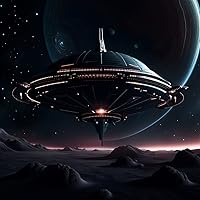
Return to the final days of the Dyer expedition in the remote Antarctic wastes. The letters from expedition leader Professor William Dyer grow increasingly more desperate as the expedition presses on, leaving sanity behind them. What they discover beneath the ice is meant for no living man to see, Cyclopean structures and alien landscapes that defy history itself. The final act of the Dyer Expedition is a descent into cosmic horror and utter madness.
Howard Phillips Lovecraft, of Providence, Rhode Island, was an American author of horror, fantasy and science fiction.
Lovecraft's major inspiration and invention was cosmic horror: life is incomprehensible to human minds and the universe is fundamentally alien. Those who genuinely reason, like his protagonists, gamble with sanity. Lovecraft has developed a cult following for his Cthulhu Mythos, a series of loosely interconnected fictions featuring a pantheon of human-nullifying entities, as well as the Necronomicon, a fictional grimoire of magical rites and forbidden lore. His works were deeply pessimistic and cynical, challenging the values of the Enlightenment, Romanticism and Christianity. Lovecraft's protagonists usually achieve the mirror-opposite of traditional gnosis and mysticism by momentarily glimpsing the horror of ultimate reality.
Although Lovecraft's readership was limited during his life, his reputation has grown over the decades. He is now commonly regarded as one of the most influential horror writers of the 20th Century, exerting widespread and indirect influence, and frequently compared to Edgar Allan Poe. See also Howard Phillips Lovecraft.
This is volume 2 of 2. For my review of volume 1, see here.
We‘re still with William Dyer, a professor from Lovecraft’s famous Miskatonic University, and his ill-fated expedition to Antarctica where they find alien ruins. And … more.
As said in my previous review, this is one of Lovecraft‘s most famous stories and it is the definition of horror. For a short story, it is eerie how fast and easily it sucks you in and makes you freak out. Yes, it is one of if not THE most scary stories I‘ve read so far and Baranger‘s illustrations wonderfully bring this utterly scary world to life.
Terminada esta segunda parte y tras haber reposado un poco la historia se me queda una sensación agridulce.
Estoy convencida de que si la historia estuviera contada de otra forma, me habría encantado. Es demasiado descriptivo para mí, pero no en el sentido de detallar lo que ocurre sino el tecnicismo empleado para ello.
También es verdad que es lo primero que leo de él, y no sé si empecé por el más adecuado, pero se me ha hecho muy, muy densa su lectura. Es cierto que ha habido partes en las que me sentía un explorador más, pero cuando parecía que ya iba cogiendo carrerilla volvía a esas crípticas descripciones que me sacaban de la historia, tanto por su dificultad como por su significado que tenía que parar a buscar. Muchas por el contexto se intuye, pero a mí me gusta saber exactamente que significa.
Otra cosa que tengo muy clara es que la parte que he disfrutado de la lectura se debe a la edición que tengo. Las ilustraciones son magníficas y son las que han hecho que entienda la historia y que le de forma en mi cabeza.
En las montañas de la locura es una de esas obras que se consideran un hito en la narrativa de terror. Es probablemente el relato más conocido de Lovecraft y, sin embargo, eso no deja de ser un problema. Porque cuando una historia de ese calibre obtiene tal privilegio, termina por arrastrar a miles de lectores que desconocen los cuentos de Lovecraft a conocer las virtudes de este genio que nos introdujo en los horrores cósmicos. Y creo que eso es un terrible error. Yo mismo había abandonado esta historia unas tres veces ante lo detallada y precisa que resulta su trama. Es como si el genio de Providence quisiera plasmar en un solo relato todas sus inquietudes llenando cada página de detalles, de precisiones, de todo tipo de puntualizaciones que se ajustaran a los miedos que atenazaban sus sueños. Hay momentos en los que experimentas las emociones de este grupo de científicos que se fascinan ante cada nuevo descubrimiento encontrado en esos parajes jamás cruzados por el ser humano. Sin embargo, una obra de esta envergadura tiene todo el potencial de anularte del mismo modo que a los protagonistas de este viaje. Eso termina por frustrarte, ya que la emoción con la que te enfrentas a una historia así no se ve recompensada ante la ausencia de lo inesperado. Pero claro, cuando ya eres un lector más experimentado en este tipo de narrativas, eres consciente de que lo sublime puede aparecer en la siguiente de las páginas. Y ahí es cuando ya te rindes a la evidencia. El grado de asombro, el desarrollo completo de la mitología cósmica, la descripción de todo un conflicto milenario que pone en contexto la sensación de que el ser humano no es más que una sencilla pieza prescindible de un juego que desconoce, termina por inquietarte. Lovecraft es capaz de llevarte a esos lugares ocultos en los que el terror paraliza tu cordura. Cuando te adentras en esas Montañas de la locura cada paso adelante, cada pequeño descubrimiento, cada sonido y, en definitiva, cada criatura inconcebible a la que te acercas consigue estremecerte. Te preguntas por qué seguir adelante. Te inquietas al saber que todo puede empeorar y, finalmente, corres.
Es quizás la obra cumbre de Lovecraft, maestro y creador de ese " horror cósmico " , que tanto y tanto ha influido en la literatura, cine y cómic. Con una narrativa clásica con mayúsculas, detallada hasta la obsesión, la prosa de Lovecraft es puro caviar para los ojos del lector, y es que el escritor creó un universo y una temática que a pesar de todos los años que han pasado siguen estando vigentes. La narración del maestro está perfectamente ilustrada por Francois Baranger,en ésta bellísima edición que cualquier fan o no, de Lovecraft, debería de poseer o leer. Baranger compone por unos preciosos y detallados dibujos, que dan imagen a toda la portentosa imageneria del escritor, aportando todavía si cabe, más calidad al escrito de Lovecraft. Dos apuntes cinéfilos ; Guillermo del Toro, lleva décadas intentando llevar al cine éste relato de Lovecraft, con la frustrante respuesta de que no encuentra financiación, de ahí su fichaje en exclusiva para Netflix, esperemos que esta vez sí lo consiga. Y el otro apunte ; quién haya visto la extraordinaria, fabulosa y única película de John Carpenter, " La cosa " , puede encontrar tantas influencias y similitudes con el relato de Lovecraft, que casi se puede decir que es un " remake " encubierto
Ne güzel de çizmişsin o Pengueni, Her biri Adeta mağara devi. Kokuyor diye diye gerdin bizi, Durma öyle yabancı gibi, Lovecraft Beni.
Tekeli-li Tekli-li bi ses geldi, Bir an sandım Shoggoth götümü yedi! İki gram aklımız vardı, eh o da gitti. Aşkolsun François, Lovecraft beni!
Bilim bilim midemiz kıyıldı, Ama dur yere Gedney'e kayıldı. Bari keşfettiniz mi Antartika'yı? Tamam lan kızma, Lovecraft beni!
Dekadan dekadan içimiz şişti, Vermişsin rölyefi, vermişsin heykeli. Zaten eskiler de hep güme gitti, Anladık be Franço, Lovecraft beni!
Lovecraft'ın pek tatlış hikayesi Delilik Dağlarında'nın, François Baranger tarafından resimlenmiş ikinci bölümü. Peşinen söyleyeyim, bu review hikayenin kendisi hakkında değil, François Barange'in muazzam çizimleri hakkındadır. Delilik Dağlarında ile ilgili olarak, notlarını bu kitapta da kullandığım Hasan Fehmi Nemli'nin muhteşem çevirisinin olduğu Bütün Romanları - H.P. Lovecraft altında bilahare yazacağım. Ama günün yıldızı; François.
Kendisiyle ilk Lovecraft kitabıCall of the Cthulhu resimlemesi sayesinde tanıştığım ve kısa sürede çizimlerine fena halde tutulduğum sanatçı, At the Mountains of Madness, vol.1 sonunda kaldığı yerden devam ediyor ve ikinci bölümünde de mükemmel bir resimli kitap çıkarıyor karşımıza.
Felakete uğrayan Antartika keşfinin lideri , jeoloji profesörü Dr. William Dryer ve genç master öğrencisi Danfort, kamptaki kabustan sonra uçakla dağları aşmış ve hiçliğin ortasında devasa taş bir kentin kalıntılarıyla karşılaşmıştır. Efsanevi Leng yaylası olduğunu düşündükleri düzlükte milyonlarca yıl öncesinden kalma, göz alabildiğine uzanan terk edilmiş taş şehri keşfetmek için ürkek adımlarla ilerliyor ve kozmik dehşetin dağlarının eteklerindeki uçsuz bucaksız şehirde, eskilerin gölgelerine tanık olurlar.
François Baranger yine çok iyi. Dev bir anıt mezar olan şehrin büyüklüğü, görkemli, insanlık dışı bir medeniyetin milyonlarca yıl öncesinden uzanan gölgesi, duvar kabartmaları, Lovecraft'ın kurguladığı şehrin tüm o ezici azameti muazzam bir başarı ile yansıyor çizimlere. Sadece sayfalara görsel bir ek sunmanın hayli ötesine geçiyor sanatçı. Lovecraft'ın hikayelerini tasarlarken içine oturttuğu mantıksal perspektifin görsel bir benzerini uyguluyor. İnanılır ve tutarlı bir anlatıyı, niteliksel olarak hayli güçlü unsurlarla birlikte sunuyor. Kah karanlıktaki bir fenerin aydınlattığı kabartmalar, kah Cthulhu'dan da hatırlayacağımız gargantuan panoramalar. Dr Dryer'ın anlattığı kabartmalardan dinlediğimiz Eskiler'in öyküsü, Cthulhu dölleri ve Mi-Go ile savaşları ve Shoggothların isyanı ise Napolyon dönemi epik savaş tabloları gibi tüm görkemiyle sayfalar arasında yer buluyor.
Eskiler çizimlerinin başarısı, çoğu Cthulhu Mythos artistinin düştüğü yavanlıklara düşmeyişi, gerçekçi üslubu, gölgeleri ve kontrastı çok iyi kullanması ve kitabın sonuna yaklaştıkça değişen, bulanıklaşan, atmosferi yükselten havası gerçekten çok iyi. Shoggoth sahneleri ise elbette hikayenin doruk noktasına yakışır nitelikte.
Çok uzatmıyorum, her Lovecraft geek'inin ağzının suyunu akıtacak bir kitap olmuş kısacası. Daha önce de yazdığım gibi, bir resimli kitap paranızın karşılığını ne kadar verebilirse o kadar veriyor. Kitap boyunca sıklıkla Carpernter'ın yine bu hikayeden ilham almış muazzam kozmik korku filmi The Thing'in soundtrackini dinledim, şiddetle tavsiye ediyorum size de. Bu arada François'in dördüncü Lovecraft kitabı The Dunwich Horror da şu aralar -şimdilik sadece Fransızca- çıkmış bulunuyor. İngilizce yayınlanır yayınlanmaz onu da temin etmek istiyorum. Umarım bir gün kendisinden Lovecraft'ın en sevdiğim hikayesi olan The Shadow over Innsmouth'u da görebiliriz dileğimle bitiriyorum; çünkü Cthulhu Fhtagn dostlar!
↣En las montañas de la locura | H.P Lovecraft 1936 | Terror cósmico | 120 páginas.
↣𝗦𝗶𝗻𝗼𝗽𝘀𝗶𝘀: Un destacado geólogo se entera de que una expedición a la antártica se llevará a cabo prontamente. Con la esperanza de evitar que esto ocurra comienza a narrar los trágicos e increíbles sucesos que él vivió cuando visito la zona hace unos años. Entre los descubrimientos que el experimentó se encuentran criaturas indescriptibles de millones de años de edad, montañas más altas que el Everest y un misterioso lugar que corrompería a cualquiera que ose poner un pie allí. 🏔🐙
↣𝗦𝗲𝗻𝘁𝗲𝗻𝗰𝗶𝗮: -Sin spoilers -Solo mi opinión.
𝗣𝗼𝘀𝗶𝘁𝗶𝘃𝗼 ☻︎ -Ambientación a otro nivel. Simplemente espectacular. -Prosa muy pulcra. Nivel de detalle minucioso. -Historia maravillosa. Por la forma en que está contada (relato científico) pareciera que fuera real. -Referencias a otras historias. -Criaturas sorprendentes. ✅
𝗡𝗲𝗴𝗮𝘁𝗶𝘃𝗼 ☹︎ -Exceso de datos e información. Se hace muy pesada su lectura. ❌
↣𝗩𝗲𝗿𝗲𝗱𝗶𝗰𝘁𝗼: 4,5 estrellas de 5 ⭐️
Como dato extra: está edición es bellísima y sin dudas fue un acierto leer esta historia en esta edición. Ya que se me hizo más fácil llevar lo denso de la historia con las hermosas ilustraciones.
Auch im 2. Teil der Novelle "Berge des Wahnsinns" von H.P. Lovecraft fand ich die Grafiken von Francois Baranger großartig und sie fangen die Grundstimmung des Werkes wunderbar ein. Die Geschichte liest sich einerseits als SF, was das großartige Worldbuilding um die "Großen Alten", die bereits in "Cthulhus Ruf" thematisiert wurden, andererseits umgarnt der Horror Lovecrafts diesen Mythos. Ich bin zwar kein Horror-Fan, aber das beeindruckt mich schon, aber getoppt von den großformatiken Grafiken, die dem Text nochmal einen höheren Stellenwert gibt...
You cannot really read one volume without reading the other so here it is and yes the book is just as crammed with art as its predecessor. An amazing piece of work that really brings the images described by Lovecraft to life.
One this I will say that Lovecraft loves his words and at times gets lost in his description of things - part of his style I guess you could say. However with the use of these images it feels almost redundant. The result is that the words almost get in the way of what has been painted such is the power of the artist and his interpretation of the events.
There are often descriptions used about books that can never be filmed - I think more so there are events and scene that can never be turned into images of any kind - I guess I stand corrected.
La suite est encore meilleure. Depuis le tome 1, les créatures trouvées étaient mortes, on avait l’impression que Dyer et Danfort ne trouveraient aucune créature ancienne vivante. À part peut-être Gedney, leur collègue dont ils n’avaient pas trouvé le corps. Mais quelques créatures ont pu survivre dans les entrailles de l’antarctique, où il y a plus de chaleur. Et j’ai adoré que Lovecraft dans ce récit ai créé des créatures pacifiques, j’ai toujours cru que Lovecraft avait imaginé seulement de géants monstres qui veulent la destruction des humains. Mais l’idée des manchots géants albinos et aveugles, qui n’attaquent pas, j’ai trouvé cela fascinant. Bien sûr, il y a tout de même une créature géante qui attaque tout sur son passage, mais le plus troublant dans tout cela, c’est quand on réalise à la fin que les personnages n’on vu qu’une partie de ce que l’antarctique cache. Probablement des choses encore plus terribles que ce qu’ils ont déjà vu…
Lovecraft is a bit of a hack, his imagination is incredible but his skills as an author really leave a lot to be desired. When it does work, however, it is really something.
This is the most amazing illustrated adaptation of any novel by Lovecraft i ever read, I had goosebumps on every page, something that rarely happens to me, the artworks by Baranger are phenomenal and portray with every detail what you read without losing the ominous atmosphere, just buy both volumes you won't regret it!
Earlier I had to stop in the middle of the story “At the Mountains of Madness” by H.P. Lovecraft – and now the second volume, illustrated by the French artist Francois Baranger, has arrived.
The characters penetrate deep into the mysterious frozen city in Antarctica, explore it and find out a frightening clue to the disappearance of the ancient race.
Marvelous design in a gigantic A3 format still perfectly conveys the chilling atmosphere of the novella.
But the story itself ultimately left me indifferent. If even we don’t pay attention to the explicit fantasy components, then it still remains a mystery to me how two people, using “strange and foreign” bas-reliefs, during the day were able to describe in detail the entire path of the Elder Things from their arrival on Earth thousands of years ago to the moment they began to disappear: as well as with what organs they used to move in space, in water, how they multiplied, how they lost their abilities and specific technologies over time, the detailed geography of their settlement in different timespans, etc. :(
After this pile-up of ins and outs, even the clue about the Elder Ones’ decline was lost in impressions.
And we must be afraid not only of ancient creatures and their killers, but also of something else – unknown and frightening beyond the neighboring mountains. o_O
In general, everything is in a heap. But the drawings are superb.
Denna kortroman kom ut för första gången 1936, just den utgåvan som jag har läst kom ut i två delar, 2021 och 2022, och jag vill påstå att denna utgåva nog är den som verkligen gör berättelsen till rätta, då den även är illustrerad.
Vi börjar med själva handlingen och texten i denna bok. Jag har tidigare läst Cthulhu vaknar i samma serie av utgivning. När det kom till själva berättelsen där så var jag lite vacklande vad jag tyckte om kvalitén, tyckte den hade sina brister, om det var på grund av åldern eller något annat kunde jag inte sätta fingret på. Men jag lovade mig själv att ge Lovecraft fler chanser innan jag dömde hans verk.
Berättarmässigt så har vi en liknande stil här. Det är berättat i jag-form och ett mera dokumentär än skönlitteratur. Det är en forskare som berättar om en expedition till Antarktis, en resa som inte blev som de hade trott och nu skriver han ned sina upplevelser för att varna och förhoppningsvis stoppa en kommande resa. Här vill jag påstå att den dokumentära stilen fungerar mycket bättre och det ger en känsla av att det är något som har hänt och inte något påhittat.
Till en början så verkar det vara en vanlig expedition, om än svår tack vare miljön de befinner sig i, men snart upptäcker några i teamet ett fynd som ändrar deras mål i resan. Världen följer dem genom telegrafmeddelanden, men snart väljer de att inte berätta allt som händer. Det är först nu som hela sanningen kommer fram.
Jag gillade att man som läsare långsamt dras in i det mystiska som finns i Lovecraft verk. Vi hintar bara skäcken, ser vissa spår av den, för att sedan sitta på spänn genom hela berättelsen. Man blir både nervös och chockad, det är som om man nästan drivs, precis som titeln säger, till ett vansinne, ett galenskap.
Så med en liten vacklande möte med författarens verk så får jag säga att denna verkligen överraskade mig. Inte bara var den spännande och medryckande, fast det närmar sig hundra år sedan den kom ut så känns det inte alls föråldrad, den kändes modern och skulle mycket väl, med små tekniska ändringar, varit skriven nu.
Så kommer vi till just denna utgåva av berättelsen, som jag vill säga är den ultimata utgåvan. Den franska illustratören och konstnären Francois Baranger har rikt illustrerar dessa två böcker, han gjorde samma med Cthulhu vaknar. Varje sida i boken är ett konstverk i sig och lyfter fram texten på ett sätt som jag inte trodde var möjligt. Det ger ett djup i handlingen och man lamslås nästan av bilderna och den stora mystiska som de lyckas förmedla. Upplevelsen när man läste berättelsen och såg dessa bilden blev nästan inte av denna värld.
Efter att ha läst, eller om man skall säga upplevt, denna så säger jag att det är så här som Lovecraft skall presenteras. Det är först nu som texten verkligen görs rätt och jag hoppas på att många fler noveller av honom skall göras i detta format. Vet det finns en till utgiven efter denna och att konstnären håller på att jobba på en fjärde, dock har jag inte set någon om en översättning så det kanske blir att läsa dem på engelska.
Utförandet på böckerna i sig är så snygga att de borde finnas hos alla som gillar skräck, sedan får jag säga att just denna kortroman känns så tidlös och borde räknas som en klassiker, vilket den troligen gör i vissa kretsar. Så jag rekommenderar denna till alla som vill ha något riktigt snyggt och välgjort i bokhyllan samt njuta och fasa över en berättelse som får dig att tvivla över dig själv.
As strangely foreign and disturbing as it has always been, Mountains is perhaps one of Lovecraft's best works and cements elements of his cosmic horror staples (the Old Ones, Shoggoths) with the desolate isolation and tragedy of an Antarctic expedition team. This second of a 2-volume set is offered in oversized picture book quality with stunning near monochromatic renderings by the artist Francois Baranager. This is what really brings the epic story to life and is a great expansion on the story, offering visual interpretations of the key elements of the story. With rumors swirling about a film adaptation of this story and none yet to come, these books comprise the closest we will probably get for some time. Fans of Lovecraft's At the Mountains of Madness should do themselves a favor and find this set, they will not be disappointed!
Baranger’s illustrations are fascinating, they are both detailed and full of obscure foreboding. Actually, mainly the illustration made it possible for me to make my way through the unspeakable vagueness of the story. Well, there is a lore, definitely. It gives tons of information at the same time leaving room for speculation. Probably that’s why Lovecraft’s universe has such a great cultural meaning today. However, in the context of the story, from the literary perspective, the lore is the only thing there. Characters have no personality and no development; any plot barely exists. All in all, I’m glad I’ve read it, as it was my first piece by Lovecraft and now I know more about the origins of this vast cultural layer. And once again, unbelievably wonderful illustrations in this edition made my reading so pleasurable, I want to give one more star just for them…
Ilustraciones 5/5, historia 5/5 pues este segundo tomo contiene para mí la mejor parte, edición en castellano 1/5.
Ya comentaba en mi reseña del tomo 1 que la traducción tenía sus carencias. En este segundo tomo sus carencias se agravan y es mala sin matices.
Tras frases que sonaban raras, y directamente no entender algunas, he llegado al punto de cotejar con el texto original de Lovecraft algunos párrafos, encontrándome errores de bulto.
El caso más flagrante que he encontrado es que en varios puntos, dónde en el texto original pone "Shoggoths" en la traducción se ha sustituido por "Cthulhu", cambiando el sentido del texto y en alguna frase haciendo que no tenga sentido en absoluto, algo que cualquier revisión por parte de la editorial Minotauro debería haber detectado.
Me ha hecho replantearme el comprar el siguiente tomo de Minotauro con el Horror de Dunwich.
This edition of At the Mountains of Madness pairs Lovecraft’s chilling cosmic horror with François Baranger’s breathtaking illustrations. The novella’s slow-burning dread and intricate descriptions find new life through Baranger’s haunting depictions of the Antarctic wasteland and its ancient horrors. His grand, cinematic artwork makes Lovecraft’s dense prose more immersive and accessible. A must-have for Lovecraft fans and newcomers alike, this edition transforms a classic into a visual masterpiece of horror.
What sets this edition apart is Baranger’s hauntingly beautiful artwork. His grand, sweeping landscapes capture the alien vastness of the Antarctic, while his depictions of the Elder Things and the grotesque Shoggoths evoke both awe and terror. The scale and detail of his illustrations perfectly complement Lovecraft’s vision, making the horror feel more immediate and tangible.
J'ai l'intégrale de Lovecraft aux éditions Robert Laffont, ce n'est donc pas pour le texte que j'ai acheté cette édition, mais bien pour les superbes illustrations de François Baranger, qui propulse le lecteur dans cette terrible cité en Antarctique imaginée par Lovecraft. Et heureusement, car j'ai été très déçue par cette nouvelle traduction qui, à mon sens, porte préjudice au texte original. Mais, rien que pour les illustrations, cela vaut le coup de craquer ! Elles mériteraient d'ailleurs d'être encadrées et accrochées au mur...
Cela fait plusieurs années que je n'avais pas relu cette nouvelle qui souffre de la lourdeur dans laquelle s'embarque quelques fois Lovecraft, et que cette traduction amplifie allègrement à grands renforts de virgules et superlatifs rendant la progression de nos protagonistes assez interminable. Si cela ne se ressent guère dans le premier volume de cette collection, j'ai en effet trouvé la lecture de ce second tome assez pénible. Reste néanmoins une note de 4 étoiles car les dessins sont somptueux et que je pense fort que comme cela a été le cas pour moi, l'intérêt pour ce livre vient avant tout des dessins. De ce côté là, aucune déception !
Evidentemente esta parte es más interesante por la revelación de todo lo que plantea la anterior, aún así considero que tiene mucha descripción de ciertos elementos que a mi parecer no son primordiales. Me gusta mucho la manera de escribir de Lovecraft cuando tiene que hablar de aquellos eventos extraordinarios y sus implicaciones en la psicología humana, pero desafortunadamente este tipo de escritura no es algo lo suficientemente constante. En conclusión sí me gustó, pero no siento que sea su peak.
Як і при першому знайомстві 2 роки назад не відчула захвату від текстів Лавкрафта, читалося важко і тяжко, місцями цікаво, але ця цікавість швидко зникала. З плюсів, порівняно з «Зов Ктулху», тут не настільки часто і банально використовувались фрази накшталт «жахливий жах» і «страшний страх»)) В цілому, з певністю зрозуміла, що книги автора не моє, тож будемо з ним зустрічатися лише у настолці 🎲
Незважаючи на тексти отримала неймовірну насолоду від малюнків. Напевно, якби їх не було, далі кількох сторінок і не продвинулась би.
Auch der zweite Teil dieser illustrierten Version der Berge des Wahnsinns hat meine Erwartungen die Beschreibungen Lovecrafts in Bilder zu verwandeln perfekt erfüllt. Die Bilder in meinem inneren Auge weichen kaum von François Baranger Gemälden ab, ich würde sagen ergänzen diese sogar um bisher nicht dagewesene Details. Oft habe ich mir gewünscht, die Berge des Wahnsinns mögen verfilmt werden, hiermit liegen nun umfängliche Skizzen für eine mögliche Umsetzung vor. Für Lovecraft Fans, die eine Visualisierung wünschen, eine unbedingte Empfehlung.
Part 2 completed, and I will reprise my review of part one, as it applies here as well. I have read this novella several times in the past, and own at least two other editions from years past. I even had the opportunity to profusely illustrate Chaosium's Beyond the Mountains of Madness RPG book in the late 90's. All that aside, I felt this illustrated edition was a novel experience in itself, and is a spectacular journey both literary and visually. Well done on all counts, and I highly recommend it!
Second volume of the illustrated edition by François Baranger. It really makes the ow-so-dense prose shine.
This is one of my favourite HPL stories, but damn it is so intense. But I like the fact that behind every scary thing there is an explanation and a reason. But that thing will have it's on thing to be scared of, and so on, and so on. Until the narrator and reader can't comprehend the reason any more.