Jump to ratings and reviews
Rate this book

Miss Eliza's English Kitchen: A Novel of Victorian Cookery and Friendship

Rate this book
* Duration: 11 hours and 10 minutes *

In a novel perfect for fans of Hazel Gaynor’s 'A Memory of Violets' and upstairs-downstairs stories, Annabel Abbs, the award-winning author of 'The Joyce Girl', returns with the brilliant real-life story of Eliza Acton and her assistant as they revolutionized British cooking and cookbooks around the world.

Before Mrs. Beeton and well before Julia Child, there was Eliza Acton, who changed the course of cookery writing forever.

England 1837. Victorian London is awash with exciting new ingredients from spices to exotic fruits, but Eliza Acton has no desire to spend her days in the kitchen. Determined to be a poet and shamed by the suggestion she write a cookery book instead, she at first refuses to even consider the task. But then her father is forced to flee the country for bankruptcy, shaming the family while leaving them in genteel poverty. As a woman, Eliza has few options, so she methodically collects recipes while teaching herself the mysteries of the kitchen. And to her surprise, she discovers she is not only talented at cooking - she loves it.

To assist her, she hires 17-year-old Ann Kirby, the impoverished daughter of a war-injured father and a mother losing her grip on reality. Under Eliza’s tutelage, Ann learns about poetry, cookery, and love, while unravelling a mystery in her mistress’s past. Through the art of food, Eliza and Ann develop an unusual friendship and break the mold of traditional cookbooks by adding elegant descriptions and ingredient lists, that are still used today.

Told in alternate voices, this is an amazing novel of female friendship, the ensuring struggle for freedom, the quiet joy of cookery, and the place of food in creativity all while bringing Eliza Acton out of the archives and back into the public eye. 


©2021 Annabel Abbs (P)2021 HarperCollins Publishers

11 pages, Audible Audio

First published October 26, 2021

549 people are currently reading
22359 people want to read

About the author

Annabel Abbs

10 books280 followers
Annabel Abbs is an English writer and novelist.

Her first novel, The Joyce Girl, was published in 2016 and tells a fictionalised story of Lucia Joyce, daughter of James Joyce. It won the Impress Prize for New Writers, the Spotlight First Novel Award, was longlisted for the Bath Novel Award, the Caledonia Novel Award and the Waverton Good Read Award. The Joyce Girl was a Reader Pick in The Guardian 2016 and was one of ten books selected for presentation at the 2017 Berlin Film Festival, where it was given Five Stars by the Hollywood Reporter.

Ratings & Reviews

What do you think?
Rate this book

Friends & Following

Create a free account to discover what your friends think of this book!

Community Reviews

5 stars
2,667 (25%)
4 stars
4,767 (45%)
3 stars
2,410 (23%)
2 stars
387 (3%)
1 star
140 (1%)
Displaying 1 - 30 of 1,442 reviews
Profile Image for Julie .
4,248 reviews38k followers
September 17, 2021
Miss Eliza’s English Kitchen by Annabel Abbs is a 2021 William Morrow Paperbacks publication.

Eliza Acton’s original plan to become a poet came to an abrupt halt when a publisher dismissed her work and then had the audacity to suggest she write a cookery book. To make matters worse, her father suffered a reversal of fortune, prompting him to leave the country. Eliza, with limited options, reconsidered the publisher’s suggestion that she write a recipe book.

But first, she must familiarize herself with a kitchen and gather recipes to add to her book. To help her with this task, she hires Ann Kirby, an impoverished young woman hoping to provide proper care for her ailing mother. Together, these women forge a bond while creating a series of popular cookbooks. It was a friendship that grew over time and endured for a lifetime.

The story is told in dual narratives. Eliza’s thoughts and personal goals and challenges are very different from those Ann Kirby endured, but the women complemented one another beautifully.

The characterizations are well done, with both women growing emotionally, gaining confidence and strength as individuals and as partners, each achieving their own personal and professional satisfaction.

I really enjoyed this story, based the real Eliza Acton and her English cookery books, which I must confess, I was totally unfamiliar with.

As a frequent reader of historical fiction, it is common to encounter dual timelines these days, which is okay most of the time, but not really my favorite, which was why I enjoyed the format the author used in this novel. Instead of a dual timeline, she used dual first-person narratives from the same time period. This made the story much more effective for me.

The truth about Mrs. Beeton’s book is also interesting, and is something people should be made aware of, in my opinion.

Overall, this is a lovely story of two very different women, from very different walks of life, coming together to create something worthwhile and helpful to generations of cooks who have benefitted from Eliza’s organization and instructions on not only the proper ingredients, but the steps needed to make the dishes a success. This format is still widely utilized today and has influenced several high-profile chefs over the years.

Culinary enthusiast, and fans of strong historical female characters will not want to miss this one!

4.5 stars
Profile Image for Ceecee .
2,739 reviews2,307 followers
February 4, 2022
4.5 rounded up.
This novel is based on fact and tells the story of Eliza Acton and her assistant Ann Kirby who collaborate to produce one of the greatest cookery books of all time, so great in facts some recipes are plagiarised by Mrs Beeton - naughty Isabella! The story is told alternately by Eliza and Ann.

First of all, what an absolute joy to read! You relish every word, savour the characterisation and delight at the delicious tempting recipes. All the characters are well portrayed but obviously Eliza and Ann stand out. Eliza wants to be more than her spinsterhood, she’s on a mission to transform and change how things are done in the culinary world and it strikes me that so many of her ideas are modern so must have been revolutionary at the time. This includes giving precise weights and so on of the ingredients which is completely new. . I like how we get the tantalising hints of Eliza’s past and how her story unfolds, ideas which may well be grounded in fact. Ann is resourceful, clever, prepared to do what she has to in order to survive and you marvel at her commitment to her family as she strives so hard for her poor benighted mother. It’s fate that brings these two together and it seems it’s meant to be as their food ideas gel and compliment. I like the inclusion at the end of some of their recipes (receipts) though I’ll definitely pass on the eels!

There are some fantastic descriptions of places such as London, the stinks, the colour, the sights and sounds all seem to jump off the pages as you see what Eliza and Ann see. Through the different social status of the two women we get a good glimpse of the role and place of women in society in the nineteenth century and what Eliza wants to do strikes horror in the heart of her mother who, frankly, is something else! There’s good social commentary on issues like provision (or lack of) for the mentally ill and their cruel and often callous treatment and conditions for the poor and destitute and how they survive on next to nothing. I find the whole thing engrossing and captivating though I do think the ending is a bit abrupt with a slight feeling of being left hanging!

Overall, the novel is extremely accomplished, the plot unfolds organically and it’s very hard to put down. It conveys really well just how important Eliza Acton is in the cookery world and how much is owed to her. I applaud the author for creating such a marvellous novel without a huge amount of evidence to go on. Highly recommended for fans of historical fiction or those who love food!!

With thanks to NetGalley and especially to Simon and Schuster for the much appreciated arc in return for an honest review.
Profile Image for Leo.
4,984 reviews627 followers
August 3, 2022
This had a completely different cover and a different title in my book app but it has the same author and blurb. The blurb intrigued me and I wasn't disappointed more happily surprised as it was better than expected
Profile Image for Annette.
956 reviews610 followers
July 26, 2021
This story brings true figures of Eliza Acton, poet and pioneering cookery writer, and Ann Kirby, her assistant. They both worked on a cookery book which is known as “the greatest British cookbook of all time.” It was an international bestseller and her books had a profound influence on later cookery writers.

England, 1837. Eliza, at thirty-six, dreams to publish her poems with an international publisher, but she is asked to write a cookery book instead, more fit for women. A bit appalled by this suggestion, she returns home humiliated, only to find out that her father has just become a bankrupt. But then, when seeing badly written recipes and sounding unappetizing, after all writing a cookery book might not be a bad idea. And for that she needs a scullery maid.

Ann, at seventeen, cares for her parents and dreams about being a cook. A vicar suggests to Ann a position of underhousemaid that might be available with a new family taking up residence in Tonbridge.

Eliza with her gift for writing notices that the way the recipes are written is not practical. She decides to list the ingredients separately. And with the help of Ann, they test the same recipe a few times with slight changes: adjusting the cooking times, seasonings, and quantities, to make it most pleasant for the palate.

Ann enjoys working under the guidance of Eliza, thriving in the kitchen, and even giving suggestions for mixing new ingredients when asked.

Told in alternate voices, this novel brings endearing friendship, the joy of cookery and creativity with food; and with limited options for spinsters, it also means certain independence.

The voices of both women are very touching. Eliza is very warm and encouraging, taking Ann under her wings. Ann appreciates Eliza’s warmness and kindness, but at the same time still feels guilty for not taking care of her parents. You can sense how much she tries to stay strong, never revealing her troubled past.

When the women prep the food and discuss ingredients with final touches, you can visualize it on a tray with its tasty aroma filling the house. The atmosphere of the cookery evokes your senses of taste and smell. When Eliza savors the six course French dinner, she eats it so slowly devouring its intricacies and complexities to a point that you want to grab that food and taste it yourself. The friendship between two women makes you want to join them in their endeavors.

This page-turner filled with divine aromas and tastes is superbly written and thoroughly enjoyable, bringing two inspiring women.

P.S. Previously, I read the Joyce Girl by this author, which I also highly recommend.

Source: Goodreads Giveaway
Profile Image for Taury.
1,201 reviews198 followers
December 12, 2022
Miss Eliza's English Kitchen: A Novel of Victorian Cookery and Friendship by Annabel Abbs is a 5star novel. I really enjoyed the lively characters. So well portrayed. The era the book takes place is perfect for how the characters preform and how they are portrayed in this book. Eliza plan was to become a poet but he became derailed to write a cookery book instead. She ends up writing a recipe book. She decides to learn a kitchen how to cook and during that time befriends a scullery maid. This book has a dual narrative lines. These are between Eliza and her scullery maid, Ann. I really enjoyed this book alot. I look forward to reading more books by Annabel Abbs
Profile Image for Ellery Adams.
Author 66 books5,221 followers
March 9, 2022
4.5 stars. I loved this book. It's a history of food and cooking, but it's also the history of classes, and of how upper class kitchens were the realm of servants or hired help. . .until it wasn't. Until one woman preferred creating dishes and writing down recipes to marriage. I deducted half a star because I thought there were too many poetry recitations and I don't think they added to the story. Overall, I highly recommend this novel to fans of food, historical fiction, and women's fiction.
Profile Image for Sarah.
993 reviews174 followers
June 28, 2022
The Language of Food is an enthralling historical fiction novel, based around the life of Victorian poet and cookery book writer Eliza Acton (1799-1859). Outside the UK and Australia, the book has been published as Miss Eliza's English Kitchen: A Novel of Victorian Cookery and Friendship.

Acton makes a compelling, real-life, heroine. Her 1845 bestseller, Modern Cookery for Private Families, paved the way for the development of modern British home cooking and, in many ways, the cookbook industry itself. It's a fact not as widely known as it ought to be that over a third of Acton's recipes were shamlessly plagiarised by Isabella Beeton for her own (even more successful) cookbook, Mrs Beeton's Book of Household Management, published sixteen years later, after Acton's death.

The book opens with a prologue set in 1861, in which London-based housekeeper Ann Kirby is given a book - none other than Mrs. Beeton's new release - by her employer, and is horrified to discover that the tome contains many of her own recipes, unacknowledged and thinly disguised by changes to the names of dishes and the relocation of ingredient lists from the end of the recipes to the start.

We then move back to 1845, as Ipswich-based poet Eliza Acton attends a meeting with a London publisher, hopeful that her latest volume of poetry might be launched into the public sphere. Instead, devastatingly, Thomas Longman tells her that there is no market appetite for poetry, especially that written by an unmarried woman, dismissing her with a suggestion that she might consider writing a cooking book instead. While Eliza is still reeling from this brush-off, catastrophe befalls her family: her father, a lawyer who also owns several public houses, goes bankrupt, necessitating his immediate exile to the continent. The Acton family's Ipswich home and virtually all their possessions are sold off to satisfy creditors, Eliza's brother departs to seek his fortune in Mauritius, her two younger sisters take up positions as governesses and Eliza and her mother must suffer the indignity of opening a boarding house located in rental premises in Tonbridge, Kent.

Meanwhile, impoverished local Kent girl, 17-year-old Ann Kirby, is facing a devastating family and personal crisis of her own. Her beloved mother is sinking inexorably into lunacy (what we'd now term dementia), behaving increasingly erratically and no longer recognising Ann or her father. Her father, meanwhile, having lost a leg in the Napoleonic wars, is unable to provide for his family and has turned to drink. Her only surviving sibling, Jack, has taken up a lowly job turning spits and plucking fowl in the kitchens, presided over by legendary French chef Alexis Soyer, of the Reform Club in London. At the pressing of Reverend Thorpe and his wife, Ann reluctantly agrees to her mother being sent to the newly-opened Lunatic Asylum at Barming (from which the word "barmy" is derived) - where Ann is assured her mother will be well looked after and the most troubling aspects of her illness - public undressing - will be avoided. Meanwhile, Ann's father is offered a few pennies for maintaining the churchyard and the Thorpes negotiate a live-in scullery maid position for Ann at a boarding house in Tonbridge, none other than that run by Eliza Acton and her mother.

Almost immediately, Eliza and Ann find a rapport, and begin the process of testing recipes, ostensibly to feed the boarders at Mrs. Acton's establishment, but with the longer-term aim of writing a housekeeping and cookery manual for modern Victorian houskeepers. Despite her impoverished beginnings, Ann can read and write well, has a well-honed palate and relishes the opportunities that her employment and blossoming friendship with Miss Eliza provide. While the bulk of her paltry salary goes on bribing staff at the asylum, Ann grows in confidence and culinary skill. Meanwhile, Eliza discovers an unexpected fascination with and passion for food and cooking, adding a revolutionary quantitative aspect (prior to her book, recipes rarely included accurate quantities or cooking times) and drawing on her poetic skills as she records the various recipes she and Ann trial together in the kitchens of Bordyke House.
"... I've noticed how the creation of verse mirrors the creations of the kitchen - the sense of being truly alive, the utter concentration so that one exists solely in the moment of exertion. These apply equally when I prepare a dish or when I write a recipe and must use the perfect prose." (pp.214-5)
However, the women's contentedness is threatened when Eliza receives a marriage proposal from aging but sympathetic spice merchant Edwin Arnott. Should she accept his offer and submit to her pre-ordained future as a well-to-do society wife, thereby relinquishing any hope of the social and financial independence she craves? Or will a scandalous secret from her past threaten her future and all the plans she and Ann have?
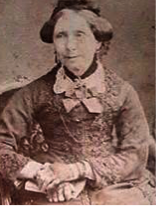
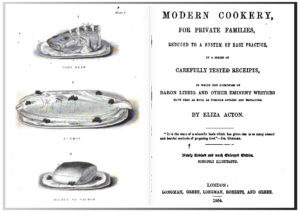
I found The Language of Food a fascinating read, drawing its inspiration from several real-life characters, in particular the limited facts that are known and speculated about Eliza Acton's life and writing career, but fictionalising many aspects to create an engrossing character-based storyline. Several supporting characters represent people who really existed - Chef Alexis Soyer and his revolutionary commercial kitchens, philanthropist Judith Montefiore, who went on to publish an important book on Jewish cooking and establish soup kitchens in London's East End, and Mr. Arnott, who in real life provided "currie" and "currie powder" recipes for Eliza Acton's cookbook (no details of their actual personal relationship are known). The characters of Ann Kirby and her family and the Reverend and Mrs. Thorpe are entirely fictionalised, but are representative of both the desperate impoverishment of the lower classes in the mid-19th century and the appallingly paternalistic attitudes towards mental illness, women's rights and social mobility that pervaded Victorian society.

In addition to the mouth-watering depictions of dishes created by Eliza and Ann, I was also impressed by the way Annabel Abbs wove poetry and poeticism throughout the narrative. She draws on Eliza Acton's known work, as well as that of other Victorian "lady poets" including Felicia Hemans and Letitia E. Landon.

The Language of Food is an immersive reading experience, which will appeal to readers who enjoy quality historical fiction (especially that based around real-life figures), have a love of cooking and cookbooks, and/or enjoy stories of female empowerment. Very highly recommended.
Profile Image for Deanne Patterson.
2,406 reviews119 followers
November 13, 2023
I found Miss Eliza's English Kitchen to be an interesting book. The book is loosely based on the life of Eliza Acton, a woman I had never heard of until reading this book.
Eliza Acton wrote a collection of poems and had arranged for it to be published through a publisher. At this point she had been writing poetry for a few years. The book sold well and had several reprintings. Upon writing another collection of poems this one was declined at the publisher, and she was told to write a cookery book. She took ten years to write her cookery book and it was aimed at the English middle class. The book was the first of its kind to list ingredients and a suggested cooking time.
Eliza had never cooked before but was now forced to. England has many exciting and new ingredients to use, and, in her experimentation, she was not afraid to try cooking foreign dishes with their spices and ingredients.
Ann Kirby is hired as her assistant cook and the two develop a friendship outside of the normal social class boundaries. As the two women's friendship develops, we see Ann looking up to Eliza as she is taught about not only cooking but about poetry, life skills and love. Eliza has become a real mentor to her.
When you hold someone in such high esteem and then discover something they have hidden that brings them down to a human level again you are highly disappointed, and this became the downfall of the two women's relationship.
This reminds me of an upstairs, downstairs type of book. Very interesting and informative book that I enjoyed a lot.

Pub Date 16 Nov 2021
I was given a complimentary copy of this book.
All opinions expressed are my own.
Profile Image for Val (pagespoursandpups).
353 reviews118 followers
July 9, 2021
I was so excited to get approved for this ARC. A time period that I enjoy (Victorian) with a story that centers on women breaking boundaries and finding meaning? Sign me up!

The story is told through two perspectives, Eliza, born into a wealthy family who then loses it all and Anne, born into poverty with an alcoholic father and a Mother who has succumbed to dementia at an early age. The two meet when Eliza and her mother open a boardinghouse where Ann comes to work.

Eliza is a natural writer, she has written and published poetry, but when she visits an editor looking for an advance on her next poetry book, she is informed that no one wants to read poetry written by a woman, and that she needs to write either gothic romance or a cookbook. As expected, Eliza is distraught until she realizes that she finds cooking and creating recipes soothing and enjoyable. She finds that she can combine her poetic style and her desire for the recipes to appeal to the average English housewife to be the challenge she was seeking. She is told by her mother that an unmarried woman can not be seen cooking, that should only be done by a hired cook. Eliza, however, is a spitfire and does exactly as she wants. She is consistently bucking up against tradition and her mother to try to forge her own path. The fact that the book is based upon the real Eliza Acton makes the story that much more amazing.

Ann has spent the past several years literally tethered to her mother by a rope so that her mentally unstable mother won't embarrass the parish and the minister. Her father only cares about drinking, has lost a leg and can't keep a job. Ann is finally convinced by the minister to let her mother be taken to an asylum which can take care of her and work in a home to make some money for her family. She is told to tell no one about her mother since mental illness is looked upon so terribly. She has such low self esteem as she enters Eliza's world, but quickly blooms under Eliza's tutelage..

Eliza and Ann grow to create a strong friendship. Ann enjoys cooking just as much as Eliza and the two go about perfecting recipes that they serve to boarders and will add to the cookbook. Eliza has the chance to finally be separated from the constricting reach of her mother through marriage. She also has the chance to mend her estranged relationship with her oldest sister. There are many other aspects to this story, but I don't want to give too much information and spoil the surprises.

This story had me captivated until the very end. I thought the book was leading me to one conclusion, yet it curved at the last moment. And then it felt like the ending was rushed and so many pieces were left dangling. I like a book that doesn't have a clean and perfect ending, but this one felt like there were just too many unresolved circumstances. This was a 5 star read until the last 25 pages which was a total bummer. I read that this is being turned into a TV series and I'm sure it will be a popular one. The setting and the premise are total wins.

Thank you to NetGalley and William Morrow for the advance copy to read and review.
Profile Image for Lady Clementina ffinch-ffarowmore.
942 reviews243 followers
March 11, 2022
My thanks to Simon and Schuster and NetGalley for a review copy of this book.

The Language of Food is a beautiful story of food and of recipes, and also of poetry, but more than that of two women who want to dream of and do things that weren’t approved of in the time they wanted to do them or seemed far out of their reach—and who each in their own way lived somewhat beyond convention.

The story is based on two real life figures—Eliza Acton, a writer who revolutionised in a sense, the way cookbooks were written, making them not only of the kind we are familiar with today, with elements of precision and clarity, but also weaving into them poetry and a sense of appreciation for food—so far described in only mechanical terms—and her maid, Ann Kirby—who had abilities (and indeed ambitions) that one from her background would not have been expected to have in those days, and worked alongside Eliza for ten years developing and testing the over 500 recipes in the book.

As the book opens, we find Ann Kirby, at 17 looking after a mother who is fast deteriorating due to mental illness and requires more and more care and a father who has lost a leg in the war, is an alcoholic and is unable to find or hold on to work. Then the local Reverend Thorpe offers to find her Mam a place in an asylum where she will be looked after while Ann can take a place as maid with a new family who is unaware of the ‘taint’ on her family. Alongside we have the Eliza a spinster at 36 who has published one volume of poetry and dreams of publishing another. But a promising meeting with the publishers, Longmans, turns out quite the opposite when Eliza is told quite categorically that poetry isn’t ‘women’s’ business and she should consider writing a gothic novel, or even better, a cookbook. Shocked, her dreams shattered, and feeling understandably insulted, Eliza leaves. But when her father becomes bankrupt, circumstances change, and she and Mrs Acton must run a boarding house. Now, the prospect of a cookbook seems a way out of their predicament. Having looked at some existing cookbooks, Eliza not only finds how poorly written and unhelpful they are—lacking clarity, and in most cases, also measurements of ingredients—but memories are stirred up of how she had enjoyed food when she travelled to France in the past. Needless to say, Ann is the new maid in the boarding house. Eliza finds Ann’s ability to read and write and interest in food just what she needs to help her, and the unconventional Eliza who treats Ann more as a friend and partner in work rather than a maid captures Ann’s interest as the two work together to create the recipe book. The book is narrated in first person, with alternative chapters in the voices of Ann and Eliza. Alongside the putting together of the recipe book, we also follow the two women’s lives as they deal with opportunities that arise and the problems that face them.

This was a beautifully written and very engaging read for me right from the start. I enjoyed following the two women’s lives and both narratives. They two kind of run in continuum with each other since they are for the most part working together on the book, but there are segments where we also follow each of them individually as certain subplots unfold.

This is a book about food, so if course there is plenty of it—I loved the process of Eliza working on recipes, testing them out—sometimes on their own, while at others for guests at the boarding house—and how she works at writing them as well. Ann might start out as a maid but soon proves that she can be more in terms of giving her inputs on flavours and even adding her own little touches—something Eliza appreciates. It was interesting to see how Eliza brought about such a revolution in the way cookbooks were written, and was able to, through her poetic writing, take them to a different level. In fact, that poetic approach to and appreciation of different ingredients and tastes comes through in this book as well. For those interested, the author has included a few of the recipes at the end.

But more than the food, poetry and family dynamics and relationships (there are also broader social reflections like the attitude to mental illness, the harassment and downright abuse that maids were subjected to by guests, etc.) what I liked best was that both the central characters—Eliza and Ann—are strong women who dare to dream and dare to live beyond convention (They also have more in common than thy realise, both families having secrets which if revealed can have consequences). Eliza for instance is a spinster who wants only to write and publish poetry—and wants to be identified with it—not use pseudonyms or disguises—something much disapproved of by her mother since she thinks Eliza’s poems reveal too much of her emotion. When she picks up the cookbook project, she has no qualms about turning cook in the boarding house, nor does she treat Ann as a conventional maid. She sees this not as simply a cookbook, but something that will change the way things are being done in the country—perhaps bring more women back into the kitchen. In fact, only as the story progresses, we come to appreciate this much more, and Eliza for the choices she has made. Ann too, is somewhat unconventional, having been taught to read and write by her mother. She dreams of being a cook (like her brother Jack who is apprenticed to a chef in London), even though this is not possible at her age (at 17 she is too ‘old’ to climb too far), but she is lucky that with Eliza she has a chance to realise these ambitions. But luck apart, she is also someone who speaks up for herself and questions what she finds unfair. (The author’s note mentions that little is known about Ann so her story is mostly fictionalized while Eliza’s is more based on fact, though her in her case too, information was limited).

All-in-all this made for an engrossing read, with strong main characters, which I enjoyed very much.

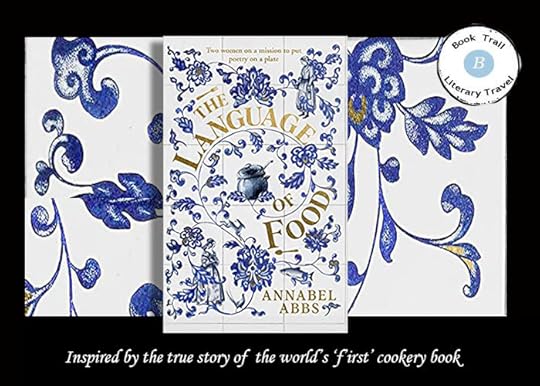
I would be remiss in this review if I don’t mention the lovely cover of the book (which reminds me very much of Delft pottery). While I reviewed an e-arc, the physical copy which I have seen pictures of is absolutely gorgeous, including the lovely painted book edges.

4.5 stars
Profile Image for Katie B.
1,725 reviews3,171 followers
May 14, 2022
I love the historical fiction genre because it gives me the chance to learn something and it holds my interest more than just regular nonfiction. It never dawned on me until I picked this book up that there was a time when cookbooks were not so user friendly. We have Eliza Acton to thank for revolutionizing the format. I will never take specific instructions and exact measurements in recipes for granted again.

The setting is England and it's the 1830s. Eliza Acton writes poetry but her publisher is only interested in cookery books. She's lived a life of privilege but times are tough and she could use the money. So she decides to learn how to cook and collects recipes with the hope of perfecting them so they are worthy to be published in her cookbook. Eliza hires Ann Kirby to assist her in the kitchen. Ann needs to do well at her job so she can support her parents. Two women from different walks of life. Is a friendship even possible?

You don't need to be an expert chef in order to enjoy this book but an appreciation for food is probably a requirement. There's much detail about the preparation of the dishes and if that's not your thing you might get bored with the storyline after awhile. I liked the yummy food descriptions although there were a few dishes that even this non-picky eater wouldn't want to eat.

The author did a good job highlighting women's roles during this time period and society's expectations. It was something she was able to explore a bit not just with the two leads but some of the other female supporting characters as well.

All in all, I really liked what the author was able to come with as it was a mix of facts and she used her creativity to fill in some of the blanks. I recommend this book if you like reading about food and are looking for something different in the historical fiction genre.

Thank you to William Morrow for providing me with a copy! All thoughts expressed are my honest opinion.
Profile Image for Bonnie DeMoss.
932 reviews181 followers
January 17, 2022
England 1835. When Eliza Action is ordered by her publisher to write a cookbook instead of her usual poetry, she is less than interested. After all, she does not know how to cook! She hires an assistant, impoverished Ann Kirby, to help her, and together they write recipes. Along the way, Eliza finds a passion for culinary arts, and they both find a friend. Will a secret from Eliza's past change everything?

This is a really well-written and true-to-the-period tale of two women who were thrown together, became friends, and did something extraordinary. The characters are engaging and well written, and the story is beautifully told. I would recommend this to anyone interested in culinary history and historical fiction about strong women.

I received a free copy of this book from the publishers. My review is voluntary and my opinions are my own.
Profile Image for Rita.
904 reviews186 followers
February 4, 2025
É um daqueles livros que foi lido em noites de insónias, e uma boa forma de aliviar a mini ressaca literária em que estava.

Quando não há mercado para os poemas de Eliza Acton, a sua editora sugere que ela escreva um livro de culinária.
Enquanto a sua mãe fica horrorizada porque a filha quer ser cozinheira, Eliza contrata Ann Kirby, uma menina que vive na miséria e cujo pai é um bêbado e a mãe está no manicómio.

O livro não é apenas sobre receitas e como os cozinheiros britânicos lidaram com ingredientes e sabores mais exóticos. Conta-nos também a história de uma solteirona determinada a criar a vida que deseja.


71/198 - Inglaterra
Profile Image for Artemiz.
933 reviews33 followers
July 30, 2021
The Language of Food has two voices telling the story of a first cookbook, that was constructed the way we are used to seeing it nowadays. Eliza Acton (a lady from a middle class, who had aspiration to be a poetess, but her family's circumstances give her opportunity to do something new and unheard of for young unmarried lady) and Ann Kirby (a young girl, from impoverished family, who dreams to be a cook, but her home situation does not give her lot of hope to climb out of her class). About Eliza there is historical facts to rely on but Ann is just mentioned in some books, so the author of this book has let her fantasy fly and has given them both backstories that may or may not be true and she has made the story politically correct for modern readers, which makes some parts of it quite unbelievable.

The idea behind this story is pretty good, but with the modern twists and the controversial characteristic features of the protagonists, there were too many things that irked me. And it’s the first book about food that did not urge me to eat or to try some new recipes. True, there were some recipes that I wanted to see how they are written down nowadays (with pictures and all), and some recipes reminded me of my first mouthful of that particular food, but I did not want to eat it again or make it.

After reading the synopsis I did not expect to read a Victorian family drama with some historical motifs and food description, I was expecting more about the recipes and about food. It was not my book.
Profile Image for Lisa.
1,117 reviews21 followers
April 19, 2024
3.5 stars

I enjoyed the story, but the writing made me feel like I was floating above the characters. If you are interested in cooking, this is a good historical fiction about Eliza Acton.
Profile Image for Federica Rampi.
701 reviews229 followers
June 4, 2024
Londra 1835: Eliza è infelice perché un editore ha rifiutato le sue poesie.
"La poesia non si addice alle donne" è un lavoro da uomini, le dice.
Vuole invece che scriva qualcosa di più "adatto", cioè un libro di cucina.
"Curato ed elegante, Miss Acton. Portatemi invece un libro di cucina curato ed elegante come le vostre poesie”
Eliza benché controvoglia accetta, poiché suo padre è improvvisamente finito in bancarotta.
Sfortunatamente non ha mai cucinato prima, quindi assume una giovane domestica di umili origini, Ann Kirby, e insieme si occuperanno della pensione di Eliza a Tonbridge, nel Kent.

Eliza Acton è esistita davvero.
Figlia di un birraio, aspirante poetessa, ha cominciato a scrivere ricette per guadagnarsi da vivere e il suo manuale è ancora oggi considerato un punto di riferimento importante

Raccontato a voci alternate e con ricette che prendono vita pagina dopo pagina , il libro di Annabel Abbs è delizioso e avvincente
Incoraggia a fare pace col cibo esplora la dura lotta per la libertà femminile, il potere dell'amicizia femminile, la creatività, la gioia silenziosa della cucina e la poesia che il cibo riesce a trasmettere
Storia di un’amicizia insolita di due donne dal carattere forte che vogliono realizzarsi e dimostrare di contare davvero qualcosa
Profile Image for MaryannC Victorian Dreamer.
564 reviews114 followers
November 5, 2021
A rich , sumptuous tale of two women from very different backgrounds who forge a bond of friendship centered around their love of food.

Eliza Acton is a headstrong woman who has decided to pursue her heart's desire of becoming a poetess, but her dreams are suddenly thwarted when she is reduced to genteel poverty after her father has caused irreparable financial ruin and abandoned the family. As a means to survive for spinsterish Eliza, she and her mother take in guests looking to stay at their home. But against her mother's strong opinions decides she will pursue her heart's desire by having her poems published only to be told that she would be better off writing a cookbook. Insulted and upset Eliza comes to realize she actually enjoys preparing dishes infused with heady spices that excite the palate, but Eliza needs help if she is going to cook for paying guests while writing an intricate cookbook. Help comes in the form of Ann, a young poverty stricken girl hired to assist Eliza in the kitchen. But poor Ann has shameful secrets she keeps fiercely hidden, her once vibrant and caring mother is deranged often embarrassing the family by escaping from home naked and crazed while her father loses himself in drink unable to hold a job with one leg. Referred by the parish priest Ann finds herself working alongside Eliza discovering that she too shares a fondness for creating the delectable dishes they both imagine.

A lovely, wonderfully written book with descriptions of food I could almost imagine tasting and smelling as I read. Recommended.
Profile Image for Anna.
1,336 reviews129 followers
February 20, 2022
Based on the life of Eliza Acton, author of the first modern cookbook, a woman ahead of her times.
The early 1800s in England saw few opportunities for women beyond securing a good marriage, raising children and managing the household. For those who were poor, attaining a job as a servant to a wealthy family was their only chance for security. When Eliza's father bankrupts their family, Eliza seeks to have her poetry published in hope of finding a source of income. She is turned down, but does receive a commission to write a cookbook. She delves whole heartedly into the venture and finds a passion for testing and perfecting recipes for English housewives.
Ann Kirby comes from humble means with a lame father and a mother suffering from dementia. Her brother works in a London kitchen for a famous French chef, inspiring Ann with his tales of the food they prepare. When Ann is fortunate enough to be hired by Eliza as a kitchen assistant, she draws strength and a sense of purpose from her, discovering her own ambitions.
"We have come along way baby" now having opportunities and freedoms that didn't exist in the Victorian Era.
Profile Image for Elena Mur.
7 reviews
June 8, 2022
Eliza Acton (17 April 1799 – 13 February 1859) was an English food writer and poet who produced one of Britain's first cookery books aimed at the domestic reader, Modern Cookery for Private Families. The book introduced the now-universal practice of listing ingredients and giving suggested cooking times for each recipe.
Like "The Gown" by Jennifer Robbson is it based on real character who I knew nothing about. But unlike Jennifer Robson, Annabelle Abbs writes in a very cumbersome way, overload of old words, while the narrative lacks flow and at times plot and characters are underdeveloped, inconsistent, like the author did not know whether to concentrate on cooking on back stories of Eliza and Ann. Brief jumps between times doesn't compliment the book, but takes away from the story, as frankly, we just lose how and why this happened.
Read it to the end, as I wanted to know how it all ends. CUMBERSOME is a key word.
Profile Image for BethFishReads.
675 reviews63 followers
October 8, 2021
More like 3.5.

I really wanted to love this book about how Eliza Acton and her assistant, Ann Kirby, revolutionized cookbook writing, recipe formatting, and recipe development in the early 1800s. Perhaps it was my mood, perhaps it was the dual-perspective approach -- in any case, I found this to be only okay.

The examination of how women's opportunities were limited and very much tied in to their family's needs and the descriptions of the dishes, scents, and flavors held my attention. Regardless, I was not totally wowed by the book, and despite my interest in cookbooks, food history, and how Acton helped make cooking accessible to the everyday woman trying to run her household.

The audiobook performances by Ell Potter and Bianca Amato were fine and blended well. Each narrator captured her character's issues and feelings.
Profile Image for Claudia.
Author 77 books266 followers
November 2, 2022
Me ha encantado. La época en que está ambientada la novela es de mis favoritas, y el estilo de la autora me ha parecido genial; como si eso fuera poco, Eliza como personaje histórico es fascinante, así que me ha encantado saber de ella e imaginar gracias a esta historia cómo pudo ser su vida.
Profile Image for Maria Olga Lectoraapasionada.
388 reviews138 followers
April 9, 2022
Que entrañable lectura.

Colmadas páginas repletas de metáforas, buena mezcla de recetas de cocina, poesía, pensamientos, relatada con una prosa exquisita, disfrute mucho de las páginas de este libro.

Una lectura con olor y sabor, escrita con sentimiento y arte, fue un placer para todos los sentidos.
Profile Image for bookstories_travels🪐.
791 reviews1 follower
April 11, 2024
Receta de cocina al estilo de Annabel Abbs. Plato a elaborar-libro a leer: “La Cocina de Miss Eliza”.

Explicación del plato-libro: Inglaterra victoriana, 1837. Cuando Eliza Acton entra en el despacho de un reputado editor londinense, espera emocionada que este vaya a publicar su segundo (y mejor) poemario. Pero pronto dejará de hacerse ilusiones cuando dicho editor la proponga escribir un libro de recetas de cocina. Una idea que Eliza no piensa ni considerar hasta que llega a su casa para descubrir que su familia está en la bancarrota y su padre ha sido obligado a huir del país. Para salir adelante, Eliza y su madre deberán trasladarse a Kent y regentar una casa de huéspedes. Para la cual contratan a Ann Kirby, una joven del lugar que deja atrás un hogar marcado por la pobreza, la locura y la brutalidad. Juntas, Eliza y Ann, se pondrán manos a la obra y empezarán a dar forma a un libro de cocina que busca acercar las artes culinarias a la población y ser accesible para todos. Entre recetas, medidas, ingredientes, olores y especias, las dos mujeres entablarán una tierna amistad pese a unos pasados y presentes marcados por sus secretos y posiciones sociales.

Consideraciones antes de empezar la lectura-receta:

En esta novela nos vamos a encontrar una protagonista esencial aparte de Eliza y Ann. Y esa es la comida y el placer de cocinar.

Cada capítulo lleva el nombre de un plato o un ingrediente, y en todos ellos no para de mencionarse diferentes recetas, culinarias, preparaciones, platos, sabores, ingredientes y olores. Nos encontramos ante una novela histórica en la que se habla de los placeres de la Cocina, y nos muestra como esta actividad se daba en la Inglaterra victoriana. Para ello la autora, Annabel Abbs, saca a la luz la figura de Eliza Acton, quien escribiría dos libros de recetas que se caracterizan por tratar de ser accesibles a la población. Entre otras cosas, Eliza se tomó la molestia de medir los ingredientes de una manera sensata y coherente, además de enlistarlos después de cada elaboración, en las cuales aparecen detalladamente notas sobre los tiempos de cocción y otros factores que pudieran alterar de una forma u otra el plato. Además, entre las páginas de estos libros se habla de la comida de aprovechamiento, aparecen platos de otras partes del mundo que no fuera Inglaterra y se pone en valor la importancia de los cocinados con productos frescos en un momento en el que la estaban apareciendo los primeros alimentos rápidos y cómodos de preparar, precursores de la actual comida enlatada o congelada.

Ingredientes:

* Una prosa fluida y ágil, que se mantiene a lo largo de unos capítulos muy cortos. Por todo esto, la lectura-receta se hace en un periquete.
* Dos protagonistas con personalidades bien definidas, fuertes y muy diferenciadas entre ellas. La historia está narrada a dos voces en primera persona, con las protagonistas alternándose en la narración de los capítulos. Eso también ayuda a que esta lectura sea ágil y es muy interesante, porque ayuda a que el lector tenga entes, visiones y versiones de un mismo suceso, y que pueda sumergirse mejor en la historia y en la psicología de las dos mujeres.
* Una excelente documentación histórica, ya no solo de cómo era la cocina y alimentación en la Inglaterra del siglo XIX, en la cual su propia gastronomía era incluso despreciada y maltratada por los propios ingleses en favor de los elaborados platos franceses. También se nota el esfuerzo de la escritora por hablarnos de cómo era la época victoriana, un periodo lleno de luces y sombras donde la el lugar y la posición económica de la familia en la que nacieras podía marcar mucho las cosas. la jerarquía y el mundo social británico de esa época, con todo sus detalles, normas, características e ideales, está nítidamente narrado entre estas páginas.
* Una historia sencilla y fácil de seguir, que se toma sus momentos cuando es necesario. El ritmo es la mayor parte del tiempo (véase observaciones) muy fluido. Aunque la autora nos traiga una historia muy escéptica y en la que realmente no pasan cosas, sí que suceden las suficientes para mantener el interés del lector, bien aderezadas con diferentes descubrimiento y la aparición de unos pocos personajes muy interesantes y también caracterizados como las dos protagonistas.


Proceso de elaboración y observaciones:

* El contraste entre las formas de pensar, vivir y ver el mundo que las rodea entre Ann y Eliza está muy conseguido y es muy realista. Son diferencias que están explicadas por las diferentes vivencias de ambas mujeres, y por sus las distintas posiciones sociales en las que nacieron. Pero aún así te crees la relación que a fuego lento se va forjando entre ellas.
* Y es que esta novela prometía ser muy agradable, hogareña y cozy y de todo. Pero no. Entre sus páginas nos encontramos con la cara más oscura de la sociedad victoriana y con auténticas tragedias familiares y sociales. Hay capítulos cortesía de Ann que te dejan con un nudo en el estómago, en el que vemos como era la situación para las clases más pobres de la Inglaterra, victoriana, y como de oscura y dura era la asistencia sanitaria y mental en esa época. Además de eso, en este libro veremos con todo lujo de detalles como los prejuiciosos, los secretos y la necesidad de mantener el decoro de puertas para adentro pueden marcar de una forma y remediable y dolorosa una vida.
* De todas maneras, aunque tiene tramos muy duros, “La Cocina de Miss Eliza” una también novela de esperanza, sororidad femenina, amistad, independencia, resiliencia y fortaleza. La obra habla sobre la importancia de reinventarse, de luchar las cosas y de seguir adelante cuando parece que todo se este desmoronando a tu alrededor, de continuar pese a las heridas y secretos que la vida y tu pasado te han legado. Y además nos habla de la importancia de las pasiones, de cómo si algo se hace desde el esfuerzo y el cariño se convertirá en algo valioso. Y de la importancia de los vínculos y la amistad.
* Esto puede que a muchos les parezca una estupidez, y es algo muy personal. Pero desde pequeña me han encantado leer libros de recetas. No sé ni freír un huevo frito, lo confieso. Pero me encanta ojear libros de cocina y de recetas. Siempre he pensado que era una manía tonta , rara e inocua mía que nadie más podía tener. Pero me ha hecho mucha gracia descubrir que la autora también tiene este gusto. La verdad es que así me siento menos sola en la vida jajajaha.
* A veces, el que la prosa de Abbs sea tan fluida y rápida va en contra de la propia lectura. Hay momentos en los que aprieta tanto el acelerador, y se enfoca tanto en el mundo culinario que sientes que pierde un poco de vista el otro foco principal de la historia, que es la relación y las vivencias de las dos protagonistas.
* Quizás sea por eso, que a veces he notado que las protagonistas han tenido reacciones o han actuado de una manera precipitada y sin sentido, muy fluctuante. No pasa mucho, pero te deja un sabor extraño con esta lectura. Por ejemplo: Eliza pasa de diseñar la tarea de realizar un libro de cocina, a estar a las páginas encantada con la idea y emocionada por llevarla a cabo. Sí, hay que al final vaya enamorándose de este cometido. Pero el paso de una postura a otra me pareció muy muy brusco, o al menos poco desarrollado.
* El epílogo resulta muy precipitado. De pronto nos encontramos con una situación dentro de las cocinas de Kent Un salto temporal de varios años en los en el que se nos explica de forma muy escueta y confusa. Qué pasó con las dos protagonistas durante ese tiempo. Me cabree mucho cuando cerré el libro por eso, porque soy una persona que da mucha importancia a los finales. Pero luego he descubierto que resulta que “La Cocina de Miss Eliza” es solo la primera parte de una saga que no sé de cuantos libros contará, o si es simplemente una bilogía. Imagino que en el /los siguiente/s libro/s nos explicarán con más calma, que es lo que pasó en esos años. Porque si la cosa se queda así, francamente, resulta muy decepcionante.

Resultado:

“La Cocina de Miss Eliza” es una novela deliciosa, en la que encontramos diferentes factores que la hacen muy entretenida. Hay una historia sencilla, pero con unos elementos que están bien manejados. Y sobre todo una oda a la gastronomía y un interesante ejercicio en el cual se unan Cocina y literatura de una forma muy eficaz, al demostrarnos la autora como la escritura de una receta, también puede ser un acto narrativo e incluso poético, como la descripción de una elaboración puede tener su propio sonido y su propia canción. El amor que progresivamente va saliendo de Eliza hacia su libro de recetas, la felicidad que le da a ella y a Ann experimentar con nuevos ingredientes y platos, la amistad y camadería que van surgiendo en la cocina entre ellas, y el esfuerzo e ilusión que van poniendo a su obra resultan absolutamente contagiosos No de defrauda, aunque no vaya ser el tipo de libro que a mí personalmente vaya a cambiarme la vida. Pero su lectura me ha entretenido mucho, la devoré en pocos días y con bastante placer. Y eso era lo que esperaba de esta novela y lo que buscaba al cogerla. Cada vez que me ponía a leerla, podía llegar a leerme cien páginas de una sentada y sin darme cuenta, que es algo que últimamente no se da con frecuencia en mi vida lectora. he leído este libro con unas expectativas bastante moderadas, y la verdad es que las ha cumplido de lleno. Espero que salga al español más pronto que tarde. La segunda parte. Porque es verdad que el final, finiquitado y las pocas páginas de un epílogo, que deja muy coja la obra y resulta demasiado brusco e irritante por esto.
Profile Image for Tracey Allen at Carpe Librum.
1,154 reviews125 followers
March 30, 2022
The Language of Food by Annabel Abbs was a sublime read containing tantalising descriptions of food, and life below stairs during 1800s England. The Language of Food tells the untold story of Eliza Acton, a poet at heart and author of Britain's first cookery book for domestic readers. Modern Cookery for Private Families was published in 1845 and author Annabel Abbs has given the reader a fictionalised account of Eliza Acton's life.

Told from two perspectives, that of Eliza and a housemaid by the name Ann Kirby, the reader is soon swept into a world where the kitchen is the centre of the household.

"And it seems to me that the kitchen, with its natural intimacy, is more conducive to friendship and love than any other room in the house. The steady indeterminate pattern of days spent there, the heady unforgettable smells, the warmth and succour of its confined space." Page 317

Female agency is a strong theme throughout the book, not surprising given the period and our two lead characters, but I celebrated the manner in which both characters seemed to follow their calling despite feelings of obligation and family responsibility laying elsewhere.

Eliza Acton was a poet in real life and the author has spared no effort in imagining the world of food, spices and cooking through the eyes of a poet and a woman who didn't even know how to boil an egg when she first ventured into a kitchen.

The writing is deliciously suggestive but also funny on occasion, as in this observation from Ann Kirby early on in the novel:

"Mrs Thorpe has a bosom so ample you could trot a mouse on it." Page 43

Modern Cookery for Private Families was the first cookery book to provide a detailed list of ingredients, precise quantities and cooking times for each recipe in a format we still follow today. Mrs Beeton's Book of Household Management was published in 1861 well after Eliza Acton's and it is now known that Mrs Beeton plagiarised hundreds of Acton's recipes for the collection. Not only that, but Mrs Beeton stole recipes from other cookery books as well, and knowing that now, I wish she wasn't held in such high esteem. A pox on her book!

The Language of Food by Annabel Abbs is definitely a book to savour, but be prepared to salivate as you visualise and imagine the dishes being tested, prepared and devoured. Abbs provides phrases to roll around your tongue and plenty of description so you can immerse yourself in the sensual writing and imagine yourself in the character's shoes. I particularly related to Ann Kirby, and enjoyed this section describing the first three days of her employment by Miss Eliza Acton:

"For three days, Miss Eliza gives me instructions and I follow them to the letter. I scrape the sugar from its loaf, scrub the vegetables of mud and insects, scour the sink with sand and spread the tea leaves for drying. I fetch water, and firewood, and fish from the market. I slice and sift and grate and pluck. I stoke and sweep and black the range. I wash and dry and polish. And when I get a second to myself, I eat. I eat pie crusts burnt to a crisp and fit only for the pig. I drink cream that has curdled and is intended for the cat. I steal spoonfuls of over-salted sauces so that my tongue withers in my mouth. I eat the leftovers and lick the cooking spoons and even wipe my tongue around the batter basin. I cannot help myself for my insides are gnawed half to death from years of hunger and I've never seen so much food." Pages 83-84

I always know I'm reading a great book when I want to recommend it to friends before I've even finished it and that was certainly the case here. The Language of Food by Annabel Abbs is an absorbing historical fiction novel for those who love the poetry of food, the magic of a kitchen and anything to do with cooking, baking, chopping, saucing, stirring or tasting food. Highly recommended!

* Copy courtesy of Simon & Schuster *
Profile Image for Thebooktrail.
1,879 reviews340 followers
February 28, 2022
Don't read this unless you have food to hand or have eaten a big meal...

description

Discover the locations in the novel

The locations in the novel are a backdrop to the story as they do show where the author lived, worked and died but the true story is set in the heart of the kitchen.

The author has taken threads from a story of a real figure in history –Eliza Acton - the woman behind perhaps the most famous cookbook and that of her maid and assistant and woven a tale of fact and fiction.

FULL REVIEW:

I love stories with some pages dipped in reality and the others in fiction. This is one of those books and, if you ezcuse the pun, the author cooks  up quite a literary feast.

The story is about Eliza Acton and Ann Kirby her assistant. They are cooks and working on what will be the greatest British Cook Book of all time. Eliza changed the way that cookery books were written and how cooks after her presented their recipes. In a nutshell, she was the woman who changed the face of baking and cookery books by listing the ingredients separately at the start of the recipe. Seems like common sense today but then it was revolutionary as no-one had thought of it before.

I enjoyed reading about Eliza and how she got to to be a cook in the first place. She has to suffer many humiliations along the way and her father is bankrupt putting more pressure on the family. Eliza want to be a poet but is instead asked to write a cookery book for women. She is offended and doesn’t really know much about cookery but she gets an assistant in Ann who is 17 and caring for her parents She does want to be a cook and together the two of them cook up something (sorry not sorry) quite remarkable. This was the part of the story that I particularly enjoyed -seeing them try and fail, try something else, tinker with an idea and then come to a solution. It’s quite brilliant when you realise what they were up against and the time in history we are talking about.

The best ingredient in this story is the friendship between the twosome. As they cooked and chatted, I wanted to walk into that kitchen, grab a plate and join them. I am thinking in particular of that lovely French dinner that they linger over…..

Oh the food, the flavours, the aromas and that cover!! I am in that kitchen with these two women covered in flour and chatting, cooking and baking and I am loving it!
Profile Image for CindySR.
601 reviews7 followers
October 14, 2021
I won this book in a Goodreads Giveaway. Many thanks to the publisher William Morrow for this gift.

This historical novel checks many of the boxes for me. Characters to care about, like poor Ann and her drunken, one legged Pa, and lunatic Mam. Miss Eliza and her independent nature, fighting against convention and her overbearing mother. Facts mixed with conjecture add the spicy kick to the story. Recommended to all who look for historical fiction about strong women.

I don't like to cook, so when I do follow a recipe I kind of wing it instead of measuring and weighing. I fear Eliza and Ann would not approve since we have them to thank for the more precise and easily followed recipes we have today. I'm not fond of poetry either, but since Eliza Acton was also a poet readers might appreciate the many poetic references which are also listed in the back of the book (along with a recommended reading list and a few recipes from Eliza's book).

I give the book 3.5 stars, rounded down from 4 for the following reasons: I didn't like the completely unrecognizable Ann that appeared in the first chapter and the last chapter. I didn't like that too much time was spent on a dirty old man who enjoyed exposing himself. One encounter would have sufficed! There were entirely too many words that were italicized throughout the book. I suppose it is done for emphasis, but in my opinion, excessive.

No sexual encounters and no curse words but my clean reading friends might not appreciate the above mentioned Victorian flasher, LOL!
Profile Image for Suzanne.
1,846 reviews41 followers
April 28, 2021
This is a wonderful book, filled with interesting characters and a vibrant setting/time. MISS ELIZA’S ENGLISH KITCHEN is a peek into a time when most women of a certain class never set foot in their own kitchens. Nor were women considered capable of good cooking; it was a preserve populated entirely by men. Author Annabel Abbs has taken a famous cookbook and a few known facts about the author and spun a great tale. The protagonist confronts all manner of social obstacles to become a food writer and published author. Her journey is entertaining and lively and the book itself is thoroughly engrossing. I read it straight through and enjoyed every minute. I received my copy from the publishers through NetGalley.
Profile Image for Irena.
156 reviews9 followers
January 1, 2023
Jsem ráda, že jsem si tuhle knížku přečetla… Bylo to moc fajn čtení o žití a útrapách v Anglii za doby královny Viktorie…
Ann byla vážně povedená…
Profile Image for Shelleyrae at Book'd Out.
2,613 reviews558 followers
April 3, 2022
Inspired by the little that is known of the life of poet, and pioneering cookery writer, Eliza Acton, and her assistant, Ann Kirby, The Language of Food (also published under the title Miss Eliza’s English Kitchen) is the third novel from British author, Annabel Abbs.

“But you cannot cook, Eliza. You have never cooked. Besides, ladies do not cook.”

The rejection of Eliza Acton’s second book of poetry by a publisher who suggests she writes a gothic romance or recipe book instead, coincides with her father’s abrupt bankruptcy, leaving she and her mother to take charge of a boardinghouse for wealthy visitors to Tunbridge Wells in order to support themselves. Despite rarely ever having even set foot in a kitchen, and her mother’s objections, Eliza volunteers to take on the role of cook, reasoning it’s an opportunity to save money, and accept the publisher’s commission to write a recipe book.

The sole carer for her mentally ill mother and one legged, alcoholic father, seventeen year old Ann Kirby is both apprehensive and excited when the local Vicar Mr Thorpe arranges a position for her as underhousemaid for Eliza at the boardinghouse. Unused to service, Ann has no idea what to expect but she soon proves herself invaluable to Eliza as she proves to have an instinct for flavours, and they work to develop the cookbook together.

“Why should the culinary arts not include poetry? Why should a recipe book not be a thing of beauty?”

Told through the alternating perspectives of the two women, The Language of Food draws on fact and imagination as Eliza and Ann develop what will eventually be “the greatest British cookbook of all time”, published in 1845 as ‘Modern Cookery, in All Its Branches: Reduced to a System of Easy Practice, for the Use of Private Families’. It’s also a story of female friendship and fortitude, as the women, despite their different stations in life, work side by side, and a story of creativity and cooking as Eliza and Ann combine their talents for poetry and instinct for flavours.

While Abbs incorporates as much accurate information as available about Eliza in The Language of Food, Ann is almost an entirely a fictional construct. I liked Eliza as a somewhat unconventional woman for her time, and it’s pleasing she and her contribution to modern cookery have being remembered and honoured here. Ann is young and naive, and her backstory makes her a very sympathetic character. Abb’s portrayal of the partnership they develop in the kitchen is warming, though their situation precludes a truly equal relationship. I found it interesting that Abbs explained the omission of Ann as a coauthor of the book as a decision made by Ann, and have to wonder if there was any truth to that.

The bulk of the story takes place over a year so, though in reality it took Eliza and Ann ten years, from 1835 to 1845. to write their cookbook. Abbs touches on the social history of the era including the tremendous inequality between social classes, the status of women across the social spectrum, and the treatment of the mentally ill.

“I must coax the flavors from my ingredients, as a poet coaxes mood and meaning from his words. And then there is the writing itself. Like a poem, a recipe should be clear and precise and ordered. Nothing stray.”

Eliza is credited as the pioneer of modern cookery books because she was the first to list ingredients separately from the methodology, and to provide precise quantities of ingredients. She could also be said to have pioneered the genre of ‘food writing’, by combining instruction with description. Foodies should enjoy Eliza’s poetic depictions of scents and tastes, though the fare of the 1800’s, which relied heavily on game and foraged foods, may sound quite unusual. A handful of Eliza’s ‘reciepts’ are printed after the Notes section at the end of the book.

The Language of Food is an engaging historical novel, and I appreciated learning about the beginnings of the modern recipe book.
Profile Image for Shannon.
8,300 reviews422 followers
November 18, 2021
Based on the real life of Eliza Acton, a British poetess who teamed up with a kitchen maid to write one of the foremost cookery books in England. This is a story of female friendship, women's role in Victorian society and the differences between the classes.

Told in alternating perspectives from Eliza and her maid, Ann Kirby, we get to know what life was like for each of these women. Ann's story in particular is one of hardship as she is forced to work to help support her disabled father and her mentally ill mother who has been institutionalized.

Highly recommended for fans of upstairs/downstairs stories, Downton Abbey, The kitchen front or Julie and Julia. I loved learning about Eliza's multi-faceted life and the challenges she faced trying to publish her work as a woman and the passion she found for cooking and creating recipes that would be more practical for the average cook. Much thanks to NetGalley and the publisher for my ALC!
Displaying 1 - 30 of 1,442 reviews

Join the discussion

Can't find what you're looking for?

Get help and learn more about the design.