

What do you think?

Antwerpen: De gloriejaren
A rich history of Antwerp from the author of the acclaimed bestseller The Edge of the World
Even before Amsterdam there was a dazzling North Sea port at the hub of the known world: the city of Antwerp.
Antwerp was sensational like nineteenth-century Paris or twentieth-century New York, somewhere anything could happen or at least be believed: killer bankers, easy kisses, a market in secrets and every kind of heresy. For half the sixteenth century, it was the place for breaking rules - religious, sexual, intellectual.
In Antwerp, things changed. One man cornered all the money in the city and reinvented ideas of what money meant. Another gave Antwerp a new shape purely out of his own ambition. Jews fleeing the Portuguese Inquisition needed Antwerp for their escape, thanks to the remarkable woman at the head of the grandest banking family in Europe.
Thomas More opened Utopia there, Erasmus puzzled over money and exchanges, William Tyndale sheltered there and smuggled out his Bible in English until he was killed. Pieter Bruegel painted the town as The Tower of Babel.
But when Antwerp rebelled with the Dutch against the Spanish and lost, all that glory was buried and its true history rewritten. The city that unsettled so many now became conformist. Mutinous troops burned the city records. Michael Pye sets out to rediscover the city that was lost and bring its wilder days to life using every kind of clue: novels, paintings, songs, schoolbooks, letters and the archives of Venice, London and the Medici. He builds a picture of a city haunted by fire, plague and violence, but learning how to be a power in its own right in the world after feudalism.
This is the Antwerp which was the proud 'exception' to all of Europe.
Even before Amsterdam there was a dazzling North Sea port at the hub of the known world: the city of Antwerp.
Antwerp was sensational like nineteenth-century Paris or twentieth-century New York, somewhere anything could happen or at least be believed: killer bankers, easy kisses, a market in secrets and every kind of heresy. For half the sixteenth century, it was the place for breaking rules - religious, sexual, intellectual.
In Antwerp, things changed. One man cornered all the money in the city and reinvented ideas of what money meant. Another gave Antwerp a new shape purely out of his own ambition. Jews fleeing the Portuguese Inquisition needed Antwerp for their escape, thanks to the remarkable woman at the head of the grandest banking family in Europe.
Thomas More opened Utopia there, Erasmus puzzled over money and exchanges, William Tyndale sheltered there and smuggled out his Bible in English until he was killed. Pieter Bruegel painted the town as The Tower of Babel.
But when Antwerp rebelled with the Dutch against the Spanish and lost, all that glory was buried and its true history rewritten. The city that unsettled so many now became conformist. Mutinous troops burned the city records. Michael Pye sets out to rediscover the city that was lost and bring its wilder days to life using every kind of clue: novels, paintings, songs, schoolbooks, letters and the archives of Venice, London and the Medici. He builds a picture of a city haunted by fire, plague and violence, but learning how to be a power in its own right in the world after feudalism.
This is the Antwerp which was the proud 'exception' to all of Europe.
314 pages, Kindle Edition
First published August 5, 2021
About the author
Michael Pye
73 books69 followersMichael Pye (b. 1946) is a writer who reported on business for The Sunday Times of London in the 1960s and 1970s. He has also authored many books, two of which are about the entertainment industry: The Movie Brats: How the Film Generation Took Over Hollywood (with Lynda Myles, 1979), and Moguls: Inside the Business of Show Business (1980).
Ratings & Reviews
Friends & Following
Create a free account to discover what your friends think of this book!
Community Reviews
Displaying 1 - 30 of 141 reviews
April 6, 2023
There is a lot of research that has gone into this book, but it isn't well-ordered, or that well written, and I really struggled to finish it.
Michael Pye offers this book as the Golden Years of Antwerp but his writing style, the presentation and the stories themselves make the "golden years" something of a mystery, and rather dull. There is no organisation and the characters used to tell the stories may be interesting by Pye makes them less so.
As may other reviewers, especially Dutch ones, have said, this seems like a missed opportunity to the interesting and influential story of Antwerp in the 1500s.
Michael Pye offers this book as the Golden Years of Antwerp but his writing style, the presentation and the stories themselves make the "golden years" something of a mystery, and rather dull. There is no organisation and the characters used to tell the stories may be interesting by Pye makes them less so.
As may other reviewers, especially Dutch ones, have said, this seems like a missed opportunity to the interesting and influential story of Antwerp in the 1500s.

May 28, 2022
I was about to go from Bruges to Antwerp in March 2020, just as the Covid threat became serious in Europe and confinement of public spaces began. I flew back home then and left Antwerp for a later visit with the only consolation that the Museum of Fine Arts (KMSKA) was closed for renovation anyway. Sad was also that a much anticipated dinner with an Antwerpian friend had to be cancelled too.
When I saw this book around, it immediately caught my attention thinking it would be just the right read before I could go back and rectify what Covid had spoilt. You can then guess how glad I was when I opened the parcel from my Book Subscription, always a surprise, and there it was!
Pye has written an enthusiastic exploration of the Golden Age of Antwerp – that is from the very beginning of the 16th century, when a Portuguese spice ship arrived in its canal port, inaugurating a buoyant period of trade and humanistic development, until around the third quarter of the century when the Calvinist iconoclasm, the Spanish suppression, and the French attempt to take-over put an end to the idyllic period.
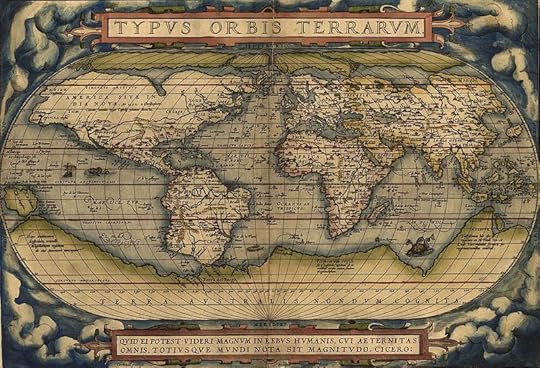
The approach is thematic, focusing on how a city with no particularly distinguished prior history (small Roman settlement, no Bishop, no outstanding Noblemen and brilliant court) succeeded in stealing the limelight from Bruges, center of the southern lowlands until then. One surmises that it was a mixture of political events (Emperor Maximilian’s troubles with Flanders) as well as a series of liberal measures that made Antwerp the new center. Jews expelled from Spain and Portugal were welcome bringing a liberating impetus , Italian bankers, English thinkers SPOILER (Thomas More visited in 1515), German painters followed suit. It was a city where things happened and secrets of state were interchanged drawing the attention of other, at times envious, metropoles. One incident about a murderer becomes one of the stories of Matteo Bandello, Bishop of Agen . Printing and Education received a huge impetus. And if John Dee needed new esoteric books, he knew it was to Antwerp he had to come. The place became the best place to learn or buy books in other languages. And one of the most interesting sections of this book is devoted to the printer Christopher Plantin and his son in law Jan Moretus . I was particularly glad to be reminded of the female painter Catherine Van Hemessen , while reading about the Dutch Quentin Matsys who moved to Antwerp and founded what is now known as the Antwerp School made me go to the Prado and look at his paintings there. Matsys was not alone for Peter Brugel also moved south to Antwerp a few decades later. But if the book is about a city that was proud to develop all the potential of an urban center, the impulse given to gardens and botanical exploration, is also given due attention. Finally, the account would not be complete without a thorough presentation of Abraham Ortelius with his Typus Orbis Terrarum from 1564, although I was more enthralled by his Theatrum Orbis Terrarum.
I have a couple of qualms about this book. First, the thematic approach can be somewhat muddling as Pye continually jumps forwards and backwards in time so that any sense of causality is lost. And second, albeit related to the first, is that he does not give enough information about the political events that took place during those Glory Years, with the effect that in the final section, in which he discusses the demise of the city due to the later political events, feels unconnected to the previous period.
Then in his final brushstroke, his antipathy towards Catholicism and the countries that defended this creed at the time, make him dismiss any interest that Baroque Antwerp, including Rubens, may offer to posterity. And thus, his discussion of the wonderful series on the senses that Pieter Paul painted with Jan Breughel is disheartening. Sad and silly.
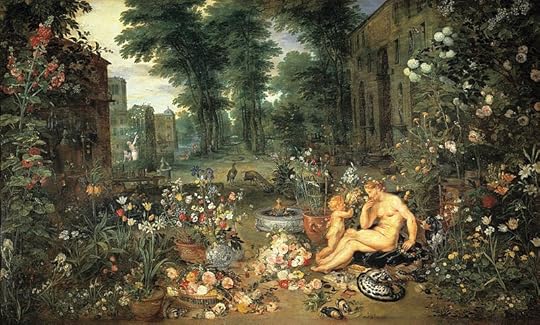
Now let’s hope that I can go back to Antwerp in the not-too-distant future. Until then Ortelius’s map will keep me inspired.

September 29, 2021
In mijn weekendkrant pronkte onlangs een advertentie die trots aankondigde dat dit stevig gepromote boek over de gloriejaren van Antwerpen al aan z’n zoveelste druk toe is. Over hetzelfde tijdsgewricht van mijn stad las ik dit jaar ook Gelukkige Stad van Jan Lampo en Jeroen Olyslaegers’ succesroman Wildevrouw. De zestiende eeuw van ’t stad is hot en dat doet me plezier!
In de zestiende eeuw was Antwerpen het centrum van de westerse wereld, en dat mag geweten zijn.
Pye heeft oerdegelijk opzoekwerk gedaan en dist uit tal van historische bronnen smakelijke personages en smeuïge anekdotes op. Hij weet zijn geschiedenis mooi te verpakken. Toch bleef ik een beetje op mijn honger zitten. Door de thematische opzet verspringt het verhaal heen en weer in de tijd, wat niet altijd evident is. Vijf jaar vroeger of later kan een wereld van verschil uitmaken in deze periode. Het bredere kader had iets meer uitgewerkt mogen worden.
Boeiend is wel de vaststelling dat het karakter van de stad zoals het in deze periode gevormd is, heel herkenbaar is. Tolerant zijn, maar dan vooral als er geld mee te verdienen valt, en achterkamerpolitiek van stadsbestuurders en projectontwikkelaars...het klinkt allemaal erg vertrouwd.
Pye wordt geroemd om zijn vlotte schrijfstijl, maar dat viel wat tegen. Inhoudelijk staan er sterke verhalen in, maar Pye is geen Geert Mak, Geoffrey Parker of Ross King. Deze geschiedenis leest, wat er ook beweerd mogen worden, niet als een roman.
De Gloriejaren is een belangrijk boek over een boeiend onderwerp, maar het had net iets meer mogen swingen.
In de zestiende eeuw was Antwerpen het centrum van de westerse wereld, en dat mag geweten zijn.
Pye heeft oerdegelijk opzoekwerk gedaan en dist uit tal van historische bronnen smakelijke personages en smeuïge anekdotes op. Hij weet zijn geschiedenis mooi te verpakken. Toch bleef ik een beetje op mijn honger zitten. Door de thematische opzet verspringt het verhaal heen en weer in de tijd, wat niet altijd evident is. Vijf jaar vroeger of later kan een wereld van verschil uitmaken in deze periode. Het bredere kader had iets meer uitgewerkt mogen worden.
Boeiend is wel de vaststelling dat het karakter van de stad zoals het in deze periode gevormd is, heel herkenbaar is. Tolerant zijn, maar dan vooral als er geld mee te verdienen valt, en achterkamerpolitiek van stadsbestuurders en projectontwikkelaars...het klinkt allemaal erg vertrouwd.
Pye wordt geroemd om zijn vlotte schrijfstijl, maar dat viel wat tegen. Inhoudelijk staan er sterke verhalen in, maar Pye is geen Geert Mak, Geoffrey Parker of Ross King. Deze geschiedenis leest, wat er ook beweerd mogen worden, niet als een roman.
De Gloriejaren is een belangrijk boek over een boeiend onderwerp, maar het had net iets meer mogen swingen.

September 24, 2021
I find Michael Pye books kind of frustrating. They keep jumping off of shelves at me because the subjects are so great. He hits neglected topics, and he covers them well. I found this book more satisfying than his "Edge of the World", but there's just something about his writing that puts me off. It strikes me as filled with infelicitous sentences, and journalistic flourishes that just don't work. It's probably just a matter of taste. Which is a shame, because he writes about things I feel I need to know about, and he researches them well.
Antwerp is one of those subjects. It's been a gap in my understanding for quite some time. I've long been aware of it as a stage in the steady march North and (mostly) East of Europe's center of economic gravity. Italy in the 1200s-1400s, Antwerp in the 1500s, Amsterdam in the 1600s, London from the 1700s-1917. Through some fairly intense reading in my my mid 30s, I felt I had an handle on the Dutch Golden age, and I even wrote a book that features the Amsterdam-London-New York transition in financial leadership. But Antwerp never quite made sense to me, even after grokking that all its protestants fleeing North was its demise. I've spent many an hour puzzling over old master canvases in the world's museums, not fully understanding that Antwerp to Amsterdam transition.
Pye's book has cleared up a lot of this confusion. And he makes it clear why Antwerp's footprint is lighter in the historical record than one might expect. The town and all of its records were burned down. Later incarnations of the city, like the Baroque 1600s version of Rubens, are flashier and better recorded. As Pye makes clear, the "Golden Age" of the 1500s was always rather tenuous, and less conscious of itself as a religious and national project than the Amsterdam (Dutch) Golden Age of the 1600s. I feel a bit silly writing this, it seems obvious in restrospect, but Antwerp was never independent the way Amsterdam was as the (de facto) capital of a world power. Even with all their riches, Antwerp's merchants were reliant on outside powers, both imperial and mercantile. It almost feels like Antwerp was a rough draft for the glories of Amsterdam and the Dutch Republic.
A place with an already nebulous status, with religiously hostile and much more nationally self-conscious successors, most of whose records have been burnt, is going to have difficulty leaving a distinct historical footprint. It's a testament to just how important Antwerp was that we are as aware of it as we are. Pye does valuable detective work here. His somewhat scattershot style actually serves the material well. Beyond a few sieges, and some quick changes of control in the last third of the century, there isn't a ton of Antwerp narrative to flesh out. The records Pye had to work with are mostly found in other cities, and letters from Antwerp correspondents that have survived. So he tells those stories, while artfully knitting it into a pleasing whole. For me, Pye has largely solved the mystery of Antwerp. He's successfully documented the negative space, and demonstrated why it's there. If Antwerp is a question that's been plaguing you, as well, I'd recommend this book.
Antwerp is one of those subjects. It's been a gap in my understanding for quite some time. I've long been aware of it as a stage in the steady march North and (mostly) East of Europe's center of economic gravity. Italy in the 1200s-1400s, Antwerp in the 1500s, Amsterdam in the 1600s, London from the 1700s-1917. Through some fairly intense reading in my my mid 30s, I felt I had an handle on the Dutch Golden age, and I even wrote a book that features the Amsterdam-London-New York transition in financial leadership. But Antwerp never quite made sense to me, even after grokking that all its protestants fleeing North was its demise. I've spent many an hour puzzling over old master canvases in the world's museums, not fully understanding that Antwerp to Amsterdam transition.
Pye's book has cleared up a lot of this confusion. And he makes it clear why Antwerp's footprint is lighter in the historical record than one might expect. The town and all of its records were burned down. Later incarnations of the city, like the Baroque 1600s version of Rubens, are flashier and better recorded. As Pye makes clear, the "Golden Age" of the 1500s was always rather tenuous, and less conscious of itself as a religious and national project than the Amsterdam (Dutch) Golden Age of the 1600s. I feel a bit silly writing this, it seems obvious in restrospect, but Antwerp was never independent the way Amsterdam was as the (de facto) capital of a world power. Even with all their riches, Antwerp's merchants were reliant on outside powers, both imperial and mercantile. It almost feels like Antwerp was a rough draft for the glories of Amsterdam and the Dutch Republic.
A place with an already nebulous status, with religiously hostile and much more nationally self-conscious successors, most of whose records have been burnt, is going to have difficulty leaving a distinct historical footprint. It's a testament to just how important Antwerp was that we are as aware of it as we are. Pye does valuable detective work here. His somewhat scattershot style actually serves the material well. Beyond a few sieges, and some quick changes of control in the last third of the century, there isn't a ton of Antwerp narrative to flesh out. The records Pye had to work with are mostly found in other cities, and letters from Antwerp correspondents that have survived. So he tells those stories, while artfully knitting it into a pleasing whole. For me, Pye has largely solved the mystery of Antwerp. He's successfully documented the negative space, and demonstrated why it's there. If Antwerp is a question that's been plaguing you, as well, I'd recommend this book.

February 4, 2022
Met stijgende ergernis dit boek niet uitgelezen. Ik had misschien beter de oorspronkelijke, Engelse versie genomen, want de Nederlandse vertaling is afschuwelijk slecht. Niet te doen. Lukraak een paar voorbeelden vanaf blz. 65:
- "In Luilekkerland krijg je betaald voor liegen, voor het bespotten van rechtschapen mensen, met een bonus erbij voor een goeie scheet." (blz. 65)
- "... omdat ik inmiddels meer dan vier maanden weg ben bij mijn vaderland, mijn vrouw en mijn kinderen." (blz. 67)
- "En dus laat More zijn beroemde verhaal over een zoveelste net verkend eiland, Utopia, beginnen op de Grote Markt, omdat dat de plek is waar je verhalen kunt horen over de steeds verder opengelegde wereld." (blz. 68)
- "... dat net als Engeland massa's schapen én ethische vraagstukken kent, maar ook een filosofisch ideaal is." (blz. 69)
- "... waarin de bisschop van Aarhus in Denemarken zich warm voorstander betoonde van God prijzen en ook van uitzwavelen." (blz. 72)
Hier ben ik gestopt met lezen. Verder dan blz. 72 ben ik niet geraakt.
Met Google Translate krijg je betere resultaten. Schabouwelijk Nederlands. Ergerlijk.
- "In Luilekkerland krijg je betaald voor liegen, voor het bespotten van rechtschapen mensen, met een bonus erbij voor een goeie scheet." (blz. 65)
- "... omdat ik inmiddels meer dan vier maanden weg ben bij mijn vaderland, mijn vrouw en mijn kinderen." (blz. 67)
- "En dus laat More zijn beroemde verhaal over een zoveelste net verkend eiland, Utopia, beginnen op de Grote Markt, omdat dat de plek is waar je verhalen kunt horen over de steeds verder opengelegde wereld." (blz. 68)
- "... dat net als Engeland massa's schapen én ethische vraagstukken kent, maar ook een filosofisch ideaal is." (blz. 69)
- "... waarin de bisschop van Aarhus in Denemarken zich warm voorstander betoonde van God prijzen en ook van uitzwavelen." (blz. 72)
Hier ben ik gestopt met lezen. Verder dan blz. 72 ben ik niet geraakt.
Met Google Translate krijg je betere resultaten. Schabouwelijk Nederlands. Ergerlijk.

December 4, 2021
Ik keek erg uit naar dit boek, maar ik moet toegeven dat het mij toch wat teleurstelt. Pye slaagt er niet echt in om de ziel van de zestiende-eeuwse stad te vatten zoals in de fantastische roman Wildevrouw. Ook merk je dat hij geen Vlaming is, wat je bij Lampo (die exact hetzelfde beschrijft in zijn Gelukkige Stad) wel zo is. Het boek is goed geschreven en vaak zijn er intrigerende stukken, maar het lijkt meer op een geschiedenis van interessante mensen die in de stad passeerden. Pye is natuurlijk ook een passant, geen Antwerpenaar of historicus der Lage Landen.

October 16, 2021
Boeiende samenvatting van de gouden zestiende eeuw van Antwerpen, mijn thuisstad. Persoonlijk vind ik het boek weinig verhalend, de auteur wil zoveel vertellen dat het soms van de hak op de tak gaat zonder veel chronologische volgorde - wat kan verwarren als men de geschiedenis niet voorafgaand machtig is. Af en toe bemerk ik ook rare zinsconstructies (mogelijk het gevolg van de vertaling?) die nopen tot herlezen van de alinea.

October 30, 2022
The subject matter could not be more fascinating, but Pye's writing style is impenetrable to me. I read a lot of history and am familiar with stodgy, plodding prose, but Pye's sentences are worse: frequently not just clumsy, but ambiguous or utterly opaque. His is also much more fascinated by the existence of trade than anyone should be. I gave up 43 pages in.

February 28, 2023
The story of a city is the story of its people, of small details and petty squabbles. And Antwerp was a city without firm leadership or plan. The result is a book without a plot. It must be so.
The book is just a little too long. Yet the climax - the Spanish Fury - gets only a page.
The book is just a little too long. Yet the climax - the Spanish Fury - gets only a page.

November 14, 2021
Een mooie cover en een intrigerende flaptekst die meteen uitnodigen tot lezen. Geen evidentie voor een non-fictie werk.
Het boek over de Gouden Eeuw van Antwerpen is bij mijn weten uniek in zijn soort.
Michael Pye heeft ervoor gekozen om van Antwerpen een caleidoscopisch verhaal te maken. Om voor deze opbouw te kiezen, belicht hij de geschiedenis van Antwerpen van heel veel verschillende kanten.
Dat levert een boek dat heel chaotisch is en verdrinkt in details zonder onderscheid te maken tussen belangrijke en minder belangrijke zaken. Ik had steeds het gevoel onder een sneltrein te liggen, zoveel informatie. Samen met de referenties achteraan bevat elk hoofdstuk stof genoeg om een boek op zich te vormen.
Caleidoscopisch is het juiste woord: met enorm veel verschillende invalshoeken. Mensen, datums, feiten, alles komt steeds op de lezer af als een lawine waar enkel de grote lijnen per hoofdstuk een duidelijke samenhang vertonen. Prettig om lezen is het door de dagdagelijkse onderwerpen die heel gewoon verteld worden, alles proberen te verwerken en ook nog onthouden leidt tot een vreselijke migraine.
Het boek bestaat feitelijk uit alle mogelijke fragmenten uit geschriften over of in verband met Antwerpen, van vele schrijvers en uit veel landen. Het bijzondere is dat ook het kleinste framgent in aanmerking kwam om opgenomen te worden. De verdienste van de schrijver is dat hij dat allemaal geordend heeft in ondere enkele algemene trefwoorden in de vorm van hoofdstukken. Zijn schrijfstijl in deze is eigenlijk een ratjetoe van alle schrijfstijlen van al de orignele schrijvers, wat het wel zeer gevarieerd maakt. De manier waarop Michael Pye dat aan mekaar geschreven heeft is dan wel eigen maar dat is eerder een journalistieke vorm.
Ik vind het een fantastisch verrijkend boek, met een erg originele inslag. Past het bij andere historische boeken? Nee, juist omdat dit letterlijk alles bevat dat andere schrijvers schuwen. En juist daardoor is het zo'n belangrijke aanvulling. Eigenlijk is dit de eerste keer dat ik me bedenk dat een e-book met hyperlinks (en gezien de verwijzingen zouden die haast ontelbaar zijn) beter geschikt zou zijn dan een, toch wel zeer mooi, gedrukt boek.
Pye zegt zelf dat een stad meer is dan alleen een stipje op een kaart. Wat er is gebeurd en de manier waarop een plek gebruikt is, de bewoners, de passanten, etc. spelen allemaal een rol in de geschiedenis van een stad.
Door de beschrijving van gebouwen, straten en waterwegen krijg je het gevoel dat je door het middeleeuwse Antwerpen loopt waar alle verschillende personages hun plek hadden en de stad tot leven komt.
Uit het boek komt naar voren dat Antwerpen zich als stad weinig gelegen liet liggen aan wat koningen en keizers de stad probeerden op te leggen. De bestuurders waren behoorlijk autonoom in hun handelen en tolerantie naar de inwoners.
Michael Pye voert een veelvoud aan personages en gebeurtenissen op die allemaal een belangrijke rol in de opkomst, maar ook in de val van Antwerpen hebben gespeeld. Hij portretteert schilders, schrijvers, kaartenmakers, bankiers, handelaars, kaartenmakers, maar ook de rol van koningen, keizers, oorlogen en stadsvoogden.
Er komen gebeurtenissen voorbij die van alle tijden zijn en ook nu nog spelen.
Het is opvallend dat in Antwerpen de vrouwen geëmancipeerd waren en dingen deden en mochten die elders ongehoord waren.
In het boek zijn twee katerns met illustraties opgenomen en een enorme hoeveelheid noten waarin door het hele boek heen verwezen wordt. De noten zijn niet zozeer verklaringen maar wel bronvermeldingen en verwijzingen naar de enorme hoeveelheid documenten die aan de basis van dit boek liggen.
Het boek over de Gouden Eeuw van Antwerpen is bij mijn weten uniek in zijn soort.
Michael Pye heeft ervoor gekozen om van Antwerpen een caleidoscopisch verhaal te maken. Om voor deze opbouw te kiezen, belicht hij de geschiedenis van Antwerpen van heel veel verschillende kanten.
Dat levert een boek dat heel chaotisch is en verdrinkt in details zonder onderscheid te maken tussen belangrijke en minder belangrijke zaken. Ik had steeds het gevoel onder een sneltrein te liggen, zoveel informatie. Samen met de referenties achteraan bevat elk hoofdstuk stof genoeg om een boek op zich te vormen.
Caleidoscopisch is het juiste woord: met enorm veel verschillende invalshoeken. Mensen, datums, feiten, alles komt steeds op de lezer af als een lawine waar enkel de grote lijnen per hoofdstuk een duidelijke samenhang vertonen. Prettig om lezen is het door de dagdagelijkse onderwerpen die heel gewoon verteld worden, alles proberen te verwerken en ook nog onthouden leidt tot een vreselijke migraine.
Het boek bestaat feitelijk uit alle mogelijke fragmenten uit geschriften over of in verband met Antwerpen, van vele schrijvers en uit veel landen. Het bijzondere is dat ook het kleinste framgent in aanmerking kwam om opgenomen te worden. De verdienste van de schrijver is dat hij dat allemaal geordend heeft in ondere enkele algemene trefwoorden in de vorm van hoofdstukken. Zijn schrijfstijl in deze is eigenlijk een ratjetoe van alle schrijfstijlen van al de orignele schrijvers, wat het wel zeer gevarieerd maakt. De manier waarop Michael Pye dat aan mekaar geschreven heeft is dan wel eigen maar dat is eerder een journalistieke vorm.
Ik vind het een fantastisch verrijkend boek, met een erg originele inslag. Past het bij andere historische boeken? Nee, juist omdat dit letterlijk alles bevat dat andere schrijvers schuwen. En juist daardoor is het zo'n belangrijke aanvulling. Eigenlijk is dit de eerste keer dat ik me bedenk dat een e-book met hyperlinks (en gezien de verwijzingen zouden die haast ontelbaar zijn) beter geschikt zou zijn dan een, toch wel zeer mooi, gedrukt boek.
Pye zegt zelf dat een stad meer is dan alleen een stipje op een kaart. Wat er is gebeurd en de manier waarop een plek gebruikt is, de bewoners, de passanten, etc. spelen allemaal een rol in de geschiedenis van een stad.
Door de beschrijving van gebouwen, straten en waterwegen krijg je het gevoel dat je door het middeleeuwse Antwerpen loopt waar alle verschillende personages hun plek hadden en de stad tot leven komt.
Uit het boek komt naar voren dat Antwerpen zich als stad weinig gelegen liet liggen aan wat koningen en keizers de stad probeerden op te leggen. De bestuurders waren behoorlijk autonoom in hun handelen en tolerantie naar de inwoners.
Michael Pye voert een veelvoud aan personages en gebeurtenissen op die allemaal een belangrijke rol in de opkomst, maar ook in de val van Antwerpen hebben gespeeld. Hij portretteert schilders, schrijvers, kaartenmakers, bankiers, handelaars, kaartenmakers, maar ook de rol van koningen, keizers, oorlogen en stadsvoogden.
Er komen gebeurtenissen voorbij die van alle tijden zijn en ook nu nog spelen.
Het is opvallend dat in Antwerpen de vrouwen geëmancipeerd waren en dingen deden en mochten die elders ongehoord waren.
In het boek zijn twee katerns met illustraties opgenomen en een enorme hoeveelheid noten waarin door het hele boek heen verwezen wordt. De noten zijn niet zozeer verklaringen maar wel bronvermeldingen en verwijzingen naar de enorme hoeveelheid documenten die aan de basis van dit boek liggen.

December 21, 2021
Rommelig allegaartje van allerlei anecdotes zonder veel verhaallijn.
De auteur heeft ongetwijfeld een massa boeken over Antwerpen gelezen, maar komt zelden tot een afgerond geheel. Dat is spijtig. Zo verwijst hij bijvoorbeeld naar de gewetenloze handelaar Gaspar Ducci, die het wel heel bont heeft gemaakt. Hoe het uiteindelijk met hem afgelopen is, kom je niet te weten.
Je komt anderzijds wel een massa weetjes tegen, die best de moeite waard zijn. Mocht het geheel iets afgeronder zijn, zou ik er meer van genoten hebben.
De auteur heeft ongetwijfeld een massa boeken over Antwerpen gelezen, maar komt zelden tot een afgerond geheel. Dat is spijtig. Zo verwijst hij bijvoorbeeld naar de gewetenloze handelaar Gaspar Ducci, die het wel heel bont heeft gemaakt. Hoe het uiteindelijk met hem afgelopen is, kom je niet te weten.
Je komt anderzijds wel een massa weetjes tegen, die best de moeite waard zijn. Mocht het geheel iets afgeronder zijn, zou ik er meer van genoten hebben.
October 27, 2021
A collection of biographies of lesser known historical people are used to create an impression of Antwerp in the 16th century. Though well written and well researched, it lacked (chronological) structure and context.
November 7, 2021
I love the topic but it is written in such a chaotic way with an overload of facts that do not belong in the chapter. No real story line or at least badly put on paper. A pity for all the meticulous research that has clearly been done.
December 14, 2021
Genoeg interessante passages die je even meezuigen in het zestiende-eeuwse Antwerpen, maar het geheel - of eerder het gebrek daaraan - is te chaotisch en vrijblijvend. De betovering wordt telkens weer snel verbroken. Bovendien rommelig geschreven (of vertaald?).
January 26, 2022
Niet zo overdonderend als bepaalde recensies lieten uitschijnen. Vermakelijk maar ook niet meer dan dat. Niet geweldig geschreven en hier en daar nogal hak op de takkerig. Misschien slecht vertaald?
March 30, 2022
Onze-Lieve-Vrouwekathedraal bleek de Boerentoren te zijn.
Tijdens het lezen heb ik vaak getwijfeld of dit nu een 2 of 3 sterren boek zou worden. Het feit dat ik er zo lang over heb zitten twijfelen zegt dan genoeg denk ik.
Is het een slecht boek? Nee, het is eerder dat het de verwachtingen niet heef ingelost. Omdat ik zelf van Antwerpen ben, en graag in deze mooi stad rondwandel, lagen de verwachtingen uiteraard hoog.
Zoals in het begin van het boek geschreven staat richt Michael Pye zich op de "kleine" figuren die Antwerpen groot hebben gemaakt. Dit vond ik niet altijd de goede keuze. Te vaak wisselden de onderwerpen waardoor ik het gevoel had dat ik me er niet in kon inleven.
Jammer, ik wil nog steeds meer weten over de geschiedenis van Antwerpen. Dit zal ik momenteel wel sneller doen door mijn fiets te nemen en door deze mooie stad te fietsen, af en toe een museum te bezoeken en wieweet zoek ik in een lokale boekenwinkel wel een nieuw boek om me in "mijn stad" te verdiepen.
Om te eindigen op een quote van de Strangers "Antwârpe. . gij zè ga veur mij"
Tijdens het lezen heb ik vaak getwijfeld of dit nu een 2 of 3 sterren boek zou worden. Het feit dat ik er zo lang over heb zitten twijfelen zegt dan genoeg denk ik.
Is het een slecht boek? Nee, het is eerder dat het de verwachtingen niet heef ingelost. Omdat ik zelf van Antwerpen ben, en graag in deze mooi stad rondwandel, lagen de verwachtingen uiteraard hoog.
Zoals in het begin van het boek geschreven staat richt Michael Pye zich op de "kleine" figuren die Antwerpen groot hebben gemaakt. Dit vond ik niet altijd de goede keuze. Te vaak wisselden de onderwerpen waardoor ik het gevoel had dat ik me er niet in kon inleven.
Jammer, ik wil nog steeds meer weten over de geschiedenis van Antwerpen. Dit zal ik momenteel wel sneller doen door mijn fiets te nemen en door deze mooie stad te fietsen, af en toe een museum te bezoeken en wieweet zoek ik in een lokale boekenwinkel wel een nieuw boek om me in "mijn stad" te verdiepen.
Om te eindigen op een quote van de Strangers "Antwârpe. . gij zè ga veur mij"

September 8, 2022
Opzich wel boeiend 'portret' van een stad waar Pye vooral werkt met anekdotes en kleine verhalen om grote politieke narratieven en hun invloed op 'het kleine leven' te begrijpen. Hij speelt te vaak op sensatie door bijvoorbeeld bepaalde vetes sterk uit te spelen en belangrijker te maken dan ze, volgens mij, daadwerkelijk waren. Het is te basic om vernieuwend te zijn, en dat voor iemand die zich profileert als een 'herontdekker van de Antwerpse geschiedenis'. Het voelt ook allemaal zo 'populair' en 'AmErikAaNs'. Maar oké, je waant je wel vaak gewoon in de stad met zijn kleine straatjes, marktjes en geniepige handelaartjes.

August 18, 2024
De gouden eeuw in Antwerpen is een bijzonder onderwerp voor een boek.
Zeker interessant.
Michael Pye heeft veel te vertellen. De hoofdstukken in het boek zijn niet chronologisch maar eerder thematisch geclusterd. Dat maakte het voor mij niet altijd even leesbaar. Sommige zinnen waren nogal "geconstrueerd" en bij momenten voor mij zelfs niet/moeilijk begrijpbaar. Ik weet niet of dat aan de oorspronkelijke tekst ligt of aan de vertaling.
Desalniettemin weer heel wat over Antwerpen te weten gekomen ... ook waar sommige ronkende straatnamen vandaan komen :-)
Zeker interessant.
Michael Pye heeft veel te vertellen. De hoofdstukken in het boek zijn niet chronologisch maar eerder thematisch geclusterd. Dat maakte het voor mij niet altijd even leesbaar. Sommige zinnen waren nogal "geconstrueerd" en bij momenten voor mij zelfs niet/moeilijk begrijpbaar. Ik weet niet of dat aan de oorspronkelijke tekst ligt of aan de vertaling.
Desalniettemin weer heel wat over Antwerpen te weten gekomen ... ook waar sommige ronkende straatnamen vandaan komen :-)

October 14, 2021
Voor de inhoud zou ik zeker vier sterren geven, maar het is zo onoverzichtelijk en verwarrend geschreven (voor mij als ingenieur toch) dat ik terugval op 3.

June 7, 2024
3,5
Ik ben blij de negatieve recensies genegeerd te hebben. Toegegeven, het boek is inderdaad chaotisch, het springt van de hak op de tak. Maar tijdens het lezen werd ik toch meegesleept door de verhalen over mensen- van handelaars tot schilders, wetenschappers en drukkers- die bijna 500 jaar geleden onze geschiedenis maakten en daarbij soms veel geld verdienden, tot het lot soms keerde en zij alles verloren. Net als Antwerpen zelf een speelbal van datzelfde lot was.
Wat me altijd opvalt als ik over die tijd lees, is de grote mobiliteit die er toen ook al was. Portugezen, Spanjaarden, Duitsers, Fransen...Europa was hun thuis.
Ik ben blij de negatieve recensies genegeerd te hebben. Toegegeven, het boek is inderdaad chaotisch, het springt van de hak op de tak. Maar tijdens het lezen werd ik toch meegesleept door de verhalen over mensen- van handelaars tot schilders, wetenschappers en drukkers- die bijna 500 jaar geleden onze geschiedenis maakten en daarbij soms veel geld verdienden, tot het lot soms keerde en zij alles verloren. Net als Antwerpen zelf een speelbal van datzelfde lot was.
Wat me altijd opvalt als ik over die tijd lees, is de grote mobiliteit die er toen ook al was. Portugezen, Spanjaarden, Duitsers, Fransen...Europa was hun thuis.

August 16, 2023
If asked to name Europe's great cities, few (at least outside Europe) would name Antwerp. Indeed, many people in the US will have never heard of it, or just know it as a city with a funny European name.
But Antwerp is a city dense in significance for not only European, but global history. It is a cosmopolitan city whose connections to the Americas, India and West Asia challenge the Eurocentric vision of Europe which attempts to deny belonging to some by denying their shared history with such spaces. It is one of the key laboratories of the capitalist mode of production, pioneering such innovations as shareholding and financialization, real estate speculation, and so on. It is a border city in the turf wars of the Protestant reformation. In many ways, Antwerp is the biggest little city you know nothing about.
Europe's Babylon tries, with only partial success, to capture the spirit of Antwerp in it's so-called golden age through anecdotes and snapshots of the city through various lenses (trade, education, etc.). On the one hand, this approach makes for a light and digestible book, one which at times can be quite entertaining, but at the expense of a substantive presentation of Antwerp's role on the European or global stage. This is especially disappointing, since the book does sell the uninitiated reader on the city's importance to world history, but fails to deliver a comprehensive vision of what that important role looked like or how it fit into the emerging world system as feudalism began to give way to early capitalism. In addition, it takes for granted the reader's knowledge of the history of imperial jostling over the Netherlands and Brabant and the local drive for independence; I know my knowledge of that subject's details is touch and go, and am sure others feel even less confident. Overall not a bad read considering its brevity, but left me wanting more.
But Antwerp is a city dense in significance for not only European, but global history. It is a cosmopolitan city whose connections to the Americas, India and West Asia challenge the Eurocentric vision of Europe which attempts to deny belonging to some by denying their shared history with such spaces. It is one of the key laboratories of the capitalist mode of production, pioneering such innovations as shareholding and financialization, real estate speculation, and so on. It is a border city in the turf wars of the Protestant reformation. In many ways, Antwerp is the biggest little city you know nothing about.
Europe's Babylon tries, with only partial success, to capture the spirit of Antwerp in it's so-called golden age through anecdotes and snapshots of the city through various lenses (trade, education, etc.). On the one hand, this approach makes for a light and digestible book, one which at times can be quite entertaining, but at the expense of a substantive presentation of Antwerp's role on the European or global stage. This is especially disappointing, since the book does sell the uninitiated reader on the city's importance to world history, but fails to deliver a comprehensive vision of what that important role looked like or how it fit into the emerging world system as feudalism began to give way to early capitalism. In addition, it takes for granted the reader's knowledge of the history of imperial jostling over the Netherlands and Brabant and the local drive for independence; I know my knowledge of that subject's details is touch and go, and am sure others feel even less confident. Overall not a bad read considering its brevity, but left me wanting more.

December 10, 2021
The history of Antwerp is clearly an interesting one, but this author seemed incapable of telling it in any coherent sense.

November 29, 2025
Interesting subject but poorly structured
October 21, 2021
Toeval of niet, de laatste tijd heb ik heel wat boeken gelezen over de 15de en 16de eeuw.
Slechts 1 fictiewerk: Wildevrouw van Jeroen Olyslaegers. Verder historische werken: Erasmus van Sandra Langereis, De Bourgondiërs van Bart Van Loo, Filips II, de roekeloze koning van Geoffrey Parker, en XVI, De Zinderende 16de Eeuw van Francis Weyns.
En nu dan Antwerpen, de Gloriejaren van Michael Pye. Vroeger had ik Pye’s boek Aan de rand van de Wereld, over de Noordzee gelezen, en dat kon me niet echt overtuigen. Ook nu schat ik de hierboven genoemde boeken hoger in dan dit werk.
Pye studeerde geschiedenis in o.a. Oxford en is begonnen als journalist, romanschrijver en editor van dubieuze boeken als Lost Secrets of the Gods: The Latest Evidence and Revelations On Ancient Astronauts, Precursor Cultures, and Secret Societies, of nog: Lost Civilizations & Secrets of the Past (met een bijdrage van Erich von Däniken, een bedrieger eerste klas). Tekenend is misschien dat in een biografie gezegd wordt dat Pye trots is op de meeste van zijn boeken. Niet op allemaal dus… Maar goed, het gaat over dit boek en niet over jeugdzonden.
Voor zover ik het überhaupt snap (zie verder), is de grondgedachte van Pye dat Antwerpen de meest grandioze stad van de 16de eeuw in Europa was, waar handel en geld verdienen op de eerste plaats kwamen, een buitenbeentje op gebied van tolerantie en flexibiliteit t.o.v. andere steden bovendien, en dat we dit alles niet (genoeg) weten omdat de stadsarchieven in de vlammen opgingen tijdens de Spaanse furie. So far, so good.
Maar toch dook al snel bij het lezen een instinctieve irritatie op, waar ik niet zo direct de vinger op kon leggen. Bij Pye’s boek Aan de rand van de Wereld had ik dit trouwens ook. Na diep en lang nadenken, want je wordt in dit boek voortdurend platgeslagen met namen, begrippen, concepten, vermoed ik dat deze irritatie op 3 dingen berust: ten eerste zijn schrijfstijl. De man slaagt er vaak niet in een idee helder, en consistent uit te leggen op een halve bladzijde. Zijn formuleringen zijn niet altijd even scherp of doordacht, en soms te beknopt, waardoor woorden of zinnen soms blijven hangen in onduidelijkheid of dubbelzinnigheid. Ik kan bij gebrek aan Engelse editie niet inschatten hoeveel hiervan aan de vertaling te wijten is.
Ten tweede is er zijn denktrant, die mij hindert. Hij is veel te veel bezig met concepten, verbanden en intenties van een hogere orde, en veel te weinig met het simpele, laag-bij-de-grondse menselijke bestaan van instinctief gedrag, willekeur en toeval. Wanneer ik een hoofdstuktitel als “de stad als opvatting” zie staan, word ik al wat ongemakkelijk. Ook bij dit citaat: “Hij [Tyndale, een Engelse priester met ketterse neigingen] keerde terug naar Antwerpen, niet omdat hij daar veilig zou zijn, maar vanwege alles wat daar dubbelzinnig en ongrijpbaar was. Anders gezegd: vanwege de ware kracht van de stad.” Jaja, Tyndale, in Engeland als ketter veroordeeld, in Keulen geboycot en in Worms in het nauw gedreven, zal me daar bij zichzelf zitten denken: “Ik ga naar Antwerpen vanwege de ware kracht van de stad”. Larie. De grond werd hem overal te heet onder de voeten, en hij hoopte dan maar in Antwerpen uit de handen van de inquisitie te blijven en zijn Engelse bijbel in grote oplagen te kunnen laten drukken en verspreiden. Zolang hij zich schuilhield, lukte dat nog redelijk, maar na een tijdje werd hij verraden (in Antwerpen dus), gevangengezet in Vilvoorde en kwam hij in 1536 alsnog op de brandstapel terecht. Dus uiteindelijk was het in Antwerpen niet zoveel beter dan in Londen, Keulen of Worms, ondanks “de ware kracht van de stad”.
Pye hangt dolgraag de academische historicus uit en heeft een voorliefde voor pretentieuze verklaringen als “zonder de Antwerpse geschiedenis zou vandaag niets hetzelfde zijn.” Of “Het is een radicale omslag in het denken, en die komt voor een deel op het conto van Antwerpen.” Ik geloof eigenlijk niet erg in radicale omslagen, geschiedkundig gesproken. Vaak gaat het om praatjes achteraf. En zo staat het boek vol hoogdravende, maar uiteindelijk vage uitlatingen die moeilijk volledig te weerleggen zijn, en nog moeilijker te bewijzen. Telkens weer zit ik mij af te vragen of sommige beweringen van Pye rechtstreeks terug te voeren zijn op historische bronnen, dan wel of hij zijn eigen voorkeuren maar wat zit bijeen te fantaseren, al of niet losjes gebaseerd op geschreven of picturale gegevens.
In dit verband verwijs ik ook naar zijn vorige boeken, waarvan sommige gaan over Boeddhisme, meditatie, geesten, UFO’s, vergeten beschavingen, Aliens enz. Hij schijnt dat geëxalteerde, spirituele kantje niet helemaal kwijtgeraakt te zijn.
Ten derde stoort mij de wanorde en het gebrek aan chronologie in dit boek. Er zijn verschillende hoofdstukken, die allemaal een verschillend onderwerp of uitgangspunt hebben, maar daar blijft het nooit bij. Er wordt van alles bijgesleept, waardoor elk hoofdstuk een ratjetoe wordt, waarin vaak tientallen figuren optreden, die soms in latere hoofdstukken nog eens terugkomen, zonder veel bijkomende referentie. Dan moet je al in het personenregister gaan zoeken, van wie was dat ook alweer? Ik deed relatief lang over het boek, en raakte al gauw de draad kwijt van sommige personages (toegegeven, mijn geheugen is ook niet meer wat het vroeger was).
Nu is het wel zo, dat Pye heel erg belezen is, te oordelen naar het uitgebreide notenregister achteraan, met verwijzingen in de tekst. Ook uit zijn dankwoord blijkt zijn zeer extensieve research, op vele plaatsen in Europa. Op zich zeer lovenswaardig, maar ik vraag me een beetje af of hij niet teveel onderwerpen wil aansnijden. Een meer selectieve benadering, met een kleiner aantal onderwerpen, waarop je dan dieper kunt ingaan op hetzelfde aantal bladzijden, zou misschien een krachtiger werk opgeleverd hebben. “Schrijven is schrappen”, zei Godfried Bomans, en ik vrees dat Pye dat niet voldoende gedaan heeft.
Als Pye zich houdt aan korte biografieën van bepaalde figuren, bv. de Portugees-Joodse Dona Gracia, of Tyndale, of Gilbert Van Schoonbeke, of het verhaal van Simon Turchi, is hij nog het meest genietbaar, maar ook hier ontbreekt vaak de diepgang die een boek werkelijk boeiend maakt.
Nog een voorbeeld: het schilderij De Vleesstal van Pieter Aertsen (p.219). Gelukkig over 2 blz. gereproduceerd bij de illustraties. Volgens Pye is dit een politiek schilderij en gaat het over Antwerpen in 1551. Dat het over Antwerpen gaat is een no-brainer: Aertsen werkte alleen in Antwerpen, de handjes staan erop en het waarmerk van de Antwerpse tingieters op de tinnen schotel. Daarbovenop komt de interessante mededeling over Maria op de ezel die een aalmoes uitdeelt, en dat deze afwijking van de klassiek vlucht uit Egypte alleen rond die tijd in Antwerpen voorkwam. De rommelige, vervallen staat van de schuur en de uitgestalde waren wijzen volgens Pye op het teloorgaan van de privileges van de vleeshouwersgilde. En het bordje rechts boven met de vermelding van 154 roeden land te koop, wijst volgens Pye rechtstreeks naar Gilbert Van Schoonbeke. Na enkele blz. over het werk van Van Schoonbeke is er dan een bruggetje van Aertsen naar zijn vriend Hadrianus Junius, uitgever van Juvenalis en zijn Satiren. De cirkel van Antwerpen naar Rome is dan rond. Heel interessant, maar het rolt er allemaal quasi vanzelfsprekend uit, zonder al te veel onderbouwing. Daarvoor moet je teruggrijpen naar het notenregister, waarin de bronnen vermeld staan: Charlotte Houghton, This was tomorrow, Pieter Aertsen’s Meat Stall as contemporary art. The Art Bulletin, 86:2, 277-300, DOI: 10.1080/00043079.2004.10786194.
Weer kom ik hier tot de vaststelling dat Pye een interessant onderwerp aansnijdt, maar niet ten gronde doorspit.
De illustraties zijn zeker een meerwaarde, maar niet altijd even oordeelkundig gekozen, naar mijn gevoel. Portretten van Christoffel Plantijn of Gaspar Ducci (wie?) boeien mij niet zoveel. Ik had dan liever ipv het titelblad van de atlas van Ortelius een van zijn kaarten gezien, die in de tekst beschreven worden.
Ook de kaarten in het begin van het boek konden beter: het plattegrondje van Antwerpen is leuk, maar lang niet gedetailleerd genoeg. Er ontbreken massa’s elementen waarnaar in de tekst verwezen wordt. OK, je kunt er niet alles inzetten, maar toch.
Op het kaartje van de Spaanse Nederlanden, op zich interessant, staan dan weer talloze steden en streken waarover niets in de tekst wordt gezegd.
En de overzichtskaart van Europa/wereld met handelscontacten van Antwerpen lijkt mij eerlijk gezegd overbodig. Iedereen die dit boek wil lezen, weet wel ongeveer waar Venetië, Parijs, Madrid en Istanboel liggen. Ik betrapte mij erop dat ik alleszins geen enkele maal heb teruggegrepen naar deze kaart, in tegenstelling tot het plattegrondje van Antwerpen, waarbij ik meestal van een kale reis terugkwam en mijn toevlucht moest nemen tot een echte hedendaagse plattegrond. Tussen haakjes, op p.270 is in één enkel zinnetje sprake van Pape Jan, volgens mij toch niet zo algemeen bekend bij de gemiddelde lezer. Toch vond Pye het niet nodig hier iets meer over te zeggen.
Nee, geef mij dan maar Sandra Langereis met haar boek over Erasmus. Zij houdt zich aan de gekende geschreven bronnen (tot in de kleinste details als het moet), met hun graad van (on)zekerheid expliciet vermeld, met af en toe een monkelende tussenwerping en houdt zich ver van grote theorieën. Haar onderwerp is veel beter afgelijnd, en laat ook toe een precieze chronologie aan te houden. Allemaal dingen die ik mis bij Pye. (Interessant detail: Langereis staat wel degelijk vermeld in het notenregister van Antwerpen, de Gloriejaren!).
Zijn boek mist eenheid, detail en samenhang, en blijft een grabbelton, waaruit je soms aardige anekdoten naar boven haalt, maar even vaak vage prietpraat en haastwerk.
Slechts 1 fictiewerk: Wildevrouw van Jeroen Olyslaegers. Verder historische werken: Erasmus van Sandra Langereis, De Bourgondiërs van Bart Van Loo, Filips II, de roekeloze koning van Geoffrey Parker, en XVI, De Zinderende 16de Eeuw van Francis Weyns.
En nu dan Antwerpen, de Gloriejaren van Michael Pye. Vroeger had ik Pye’s boek Aan de rand van de Wereld, over de Noordzee gelezen, en dat kon me niet echt overtuigen. Ook nu schat ik de hierboven genoemde boeken hoger in dan dit werk.
Pye studeerde geschiedenis in o.a. Oxford en is begonnen als journalist, romanschrijver en editor van dubieuze boeken als Lost Secrets of the Gods: The Latest Evidence and Revelations On Ancient Astronauts, Precursor Cultures, and Secret Societies, of nog: Lost Civilizations & Secrets of the Past (met een bijdrage van Erich von Däniken, een bedrieger eerste klas). Tekenend is misschien dat in een biografie gezegd wordt dat Pye trots is op de meeste van zijn boeken. Niet op allemaal dus… Maar goed, het gaat over dit boek en niet over jeugdzonden.
Voor zover ik het überhaupt snap (zie verder), is de grondgedachte van Pye dat Antwerpen de meest grandioze stad van de 16de eeuw in Europa was, waar handel en geld verdienen op de eerste plaats kwamen, een buitenbeentje op gebied van tolerantie en flexibiliteit t.o.v. andere steden bovendien, en dat we dit alles niet (genoeg) weten omdat de stadsarchieven in de vlammen opgingen tijdens de Spaanse furie. So far, so good.
Maar toch dook al snel bij het lezen een instinctieve irritatie op, waar ik niet zo direct de vinger op kon leggen. Bij Pye’s boek Aan de rand van de Wereld had ik dit trouwens ook. Na diep en lang nadenken, want je wordt in dit boek voortdurend platgeslagen met namen, begrippen, concepten, vermoed ik dat deze irritatie op 3 dingen berust: ten eerste zijn schrijfstijl. De man slaagt er vaak niet in een idee helder, en consistent uit te leggen op een halve bladzijde. Zijn formuleringen zijn niet altijd even scherp of doordacht, en soms te beknopt, waardoor woorden of zinnen soms blijven hangen in onduidelijkheid of dubbelzinnigheid. Ik kan bij gebrek aan Engelse editie niet inschatten hoeveel hiervan aan de vertaling te wijten is.
Ten tweede is er zijn denktrant, die mij hindert. Hij is veel te veel bezig met concepten, verbanden en intenties van een hogere orde, en veel te weinig met het simpele, laag-bij-de-grondse menselijke bestaan van instinctief gedrag, willekeur en toeval. Wanneer ik een hoofdstuktitel als “de stad als opvatting” zie staan, word ik al wat ongemakkelijk. Ook bij dit citaat: “Hij [Tyndale, een Engelse priester met ketterse neigingen] keerde terug naar Antwerpen, niet omdat hij daar veilig zou zijn, maar vanwege alles wat daar dubbelzinnig en ongrijpbaar was. Anders gezegd: vanwege de ware kracht van de stad.” Jaja, Tyndale, in Engeland als ketter veroordeeld, in Keulen geboycot en in Worms in het nauw gedreven, zal me daar bij zichzelf zitten denken: “Ik ga naar Antwerpen vanwege de ware kracht van de stad”. Larie. De grond werd hem overal te heet onder de voeten, en hij hoopte dan maar in Antwerpen uit de handen van de inquisitie te blijven en zijn Engelse bijbel in grote oplagen te kunnen laten drukken en verspreiden. Zolang hij zich schuilhield, lukte dat nog redelijk, maar na een tijdje werd hij verraden (in Antwerpen dus), gevangengezet in Vilvoorde en kwam hij in 1536 alsnog op de brandstapel terecht. Dus uiteindelijk was het in Antwerpen niet zoveel beter dan in Londen, Keulen of Worms, ondanks “de ware kracht van de stad”.
Pye hangt dolgraag de academische historicus uit en heeft een voorliefde voor pretentieuze verklaringen als “zonder de Antwerpse geschiedenis zou vandaag niets hetzelfde zijn.” Of “Het is een radicale omslag in het denken, en die komt voor een deel op het conto van Antwerpen.” Ik geloof eigenlijk niet erg in radicale omslagen, geschiedkundig gesproken. Vaak gaat het om praatjes achteraf. En zo staat het boek vol hoogdravende, maar uiteindelijk vage uitlatingen die moeilijk volledig te weerleggen zijn, en nog moeilijker te bewijzen. Telkens weer zit ik mij af te vragen of sommige beweringen van Pye rechtstreeks terug te voeren zijn op historische bronnen, dan wel of hij zijn eigen voorkeuren maar wat zit bijeen te fantaseren, al of niet losjes gebaseerd op geschreven of picturale gegevens.
In dit verband verwijs ik ook naar zijn vorige boeken, waarvan sommige gaan over Boeddhisme, meditatie, geesten, UFO’s, vergeten beschavingen, Aliens enz. Hij schijnt dat geëxalteerde, spirituele kantje niet helemaal kwijtgeraakt te zijn.
Ten derde stoort mij de wanorde en het gebrek aan chronologie in dit boek. Er zijn verschillende hoofdstukken, die allemaal een verschillend onderwerp of uitgangspunt hebben, maar daar blijft het nooit bij. Er wordt van alles bijgesleept, waardoor elk hoofdstuk een ratjetoe wordt, waarin vaak tientallen figuren optreden, die soms in latere hoofdstukken nog eens terugkomen, zonder veel bijkomende referentie. Dan moet je al in het personenregister gaan zoeken, van wie was dat ook alweer? Ik deed relatief lang over het boek, en raakte al gauw de draad kwijt van sommige personages (toegegeven, mijn geheugen is ook niet meer wat het vroeger was).
Nu is het wel zo, dat Pye heel erg belezen is, te oordelen naar het uitgebreide notenregister achteraan, met verwijzingen in de tekst. Ook uit zijn dankwoord blijkt zijn zeer extensieve research, op vele plaatsen in Europa. Op zich zeer lovenswaardig, maar ik vraag me een beetje af of hij niet teveel onderwerpen wil aansnijden. Een meer selectieve benadering, met een kleiner aantal onderwerpen, waarop je dan dieper kunt ingaan op hetzelfde aantal bladzijden, zou misschien een krachtiger werk opgeleverd hebben. “Schrijven is schrappen”, zei Godfried Bomans, en ik vrees dat Pye dat niet voldoende gedaan heeft.
Als Pye zich houdt aan korte biografieën van bepaalde figuren, bv. de Portugees-Joodse Dona Gracia, of Tyndale, of Gilbert Van Schoonbeke, of het verhaal van Simon Turchi, is hij nog het meest genietbaar, maar ook hier ontbreekt vaak de diepgang die een boek werkelijk boeiend maakt.
Nog een voorbeeld: het schilderij De Vleesstal van Pieter Aertsen (p.219). Gelukkig over 2 blz. gereproduceerd bij de illustraties. Volgens Pye is dit een politiek schilderij en gaat het over Antwerpen in 1551. Dat het over Antwerpen gaat is een no-brainer: Aertsen werkte alleen in Antwerpen, de handjes staan erop en het waarmerk van de Antwerpse tingieters op de tinnen schotel. Daarbovenop komt de interessante mededeling over Maria op de ezel die een aalmoes uitdeelt, en dat deze afwijking van de klassiek vlucht uit Egypte alleen rond die tijd in Antwerpen voorkwam. De rommelige, vervallen staat van de schuur en de uitgestalde waren wijzen volgens Pye op het teloorgaan van de privileges van de vleeshouwersgilde. En het bordje rechts boven met de vermelding van 154 roeden land te koop, wijst volgens Pye rechtstreeks naar Gilbert Van Schoonbeke. Na enkele blz. over het werk van Van Schoonbeke is er dan een bruggetje van Aertsen naar zijn vriend Hadrianus Junius, uitgever van Juvenalis en zijn Satiren. De cirkel van Antwerpen naar Rome is dan rond. Heel interessant, maar het rolt er allemaal quasi vanzelfsprekend uit, zonder al te veel onderbouwing. Daarvoor moet je teruggrijpen naar het notenregister, waarin de bronnen vermeld staan: Charlotte Houghton, This was tomorrow, Pieter Aertsen’s Meat Stall as contemporary art. The Art Bulletin, 86:2, 277-300, DOI: 10.1080/00043079.2004.10786194.
Weer kom ik hier tot de vaststelling dat Pye een interessant onderwerp aansnijdt, maar niet ten gronde doorspit.
De illustraties zijn zeker een meerwaarde, maar niet altijd even oordeelkundig gekozen, naar mijn gevoel. Portretten van Christoffel Plantijn of Gaspar Ducci (wie?) boeien mij niet zoveel. Ik had dan liever ipv het titelblad van de atlas van Ortelius een van zijn kaarten gezien, die in de tekst beschreven worden.
Ook de kaarten in het begin van het boek konden beter: het plattegrondje van Antwerpen is leuk, maar lang niet gedetailleerd genoeg. Er ontbreken massa’s elementen waarnaar in de tekst verwezen wordt. OK, je kunt er niet alles inzetten, maar toch.
Op het kaartje van de Spaanse Nederlanden, op zich interessant, staan dan weer talloze steden en streken waarover niets in de tekst wordt gezegd.
En de overzichtskaart van Europa/wereld met handelscontacten van Antwerpen lijkt mij eerlijk gezegd overbodig. Iedereen die dit boek wil lezen, weet wel ongeveer waar Venetië, Parijs, Madrid en Istanboel liggen. Ik betrapte mij erop dat ik alleszins geen enkele maal heb teruggegrepen naar deze kaart, in tegenstelling tot het plattegrondje van Antwerpen, waarbij ik meestal van een kale reis terugkwam en mijn toevlucht moest nemen tot een echte hedendaagse plattegrond. Tussen haakjes, op p.270 is in één enkel zinnetje sprake van Pape Jan, volgens mij toch niet zo algemeen bekend bij de gemiddelde lezer. Toch vond Pye het niet nodig hier iets meer over te zeggen.
Nee, geef mij dan maar Sandra Langereis met haar boek over Erasmus. Zij houdt zich aan de gekende geschreven bronnen (tot in de kleinste details als het moet), met hun graad van (on)zekerheid expliciet vermeld, met af en toe een monkelende tussenwerping en houdt zich ver van grote theorieën. Haar onderwerp is veel beter afgelijnd, en laat ook toe een precieze chronologie aan te houden. Allemaal dingen die ik mis bij Pye. (Interessant detail: Langereis staat wel degelijk vermeld in het notenregister van Antwerpen, de Gloriejaren!).
Zijn boek mist eenheid, detail en samenhang, en blijft een grabbelton, waaruit je soms aardige anekdoten naar boven haalt, maar even vaak vage prietpraat en haastwerk.

January 11, 2023
Ik heb een grote fascinatie voor de zogenaamde Gouden Eeuw van de stad Antwerpen. Tijdens de eerste helft van de 16de eeuw was Antwerpen een van de belangrijkste handelssteden in Europa en staken ze steden als Brugge en Venetië qua economische belangen voorbij. De stad was een vrijhaven voor andersdenkenden tot aan de zogenaamde Val Van Antwerpen die een einde bracht aan deze Gouden Eeuw. Het is een periode die vele mensen enorm fascineert en dat is ook te zien aan wat er rond het thema allemaal wordt uitgebracht. Zo bracht Jeroen Olyslaegers de geweldige roman Wildevrouw uit die zich afspeelt in Antwerpen tijdens de Gouden Eeuw en de gebeurtenissen die de stad helemaal zouden veranderen. Nadien kwam Michael Pye met het non-fictie/geschiedenis boek Antwerpen-De Gloriejaren. Het grote publiek leerde Michael Pye vooral kennen met zijn boek Aan de rand van de wereld - Hoe de Noordzee ons vormde.
Michael Pye doet ditmaal hetzelfde maar dan met de geschiedenis rond de Gouden Eeuw van Antwerpen. En dat hij erg voortreffelijk en op een erg originele manier. Zo gebruikt hij vooral de teksten en brieven die de buitenlandse immigranten en handelaars schreven om de gebeurtenissen te kaderen en het belang van de stad in zijn context te plaatsen. Het boek is voortreffelijk geschreven en quasi alle onderwerpen van de Gouden Eeuw passeren de revue. Een geweldig boek en een enorme aanrader.
Michael Pye doet ditmaal hetzelfde maar dan met de geschiedenis rond de Gouden Eeuw van Antwerpen. En dat hij erg voortreffelijk en op een erg originele manier. Zo gebruikt hij vooral de teksten en brieven die de buitenlandse immigranten en handelaars schreven om de gebeurtenissen te kaderen en het belang van de stad in zijn context te plaatsen. Het boek is voortreffelijk geschreven en quasi alle onderwerpen van de Gouden Eeuw passeren de revue. Een geweldig boek en een enorme aanrader.

September 14, 2026
Both history books by Michael Pye are, in my reckoning, remarkably written. His journalistic style might seem too sophisticated for some, mostly foreign, readers, but he does something hardly seen in any non-fiction: they create actual narratives about the dark past and men living in a different (mediaeval or, in case of Antwerp, northern renaissance) world, ruled by utterly different certainties. What's even more exceptional in Pye's writings, they draw on original sources and try to catch the point of view of their authors on contemporary politics, religious shifts, wars etc., which makes many flaws of the book, raised by some readers who seek historical analysis of presented events, understandable.
The book is just a great collection of stories and curiosities from the artistic, traveler's, warlike and trading worlds of the renaissance period. Many accounts on lives of various individuals tangled together in the Antwerpian cauldron, entering and exiting it once or many times, finally form a one, big tragic picture drawn by Pye from many angles at once. Unfortunately, this approach has a peculiar flaw as well, for that great amount of sources and different stories, tightly fit in every chapter, makes the whole book pretty forgettable. At least every re-reader can enjoy Antwerp without any spoilers.
I gave 5 stars to boost the over-all rating, because I think the book might be misunderstood by many readers.
The book is just a great collection of stories and curiosities from the artistic, traveler's, warlike and trading worlds of the renaissance period. Many accounts on lives of various individuals tangled together in the Antwerpian cauldron, entering and exiting it once or many times, finally form a one, big tragic picture drawn by Pye from many angles at once. Unfortunately, this approach has a peculiar flaw as well, for that great amount of sources and different stories, tightly fit in every chapter, makes the whole book pretty forgettable. At least every re-reader can enjoy Antwerp without any spoilers.
I gave 5 stars to boost the over-all rating, because I think the book might be misunderstood by many readers.
April 25, 2022
Als je zo'n essays op deze manier schrijft op de universiteit ben je dik gebuisd.
Er was bijna geen structuur en als er een was, dan was ze zeer goed verstopt. Paragrafen gingen van de hak op de tak in hoofdstukken die niet ingeleid werden noch geconcludeerd (terwijl dit nochtans wel had moeten kunnen want ze waren redelijk thematisch). Het boek wou eerder een caleidoscopisch beeld geven van de stad in die eeuw, maar dit waren soms zo'n losse flodders dat ik ook een scheurkalender had kunnen lezen.
Ik heb ook de fout gemaakt van dit boek in de Nederlandse vertaling te lezen. Deze werd precies gewoon rechtstreeks uit Deepl gehaald bij momenten (ik zou voorbeelden geven, maar dit boek ligt ondertussen al onder 10 andere boeken en i can't be bothered). Hierbij komt ook nog eens dat dit een Nederlandse vertaling is en geen Vlaamse, want als je de straten van Antwerpen beschrijft en spreekt van frites in plaats van frieten dan wil ik mijn boek al lichtelijk uit het raam gooien. (ik ben er mij van bewust dat dit op zich geen goede reden is om het boek af te kraken, but i'm not accepting feedback at this time)
2 sterren voor de ongetwijfelde zeer goeie research en ook het feit dat ik ook echt wel dingen heb bijgeleerd. Gewoon spijtig van de manier waarop al deze informatie werd geformuleerd.
Er was bijna geen structuur en als er een was, dan was ze zeer goed verstopt. Paragrafen gingen van de hak op de tak in hoofdstukken die niet ingeleid werden noch geconcludeerd (terwijl dit nochtans wel had moeten kunnen want ze waren redelijk thematisch). Het boek wou eerder een caleidoscopisch beeld geven van de stad in die eeuw, maar dit waren soms zo'n losse flodders dat ik ook een scheurkalender had kunnen lezen.
Ik heb ook de fout gemaakt van dit boek in de Nederlandse vertaling te lezen. Deze werd precies gewoon rechtstreeks uit Deepl gehaald bij momenten (ik zou voorbeelden geven, maar dit boek ligt ondertussen al onder 10 andere boeken en i can't be bothered). Hierbij komt ook nog eens dat dit een Nederlandse vertaling is en geen Vlaamse, want als je de straten van Antwerpen beschrijft en spreekt van frites in plaats van frieten dan wil ik mijn boek al lichtelijk uit het raam gooien. (ik ben er mij van bewust dat dit op zich geen goede reden is om het boek af te kraken, but i'm not accepting feedback at this time)
2 sterren voor de ongetwijfelde zeer goeie research en ook het feit dat ik ook echt wel dingen heb bijgeleerd. Gewoon spijtig van de manier waarop al deze informatie werd geformuleerd.

December 25, 2022
De Brit Michael Pye is bekend van ‘Aan de rand van de wereld, over de Noordzee als kraamkamer van onze moderne wereld’, een boek dat ik een aantal jaren geleden met veel aandacht heb gelezen. Die gewaagde stelling werkte hij overtuigend uit. In ‘Antwerpen – De gloriejaren’ is geen sprake van een nieuw historisch inzicht. Dat Antwerpen in de 16de eeuw uitgroeide tot het centrum van het uit de Middeleeuwen ontwaakte Europa, was bekend. Oorlogen werden gefinancierd met geld van Antwerpse bankiers, goederen uit de hele wereld vonden via Antwerpen hun weg naar de rest van Europa. De schilders Dürer en Bruegel werkten er, de drukker Plantijn drukte er zijn boeken, de stad was een centrum van cultuur. Ook een stad waar joden en protestanten min of meer werden getolereerd, repressie zou de handel niet ten goede komen. Pye, heeft zich moeten behelpen met de flink uitgedunde historische bronnen die nog beschikbaar zijn uit de tijd. Het boek is bijwijlen een caleidoscoop aan verhalen, waar je evenwel nergens in verstrikt geraakt. Ik vond het een erg boeiend boek.

February 7, 2024
Ik moet me aansluiten bij wat anderen al eerder schreven. Wat een zootje ongeregeld. Er zit weinig tot geen structuur in dit boek, om een voorbeeld te geven: in het hoofdstuk '1507' draait het allesbehalve om dat jaartal. Springt van de hak op de tak.
Een hele hoop esoterische conclusies worden aangehaald waarom sommige dingen gebeurden of hoe mensen dachten ... Allemaal quatsch, mensen dachten aan (over)leven en waren niet bezig met hoe hun stad als 'concept' of 'gedachtegoed' bestaat.
Bijkomend is het ook nog eens barslecht vertaald, en komen er onbestaande woorden in voor: 'Gillis staat te praten met een GEBAARDE man...'. Ronduit beschamend om dit boek als uitgeverij te publiceren.
Gebrek aan structuur in combinatie met een slechte vertaling maakt dit boek onleesbaar.
Laat dit boek links liggen, het is je geld allesbehalve waard.
Een hele hoop esoterische conclusies worden aangehaald waarom sommige dingen gebeurden of hoe mensen dachten ... Allemaal quatsch, mensen dachten aan (over)leven en waren niet bezig met hoe hun stad als 'concept' of 'gedachtegoed' bestaat.
Bijkomend is het ook nog eens barslecht vertaald, en komen er onbestaande woorden in voor: 'Gillis staat te praten met een GEBAARDE man...'. Ronduit beschamend om dit boek als uitgeverij te publiceren.
Gebrek aan structuur in combinatie met een slechte vertaling maakt dit boek onleesbaar.
Laat dit boek links liggen, het is je geld allesbehalve waard.
November 16, 2022
I found piles of this book here in a bookstore in Singapore, and as a Flemish I was intrigued why a book about Antwerp would be soled in Singapore.
It is a fascinating story not about the Antwerp of today or even of the last centuries, but about a city that between 1500 and 1575 was perhaps the most cosmopolitan city in the world. In that sense it is more an example of what makes the most successful city of its time (as was Paris in the first half of the 20th century, or New York and London today).
The book is a mixture of history and of stories about (real) people. It reads well, though it is perhaps sometimes a bit confusing as it goes back and forth in time. You can read this, even if you have never been to Antwerp, or Belgium.
It is a fascinating story not about the Antwerp of today or even of the last centuries, but about a city that between 1500 and 1575 was perhaps the most cosmopolitan city in the world. In that sense it is more an example of what makes the most successful city of its time (as was Paris in the first half of the 20th century, or New York and London today).
The book is a mixture of history and of stories about (real) people. It reads well, though it is perhaps sometimes a bit confusing as it goes back and forth in time. You can read this, even if you have never been to Antwerp, or Belgium.
Displaying 1 - 30 of 141 reviews