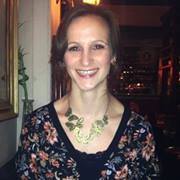
Hemos leído sobre la importancia del agua y del oxígeno para nuestra vida, pero ¿qué sucede con la luz? En particular la iluminación artificial. También hemos leído sobre los cambios sociológicos que implicó dominar la oscuridad de la noche, pero ¿qué sucede con la forma en que iluminamos los espacios que habitamos? ¿Qué efectos tienen en nosotros los distintos tipos de iluminación artificial? Con un tono personal y fuertemente documentado, Anna Levin nos invita a conocer cómo nos afectan los distintos tipos de iluminación. Desde las ondas que generan las pantallas y afectan nuestro sueño hasta las diferencias entre las ondas que emite una lámpara incandescente contra un sistema de iluminación fluorescente. Si los distintos tipos de iluminación inciden en nuestro cuerpo, ¿qué sucede entonces con la iluminación de los espacios públicos? Como todo buen texto, Incandescente brinda mucha información, resuelve varios interrogantes pero su nodo central está en la cantidad de nuevas preguntas que nos genera. Anna Levin tiene un interés especial en la conexión de las personas con el mundo natural, y hace que los temas científicos complejos sean interesantes y accesibles para un público en general. Supo ser editora de sección de bbc Wildlife y ahora escribe para una variedad de publicaciones y organizaciones ambientales. Adicionalmente trabajó ocho años como editora colaboradora en el Royal Botanic Gardens Edinburgh. En 2014, colaboró con la reconocida fotógrafa de vida silvestre Laurie Campbell para el libro Ripples on the River - Celebrating the Return of the Otter. Su último libro, Incandescente , explora cómo la luz artificial está dañando nuestro planeta y nuestra salud.
Anna Levin is a writer with a special interest in people’s connection with the natural world, and she makes complex scientific subjects interesting and accessible to a general readership.
A former section editor with BBC Wildlife, Anna now writes for a variety of publications and environmental organisations – including eight years as a contributing editor with the Royal Botanic Gardens Edinburgh. In 2014, she collaborated with renowned wildlife photographer Laurie Campbell for the book Otters: Return to the River.
Her latest book, Incandescent, explores how artificial light is damaging our planet and our health.
Climate change is happening whether you like it or not, and various places are taking steps to reduce the amount of carbon dioxide that we are pumping into the atmosphere. There are various ways of doing this, cutting coal, making more efficient vehicles, insulating home and lots of other methods of reducing energy consumption overall. One of the target areas has been lighting, moving away from the old incandescent lamps, changing first to compact fluorescent lamps (CFL’s) and with the advent of cost-effective LED lamps even greater energy and carbon saving can be achieved, often to the tune of 90% less energy used.
A perfect solution you’d think, but things are never as straight forward as you think. To start with CFLs use mercury in the way that they create light, so whilst being more efficient, they are often the cause of mercury pollution in the water table as they are not properly recycled. They often took ages to warm up; the joke being, that you had to turn them on as yeo went to bed to make sure they were bright enough in morning… LED seems to solve a lot of the problems, instant turn on, now as bright as the original lamps and are super-efficient. They have their drawbacks though, they use rare earth elements in their construction, which are often sourced from countries with less than stable governments and even though they last much longer than incandescent, the quality of the light is not as good and the light output degrades over time too.
Light is fundamental to our very ecosystem on the earth. It determines all sorts of natural events, in animals, plants and sea life. The advent of artificial light has meant that we have pushed our natural rhythms to the very limit and the long term implications of doing this are still only poorly understood. Anna Levin has had a fraught relationship with these new lighting technologies. After it became harder to get hold of incandescent lamps she switched to the fluorescent types but found they made her ill. The advent of LED lamps on the market helped her a little, but as a lot are poorly made, then there was not much improvement. She would end up trying to avoid anywhere that relied on these artificially created light sources as the ban on incandescent and halogen kicked in.
She soon discovered that she was not alone either, there were lots of people who were suffering all sorts of illnesses and effects from these lamps. There are those that have stockpiled the older style lamps to use for the years ahead. Further investigation revealed that the regulations that manufacturers had to comply with were pushed through with very little consultation and at a greater rate than manufacturers could adapt to the changes. This meant that factories in the EU lost out on business to the far east and often the quality wasn’t what was needed.
There is a certain irony that since these regulations were passed and the ban on incandescent lamps enforced, domestic energy consumption has risen since. The overall saving effect is zero according to the UK Department for the Environment. For example, the heat dissipated by conventional incandescent lamps is reduced, the missing warmth is compensated for by the central heating system, negating savings in energy and carbon overall. When pressed the EU says that it hasn’t looked at the savings that the changes in lighting have brought so far and also stated that it was ‘still premature to draw conclusions’ when they were asked just how much carbon dioxide had been saved…
Part of the reason that I know so much of what she is talking about in here is that when I don’t have my head in a book, in the real world I have been a development engineer in the lighting industry for the past 15 years. I have even had the pleasure (not…) of reading the new Single Lighting Regulation that was published in December 2019. I have designed and developed various LED products and seen some of the benefits that these new technologies can bring. All the lamps I have at home are LED, but I have chosen branded flicker-free lamps that have a warm colour temperature. Having said that, there are certain applications where LED lighting is not the most appropriate nor efficient method of illumination.
I thought that this was a really well-researched book as Levin is spot on with the technical details in here. It is well written and argued too; she is saying that the various bans on incandescent lamps that have rippled around the world have never taken into account the quality of the light that the replacements have offered when compared to the older lamps. Those replacements are not as easy to recycle as the old incandescent lamps either. Part of what she is saying is that consumers have never been offered a choice with any of these technologies, unlike with other electronic items in the home you can choose to use a more or less energy-efficient product that meets particular standards. None of this detracts from the urgent crises of climate change, but this subject needs to have an open and transparent discussion because it feels like it has been steamrollered through but the powers that be.
Nunca me había puesto a pensar en los efectos que puede tener la luz artificial (en especial las luces LED) en la calidad de vida de las personas. Anna Levin nos presenta este tema de una manera fascinante. Es un libro de poco más de 200 páginas que pasa volando y que sin duda es una lectura sumamente interesante. Quiero destacar la gran labor de edición de @edicionesgodot, siempre traen excelentes novedades de autores a lo largo y ancho del globo. Si les interesan los temas vinculados a la ciencia y la calidad de vida entonces “Incandescente” es para ustedes.
I love the style Anna chose for this book - her storytelling really brings it to life. Throughout, I was shaking my head, outraged, I had goosebumps... I felt I was there with her through all the confusion, worry and determination. And what determination. What an inspiration Anna is.
What an accomplishment, to so beautifully take your reader on the journey with you. Anna achieves this in spades as she navigates unfamiliar territory and finds herself on the wrong side of something she cares about, suddenly pitted against people she agrees with in principle, but not in the actions taken.
I felt such a resonance with so much of what Anna said in this book - my own journey is leading me to many of the same conclusions and had I read Anna's Incandescent and Linda Geddes' Chasing the Sun books earlier in my journey it would have been a much shorter one! Thank you so much, Anna, for your work.
I’m biased because my story is in it and I can’t thank Anna enough for giving a voice to the many people who bravely offered up their lives as examples of the hurt, isolation, and damage of the battle over light.
La autora nos habla de como el cambio del tipo de bombila para iluminar hogares y los diferentes espacios publicos comienza a afectarla. Este libro es el relato sobre la busqueda de la autora de iformación para obtener ua respuesta a su problema. El inicio me resulto interesante, pero cuando comienza a detallar cada parte del cuerpo que es alterada por la luz y da detalles demasiados tecnicos comenzo a aburrime, de hecho comence a leerlo salteando lineas porque realmente me expulsaba de la lectura. Hacia el final cuando empieza a analizarlo de una manera mas filosofica, buscando una respuesta a su pregunta de porque cuando habla de la luz automaticamente la gente deja de interesarse como si su problema y el de muchas personasmas alrededor del mundo no fuera importante, ahí volvió a engancharme.
This entire review has been hidden because of spoilers.
This was a book club choice, which I found interesting to a point, as a topic I've not previously given much thought to. Overall though, it was a bit too hectoring and lecturing (on lightbulbs especially) and not as much attention was given on the effects of light pollution on the natural world as I'd have hoped.
Este libro es totalmente distinto a lo que suelo leer sumado a que nunca he leído nada en relación a la historia de la luz y como nos afecta diariamente la exposición a ciertas luces y los efectos que esta tiene en nuestra salud y como le afecta a la flora y a la fauna. Interesante
Me gustó mucho este libro, no solo porque habla de la importancia de la luz, algo que intuitivamente todos sabemos, sino que nos invita a cuestionar lo que sabemos sobre la luz. Me dejo muchísimos interrogantes.
Es muy interesante el género de no ficción pero creo que este libro es particularmente tedioso. Por momentos, logras empatizar con la historia pero no mucho más.