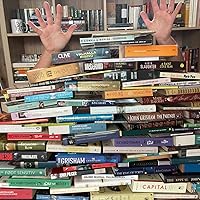
David R. Montgomery and Anne Biklé take us far beyond the well-worn adage to deliver a new the roots of good health start on farms. What Your Food Ate marshals evidence from recent and forgotten science to illustrate how the health of the soil ripples through to that of crops, livestock, and ultimately us.
The long-running partnerships through which crops and soil life nourish one another suffuse plant and animal foods in the human diet with an array of compounds and nutrients our bodies need to protect us from pathogens and chronic ailments. Unfortunately, conventional agricultural practices unravel these vital partnerships and thereby undercut our well-being. Can farmers and ranchers produce enough nutrient-dense food to feed us all? Can we have quality and quantity?
With their trademark thoroughness and knack for integrating information across numerous scientific fields, Montgomery and Biklé chart the way forward. Navigating discoveries and epiphanies about the world beneath our feet, they reveal why regenerative farming practices hold the key to healing sick soil and untapped potential for improving human health.
Humanity’s hallmark endeavors of agriculture and medicine emerged from our understanding of the natural world―and still depend on it. Montgomery and Biklé eloquently update this fundamental reality and show us why what’s good for the land is good for us, too. What Your Food Ate is a must-read for farmers, eaters, chefs, doctors, and anyone concerned with reversing the modern epidemic of chronic diseases and mitigating climate change.
David R. Montgomery is a MacArthur Fellow and professor of geomorphology at the University of Washington. He is an internationally recognized geologist who studies landscape evolution and the effects of geological processes on ecological systems and human societies. An author of award-winning popular-science books, he has been featured in documentary films, network and cable news, and on a wide variety of TV and radio programs, including NOVA, PBS NewsHour, Fox and Friends, and All Things Considered. When not writing or doing geology, he plays guitar and piano in the band Big Dirt. He lives in Seattle, with his wife Anne Biklé and their black lab guide-dog dropout Loki.
The thesis of this book is simple: 1) you are what you eat 2) your food is what it eats 3) ergo, you are what your food ate
This means that, for example, the "same" food can be more or less nutritious, depending on what soil or fodder it was given.
There are, as you might imagine, a lot of details, and the authors do a good job of providing them. They survey the history of how modern agriculture came to be, especially from the point of view of those who were skeptical of it. There has been a lot of research done on this, but there is an industry with a strong incentive to trumpet one kind of research result, and not the other kind.
There is also a very real tradeoff between two strategies: 1) provide the plants with the resources (such as Nitrogen) that they need, this year, by purchasing it and applying it to the soil 2) create a rich organic ecosystem in your soil, that will continue to provide resources (such as Nitrogen) more or less for free
System 2 gets slower results, but in the longer run costs less. It is somewhat like the financial question of debt-fueled growth vs. organically (yes they actually use that term) fueled growth. It should be noted that system 2 is not synonymous with "the old ways"; tilling the soil is a practice as old as the plow, but it disrupts the fungal and microbial life in the soil, which can lead to long term deterioration.
The second problem with system 2, and here is something that the authors could have done more to discuss I think, is that it is more difficult for a farmer to track their progress. If you apply chemical fertilizer or pesticide, it is more straightforward to evaluate your results. Did you get a better yield, that year? If you are instead using the various alternatives to tilling and agrochemicals (e.g. crop rotation, no-till, etc.), is it working? Is your soil's organic matter going up? Is your supply of beneficial mycorrhizal fungi going up? I'm sure it's possible to measure this, but I'm not sure if that's easy or hard for a typical farmer to do.
Similarly, they cover the abundant evidence of differences in the nutrition of a given species of plant or animal food, from one farm to another and one year to another. One point they make repeatedly is that it does not only matter whether or not the crop was grown organically, it also matters how many years organic practices have been used on that land. Here again, it is difficult for a typical consumer to actually find out whether or not the carrot or apple or what-have-you that they have bought in the grocery store is more or less nutritious than the one they bought at the farmer's market. As W.Edwards Deming used to say (in a different context, about how factories were run), "what gets measured, gets improved". If the size or sweetness of an apple is greater, the money it fetches at the market is greater; not so if it is more nutritious. Therefore it is no surprise that agriculture has invested a great deal of time and money in making apples (and every other plant) retain more water and sugar, and little on making it more nutritious. Currently, we (the people who buy this stuff) would not reward them for it if they did.
Still and all, there is a prodigious amount of published science on this topic by now, and the authors do a good job of guiding us through it. In fact, you may find yourself somewhat overwhelmed by the amount of scientific studies which are cited. But, overwhelming as it is, the bottom line is fairly straightforward: it matters how your food (plant or animal) was grown, and the larger scale farms are not generally doing it in ways that we would like the looks of, if we saw it. Buy more from small-scale farms at your local farmer's market, or even from the farm itself when you have the option, and try to garden a bit yourself. I will try.
I initially hesitated to read this book -- erronously -- assuming I pretty much already knew what it would tell me (having read and loved the authors' previous three books). Far from it! This book presents the complex and important subject of agricultural practices and soil & human health with the latest in-depth evidence and factual research, including the scientific insights and recommended good practices. Every chapter provides mind boggling a-ha! moments and fascinating information, gathered meticulously from reliable sources. Highly recommended for everyone who eats food.
What Your Food Ate is a comprehensive book about the importance of soil health because almost every living thing eats something that comes out of the ground. The book is divided into 4 sections - soil, plant, animal, people. It covers in each section how soil health impacts each of these areas. While I was aware of the importance of soil health Montgomery REALLY goes into detail about a lot of things I wasn't as aware of. Most importantly to any nay-sayers, there are TONS of studies from the past and present that detail how food grown in quality soil has more nutrients, is better able to fend off pests and disease, and tastes better - and this applies to animals who eat better quality grass/hay/feed and then goes on to us as humans. If we eat food either directly from quality soil (vegetables, fruit, grains, etc.) and also animals who are eating these better quality foods, then we will also take in more nutrients and be able to resist disease and/or heal more quickly. Anyone interested in regenerative food already knows this, but Montgomery does a really good job of really showing the data to support this claim. He also makes a point to say this is not a book about conventional farming vs. organic farming - this goes beyond both. What continued to be highlighted to me throughout the book was how when humans think we're smarter than nature or can bend nature to our will (which is usually about making money) it does not go well. I hope that more people wake up and see that the answers to food and environmental issues is not plant-based (but still industrially made) "meat," but regenerative farming that heals the land and produces high quality, nutrient-dense, and better tasting food. Industrial agriculture literally does the exact opposite of that to the land, to the animals, and to the people involved. My only complaint about the book is that it is VERY science/data heavy and somewhat repetitive. But, I would still recommend it for anyone who is interested in food/farming/regenerative food.
Some quotes I liked:
"There is no shortage of opinions about what we should eat. People argue endlessly, for example, over whether we should eat less meat, more meat, no meat, or meat that isn't meat. What's typically missing from the framing of dietary choices is how we grow what we eat. The way we raise our crops and livestock proves as important as what we choose to eat." (p. xii)
"Proponents of GM [genetically modified] crops also claimed that they would reduce pesticide use. Widespread adoption of crops genetically modified to resist glyphosate did indeed reduce reliance on some much nastier herbicides. But it took just five years after glyphosate came into common use for resistant weeds to begin appearing and spreading across American farms. A 2012 survey of farmers found that almost half reported glyphosate-resistant weeds on their farms. Now the growing problem of herbicide-resistant weeds is spurring new efforts to market even more toxic multiple-herbicide cocktails. That's not progress. It's digging the hole you're in deeper." (p. 59)
"Testing of 1,000 adults living in the United States found pesticide residues in all but 20, with 6 pesticide metabolites occurring in more than half of those tested, indicating widespread exposure of the general public to pesticides or their residues. Dietary intake is the most likely pathway for such widespread exposure among the nonfarm population. Little is known about human metabolism of the dozens of most commonly identified pesticide residues...A study of more than 4,000 U.S. adults found substantially lower urinary organophosphate pesticide levels in frequent consumers of organic produce." (p. 169)
"Glyphosate occurs in food, though at low concentrations relative to its reported direct (acute) toxicity. USDA testing in 2011 found glyphosate residue in more than 90 percent of several hundred soybean samples. Did this trigger wider testing? Nope. The agency already considered glyphosate safe...So until recently, hardly anyone, let alone the USDA or the Food and Drug Administration, tested for glyphosate or its primary decay product in food. Yet now that it has been found in food, blood, mothers' milk, and wine, researchers are starting to ask what it might do when it gets in us. A 2020 review found that more than half the species making up the core human gut microbiome may be susceptible to disruption by glyphosate." (p. 173-74)
"When [Jonathan] Lundgren worked out the typical per-acre costs in South Dakota for Bt corn seed, herbicide, and fungicide, his estimated total bill came to $167 per acre. For a 400-acre farm this translated into about $67,000 a year on pesticides, $10,000 more than the state's median household income. He sees South Dakota farmers throwing away the equivalent of a second income that could bring kids back to the farm." (p. 191)
"Diet-related chronic diseases were surging in wealthy countries, and obesity rates were climbing by the closing decade of the twentieth century. In 1980, the Centers for Disease Control estimated that just under half of Americans were obese or overweight. By 2010 that figured rose to nearly three-quarters." (p. 288)
"COVID-19 laid bare the vulnerabilities of those with chronic diseases in the midst of a pandemic. Another sort of vulnerability came to light when America's meat-packing plants had to shut down, exposing the fragility of industrialized animal husbandry. But the pandemic also showed how resilient - and adaptable - diversified, smaller-scale supply chains can prove. When the closure of restaurants eliminated wholesale accounts for small farms, many shifted to direct-to-consumer sales and e-commerce. That's not to say it was easy or that everyone succeeded. Still, the lesson matters. Distributed systems of smaller, interconnected pieces can react quickly, making them more resilient than centralized industrial systems too rigid to rapidly respond to crises." (p. 362)
I am a David Montgomery-head. I've followed him around conferences to get him to sign a copy of one of his books. The Hidden Half of Nature and Growing a Revolution were mesmerizing, wonderfully written, and inspiring. What Your Food Ate was repetitive and included too much summarizing of various studies on soil health. There needed to be a final chapter tying the studies and health outcomes to recommendations for the general populace on how and where to find products that support the farmers who practice regenerative ag.
This book should have been a blog post or article. The main point it that the better quality of nutrients going in, the better nutrients come out. Far too long.
I am reading several books relating to microbiology at the same time, gathering angles. This one takes a close look at the food chain, from soil to us, going through what the animals we eat are fed.
Over the years, there have been studies trying to see if conventionally grown produce is more or less nutritious than its organically grown counterparts. Not very much changes at the macronutrient level, but the micronutrients do. Minerals and phytochemicals are significantly more abundant in produce grown in soil populated by a diverse microbiome. Consistently, growing more volume of food, and this applies to animals as well, raises the availability of our caloric intake and lowers its nutritional density overall. This results in malnourished people who have a very hard time not becoming obese.
Far be it from me to appeal to common sense in general, but in this case, it really comes down to eating enough, not too much; mostly plants, whole, and minimally processed, preferably grown in healthy soils without pesticides or synthetic fertilisers; preferentially wild-caught fish, a balance of white and oily; meat and full-fat dairy from animals raised in their natural environments, grazing and foraging and living outside where they can roam and spend time in the sun. This is not an attainable way to eat for most people for many reasons, but any change in our diets that gets us closer to it, is a step in the right direction.
Montgomery and Biklé's The Hidden Half of Nature remains my favorite book on the microbiome, and this is also worthwhile. PROS: Served to remind me to support organic and no-till agriculture; take my Omega-3s (algae-based in my case); and buy all our fruits and vegetables organic, rather than just the EWG's Dirty Dozen. (I learned that when headlines report little difference between conventional and organic they're talking about the macronutrients. The levels of polyphenols, flavonoids, omega 3s, and minerals that all convey the real nutritional value seem to always be higher in organic.) CONS: I was surprised and unconvinced by the authors' approval of eating a small amount of dairy and beef from grassfed cows (but definitely not from CAFOs), and IMHO they occasionally overreached (CLA is never found in plant foods? What about white button mushrooms?). Also, the book gets repetitive. But some of it is worth hearing twice.
A lot of insightful points about soil health, regenerative farming, etc. I learned a lot and will definitely consider my choices more carefully in my day-to-day. However, the book was incredibly long and could get very repetitive. I think it could have used some better editing to find an appropriate balance between showing how well-researched the author was and summarizing into more digestible, concise points. I also wish that the final summarization showed more of actionable items and movements to join in order to move our world in a better direction.
How hard would it be to cite sources for assertions that they make? It's a good book, but it's annoying to read all these things that are questionable, without knowing where they got that info from.
Dit boekt neemt het wel bekende gezegde "je bent wat je eet" en tilt dit naar een hoger niveau, "je bent wat je voedsel eet".
Om een of andere reden is veel wat in dit boek is beschreven redelijk intuïtief, maar toch erg verhelderend. Een oprechte aanrader voor iedereen die bezig is met het hanteren van een gezond voedingspatroon en interesse heeft in de duurzame ontwikkeling van het landbouwsysteem. Dit boek laat zien wat funest is voor het bewerkstelligen van een transitie naar regeneratieve landbouw, het laat zien hoe we weg kunnen stappen van van traditionele gewoontes zoals overmatige toepassing van kunstmest en het chemisch bestrijden van onkruid, bacteriën en schimmels.
Alles wat wij als mens eten komt in essentie neer op wat de gewassen 'eten' die wij vervolgens weer eten (of de veestapel), en hiervoor is een gezond bodemleven van het hoogste belang. Dit boek laat zien hoe de mensheid na de Tweede Wereldoorlog heeft ingezet op kwantitatief veel voeding in plaats van kwalitatief hoge voeding. Onbewust misschien, maar dit is wel het gevolg geweest van de naoorlogse Groene Revolutie. Regeneratieve landbouw heeft zich op kleinere schaal bewezen als serieus alternatief voor een betrouwbaar en bestendig voedingssysteem. Landbouwsystemen moeten we meer beschouwen als ecosystemen welke we gezond dienen te houden in het belang van onze eigen gezondheid. In het kort: hoe kan de voeding die wij eten gezond zijn als de bodem waaruit dit komt nagenoeg afhankelijk is van kunstmatige voedingsstoffen en chemische bestrijdingsmiddelen?
Enige punt van kritiek is dat dit boek wel wat bondiger beschreven had kunnen worden. Om hetzelfde punt te maken gebruikte de auteurs soms een hoop wetenschappelijke studies om dit te onderbouwen, dit maakte natuurlijk het argument sterker maar ook langdradig op sommige aspecten. Dit zorgde er aan de andere kant wel voor dat er nagenoeg geen ruimte overblijft voor twijfel aan de nodige maar eenvoudige boodschap van dit boek: "je bent wat je voedsel eet".
This book is incredibly informative, thorough, and well-researched. As a casual reader, however, it was a bit too academic in structure to hold my attention (and I generally love books on similar topics!) - the authors would go down such long rabbit holes summarizing individual study findings that proved a point that proved another point that proved their main point that it was hard to keep track of the main line of reasoning. At some point, arguments that I thought had been well proven at the beginning of the book would seem to return with another whole section of reviewed research, although I’m sure there was some minute difference. The best chapters felt more journalistic than academic and included interviews, case studies, and observations intermixed with scientific research - these sections were enjoyable and impactful, I just wish more of the book had been in this style.
I went into this book inclined to agree with its conclusion: that the food your food eats matters.
But the supporting arguments were unsatisfying. Relying primarily on studies to support your arguments is generally not a bad thing, but the studies were never qualified. Not all studies are created equal but this book presents them as unquestionably persuasive. This created a loss of confidence and made getting through the text a slog.
Such an important book! It matters how we treat the soil we farm, and how we treat farm animals. Why? Because that in turn decides if we are going to have a planet to live on in the future, as well as our health as human beings in that future.
This book gives you lots to think about. Healthy soil gives us healthy plants and healthy animals, which makes us more healthy. I like that it not only talks about the current problems, but offers proven solutions. It really would MAHA.
“Laying out the evidence connecting soil health to crop health, livestock health, and human health, the pieces fit together to reveal a fundamental truth. Healthy, life-filled soil makes for healthy, nutritious crops, forage, and livestock that, in turn, support human health. Seen in this light, our health or lack of it reflects how we treat the land.”
We are what we eat and they are what they eat, and what they eat depends upon the health of the soil, which is alive. So, to be healthy, or at least avoid disease, we need to heal the soil.
The two authors show this in detailed, painstakingly detailed, arguments. All the details, including the repeated scientific studies, felt repetitive after a while. It is convincing to me, but then I didn’t really need convincing. Perhaps that is the point. For me, a much shorter book would have been sufficient, but for those on the fence, the lengthy repetitive arguments are probably needed.
Great book, very informative and all the claims they make are backed up with lots and lots of data and information. It’s a bit dense and took me a while to slug through but I definitely feel more informed! Shifted how I think about nutrition and organic foods and all of that. It’s an interesting read!
This book was fantastic. I loved it. It definitely has made me rethink some things about food and farming. It’s pretty heavy on the science, but that fascinated me. While it doesn’t sound like the changes that need to be made—and farmers are adopting some, like cover crops and no-tilling—the issue seems intractable with Big Herbicide having quite a bit at stake; glyphosate (ie Roundup) is from the devil, but there’s so much money in it and other chemicals. If there’s one criticism of the book—not counting the Audible narrator—it’s that it wasn’t well organized. There were many aspects which were discussed repeatedly.
Montgomery argues that not paying enough attention to plan nutrients, particularly soil health, leads to chronic medical conditions, destroyed ecosystems, and accelerated climate change. In organic farming pioneer Eve Balfour's words, "[t]he health of soil, plant, animal, and man is one indivisible whole." Tillage, for example, a core practice of modern farming, wreaks havoc on the land. By turning the land to prepare it for growing crops, farmers destroy natural resource sharing between fungi and plants (exchange of water for nitrogen), good bugs (e.g. vermicomposting), and cause irreversible soil erosion.
The core concepts of the book were interesting. I was certainly convinced that the standards of modern-day farming need revision in favor of long-term, sustainable solutions. However, I thought that: (1) the book could be half the length it was. A lot of the arguments and examples were repeated ad nauseam. Toward the end, I skipped entire chapters knowing fully well that they would be a different flavor of a previous paraphrase. (2) the question of how to feed a growing population while preserving good plant nutrients, one of the central questions of the debate, was a bit awkwardly treated. The final argument wasn't very convincing. (3) some use cases were far-flung and removed from the point the author was trying to make. However, the author still used them as supporting examples. It felt like the author had run out of solid examples and was grasping at straws to find other supporting use cases.
Overall, the topic is fascinating and I'm glad I read about a field I knew very little about. I think there may be better literature out there, however.
To have healthy food we need to start with healthy soil. This book is a call to be part of the regenerative farming movement that includes successful practical, cost-effective ways to care for the soil-and-food aspect of our lives. What Your Food Ate is well-researched, convincing, very readable, well-written and lively. It is a book to read carefully, in small bites: rich, nutritious and very filling. Your brain will need time to digest each chapter. A book to come back to repeatedly, to top up your learning and check your beliefs. Dave is a geologist, Anne a biologist. They re-examine beliefs about health, medicine, our bodies, our food and our farming, showing how regenerative farming can heal the soil, restore the land and grow nutrient-dense, flavor-packed food, helping us towards better health. The health of the pasture influences the health of the livestock. And the health of our food influences our own health. Hence the title of this book, What Your Food Ate. The food we buy today is a lot less nutritious than that our grandparents ate as children. You need to eat several of today’s apples to keep the doctor away! When food production follows short-sighted goals, water and air pollution, climate chaos, and bad working conditions for farm laborers all prevent optimal general health and well-being. Desires for easily obtained (“cheap”) food, sufficient for everyone (if fairly distributed) led some to believe bigger was better, and more was better still, with a focus on calories rather than quality. Nowadays, over two-thirds of Americans are overweight, and obesity-related illnesses account for 20% of healthcare spending. The percentage of income spent on food fell by half since the 1950s, but the cost to society of healthcare more than doubled. It has become more profitable to treat chronic diseases than to prevent or cure them in the first place. How food is grown affects human health. Cheap food has high costs! In the past century we have switched from eating mostly minimally processed plant foods and some meat, to more than half the calories filling up North Americans now coming from ultra-processed foods. Many chronic diseases and auto-immune disorders arise from inflammation In good soil, plants take in what they need of both macro- and micro-nutrients. Disruption caused by the agronomic trinity of mechanized tillage, agrochemicals and monocultures leads to weaker plants and less nutritious food. Industrial fertilizers tend to contain only macronutrients. These do spur growth, especially in poor soils. But plants (and animals) need micronutrients too. How do plants eat? Photosynthesis fuels plant growth by combining water with carbon dioxide. The soluble part of the humus in the soil is drawn up in water by the roots, growing the plant. This discovery led to the temptation to supply soluble chemicals directly to the soil to boost growth (hydroponics). How do insoluble minerals move from the soil into the plants and animals that become our food? Rocks and soil supply the elements that don’t come from air or water, via the bodies of microbes (bacteria and fungi, including mycorrhizal fungi that coat the roots of some crops), cycling them around. For those seeking a concise understandable description of plant nutrition, photosynthesis and soil microbes, you’ll find it here. Carbon makes up half of the soil organic matter; plants actively recruit and support communities of microbes that promote their well-being. A 1994 study showed that tropical soils could only be tilled profitably for less than ten years, after which the organic matter had been used up. Temperate prairie soils typically survive for just over 50 years of tillage before wearing out. Starving soil microbes in the pursuit of quantity cannot provide quality crops. USDA agronomists found significant declines in iron, zinc, and selenium in wheat varieties from 1873 to 1995. When high-yielding Green Revolution varieties were introduced they unintentionally decreased mineral density. Breeding for larger size causes the nutrients to be diluted to fill the larger product. But ignoring nutrient density, we are feeding many people a relatively empty diet, leading to obesity and chronic illness. In the same world, other people have insufficient calories and chronic micronutrient deficiencies. In England, the Broadbalk Wheat Experiment started in 1843 to test the effects of various chemical fertilizers and organic manures on yields. Concentrations of four minerals in the wheat remained stable until about 1960 than decreased significantly every year after that, despite there being no decline in the mineral levels in the soil. A wheat farmer in Oregon grew two adjacent fields of the same crops, under two different methods of weed control. One was the conventional method of continuous winter wheat with applications of glyphosate. The other was a complex rotation of spring barley, winter wheat and a cover crop mix. The purpose was to determine if keeping the fields vegetated year-round would outcompete the weeds and make glyphosate unnecessary. After two years both fields produced 75 bushels an acre. The wheat from the cover-cropped field had 35%-56% more boron, manganese, and zinc, and 18%-29% more copper, iron and magnesium, without any supplemental minerals. Trillions of microbes were ferrying the minerals to the crop. Suspicion that farming practices, soil health, nutrient density and human health were declining had been a concern in England since 1939. A 1936 study found two-thirds of children had major dental problems. For comparison, the English population of Tristan da Cunha, an island in the south Atlantic, had perfect teeth. The agricultural methods were to blame. It is now thought that exposure to soil and its microbes, fungi and bacteria early in life protects against asthma and allergies. A troubling question has been whether we can feed the world while also nurturing soil life and building fertility. It might be thought that the decline in nutrient content could be offset by eating more, but that is not so. Although nitrogen is nitrogen regardless of the source, there are differences in what else (if anything) is delivered with the nitrogen. Synthetic nitrogen can stimulate microbial activity, causing organic matter to break down quickly. Corn, wheat and rice all take up more nitrogen from the soil organic matter than directly from applied chemical fertilizers. A 2017 analysis of 56 studies globally paired organically farmed and “conventionally” farmed fields with the same soil type, for 16 years. Organically farmed soils held almost 50% more carbon and nitrogen, with more microbial diversity than the conventionally farmed soils. When farmers in the 1990s took a shortcut to dealing with weeds using glyphosate, they found that glyphosate-resistant GM corn, cotton or soybean yields did not grow bigger than non-GM crops despite the lack of weeds. And by 2012, almost 50% of farmers had glyphosate-resistant weeds in their fields. Glyphosate was marketed in 1964 for cleaning corroding pipes. Next it was marketed as an antibiotic. Consuming antibiotic-laced food messes with our gut microbiota. Roughly 40% of the molecules in our bodies come directly or indirectly from our gut micro-biota. In the soil, glyphosate binds to minerals, substantially reducing uptake of copper, zinc, manganese, iron and calcium, making them almost unavailable to plants and microbes. After glyphosate use, neither crop plants nor weeds are able to make several essential amino acids. Glyphosate damages the mitochondria of some plant and animal cells (but apparently not mammals). Beneficial microbes suffer from being dosed with an antibiotic, leaving plants vulnerable to pathogenic fungi such as root rots, and the consequent stunting of growth. In the 1990s, 24 diseases in 14 crops were found to have increased with glyphosate use. Modern processing strips important nutrients from our staple grains. It has long been known that white rice causes deficiencies leading to beriberi. A 2010 study showed that eating white rice five or more times a week increases the chance of diabetes by 20%. Eating brown rice twice a week or more decreased the chance of diabetes by 10% compared to eating it only once a month. During the Second World War, people in the UK switched to being more food self-sufficient. Public health improved during the war years, as people were encouraged to “Dig for Victory”; dietary education was widespread; sugar imports were cut while those of cheese, fish and dried pulses were increased; wartime bread was made with less-refined flour; and food was rationed (meaning rich and poor got more equal access). The health of the nation improved. After the war, nitrogen fertilizer was promoted, using factories where nitrogen had been made into explosives. High levels of nitrogen in our food and water react with amines in our stomachs, forming nitrosamines, associated with cancer of the stomach, bladder, and in men, the prostate, in women, the ovaries. Colorectal cancer and thyroid disease, as well as birth defects, are connected with high nitrate levels in drinking water. Minerals and vitamins are adversely affected by high nitrate levels. Consuming fresh vegetables and fruit provides something of a protective effect. When the USDA decided to include hydroponic food production as Organic, many farmers pointed to the wording in the Standards requiring good soil health practices, and formed the Real Organic Project. Hydroponic growers choose what to put in the water they cycle through the roots of their crops. When profitability and not health is the highest value, they add the NPK and not the micronutrients. Relying on chemical fertilizers increases the demand for pesticides; higher pesticide use compromises plants’ ability to defend against soilborne pathogens. Soils farmed organically have a higher abundance of mycorrhizal fungi, likely contributing to disease suppression. Soil building practices improve soil health, crop health and human health. Microbes from compost provide huge benefits to the soil, even when the compost is spread only thinly. They boost the abundance and activity around the crop roots and suppress pathogens. Farming practices that promote mycorrhizae and increase the beneficial bacteria will increase the mineral and phytochemical content of the crops, making them healthier, more resilient and more productive. People eating those crops have the phytochemicals they need to enjoy good health. Just a month on a phytochemical-rich diet (whole grains, nuts, at least six servings of vegetables and fruits daily) reduce cholesterol levels by around 15% and increase antioxidant activity by 1/3-2/3. Consuming half a clove of garlic a day can reduce cholesterol levels by 10% - I’m not sure how long that regimen lasted. Of 100 preschool children in Seattle, 99 had measurable amounts of at least one pesticide residue. Almost 75 had two or more. Those in households where pesticides were used in the garden had higher levels than those that did not use pesticides. Tests on 1,000 adults in the US found pesticide residues in all but 20 people, indicating widespread contamination. Levels varied one-hundred-fold. Changing to an organic diet can decrease levels within a week. Pesticides have effects beyond the target plant. Acute exposure is most dangerous, but chronic exposure from inhalation, skin exposure, food and water can all take a toll over time. Falling human fertility rates have been linked to pesticides. Prenatal exposure has been linked to developmental problems in the first two years of life. Childhood exposure increases the odds of ADHD and other neurobehavioral problems as well as leukemia and non-Hodgkin lymphoma. Farmers, with a higher-than-average exposure to glyphosate, have higher rates of lymphatic cancers. Pesticide residues are also associated with many gastrointestinal, neurological, respiratory and reproductive effects, Parkinson’s disease and endocrine disorders. Over the past century our growing use of pesticides has killed off almost half of the world’s insects, and large numbers of grassland birds. Among conventional agronomists glyphosate is generally regarded as safe because it has low acute toxicity and it was believed to break down rapidly in the soil. More recently, concern has increased, partly because glyphosate seems to be everywhere. Particularly virulent poultry pathogens (Salmonella and Clostridium) are highly resistant to glyphosate, while beneficial bacteria are killed. Glyphosate is toxic to lactic-acid bacteria that usually control Clostridium botulinum in cattle. Ingestion of glyphosate-contaminated feed could undermine the balance in the gut of the cattle and predispose them to disease. Some phytochemicals, such as glucosinolates, control soilborne pests, including fungi, bacteria, insects and invertebrates. Healthy soil helps plants resist pests and pathogens, and reduces the need for pesticides. Pests rebound faster than their predators, so the pests rebound in sprayed fields which soon have as many pests as unsprayed fields. Unsprayed fields have more predators, and no sprays. Composted plant debris and manure decrease the number of pathogens. Crop rotations can reduce soybean aphid populations to just 25% of prior levels. The chapter on dairy production is entertaining and illuminating. A cow’s rumen may hold 50 gallons of fermenting forage and trillions of microbes. The bodies of the bacteria provide protein to the cow, who converts them into meat and milk. Our stomachs are very acidic and do not digest by fermentation but by dissolving our food. Very different. In fermenting the cow’s feed, the microbiota in the rumen produce two main by-products: gases and fatty acids. Fatty acids combine to make fats, many of which are essential and valuable, such as those that build cell membranes, feed brains and eyes, and contribute to milk. The balance and composition of fats (and phytonutrients) in milk depends on the type and quality of the plants the cows eat. Today most US cows live indoors eating carbohydrate-rich foods, mostly corn and soy. Their milk contains less milk-fat and more saturated fats than pastured cows. Their butter and cheese are not as nutritious or flavorsome. The phytochemicals with antioxidant, anti-inflammatory and antitumor effects are in much lower levels in concentrate-fed cows, and their meat is not as good either. Since 1945, death from heart attacks have been associated with eating lots of animal fats, and with cholesterol in particular. The data pointed that way, but other factors, such as unsaturated fats, were overlooked. The countries with the highest rates of heart attacks and fat consumption also consume the most sugar and omega-6-rich oils from seeds. In a study, Japan and Italy had the lowest rates of fat consumption and heart attacks, with low consumption of omega-6s but lots of other fats, such as omega-3s from fish (Japan) and omega-9s from olive oil (Italy). An ignored Minnesota study from 1968-1973 found that replacing animal fats with omega-6-rich vegetable oils lowered cholesterol but increased death from heart disease. A balance of omega-6 and omega-3 fats helps the immune system to manage inflammation. The typical American diet today has 10-20 times more omega-6s than omega-3s, 3-5 times higher than what is thought best for health. Chronic inflammation in the arteries is a big risk factor for high blood pressure, heart attacks, and other indicators of cardiovascular disease. We have been encouraged to think that fish is healthier food than beef, but it depends on what your food ate. Much fish eaten in the US is farmed, kept in pens and fed manufactured feedstocks. They tend to have high ratios of omega-6s to omega-3s. Fully pasture-raised beef can be better! Chicken is no longer a low-fat alternative to beef. Many chickens today have 5-10 times more fat than those in the late nineteenth century. The ratio of omega-6s to omega-3s has increased a lot. Half of the cattle in feedlots die of bovine respiratory disease, a non-contagious chronic disease that compromises overall health. Antibiotics are commonly administered as a preventative measure, but these can lead to other problems. Rotational grazing provides ruminants with the best quality forage, and they are experts on choosing which specific items to eat that day based on their needs. Humans also have subconscious body wisdom, and choose particular foods at different times, when they can. Ultra-processed food products have manufactured sweet, salty, umami and oleogustus (fat) flavors added to make them more palatable. Receptors in the gut pass on info that sets other processes in motion, like the endocrine cells in the gut that adjust the release of insulin to match food intake. Bitter taste receptors nudge us to choose bitter foods which help us deal with some respiratory infections, potentially decreasing the need for antibiotics. Several common bitter dietary phytochemicals, especially kaempferol, resveratrol and quercetin, help knock back coronaviruses, including Covid-19. A study comparing what people ate on an ultra-processed diet and an unprocessed foods diet found that the ultra-processed diet led people to eat well beyond when they were full and gain about one pound of weight per week. The rush to low-fat diets (without distinguishing between different types of fats) led to Americans eating more low-fiber carbs and gaining lots of weight, as the carbohydrates turned into fats in the body. More bad advice was to choose lean over fatty meat, leading people to consume more processed meats with lots of salt and additives like nitrates. Diet-related chronic diseases surged in wealthy countries in the twentieth century, and dietary advice swung back and forth. The gut microbiome influences how many calories a person can extract from their food, and weight regulation is not simply balancing calories in with calories out. Low-fat diets lower the level of “good” HDL cholesterol, especially in women, and triglycerides go up. The 1990s Boeing study showed no evidence that saturated fat in the diet led to increased risk of heart disease or fatal heart attacks. 30 years previously the Food and Nutrition Board of the National Academy of Sciences came to much the same conclusion. That was opposite to the newly released US Dietary Guidelines. The book includes studies about milk, inflammation, healthcare, the balance of omega-3s and omega-6s, whole grains, vitamin deficiencies, and encouragement to support regenerative farming practices, which restore soil health, allowing production of abundant, diverse, nutrient-dense crops.
The soil is the foundation by which plants grow. Many plants today lack minerals that were once in abundance with every bite. Many apples a day would be necessary in this day and age to keep that doctor away. Soil-less hydroponics provide less nutrition to a plant. Plows kill soil dwelling organisms by destroying their homes and in doing so, the soil quality is poor. Roots seek healthy soil.
Mineral micronutrients like zinc, copper, iron, selenium, and manganese are essential to our diets. Today, micronutrient malnutrition is more prevalent than insufficient caloric intake. Calorie counting is often less important than intake of proper micronutrients and phytochemicals to prevent disease. Farming practices like plowing leads to major topsoil erosion and this has occurred to 1/3 of the world’s agricultural land. This has led to the compromised health of more than 3.2 billion people.
We grow more food from soil with increasingly worse soil health, leaving said food devoid of required nutrients. A bionutrient meter, invented by Dan Kittredge, can assess the nutrients in food including minerals and phytochemicals. While the database is currently limited, time will tell its overall effectiveness to our human and animal population. Soil requires iron, selenium, zinc, copper, molybdenum, and manganese for the growth of nutrient dense plants. Soil health should contain organic matter and an abundance of healthy community life in the soil. Conventional agriculture lacks both indicators. Furthermore, fertilizers and herbicides reduce mineral uptake of plants.
Compost boosts organism lifecycles and enriches soil. Fungi increases zinc production in soil as well as antioxidants. Plants rich in phytochemicals promote satiety, thusly reduce caloric intake. When a person eats meat, what that meat source ate is what you become. Diets and health matters prior to slaughter, and the hormones released at the point that animals are slaughtered, are chemically ingrained in the meat’s composition as well.
Richard Wrangham, an assistant of Jane Goodall, studied chimpanzee use of Aspilia rudis leaves to eradicate 80% of parasitic nematodes in the gut. Scientist Fred Provenza studied ruminants who also chose the appropriate foliage to maintain gut health. Veterinarians understand that healthy forages keep livestock healthy. Farming for health starts with the quality of the soil.
What an interesting, enlightening book. It is heavy on its sources, and very dense in some sections to explain the chemistry and bio-life that happens in our soil, and the effects thereafter on us, or on our meat/dairy and back to us.
Scary sometimes. I really had no idea just how poor our selection of food has become, and it gives answers on how to improve that via improving soil health and farming practices, but doesnt really provide answers on how lower-income families can improve their health through diet selection. Not everyone can afford going completely organic and grass fed. It's fairly unreasonable, but so is the absolute megabomb of data implicating a lot of the rise of chronic diseases to the food industry. It looks like there's a huge need for systematic change, but not many options for what a local person can do. Kinda puts you in a, "Damn, we're fucked, aren't we?" Mindset.
That said, it went into great detail and depths of regenerative farming systems, how they're created, managed, etc. Which does give some hope that healing our land is entirely possible and probably a lot easier than we think. The relationships fertilizer has with plant life was especially interesting to me.
The second half had more speculative conclusions of meta analysis studies in regards to different phytochemicals and health, which I really put a grain of salt to. When we start bringing up cancer and learning disabilities, the association to the anti-vax community gets a little closer and I get very leery. Especially when it comes to mental health, diet is obviously important, but other socioeconomic and specifically, tech and advertising factors, have huge roles in this, too. These are acknowledged toward the end of the book, which is nice.
Overall I feel it was a very informative experience. I've already become a lot more careful about my grocery pickings since starting the book, and will also take what lessons I can when my partner and I extend our garden past a basil and aloe plant. Lol
Fascinating read! They do a great job of writing science in an easily digestible way, and I eat up a narrative nonfiction. We really are what we eat, meaning we are part of a complex food system, and ignoring parts of that system have dire consequences. I thought it was interesting how they pushed red meat a little bit, in the sense that ethically raised ruminants have all these great nutrients and can be so healthy for you. I'm all for balance and letting people eat what they want, but at the end of the day the vast vast majority of the meat industry is horribly corrupt and cruel, so promoting that in any way is a little iffy for me. But that was the only thing that kinda threw me, everything else was great! I loved how they explained the different nutrients and phytochemical and the processes they help with (don't worry its very entry level), because it's easy to say that healthy soil grows healthy plants, but it's another thing to describe what healthy soil and healthy plants literally are. I read this book for an intro to permaculture class, and it's so nice when environmental science is hopeful and optimistic, instead of "the world is ending and it's our fault". Currently in another class about environmental policy... and it goes without saying there is little hope or optimism. Regenerative agriculture is one of the only ways to health our soil, which I found out reading this book is worth 20 trillion dollars and the most valuable "renewable" resource that is only technically renewable (it takes 100 years to fully form). And we're throwing it away! We're tilling and spraying chemicals with no regard to the gold we're standing on, and it's ridiculous. We need to change our agriculture here, and it starts small, with popularizing local, small, reiterative practice farms. We can do it, we just need it... do it.
The only type of colonization we need is mycorrhizal fungi.
A call for regenerative agriculture by rebuilding soil and soil health which in turn would benefit all humans - particularly, the people in America and other Westernized countries. They argue we need new tactics and technologies as well as possible subsidies for newer farmers to take over “dead” land. If the new farmers were supported to rebuild soil the farms could offer better animal welfare and improved crops (and crop diversity) which would support human health. The poor health of mono crops and the mega farms of indoor-only livestock trickle down into our own gut microbiomes causing inflammatory diseases, cancer, and basically destroying the environment. With the stripped nutrients and lack of food diversity, we are subsisting on supplements and vitamins which is not working. We are sick and this is a way to fix that. I found the chapters to be thorough and very detailed including case studies and examples of farmers who are in fact practicing what this book is preaching. Ironically enough I do eat food from one of the farmers and his methods do in fact work. He has an incredibly successful farm and supports (almost completely by himself) the produce section at the local co-op. I wholeheartedly recommend this book for first time farmers and even long time farmers. I think it is a great book for people in general to learn more about the land and what it is they’re standing on.
This book was really inspiring and insightful to encourage eating in a way that is good for our health and our community. This answered a lot of questions for me about the historical narratives that have permeated American nutritional standards. As someone who grew up on the tail end of "I Can't Believe it's Not Butter" and "Splenda" - I was curious where those weave into the story and was very satisfied with the explanations given in this book. I have been inspired to order milk and eggs from a local farm that does regenerative, and grass-fed farming as well as find local, organic veggies, even in winter when it's not as easy as going to the farmer's market. (Hello beets, kale, and squashes).
I did find this book hard to read at points as it listed study after study and got into the depths of the chemical make-up of food. Which is important, and really why the book is written, but still hard for me to focus on for long spurts so I read it in chunks.
After reading this book I see vegetables, meat, and dairy differently and can nearly see the difference in grass-fed versus conventionally grown after learning all the differences in this book.
If you are someone who struggles with the question of "is organic worth it?" and "Does it really matter where my meat comes from?" - this book is for you. Even just skimming the chapters would be good.
That said, I feel it should be named "WHY we need to heal our land..." because, while the "how" was discussed the why was a much more prevalent discussion point.