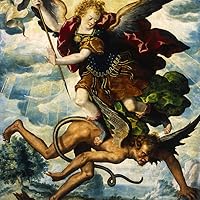
A major new history of how African nations, starting in the 1960s, sought to reclaim the art looted by Western colonial powers
For decades, African nations have fought for the return of countless works of art stolen during the colonial era and placed in Western museums. In Africa's Struggle for Its Art, Bénédicte Savoy brings to light this largely unknown but deeply important history. One of the world's foremost experts on restitution and cultural heritage, Savoy investigates extensive, previously unpublished sources to reveal that the roots of the struggle extend much further back than prominent recent debates indicate, and that these efforts were covered up by myriad opponents.
Shortly after 1960, when eighteen former colonies in Africa gained independence, a movement to pursue repatriation was spearheaded by African intellectual and political classes. Savoy looks at pivotal events, including the watershed speech delivered at the UN General Assembly by Zaire's president, Mobutu Sese Seko, which started the debate regarding restitution of colonial-era assets and resulted in the first UN resolution on the subject. She examines how German museums tried to withhold information about their inventory and how the British Parliament failed to pass a proposed amendment to the British Museum Act, which protected the country's collections. Savoy concludes in the mid-1980s, when African nations enacted the first laws focusing on the protection of their cultural heritage.
Making the case for why restitution is essential to any future relationship between African countries and the West, Africa's Struggle for Its Art will shape conversations around these crucial issues for years to come.
I used to write reviews here that were at best tangentially related to the book I was writing about and I think this reflection here will be a reversion to that era in my life. A good era.
The issue of repatriation was something I first heard about I believe from online lectures I watched by the Haudenosaunee scholar Taiaiake Alfred, and the first time I had a chance to discuss this issue with others was at an SCM reading group session for the book “Unsettling the Word: Biblical Experiments in Decolonization”, and our reading that week was Roland Boer’s chapter “These Bones Live” associating the story of militant resurrection in the book of Ezekiel with the repatriation campaign of the ‘Mungo Man’ remains led by the Indigenous Muthi Muthi community in so-called Australia.
I just have a couple excerpts to share from Baenaedicte Savoy’s book about how militant repatriation campaigns were associated with communism, particularly in uptight and conservative circles of old guard museum staff which I will append to the end of this reflection.
I just want to say first though that Roland Boer is curiously himself a communist and has written extensively on the intersections of Christianity and communism. I recognize the way Christianity has often had a very checkered and unreliable track record when it comes to both the looting of artefacts from colonized populations as well as the way it engages with radical politics.
I recently felt this most acutely when heading into town this past week to visit a Toronto Catholic parish and attend a presentation by Ka Daning Ramos a visiting peasant activist and political organizer from KMP (Kilusang Magbubukid ng Pilipinas) who was involved in organizing other peasants against land-grabbing and evictions, while also being a deep person of faith, working with many churches and faith communities, and himself teaching catechism in his parish.
Just a few hours earlier in the day, I had a very different encounter with the material legacy of another person of faith who I hold in much less esteem. I stopped by the Royal Ontario Museum, which now has its entire first floor open to the public for free. Among the exhibits on the ground floor is the Bishop White Gallery containing enormous Yuan Dynasty murals and wooden sculptures from Chinese buddhist temples. The gallery is named after the Anglican cleric William Charles White who acquired these artefacts under very questionable circumstances during a time when China was suffering from severe famine. A number of Chinese municipal officials and a Chinese student who worked under Bishop White considered his collections effectively looted artefacts. Linfu Dong, in his book “Cross Culture and Faith” published by the University of Toronto Press, writes:
“Between 1923 and 1934, White sent an astounding number of ancient and medieval Chinese art to Toronto, making the ROM Chinese collections supposedly the largest in the world outside of China…
This book raises serious questions regarding Bishop White. The 1920s, when White gathered the astounding collection later housed within the ROM, began a 'now or never' period, a window of ten to twelve years when North China was stripped of many of its ancient treasures. In 1920-1 Henan suffered the worst famine in modern history; in 1922, 1923, 1925, and 1927-8, it was civil war; in 1937, the Japanese invasion…
Poverty and warlordism combined to create both the means and the justification for large-scale exportation of Chinese art and artefacts. At bargain costs, many public and private collections in Western countries benefited enormously from those conditions. The ROM, through its agent, Bishop White, was one that benefited greatly. There have always been questions concerning Bishop White's collecting.”
Dong goes on to write:
“In 1932 a local peasant found a pit of Shang bronze and pottery in an old brick kiln, near the Zhangde railway station. Menzies bought the cheap things and Bishop White bought up the rest. Bishop White was indignant about the new law, which he felt had been brought about by 'the present selfish and narrow anti-foreign attitude' of the government. He actively sought to evade its restrictions and continued to procure objects that he knew had been obtained illegally and to ship them to Toronto. Indeed, some of his most spectacular objects were sent between 1930 and 1934… On one occasion, he was accused of possessing 'national treasure' by Feng Yuxiang. When the bishop denied holding the 'treasure,' Feng's troops seized it in transit, and the general issued a proclamation stating that 'if such an offence as that committed by Bishop White should be repeated, in the event of future troubles protection would be withdrawn from the Christian Missions”
Dong’s book later describes Bishop White’s student and successor Bishop Francis Tseng’s animosity towards White:
“After the establishment of the People's Republic of China, Bishop White was denounced by Bishop Francis Tseng, his student and successor in Kaifeng, for using the cloak of religion to plunder China's treasures. Bishop Tseng accused Bishop White of growing rich by illegal profits. 'He had been a robber of graves and a robber of souls.’”
It’s awful institutions like the ROM choose to memorialize reactionary Christians like Bishop White who looted poor countries of their ancient treasures instead of other Christians in the mould of Ka Daning Ramos who actively defend the rights of their fellow landless peasants and other environmental land defenders who are threatened by extrajudicial killings.
Anyway in Baenaedicte Savoy’s book, she focuses a lot more on European collections, largely of African artefacts. However many of the themes discussed in the book are similar to the ROM’s justifications for rehabilitating Bishop White’s reputation as a saviour of artefacts that would have been destroyed during the Cultural Revolution. However, the ROM has not lifted a finger in more recent times to return the items in Bishop White’s collections to China, which is most certainly a country in a position to care for those artefacts now, so it’s hard to peddle excuses like that anymore, especially after the ROM has followed through with repatriating a number of it’s other artefacts after being subjected to enough public shame and pressure. Anyway a few interesting excerpts from Savoy’s book to finish, which associate repatriation campaigns to communist politics:
“In an ironic reference to Karl Marx, a long article in Frankfurter Allgemeine Zeitung in May 1979 began with the following phrase: “For approximately six years, a spectre has been haunting European museums, in short, restitution.” The newspaper recalled that the process had started with a “group of black African countries” and that the same process had triggered “extremely intense emotions” in European countries with wealthy ethnological museums. But from now on, to put it bluntly, the subject had become primarily European—it had left Africa.”
“Even though there are no archival traces of museum-level solidarity between the German and British, the interview is a testimony to the countries’ parallel respones: the massive exaggeration of demands from former colonised countries; the heartfelt protestation that one wanted to “make every endeavour” to help; the call for a “European” solution of the debate; the emotionalisation of the discussion through evoking great risks in the event of restitutions; linked to this, the accusation of emotionality directed towards the proponents of restitution; the politicisation of the discussion (in Wilson’s case, with a somewhat surprising reference to Marxism-Leninism as an ideological basis for claims) with a concurrent appeal to depoliticise the debate; the stylisation of a bipolar struggle between (positive) international and (negative) national concepts of cultural heritage while drawing an outright veil over one’s own nationalistic approach; a complete disregard of colonial contexts; and a desire to remain out of the public gaze while simultaneously giving an interview...
Wilson: Unfortunately, several Socialist Third World states are campaigning under Marxist-Leninist premises. There is a great deal of confusion there. It is simply a perversion of Marxist-Leninist ideas to maintain that a nation can only ensure its cultural identity after the proletariat seizes power, that only the working class has a sole patent on national pride and needs to reverse the destruction of culture through colonialism. Some Third World states gain political capital from the debate. But we need a depoliticisation of this debate.
Welt: Is there a constructive way out?
Wilson: The dialogue should be left to specialists. Many countries need to put their own houses in order. . . .”
So toll davon zu lesen und so erschütternd, bereits in der Einleitung mitzubekommen, wie jegliche Restitutionsersuche bereits vor sechzig Jahren erfolgreich abgeschmettert wurden. Ab einem bestimmten Punkt wiederholt es sich etwas aber nur, weil dies auch deutsche Museumsdirektoren seit Jahrzehnten tun (nämlich in ihren Argumenten, die sich heute lesen wie eine überspitzte Darstellung von Rassismus) deshalb also trotzdem wichtig davon zu schreiben. Ich empfehle es definitiv weiter!
An absolutely fascinating account of how the modern repatriation climate came to be. The author was able to balance African and European voices through her research masterfully despite mostly relying on European primary sources. This is a very heavy book due to the academic style of writing, which isn’t necessarily a negative, but don’t expect to read this in a few days despite the low page count. I will definitely be returning to this book for both the writing and thorough bibliography.
Important anti colonial history. I thought the translation difficult and dense, hard to read easily without rereading sentences. Although, the story of the reaction of European museums and governments to newly free African nations requests for return of their plundered art is worth the effort.
this book will make you angry, especially the uncovered documents discussing ways to keep african art out of africa. it's such a simple concept, restitution, yet european museums come up with "excuses," one more vile and racist sounding than the next. we're not talking "spoils of war" here (problematic itself, i'd imagine), but literal theft during colonization. it's beyond creepy so many art collectors and museums want to keep so many pieces of art, like some kind of white supremacist bragging rights and trophy case. savoy focuses on policy efforts, governmental pleas, african art festivals, discussions in media, and direction action (which even made its way on the big screen in 'black panther'). she names names and institutions, but the argument runs in circles for 60 years straight, with hardly any progress. savoy's writing does come off dry and repetitive, granted the book is indeed about trying to get art back, but more background on the pieces themselves, and artists, would have been appreciated. in that sense, 'africa's struggle for its art' feels more like a companion piece for people already familiar with african art, which admittedly i am not, but therein lies a problem the text reveals, how hard it is to learn about african art when so much of it has been stolen, artistic histories removed and locked away by post colonial powers, a cruel, vicious circle.
Bénédicte Savoy skizziert in ihrem Buch umfassend die Restitutionsdebatte der 70er und 80er Jahre, die in der Öffentlichkeit in Vergessenheit geraten ist. Genau das war das Ziel der damaligen Gegner, die sich gegen die Forderungen aus Afrika gestellt und letztendlich erfolgreich Rückgabegesuche afrikanischer Kunst vereitelt haben. Anhand von zahlreichen Quellen zeigt Savoy die Entwicklung dieser Debatte auf, die ab einem gewissen Punkt auch die Öffentlichkeit erreichte. Doch letztendlich verlief alles im Sand.
Es ist beschämend und macht wütend, dass diese Gelegenheit der Aufarbeitung nicht nur verpasst, sondern klar bekämpft wurde. Argumente wurden verdreht, Anfragen gezielt hin- und hergeschoben und Gegenargumente mit Falschaussagen gespickt. Dieses Abwehrmuster lässt sich an manchen Stellen noch heute finden und man kann nur hoffen, dass nun doch die richtigen Entscheidungen getroffen werden. (Siehe Humboldt-Forum)
Das Buch Afrikas Kampf um seine Kunst: Geschichte einer postkolonialen Niederlage von Bénédicte Savoy zeichnet die Geschichte der Bemühungen afrikanischer Länder nach, ihre Kunstwerke, die während der Kolonialzeit von Europäern geraubt wurden, zurückzuerlangen. Savoy zeigt, dass die Debatte um Restitution bereits in den 1970er Jahren begann und viele Parallelen zur heutigen Diskussion aufweist, jedoch im Sand verlaufen ist. Es ist auch das Verdienst von Bénédicte Savoy, dass das Konzept der Restitution, das lange Zeit beinahe in Vergessenheit geraten war, eine Renaissance erlebt und heute wieder im Zentrum der Diskussion steht. Die Weigerung, geraubte Kunstwerke zurückzugeben, ist nicht nur frech, sondern auch schlichtweg stupid. Besonders die Argumente der Museen gegen eine Restitution sind oft nichts weiter als Scheinargumente, die bei genauerer Prüfung in sich zusammenfallen. Sie zeugen von einer anhaltenden Ignoranz gegenüber kolonialem Unrecht und treten die Rechte der Herkunftsländer mit Füßen. Noch verheerender ist die Rolle der europäischen politischen Elite, die diese Haltung aktiv unterstützt oder zumindest duldet. Ihre zögerliche, oft widersprüchliche Politik zeigt, dass sie nach wie vor nicht bereit ist, sich der kolonialen Vergangenheit und ihren Folgen ehrlich zu stellen. Statt Verantwortung zu übernehmen, klammert sich die europäische Elite an Macht und Prestige, als könnten die Kunstschätze die alte Überlegenheit des Kontinents bewahren. Eine derartige Arroganz ist nicht nur moralisch fragwürdig, sondern ein Schlag ins Gesicht all jener, die einen ehrlichen Umgang mit der Geschichte fordern. Die Restitutionsdebatte bewegt sich aus der Sicht eines Afrikaners, der seit über 40 Jahren in Deutschland lebt, in einem Spannungsfeld zwischen strengen Anforderungen und liberaler Interpretation. Der strenge Rigorismus, den ich vertrete, verlangt die bedingungslose und unverzügliche Rückgabe der Kunstwerke. Diese Rückgabe kann nicht weiter mit prätentiösen Argumenten aufgeschoben werden, wie sie von politischen und kulturellen Institutionen häufig vorgebracht werden. Erst nach der bedingungslosen Rückgabe kann der liberale Ansatz, der eine wie auch immer geartete Kooperation in den Vordergrund stellt, sinnvoll in Betracht gezogen werden. Ich verweise in diesem Zusammenhang auf das u.a. von Pascal Blanchard herausgegebene exzellente Buch: Sexe, race et colonies: La domination des corps du XVe siècle à nos jours. Die anhaltende Weigerung, den Kunstwerken ihren rechtmäßigen Ursprung zurückzugeben, zeugt weniger von einem Mangel an rechtlichen oder moralischen Gründen, sondern vielmehr von einem hartnäckigen Festhalten an Überbleibseln kolonialer Selbstverständlichkeit, die die moderne Welt längst hinter sich gelassen hat.
This is a dense and thorough historical analyses of an oft-overlooked and underappreciated movement to bring artistic restitution to formerly colonized nations in Africa. One of the early arguments presented in the book was the most compelling to me - how did Europe prioritize recapturing the art plundered by the Nazis and how does that response square with how they treat the art they plundered from their colonies? Unfortunately this book has a frustrating ending but it is encouraging, if I am putting a positive spin on it, that the arguments to return the art have been rock solid from day one. I wish it weren’t the case that stonewalling and gaslighting is so effective. Also - we are talking about hundreds of thousands of pieces of art just sitting in archives! Let it out! Great book, highly recommend.
Gelesen zum besseren Verständnis der Thematik im Zuge meiner Bachelorarbeit.
Sehr guter Überblick über die Ursprünge der Restitutionsdebatte und ihre verschiedenen Akteur*innen. Obwohl die Sprache klar und wissenschaftlich gehalten ist, machen der Inhalt des Buches; die jahrzehntelange Blockadehaltung deutscher Museen und politischer Institutionen wütend. Auch wenn die Lektüre einiges an Konzentration erfordert (die Aufarbeitung der Akten und Protokolle ist sehr gewissenhaft und nachvollziehbar, thematisch jedoch manchmal etwas trocken), würde ich dieses Buch jede*m ans Herzen legen.
Für mich nur der Anfang meines Einstiegs ins Thema; ich freue mich in Zukunft ähnliche Bücher (Savoys) zu lesen! :)
Interesting study of who gets control over colonial artifacts and why. These debates played out in the UN and in the context of Cold War decolonization as well as broader debates over sovereignty and nationalism.
Hab’s für die BA gelesen, fands nicht so entertaining wie gedacht, super gut und ausführlich recherchiert aber eignet sich find ich nicht genug für populärwissenschaftliche Lektüre, zu viele Details
Deutschland hat die Rückgabe von Benin-Bronzen an Nigeria bekannt gegeben ... 2022. Sollte man aus den Vorgängen endlich was gelernt haben? Die Autorin beschreibt im Detail die Debatte seit der Unabhängigkeit der afrikanischen Länder - ein Dokument der Selbstgerechtigkeit.
Fantastische Analyse einer Debatte, die sich aktuell wiederholt. Die Beschreibung einiger Museumsleute ist lustig bis vernichtend. Im Epilog formuliert Savoy ein Plädoyer für Restitionen, dem man sich nur anschließen kann.
Equal parts enlightening and infuriating, not least of all because this is a very thorough investigation into the reasons why the resitution attempts of the 70s and 80s never bore fruit (read: because of deliberate obstruction, mostly by museum professionals).