

What do you think?

The Year We Were Famous: Helga and Clara Estby’s Walk Across a Changing America
THE YEAR WE WERE FAMOUS is based on the true story of Clara and her suffragist mother, Helga Estby, who walked 4,000 miles from their farm in Mica Creek Washington, to New York City in 1896 in a heroic attempt to win $10,000 that would save the family's farm and prove women could do it.
Equipped only with satchels containing compass and maps, first-aid supplies, journals, pistol, and a curling iron, they headed east along the railroad tracks. In two hundred thirty-two days, they wore out thirty-two pairs of shoes, crossed mountains, deserts, and plains, and survived a highwayman attack, flash flood, blizzards, and days without food and water. For a year, they were famous as they met governors and mayors, camped with Indians, and visited the new president-elect, William McKinley.
They intended to write a book about their adventures, but because of the way their trip ended, their journals were burned. Fortunately, newspapers across the country reported on their travels, and THE YEAR WE WERE FAMOUS is based on those articles, with imagination filling the gaps between known facts.
THE YEAR WE WERE FAMOUS won the Will Rogers Medallion, the Willa award from Women Writing the West, was selected by the American Library Association for its 2012 Amelia Bloomer List of Best Feminist Fiction, and won the Sue Alexander Award from the Society of Children's Book Writers and Illustrators.
Equipped only with satchels containing compass and maps, first-aid supplies, journals, pistol, and a curling iron, they headed east along the railroad tracks. In two hundred thirty-two days, they wore out thirty-two pairs of shoes, crossed mountains, deserts, and plains, and survived a highwayman attack, flash flood, blizzards, and days without food and water. For a year, they were famous as they met governors and mayors, camped with Indians, and visited the new president-elect, William McKinley.
They intended to write a book about their adventures, but because of the way their trip ended, their journals were burned. Fortunately, newspapers across the country reported on their travels, and THE YEAR WE WERE FAMOUS is based on those articles, with imagination filling the gaps between known facts.
THE YEAR WE WERE FAMOUS won the Will Rogers Medallion, the Willa award from Women Writing the West, was selected by the American Library Association for its 2012 Amelia Bloomer List of Best Feminist Fiction, and won the Sue Alexander Award from the Society of Children's Book Writers and Illustrators.
290 pages, Paperback
First published January 1, 2011
About the author
Carole Estby Dagg
2 books102 followersAfter careers as a children's librarian, certified public accountant, and assistant library director, I retired early to do what I had always wanted to do: write. My first book, The Year We Were Famous, was based on the true story of my great-aunt's 4,000-mile walk with her mother across the country in 1896.
My second book, Sweet Home Alaska, was inspired when my son bought a 1930's house across from a potato field in Palmer, Alaska. Following my curiosity about the early days of Palmer, I eventually had a banker's box full of notes, enough for a book.
My second book, Sweet Home Alaska, was inspired when my son bought a 1930's house across from a potato field in Palmer, Alaska. Following my curiosity about the early days of Palmer, I eventually had a banker's box full of notes, enough for a book.
Ratings & Reviews
Friends & Following
Create a free account to discover what your friends think of this book!
Community Reviews
Displaying 1 - 30 of 172 reviews

June 15, 2011
This is one of two novels based on the true story of Helga Estby and her daughter Clara, who walked from Washington to New York in 1896 in hopes of earning $10,000 with which they could save their farm. I couldn't put the book down, and also couldn't imagine walking all that way, through all kinds of weather and over all kinds of terrain. I have to admire their tenacity and determination. This novel, for young adults, was written by Helga's great-great granddaughter, so I think she had a special insight into how Helga and Clara must have thought and felt, and how they must have interacted with each other. For Helga, it's about having adventure away from the drudgery of the farm, and of showing that women are just as strong and intelligent and can earn just as much money as men, and therefore deserve the vote. For Clara, it began as keeping a promise to her father to watch over and help her mother, but it ended in her gaining in self-confidence and realizing that society had more to offer her than just being a wife and mother. The story didn't end as I expected, and I appreciated the note at the end revealing what happened to Helga and Clara after they arrived in New York. I just wish there had also been a note about the two expressions, "Uff da!" and "Ish da!" that Clara and Helga kept using. I got the gist of what they meant, but I would have liked an explanation just to be sure.
Now I have to read the adult novel by Jane Fitzpatrick, The Daughter's Walk, and the non-fiction account, Bold Spirit: Helga Estby's Forgotten Walk Across Victorian America by Linda Lawrence Hunt. I hope both authors consulted the living relatives, like Carole Estby Dagg, to get their facts straight. I highly recommend The Year We Were Famous for anyone who likes women's history and strong female characters.
Now I have to read the adult novel by Jane Fitzpatrick, The Daughter's Walk, and the non-fiction account, Bold Spirit: Helga Estby's Forgotten Walk Across Victorian America by Linda Lawrence Hunt. I hope both authors consulted the living relatives, like Carole Estby Dagg, to get their facts straight. I highly recommend The Year We Were Famous for anyone who likes women's history and strong female characters.

January 4, 2011
Don't let the quiet-looking cover fool you, this book is an adventure from start to finish. Based on a true story, fast moving and engrossing, you'll sit there thinking, 'these women really did this'? Facing impossible odds, they really DID!
Dagg (who is the great-grand niece of the actual Clara Estby) expertly weaves the day to day events of the trek with the emotional journey of Clara. In many ways Clara is a very typical older teen, trying to find a balance between family duty and her own desire for independence.
I think that teenagers will love and relate to the well-written characters, relationships and adventures in this book. I truly loved it and wish it much success!
Dagg (who is the great-grand niece of the actual Clara Estby) expertly weaves the day to day events of the trek with the emotional journey of Clara. In many ways Clara is a very typical older teen, trying to find a balance between family duty and her own desire for independence.
I think that teenagers will love and relate to the well-written characters, relationships and adventures in this book. I truly loved it and wish it much success!
January 24, 2017
Have you ever been told that something is too impossible to be done? In the late 1800s, and even to this day, women were not expected to complete challenging tasks. In this book, however, The Year We Were Famous by Carole Estby Dagg, a mother and daughter try to disprove that. They put their minds to a dangerous task to prove that women can be challenged and overcome the hardest tasks. They prove that the impossible is possible.
In this novel, Clara, a teenage girl, lives with her mother, Helga, her “father”, and her many siblings on a farm in Washington State in 1896. Their farm is very important to them, but if they don’t pay their debt soon, they will lose their farm. In order to get the money they need, Helga convinces an author in New York City to pay her $10,000 if she can walk across the country with Clara on a 4,600 mile journey, carrying nothing more than their backpacks and five dollars. As they face the challenges of nature and other people, they prove the strength of women, all while trying to save their lives as they know them. They demonstrate that the impossible can be accomplished if you put your minds to it, and never give up.
Carole Estby Dagg wrote this book in a very intriguing way. She told the story from Clara’s point of view. This made the story even more interesting because it was from the point of view of the reader, a teenager perhaps, or even an adult who has experienced being a teen, can relate to. While it was a terrific novel, it could have been better if Dagg added some more events that did not pertain to the walk. Most of story had to do with nature, but it would have been more interesting if there were more conflicts involving other humans. However, the story was still very much enjoyable.
This book is strongly recommended for people who are being told that they can’t do something. Specifically, teenage girls can absolutely relate to this book with a deeper, internal meaning. This is because they will understand what it is like to be told that you cannot do something because of the way they were born, in this case a person’s gender. However, this book is probably not the best to read if the reader is too young to have been told that they can’t do something. This is because they will not fully understand the meaning of the book, which is to overcome obstacles, defy the limits people set for you, and to never give up.
The Year We Were Famous is an amazing novel that is strongly recommended for people who are being told that some things are impossible. Clara and Helga defy people’s expectations and prove the strength of women. They never give up, despite the life threatening situations they encounter on their adventure. It is a very inspiring adventure novel that is based on a true story. It proves that if someone puts their mind to something, anything is possible.
In this novel, Clara, a teenage girl, lives with her mother, Helga, her “father”, and her many siblings on a farm in Washington State in 1896. Their farm is very important to them, but if they don’t pay their debt soon, they will lose their farm. In order to get the money they need, Helga convinces an author in New York City to pay her $10,000 if she can walk across the country with Clara on a 4,600 mile journey, carrying nothing more than their backpacks and five dollars. As they face the challenges of nature and other people, they prove the strength of women, all while trying to save their lives as they know them. They demonstrate that the impossible can be accomplished if you put your minds to it, and never give up.
Carole Estby Dagg wrote this book in a very intriguing way. She told the story from Clara’s point of view. This made the story even more interesting because it was from the point of view of the reader, a teenager perhaps, or even an adult who has experienced being a teen, can relate to. While it was a terrific novel, it could have been better if Dagg added some more events that did not pertain to the walk. Most of story had to do with nature, but it would have been more interesting if there were more conflicts involving other humans. However, the story was still very much enjoyable.
This book is strongly recommended for people who are being told that they can’t do something. Specifically, teenage girls can absolutely relate to this book with a deeper, internal meaning. This is because they will understand what it is like to be told that you cannot do something because of the way they were born, in this case a person’s gender. However, this book is probably not the best to read if the reader is too young to have been told that they can’t do something. This is because they will not fully understand the meaning of the book, which is to overcome obstacles, defy the limits people set for you, and to never give up.
The Year We Were Famous is an amazing novel that is strongly recommended for people who are being told that some things are impossible. Clara and Helga defy people’s expectations and prove the strength of women. They never give up, despite the life threatening situations they encounter on their adventure. It is a very inspiring adventure novel that is based on a true story. It proves that if someone puts their mind to something, anything is possible.

January 1, 2011
Fabulous YA historical fiction! The Year We Were Famous has a lot to offer readers - fun, original story (that just so happens to be a *true story*), thoroughly interesting characters, and highly intriguing chunks of American history and geography. The story is based on the real-life experiences of the author's great-grandmother and great-aunt, who, in 1896, trekked clear across the country (Washington state to NYC) by themselves. The book is set against the backdrop of the American suffragette movement and the famous Bryan-McKinley presidential campaigns.
I wasn't sure what to expect when I began this story - I knew it was a historical fiction, but I wasn't sure how much history would play a part in the story. The further I got into the story, the more riveting it became! I admit to having a Google Images browser up for every place the characters mentioned. I seriously cannot imagine walking over lava fields in Idaho, crossing the Snake River, or braving through blizzards, much less doing it in the late 19th century, with no hotel reservations or ATM machines or, you know, Mapquest. Clara was an especially endearing character to follow, and her mom will charm and entertain you with her wit and determination, though I did find her a little strong and kind of overwhelming, and she seemed almost out-of-place, out-of-setting with her "New Woman" speeches. But still, both characters were well-rounded, and their interactions were entertaining and heart-felt.
I do wish the story could have been a little longer. I know it's not feasible to give each day/location out of their seven-month excursion its own chapter, but Estby Dagg has such a knack for bringing not only history but rich American places to life, I was left feeling full but still wanting more! The passages dealing with the Suffrage movement were thoroughly interesting, and I especially liked them because they reminded me of what I learned in my American West class last year - for example, that women were way more successful getting the vote in western states and territories than in the more "civilized" east, and that Wyoming was the first to grant women the right to vote (Utah had given them the vote, but that was edited out of their constitution when they were admitted to statehood, as a matter of fact).
If you consider yourself even a slight fan of Historical Fiction, or if you just like to keep up with the newest, coolest YA releases, you'll not want to miss The Year We Were Famous!
I wasn't sure what to expect when I began this story - I knew it was a historical fiction, but I wasn't sure how much history would play a part in the story. The further I got into the story, the more riveting it became! I admit to having a Google Images browser up for every place the characters mentioned. I seriously cannot imagine walking over lava fields in Idaho, crossing the Snake River, or braving through blizzards, much less doing it in the late 19th century, with no hotel reservations or ATM machines or, you know, Mapquest. Clara was an especially endearing character to follow, and her mom will charm and entertain you with her wit and determination, though I did find her a little strong and kind of overwhelming, and she seemed almost out-of-place, out-of-setting with her "New Woman" speeches. But still, both characters were well-rounded, and their interactions were entertaining and heart-felt.
I do wish the story could have been a little longer. I know it's not feasible to give each day/location out of their seven-month excursion its own chapter, but Estby Dagg has such a knack for bringing not only history but rich American places to life, I was left feeling full but still wanting more! The passages dealing with the Suffrage movement were thoroughly interesting, and I especially liked them because they reminded me of what I learned in my American West class last year - for example, that women were way more successful getting the vote in western states and territories than in the more "civilized" east, and that Wyoming was the first to grant women the right to vote (Utah had given them the vote, but that was edited out of their constitution when they were admitted to statehood, as a matter of fact).
If you consider yourself even a slight fan of Historical Fiction, or if you just like to keep up with the newest, coolest YA releases, you'll not want to miss The Year We Were Famous!

February 3, 2011
The Year We Were Famous
Carole Estby Dagg
Historical
Grade 6 and up
288 pages
Set in 1896, The Year We Were Famous is based on the true story of the author’s great aunt and great-great grandmother. It’s a fast-paced historical adventure that will please all.
In order to save her family’s farm, seventeen-year old Clara Estby and her mother, Helga, set out to walk across the United States in hopes of raising enough money to save the farm from foreclosure. They start in Spokane, Washington and work their way across America until they arrive in New York City almost nine months later. Their journey is filled with heartache, laughter, dangers and new experiences as mother and daughter learn to better understand each other along the way.
I have to say; I didn’t know what to expect when I started this book, but the more I read the harder it was for me to put the book down! I really, really enjoyed it. Clara and Helga are two very different people. Clara is very practical, while Helga is much more carefree. Their personalities clash throughout the novel, but in the end their determination to save the family farm helps them overcome their differences. And with each new challenge they face they learn to rely on and respect each other for the very traits that make them so different. I really liked these characters for both their faults and their strengths. At times I wanted to shake the mother (much like Clara) and at other times I wanted to tell Clara to stand up to her! That’s what made me love them so much. They weren’t perfect, but their interactions were real and heartfelt and I could relate to them.
The pacing works wonderfully. We don’t see every step of their journey, but we experience enough to really understand the difficulties, worries and joys Clara and Helga experience. Snakes, highwaymen, flash floods, lava fields, blizzards…it’s one challenge after another! However, it’s not all about the hardship. Along the way, we get some wonderful moments as well! My favorite scene had to be the “curling iron” demonstration! You’ll just have to go read the book to find out more! Trust me it’s worth the read!
The historical detail in the book amazed me. From life on a farm, to the bicycle, to the women’s suffrage movement, to president-elect McKinley… Every single page put me back in 1896, without my ever feeling like I was being given a history lesson. Needless to say, I thoroughly enjoyed the book and recommend it to all of you! This is one you don’t want to miss.

February 27, 2011
Now this is a stinkin' cute YA historical fiction. I'll be honest, HF is not my strong suit and I have been trying to read more in this genre. I happened to win this copy from The Class of 2k11 last month, and the book has writing in the margins from Dagg filled with insider information. Notes about what made the cut from original drafts, and scenes based on photographs or other writings. These little tidbits were so enjoyable that I wish all of my books were like this.
The Year We Were Famous is set in 1896 as Clara and her mother walk from their small farm in Mica Creek, WA to New York City in order to raise funds to save their family farm from being auctioned. Their journey is not an easy one, and I'm not sure they knew how much of an adventure was in store for them. An incident almost landing the ladies in jail, snakes, and a flash floor...this book has it all. The message this story illustrates is what every girl should know; girls can do anything boys can do....maybe even better.
I'll be keeping this copy on my Wall of Fame!
The Year We Were Famous is set in 1896 as Clara and her mother walk from their small farm in Mica Creek, WA to New York City in order to raise funds to save their family farm from being auctioned. Their journey is not an easy one, and I'm not sure they knew how much of an adventure was in store for them. An incident almost landing the ladies in jail, snakes, and a flash floor...this book has it all. The message this story illustrates is what every girl should know; girls can do anything boys can do....maybe even better.
I'll be keeping this copy on my Wall of Fame!

March 11, 2012
Loved this book, especially as a campanion to Linda Hunt's "Bold Spirit" about the walk Helga and Clara Estby took across the country from Spokane WA to NY in 1896. The author of this book, Carole Estby Dagg, is Helga's great-granddaughter. She spent 15 years writing this book, especially written for young adults. It is a fictional account of the walk told in Clara's voice. I was fortunate enough to hear Carole speak about her book in the town where I live. The walk itself is testament to two great (and healthy) women who undertook this adventure to earn money to save the family farm. They had experiences of every kind and carried so very little with them. Modern women couldn't do this the same way Helga/Clara did. We're used to too many showers!

April 22, 2014
What fun! And it's based on a true story. It was very interesting to read the thread of reality in the author's notes at the end. In addition showed persistence on her part to get the book published! Would be an interesting mother/daughter read, although parent should be prepared for some "sex education." Stayed up late reading this one as I had to know how it ended. Lots of adventure, history and humor.

October 30, 2010
Loved it! Carole Dagg tells the fictionalized story of her great-aunt's trek across the US in 1896. It's a tough time for two women (mother and daughter) to walk cross country in order to save the family farm. Dagg keeps the pace fresh and the journey interesting through out. I won't give away the ending, but it made me want to exclaim Uff da! (You'll have to read the book to get the reference!)

April 8, 2011
Debut novelist Carole Estby Dagg was inspired by her own family history to write the delightful new young adult historical novel, The Year We Were Famous. Based on the true story of the author's great-aunt and great-grandmother, this adventure-filled novel set at the time of the suffragist movement tells the tale of 17-year old Clara Estby and her mother, Helga, who decide to walk clear across the United States from the small Norwegian-American farming community of Mica Creek, Washington to New York City--some 4,000 miles--to save their family farm from foreclosure. Helga, a dedicated suffragist, also wanted to prove that women deserved the vote, because a woman was resourceful enough to make it across the country on her own, without a man's help. All this, in an era when most women never went more than a few miles from their home.
The story, told in the first person by Clara, opens with Clara, the eldest of eight children, having returned from high school in Spokane to her family's farm in Mica Creek. While brainstorming about ways to raise money to save their farm, her mother comes up with her idea of walking across the country, and begins seeking sponsors. At her pa's suggestion, Clara agrees to go along on an adventure that she can't begin to imagine: "This would be my year abroad, my year to turn the old Clara into someone bold, someone with newfound talents, strengths, and purpose in life." And when a New York publisher offers them $10,000 if they complete the trip by November 30, 1896, they are on their way, equipped with calling cards, a letter from the mayor of Spokane attesting to their moral character, work boots, canteens, oil-skin ponchos, tooth powder and toothbrushes, two journals and six pencils, a second-hand satchel, and a compass given to Clara by Erick, the boy who's sweet on her--but no change of clothes!
Needless to say, Clara and her mother have no shortage of adventures on the way, as they follow the train tracks East, including encounters with Native Americans, outlaws, handsome journalists, and even the President-Elect and First Lady of the United States, not to mention blizzards, flash flood, lava fields, heat, thirst, and a sprained ankle. Will they make it to New York on time to collect their prize and save the farm? You'll have to read this to find out. I, for one, had a hard time putting this book down.
Author Dagg does an outstanding job bringing the voices of her intrepid ancestors to life; she extensively researched the lives of Victorian women in order to "get inside Great-Aunt Clara's head." Teens are likely to identify with Clara's personality clashes with her mother, as well as her dreams of a life more exciting than being a farmer's wife in rural Mica Creek and her struggle between family obligations and becoming independent.
An excellent website for the book offers more information on historical context and discussion themes; this would be a particularly appropriate title for a mother-daughter book club, and although the protagonist is seventeen, the book would be perfectly appropriate for readers as young as ten.
The story, told in the first person by Clara, opens with Clara, the eldest of eight children, having returned from high school in Spokane to her family's farm in Mica Creek. While brainstorming about ways to raise money to save their farm, her mother comes up with her idea of walking across the country, and begins seeking sponsors. At her pa's suggestion, Clara agrees to go along on an adventure that she can't begin to imagine: "This would be my year abroad, my year to turn the old Clara into someone bold, someone with newfound talents, strengths, and purpose in life." And when a New York publisher offers them $10,000 if they complete the trip by November 30, 1896, they are on their way, equipped with calling cards, a letter from the mayor of Spokane attesting to their moral character, work boots, canteens, oil-skin ponchos, tooth powder and toothbrushes, two journals and six pencils, a second-hand satchel, and a compass given to Clara by Erick, the boy who's sweet on her--but no change of clothes!
Needless to say, Clara and her mother have no shortage of adventures on the way, as they follow the train tracks East, including encounters with Native Americans, outlaws, handsome journalists, and even the President-Elect and First Lady of the United States, not to mention blizzards, flash flood, lava fields, heat, thirst, and a sprained ankle. Will they make it to New York on time to collect their prize and save the farm? You'll have to read this to find out. I, for one, had a hard time putting this book down.
Author Dagg does an outstanding job bringing the voices of her intrepid ancestors to life; she extensively researched the lives of Victorian women in order to "get inside Great-Aunt Clara's head." Teens are likely to identify with Clara's personality clashes with her mother, as well as her dreams of a life more exciting than being a farmer's wife in rural Mica Creek and her struggle between family obligations and becoming independent.
An excellent website for the book offers more information on historical context and discussion themes; this would be a particularly appropriate title for a mother-daughter book club, and although the protagonist is seventeen, the book would be perfectly appropriate for readers as young as ten.

June 6, 2011
What a cute, sweet book! And yet, it also has a lot of deeper themes and topics that would be perfect for a book club but it doesn't hit you over the head with them and if you prefer to just read it superficially for the story, it's still fun and enjoyable. (And the jacket doesn't photograph well - the book is a lot prettier in person than the images make it look.)
It's 1896. The country is in the midst of yet another depression (we had a lot of them in the 1800s). The Estbys are barely scraping by, with their father, Ole, injured and so unable to do any carpentry, the farm alone isn't enough to support a family of 10. And their mother, Helga, has taken to her bed which she is wont to do from time to time. One day Clara, the eldest, is talking with Helga about how much she admires Nellie Bly, the female journalist who was recently paid to travel around the world. It puts a bug in Helga's ear and soon she has an idea to save the farm: she'll walk across the United States and get someone to pay her to do so. She's mostly doing it to save the farm, but she also wants to prove that women are strong and can do things many men think they can't, which she hopes by default will mean voting as she's a staunch suffragist.
As Helga isn't in the best of health, having just spent a month or so in bed, and inclined to crash into depression as quickly as her flights of fancy hit (pretty easy to see undiagnosed bipolar disorder), Ole asks Clara to join Helga on her walk. Helga gets a woman publisher in New York to agree to pay her $10,000 if she (and Clara) can make the walk in seven months. No one thinks they can do it. The first day, without any preparation, they walk 26 miles. Having recently walked a marathon myself, and not in corsets, floor-length skirts, or ill-fitting work boots, I am astonished at their fortitude. And they keep going despite bad weather, no food, no places to stay (they rely on the kindness of strangers the entire way), occasional very unfortunate bad directions or wrong ways, blisters, no water, dangerous strangers, and they keep walking for 4000 miles.
Do they make it? Do they make the deadline? Do they save the farm? Will Clara marry the neighbor Erick (nice but boring) when they return? What of the handsome journalist she meets along the way? Will mother and daughter kill each other on the trip?
While the story itself has more than enough excitement to keep one entertained throughout, the novel also brings up questions of obligations, responsibilities, whether sticking out a crazy bet like this shows determination or foolhardiness, should Clara follow her heart and her ambitions, or help save her family and settle down, and what was our country thinking a century ago with no safety nets at all when times got tough aside? There are a lot of topics for potential discussion, but I enjoyed it thoroughly just with the story itself. It was a very fast read (I read it on 2 days) and I highly recommend it. Being based on the true-life story of the author's great-grandmother and great-aunt just made it that much more interesting!
It's 1896. The country is in the midst of yet another depression (we had a lot of them in the 1800s). The Estbys are barely scraping by, with their father, Ole, injured and so unable to do any carpentry, the farm alone isn't enough to support a family of 10. And their mother, Helga, has taken to her bed which she is wont to do from time to time. One day Clara, the eldest, is talking with Helga about how much she admires Nellie Bly, the female journalist who was recently paid to travel around the world. It puts a bug in Helga's ear and soon she has an idea to save the farm: she'll walk across the United States and get someone to pay her to do so. She's mostly doing it to save the farm, but she also wants to prove that women are strong and can do things many men think they can't, which she hopes by default will mean voting as she's a staunch suffragist.
As Helga isn't in the best of health, having just spent a month or so in bed, and inclined to crash into depression as quickly as her flights of fancy hit (pretty easy to see undiagnosed bipolar disorder), Ole asks Clara to join Helga on her walk. Helga gets a woman publisher in New York to agree to pay her $10,000 if she (and Clara) can make the walk in seven months. No one thinks they can do it. The first day, without any preparation, they walk 26 miles. Having recently walked a marathon myself, and not in corsets, floor-length skirts, or ill-fitting work boots, I am astonished at their fortitude. And they keep going despite bad weather, no food, no places to stay (they rely on the kindness of strangers the entire way), occasional very unfortunate bad directions or wrong ways, blisters, no water, dangerous strangers, and they keep walking for 4000 miles.
Do they make it? Do they make the deadline? Do they save the farm? Will Clara marry the neighbor Erick (nice but boring) when they return? What of the handsome journalist she meets along the way? Will mother and daughter kill each other on the trip?
While the story itself has more than enough excitement to keep one entertained throughout, the novel also brings up questions of obligations, responsibilities, whether sticking out a crazy bet like this shows determination or foolhardiness, should Clara follow her heart and her ambitions, or help save her family and settle down, and what was our country thinking a century ago with no safety nets at all when times got tough aside? There are a lot of topics for potential discussion, but I enjoyed it thoroughly just with the story itself. It was a very fast read (I read it on 2 days) and I highly recommend it. Being based on the true-life story of the author's great-grandmother and great-aunt just made it that much more interesting!

May 3, 2011
Seventeen-year-old Clara longs to escape the confines of her family homestead in small Mica Creek, near Spokane, Washington. But finances are tight, and the family is in danger of losing their home and land if they don’t raise the money needed. When Helga, Clara’s mother, comes up with a plan to walk from their home to New York City as a way to earn money, Clara goes with her. The question is, will her trip show a way for her to leave home forever, or will it bind Clara more tightly to the family and neighbors she leaves behind?
The Year We Were Famous by Carole Estby Dagg is a fictionalized story based on real events from the late 1800s. Helga and Clara are the author’s great grandmother and great aunt, and Dagg breathes life into their saga through Clara’s eyes.
At eighteen, Clara chafes at the life of drudgery that comes from living on a farm and the prospect of marrying someone not for love, but for reliability and proximity. Restrictions on women in particular were strict in those times, and they were limited in the ways they could earn money. Helga is active in the suffragette movement and takes the opportunity to promote the vote for women on their trip.
Through Clara’s eyes, the country the two women pass through and the challenges they face come alive. Railroads were crucial for life in those times, and travelers often depended on the kindness of strangers they would never see again
While the real Clara did keep a journal of her trip and the two hoped to write a book about their experience, their adventure was never captured in publication and Clara’s journal was destroyed. In a note at the end, Dagg says she hopes “Helga and Clara would not wince at the words I have put in their mouths or the thoughts I have put in their heads.” To readers, the important thing is that the story is well told and brings this time in history to life.
I highly recommend The Year We Were Famous for mother-daughter book clubs with girls aged 12 and up. Issues to discuss include women getting the right to vote, differing views of women and their abilities between then and now, young people making decisions about their future, and what we can learn when we travel far away from home.
The Year We Were Famous by Carole Estby Dagg is a fictionalized story based on real events from the late 1800s. Helga and Clara are the author’s great grandmother and great aunt, and Dagg breathes life into their saga through Clara’s eyes.
At eighteen, Clara chafes at the life of drudgery that comes from living on a farm and the prospect of marrying someone not for love, but for reliability and proximity. Restrictions on women in particular were strict in those times, and they were limited in the ways they could earn money. Helga is active in the suffragette movement and takes the opportunity to promote the vote for women on their trip.
Through Clara’s eyes, the country the two women pass through and the challenges they face come alive. Railroads were crucial for life in those times, and travelers often depended on the kindness of strangers they would never see again
While the real Clara did keep a journal of her trip and the two hoped to write a book about their experience, their adventure was never captured in publication and Clara’s journal was destroyed. In a note at the end, Dagg says she hopes “Helga and Clara would not wince at the words I have put in their mouths or the thoughts I have put in their heads.” To readers, the important thing is that the story is well told and brings this time in history to life.
I highly recommend The Year We Were Famous for mother-daughter book clubs with girls aged 12 and up. Issues to discuss include women getting the right to vote, differing views of women and their abilities between then and now, young people making decisions about their future, and what we can learn when we travel far away from home.

November 12, 2010
This is an amazing story--based on the real-life journey of Helga and Clara Estby who walk from Washington State to New York City in 1896 to save the family farm. Writer Carole Estby Dagg (Helga's great-granddaughter) does an amazing job of weaving a few stories together: The journey itself which is quite an adventure as they walk through Indian territory and lava fields and through blizzards and flash floods. But also it's Clara's story as she discovers her own heart. The historical details are incredible and so fascinating-- I finished the book and wished I could read more about these amazing women. Definitely recommend it for tweens and teens.
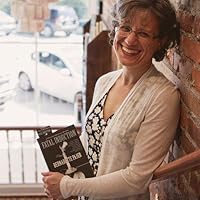
Read
June 3, 2011I thoroughly enjoyed this Young Adult novel. Two women, a mom and daughter, walked all the way from Spokane, WA to New York City in 1896 to try to win $10,000 to save the family farm. True story! This is a fictionalized account, but since based on fact, and the author is a descendant of those "pedestrians," I was amazed. Over 4,000 miles, following the railroad tracks the entire way.

January 7, 2022
The Year We Were Famous is a historical fiction novel based on the true story of Helga and Clara Estby, a mother and daughter who in 1896 attempt to walk all the way from Washington state to New York City in a desperate attempt to save the family farm, as well as to raise awareness for women’s suffrage and prove that women can do difficult things. If they succeed, they will win $10,000 and a contract to publish a book about their experiences.
The novel is clean and fairly well written, and the story is interesting, so I was entertained as I read of their encounters with blizzards, flash floods, scoundrels, and kind strangers. Helga, the mother, clearly suffers from mental illness, but steady Clara, who tells the story, is there to take care of her and make sure that she makes it home safely.
But…then I came to the end, which is a downer.
(Warning, spoilers ahead.)
When Helga and Clara finally limp into New York City after eight months of incredible hardship, there is no $10,000 prize. In the novel, the publisher who offered the wager simply assumed that they would fail, and never intended to pay up.
However, in the author’s note at the end, Carole Estby Dagg writes, “No one knows who—if anyone—made the wager with Helga Estby…She was so inconsistent about other provisions of the contract and her deadlines that I sometimes doubted if there even was a contract except in her lively imagination.”
But wait, it gets worse. The author’s note tells the rest of their story. The women remained stranded in New York City for months because they couldn’t afford train tickets home. When they finally did get home, they found that two of Helga’s other children had died of diphtheria while they were gone, and they ended up losing the farm after all. Helga took to her bed for months in deep depression, and the family agreed never to mention the trip again, and all their notes and journals were burned. Clara left home and remained completely estranged from her family for 25+ years before finally reconciling.
Dagg writes, “[Clara] kept her vow never to write about her trip across the country. I hope my version of her story will inspire you to keep walking in the direction you want to go, one step at a time.”
Inspire me?? What exactly is inspiring about this story? Am I supposed to be proud of their “woman power” because they survived the trip? To do something difficult and dangerous is not inherently admirable; if you do it for a stupid reason, and it only brings harm to people around you, it’s just stupid and harmful. This isn’t a triumphant story about chasing your dreams; it’s a tragic story of the delusions of mental illness, of the irresponsibility of a mother abandoning her family, of foolishness and waste. And speaking of waste, I just wish I hadn’t wasted my time reading this book.
The novel is clean and fairly well written, and the story is interesting, so I was entertained as I read of their encounters with blizzards, flash floods, scoundrels, and kind strangers. Helga, the mother, clearly suffers from mental illness, but steady Clara, who tells the story, is there to take care of her and make sure that she makes it home safely.
But…then I came to the end, which is a downer.
(Warning, spoilers ahead.)
When Helga and Clara finally limp into New York City after eight months of incredible hardship, there is no $10,000 prize. In the novel, the publisher who offered the wager simply assumed that they would fail, and never intended to pay up.
However, in the author’s note at the end, Carole Estby Dagg writes, “No one knows who—if anyone—made the wager with Helga Estby…She was so inconsistent about other provisions of the contract and her deadlines that I sometimes doubted if there even was a contract except in her lively imagination.”
But wait, it gets worse. The author’s note tells the rest of their story. The women remained stranded in New York City for months because they couldn’t afford train tickets home. When they finally did get home, they found that two of Helga’s other children had died of diphtheria while they were gone, and they ended up losing the farm after all. Helga took to her bed for months in deep depression, and the family agreed never to mention the trip again, and all their notes and journals were burned. Clara left home and remained completely estranged from her family for 25+ years before finally reconciling.
Dagg writes, “[Clara] kept her vow never to write about her trip across the country. I hope my version of her story will inspire you to keep walking in the direction you want to go, one step at a time.”
Inspire me?? What exactly is inspiring about this story? Am I supposed to be proud of their “woman power” because they survived the trip? To do something difficult and dangerous is not inherently admirable; if you do it for a stupid reason, and it only brings harm to people around you, it’s just stupid and harmful. This isn’t a triumphant story about chasing your dreams; it’s a tragic story of the delusions of mental illness, of the irresponsibility of a mother abandoning her family, of foolishness and waste. And speaking of waste, I just wish I hadn’t wasted my time reading this book.

March 13, 2012
Desperate to earn enough money to save the family farm in 1896, thirty-five-year-old Helga Estby comes up with the idea of walking across the country, starting near Spokane, Washington, and ending in New York City. Her daughter, Clara, accompanies her at the request of Clara's father who is worried about his wife's stamina. Dressed in their finest clothing and carrying satchels, the two set off across the country, intending to work in exchange for food and shelter along the way. Of course, they need to walk 25 miles each day if they are to reach their destination by the specified time. All sorts of adventures come their way--snow, flood, an encounter with a would-be bandit, even the hint of a possible love interest for Clara. The two women have never gotten along very well, possibly because they are both so strong-minded and independent, possibly because of a secret Helga has carried for much of her life. I loved much of the story until they neared New York, and then, it seemed to lose steam, much as Clara and Helga do. The secret Helga reveals is almost too much for Clara to bear, and the two return home, having accomplished their goal but having been cheated out of their money in a rather anticlimactic finish. I never really bought the character of newspaperman Charles Dore and Clara's fascination with him as contrasted with the stolid, reliable Erick who awaits Clara back home. While the determination and bravery of these two women can't be missed by even a casual reader of the book's pages, I wanted to know more about Clara and what happened to her next. How were her dreams realized? Having driven along much of the region where the two women walked, I had to shake my head in amazement at their daring, especially for those times. My interest also was heightened by the author's note about being Helga's great-granddaughter and continuing to work on the book even after 27 rejections.

May 15, 2018
It’s 1896 and the Estby family is just one auction away from losing their family farm. They must either raise more than $1,000 or lose everything. Inspired by her daughter Clara’s story of Nellie Bly, the American journalist who traveled around the world in 72 days, family matriarch Helga begins writing letters seeking a financial sponsor who will pay them to walk from Washington to New York. When a publisher in New York City offers them $10,000 to make the cross-country trek, the game is officially…so to speak…afoot.
Based on the true story of 17-year old Clara Estby’s walk across America, Carole Estby Dagg gives us the ultimate mother-daughter road trip story. Using newspaper articles and journal entries, Dagg reconstructs the 4,600-mile journey made by her great-grandmother and great-aunt. Since the story is based on actual events, the author does take several artistic liberties when presenting us with Helga’s and Clara’s adventures. I really loved this book until I read the Author’s Note at the end, where I learned exactly what embellishments were made. I was disappointed when fact and fiction were revealed, but understand how these particular fabrications gave Clara a little more depth of character. However, the incredible journey these two women embarked upon made these particular elaborations unnecessary. Helga and Clara survived highwaymen, lava fields, floods, heat, snowstorms, near starvation, personal injuries, and dehydration. Along the way, they also met Indians, political dignitaries, and managed to make a positive impact toward the advancement of women’s suffrage.
Early in the book, Clara mentions that the only thing she has in common with her mother is the gap between their front teeth. By the end of their multi-million step journey, Clara realizes that despite their differences, the bond between mother and daughter may be pulled, flexed, and twisted, but will never, ever be broken.
Based on the true story of 17-year old Clara Estby’s walk across America, Carole Estby Dagg gives us the ultimate mother-daughter road trip story. Using newspaper articles and journal entries, Dagg reconstructs the 4,600-mile journey made by her great-grandmother and great-aunt. Since the story is based on actual events, the author does take several artistic liberties when presenting us with Helga’s and Clara’s adventures. I really loved this book until I read the Author’s Note at the end, where I learned exactly what embellishments were made. I was disappointed when fact and fiction were revealed, but understand how these particular fabrications gave Clara a little more depth of character. However, the incredible journey these two women embarked upon made these particular elaborations unnecessary. Helga and Clara survived highwaymen, lava fields, floods, heat, snowstorms, near starvation, personal injuries, and dehydration. Along the way, they also met Indians, political dignitaries, and managed to make a positive impact toward the advancement of women’s suffrage.
Early in the book, Clara mentions that the only thing she has in common with her mother is the gap between their front teeth. By the end of their multi-million step journey, Clara realizes that despite their differences, the bond between mother and daughter may be pulled, flexed, and twisted, but will never, ever be broken.

Read
April 21, 2013It is 1896 and Clara Estby is seventeen. Her goal is to attend college and become a writer, but first she must help her family. Her mother Helga recently took to her bed claiming she suffers from consumption. Clara is used to her mother's bouts of what is likely depression, and she tries her best to lend a hand caring for her siblings and her father.
Clara knows another concern her mother has is the threat of losing the family farm. Harvest have been extremely poor in recent years and the bank may soon force them to move. Everyone is surprised when Helga suddenly makes a quick recovery and proposes a plan to save the farm. She has figured out a way to earn the money they need by walking from Mica Creek, Washington to New York City in hopes of selling rights to a book of her adventures.
It is decided that Clara should accompany her mother on the journey across the country. The two use Clara's college savings to purchase a minimum of supplies and their trek begins. The plan is to follow the railway lines, stopping at newspaper offices along to way to have their story recorded and published. After writing letters to numerous publishers in New York, Helga receives a commitment of $10,000 if they can complete their journey by a required deadline.
The two women survive blizzards, flash floods, and getting lost in a lava field. They camp with Indians and meet the president-elect of the United States. Readers will become fascinated with the adventures of Helga and Clara as they strive to make their deadline and show the country just what determined women can accomplish.
Author Carole Estby Dagg has based THE YEAR WE WERE FAMOUS on the true story of her great-grandmother and great-aunt. Their story will live on in the minds of readers and perhaps inspire a few to follow their own dreams.
Clara knows another concern her mother has is the threat of losing the family farm. Harvest have been extremely poor in recent years and the bank may soon force them to move. Everyone is surprised when Helga suddenly makes a quick recovery and proposes a plan to save the farm. She has figured out a way to earn the money they need by walking from Mica Creek, Washington to New York City in hopes of selling rights to a book of her adventures.
It is decided that Clara should accompany her mother on the journey across the country. The two use Clara's college savings to purchase a minimum of supplies and their trek begins. The plan is to follow the railway lines, stopping at newspaper offices along to way to have their story recorded and published. After writing letters to numerous publishers in New York, Helga receives a commitment of $10,000 if they can complete their journey by a required deadline.
The two women survive blizzards, flash floods, and getting lost in a lava field. They camp with Indians and meet the president-elect of the United States. Readers will become fascinated with the adventures of Helga and Clara as they strive to make their deadline and show the country just what determined women can accomplish.
Author Carole Estby Dagg has based THE YEAR WE WERE FAMOUS on the true story of her great-grandmother and great-aunt. Their story will live on in the minds of readers and perhaps inspire a few to follow their own dreams.

August 11, 2011
Let us establish one thing first. Calvin Coolidge was not president before William McKinley, and was not responsible for the economic troubles of 1896. Cleveland was president then, and thus can have some of the blame.
If you are wondering why I need to state this, then you should know that Mrs. Dagg wrote that Coolidge was president during the 1896 election. After reading this gross historical inaccuracy which I hope was changed in later copies of this book, my gut was screaming at me to abandon. Like the Estbys in the story I pressed on.
There is a reason you should listen to your gut.
The author had very little factual historical detail to build her story on because actual first-person accounts of Helga and Clara Estbys' journey were destroyed. This culminates in a book full of half-told "adventures" and a rushed timeline. The climax was sloppily told for a modern-day reader, and the big surprise that came with it was not properly set up.
There also was not much description of the actual walking. I understand that writing dime-novel situations was more fun than the means of transportation, but the half the fun is getting there. I wanted more of the day-to-day stuff which integrates the reader into a good historical fiction.
Do not waste your time.
If you are wondering why I need to state this, then you should know that Mrs. Dagg wrote that Coolidge was president during the 1896 election. After reading this gross historical inaccuracy which I hope was changed in later copies of this book, my gut was screaming at me to abandon. Like the Estbys in the story I pressed on.
There is a reason you should listen to your gut.
The author had very little factual historical detail to build her story on because actual first-person accounts of Helga and Clara Estbys' journey were destroyed. This culminates in a book full of half-told "adventures" and a rushed timeline. The climax was sloppily told for a modern-day reader, and the big surprise that came with it was not properly set up.
There also was not much description of the actual walking. I understand that writing dime-novel situations was more fun than the means of transportation, but the half the fun is getting there. I wanted more of the day-to-day stuff which integrates the reader into a good historical fiction.
Do not waste your time.

May 29, 2014
I've been trying to walk more, so this book is a great motivator. Feeling ready to stop after 3 miles? PSHAW. People can do 25 in a day, this is nothing. Why not double your effort? As for the content: fascinating chapter of sadly obscure history. These women were an inspiration and had the adventure of a lifetime. I wish I could have met them, but I quite enjoyed their fictionalized personalities and all the exciting things that happened over the course of the trip. It's a shame their own written accounts were lost, so the next best thing will be reading everything else I can find about them.

January 6, 2021
4.5 stars This mother-daughter adventure is based on the true story of the author’s great aunt, 18 year old Clara Estby, who walked from Spokane, Washington to New York City with her mother. Her mother Helga promoted the 7 month walking trip to show women could do anything, promote women’s suffrage, and earn money as a book deal to save their mortgaged farm. They walked with very little and had to ask strangers to feed and house them along the way.
I wished it had been longer and went into their experience afterwards.
I wished it had been longer and went into their experience afterwards.
April 15, 2011
This book was given to my in a Goodreads First Reads giveaway and I will forever be thankful to them and the author Carole Estby Dagg for blessing me with this wonderful story. The conditions that Helga and Clara survived are amazing in this day let alone in 1896. I hope I have a 10th of the resolve they had. The author's note in itself inspired me. I recommend this book to anyone who loves stories of strength and perseverance.
August 4, 2012
A Gripping Story of Women's Courage
As another reviewer stated, "I can't get enough of the Estby women." Walking across American with nothing but the clothes on your back and a satchel to carry would be a remarkable feat even today. But for women of the 1890s, this was nothing short of a miracle. Women weren't supposed to exert themselves physically, they weren't supposed to travel without male companionship--they didn't even have a GPS!
A well-written novel, based on a remarkable story!
As another reviewer stated, "I can't get enough of the Estby women." Walking across American with nothing but the clothes on your back and a satchel to carry would be a remarkable feat even today. But for women of the 1890s, this was nothing short of a miracle. Women weren't supposed to exert themselves physically, they weren't supposed to travel without male companionship--they didn't even have a GPS!
A well-written novel, based on a remarkable story!
June 1, 2015
Clara and Helga Estby are risking losing their farm if they aren't able to raise enough money. The only way to do so is to march from Washington to New York city in a certain amount of time, and it they complete this, they will be paid 10,000 dollars. I really loved this book because it shows how determined women can be. Along the way, they had to fight off robbers, and hardships, disease, and storms. It would recommend this book to anyone who is looking for adventure.

April 16, 2011
This was a quick easy read for me. I got into the book on the very first page. It was fun to read about the adventures that this mother and daughter had together walking to New York City from Washington. I couldn't wait to see if they were going to make it there in time or not. I am amazed that it was based on a true story.

May 3, 2011
With its homespun cover, I expected this book to be something like Little House on the Prairie, but this tale of a nineteenth-century cross-country trek has a decidedly modern feel. There is plenty of fodder for discussion about the roles and expectations of adults and children, mental illness, sexual education, politics and race relations.

October 10, 2011
Clara and her mother try to walk from their home in Oregon across the United States to New York City in 7 months to save their family farm. Will they make it?
This book is based on real events that happened to the author's great-aunt and great-grandmother, I believe, and it's a nice little book that shows a slice of two extraordinary lives.
This book is based on real events that happened to the author's great-aunt and great-grandmother, I believe, and it's a nice little book that shows a slice of two extraordinary lives.

February 6, 2011
I enjoyed this story. I especially liked learning the "real" story in the author's note in the back.
Not sure it would have enough teen appeal to get picked out of my public library teen collection. It would be great reading as part of a US History course.
Not sure it would have enough teen appeal to get picked out of my public library teen collection. It would be great reading as part of a US History course.
January 2, 2018
This is such a cool example of an author who successfully turned an amazing story from her family history and turned it into a novel--a labor of love that took years to accomplish. Carole Estby Dagg is my hero!

April 28, 2011
Loved it! Was fortunate enough to meet the author recently and won a signed copy of her book. She told of how she once saw her Aunt Clara's very worn feet. made it even more real for me.
Displaying 1 - 30 of 172 reviews