[Portuguese version below]
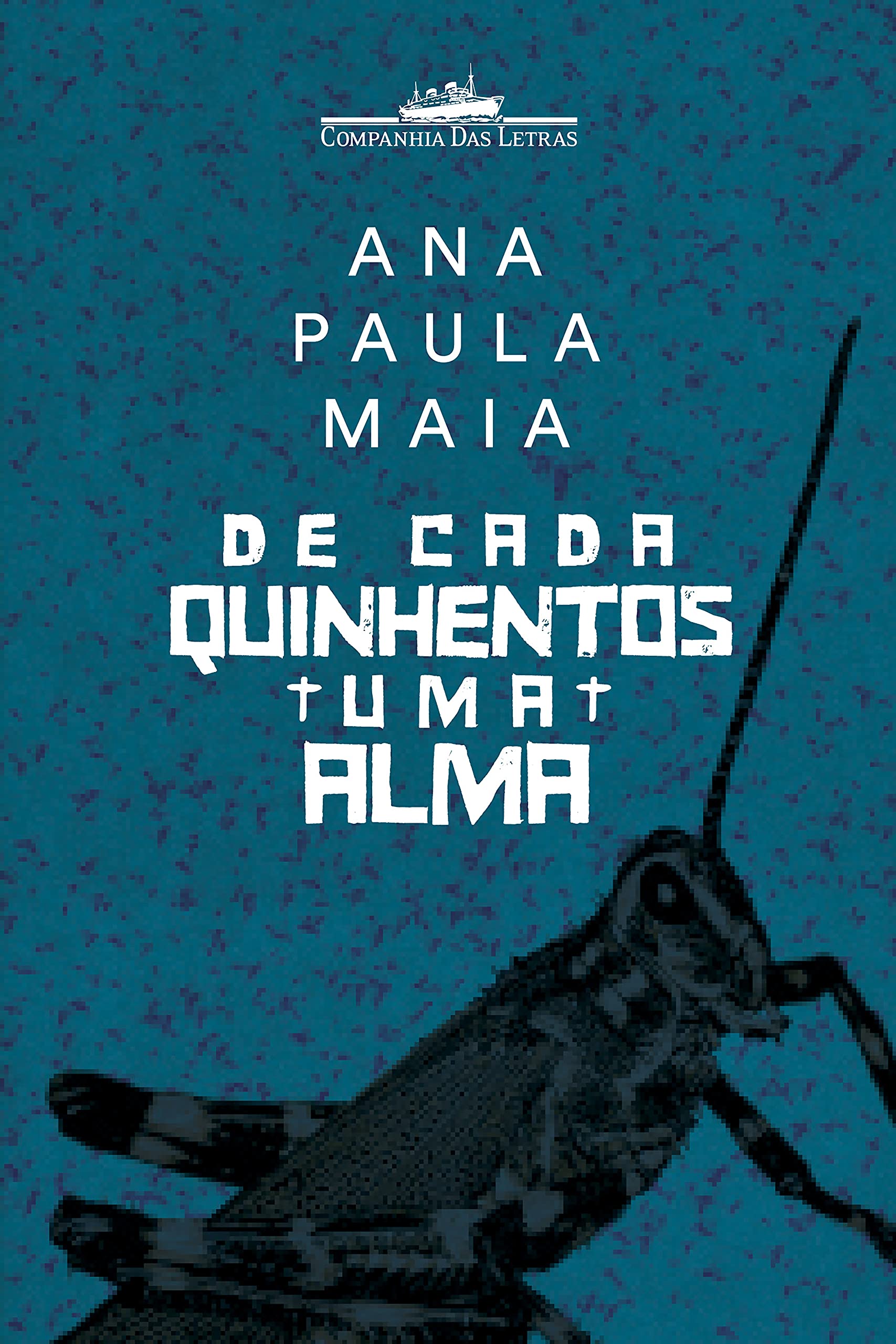
This was my first book by Ana Paula Maia. It would have made more sense to follow the natural order of the trilogy, or even the chronological sequence of her publications. I didn’t. It wasn’t a problem because this powerful story stands on its own. I could see some connections to her other books, which I plan to read. And the effect was, simply, an urgent desire to read the rest.
I believe this book can be categorized as dirty realism, with its stripped-down, dry language depicting tough places, people, and professions. Raw, marginal, brutal realities. Places we do not wish to visit, that we prefer to ignore — decimated villages, slaughterhouses turned into incinerators of corpses. In this book, that is combined with an apocalyptic context: an epidemic that wipes out animals and, gradually, humans as well. A narrative that intersects with biblical passages from Revelation, with belief/disbelief in the divine and in salvation.
The writing is fantastic — visual, detailed. Despite the extremely harsh themes and imagery (the book contains a great deal of cruelty and pain), the prose remains beautiful, powerful. I really liked it.
However, I was sorry that the book was so short. In a way, I would have liked to read a full-length novel, and I felt that what I got was a short novella — unforgettable, yes, but one that didn't develop the story as much as I had hoped. I’ll read the others. Perhaps the whole will be more than the sum of its parts? We shall see…
“Chaos is silent. It moves unnoticed. It seeps through the ordinary cracks we ignore. It settles in, and like a living organism, its instinct is to expand, carving through layer after layer until it takes root. By the time we realize it, it is already the one dictating orders and determining our next moves. Neither dead nor powerless, we are overcome.”
***
Este foi o meu primeiro livro de Ana Paula Maia. Faria mais sentido ter seguido a ordem natural da trilogia ou até a cronologia dos livros desta autora. Não o fiz. Não foi um problema porque esta história poderosa vale por si. Consegui perceber algumas ligações a outros títulos da autora, que pretendo ler. E o efeito foi, simplesmente, um sentimento de urgência para ler os restantes.
Julgo que este livro se pode categorizar como realismo sujo ("dirty realism"), com a sua linguagem despojada e seca, retratando lugares, pessoas e profissões duras. Realidades cruas, marginais, brutais. Lugares que não desejamos visitar, que ignoramos — aldeias dizimadas, matadouros convertidos em incineradoras de cadáveres. No caso deste livro, tal é combinado com um contexto apocalíptico, de uma epidemia que dizima animais e, progressivamente, também humanos. Que se vai cruzando com textos bíblicos do Apocalipse, a crença/descrença no divino e na salvação.
A escrita é fantástica, visual, detalhada. Apesar do tema e das imagens duríssimas (há muita crueldade e muita dor retratadas no livro), a escrita é bela, poderosa. Gostei mesmo muito.
Contudo, tive pena que o livro fosse tão curto. De certa forma, gostava de ter lido um romance, e senti que me fiquei por uma "curta" novela, que não desenvolveu a história o suficiente - pelo menos não tanto quanto eu gostaria. Vou ler os restantes. Talvez o todo seja mais do que a soma das partes? Veremos...
"O caos é silencioso. Move-se insuspeito. Penetra pelas brechas ordinárias que ignoramos. Instala-se, e, assim como um organismo vivo, seu instinto é expandir-se, sulcando camada após camada até enraizar-se. Quando nos damos conta, ele é quem já dita as ordens e os próximos movimentos. Nem mortos, nem impotentes, estamos dominados."