
What do you think?
Rate this book


687 pages, Hardcover
First published September 21, 2015


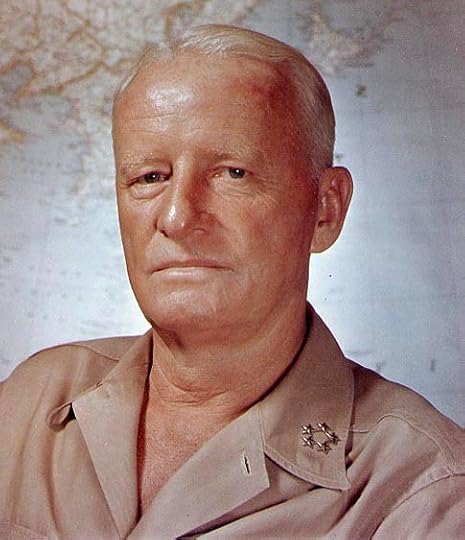
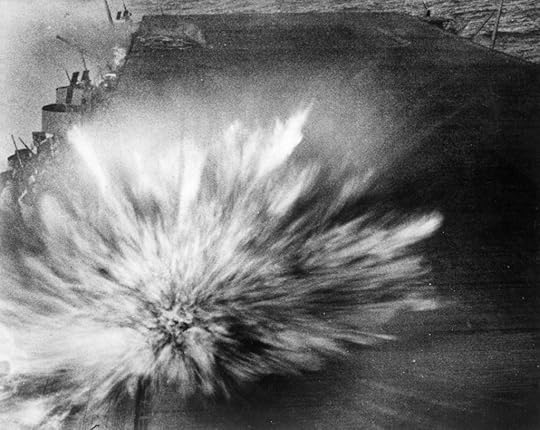
"By the fall of 1942, an American ship could land its first salvo on an unseen enemy without the benefit of searchlights or flares. That was a valuable technical advantage over the Japanese, and it largely offset the superior skill, training, and torpedo weaponry of the Japanese surface fleet."The author also covers the impact the war had both in the US and Japan, and he does not portray Japan as unconditionally evil or the U.S. as unquestionably the good-guys, just presents his account of what set these powers against each other and how they went at it. So we read how the political situation in Japan impact its own capacity to carry on successfully the war effort:
“The Guadalcanal campaign had exposed all of the internal rifts and rivalries that divided the Japanese military regime and paralyzed its ability to craft coherent strategies.”The American situation, on the other hand, enhanced with the passing of time after the first impact of Pearl Harbor. Dominance, among other circunstances, was supported through the fulfillment of its enormous industrial capacity.
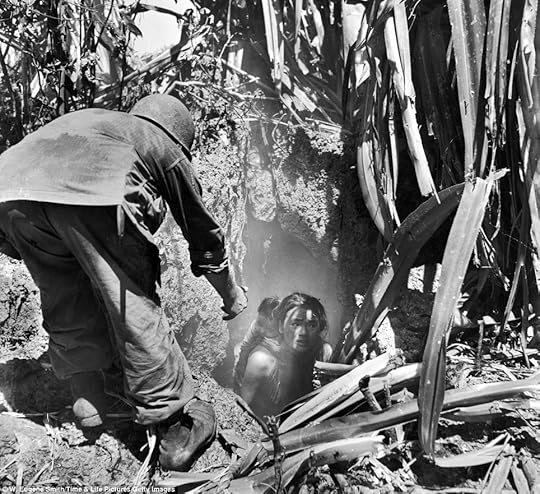
“Colonel Shoup, who wore a mask of dust and dirt like every other marine on the island, summed up the situation that afternoon: “Well, I think we’re winning, but the bastards have got a lot of bullets left. I think we’ll clean up tomorrow.” He was plainly exhausted, having slept not at all the previous night. He was still bleeding through his bandage. His report to General Julian Smith would enter Marine Corps lore: “Casualties many; percentage of dead not known; combat efficiency: We are winning.”Ultimately, conquering of the Marianas was essential to American objectives. And the Tinian island was to be the major airbase to the Twentieth Air Force, which would eventually operate more than 1,000 B-29 Superfortresses:
"Though Americans were slow to appreciate it, they had just won the decisive victory of the Pacific War. Capature of the Marianas and the accompanying ruin of the Japanese carrier airpower were final and irreversible blows to the hopes of the Japanese imperial project.”To conclude, I found The Conquering Tide an excellent overview of the middle two years of the War in the Pacific.
Malnourished and overworked, driven like a herd of beasts, instructed how to act and what to think, deprived of any sound basis for rational judgment, threatened with torture and prison at the first divergence from enforced norms, the Japanese people were powerless to alter the doomed course chosen by their leaders. Having long since surrendered whatever rights and freedoms they had once possessed, they were fated to share in the coming Götterdämmerung of 1945.


